
Reviewed · TOKYO TEA CEREMONY EXPERIENCES
Tokyo Sushi Making Class : Sake Ceremony & Matcha Experience
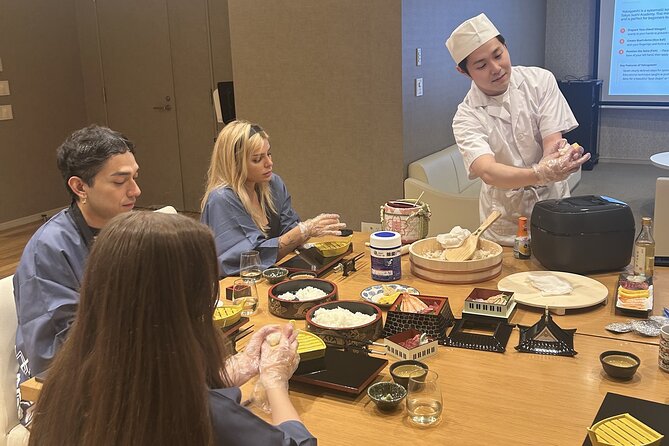
Opening a sake barrel with a group chant is an unusual way to start a sushi lesson. At Sushi Meets Matcha in Asakusa, you join a kagami-biraki ceremony, call out Yoisho! three times, and raise a toast before touching a grain of rice.
I like two things right away: the class mixes old and new Tokyo, pairing a traditional sake ritual with a playful torched salmon mayo gunkan, and you actually make your own food, rather than watching a demonstration from the sidelines. The matcha whisking at the end gives the 90-minute session a calm finish.
The main consideration is the group size, which can reach 20 people. That is large enough for a lively room, but anyone hoping for a quiet, highly personal sushi lesson may find the pace and attention less intimate.
Key points to know before booking
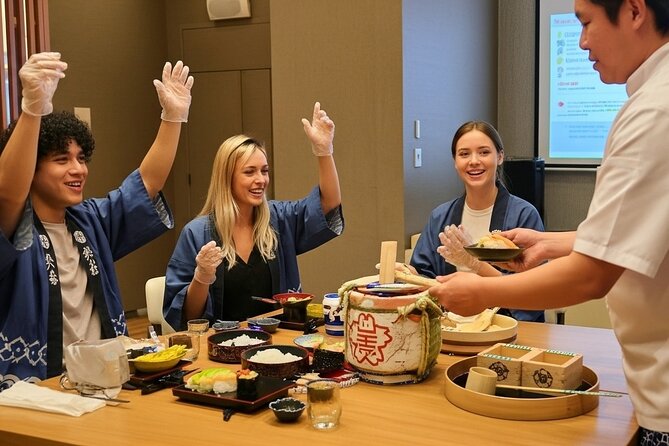
- Sake barrel opening: Begin with the festive kagami-biraki ceremony and the three-part Yoisho! chant.
- Beginner-friendly sushi skills: Learn how to shape rice, manage toppings, and assemble nigiri with step-by-step help.
- Modern Tokyo flavor: Make torched salmon mayo gunkan, finished with a quick flame for smoky flavor.
- Six to 12 pieces: Prepare a mixture of nigiri and rolls, then eat what you make.
- Matcha finale: Whisk your own bowl of matcha and finish the class with Japanese tea.
- Convenient Asakusa setting: Meet at 1-chōme-10-16 Hanakawado, near public transportation, and return there when the class ends.
Why this Asakusa sushi class feels different
Many sushi classes focus only on cutting fish or forming rice. This one adds a small cultural ceremony, a modern cooking trick, and a tea-making lesson. I like that broader shape because you get several snapshots of Japanese food culture in one short session.
The setting is Asakusa, one of Tokyo’s best-known sightseeing areas. The meeting point is at Sushi Meets Matcha, 1-chōme-10-16 Hanakawado, Taito City, Tokyo 111-0033. Since the activity begins and ends at the same place, you do not need to track several stops or figure out where the final tea portion will take place.
You should allow about an hour and a half from start to finish. That makes this easy to fit between sightseeing plans, though you should avoid placing it too close to a train departure or timed attraction. The class has a maximum of 20 people, so it is social and energetic rather than a private lesson.
The instructor is described as friendly, welcoming, and fun, with clear guidance for beginners. That matters here. Sushi rice is simple in appearance but tricky in the hands: too much pressure makes it dense, while too little leaves it loose. A good instructor can correct your technique before you build a whole plate of misshapen pieces.
More Tokyo tea ceremonies:
- Matcha Making Class in Tokyo with Authentic Japanese Sweets Set
★ 5.0 · 744 reviews - Tokyo: Traditional Tea Ceremony with a Tea Master
★ 5.0 · 528 reviews - Dynamic Tokyo: Tokyo Tower, Tea Experience, Bay Cruise Day Tour
★ 4.5 · 521 reviews
Starting with kagami-biraki and a shared toast
The first activity is kagami-biraki, the opening of a traditional sake barrel. The lid is opened as a group celebration of new beginnings, then everyone joins the chant: Yoisho, yoisho, yoisho!
This is not just a drink before class. It gives the lesson a ceremonial beginning and helps a group of strangers loosen up. The tone is meant to be cheerful and participatory. If you enjoy cultural activities that ask you to join in instead of simply watching, this opening should be a highlight.
You can choose a non-alcoholic option. Water or warm Japanese tea is available in place of sake. That makes the activity suitable for people who do not drink, families with older children, and anyone who wants to stay clear-headed for the cooking.
The barrel opening also sets expectations for the rest of the class. You are not signing up for a silent technical workshop. There is chanting, group participation, photo-taking, and a strong sense of occasion. If you prefer a low-key lesson with little interaction, this may feel louder than expected.
Learning the basic shape of nigiri
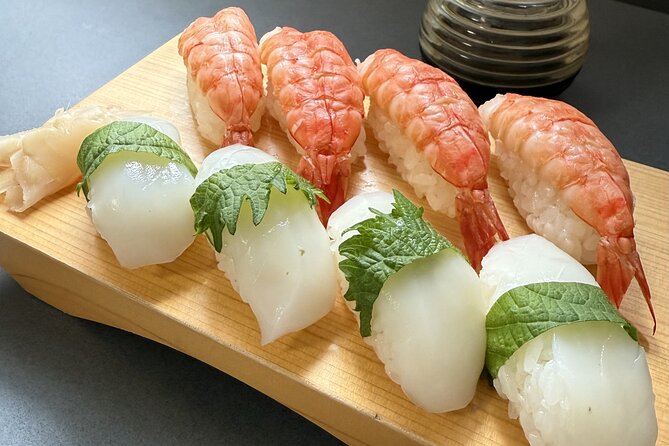
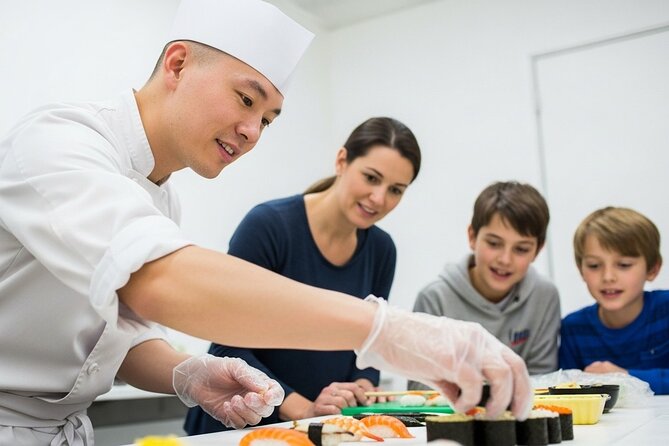
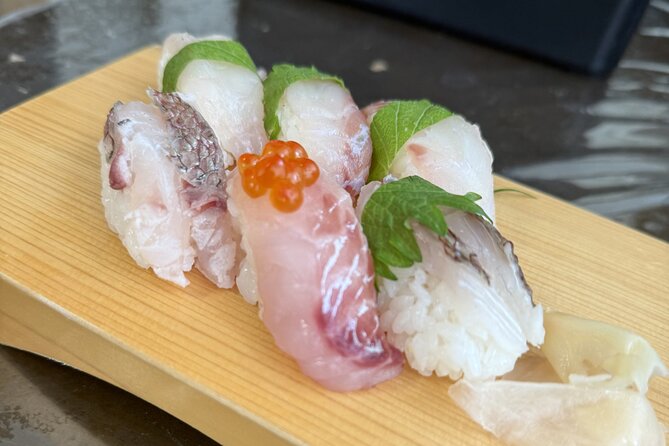
After the toast, the class turns to the central skill: making nigiri sushi. You learn how to shape the rice with the right pressure, handle the toppings, and place each topping cleanly.
The value is in the hand technique. A sushi piece can look simple, but the rice must hold together without becoming a hard block. You will be shown how to form it with enough structure to support the topping while keeping a light texture.
You also learn how to assemble the pieces with confidence. The class is designed for beginners, so you do not need prior cooking or sushi-making experience. The step-by-step format should help you focus on one task at a time instead of worrying about producing restaurant-perfect sushi immediately.
Your finished pieces may not look identical to those made by a professional sushi chef. That is part of the fun. You are learning a useful foundation, not earning a sushi apprenticeship in 90 minutes. The practical win is that you leave understanding how rice, toppings, and pressure work together.
The exact fish and toppings for the classic nigiri are not specified, so you should not book this expecting a particular selection. The activity does promise a mix of nigiri and rolls, with a total of roughly 6 to 12 pieces. That range likely depends on your pace and how many pieces you make during the session.
Making torched salmon mayo gunkan
The most playful cooking segment is the torched salmon mayo gunkan. Gunkan sushi has a rounded rice base with a band of seaweed holding the topping in place. Here, you pile salmon on top, add a zigzag of mayonnaise, and finish it with a quick torch.
This is presented as a modern Tokyo-style flavor rather than classic Edomae sushi. That distinction is useful. Traditional Edomae techniques are associated with carefully prepared fish and restrained presentation, while the salmon mayo gunkan is more casual, rich, and dramatic.
The torch adds a short burst of heat and smoky flavor. You also get the visual pleasure of watching the topping change as the flame passes over it. The group chants Wasshoi! three times at the best photo moment, so keep your phone ready if you want a record of the finished creation.
I like this part because it gives the class a clear personality. You are not only practicing an old technique. You are also trying a popular, contemporary flavor combination that feels closer to the fun side of Tokyo sushi shops.
The drawback is that people wanting a strictly traditional lesson may find the mayonnaise and torch finish a little gimmicky. That is not a flaw if you enjoy playful food, but it is worth knowing that the class intentionally combines classic nigiri with a modern, crowd-friendly bite.
More Tokyo sushi making classes:
- Sushi Making Tokyo Roll and Authentic Japanese Sushi Class
★ 5.0 · 3,971 reviews - Tokyo: Roll and Authentic Sushi Making Class in Asakusa
★ 4.9 · 1,957 reviews - Make Sushi and Create Unforgettable Memories in Tokyo
★ 5.0 · 1,413 reviews - Tokyo: Sushi Making Class in a Happi Coat near a Famous Spot
★ 4.9 · 1,377 reviews
Whisking matcha after the sushi
The final portion shifts from lively group energy to a slower tea ritual. You make your own matcha by whisking it until it becomes smooth and foamy, then drink the bowl you prepared.
This is a useful addition because it gives the class a different rhythm. The sushi-making portion involves hands, pressure, assembly, and a little performance. Matcha requires a more controlled motion and attention to texture. The contrast helps the experience feel like more than a quick cooking demonstration.
You should not expect a full tea ceremony with an elaborate set of formal steps. The activity describes a simple matcha finish focused on learning how to whisk your own bowl properly. For a first introduction, that is a sensible format. You get to use the whisk, see the foam form, and taste the result without committing to a long ceremony.
The matcha also helps make the experience appealing to people in a mixed group. One person may be excited about sushi, while another is more interested in Japanese tea. Both parts are substantial enough to give the class variety.
What you make and how much you eat
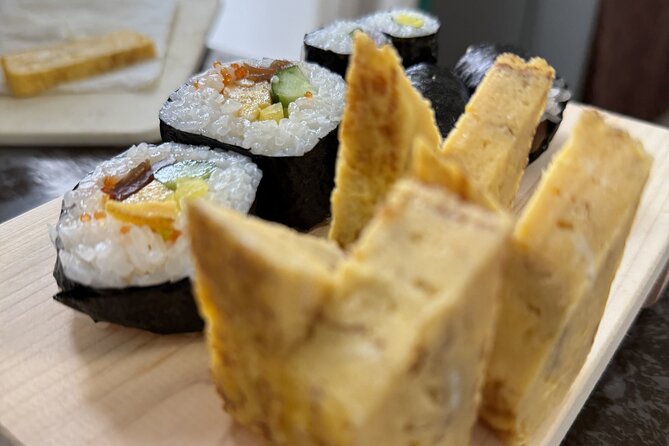
You will prepare about 6 to 12 pieces, including nigiri and rolls. That is enough to give you repeated practice without turning the class into a long meal.
The range is broad, so your final amount may depend on your pace, the group, and the instructor’s flow. If you are hungry, treat the sushi as a tasting-sized meal rather than a guaranteed full lunch or dinner. The focus is learning and participation, not serving a large restaurant portion.
I would also keep your expectations realistic about presentation. Your first few pieces may be uneven. The activity is built around learning how to shape and assemble sushi, so the satisfaction comes from making something yourself and seeing improvement from one piece to the next.
The finished food should be enjoyable because you have handled every stage of assembly. Still, this is not a substitute for visiting a dedicated sushi restaurant in Tokyo. You are paying for instruction, cultural activities, and a shared event as much as for the food itself.
Is the $45.77 price good value?
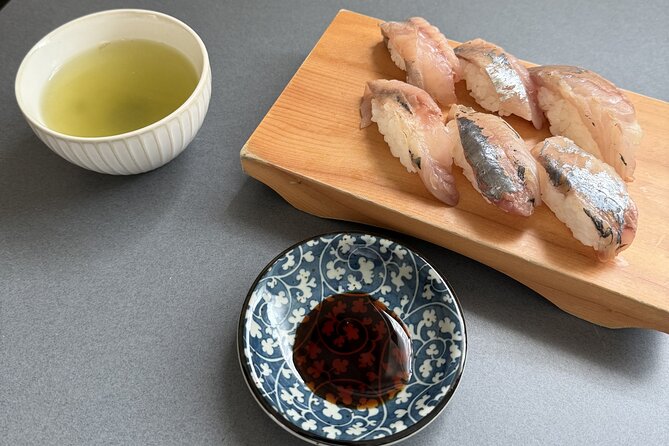
At $45.77 per person, this is fairly priced for a compact Tokyo activity that combines several elements. You receive instruction, ingredients for 6 to 12 pieces, a sake-barrel ceremony, a modern torched sushi preparation, and a matcha lesson.
The price makes the most sense if you value participation. If your main goal is simply to eat excellent sushi, you can spend less at a casual restaurant or more at a specialist counter and receive a very different experience. Here, the food is part of the lesson.
The 90-minute duration is another point in its favor. You are not giving up half a day, and the central Asakusa location makes it easy to pair with other plans. The mobile ticket is practical for a day of sightseeing, when you may not want to carry printed paperwork.
The class becomes especially good value for a first-time visitor who wants several Japanese food customs in one booking. You get a small ceremony, hands-on sushi practice, a modern flame-finished bite, and matcha. Few individual parts take long, but together they create a varied session.
Who will enjoy this class most
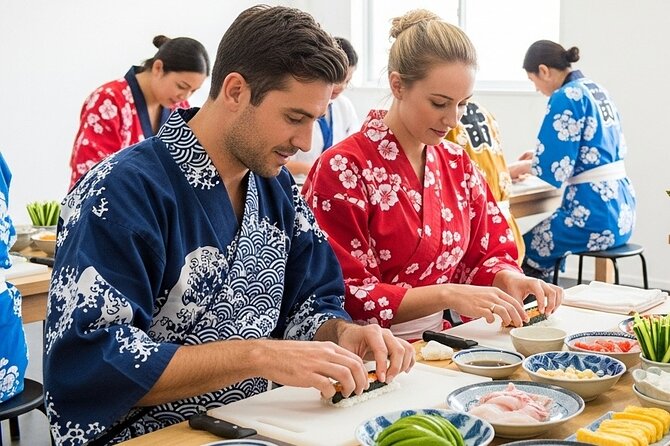
I would recommend it to first-time visitors who want an activity rather than another sightseeing stop. It also suits couples, families, and small groups of friends who enjoy making food together and taking photos during the process.
Beginners should feel comfortable booking. The lesson explains the basic nigiri skills from the start, and no prior sushi-making experience is required. The friendly, encouraging teaching style is important here, especially for anyone who worries about getting the rice shape wrong.
It is also a good fit for people who want a non-alcohol option. You can choose water or warm Japanese tea during the barrel-opening toast, so drinking sake is not required.
You may want to skip it if you are looking for a private chef lesson, a deep study of sushi history, or a large meal. A group of up to 20 people means the mood can be lively, and the lesson has to keep moving. People with very specific dietary needs should also confirm details before booking, since the available ingredients and substitutions are not specified.
Practical details for planning your visit
The meeting point is Sushi Meets Matcha, 1-chōme-10-16 Hanakawado, Taito City, Tokyo 111-0033, Japan. The activity is near public transportation and ends back at the same meeting point.
Plan to arrive with enough time to find the location. The class includes several changes in pace, from the opening chant to rice shaping, torching, photography, and matcha whisking. Arriving late could mean missing the barrel ceremony or needing to catch up with the group.
Your booking confirmation is provided at the time of booking. The mobile ticket is convenient, especially if you are moving around Tokyo with your phone already serving as your map and transport guide.
Free cancellation is available if you cancel at least 24 hours before the local start time. Cancellations made less than 24 hours ahead are not refunded, and changes inside that window are not accepted. Keep that cutoff in mind before committing the class to a tightly packed sightseeing day.
My verdict: book it for the hands-on mix
You should book this class if you want a short, social Tokyo activity that combines food and culture without demanding a full day. The kagami-biraki opening, beginner-friendly nigiri lesson, torched salmon mayo gunkan, and matcha finale give you four distinct moments for $45.77.
I especially like the balance between tradition and fun. You get a genuine Japanese ritual and a simple tea technique, but you also get a playful modern sushi bite and group chants. The class does not pretend to be an elite sushi apprenticeship, and that honesty works in its favor.
Think twice if you want silence, privacy, or a strictly traditional menu. For most first-time visitors, though, this is a cheerful and practical way to spend 90 minutes in Asakusa, with food you make yourself and a few new skills to take home.
FAQ
How long does the Tokyo sushi-making class last?
The class lasts approximately 1 hour and 30 minutes.
Where does the activity meet?
It meets at Sushi Meets Matcha, 1-chōme-10-16 Hanakawado, Taito City, Tokyo 111-0033, Japan.
Where does the class finish?
The activity ends back at the same meeting point.
Is sake included in the experience?
The class begins with a sake barrel-opening ceremony and group toast. If you do not want sake, you can choose water or warm Japanese tea instead.
How many sushi pieces will I make?
You will make approximately 6 to 12 pieces, including nigiri and rolls.
Is the class suitable for beginners?
Yes. The class provides step-by-step guidance on shaping rice, handling toppings, and assembling nigiri, and it is designed for beginners.
What is the cancellation policy?
You can cancel for a full refund up to 24 hours before the local start time. Cancellations or changes made less than 24 hours before the start are not accepted for a refund.
More Tokyo sake tastings
- Ramen and Sushi Cooking Class with Sake Pairing Set in Tokyo
★ 5.0 · 291 reviews - Sake Tasting Masterclass in Shinjuku (8+ Varieties with a Pro)
★ 5.0 · 271 reviews - Sake Omakase in Tokyo: Guided Tasting by Certified Sommeliers
★ 5.0 · 239 reviews - Tasting All Types of Sake with Sommelier
★ 5.0 · 151 reviews
More Tokyo cooking classes
- Tokyo Shinjuku Chopsticks Making Class
★ 5.0 · 1,763 reviews - Tokyo Sushi Making Class in Tsukiji with Professional Chef
★ 5.0 · 1,177 reviews - Ramen & Gyoza Cooking Class in Tokyo with Local Supermarket Visit
★ 5.0 · 823 reviews - Tokyo: Tsukiji Fish Market Sushi Making Class with Pro Chef
★ 4.9 · 506 reviews
Newly reviewed around Tokyo
- Tokyo Asakusa:Calligraphy & Make T-shirt Activity★ 5.0 · 62 reviews
- Intercity Shuttle, Tokyo to Haneda /Narita /Yokohama /Makuhari★ 5.0 · 5 reviews
- 1 Hour Travel around Tokyo with a Professional Photographer★ 5.0 · 3 reviews
- Travel Tokyo with Your Own Personal Photographer★ 5.0 · 43 reviews
- Train in Samurai Swordsmanship and Defeat the Demon in Tokyo★ 5.0 · 5 reviews
- Shuttle Van 6hr Tokyo Tour to-and-from Tokyo, Yokohama and Narita★ 5.0 · 9 reviews
- Kickboxing & Body Training with EX-Pro Fighter★ 5.0 · 4 reviews
- Traditional Japanese Knife Sharpening Class★ 5.0 · 18 reviews
Tokyo Tea Ceremony Experiences, compared.
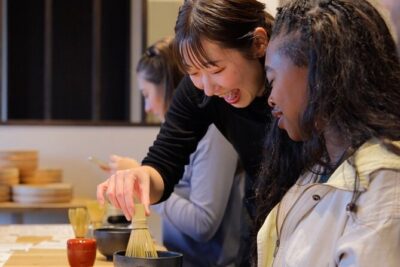
Matcha Making Class in Tokyo with Authentic Japanese Sweets Set
Read our review →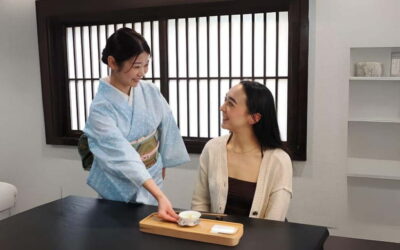
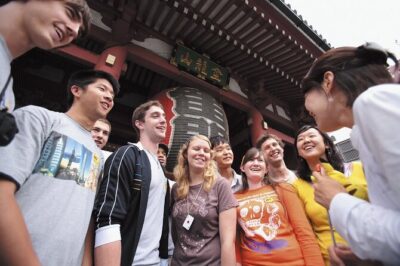
Dynamic Tokyo: Tokyo Tower, Tea Experience, Bay Cruise Day Tour
Read our review →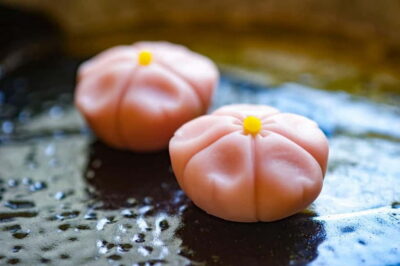
Matcha Making Experience with Mochi Sweets in Asakusa
Read our review →
Tea Ceremony Workshop in Tokyo by the Experienced Instrucor
Read our review →
Browse the lists this tour appears in