
Reviewed · TOKYO SAKE TASTINGS
Tasting All Types of Sake with Sommelier
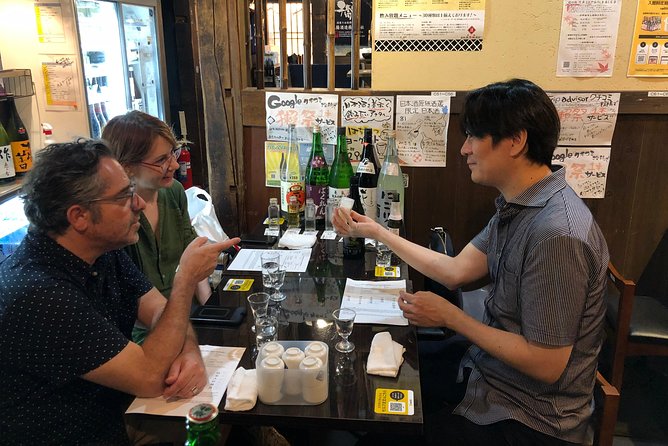
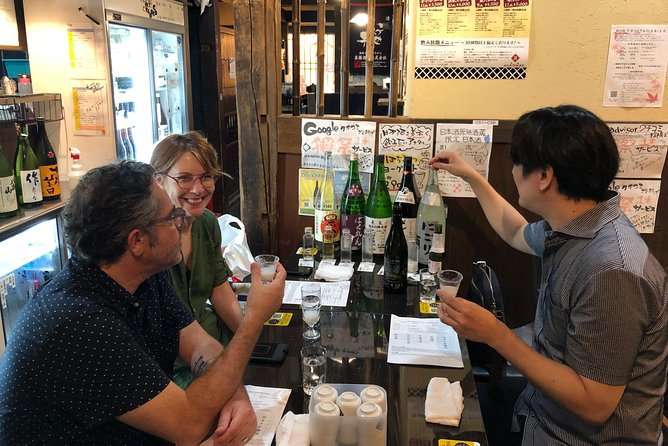
The best part of this Shinjuku experience is that it treats sake as more than a drink. At a small sake bar near Louis Vuitton Shinjuku, sommelier Aki guides you through six or seven styles, from sparkling and sweet to hot, dry, pasteurized, and unpasteurized bottles. You learn what you are tasting and why it differs.
I like the clear label-reading lesson, which helps you order in Japan without guessing. I also like the chance to try special sake that can be difficult to find outside Japan, especially unpasteurized bottles. The main consideration is simple: this is a tasting with a serious amount of information, so it suits curious drinkers more than anyone seeking a quick pre-dinner drink.
Key points to know before booking
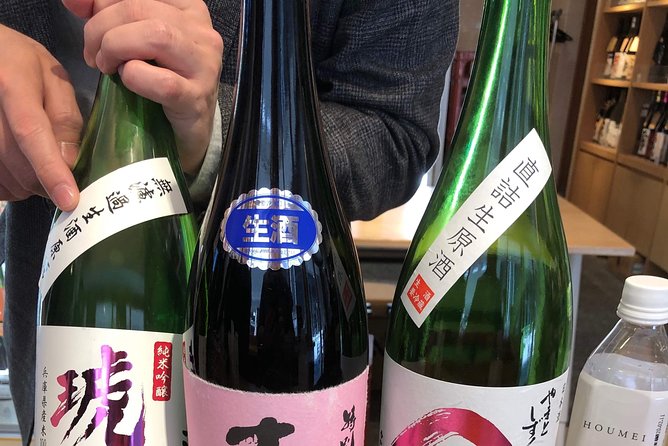
- Six to seven sake samples: Expect a broad introduction rather than one narrow style of nihonshu.
- Aki leads the tasting: He is described as a sommelier with experience in sake, wine, whiskey, and Japanese nightlife.
- Shinjuku setting: The tour begins near Shinjuku San-chome and finishes at the meeting point, with discussion of Kabukicho and Golden Gai.
- Practical label skills: You learn how to read a sake bottle and choose a drink based on your own taste.
- Small-group format: The maximum group size is 12, though some departures may feel much smaller.
- Good timing for a first Tokyo evening: The 4 p.m. start leaves you near Shinjuku nightlife after the tasting.
Six or seven sakes, served as a lesson rather than a bar crawl
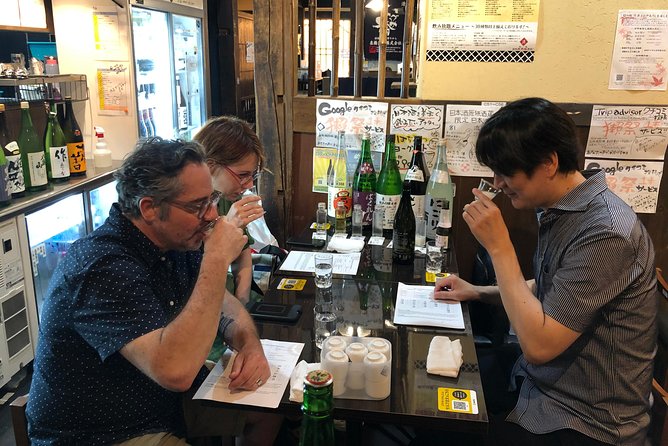
This experience is built around comparison. Instead of ordering one bottle and hoping it suits you, you work through several different kinds of sake with explanations along the way.
The tasting can include a welcome sake followed by about six additional samples. The selection may cover sparkling, sweet, dry, hot, pasteurized, and unpasteurized sake. That range matters because many first-time drinkers assume sake has one standard flavor. It does not. The style can change sharply depending on production, serving temperature, sweetness, acidity, and the degree of polishing used on the rice.
Aki explains what he notices in each glass and tells you how it is best served. You also get guidance on foods that pair well with different types. The point is not to memorize every Japanese sake term. It is to leave with enough confidence to choose something at a restaurant or shop.
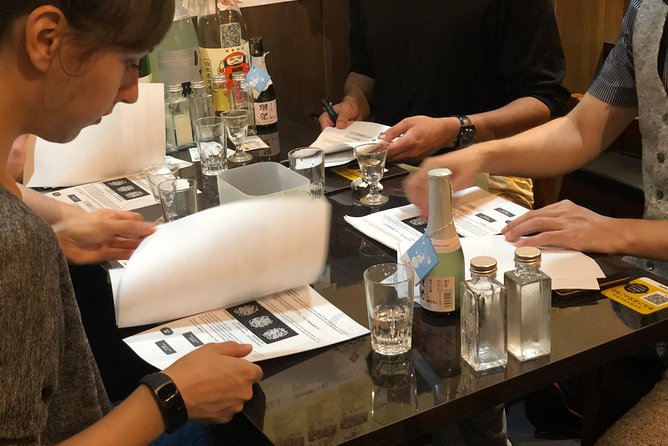
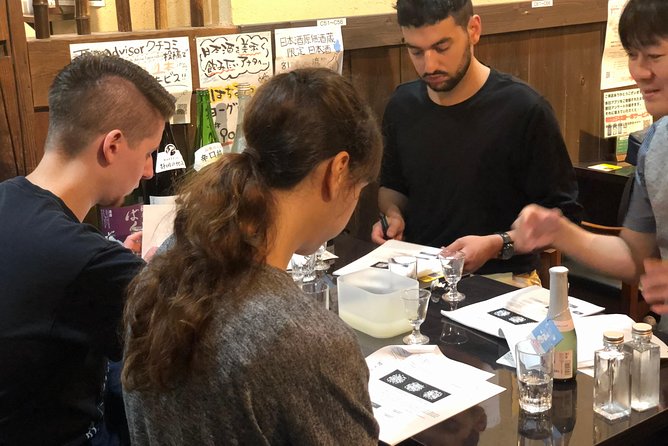
You receive a printed handout covering sake production, different types, and basic points to remember. One useful improvement would be a tasting sheet listing each bottle, along with details such as acidity, pasteurization, and serving style. Still, the handout gives you something practical to keep after the alcohol has worn off.
The pace is fairly full. The scheduled duration is about 90 minutes, with roughly 1 hour and 20 minutes spent at the sake bar. One tasting has taken closer to two hours, so you should avoid booking a tight dinner reservation immediately afterward.
More Tokyo sake tastings:
- Ramen and Sushi Cooking Class with Sake Pairing Set in Tokyo
★ 5.0 · 291 reviews - Sake Tasting Masterclass in Shinjuku (8+ Varieties with a Pro)
★ 5.0 · 271 reviews - Sake Omakase in Tokyo: Guided Tasting by Certified Sommeliers
★ 5.0 · 239 reviews
Meeting in Shinjuku San-chome
The meeting point is at Frente Shinjuku San-chome, at 3-chome-4-8 Shinjuku, Shinjuku City. The start time is 4 p.m., and the experience ends back at the same meeting point.
The opening walk and introduction take about five minutes in the Shinjuku area. Another short stop covers Shinjuku 3-chome before you head to the bar. These pauses are not sightseeing stops in the usual sense. They help place the tasting in its neighborhood and give Aki time to explain the part of Tokyo you are about to explore.
Shinjuku is a useful setting for this kind of activity. It is one of Tokyo’s major entertainment districts, and the tasting gives you an early evening foothold before the streets become more crowded. You are near department stores, restaurants, bars, and the nightlife zones of Kabukicho and Golden Gai.
The meeting area can be busy, so pay attention to the exact location and keep your phone available. Aki is described as making an effort to find people in the crowded meeting area. The mobile ticket is convenient, and the tour is close to public transportation.
At the sake bar near Louis Vuitton Shinjuku
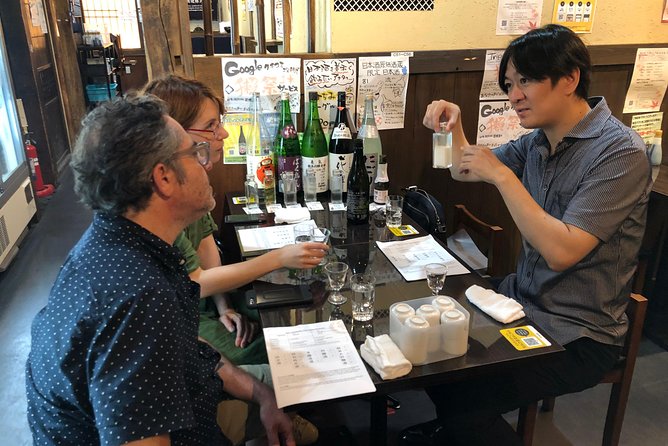
The main part of the activity takes place at a sake bar right next to Louis Vuitton Shinjuku. This is not a brewery visit or a large museum-style presentation. It is a seated tasting in a small bar, which keeps the focus on the bottles and the conversation.
The small setting has advantages. You can ask questions as they come up, and Aki can adjust his explanations to the group. The group limit is 12 people, but some sessions have had only two participants. A smaller group can feel almost like a private class, while a full group may feel more social.
Aki is the central reason this experience works. He is friendly, funny, and comfortable explaining technical points in English. His background covers sake as well as wine and whiskey, and he can answer questions that move beyond the basic tasting. The tone is informal, but the lesson has real substance.
You are likely to hear about the ingredients, brewing process, aging, market differences, and the reason bottles can taste so unlike one another. Aki also explains the difference between pasteurized and unpasteurized sake. Unpasteurized bottles are especially interesting if you live outside Japan, since shipping them can be difficult and availability is limited.
Do not expect every sample to suit your taste. That is part of the value. A dry sake may appeal to you while a sweet one does not, or you may prefer sparkling sake to a more traditional style. The tasting gives you a chance to test those preferences without committing to a full bottle.
Learning to read a Japanese sake label
For many people, the most useful part is not the drinking. It is the label lesson.
Japanese sake bottles can look attractive while offering information that is hard to decode at a shop. Aki explains how to read the label and use the information to make a better choice. You learn to look for clues about style and production rather than picking a bottle based only on its name or design.
The session also helps separate common ideas about sake from practical reality. Sake is often called rice wine, but it is made through a brewing process. You do not need a technical course in fermentation to enjoy it, yet understanding a few basic steps makes the flavor differences easier to follow.
Aki connects the production details to the glass in front of you. That is important. A lecture about brewing can become dry very quickly, but tasting the result gives each explanation a purpose.
You also learn that temperature changes the drinking experience. The samples may include hot sake as well as chilled styles, allowing you to compare how serving temperature affects aroma and flavor. The advice about food pairings is equally helpful because sake can work with more than the standard sushi image suggests.
A completely different kind of day in Tokyo:
- Mt Fuji and Hakone 1-Day Bus Tour Return by Bullet Train
★ 5.0 · 26,383 reviews - 1-Day Tokyo Bus Tour
★ 5.0 · 14,250 reviews - Tokyo: teamLab Planets TOKYO Digital Art Museum Entry Ticket
★ 4.6 · 9,779 reviews - Mt Fuji & Hakone Cruise, Drum Show Bullet Train 1 Day from Tokyo
★ 4.0 · 7,413 reviews
A short introduction to Kabukicho and Golden Gai
The tour includes conversation about Kabukicho and Golden Gai. These are not separate long walking tours, so set your expectations accordingly. You receive local context and nightlife advice while moving through the Shinjuku area, not a detailed architectural or historical tour.
Kabukicho is known for its entertainment venues, while Golden Gai is famous for its dense collection of tiny bars. Mentioning both helps you understand why Shinjuku is such a fitting place for an evening sake activity.
Aki also offers general suggestions about Tokyo nightlife and places to visit. This can be useful early in your trip, especially if you are still deciding where to eat or spend the evening. The tasting ends where it began, so you can continue in Shinjuku without arranging another transfer.
The nightlife discussion is an added benefit, but it should not be the main reason you book. If you want a dedicated walking tour of Kabukicho, this is not it. The sake lesson remains the main event.
What the price includes at $62.76
At $62.76 per person, this is not the cheapest way to drink sake in Tokyo. You could order several glasses at a bar for less, particularly if you are interested only in trying sake and not in the instruction.
The value comes from the range and the guidance. You are tasting six or seven types, asking questions, learning how to read labels, and getting advice on serving styles and food pairings. A sommelier-led introduction also reduces the risk of spending money on a full bottle you do not enjoy.
The price makes more sense if you are new to sake, want to shop for bottles later, or expect to eat at Japanese restaurants during the rest of your trip. It is also a fairer comparison with a guided class than with a normal bar visit.
People who already know their preferred sake style may find the introductory material repetitive. Even then, the chance to taste Japanese-only or difficult-to-ship bottles may justify the cost, particularly for sake fans who usually drink imported selections at home.
The activity is booked, on average, 23 days ahead. That does not mean you must reserve that early, but it is a useful signal for planning a popular Tokyo itinerary. The maximum group size is 12, and the 4 p.m. start fits neatly before dinner.
Who will enjoy this tasting most
I would recommend this for first-time sake drinkers who want a friendly explanation rather than a formal certification course. Aki’s style is social and relaxed, but he covers plenty of material.
It also suits couples, families with adult children, and small groups of friends. One parent and daughter used it as part of a first visit to Japan, while other small groups enjoyed the mixture of tasting and conversation. Everyone drinking must of course meet the legal drinking age requirements, though the supplied details do not state a specific policy for minors.
Sake lovers have something to gain too. The selection can include unpasteurized sake and other bottles that are not easy to find in the United States. You may already know the basics and still discover a style unavailable at home.
I would be more cautious about booking this for someone who dislikes classroom-style explanations. Aki covers production, ingredients, aging, the market, and serving choices. If your ideal afternoon is one quick drink with no background, this will feel too long.
Eat before you arrive. One practical tip from the experience is to have lunch first, since several samples over 90 minutes can catch up with you. You can enjoy the lesson more clearly with food in your system, and you will be in better shape for the rest of the evening.
Timing, transport, and cancellation details
The activity starts at 4 p.m. and returns to the original meeting point. It is near public transportation, but the supplied details do not name a specific station or train line, so check the route from your hotel before leaving.
The mobile ticket keeps the booking simple. Confirmation is provided when you book, and most people can participate. The experience has a maximum of 12 participants.
Free cancellation is available if you cancel at least 24 hours before the local start time. Cancellations or changes made inside that 24-hour window are not accepted for a refund.
Because the tour takes place in a busy part of Shinjuku, allow a little extra time to reach the meeting point. The short neighborhood introduction is useful, but arriving late could mean missing the start of the sake explanation.
Is this Tokyo sake tour worth booking?
Book it if you want to understand what you are drinking, compare several sake styles, and gain the confidence to order or shop on your own. Aki’s humor, clear English, and broad drink knowledge make the lesson approachable, while the Japanese-only and unpasteurized selections add something you may not find at home.
Skip it if you only want a cheap drink, a brewery tour, or a long guided walk through Shinjuku. This is a compact tasting class in a small bar, with nightlife commentary around the edges.
For most curious visitors, the best plan is to schedule it near the beginning of your Tokyo stay, after lunch and before dinner. You will finish with a better sense of your own taste, a short list of sake terms you can actually use, and the whole Shinjuku evening still ahead.
FAQ
Where does the sake tasting begin?
It begins at Frente Shinjuku San-chome, 3-chome-4-8 Shinjuku, Shinjuku City, Tokyo 160-0022, Japan.
What time does the experience start?
The start time is 4 p.m.
How long does the sake tasting last?
The scheduled duration is about 1 hour and 30 minutes. The main sake-bar portion is listed at about 1 hour and 20 minutes, though one session took closer to two hours.
How many types of sake will I taste?
You will generally taste six to seven types of sake, with a possible additional welcome sake.
What styles of sake may be included?
The tasting may include sparkling, hot, sweet, dry, pasteurized, and unpasteurized sake.
Who leads the experience?
The sommelier and host is Aki, also referred to as Akira in the tour information.
How many people can join the tasting?
The maximum group size is 12 people.
Can I cancel for a full refund?
Yes. You can cancel at least 24 hours before the local start time for a full refund. Changes or cancellations made less than 24 hours before the start are not accepted for a refund.
More Tokyo food tours
- Tokyo: Shinjuku Food Tour (13 Dishes at 4 Local Eateries)
★ 5.0 · 6,603 reviews - Tokyo Tsukiji Fish Market Food and Culture Walking Tour
★ 5.0 · 3,184 reviews - Tokyo: Shinjuku Food Tour (15 Dishes and 4 Eateries)
★ 4.9 · 2,033 reviews - Tokyo: Tsukiji Fish Market Food and Walking tour
★ 5.0 · 1,724 reviews
More Tokyo drink tastings and bars
- Tokyo Bar Hopping Tour in Shinjuku (All-You-Can-Drink + Dinner)
★ 5.0 · 3,587 reviews - Best of Shinjuku: Izakaya Food Tour (4 Stops, 14+ Tastings)
★ 5.0 · 1,863 reviews - Tokyo: Shinjuku Local Bar and Izakaya Guided Walking Tour
★ 4.9 · 1,794 reviews - Shibuya Meltdown Nightlife Tour: All-You-Can-Drink Bar Hopping
★ 5.0 · 1,058 reviews
Newly reviewed around Tokyo
- Tokyo Asakusa:Calligraphy & Make T-shirt Activity★ 5.0 · 62 reviews
- Intercity Shuttle, Tokyo to Haneda /Narita /Yokohama /Makuhari★ 5.0 · 5 reviews
- 1 Hour Travel around Tokyo with a Professional Photographer★ 5.0 · 3 reviews
- Travel Tokyo with Your Own Personal Photographer★ 5.0 · 43 reviews
- Train in Samurai Swordsmanship and Defeat the Demon in Tokyo★ 5.0 · 5 reviews
- Shuttle Van 6hr Tokyo Tour to-and-from Tokyo, Yokohama and Narita★ 5.0 · 9 reviews
- Kickboxing & Body Training with EX-Pro Fighter★ 5.0 · 4 reviews
- Traditional Japanese Knife Sharpening Class★ 5.0 · 18 reviews
Tokyo Sake Tastings, compared.
Ramen and Sushi Cooking Class with Sake Pairing Set in Tokyo
Read our review →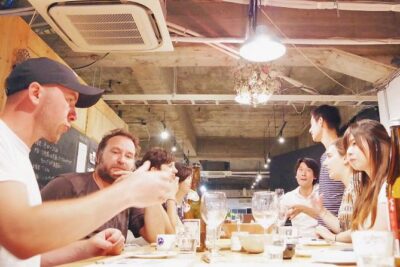
Sake Tasting Masterclass in Shinjuku (8+ Varieties with a Pro)
Read our review →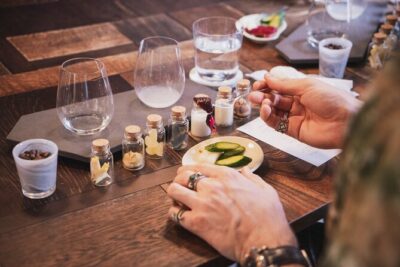
Sake Omakase in Tokyo: Guided Tasting by Certified Sommeliers
Read our review →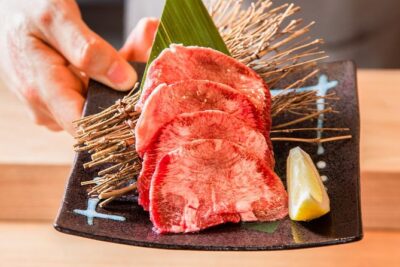
Wagyu & Sake Pairing in Shinjuku – Steak, Shabu-Shabu & More
Read our review →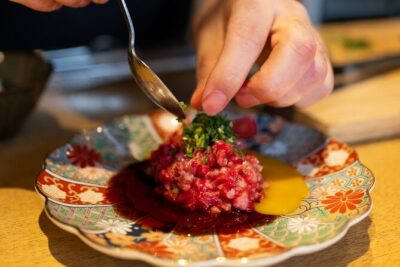
Tokyo Wagyu & Sake Pairing Tasting Experience with Local Flavors
Read our review →
Sushi and Ramen Cooking Class with Sake Pairing Set
Read our review →
Tsukiji: Outer Market Walking Tour & Sake Tasting Experience
Read our review →
Cozy Tokyo Class: Ramen, Sushi, Sake Pairing & Cultural Exchange
Read our review →Browse the lists this tour appears in