
Reviewed · TOKYO RAMEN TOURS AND CLASSES
Tokyo: Sushi and Ramen Cooking Class with Sake Pairing Set
The best part of this Tokyo cooking class is the unusual pairing: you learn both ramen and nigiri sushi in one sitting, then eat what you made with three Japanese sakes. The class also covers chashu pork, ingredient choices, and the story behind these two famous foods.
I like the warm, tiny-group format and the practical recipes you can use at home. I also like the location near Tsukishima, which is easy to reach from Ginza, Tokyo Station, or Tsukiji. The main drawback is simple: vegans and vegetarians cannot join, and some cooking steps are prepared ahead so the three-hour schedule works.
Key points
- Two Japanese classics in one class: Make ramen with broth and chashu pork, then shape nigiri sushi.
- Three sake pairings: A certified sake sommelier selects three premium Japanese sakes for tasting.
- Personal instruction: Groups are limited to eight, with some sessions hosting only two or four people.
- Useful take-home material: You receive recipes for ramen, gyoza, and sushi, plus souvenir chopsticks.
- Convenient Tokyo setting: The class is a five-minute walk from Exit 4 of Tsukishima Station.
- A food-and-culture lesson: Instructors explain sushi and ramen traditions, ingredients, and substitutions for cooking outside Japan.
A Tokyo cooking class with two very different dishes
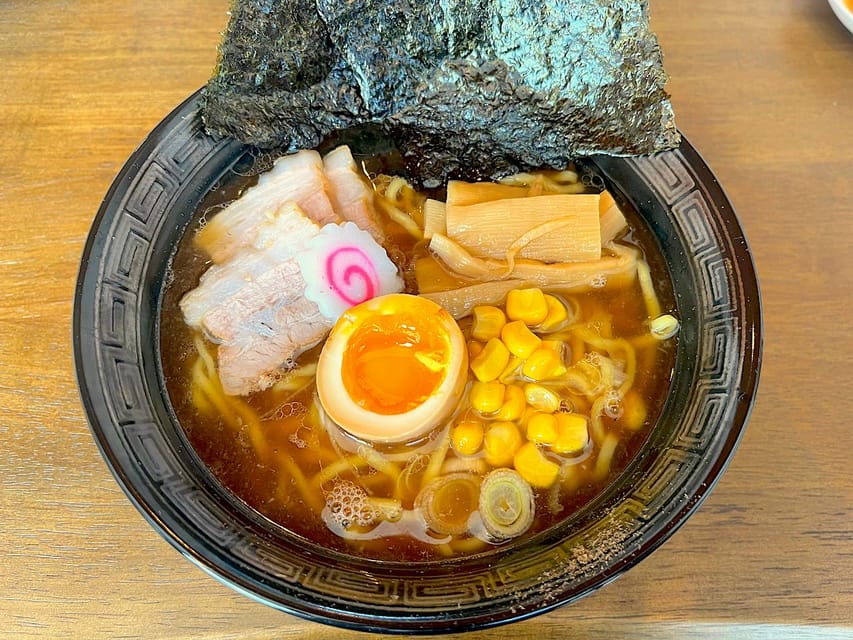
Sushi and ramen may share a place on a Tokyo menu, but they teach different cooking skills. Sushi asks for careful handwork, clean shaping, and restraint. Ramen asks you to think about broth, pork, timing, and balance.
That contrast makes this class a good use of three hours. You are not spending the whole session rolling one type of sushi or waiting for a broth to finish. Instead, you move between several tasks and learn how two everyday Japanese favorites are built.
The class takes place at HAUS Tsukishima, on the second floor at 2-13-5 Tsukuda, in Chuo-ku. The room is described as cozy and immaculate, with a friendly atmosphere rather than a formal culinary-school feel. That matters if you want a social activity where you can ask questions without feeling tested.
You do not need prior cooking experience. The instructors are English-speaking, and the teaching is designed for beginners as well as people who already cook. The tone is relaxed, but the class still gives you useful technique instead of turning into a simple food demonstration.
More Tokyo ramen tours and classes:
- Eat and Drink Like a Local: Tokyo Ueno Food Tour-Taverns&Ramen
★ 5.0 · 957 reviews - Ramen & Gyoza Cooking Class in Tokyo with Local Supermarket Visit
★ 5.0 · 823 reviews - Tokyo: Ramen Tasting Tour with 6 Mini Bowls of Ramen
★ 4.9 · 432 reviews
What happens during the three hours
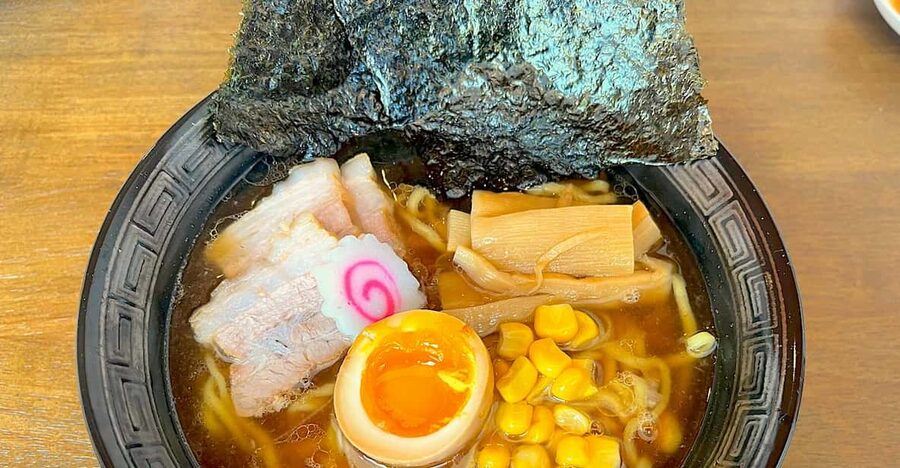
The exact order can vary, but the class brings together four main parts: ramen preparation, chashu pork, nigiri sushi, and sake tasting. Instructors coordinate the timing so you can work on different elements without sitting idle.
Some components are prepared ahead to fit the schedule. That is worth understanding before you book. You will learn how the dishes come together and take part in the important hands-on steps, but this is not a full professional kitchen apprenticeship from raw ingredients to final bowl.
The tradeoff is sensible. A true long-simmered ramen broth can take much longer than three hours, and waiting for every element from scratch would leave little time for sushi, cultural discussion, or eating. Here, the class focuses on the decisions and techniques you can repeat at home.
You should arrive five minutes before the start. Wear comfortable clothes that can handle a splash or a bit of food. Hotel pickup and drop-off are not included, so you make your own way to the venue.
Ramen, broth, and melt-in-your-mouth chashu
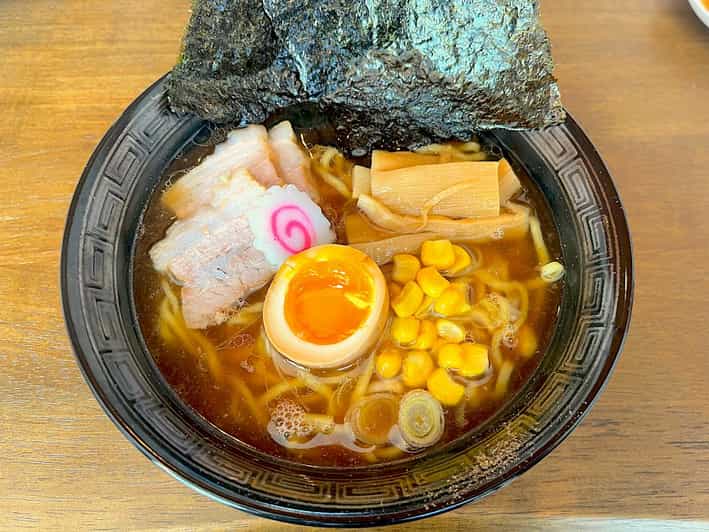
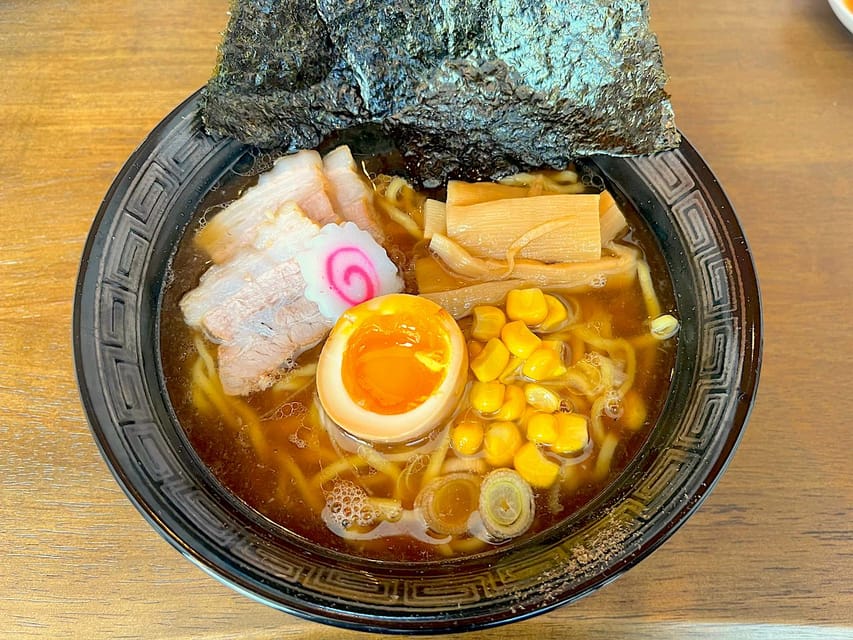
The ramen section is more than adding noodles to a ready-made soup. You learn about the broth and how its flavor is built, along with the role of chashu, the tender pork belly often placed on top.
That makes this portion especially useful for home cooks. Ramen can look simple in a restaurant bowl, but the finished dish depends on several parts working together. The class helps you see those parts separately instead of treating ramen as a single recipe.
You also learn ingredient tips and possible substitutions for cooking outside Japan. That is a practical touch. You may not find every Japanese product at home, so guidance on replacement ingredients can make the recipe more realistic after your holiday.
The food is plentiful enough to serve as a proper meal. One session included more food than two people could finish, so do not plan a large lunch immediately before class. Beer may also be available alongside the sake, though the listed experience specifically includes the sake tasting.
Shaping nigiri sushi by hand
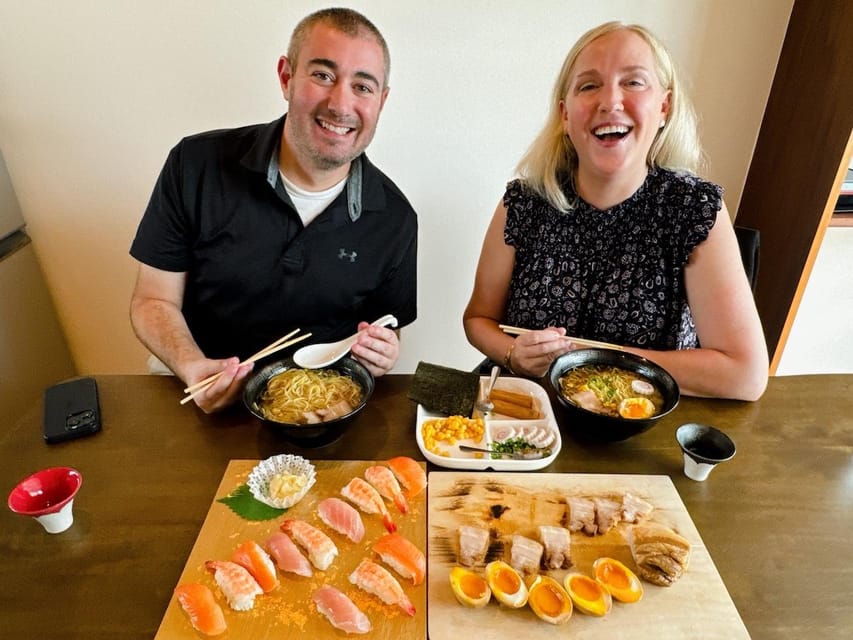
The sushi portion focuses on nigiri, the hand-formed style made with a small piece of seasoned rice and a topping. You use supplied ingredients and tools, with the instructor guiding you through the shaping process.
This is a nice choice for a first sushi class because nigiri looks easy until you try to form it evenly. You learn how much rice to use, how to handle it, and how to make a piece that holds together without becoming dense.
The class also explains the origins and traditions of sushi. That cultural context adds value because you are not simply copying a restaurant plate. You gain a clearer sense of how sushi developed and why technique matters.
Do not expect a professional sushi-chef certification or a market tour. The appeal is direct participation. You make the food, learn the basic method, and then eat your work while the lesson is still fresh.
More Tokyo cooking classes:
- Tokyo: Roll and Authentic Sushi Making Class in Asakusa
★ 4.9 · 1,957 reviews - Tokyo Shinjuku Chopsticks Making Class
★ 5.0 · 1,763 reviews - Tokyo: Sushi Making Class in a Happi Coat near a Famous Spot
★ 4.9 · 1,377 reviews - Tokyo Sushi Making Class in Tsukiji with Professional Chef
★ 5.0 · 1,177 reviews
Three sakes and a relaxed meal afterward
The sake tasting is one of the features that sets this class apart from a standard cooking lesson. Three Japanese sakes are selected by a certified sake sommelier, giving you a chance to compare different bottles with the food.
The tasting is meant to accompany the meal rather than become a separate drinking event. One instructor is from a sake-brewing family and brings particular experience to the subject. Instructors explain the pairings in a friendly way, so you can ask questions even if sake is new to you.
Drinks can be generous, which makes pacing important. You are cooking, eating, and learning at the same time, so take it slowly. If you do not drink alcohol, the supplied details do not specify a nonalcoholic pairing, so ask before booking if that matters to you.
The meal at the end gives the class a satisfying finish. You have time to sit, eat, and talk rather than rushing out as soon as the final sushi piece is shaped.
Why the small group matters
The group limit is eight people, and some sessions have only two or four participants. That changes the feel of the class. The instructor can watch how you handle the sushi and step in when your rice shape or technique needs help.
It also suits families, couples, and solo visitors. A family can work together without being lost in a large demonstration, while a solo participant may receive very direct help if the session is quiet.
The instructors named in different sessions include Sato, Haruko, Risa, Alisa, Alex, Misa, and Luna. The teaching team is described as warm, patient, and engaging. Their role goes beyond handing out ingredients. They share personal stories, explain food traditions, and keep the class moving.
A small group does not guarantee a private lesson. The advertised limit is eight, and your session may include other people. Still, the format is more personal than a large workshop, and the repeated praise for the welcoming staff is one of the strongest reasons to choose this activity.
Cultural details that make the food easier to remember
The class explains the background of both sushi and ramen, along with ingredients and cooking customs. These details give the recipes a place in Japanese daily life.
I find this more useful than a long lecture. A short explanation of an ingredient or method can change how you taste the finished food. You begin to understand why a broth, rice texture, or topping matters instead of simply following instructions.
The instructors also offer tips for overseas kitchens. That is important because the most beautiful cooking class recipe can be useless if it depends on products you cannot buy at home. The supplied booklet includes recipes for ramen, gyoza, and sushi, giving you more than just the two dishes prepared in class.
Gyoza is not listed as one of the main hands-on dishes, so do not book this expecting a full dumpling workshop. The booklet includes it as an extra recipe for later use.
What you take home

The recipe booklet is the most practical souvenir. It gives you a chance to repeat the dishes after the details have faded, and the ingredient advice should help you adjust recipes to your local shops.
You also receive a pair of high-quality chopsticks. That is a small but useful keepsake, especially since you can use them with the ramen and sushi recipes at home.
The larger souvenir is confidence. You learn by handling ingredients, not just watching an instructor work. That makes it easier to remember the order of tasks and the feel of shaping sushi rice.
Still, keep your expectations sensible. Your home version may not taste exactly like the class, since ingredients and equipment differ. The value is learning a reliable method and understanding what to change when you cook outside Japan.
Location and getting there
Tsukishima Station is the easiest option. The venue is about a five-minute walk from Exit 4, on the Yurakucho Line and Oedo Line area. Allow a little extra time to find the building, since arriving five minutes early is requested.
The address is:
2nd Floor, HAUS Tsukishima
2-13-5 Tsukuda, Chuo-ku, Tokyo 104-0051
For a taxi driver, show:
東京都中央区佃2-13-5 HAUS Tsukishima 2階
The stated taxi times are about six minutes from Tsukiji Fish Market, nine minutes from Ginza, ten minutes from Tokyo Station, eleven minutes from teamLab Planets, and thirty minutes from Shinjuku. Tokyo traffic can change those estimates, so the train is likely the safer choice when your class time is fixed.
This location works well in an itinerary with Tsukiji, Ginza, or Tokyo Station. It is less convenient if you are staying far west in Shinjuku and have a tight schedule, though the direct trip can still be manageable.
Is $129 a fair price?
At $129 per person, this is not a cheap meal. You can eat ramen or sushi in Tokyo for far less, and the class is not the right choice if your only goal is a full stomach.
The price makes more sense when you count the ingredients, three-hour instruction, small group, sake tasting, meal, recipe booklet, and chopsticks. You are paying for an activity as well as dinner. The cultural explanations and personal help add value that a restaurant meal cannot provide.
I would consider it good value for a couple, family, or food-focused solo visitor who wants a lasting skill. It is also a useful rainy-day plan, since the experience is indoors and does not depend on sightseeing weather.
The value is weaker for anyone who already makes sushi and ramen regularly, or for someone who wants a highly advanced culinary course. It is aimed at accessible home cooking, not specialist training.
Free cancellation is available up to 24 hours before the start for a full refund, and you can reserve now and pay later. Those options help if your Tokyo schedule is still shifting.
Who should book this experience?
I would point this class toward first-time visitors who want more than a photo and a restaurant meal. It suits couples, families, and small groups looking for something hands-on and social.
It is also a strong pick for beginners. The instructors give step-by-step help, and the class has enough time to cook, eat, and ask questions. You do not need to arrive with knife skills or sushi experience.
Food lovers should appreciate the combination of technique and context. You learn why the dishes work, how to adjust ingredients, and how to try them again at home.
The main exclusions are clear. Vegans and vegetarians cannot take part. Anyone with strict dietary needs should contact the provider before booking, since the supplied information does not give a full allergen or substitution list.
My call on the Tokyo sushi and ramen class
Book it if you want to make your own meal, taste three sakes, and leave Tokyo with recipes you can use. The small class size, kind instructors, and hands-on format give it more substance than a simple demonstration.
Skip it if you want a very advanced chef-led course, a market visit, or a fully scratch-made ramen broth with no preparation done in advance. For most food-curious visitors, though, the mix of sushi, ramen, sake, and Japanese food culture is a well-balanced three-hour activity at a reasonable experience price.
FAQ
Where does the cooking class take place?
It takes place on the second floor of HAUS Tsukishima at 2-13-5 Tsukuda, Chuo-ku, Tokyo 104-0051.
How far is the venue from Tsukishima Station?
The venue is about a five-minute walk from Exit 4 of Tsukishima Station.
How long does the experience last?
The cooking class lasts three hours.
What dishes will I learn to make?
You will learn to make ramen, including broth and chashu pork, and nigiri sushi.
Is sake included?
Yes. The experience includes three Japanese sakes selected by a certified sake sommelier.
Is the class taught in English?
Yes. The instructors teach in English.
How many people can join?
The class is limited to eight participants, with some sessions having fewer people.
Do I need cooking experience?
No specific cooking experience is required. The class is suitable for beginners and more experienced home cooks.
What should I wear?
Wear comfortable clothes that you do not mind getting a little dirty.
Can vegans or vegetarians join?
No. The experience is not suitable for vegans or vegetarians.
More Tokyo drink tastings and bars
- Tokyo Bar Hopping Tour in Shinjuku (All-You-Can-Drink + Dinner)
★ 5.0 · 3,587 reviews - Best of Shinjuku: Izakaya Food Tour (4 Stops, 14+ Tastings)
★ 5.0 · 1,863 reviews - Tokyo: Shinjuku Local Bar and Izakaya Guided Walking Tour
★ 4.9 · 1,794 reviews - Shibuya Meltdown Nightlife Tour: All-You-Can-Drink Bar Hopping
★ 5.0 · 1,058 reviews
More Tokyo sake tastings
- Ramen and Sushi Cooking Class with Sake Pairing Set in Tokyo
★ 5.0 · 291 reviews - Sake Tasting Masterclass in Shinjuku (8+ Varieties with a Pro)
★ 5.0 · 271 reviews - Sake Omakase in Tokyo: Guided Tasting by Certified Sommeliers
★ 5.0 · 239 reviews - Tasting All Types of Sake with Sommelier
★ 5.0 · 151 reviews
Newly reviewed around Tokyo
- Tokyo Asakusa:Calligraphy & Make T-shirt Activity★ 5.0 · 62 reviews
- Intercity Shuttle, Tokyo to Haneda /Narita /Yokohama /Makuhari★ 5.0 · 5 reviews
- 1 Hour Travel around Tokyo with a Professional Photographer★ 5.0 · 3 reviews
- Travel Tokyo with Your Own Personal Photographer★ 5.0 · 43 reviews
- Train in Samurai Swordsmanship and Defeat the Demon in Tokyo★ 5.0 · 5 reviews
- Shuttle Van 6hr Tokyo Tour to-and-from Tokyo, Yokohama and Narita★ 5.0 · 9 reviews
- Kickboxing & Body Training with EX-Pro Fighter★ 5.0 · 4 reviews
- Traditional Japanese Knife Sharpening Class★ 5.0 · 18 reviews
Tokyo Ramen Tours and Classes, compared.
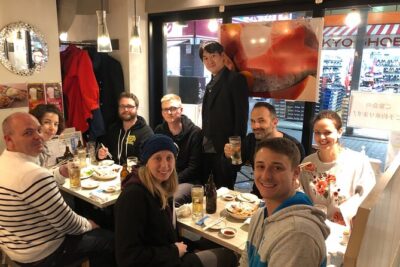
Eat and Drink Like a Local: Tokyo Ueno Food Tour-Taverns&Ramen
Read our review →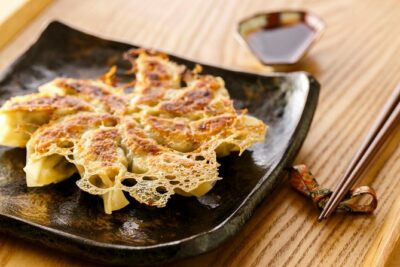
Ramen & Gyoza Cooking Class in Tokyo with Local Supermarket Visit
Read our review →

Easy Ramen Cooking Experience in Kabukicho, Shinjuku
Read our review →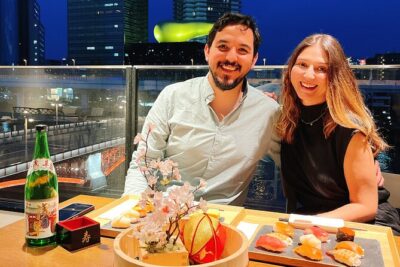
Ramen and Sushi Cooking Class with Sake Pairing Set in Tokyo
Read our review →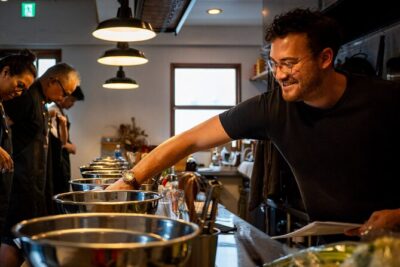
Professional Ramen & Gyoza with Ramen Chef in a restaurant!
Read our review →
Ramen Dojo Tokyo | Make All 3 (Tonkotsu/Shoyu/Miso)
Read our review →Ramen Dojo Tokyo | Make All 3 (Tonkotsu/Shoyu/Miso)
Read our review →Browse the lists this tour appears in