
Reviewed · TOKYO SUSHI MAKING CLASSES
Tokyo: Sushi Making Class in a Happi Coat near a Famous Spot
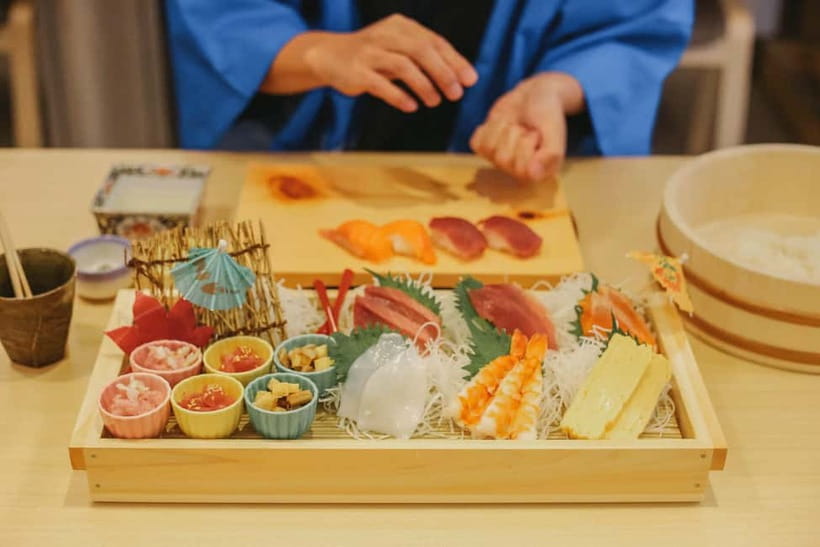
Tokyo’s SUSHI GARYU class turns sushi from something you admire across a counter into lunch you shape with your own hands. You learn the basics of tuna and salmon nigiri, then eat the results. I like the clear, patient teaching, and I like that the generous serving can function as a proper meal, not just a quick sample.
The traditional happi coat adds a playful Japanese touch and makes for good photos. The main catch is that the meeting point depends on the option you book, and busy sessions may seat you with other customers. If you want a quiet, private lesson, an off-peak time gives you a better chance.
Key points to know before booking
- You make and eat a full serving: The sushi is not only for practice. Prepare it, then enjoy it as your meal.
- Nigiri is the main skill: Tuna and salmon are central, with some sessions also covering maki, onigiri, or sushi rolls.
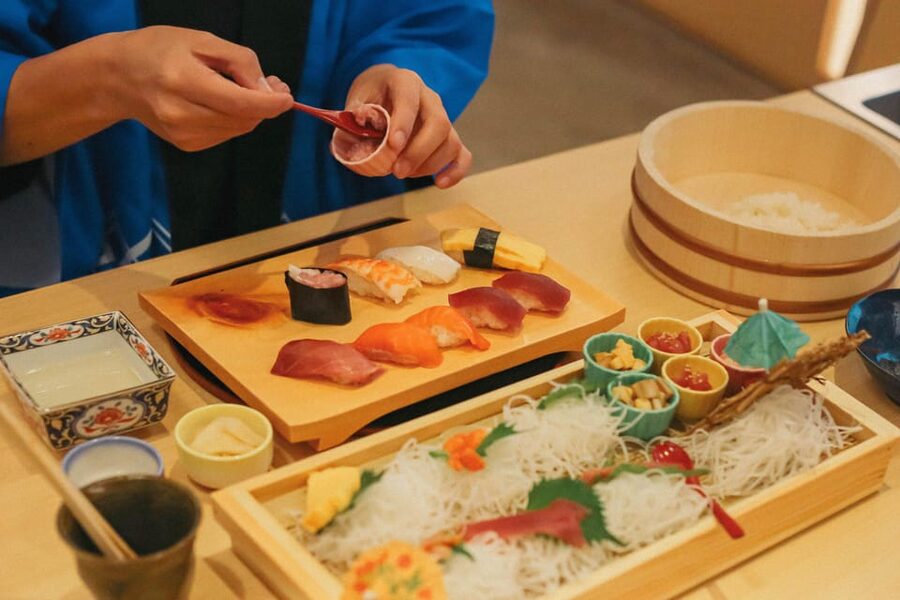
- The happi coat is part of the fun: You can wear a traditional Japanese-style coat while cooking and take photos during the class.
- English instruction is available: Sessions are offered in English and Japanese, with guides such as Hide, Mikoto, Ami, Masa, Mai, and Emi appearing in different classes.
- Small groups help: Some sessions use about five participants per host, while quiet time slots may feel almost private.
- Tell the host about dietary needs early: Vegetarian, vegan, and gluten-free options are available if arranged in advance.
What the 90-minute Tokyo sushi class feels like
This is a hands-on lesson rather than a demonstration where you sit back and watch a chef work. The class lasts 90 minutes, which is enough time for an introduction, instruction, preparation, shaping, photographs, and eating without turning the experience into a half-day commitment.
The setting is Japanese-style, and the atmosphere is friendly and informal. You put on a happi coat, receive the ingredients, and get ready to work at your station. The outfit is not required for the cooking itself, but it gives the session a bit of ceremony and makes the photographs more memorable.
I would plan this as a meal in your Tokyo day. The amount of sushi varies by session, but the portions are repeatedly described as generous. One couple found they had more than enough for lunch, while other participants specifically praised the large pieces and fresh ingredients.
More Tokyo sushi making classes:
- Sushi Making Tokyo Roll and Authentic Japanese Sushi Class
★ 5.0 · 3,971 reviews - Tokyo: Roll and Authentic Sushi Making Class in Asakusa
★ 4.9 · 1,957 reviews - Make Sushi and Create Unforgettable Memories in Tokyo
★ 5.0 · 1,413 reviews
First lesson: shaping nigiri with tuna and salmon
Nigiri looks simple. A small mound of rice, a slice of fish, perhaps a dab of wasabi. The trick is getting the rice to hold together without crushing it, then placing the fish neatly on top. That is the useful skill this class teaches.
Your chef first explains the process, then shows you how to handle the rice and fish. You follow along rather than trying to remember a long speech. The guides are there to correct your technique and answer questions, which matters when your first piece comes out too loose, too large, or shaped more like a rice brick than sushi.
Tuna and salmon are familiar choices for beginners. You can focus on hand position and presentation instead of trying to identify unfamiliar seafood. The class also gives you a better sense of the balance between rice, fish, and seasoning.
Names vary by session. Chef Hide has been praised for humor and clear explanations, while Mikoto, Mitsuko, Kohji, Ami, Mai, Masa, Miwa, Mizuki, and Emi have all led classes at different times. The important point is that the instructor may change, but the format remains centered on direct help and easy-to-follow steps.
Rolls and extra techniques beyond nigiri
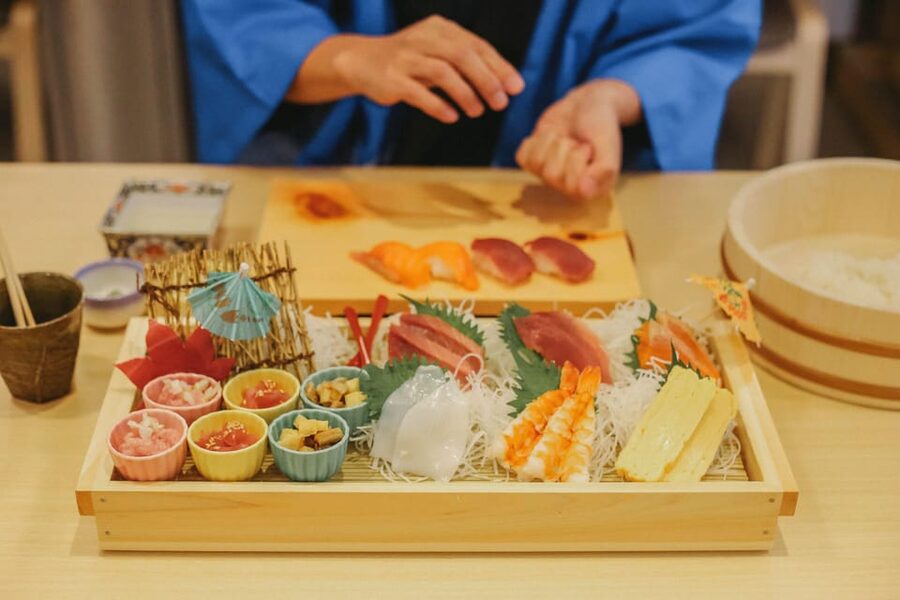
The advertised focus is nigiri, but the class can include maki, onigiri rolls, or other sushi-making techniques depending on the session. That is useful if you want something you can repeat at home, since rolls may be easier to assemble without the same shaping practice required for nigiri.
You may make several types of sushi rather than one repeated item. The exact mix is not guaranteed, so book this for a broad introduction, not a specialist lesson in one precise style.
The class moves at a friendly pace. One hour is often spent making the sushi, with the remaining time used for instruction, eating, questions, and conversation. If your group is small, you can ask about technique, Japanese food customs, or places to eat elsewhere in Tokyo.
Why the cultural side adds value
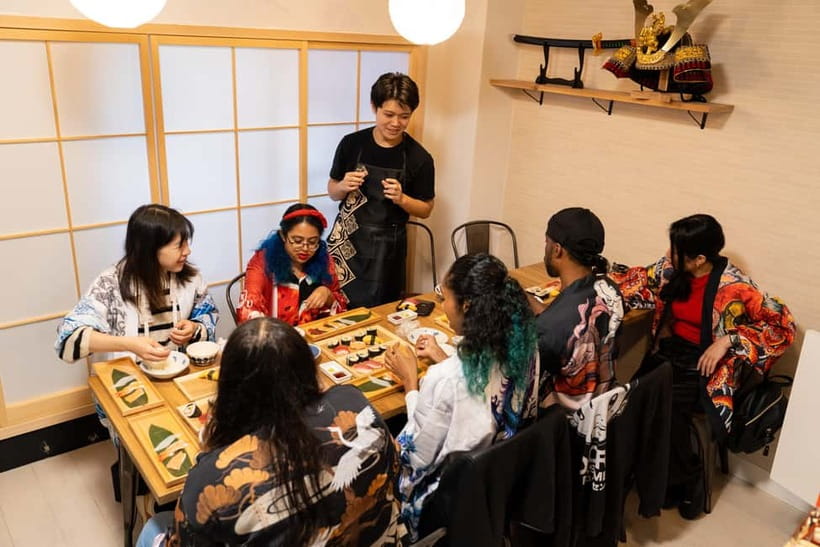
This class is about more than assembling lunch. The chef explains Japanese food customs and the traditions behind sushi while you work. That makes the details stick because you hear about them at the moment you are using them.
You also get a small look at the discipline behind a food that can seem effortless. The lesson shows how much care goes into rice, shape, portion, and presentation. You will not become a sushi chef in 90 minutes, but you can leave with a better eye for what you are eating.
The cultural exchange works in both directions. The guides often chat about Japan and answer questions about food and the city. Some participants have used the time to ask for recommendations for other parts of their trip. It is a good fit if you enjoy learning through conversation, not only through a formal lecture.
More Tokyo cooking classes:
- Tokyo Shinjuku Chopsticks Making Class
★ 5.0 · 1,763 reviews - Tokyo Sushi Making Class in Tsukiji with Professional Chef
★ 5.0 · 1,177 reviews - Ramen & Gyoza Cooking Class in Tokyo with Local Supermarket Visit
★ 5.0 · 823 reviews - Matcha Making Class in Tokyo with Authentic Japanese Sweets Set
★ 5.0 · 744 reviews
The happi coat and photo opportunity
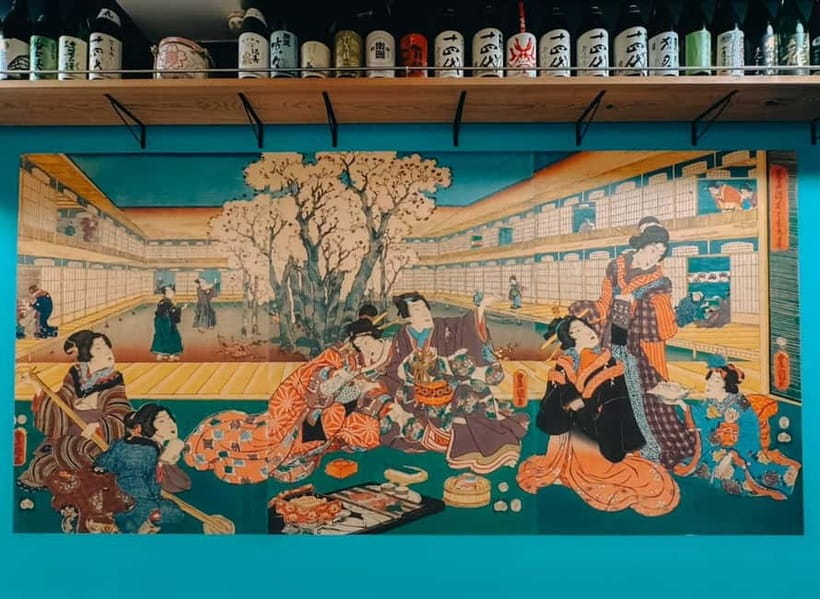
The happi coat is one of the class’s most distinctive touches. This traditional tube-sleeved coat is associated with Japanese festivals and work settings, and wearing one lets you look the part while you prepare your food.
The outfit is also practical for photographs. Instructors may take photos or videos as you work, and there are photo-friendly props and spots at the venue. That is helpful if you are traveling as a couple or family and do not want one person left out of every picture.
This is not a polished photo studio, so keep your expectations sensible. The charm comes from the cooking, the coat, and the moment, not from a long professional photo session. You are there to make sushi first.
Group size, teaching style, and the chance of a private lesson
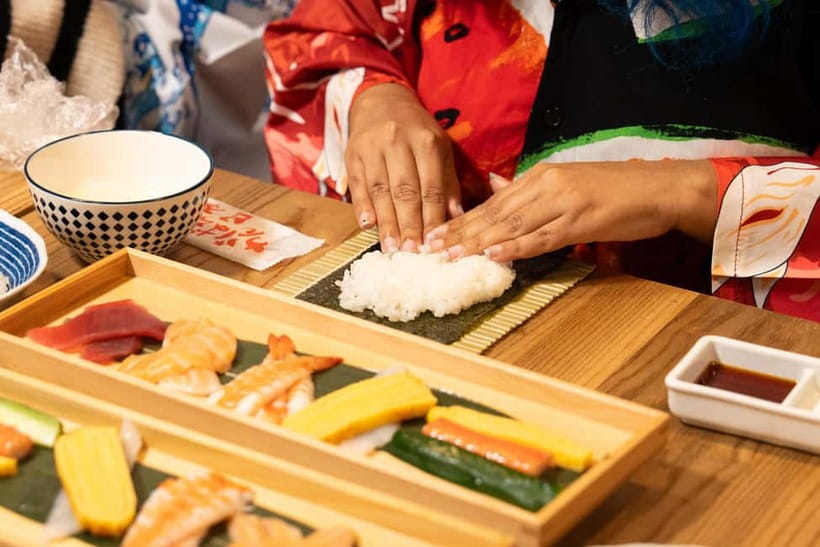
Group size can shape the experience. Some sessions have about five people per host, allowing the instructor to watch each person closely. That is a comfortable arrangement for beginners, especially when you need help shaping rice or rolling sushi.
Busy periods may place you at a table with other customers. That can make the class more social, but it means you may not have a private table or uninterrupted time with the chef.
Quiet time slots can be a different story. Some people booking an 11 a.m. class or an otherwise lightly booked session have received what felt like a private lesson. You cannot count on that, but choosing an off-peak time may give you more room for questions and personal guidance.
The teaching style is a strong point. The guides are described as patient, funny, attentive, and comfortable with English. That combination matters because sushi shaping is visual. You need someone willing to demonstrate, watch your hands, and explain the correction without making you feel clumsy.
The meal you make at the end
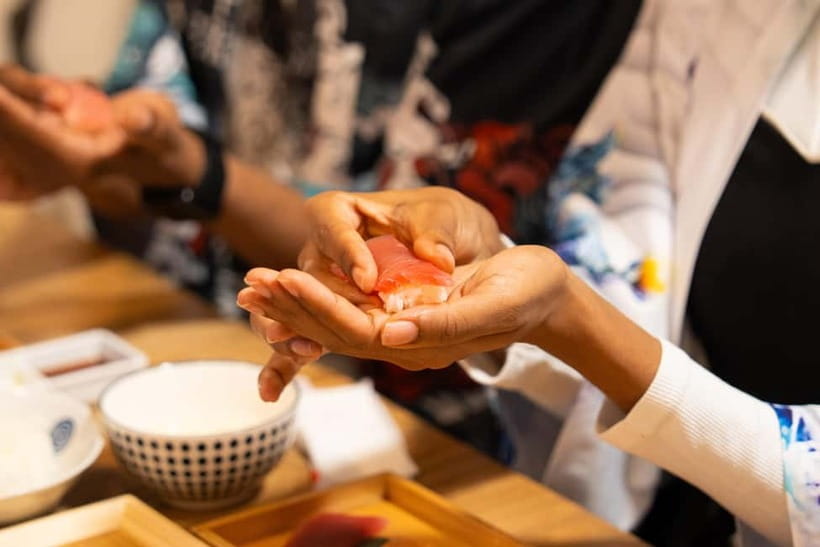
After the preparation, you eat the sushi you made. This is the moment when the class pays off. Your first pieces may not be perfectly shaped, but they taste better because you understand the work behind them.
The fish and other ingredients are prepared for the class, and the food is described as fresh and tasty. The meal is generous enough that you should not assume you need to schedule another lunch immediately afterward.
The class may also offer sake for an additional purchase. That detail is not part of the included price, so treat it as an optional extra rather than part of the package. If you are interested, ask what is available before ordering.
Is $42 good value for Tokyo?
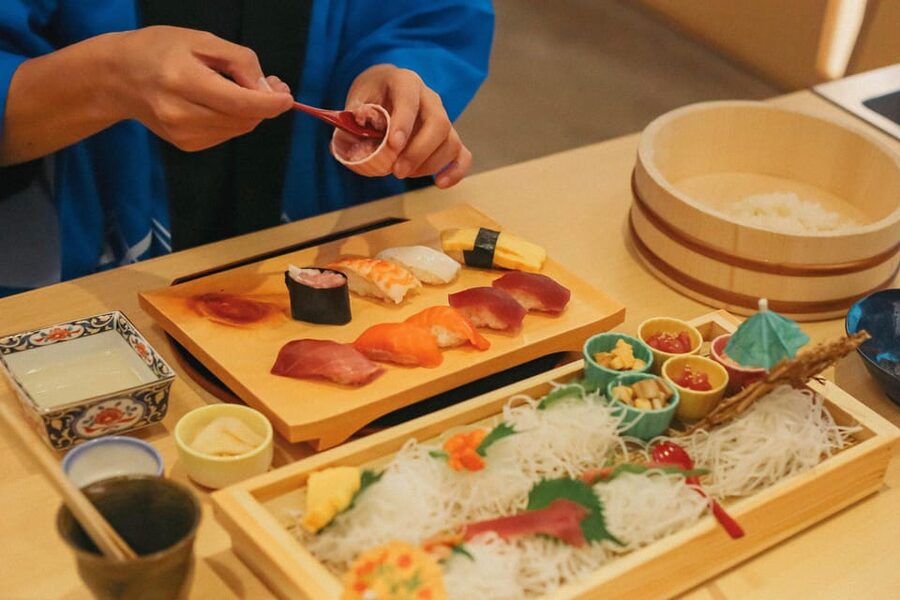
At $42 per person, this is a fair price for a 90-minute activity that includes the cooking class, ingredients, and instructor. You also get the food you prepare, which can make it better value than a short demonstration followed by a small tasting portion.
The value is strongest if you want three things at once: a meal, a cultural activity, and a practical skill. You can try the technique again at home, provided you can find suitable rice, fish, and other ingredients.
It is less compelling if you already make sushi confidently or want an advanced look at professional knife work and fish preparation. This is a beginner class, and the focus is on accessible methods rather than chef-level training.
For a couple, it makes a relaxed date activity. For families, the hands-on format gives children something to do, though children over four are charged according to the listed fee. Children under four may share a dish.
Food allergies and special diets

Tell SUSHI GARYU about allergies when you book. The host asks for this information in advance, and same-day requests may not be possible to arrange.
Vegetarian, vegan, and gluten-free options are available if requested ahead of time. Do not assume that mentioning your diet when you arrive will be enough. Send the message before the class so the ingredients can be prepared correctly.
The standard class centers on sushi, with tuna and salmon among the featured ingredients. If you need substitutions, get confirmation before paying or traveling to the meeting point.
Fitting the class into your Tokyo day
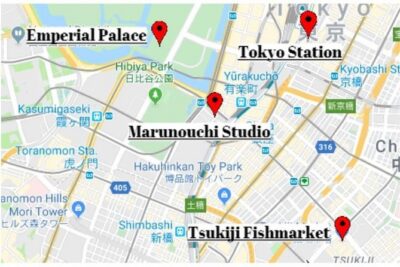
The class lasts only 90 minutes, so it is easy to pair with sightseeing. The exact meeting point varies by the option you choose, so check your confirmation carefully rather than relying only on the general Tokyo location.
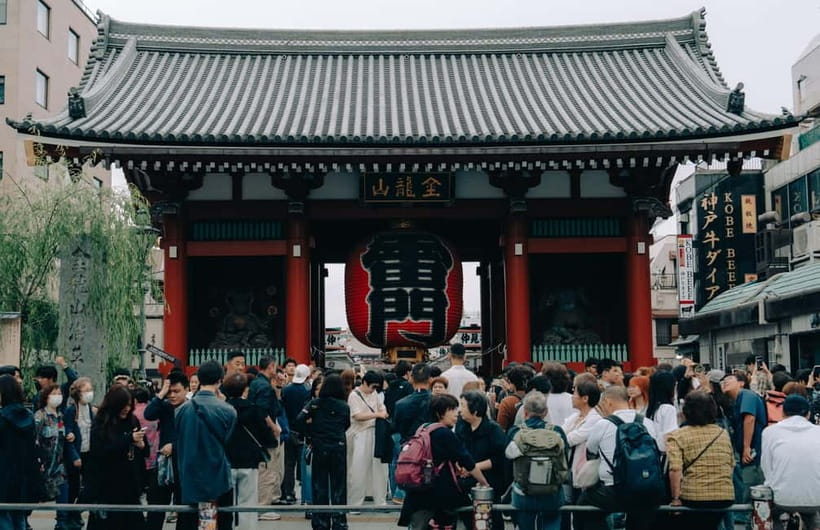
The experience is described as being near a famous spot, and one participant paired it with a visit to a temple and nearby markets afterward. That makes sense: schedule the class around a neighborhood you already plan to explore, then continue on foot if the confirmed location suits your route.
Build in time to find the venue. One person had some trouble locating it, even though the place was not truly difficult to reach. Tokyo addresses and building entrances can be confusing, so do not arrive at the last second.
The class works well at the start of a sightseeing day because you leave with lunch and a new skill. It also works late in the morning, especially if you hope for a smaller group and want to continue exploring afterward.
Who should book this experience?
I would recommend it to first-time sushi makers, food lovers, couples, families with older children, and anyone who wants a social activity that does not require a full day. It is also a good choice when rain or a flight delay disrupts your plans, since 90 minutes is easy to fit into a changed schedule.
You will get the most from it if you are willing to participate. This is not the right pick if you want to sit quietly, eat expertly prepared sushi, and leave the work to someone else.
English-speaking instruction makes it approachable for international visitors. Still, the teacher may vary, and the meeting point may change by booking option. Read the final booking details closely and send allergy or dietary requests before the day.
Should you book SUSHI GARYU?
Book it if you want a friendly, practical introduction to sushi and like the idea of eating a meal you prepared yourself. The class delivers clear instruction, a traditional happi coat, fresh ingredients, and enough food to make the $42 price feel reasonable.
I would skip it only if you are looking for advanced sushi training, a guaranteed private lesson, or a fixed menu beyond the advertised tuna and salmon nigiri. For most visitors, especially beginners, this is a useful and entertaining way to spend 90 minutes in Tokyo, with a skill you can try again after you get home.
FAQ
How long does the sushi-making class last?
The class lasts 90 minutes.
How much does the experience cost?
The listed price is $42 per person.
What sushi will I learn to make?
The class focuses on nigiri sushi using ingredients such as tuna and salmon. Depending on the session, you may also learn maki, onigiri rolls, or other sushi-making techniques.
Is the class suitable for beginners?
Yes. The class is designed for beginners, with step-by-step instruction and help from the chef.
Is instruction available in English?
Yes. The available languages are English and Japanese.
Can I wear a traditional Japanese coat?
Yes. You can wear a happi coat during the experience.
Are vegetarian, vegan, and gluten-free options available?
Yes, but you must request them in advance. Same-day requests may not be possible to accommodate.
Can I attend with a food allergy?
You should tell the provider about any food allergies in advance by message so the class can prepare appropriately.
What is the cancellation policy?
You can cancel up to 24 hours before the activity for a full refund. You can also reserve now and pay later.
More hands-on classes and workshops in Tokyo
- Chopstick Making Workshop in Ginza
★ 4.8 · 1,366 reviews - Tokyo: Samurai Sword & Archery Class from Samurai Descendant
★ 5.0 · 603 reviews - Tokyo: Tsukiji Fish Market Sushi Making Class with Pro Chef
★ 4.9 · 506 reviews - Tokyo Chopstick Making Workshop with Artisan
★ 5.0 · 466 reviews
Newly reviewed around Tokyo
- Tokyo Asakusa:Calligraphy & Make T-shirt Activity★ 5.0 · 62 reviews
- Intercity Shuttle, Tokyo to Haneda /Narita /Yokohama /Makuhari★ 5.0 · 5 reviews
- 1 Hour Travel around Tokyo with a Professional Photographer★ 5.0 · 3 reviews
- Travel Tokyo with Your Own Personal Photographer★ 5.0 · 43 reviews
- Train in Samurai Swordsmanship and Defeat the Demon in Tokyo★ 5.0 · 5 reviews
- Shuttle Van 6hr Tokyo Tour to-and-from Tokyo, Yokohama and Narita★ 5.0 · 9 reviews
- Kickboxing & Body Training with EX-Pro Fighter★ 5.0 · 4 reviews
- Traditional Japanese Knife Sharpening Class★ 5.0 · 18 reviews
Tokyo Sushi Making Classes, compared.
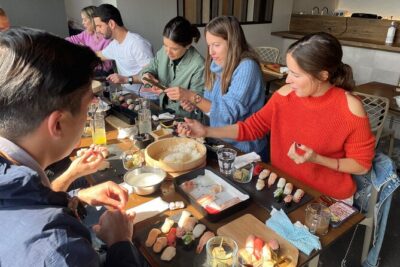
Sushi Making Tokyo Roll and Authentic Japanese Sushi Class
Read our review →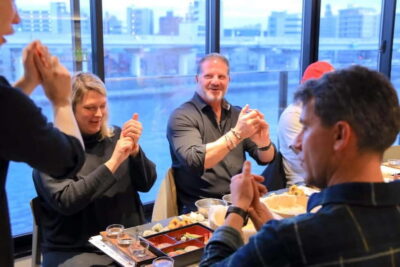
Roll and Authentic Sushi Making Class in Asakusa
Read our review →
Make Sushi and Create Unforgettable Memories in Tokyo
Read our review →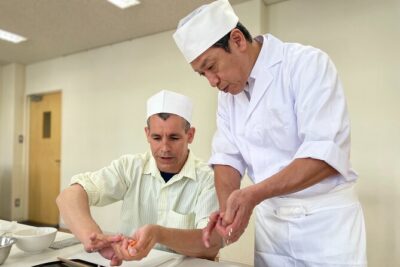
Tokyo Sushi Making Class in Tsukiji with Professional Chef
Read our review →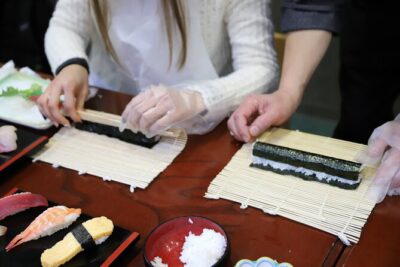
Tsukiji Fish Market Guided Tour and Sushi Making with Pro Chef
Read our review →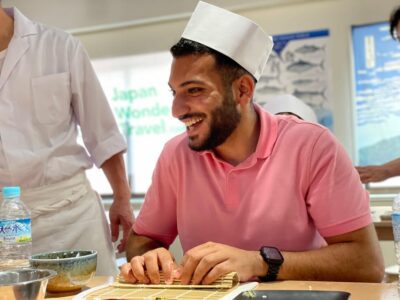
Tsukiji Fish Market Sushi Making Class with Pro Chef
Read our review →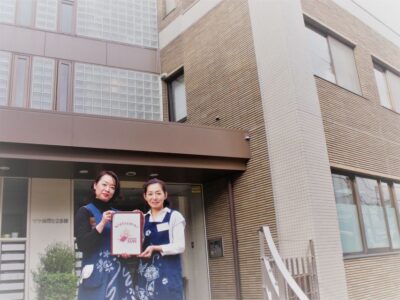
Tokyo Tsukiji Fish Market Tour and Sushi Making Lesson
Read our review →Browse the lists this tour appears in