
Reviewed · TOKYO SUSHI MAKING CLASSES
Tokyo: Roll and Authentic Sushi Making Class in Asakusa
Making sushi in Asakusa turns lunch into a small cultural lesson. You learn why sushi developed, test your new knowledge with a light quiz, then prepare both maki rolls and nigiri, the hand-formed kind. I like the clear, playful teaching and the chance to eat what you make. The main consideration is pace: some people find the 100-minute session a little brisk.
I also like the setting, only about three minutes from Asakusa Station and close to Sensoji Temple and Tokyo Skytree. English-speaking instructors such as Hitomi, Jun, Moe, Ken, Kaori, and Ryouko keep the mood easy, especially for solo participants and families. The class is wheelchair accessible, but menu changes need to be arranged when you book, not on the day.
Key points to know before booking
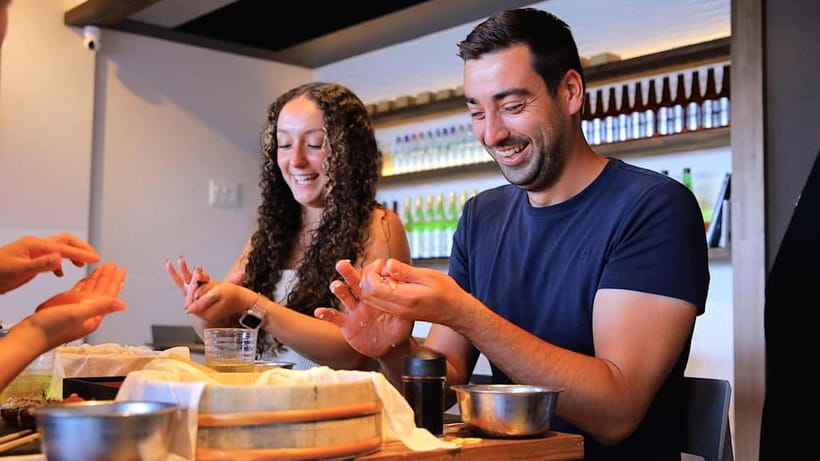
- Make two different sushi styles: You prepare rolled maki and traditional nigiri, so the class covers more than one basic technique.
- Learn through a short quiz: Sushi history is presented in a light, interactive way instead of as a long lecture.
- Expect fresh ingredients: The quality of the fish and other ingredients is one of the most praised parts of the experience.
- English instruction helps: Staff demonstrate each step and offer patient help when your rice, seaweed, or hand shape goes slightly wrong.
- The Asakusa location saves time: You can pair the class with Sensoji Temple and nearby sightseeing.
- The pace may feel quick: You should have enough time to make and eat sushi, but not much room for lingering.
Why this Asakusa class works so well
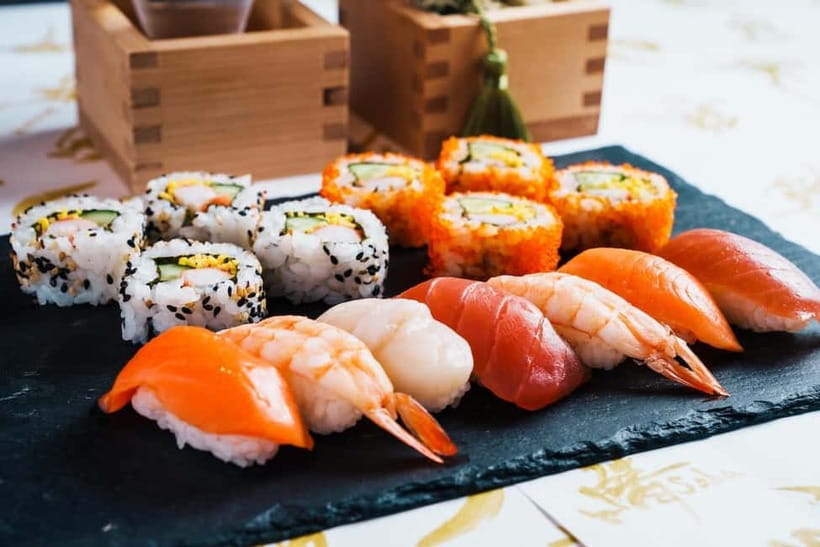
Sushi classes can go one of two ways. They can become a serious cooking lesson, with technical detail and plenty of repetition, or they can be a cheerful holiday activity where you learn enough to make lunch and enjoy the process. This class is firmly in the second camp.
That is not a criticism. For most visitors, the appeal is simple: you get a taste of Japanese food culture, make food with your own hands, and sit down to eat it before the session ends. You do not need previous kitchen experience. The instructors break the process into short demonstrations, then let you copy the movements.
The class is especially useful if you want more than another restaurant meal but do not have time for a full cooking course. At 100 minutes, it fits neatly into a morning or afternoon in Asakusa. You can combine it with Sensoji Temple, Nakamise shopping street, or a walk toward Tokyo Skytree without giving up half a day.
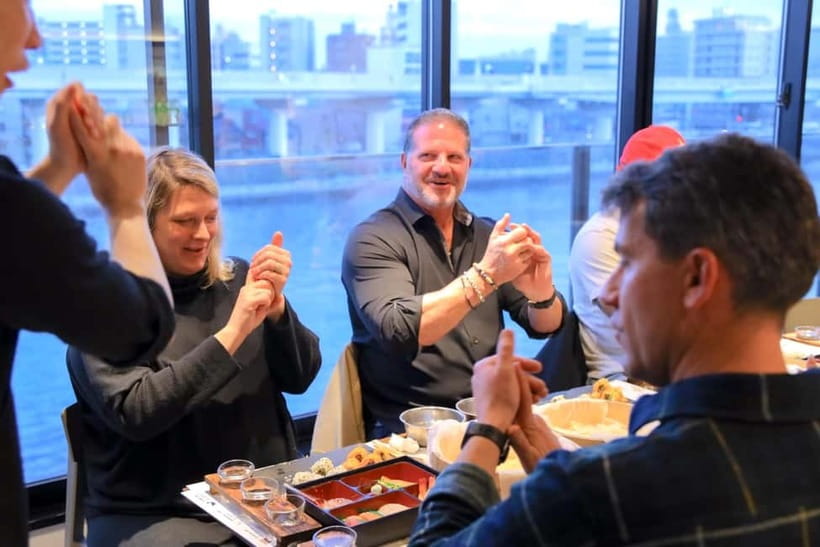
The atmosphere is deliberately social. Solo participants are welcome, and the instructors use humor, encouragement, and group interaction to prevent anyone from feeling stranded at a table. Families and couples can work together, while solo visitors have a natural way to meet other people.
More Asakusa and Sensoji tours:
- Tokyo: Japanese Dance Cabaret Theater Asakusa-Kaguwa Ticket
★ 4.8 · 2,270 reviews - Tokyo: Meiji Shrine, Asakusa, Skytree Bus Tour and Cruise
★ 4.7 · 1,986 reviews - Tokyo: Asakusa Walking Tour with Sensoji Temple Visit
★ 4.8 · 1,583 reviews
Starting near Sensoji Temple and Asakusa Station
The meeting point is about three minutes from Asakusa Station. That is a useful detail in Tokyo, where a class hidden several streets from a station can cost you more time than expected. The location is also close to Sensoji Temple, making it easy to build the class into a sightseeing plan.
I would schedule the activity alongside Asakusa rather than treating it as a separate cross-town trip. Visit Sensoji before or after class, then continue toward the Tokyo Skytree area if your energy holds. The class takes place in one of Tokyo’s most traditional districts, so the setting adds context to the food lesson.
You should still allow a little extra time to find the exact entrance. Asakusa has several station exits and a maze of busy streets around the temple. The meeting point is convenient, but Tokyo convenience does not always mean instant orientation.
The venue is listed as wheelchair accessible. If access needs affect your booking, it is sensible to confirm the arrangements in advance, even though the activity itself is marked accessible.
A quiz that gives sushi some context
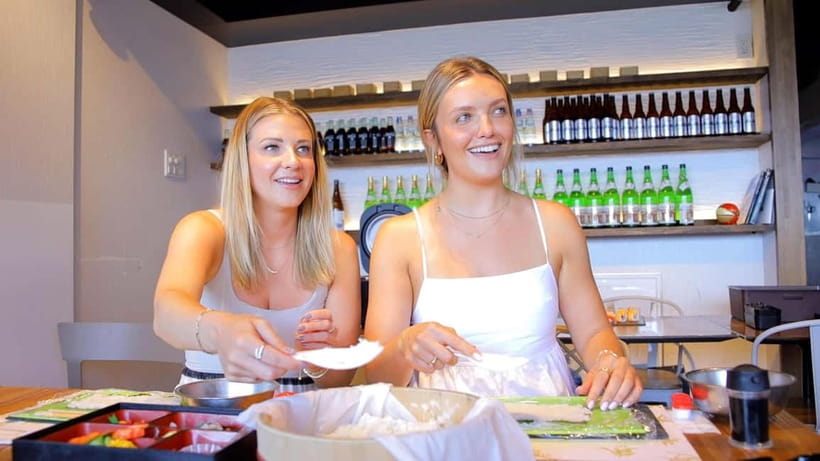
The session begins with an introduction to sushi and an interactive quiz. This is a smart way to handle the subject. You get useful background without sitting through a formal history talk before touching the ingredients.
The quiz covers the development and varieties of sushi, helping you distinguish the styles you will make later. That matters because sushi is not simply raw fish placed on rice. The rice, shape, seasoning, and preparation all help define the dish.
The teaching is lighthearted. Instructors use demonstrations, humor, and questions to keep the group involved. Names that come up in the teaching team include Hitomi, Jun, Moe, Ken, Kaori, Ryouko, and Kenshin. Staffing can vary by session, but the common thread is an energetic English-speaking team.
This part also gives you something to notice during the rest of your Japan trip. After class, you may look more carefully at the difference between a roll and a piece of nigiri, or pay more attention to the balance between rice and topping. It is a small lesson, but it changes how you see the food.
Making maki rolls without panic
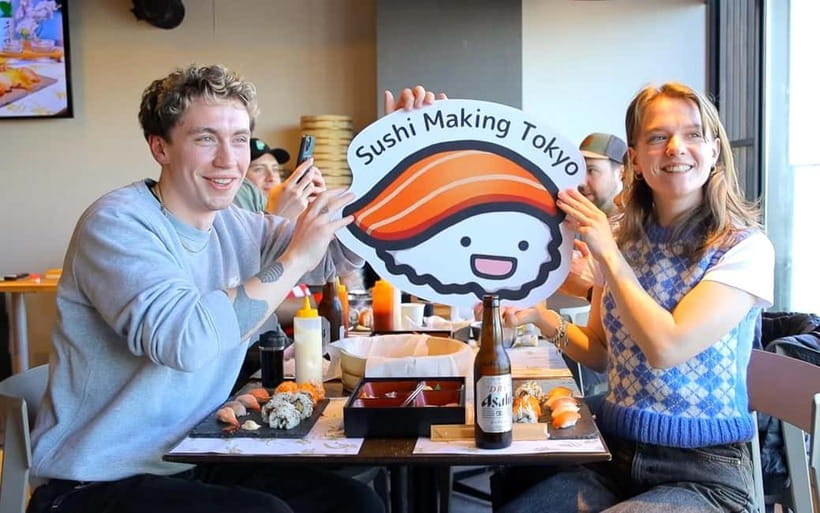
Maki is the rolled sushi wrapped in seaweed. It looks simple when an instructor does it. In your hands, the rice can spread too far, the filling can shift, and the roll may emerge shaped more like a soft rectangle than a neat cylinder.
That is part of the fun. The instructors demonstrate the process, show physical examples, and offer tips as you work. You spread rice, add the filling, roll the seaweed, and cut the finished piece. The staff are there to help you recover from a lopsided first attempt rather than expect restaurant-level precision.
The class is suitable for first-timers because the task is broken into clear steps. You do not need to know how much rice to use or how tightly to roll it before arriving. You follow the demonstration, then improve with guidance.
The result is satisfying because you can see your work take shape. It is also a good activity for children and teenagers, provided they can follow the instructions and handle the food safely. The physical process gives younger participants something to do, while the quiz adds a little cultural context.
More Tokyo sushi making classes:
- Sushi Making Tokyo Roll and Authentic Japanese Sushi Class
★ 5.0 · 3,971 reviews - Make Sushi and Create Unforgettable Memories in Tokyo
★ 5.0 · 1,413 reviews - Tokyo: Sushi Making Class in a Happi Coat near a Famous Spot
★ 4.9 · 1,377 reviews - Tokyo Sushi Making Class in Tsukiji with Professional Chef
★ 5.0 · 1,177 reviews
Shaping nigiri, the trickier part
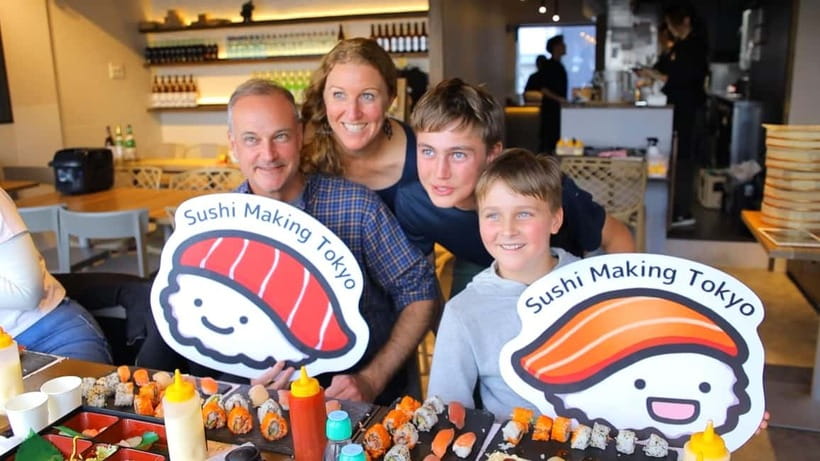
Nigiri is the hand-shaped sushi made from rice and a topping. It often looks more refined than a roll, but the basic task is more delicate. You need to form a compact piece of rice without crushing it, then place the topping neatly.
Several participants found this part harder than it looked, which is exactly why it belongs in the class. You get a better sense of the skill involved in professional sushi preparation. Even when your pieces are uneven, you understand that good nigiri depends on touch, proportion, and control.
The instructors explain the process clearly and help with hand position and shaping. Their patience is important here. A rushed teacher could turn the task into a frustrating race, but the class is designed to keep you moving while still giving assistance.
The balance between demonstration and hands-on practice is one of the activity’s strongest features. You are not only watching an expert prepare sushi. You are given enough time to try the movements yourself, then correct them with help.
Eating what you made
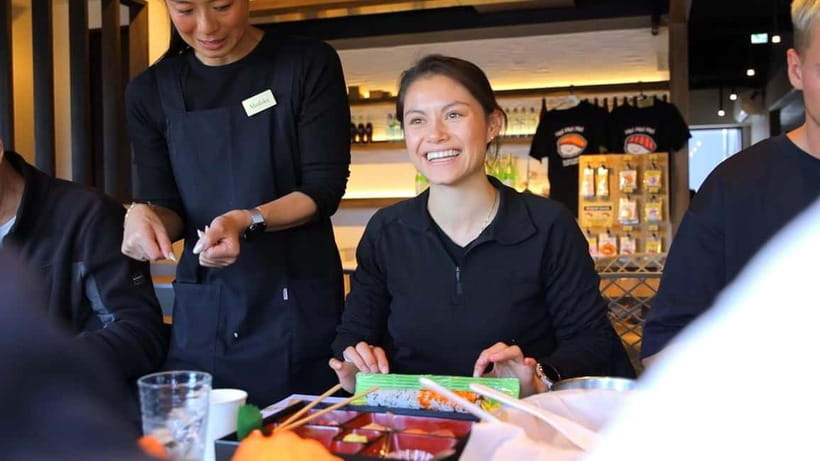
The best reward comes at the end, when the sushi becomes your meal. You eat the maki and nigiri you prepared rather than packing them away as a souvenir. That gives the activity a clear finish and makes the class feel like more than a craft demonstration.
The ingredients are described as fresh and high quality, with the fish receiving particular praise. The amount is generally enough to leave you satisfied, though one participant wanted more rice. If you arrive very hungry, keep in mind that this is a tasting and cooking activity, not an unlimited sushi restaurant.
Some sessions also offer sake flights and beer. These are not part of the listed inclusions, so treat them as optional extras rather than something guaranteed in your booking. If you want a drink with the meal, check what is available at your session.
Eating at the end also gives the group a shared moment. Everyone has made small mistakes, watched the same demonstrations, and produced a plate that may be neat in one place and slightly crooked in another. That shared effort is a major part of the appeal.
How much value do you get for $58?
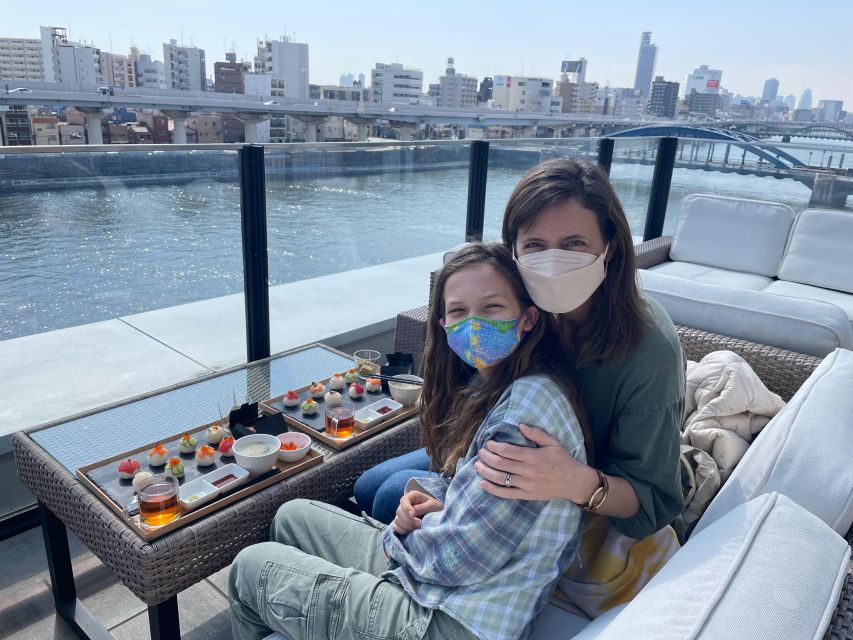
At $58 per person, this is not the cheapest way to eat sushi in Tokyo. You can find a casual sushi meal for less, especially if your only goal is to fill up.
The value comes from the added instruction and activity. Your fee includes the cooking class, ingredients, and instructor. You are paying for a guided cultural experience, not just raw fish and rice. The English explanations, hands-on practice, and central Asakusa location make the price easier to justify for a first visit to Tokyo.
I would consider it good value for couples, families, and solo visitors who want a planned activity with a definite result. It is less useful for an experienced home cook looking for advanced knife skills or professional sushi training. The class is an introduction, not an apprenticeship.
The price also compares well with the time involved. In 100 minutes, you receive a lesson, prepare two sushi styles, and eat the finished food. That leaves plenty of time for other Asakusa plans. Just remember that the class is priced for the experience as much as for the meal.
Menu changes and dietary needs
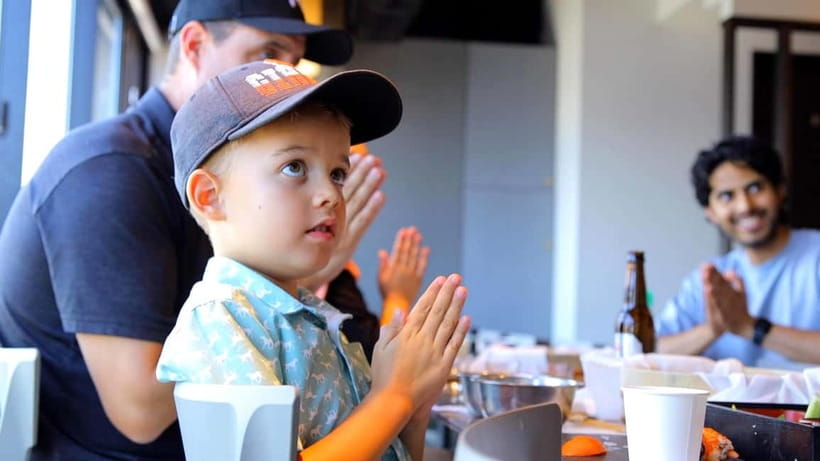
The class can accommodate vegan, vegetarian, gluten-free, halal, and allergy-related menus. Meat, nuts, fruits, and dairy are listed as ingredients that are not used.
You must contact the provider when making the reservation if you need a menu change. Same-day changes are not accepted, and the class cannot handle individual ingredient specifications. That last point matters if you have a very specific preference rather than a broad dietary requirement.
I would give clear information at booking and avoid assuming that a general accommodation covers every allergy. The staff can prepare the listed alternatives when notified in advance, but the restrictions mean you should not wait until you arrive.
For vegetarian participants, the class can still include the maki and nigiri preparation process. That means you do not have to sit out while everyone else works, which is important in a hands-on group activity.
The teaching style and group mood
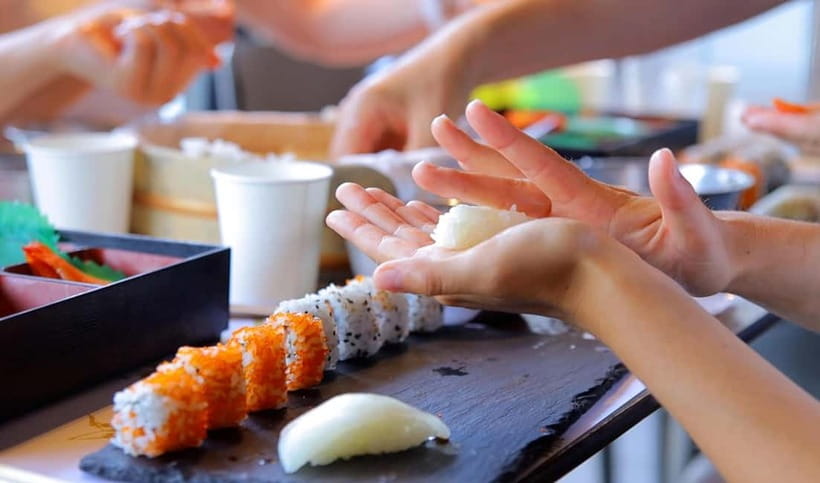
The instructors are friendly, energetic, and comfortable working in English. Names such as Hitomi, Moe, Jun, Ken, Kaori, and Ryouko appear across the teaching team, and individual instructors bring their own style. Some are especially funny, while others focus on careful explanations and patient coaching.
The class uses applause, humor, and group participation. Most people will find that welcoming. If you prefer quiet, private instruction, the public class format may feel a little theatrical. One person found the mood more tourist-oriented than traditionally Japanese, particularly because of the clapping.
That is the fair trade-off. You get an easy, relaxed activity that works well across language barriers, but you do not get a silent lesson in the manner of a professional culinary school. The style is designed for holiday memories and broad appeal.
The early time slots may be quieter. One participant who took an earlier class received extra attention because the group was smaller. Group size can change by session, so this is not a promise, but an early booking may suit you if you prefer more direct help.
Who should book this experience?
I would recommend the class to first-time sushi makers, families with older children, couples, and solo visitors who want a social activity. It also suits people who have already seen the main Asakusa sights and want a different way to connect with the neighborhood.
Teenagers are likely to enjoy the mix of quiz, preparation, and eating. Children can take part too, but the adults in the group should be ready to help with the process and keep expectations realistic. The finished sushi may not look perfect, and that is fine.
It is also a good pick for people nervous about joining an activity alone. The staff make a point of involving solo participants, and the shared table format gives you an easy way to meet others without forced conversation.
I would skip it if you want a long, detailed culinary course, advanced fish-cutting instruction, or a private class built around your own ingredient choices. The experience is friendly and practical, but it is built for a broad international audience.
Timing, cancellation, and planning notes
The stated duration is 100 minutes. The pace can feel quick, especially if you want to repeat a technique or take many photographs, so arrive ready to take part rather than linger over each step.
Cancellation is free up to 24 hours in advance for a full refund. You can also reserve now and pay later, which helps if your Tokyo schedule is still shifting.
Hotel pickup and drop-off are not included. You make your own way to the Asakusa meeting point. Since the class is close to a major station and Sensoji Temple, this is not a serious drawback, but you should include transport time in your plan.
Should you book the sushi class?
Book it if you want a cheerful, hands-on introduction to sushi and a convenient activity in Asakusa. The strongest reasons are the fresh ingredients, clear English instruction, friendly staff, and the chance to make both maki and nigiri before eating them.
Think twice if you dislike group participation or want a quiet, highly technical cooking lesson. The mood is upbeat and sometimes tourist-friendly in its use of humor and applause. The 100-minute format can also feel rushed if you want to practice every movement repeatedly.
For most first-time visitors, I think the balance works. You learn enough to understand the food, do enough to feel involved, and finish with a meal you helped create. Pair it with Sensoji Temple and you have a useful, enjoyable half-day in old Tokyo.
FAQ
Where is the sushi-making class held?
The class is held in Asakusa, about three minutes from Asakusa Station. It is also close to Sensoji Temple and Tokyo Skytree.
How long does the activity last?
The stated duration is 100 minutes. The pace may feel brisk because the session includes the introduction, sushi preparation, and eating.
Is the class taught in English?
Yes. The instructor language is English, and the local staff guide you through the steps in English.
What types of sushi will I make?
You will make two styles: maki sushi, which is rolled sushi, and nigiri sushi, which is hand-shaped sushi with a topping.
Do I need previous sushi-making experience?
No. The class is designed for beginners, and the instructors demonstrate each step before you try it.
Is food included in the price?
Yes. The cooking class and ingredients are included, and you eat the sushi you prepare.
Can the class accommodate dietary needs?
The activity can accommodate vegan, vegetarian, gluten-free, halal, and allergy-related menus. You must request a menu change when booking because same-day changes are not accepted.
Is the activity wheelchair accessible?
Yes. The activity is listed as wheelchair accessible.
Can I cancel my reservation?
You can cancel up to 24 hours in advance for a full refund. Reserve now and pay later is also available.
More hands-on classes and workshops in Tokyo
- Chopstick Making Workshop in Ginza
★ 4.8 · 1,366 reviews - Tokyo: Samurai Sword & Archery Class from Samurai Descendant
★ 5.0 · 603 reviews - Tokyo Chopstick Making Workshop with Artisan
★ 5.0 · 466 reviews - Tokyo Tsukiji Fish Market Tour and Sushi Making Lesson
★ 5.0 · 390 reviews
More Tokyo cooking classes
- Tokyo Shinjuku Chopsticks Making Class
★ 5.0 · 1,763 reviews - Ramen & Gyoza Cooking Class in Tokyo with Local Supermarket Visit
★ 5.0 · 823 reviews - Matcha Making Class in Tokyo with Authentic Japanese Sweets Set
★ 5.0 · 744 reviews - Tokyo: Tsukiji Fish Market Sushi Making Class with Pro Chef
★ 4.9 · 506 reviews
Newly reviewed around Tokyo
- Tokyo Asakusa:Calligraphy & Make T-shirt Activity★ 5.0 · 62 reviews
- Intercity Shuttle, Tokyo to Haneda /Narita /Yokohama /Makuhari★ 5.0 · 5 reviews
- 1 Hour Travel around Tokyo with a Professional Photographer★ 5.0 · 3 reviews
- Travel Tokyo with Your Own Personal Photographer★ 5.0 · 43 reviews
- Train in Samurai Swordsmanship and Defeat the Demon in Tokyo★ 5.0 · 5 reviews
- Shuttle Van 6hr Tokyo Tour to-and-from Tokyo, Yokohama and Narita★ 5.0 · 9 reviews
- Kickboxing & Body Training with EX-Pro Fighter★ 5.0 · 4 reviews
- Tokyo History: Sensoji Temple & Asakusa District Private Tour★ 5.0 · 28 reviews
Tokyo Sushi Making Classes, compared.
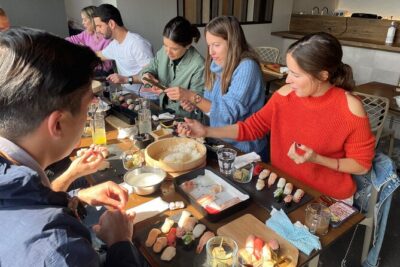
Sushi Making Tokyo Roll and Authentic Japanese Sushi Class
Read our review →
Make Sushi and Create Unforgettable Memories in Tokyo
Read our review →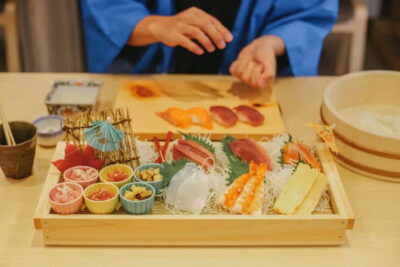
Sushi Making Class in a Happi Coat near a Famous Spot
Read our review →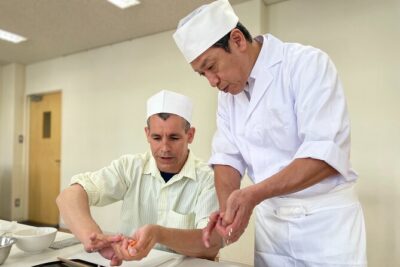
Tokyo Sushi Making Class in Tsukiji with Professional Chef
Read our review →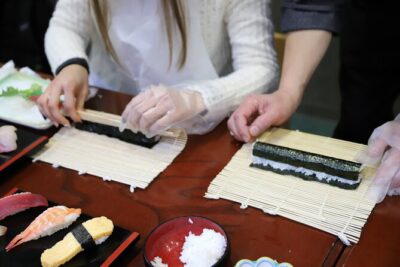
Tsukiji Fish Market Guided Tour and Sushi Making with Pro Chef
Read our review →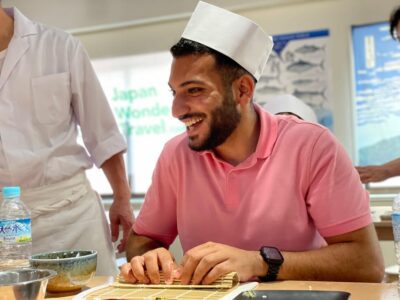
Tsukiji Fish Market Sushi Making Class with Pro Chef
Read our review →
Tokyo Tsukiji Fish Market Tour and Sushi Making Lesson
Read our review →Browse the lists this tour appears in