
Reviewed · MEIJI SHRINE TOURS
Tokyo: Meiji Shrine, Asakusa, Skytree Bus Tour and Cruise
Tokyo is enormous, and this 10-hour coach tour tackles its big sights in one long, carefully packed day. You move from the forested Meiji Shrine to the Imperial Palace, old Asakusa, the soaring Tokyo Skytree, and Odaiba without wrestling with Tokyo’s train map at every turn. Guides such as Aya, Sora, Yui, and Tsubasa are praised for clear explanations, humor, and practical help.
I like the mix of traditional and modern Tokyo, plus the air-conditioned bus between stops. The matcha tasting and izakaya-style lunch add a small taste of daily Japanese food, while Skytree’s 350-meter observation deck gives you the city from above. The tradeoff is pace: expect plenty of walking, around 11,000 steps for some people, and limited time at several stops.
Key points
- See Tokyo’s major districts in one day: Meiji Shrine, Harajuku, the Imperial Palace, Akihabara, Ueno, Asakusa, Skytree, and Odaiba.
- Use the coach as your time-saver: Air conditioning, onboard Wi-Fi, and a guide make a cross-city day easier than managing every transfer yourself.
- Try matcha in Asakusa: Choose matcha drink or gelato, with a premium first-flush tea from Uji, Kyoto.
- Add the Japanese lunch: The set meal centers on fried chicken and tofu, with vegetarian and gluten-free choices available if requested ahead.
- Reach Skytree’s 350-meter deck: Skip-the-line admission is included, though the observation stop may feel long if you prefer street life.
- Check the cruise schedule: The Tokyo Bay cruise does not run on Tuesdays and can be replaced by Hamarikyu Garden or the Fukagawa Edo Museum.
A big Tokyo overview from an air-conditioned coach
At $122 per person, this is not a bargain sightseeing bus. It is a day-buying service. You pay for transport across a huge city, a live English-speaking guide, the Skytree admission, the matcha experience, and, when available, the cruise. Add lunch if you want the convenience of a planned Japanese meal.
The value improves if you have only a short stay in Tokyo. In one day, you get a useful first look at several very different parts of the city. You will not know any one neighborhood in depth, but you will finish with a clear list of places to revisit on your own.
The bus matters most in summer, rain, or humid weather. Tokyo’s trains are excellent, but moving between Meiji Shrine, the Imperial Palace, Asakusa, Skytree, and Odaiba can take time and attention. Here, you can rest between stops while the driver handles the city traffic.
The cost is less attractive if you have many days in Tokyo and enjoy exploring independently. You could spend a full day in two or three neighborhoods for less money, with more freedom to linger. This tour is for coverage and orientation, not slow wandering.
More Meiji Shrine tours in Tokyo:
- Tokyo Panoramic 1 Day: Meiji Shrine, Asakusa, Odaiba and SKYTREE®
★ 4.5 · 1,222 reviews - Tokyo: Meiji Shrine Walking Tour — Shinto & Imperial System
★ 4.9 · 266 reviews - Tokyo: Meiji Jingu Shrine and Shinto Culture Walking Tour
★ 5.0 · 245 reviews
Starting near Ginza or Shinjuku
The meeting point depends on the option you book. Available pickup points include Matsuya Ginza and the Love statue area in Shinjuku, while the listed meeting information also identifies the Ginza location. Confirm your exact point before setting out, since this is not a hotel pickup service.
The Shinjuku start gives you a quick look at Kabukicho, Tokyo’s famous entertainment and pub district, as the coach heads toward the first stop. From Ginza, you begin closer to the city’s central shopping and business areas.
The tour finishes near Tokyo Mode Gakuen. That is useful for continuing into Shinjuku, but do not expect a return to your hotel. You are responsible for your own luggage, stroller, or wheelchair, and this outing is not suited to people with mobility impairments.
Meiji Shrine, Tokyo’s wooded Shinto welcome
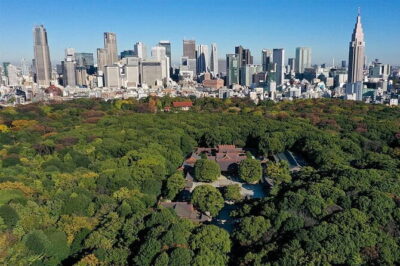
Meiji Shrine is an excellent opening stop because it quickly shows you a quieter side of Tokyo. Dedicated to Emperor Meiji and Empress Shoken, the shrine sits among broad forested grounds that make the city seem far away.
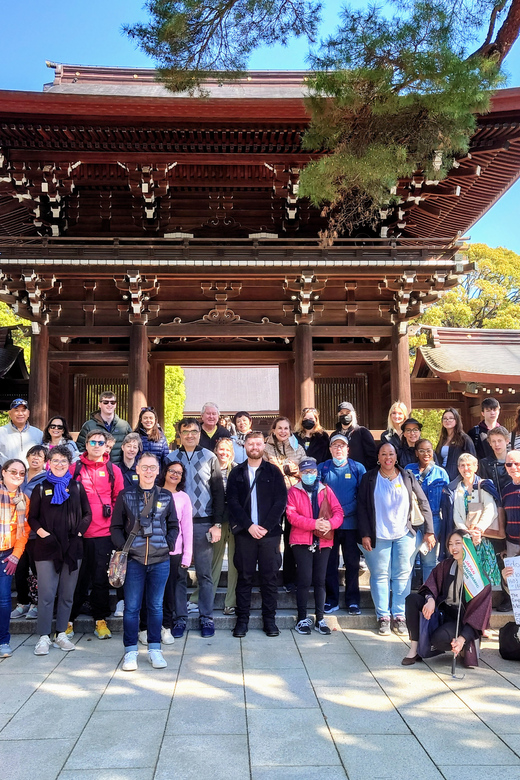
You have about an hour here. That is enough to walk through the grounds, see the shrine buildings, and learn basic Shinto customs from the guide. Listen closely when the guide explains how to approach the shrine and how to pray. Several guides, including Aya, Yui, and Tsubasa, are particularly praised for explaining Japanese rituals in a way that first-time visitors can follow.
The main limitation is that one hour passes quickly. You may want more time for the approach through the trees, photographs, and the shrine itself. Wear shoes you can walk in comfortably, and keep your pace in mind from the start.
Afterward, the bus passes Harajuku and Omotesando. You will see the contrast between the shrine’s calm grounds and the polished shopping streets, but this is a drive-by introduction rather than a shopping stop.
The National Diet Building and Imperial Palace
The route continues past the National Diet Building, Japan’s parliament, with its symmetrical 1936 design. The coach commentary helps turn a passing view into a useful piece of Tokyo’s political story.
At the Imperial Palace, you spend about 30 minutes visiting either the East Garden or Niju-bashi Bridge in the Outer Garden. The exact choice can depend on operations and timing. The palace occupies the former site of Edo Castle, so this stop connects present-day Japan with the city’s samurai-era foundations.
The East Garden gives you traditional Japanese garden scenery and traces of the old castle grounds. Niju-bashi offers a classic palace photograph and a look at one of Tokyo’s best-known historic structures. Neither option is a full palace visit, so keep expectations realistic. You will see an important setting, not the private residence of the Imperial family.
Traffic can affect the order and length of stops. The day is designed to keep moving, and the guide may adjust the sequence because of road conditions, weather, or closures.
More Tokyo Skytree tickets:
- Tokyo Go Kart: Asakusa, Skytree, and Akihabara **IDP MUST**
★ 5.0 · 988 reviews - Tokyo: Asakusa, Skytree & Akhihabara Go-Kart City Experience
★ 4.7 · 761 reviews - Tokyo Skytree Admission Ticket with Tembo Deck and Galleria
★ 4.0 · 589 reviews - Tokyo: 1 Day Bus Tour with Meiji-Jingu,Odaiba,lunch&Skytree
★ 4.6 · 156 reviews
From Akihabara and Ueno to Asakusa
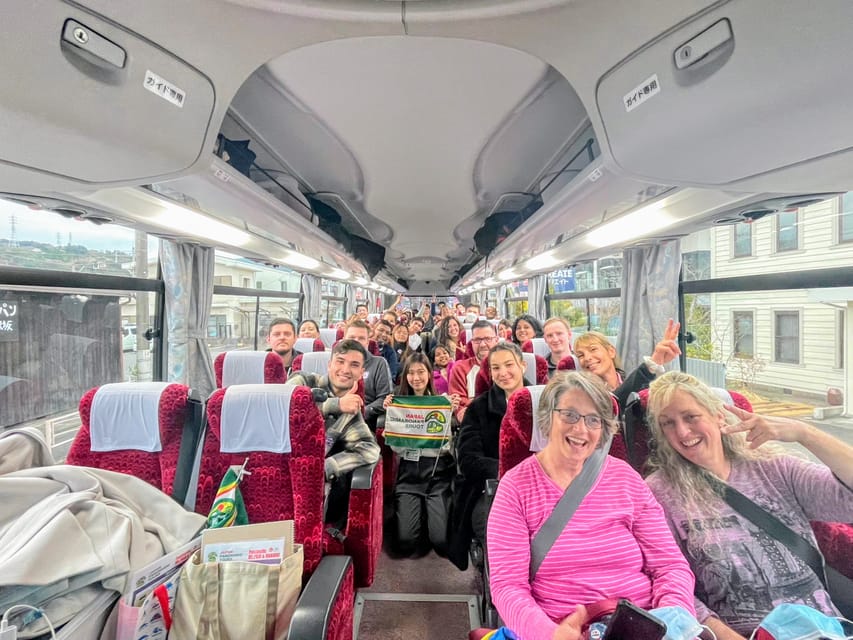
The coach passes through Akihabara and Ueno before reaching Asakusa. This part of the route gives you a broad look at Tokyo’s changing character: electronics and pop culture in Akihabara, museums and parkland around Ueno, and older shopping streets near the Senso-ji area.
The bus also passes Kappabashi, a market street known for kitchen goods, Japanese tableware, knives, and remarkably realistic plastic food displays. It is a useful detail that independent visitors often miss, though you do not get a dedicated shopping period there.
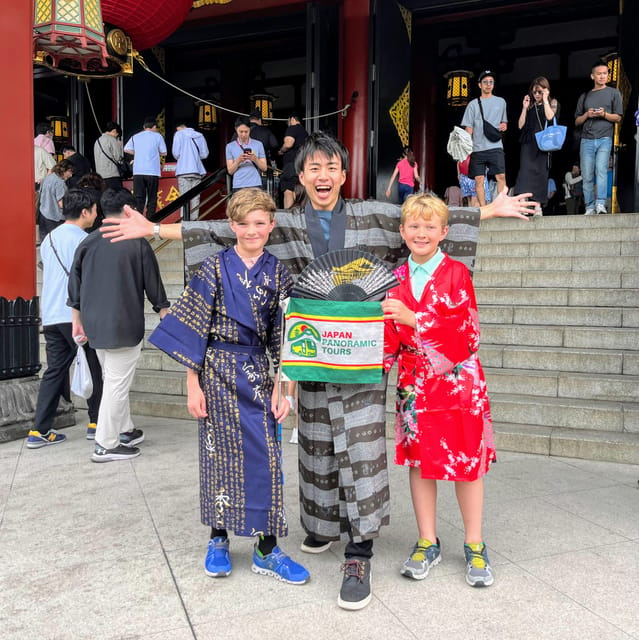
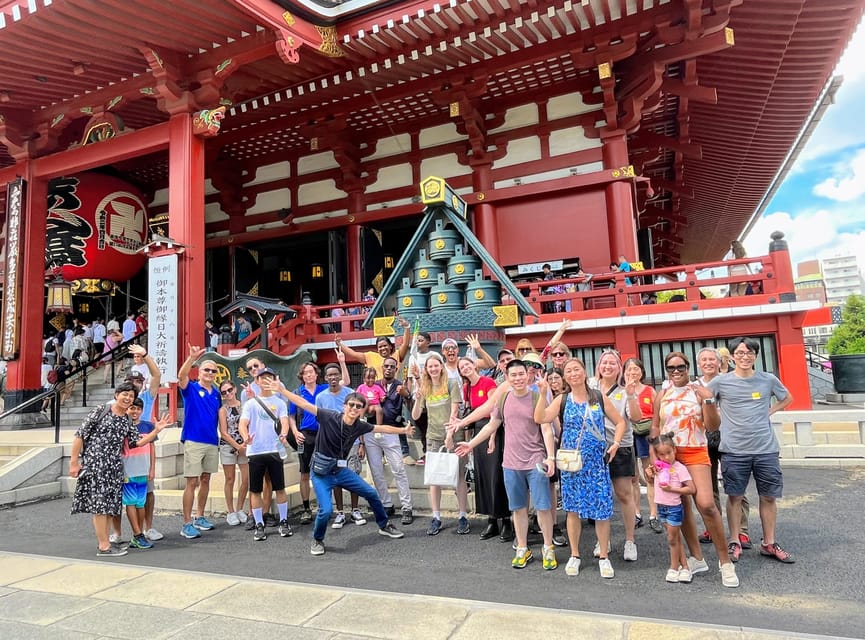
Asakusa is where the tour slows down. You will have time around Nakamise Avenue and Kaminarimon Gate, whose huge red lantern is one of Tokyo’s most recognizable photo subjects. The area has a more old-fashioned feel than the glass towers and department stores seen earlier.
The free time is about an hour, in addition to the food and lunch portions. That gives you room to browse, take photographs, and look around the temple area. Still, Asakusa deserves more than a quick pass, so note anything you want to return to later.
Matcha and a practical Japanese lunch
The matcha stop adds a cultural detail without asking you to commit to a formal tea ceremony. You try a premium Uji matcha made from first-flush tea from Kyoto. The advertised style is less bitter than some matcha drinks, which makes it approachable if this is your first taste.
You can choose a matcha drink or matcha gelato. A matcha beer is also offered among the choices described for the experience. The store is closed on May 14, when the matcha portion is replaced with matcha souvenirs.
If you select lunch, expect an izakaya-style set meal with Japanese fried chicken, often called karaage, tofu, and a soft drink. The tofu uses locally produced soybeans and is made at the store each day. Some people find the meal a real strength of the tour, while others may not care for it, so do not book lunch simply because it is included in a package.
Vegetarian and gluten-free meals are available if you state the number needed when booking. The gluten-free option is grilled chicken, rice, and tofu. The standard meal contains no pork, seafood, nuts, or crustaceans, but the dashi stock includes fish broth. Muslim-friendly, lactose-free, and serious allergy-friendly meals are not available, so book without lunch if those restrictions apply.
The lunch window is about 50 minutes. That is convenient and efficient, but not a leisurely restaurant visit. You are eating as part of a long sightseeing day.
Tokyo Skytree and the view from 350 meters
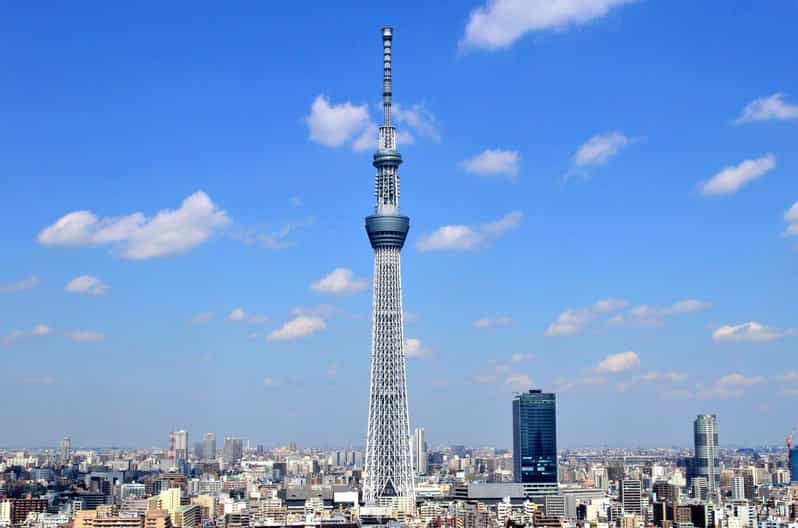
Tokyo Skytree is the tour’s high point, quite literally. The coach takes you to Tokyo Skytree Town and the Sora-machi shopping complex, then you use included admission to reach the Tembo Deck at 350 meters.
Skip-the-line entry is a major advantage on a tight schedule. You avoid spending part of the afternoon waiting for basic access, although elevator and security timing can still vary. From the deck, you get a 360-degree view across Tokyo, with the city stretching far beyond what you can absorb from street level.
Allow about an hour and a half for the Skytree portion. That is generous compared with some of the earlier stops. One practical point: if you love historic streets and shrine grounds, you may find this time longer than needed. If clear weather gives you a wide view, you may be very happy to have it.
The view depends heavily on weather. On a bright day, Skytree can be the strongest visual memory of the day. On a hazy or rainy afternoon, the visit still provides an impressive tower experience, but the far-reaching view will be less certain.
Odaiba and the Tokyo Bay cruise
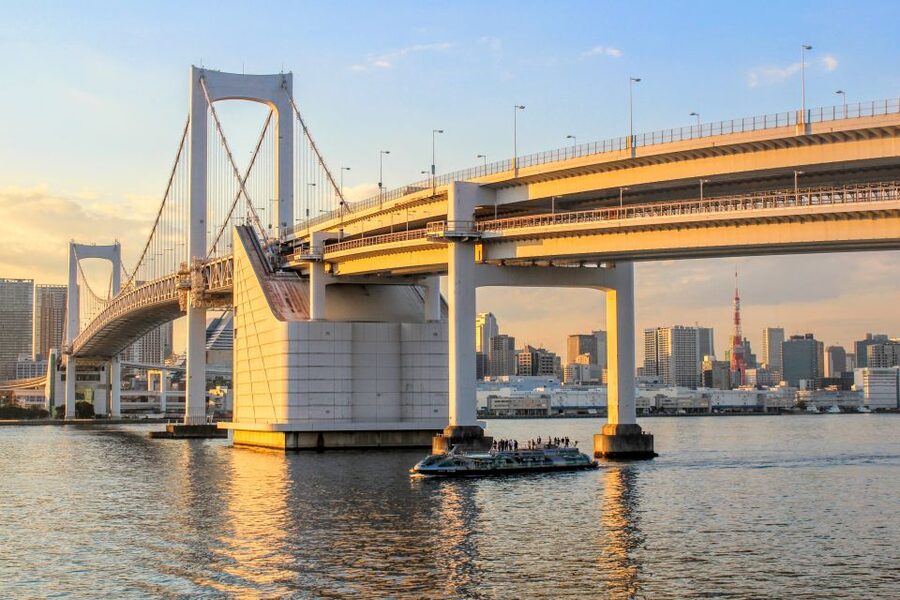
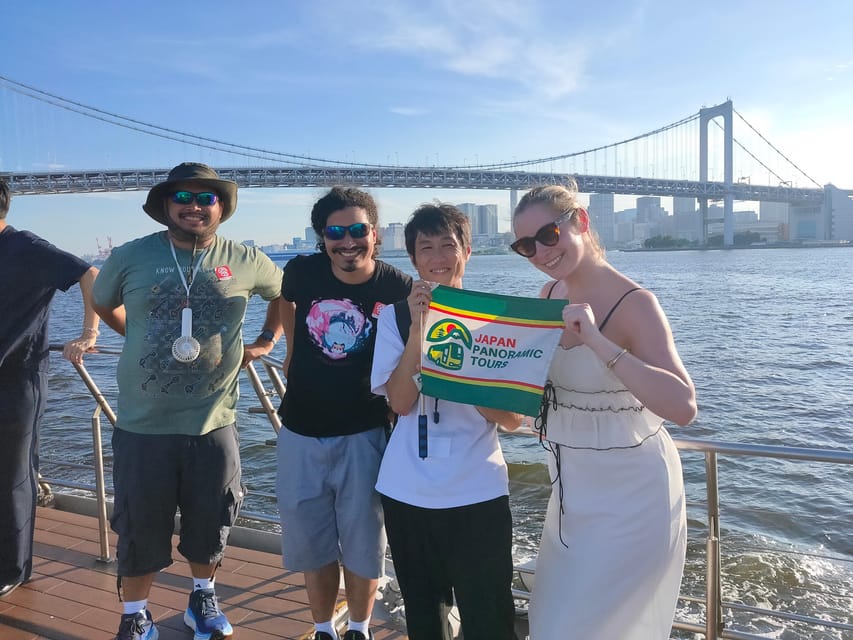
The final planned activity takes you to Odaiba for a short Tokyo Bay cruise, usually around 15 to 20 minutes. You pass beneath the Rainbow Bridge and look back toward Tokyo’s waterfront towers.
This is a pleasant way to finish after a full day on foot. It gives your eyes a break and changes the view from streets and temples to water and bridges. Sunset can make the ride especially attractive, but no particular light or weather condition is guaranteed.
The cruise does not operate on Tuesdays. It can also be canceled because of high tide or technical maintenance. In those cases, the replacement is either Hamarikyu Garden or the Fukagawa Edo Museum, and no refund is given for the change.
That policy matters when you compare this tour with a cruise-focused outing. Here, the boat is one part of a much larger day, not the main reason to book. Hamarikyu gives you another traditional garden setting, while Fukagawa offers a look at Edo-period life. Both are useful alternatives, but they are different experiences from being on the bay.
The guide can make or break the long day
A ten-hour group outing needs a guide who can manage time without making the day feel like a race. The strongest guide names associated with this experience include Aya, Sora, Yui, Tsubasa, Hiro, Levin, Lovely, Lisa, Angela, and Yuty.
The recurring strength is clear English commentary mixed with practical help. Guides explain shrine manners, Japanese history, directions, restaurant ideas, and shopping tips. Tsubasa is noted for teaching Japanese words and writing, while several guides are praised for humor and for keeping the group moving in difficult weather.
The audio guide adds Spanish, French, Italian, German, Portuguese, and Ukrainian options. The live guide remains English-speaking, so the audio system is useful if someone in your party is more comfortable hearing background information in another language.
Guide quality can vary from one departure to another, as it does on any group tour. The structure helps, though. You have a clear meeting point, a coach, timed stops, and a staff member watching the clock.
Walking, weather, and the real pace
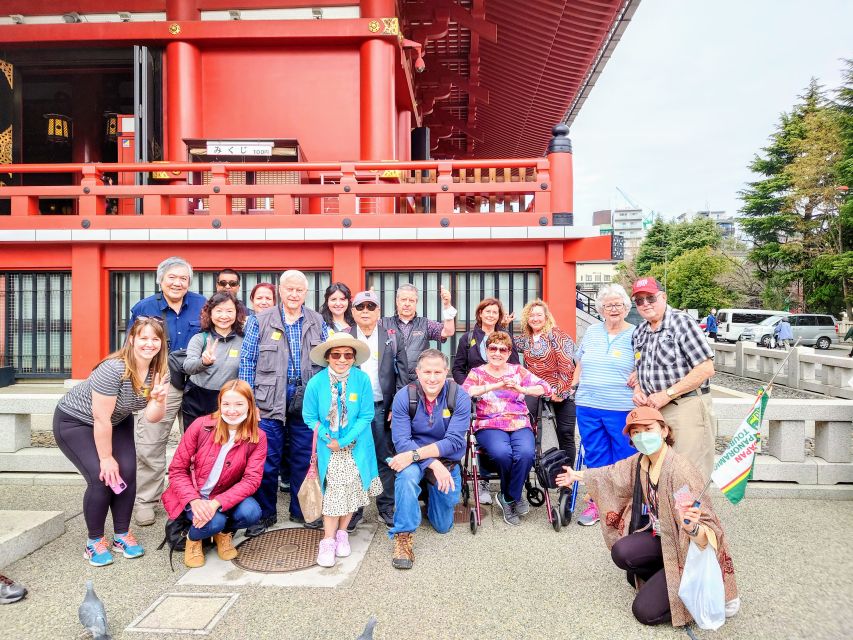
Do not mistake a bus tour for a low-walking tour. You walk through shrine grounds, palace areas, Asakusa streets, shopping lanes, Skytree facilities, and cruise access points. Some participants record more than 11,000 steps.
Comfortable shoes are essential. In summer, Tokyo can be hot and humid, making the air-conditioned coach especially useful. Rain does not automatically ruin the day, but it can make shrine paths and outdoor stops less pleasant.
The schedule is full by design. You get a rest while riding, but you do not get long, unplanned stretches. If you want to stop for a special snack, browse every Asakusa shop, or photograph one place from several angles, you may feel hurried.
Who should book this Tokyo day tour?
I would book this for a first visit, a short stay, or a cruise stop when you want to cover Tokyo’s main sights without arranging several separate outings. It is also useful if you want an English-speaking guide to explain cultural details instead of simply pointing out buildings.
Families and older adults may appreciate the coach between districts, though the walking and stairs still require reasonable mobility. The organized lunch, multilingual audio guides, and onboard Wi-Fi add practical value for mixed-language groups.
I would not choose it for a slow, neighborhood-focused trip. Independent visitors with several Tokyo days may prefer to spend a whole morning at Meiji Shrine and Harajuku, then devote another day to Asakusa and Skytree. Food-focused visitors should also think carefully about the lunch option and dietary limits.
Free cancellation is available up to 24 hours before departure, and you can reserve while paying later. Those terms give you some flexibility, but the important booking decisions are the pickup point, lunch option, and travel date, especially if the bay cruise matters to you.
Should you book it?
Book this tour if your Tokyo time is short and your priority is seeing the city’s headline sights in one organized sweep. The best reasons are the cross-city transport, strong guide-led cultural explanations, Skytree access, and the blend of shrine, palace, old-town, modern tower, and waterfront stops.
Skip it if you dislike fixed schedules, long days, or group pacing. Also skip the lunch add-on if you have serious allergies or dietary needs that the stated menu cannot handle.
At $122, the tour earns its price through convenience and coverage rather than deep time at any one site. Pack good shoes, keep your expectations realistic, and treat the day as your Tokyo orientation course. Then use what you learn to decide where to return on your own.
FAQ
How long does the Tokyo sightseeing tour last?
The tour lasts about 10 hours, including transportation and stops at the major sights.
Where does the tour start?
The meeting point depends on the option booked. Pickup points include Matsuya Ginza and the Love statue area in Shinjuku. Check your booking for the exact location.
Where does the tour finish?
The tour finishes near Tokyo Mode Gakuen.
Is hotel pickup and drop-off included?
No. Hotel pickup and drop-off are not included. You must travel to the designated meeting point and make your own way back after the tour.
Is lunch included?
Lunch is included only if you select the lunch option. The meal is a set menu with Japanese fried chicken, tofu, and a soft drink.
Can I request a vegetarian or gluten-free meal?
Yes. You must state the number of vegetarian or gluten-free meals when booking. The gluten-free meal includes grilled chicken, rice, and tofu.
Is the Tokyo Bay cruise always available?
No. The cruise does not operate on Tuesdays and can also be replaced because of high tide or technical maintenance. The alternative may be Hamarikyu Garden or the Fukagawa Edo Museum, with no refund for the change.
What languages are available?
The live guide speaks English. Audio headsets are available in Spanish, French, Italian, German, Portuguese, and Ukrainian.
Is the tour suitable for people with mobility impairments?
No. The tour is not suitable for people with mobility impairments. It also involves substantial walking, so comfortable shoes are important.
More Tokyo boat trips and river cruises
- Mt Fuji & Hakone Cruise, Drum Show Bullet Train 1 Day from Tokyo
★ 4.0 · 7,413 reviews - Tokyo Mt Fuji 5th St & Hakone Cruise Bus Tour w/Bullet Train
★ 4.4 · 5,024 reviews - Mt Fuji & Hakone Cruise, Drum Show Bus 1 Day from Tokyo
★ 4.0 · 1,287 reviews - Sumida River: Japanese Traditional Yakatabune Dinner Cruise
★ 4.6 · 779 reviews
More Asakusa and Sensoji tours
- Tokyo: Japanese Dance Cabaret Theater Asakusa-Kaguwa Ticket
★ 4.8 · 2,270 reviews - Tokyo: Roll and Authentic Sushi Making Class in Asakusa
★ 4.9 · 1,957 reviews - Tokyo: Asakusa Walking Tour with Sensoji Temple Visit
★ 4.8 · 1,583 reviews - Tokyo Asakusa Rickshaw Tour
★ 5.0 · 1,375 reviews
Newly reviewed around Tokyo
- Tokyo Asakusa:Calligraphy & Make T-shirt Activity★ 5.0 · 62 reviews
- Travel Tokyo with Your Own Personal Photographer★ 5.0 · 43 reviews
- Intercity Shuttle, Tokyo to Haneda /Narita /Yokohama /Makuhari★ 5.0 · 5 reviews
- 1 Hour Travel around Tokyo with a Professional Photographer★ 5.0 · 3 reviews
- Train in Samurai Swordsmanship and Defeat the Demon in Tokyo★ 5.0 · 5 reviews
- Shuttle Van 6hr Tokyo Tour to-and-from Tokyo, Yokohama and Narita★ 5.0 · 9 reviews
- Kickboxing & Body Training with EX-Pro Fighter★ 5.0 · 4 reviews
- Traditional Japanese Knife Sharpening Class★ 5.0 · 18 reviews
Meiji Shrine Tours, compared.
Tokyo Panoramic 1 Day: Meiji Shrine, Asakusa, Odaiba and SKYTREE®
Read our review →
Meiji Shrine Walking Tour — Shinto & Imperial System
Read our review →
Meiji Jingu Shrine and Shinto Culture Walking Tour
Read our review →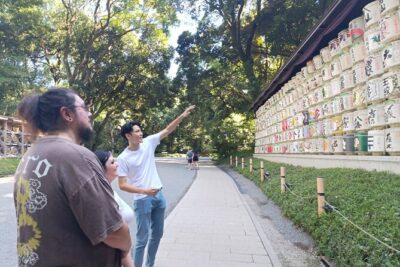
Meiji Shrine Walking Tour — Shintoism & Imperial System
Read our review →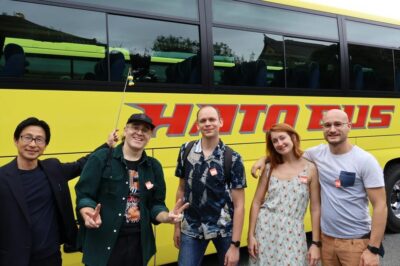
1 Day Bus Tour with Meiji-Jingu,Odaiba,lunch&Skytree
Read our review →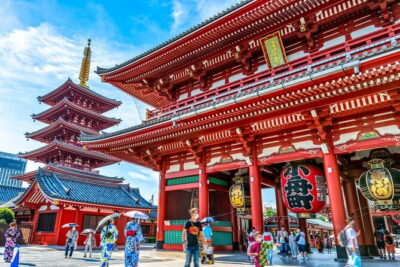
Tokyo Morning Tour : Meiji Shrine, Asakusa and Fish Market
Read our review →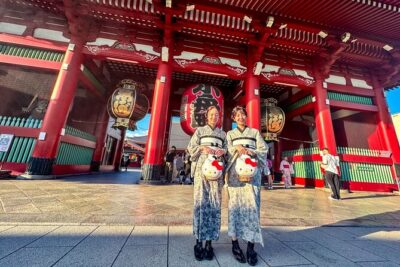
Full Tokyo: Meiji Shrine, Imperial Palace, Asakusa & Skytree
Read our review →Browse the lists this tour appears in