
Reviewed · MEIJI SHRINE TOURS
Tokyo: Meiji Shrine and Shinto Culture Walking Tour
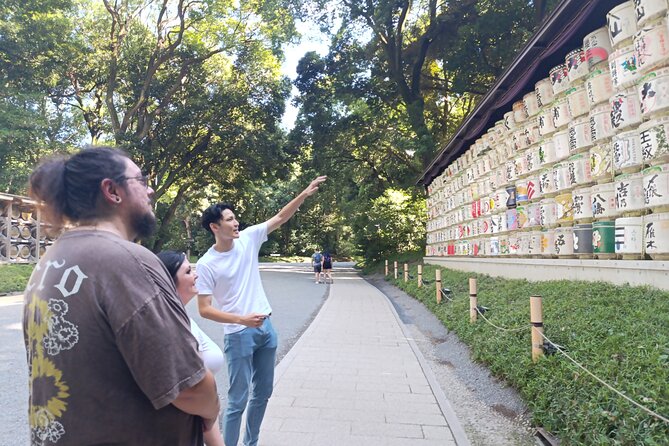
Meiji Jingu feels far removed from Tokyo’s traffic, even though Harajuku is right outside the gate. You walk beneath a huge wooden torii, follow a quiet forest path, and reach a shrine tied to Japan’s modern imperial story. The best part is having a guide explain what you are seeing instead of simply taking photos and moving on.
I like the small group size, capped at 15, because it leaves room for questions. I also like the practical focus on Shinto customs, including bowing and ritual purification. The main drawback is that two hours gives you a useful introduction, not a full study of the shrine or Japanese religion.
Key points to know before booking
- The tour explains Shinto rituals in plain terms, including customs many first-time visitors miss.
- Meiji Jingu sits inside a 70-hectare artificial forest, a striking contrast to nearby Harajuku.
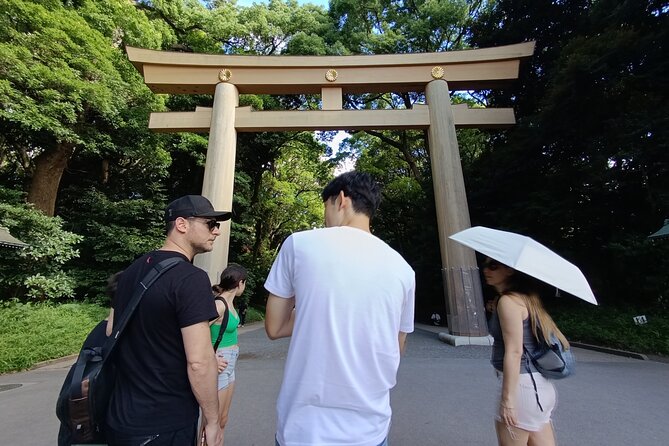
- The entrance torii is enormous, measuring 12 meters high and 17.1 meters wide.
- Groups are limited to 15 people, making it easier to hear the guide and ask questions.
- Guides have included Yumi, Sara, Haydn, Matt-san, and Benjamin, though your assigned guide may differ.
- The $18 price is reasonable if you want cultural context rather than a solo walk around the grounds.
Why Meiji Jingu makes a good first shrine visit
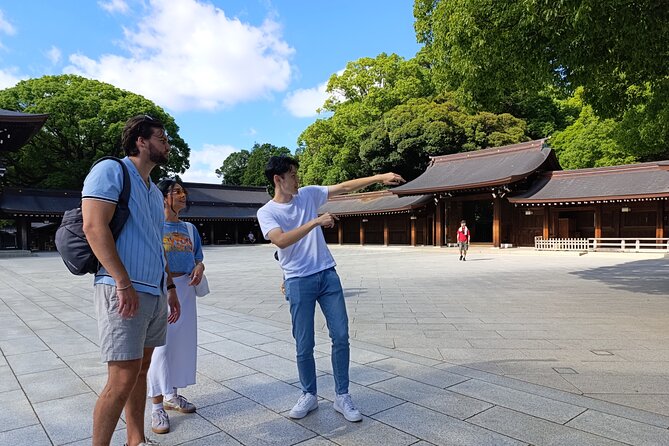
Meiji Jingu is one of Tokyo’s best places to begin learning about Shinto. It is visually impressive, easy to reach by public transport, and large enough to feel special without requiring a full day.
The shrine is dedicated to the deified spirits of Emperor Meiji and Empress Shoken. Emperor Meiji ruled during the period when Japan changed rapidly from a feudal society into a modern nation. That connection gives Meiji Jingu a different feel from an old neighborhood shrine devoted to a local deity.
You will not simply walk from a city street to a building. The approach matters. The tall torii gates mark a change from ordinary urban space to sacred ground, while the long forest path slows the pace. A guide can point out the meaning behind these transitions and explain why visitors behave differently once inside the shrine grounds.
I find that useful because Shinto customs can be easy to misread. A bow at the gate, a pause before the main shrine, or the act of washing your hands may look like a collection of tourist instructions. With context, these actions make more sense as signs of respect and preparation.
More Meiji Shrine tours in Tokyo:
- Tokyo: Meiji Shrine, Asakusa, Skytree Bus Tour and Cruise
★ 4.7 · 1,986 reviews - Tokyo Panoramic 1 Day: Meiji Shrine, Asakusa, Odaiba and SKYTREE®
★ 4.5 · 1,222 reviews - Tokyo: Meiji Shrine Walking Tour — Shinto & Imperial System
★ 4.9 · 266 reviews
Meeting at Harajuku and starting the walk
The tour begins at Starbucks Coffee at With Harajuku, located in Jingumae, Shibuya. The meeting point is near public transportation, which makes it practical to pair this tour with time in Harajuku or nearby parts of Tokyo.
Allow yourself enough time to find the café and identify the group before the start. The activity ends back at the same meeting point, so you do not have to work out a new route at the end of the walk.
The tour uses a mobile ticket, and booking confirmation is provided at the time of purchase. The simple setup suits you if you prefer a short scheduled activity that fits between other Tokyo plans.
The walk itself lasts about two hours. That includes the route through the shrine grounds and the guide’s explanations, so this is not a fast photo stop. Wear comfortable shoes and expect to spend much of the time walking outdoors.
Passing through the giant wooden torii
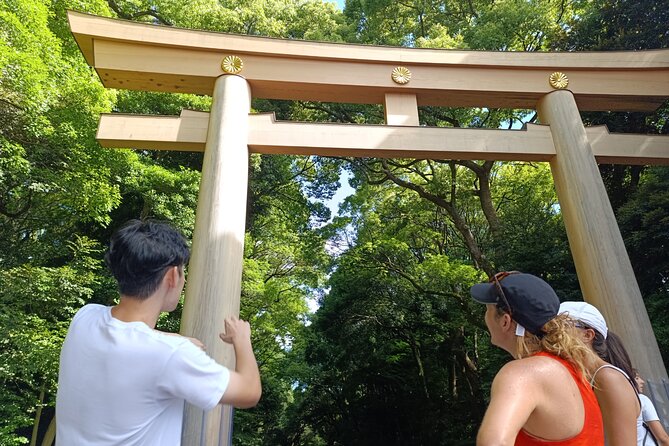
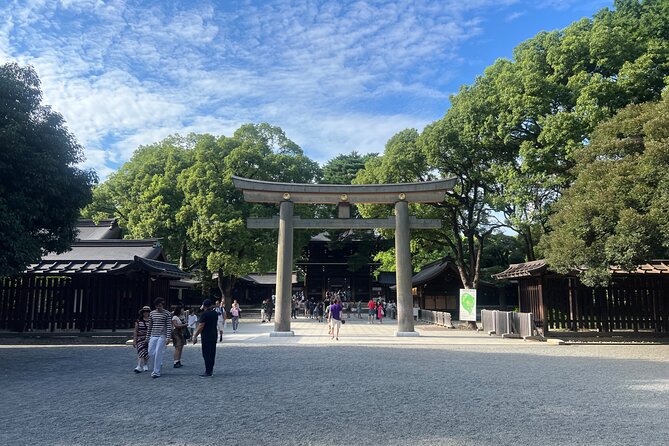
One of the first memorable sights is the large wooden myojin-style torii. It rises 12 meters high and measures 17.1 meters across, giving the entrance a powerful sense of scale.
The torii does more than frame a photograph. It marks the boundary of the shrine precinct, and your guide can explain how to approach it respectfully. This is where the tour begins turning ordinary sightseeing into a cultural visit.
The sheer size of the gate also prepares you for Meiji Jingu’s scale. The grounds are not a tiny urban shrine squeezed between buildings. They extend through a 70-hectare artificial forest, making the first section feel calm and spacious despite the busy city nearby.
If you are hoping to see every corner of Meiji Jingu, keep your expectations in check. The tour focuses on highlights during a limited time. Its value comes from understanding the main features, not from covering every path.
Walking through the 70-hectare forest
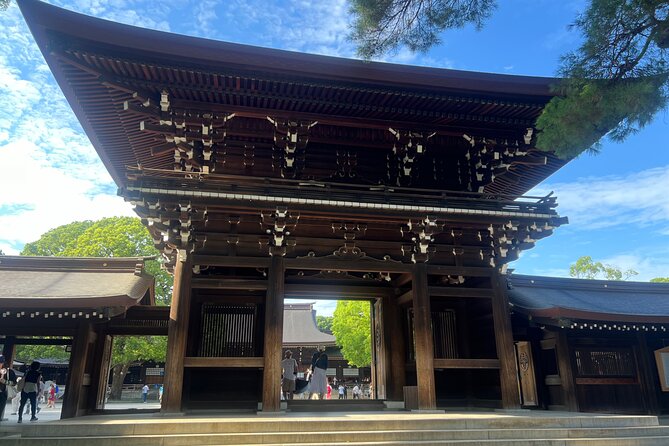
The approach to the shrine runs through a forest planted as part of the shrine complex. This is one of the experience’s strongest features. Tokyo may be one of the world’s busiest cities, yet the path gives you a long stretch of trees, gravel, and quiet movement.
I like this section because it gives the visit a sense of progression. You are not standing in front of the shrine immediately. You have time to leave the city behind, listen to the guide, and notice how the surroundings change.
The forest is artificial, but that does not make it feel less meaningful. Its scale and age have helped create the calm setting people associate with Meiji Jingu. The guide can connect the forest, the path, and the shrine’s purpose in a way that a quick solo visit may not.
The walking surface and outdoor setting also mean you should plan for changing weather. One departure continued in the rain, and Matt-san’s considerate guidance helped keep the experience enjoyable. Rain may still make the walk less comfortable, so bring suitable clothing if the forecast looks poor.
More Tokyo walking tours:
- Tokyo Tsukiji Fish Market Food and Culture Walking Tour
★ 5.0 · 3,184 reviews - Tokyo: Imperial Palace and Shogun Historical Walking Tour
★ 5.0 · 2,251 reviews - Tokyo: Shinjuku Local Bar and Izakaya Guided Walking Tour
★ 4.9 · 1,794 reviews - Tokyo: Tsukiji Fish Market Food and Walking tour
★ 5.0 · 1,724 reviews
Learning how Shinto customs work
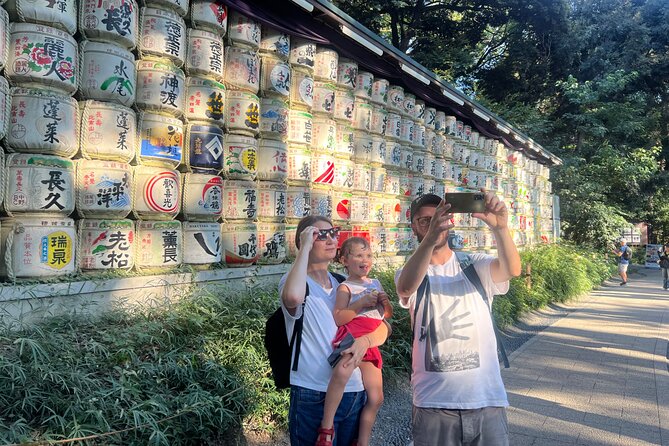
The central reason to book this tour is the explanation of Shinto practice. You can learn how to approach the gate, how to behave near the shrine, and why ritual purification matters.
One guide, Benjamin, explained customs such as bowing at the gates and cleaning before approaching the shrine. Those details are easy to overlook when you are moving with a crowd. They also help you avoid treating the shrine as only a scenic backdrop.
The guide can explain the symbolism behind the actions rather than giving you a rigid list of rules. That distinction matters. Shinto practice is connected to respect, cleanliness, and the relationship between people, sacred places, and deities.
The tour is especially useful if you have already visited Japanese temples or shrines but felt unsure about the differences. The supplied information focuses on Shinto, so you can expect the discussion to center on shrine traditions rather than a general survey of all Japanese religion.
Understanding Emperor Meiji and Empress Shoken
Meiji Jingu is not only a religious site. It also connects to Japan’s modern political and social transformation.
The shrine honors Emperor Meiji and Empress Shoken, who are remembered in connection with Japan’s modernization. A guide can help place the shrine within that story, giving you a clearer sense of why this particular site matters in Tokyo.
Matt-san’s explanation of the Meiji Restoration and Emperor Meiji’s achievements was described as especially memorable. That makes this tour useful for anyone who wants more than architectural facts. You get a basic framework for understanding how the shrine relates to the country’s modern identity.
The history is presented during a walk, not as a formal lecture. If you want a highly academic treatment of the Meiji period, this will probably feel too brief. If you want enough background to understand what you see, the two-hour format works well.
What the small group changes
The group limit is 15 people. That is not a private tour, but it is small enough for the guide to keep the group together and respond to questions.
I consider this one of the strongest practical features. At a crowded shrine, a large group can make it hard to hear instructions or see what the guide is pointing toward. A smaller group also makes it easier to ask about customs that may seem too minor for a large public tour.
The guides named in the supplied material include Yumi, Haydn, Sara, Matt-san, and Benjamin. Their reported strengths vary slightly. Yumi combined cultural information with useful Tokyo navigation tips. Sara was interactive and friendly, while Haydn gave detailed explanations of Shinto culture. Benjamin used a calm approach to Japanese customs.
Your guide will depend on the departure, so do not book solely to meet one named person. Still, the range of guide styles suggests that the human element matters here. The shrine provides the setting, but the quality of the explanation shapes much of the experience.
Is $18 good value for two hours?
At $18 per person, this is a modestly priced guided activity for central Tokyo. Admission to Meiji Jingu is included, and the tour adds a guide plus historical context about the district.
The value depends on what you want. If you are happy to walk through the shrine alone, you can save the tour fee and move at your own pace. Meiji Jingu is easy to admire without a guide.
I think the $18 is well spent if you are new to Shinto or worried about missing important customs. You are paying for interpretation, not for a special access area or an extended visit. The guide helps turn a beautiful walk into a more informed cultural stop.
It is also a useful choice for a first Tokyo day. The tour takes about two hours, ends where it began, and leaves time for Harajuku, shopping, food, or another nearby activity. Just remember that tips are not included.
Who will get the most from this walk
This tour suits first-time visitors who want an introduction to Japanese spirituality without committing to a full-day cultural program. It also works well for families, since the walking route gives children a clear place to learn about customs and symbols.
A family of four joined a June 2025 departure with Sara, who kept the experience interactive. That suggests the format can work for mixed ages, although the tour still requires outdoor walking and attention during explanations.
You should also consider it if you have visited Meiji Jingu before but felt you had only seen the surface. A guide can fill in the meaning behind the gate etiquette, purification, and shrine layout.
It is less suitable if you want a private experience, a long historical lecture, or plenty of free time for photography. The maximum group size is manageable, but you still follow a planned route and shared schedule.
Practical details that matter
The tour has free cancellation up to 24 hours before the start time for a full refund. Changes or cancellations made less than 24 hours before the experience are not accepted, and the cutoff follows local Tokyo time.
Most people can participate, and the meeting point is near public transportation. The activity begins and ends at Starbucks Coffee at With Harajuku. Check the meeting details carefully before setting out, especially if you are navigating Harajuku during a busy part of the day.
A mobile ticket keeps the booking simple. You should still arrive ready to walk, since the main experience takes place on the shrine grounds rather than inside a seated venue.
The shrine can be visited in changing weather. The rain example shows that the tour may continue in wet conditions, but your comfort will depend on footwear and clothing. A light jacket and shoes suitable for a forested path are sensible choices.
Should you book the Meiji Jingu walking tour?
Book it if you want Meiji Jingu to make cultural sense, not just look beautiful in photographs. The huge torii, forest path, and shrine buildings are memorable on their own, but the explanation of bowing, purification, and Shinto beliefs adds the piece most independent visitors miss.
The $18 price is fair, the two-hour length fits easily into a Tokyo itinerary, and the 15-person limit keeps the group personal enough for questions. I would especially recommend it for first-time visitors, families, and anyone unsure how to behave at a Japanese shrine.
Skip it if you prefer complete independence or already have a strong understanding of Shinto practice and the Meiji period. For everyone else, this is a practical, focused way to meet one of Tokyo’s most important cultural sites.
FAQ
How long does the Meiji Shrine walking tour last?
The tour lasts approximately two hours.
What is the price of the tour?
The price is $18 per person.
Where does the tour begin?
The tour begins at Starbucks Coffee at With Harajuku, 1-chome 14-30 Jingumae, Shibuya, Tokyo 150-0001.
Where does the tour end?
The activity ends back at the meeting point.
How many people can join the tour?
The tour can have a maximum of 15 participants.
Is admission to Meiji Jingu included?
Yes, the admission ticket is included.
What does the guide explain?
The guide explains Meiji Jingu’s history, Shinto culture, shrine rituals, and customs such as bowing and ritual purification.
Can the tour be canceled for a full refund?
Yes. You can cancel at least 24 hours before the start time for a full refund. Cancellations or changes made less than 24 hours before the start time are not accepted for a refund.
Newly reviewed around Tokyo
- Tokyo Asakusa:Calligraphy & Make T-shirt Activity★ 5.0 · 62 reviews
- 1 Hour Travel around Tokyo with a Professional Photographer★ 5.0 · 3 reviews
- Travel Tokyo with Your Own Personal Photographer★ 5.0 · 43 reviews
- Intercity Shuttle, Tokyo to Haneda /Narita /Yokohama /Makuhari★ 5.0 · 5 reviews
- Train in Samurai Swordsmanship and Defeat the Demon in Tokyo★ 5.0 · 5 reviews
- Shuttle Van 6hr Tokyo Tour to-and-from Tokyo, Yokohama and Narita★ 5.0 · 9 reviews
- Kickboxing & Body Training with EX-Pro Fighter★ 5.0 · 4 reviews
- Traditional Japanese Knife Sharpening Class★ 5.0 · 18 reviews
Meiji Shrine Tours, compared.
Meiji Shrine, Asakusa, Skytree Bus Tour and Cruise
Read our review →
Tokyo Panoramic 1 Day: Meiji Shrine, Asakusa, Odaiba and SKYTREE®
Read our review →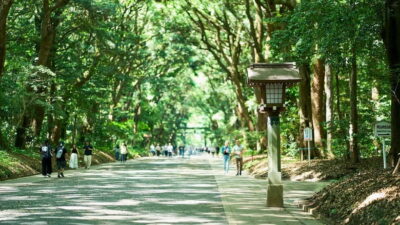
Meiji Shrine Walking Tour — Shinto & Imperial System
Read our review →
Meiji Jingu Shrine and Shinto Culture Walking Tour
Read our review →
Meiji Shrine Walking Tour — Shintoism & Imperial System
Read our review →
1 Day Bus Tour with Meiji-Jingu,Odaiba,lunch&Skytree
Read our review →
Tokyo Morning Tour : Meiji Shrine, Asakusa and Fish Market
Read our review →
Full Tokyo: Meiji Shrine, Imperial Palace, Asakusa & Skytree
Read our review →Browse the lists this tour appears in