
Reviewed · TOKYO SAMURAI AND NINJA EXPERIENCES
Train in Samurai Swordsmanship and Defeat the Demon in Tokyo
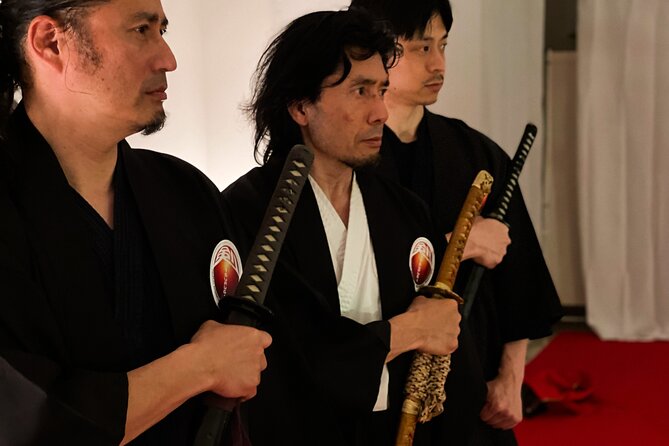
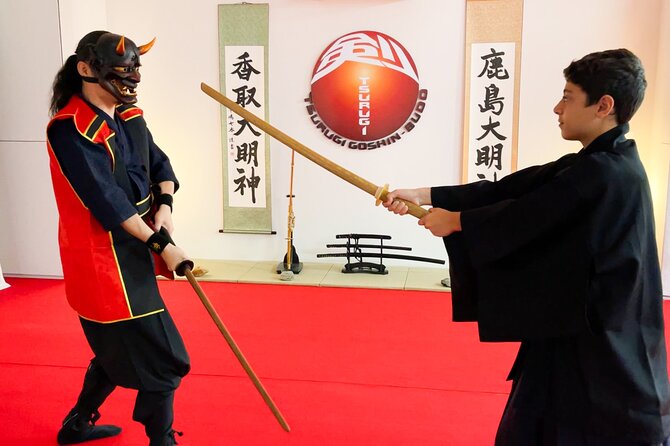
The most unusual part of this Tokyo activity is the story built around the sword lesson. You are cast as a chosen warrior, train with the Tsurugi Samurai Squad, then face an oni in a symbolic final battle. It is part martial-arts workshop, part family theater, and part personal challenge.
I like the small group size of up to six, which should give you room to follow the instructor and ask questions. I also like the thoughtful extras: a uniform, armor photos, matcha with Japanese sweets, a commemorative picture, and a scroll printed with your name and techniques.
The main consideration is that this is a staged cultural experience, not a full samurai history course or a free-form sword-fighting class. The dramatic demon story is central, so people seeking quiet museum-style learning or serious combat training may find it too theatrical.
Key points before you book
- A two-hour samurai story: The activity follows four parts, from a short prologue through training, battle, and recognition.
- Practical sword basics: You learn etiquette, breathing, posture, focus, offensive techniques, and defensive moves.
- A symbolic oni battle: The final confrontation represents fear, doubt, and weakness as much as an outside demon.
- English-friendly and family-ready: The guide teaches in English, and most people can participate.
- Personal keepsakes included: You receive a named scroll, a commemorative photo, and time in samurai clothing.
- A compact Tokyo location: The meeting point is in Kōjimachi, Chiyoda City, near public transportation.
A samurai story rather than a standard sword class
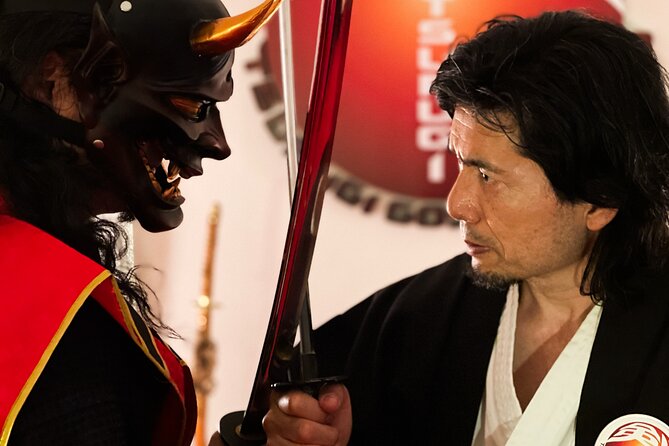
This experience begins with the folklore of Hyakki Yakō, the Night Parade of a Hundred Demons. In Japanese legend, supernatural beings such as yokai and oni appear in nighttime processions. Here, that old idea becomes the opening chapter of a modern Tokyo adventure.
The story says that an oni, once sealed away, has returned. The Tsurugi Samurai Squad, described as guardians from the past, needs new warriors to learn the skills required to confront it. You are given that role.
That setup matters because it changes the mood of the activity. You are not simply handed a sword and shown a few poses. The lesson has a clear beginning, middle, and end, with a reason for each exercise. If you enjoy role-play, costumes, and a little theatrical suspense, the format should keep the two hours moving.
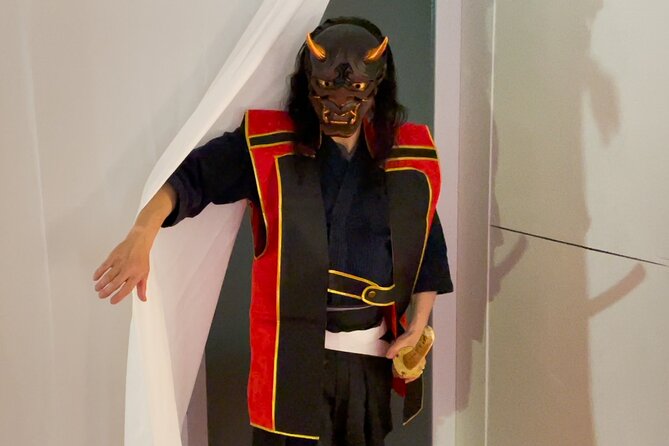
I also appreciate the meaning behind the demon. The oni is not only a character to defeat. It represents fear, doubt, and weakness within you. That gives the final scene more purpose than a simple photo opportunity, even if you should still expect a playful, staged presentation rather than a dangerous fight.
More Tokyo samurai and ninja experiences:
- Tokyo: Samurai Ninja Museum Guided tour and Experience
★ 4.6 · 1,010 reviews - Tokyo: Samurai Sword & Archery Class from Samurai Descendant
★ 5.0 · 603 reviews - Best Samurai Experience in Tokyo
★ 5.0 · 458 reviews
What happens during the prologue
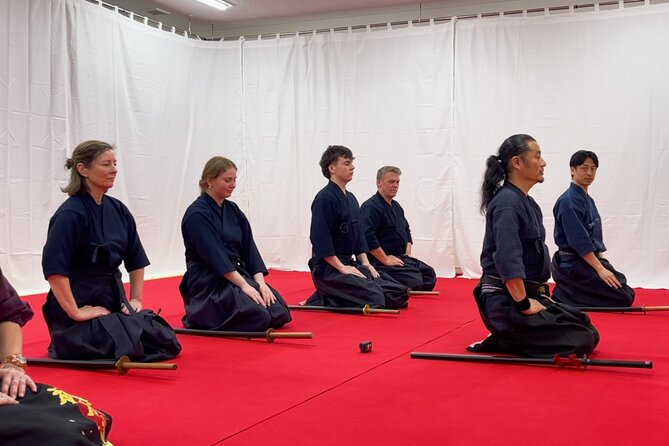
The opening chapter introduces the legend, the samurai squad, and your role in the trial. This is likely the point where the instructor explains the basic setting and prepares you for the lesson.
The prologue is useful for families and first-time visitors because it gives everyone a common story to follow. Children can understand the mission quickly, while adults get a short introduction to the Japanese idea of oni and the Night Parade of a Hundred Demons.
Do not expect this section to replace a visit to a museum or a longer lecture on Japanese history. Its job is to set the stage. The history and Bushido explanations are included to support the activity, not to turn it into an academic seminar.
Learning posture, breathing, and the spirit of Bushido
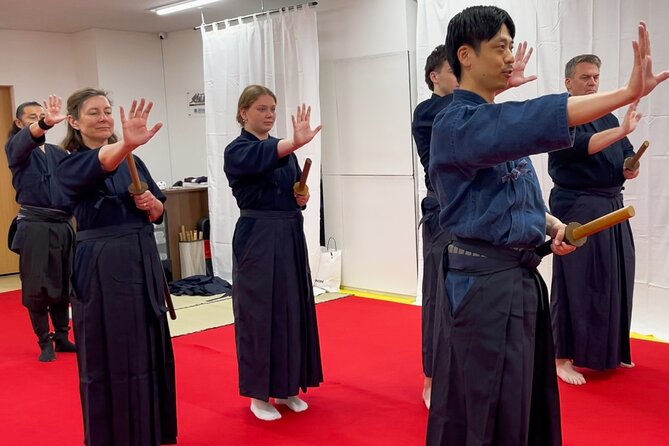
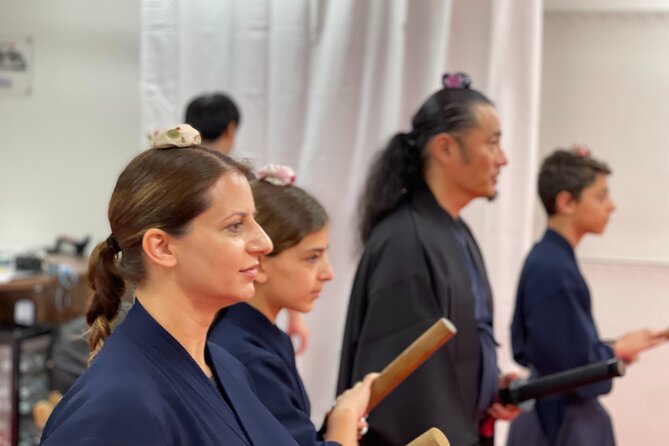
The training section is the practical heart of the experience. You learn samurai etiquette, breathing, posture, focus, strikes, and blocks. A live sword demonstration by the instructor helps show how the techniques should look before you try them yourself.
This order is sensible. Proper posture and controlled breathing make the lesson feel like more than waving a prop around. They also give you something useful to concentrate on if you are nervous. The emphasis is on calm control rather than brute strength.
The session includes both offensive and defensive techniques. That balance is important, since it lets you combine the movements later during the oni confrontation. You are not expected to arrive with martial-arts experience. The activity is described as suitable for most people, and the English guide covers the sword skills, samurai history, and Bushido ideas needed for the lesson.
The strongest appeal here is that you learn a sequence and then use it. Many short cultural activities show you a tradition without giving you much to do. This one builds toward a practical test, which can make the earlier instruction easier to remember.
Still, keep your expectations in check. This is an introductory lesson, not a qualification in samurai swordsmanship. The phrase real techniques refers to the traditional movements and discipline being taught, but the activity remains a controlled experience for visitors.
Wearing the uniform and meeting the oni
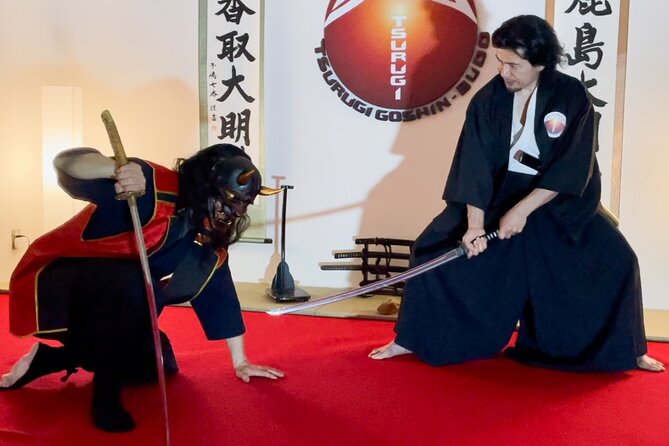
A samurai uniform is provided during the lesson. You also have the chance to wear armor and take photos, which gives the activity a strong visual element. If you are traveling with children, this may be the part they remember most clearly. Couples and friends can also make the costume photos part of the fun.
The uniform is not just decoration. It helps mark the change from ordinary sightseeing to the story’s training chapter. That simple shift can make the experience feel more focused, especially in a city where much of your day may involve walking, trains, and crowded sights.
The battle chapter brings the techniques together. You face the oni in a symbolic clash of spirit and shadow, using the offensive and defensive skills from the lesson. The language of defeating the demon sounds dramatic, but the purpose is imaginative and reflective, not physical combat.
That distinction is worth making before you book. If you want a serious sparring session, this is not the right choice. If you want a safe, guided finale that lets you play the hero in a Japanese fantasy story, it is a better fit.
The group limit of six should help here. A small class generally makes it easier for the instructor to keep track of each person and keep the final sequence orderly. The activity does not promise private instruction, so you should still expect a shared session rather than one-on-one coaching.
More train rides and rail passes from Tokyo:
- Mt Fuji and Hakone 1-Day Bus Tour Return by Bullet Train
★ 5.0 · 26,383 reviews - Mt Fuji & Hakone Cruise, Drum Show Bullet Train 1 Day from Tokyo
★ 4.0 · 7,413 reviews - Tokyo Mt Fuji 5th St & Hakone Cruise Bus Tour w/Bullet Train
★ 4.4 · 5,024 reviews - From Tokyo: Mt. Fuji & Hakone Tour w/ Return by Bullet Train
★ 4.2 · 1,278 reviews
The recognition chapter and your named scroll
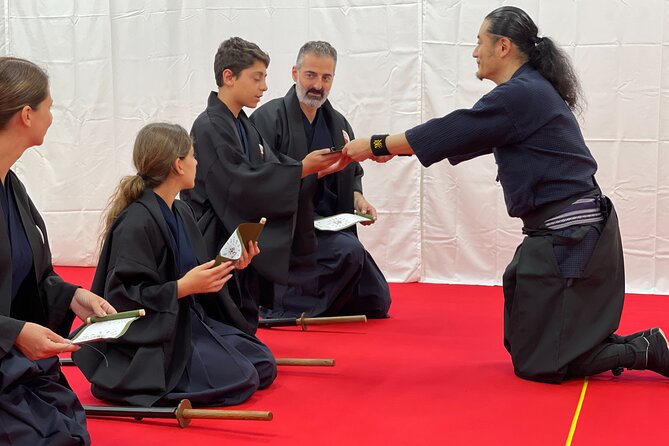
The final chapter is called recognition. After the trial, you receive a personalized scroll with your name and the techniques you learned. The scroll is a more distinctive souvenir than a standard printed ticket or generic certificate because it connects your name to the story.
You also receive a commemorative photo with the samurai. Together, the scroll and photo give you two kinds of keepsake: one tied to the lesson and one tied to the costume and setting.
I like this ending because it gives the activity a clear sense of completion. You train, perform the final challenge, and receive something that marks the experience. The scroll may not be an ancient artifact, of course, but it is a pleasant reminder of a day when you tried something outside your usual sightseeing routine.
The included matcha tea and Japanese sweets add a quieter closing touch. After the movement and theatrical battle, sitting down for a traditional refreshment gives the experience a cultural pause. It also makes the activity feel more rounded than a class that ends immediately after the final demonstration.
How much value do you get for $84.70?
At $84.70 per person, this is not the cheapest two-hour activity in Tokyo. Its value depends on what you want from the time.
You are paying for more than sword instruction. The price includes the uniform rental, live demonstration, English guidance, samurai and Bushido context, matcha and sweets, a named scroll, and a commemorative photo. The small maximum group size also adds value, since a class of six has a more personal feel than a large performance.
If you only want to learn basic sword movements, the price may feel high. You could spend less on a short demonstration or a museum visit. But those options would not normally combine costume, guided practice, a story-driven finale, refreshments, and a personalized keepsake.
I would see this as a good value for a special occasion, particularly a birthday or family activity. It also works well for couples and friends who want something more active than sightseeing. The experience has enough structure for solo visitors too, though the costume photos and battle scene may feel more playful when shared with someone you know.
The activity is commonly booked about 29 days ahead. That suggests you should plan it before your Tokyo schedule fills up, especially if you want a particular date. The current rating is based on only five reviews, so I would not treat the perfect score as a guarantee. The consistent themes are useful, though: people praise the relaxed atmosphere, the fun, the chance to learn both attack and defense, and the friendly staff.
Location, timing, and what the meeting point means
The activity lasts about two hours and begins and ends at the same meeting point: the International Goshin-Budo Association in the MK Kōjimachi Building, 4-chōme 2-1, Kōjimachi, Chiyoda City, Tokyo 102-0083.
The location is near public transportation, which makes it practical to add before or after other central Tokyo plans. You do not receive private transportation, and no air-conditioned vehicle is included. That is not a serious drawback for a fixed-location class, but it means you need to make your own way there and back.
Allow time to find the building and arrive without rushing. A sword lesson begins more comfortably when you have already located the entrance and had time to settle in. Since the activity ends where it starts, you can plan your next stop without arranging a separate pickup.
Confirmation is provided at booking, and mobile tickets are accepted. Most people can participate, but the supplied information does not give detailed accessibility guidance or specific age limits. If you have mobility concerns or are booking for a young child, contact the provider before paying.
Who will enjoy this most?
I would recommend this activity to you if you like cultural experiences with a strong story and hands-on participation. It suits:
- Families wanting an activity that keeps children involved
- Couples looking for a playful Tokyo date
- Friends who enjoy costumes and photos
- Solo visitors who want an English-friendly experience
- First-time visitors curious about samurai etiquette and Bushido
- Anyone celebrating a birthday or planning a memorable souvenir
The reviews describe the atmosphere as relaxed rather than pressuring. That is important for beginners. You do not need to arrive confident with a sword, and the instruction is designed to build toward the final scene.
The activity may not suit you if you want a long, detailed study of Sengoku-era warfare, advanced martial-arts instruction, or an unscripted fight. It also may not be your best choice if you dislike role-play. The oni story is not a minor extra. It shapes the whole experience.
Booking advice and cancellation terms
The activity offers free cancellation if you cancel at least 24 hours before the local start time. Cancellations made within 24 hours are not refunded, and late changes are not accepted.
That policy is fairly standard, but Tokyo plans can change quickly. Check your transport route and daily schedule before booking, particularly if you are reserving the activity close to another timed attraction.
Because the activity is often booked 29 days in advance and holds only six people, I would reserve early if your dates are fixed. A mobile ticket keeps the arrival process simple, but you should still save the address and confirmation details where you can reach them without an internet connection.
Should you book this Tokyo samurai experience?
Book it if you want a compact, entertaining introduction to samurai culture with real instruction, costumes, a story, and a keepsake. The small class, English guidance, matcha, named scroll, and symbolic oni battle give it more substance than a quick photo stop.
Skip it if your main goal is advanced swordsmanship or a serious history lesson. This is best understood as a guided samurai fantasy built around traditional techniques. For families, couples, friends, and curious solo visitors, the combination of learning and play makes the $84.70 price reasonable, especially for a birthday or a day when you want to do something different from Tokyo’s usual temples, towers, and shopping streets.
FAQ
How long does the samurai sword experience last?
The experience lasts approximately two hours.
Where does the activity begin and end?
It begins at the International Goshin-Budo Association in the MK Kōjimachi Building, 4-chōme 2-1, Kōjimachi, Chiyoda City, Tokyo 102-0083. It ends back at the same meeting point.
Is the experience conducted in English?
Yes. An English guide teaches sword skills, Bushido, and samurai history.
What is included in the price?
The price includes samurai uniform rental during the lesson, a live sword demonstration, English guidance, a personalized scroll with your name and techniques, matcha tea and Japanese sweets, and a commemorative photo with a samurai.
Do I need previous sword or martial-arts experience?
The activity information says most people can participate. It is designed to teach the techniques during the session, including posture, breathing, strikes, blocks, and focus.
How many people can join the activity?
The maximum group size is six people.
Is transportation provided?
No. Private transportation and an air-conditioned vehicle are not included. The meeting point is near public transportation.
Can I cancel for a full refund?
Yes, if you cancel at least 24 hours before the experience start time. Cancellations or changes made less than 24 hours before the local start time are not accepted for a refund.
Newly reviewed around Tokyo
- Tokyo Asakusa:Calligraphy & Make T-shirt Activity★ 5.0 · 62 reviews
- Intercity Shuttle, Tokyo to Haneda /Narita /Yokohama /Makuhari★ 5.0 · 5 reviews
- 1 Hour Travel around Tokyo with a Professional Photographer★ 5.0 · 3 reviews
- Travel Tokyo with Your Own Personal Photographer★ 5.0 · 43 reviews
- Shuttle Van 6hr Tokyo Tour to-and-from Tokyo, Yokohama and Narita★ 5.0 · 9 reviews
- Kickboxing & Body Training with EX-Pro Fighter★ 5.0 · 4 reviews
- Traditional Japanese Knife Sharpening Class★ 5.0 · 18 reviews
- Tokyo History: Sensoji Temple & Asakusa District Private Tour★ 5.0 · 28 reviews
Tokyo Samurai and Ninja Experiences, compared.
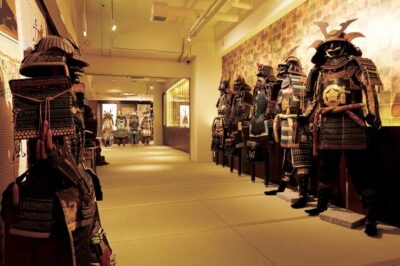
Samurai Ninja Museum Guided tour and Experience
Read our review →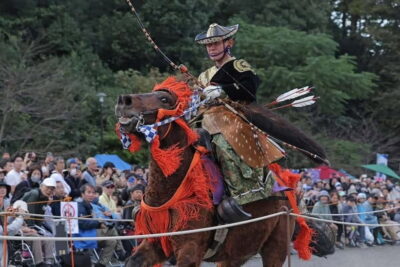
Samurai Sword & Archery Class from Samurai Descendant
Read our review →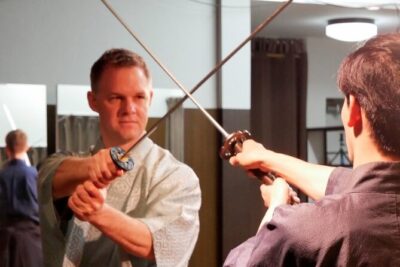
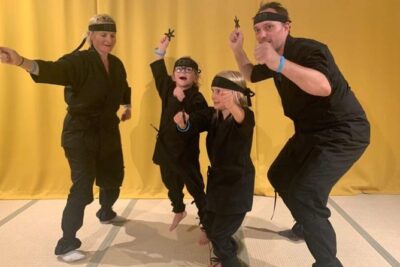
Ninja Experience (Family Friendly) at Samurai Ninja Museum TOKYO
Read our review →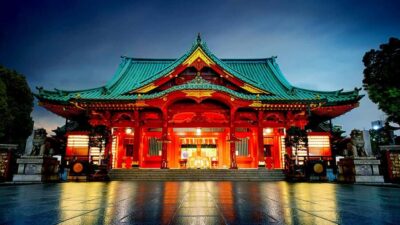
Samurai Entertainment Night Show in Kanda Shrine
Read our review →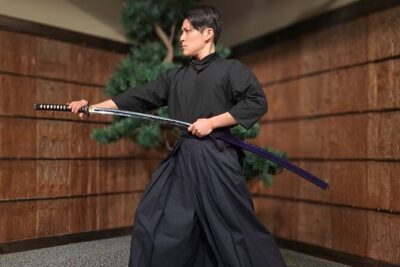
Tokyo Sword Experience – includes Museum Ticket/Ninja Experience
Read our review →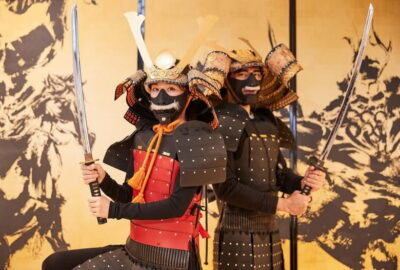
Samurai Ninja Museum Asakusa: Samurai Sword Lesson & Tour
Read our review →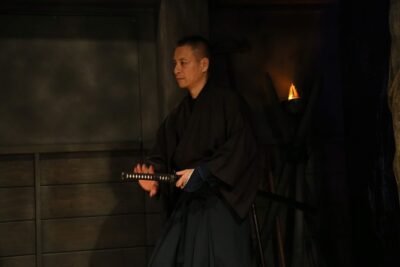
Ninja Samurai 2-hour hands-on lesson by Japanese master in Tokyo
Read our review →Browse the lists this tour appears in