
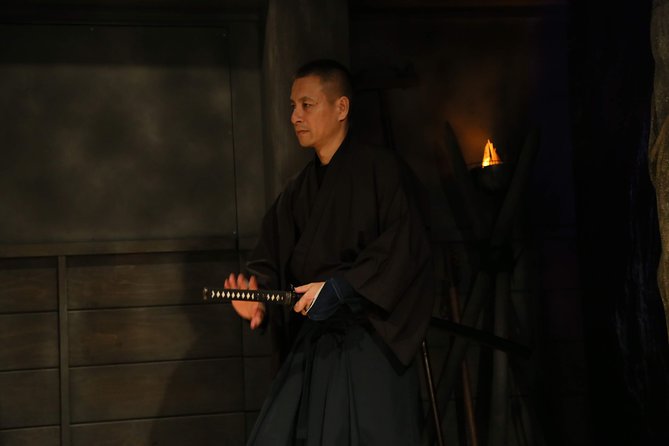
Reviewed · TOKYO SAMURAI AND NINJA EXPERIENCES
Ninja Samurai 2-hour hands-on lesson by Japanese master in Tokyo
The most memorable part of this Tokyo class is that you do not simply watch a staged ninja show. You dress in ninja clothing and handle a range of traditional-style weapons, including shuriken, blowguns, ninja swords, and a Japanese samurai sword. A Japanese sensei teaches the movements, customs, and ideas behind the tools in English.
I like the maximum six-person group, which gives the instructor room to correct your stance and keep the session moving. I also like the mix of quiet Kuji-In meditation, sword practice, target work, and demonstrations. The main drawback is finding the venue in Shiomi can take extra care, especially by taxi, and one account noted that the elevator was not working, leaving four short flights of stairs.
Key details before you book
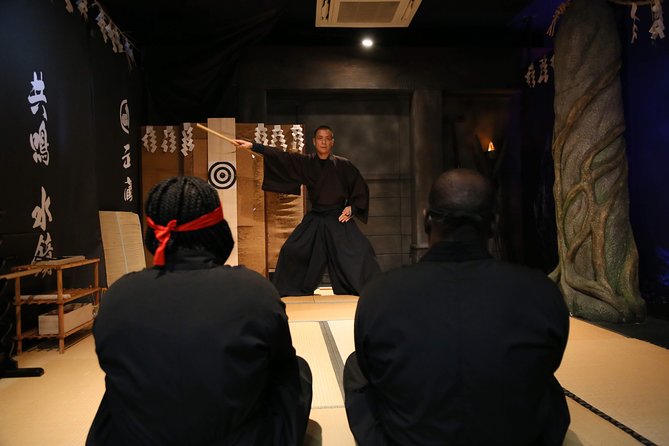
- Small class of up to six: You get more direct instruction than in a large stage-style activity.
- A broad two-hour lesson: The session covers meditation, ninja tools, shuriken, blow darts, sword work, and samurai customs.
- English instruction: Japanese sensei teach the class in English, with instructors including Hyoga, Onel, Asami, and Buddy.
- Ninja clothing included: You change into an outfit before training, which helps set the tone for the lesson.
- Suitable for a wide age range: The activity has worked for families with children aged 11 and 13 as well as adults in their 60s and 70s.
- Active rather than purely theatrical: Some practice may involve running or jumping, so it suits people comfortable with light physical activity.
What this Tokyo ninja class really offers
Tokyo has no shortage of costume photos and polished cultural shows. This experience takes a different route. You spend about two hours in a working dojo-style setting in Shiomi, learning basic techniques and hearing explanations about ninja and samurai life.
The class is designed as a hands-on lesson, not formal martial arts training. You will not become a sword fighter in one afternoon. You will, however, learn how to hold and draw a sword, try several ninja tools, practise set movements, and gain a clearer idea of how popular images of ninja and samurai compare with traditional practice.
That distinction matters. The lesson is playful, but it also tries to give the weapons and rituals some context. Instructors explain ninja and samurai traditions, show how the tools were used, and correct common myths linked to anime and modern entertainment.
The group limit is one of the best features. With no more than six people, an instructor can give each person a turn and keep an eye on safety and technique. It also makes the class easier for families and mixed-age groups. One family included children aged 11 and 13, while another class included people in their 20s through their 60s.
More Tokyo samurai and ninja experiences:
- Tokyo: Samurai Ninja Museum Guided tour and Experience
★ 4.6 · 1,010 reviews - Tokyo: Samurai Sword & Archery Class from Samurai Descendant
★ 5.0 · 603 reviews - Best Samurai Experience in Tokyo
★ 5.0 · 458 reviews
Arriving at the Shiomi dojo
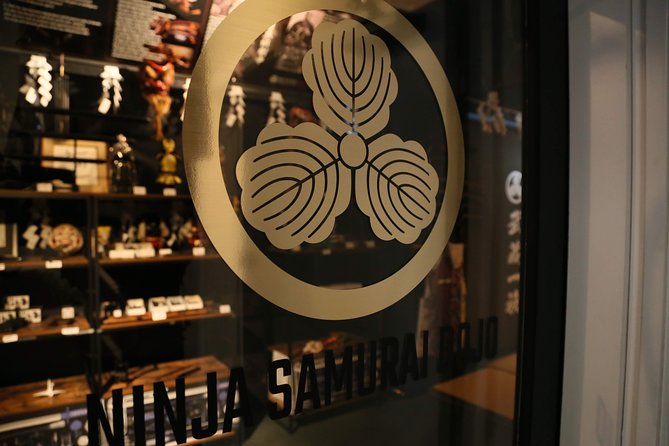
The meeting point is NINJA SAMURAI TOKYO in Shiomi, Koto City, at Bayfrere Shiomi, East 4th floor. The venue is near public transportation, and the activity ends where it begins.
Give yourself time to locate the building. The address can be less obvious than a major Tokyo attraction, and one person was unable to find the class by taxi. A direct walk from the station has been straightforward for some visitors, but you should still check the map carefully before setting out and save the address on your phone.
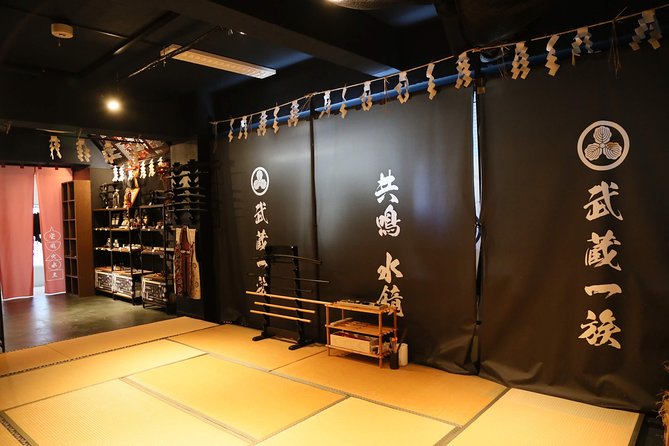
The venue is a true dojo-style space rather than a large theme-park set. That may be good news if you want a more focused lesson, but do not expect a grand museum interior or elaborate theatrical scenery. Some promotional images may suggest a larger setting than the actual training room.
Access can also matter. One account noted that the elevator was not working and that the class required four short flights of stairs. Since the elevator situation can change, contact the operator if stairs could be a problem for you.
Changing into ninja clothes
Ninja clothing rental is included in the price. Changing into the outfit is more than a photo opportunity. It creates a clear break from the rest of your Tokyo sightseeing day and gets everyone ready to take part.
The clothing also makes the class feel less like a lecture. You are not sitting at the edge of the room while someone demonstrates weapons. You dress for the role, learn the basic routines, and take part in the activities yourself.
This is especially useful for families. Younger participants have something visual and playful to focus on, while adults can enjoy the cultural background without taking the lesson too seriously. The instructors are described as patient and funny, which helps people relax if they have never tried anything similar.
Bring a phone or camera if you want photographs. The activity is active, so keep your device secure and follow the instructor’s directions about when it is safe to record.
Starting with Kuji-In ninja meditation
The session begins with an introduction to ninja ideas and Kuji-In, often described here as ninja meditation. This part slows the pace before the weapons practice begins.
Do not expect a long silent meditation retreat. In this setting, Kuji-In is presented as one part of ninja training, along with focus, gestures, and mental preparation. It gives the lesson a little more depth than a simple sequence of sword swings and target games.
I like this opening because it gives context to the physical exercises. The class presents ninja skills as more than tricks or weapons. Concentration and control are part of the lesson, even if the overall mood stays light.
The historical explanations also help sort fact from fiction. Instructors discuss ninja and samurai customs and point out differences between a ninja sword and a samurai sword. If your idea of these traditions comes mostly from films, games, or anime, this is where the class begins to correct your assumptions.
More hands-on classes and workshops in Tokyo:
- Sushi Making Tokyo Roll and Authentic Japanese Sushi Class
★ 5.0 · 3,971 reviews - Tokyo: Roll and Authentic Sushi Making Class in Asakusa
★ 4.9 · 1,957 reviews - Tokyo Shinjuku Chopsticks Making Class
★ 5.0 · 1,763 reviews - Tokyo: Sushi Making Class in a Happi Coat near a Famous Spot
★ 4.9 · 1,377 reviews
Handling ninja tools and entering the trick house
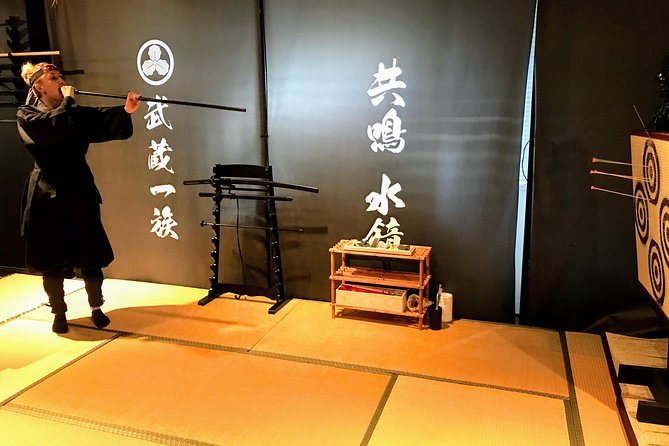
The next part introduces ninja weapons and tools. The exact order may vary, but the program includes an introduction to a ninja trick house, along with demonstrations and practice using different pieces of equipment.
This section is valuable because it shows how varied the popular ninja image can be. The lesson is not only about swordplay. You might use or examine shuriken, wooden throwing sticks or chopstick-style objects, and a ninja blowgun with darts. The aim is to learn basic handling and try the movements under supervision.
The trick-house element adds a playful change of pace. It is not presented as a full-scale attraction, but as an introduction to the kind of gimmicks linked with ninja stories and training. If you are expecting a maze or a large theatrical set, keep your expectations modest.
The class is hands-on, but that does not mean every participant is left to figure things out alone. The small group allows the instructor to demonstrate first and then give each person a turn. This is one reason the experience works well for beginners.
Throwing shuriken and using the blowgun
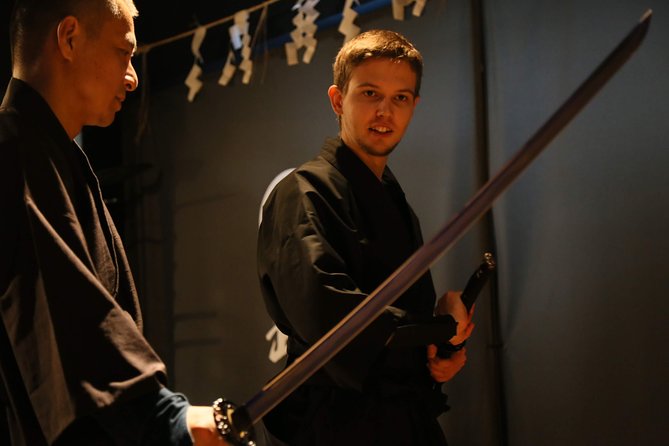
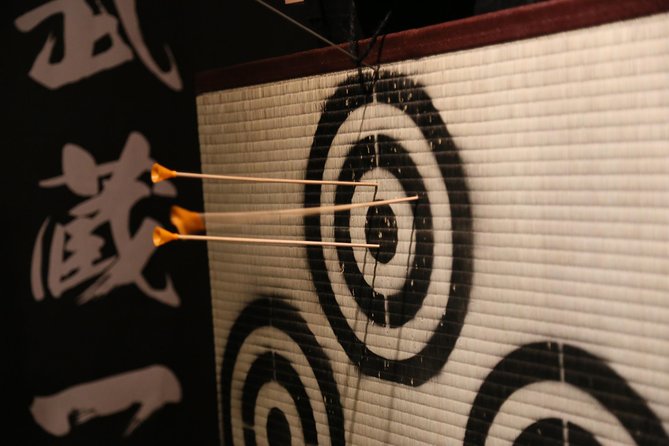
Shuriken practice is one of the most popular parts of the session. You throw ninja stars at targets after learning the basic method. It is simple to understand, but landing a clean hit takes more control than many people expect.
The blowgun adds another skill. You learn how to use a ninja blowgun and fire darts at a target. These activities give you a clear goal and keep the class lively, especially for children and adults who prefer action to discussion.
The instructor controls the pace and equipment. You should listen closely and wait for permission before handling anything. The class is designed for beginners, but the tools still require care.
The target exercises also make the two-hour schedule feel full. You are not repeating one movement for the entire class. Instead, you move between demonstrations, explanations, and short practice sessions. That variety helps keep mixed-age groups involved.
Learning to draw and use a samurai sword
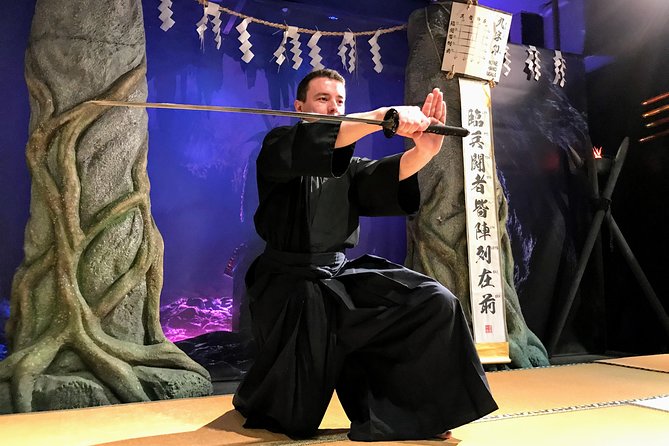
The samurai portion shifts the mood. Rather than focusing only on stealth and tricks, the instructor explains samurai techniques and spirit, then demonstrates how to draw and use a Japanese samurai sword.
You practise the basic movements and learn how the sword is handled. Some sessions have included practice with a real metal sword, while other equipment may vary by class. Follow the instructor’s instructions closely and do not treat the sword as a prop.
The lesson also covers the difference between a ninja sword and a samurai sword. That comparison gives the class a useful historical and cultural thread. You learn that the two images are not interchangeable, even though modern entertainment often blends them together.
The sword work is likely to be the most focused section. It requires attention to grip, posture, and controlled movement. You do not need to arrive as an athlete. Several accounts describe the class as suitable for mixed ages and skill levels, but you should be comfortable standing and taking part in light physical practice.
The session may finish with a samurai performance or a short routine using the techniques you have learned. This gives everyone a chance to put the individual movements together and provides a natural ending to the lesson.
The instructors make or break the experience
The instructor is central to this activity. The named teachers include Hyoga, Onel, Asami, and Buddy, and the strongest descriptions focus on their patience, humor, English ability, and ability to keep the class welcoming.
Hyoga is described as making the lesson fun and memorable. Onel is praised for creating a good family and group experience. Asami is noted for clear explanations of ninja and samurai history and techniques. Buddy is described as a master who combined education with hands-on practice.
Instructor assignments can change, so do not book based on a promise that one particular sensei will teach your class unless the operator confirms it. What you can reasonably expect is an English-speaking Japanese instructor trained in ninja arts, with the lesson built around demonstration and participation.
A good teacher matters here because sword and weapon practice can feel awkward at first. Humor helps. The class is meant to be entertaining, and you will get more from it if you are willing to look a little silly while learning unfamiliar movements.
Is the $86.22 price good value?
At $86.22 per person, this is not the cheapest cultural activity in Tokyo. The price includes the roughly two-hour lesson, instruction in English, ninja clothing rental, admission, and use of the training equipment.
The value comes from the range of activities and the small group. You are not paying only for a costume change or a short demonstration. The schedule includes meditation, weapons introduction, trick-house material, shuriken, blow darts, ninja sword work, samurai sword instruction, and cultural explanations.
A six-person maximum is important. In a large group, hands-on activities can turn into a long wait for your turn. Here, the instructor has more time to watch your technique and let you try each activity.
I would consider the price reasonable for someone who wants an interactive cultural activity rather than another sightseeing stop. It is less compelling if you only want polished photographs or a formal performance. Bottled water and private transportation are not included, so plan those separately.
The activity is also a useful choice for a family or small group that wants one shared experience. Everyone can take part, and the age range can be broad. That shared element adds value if you are trying to find one Tokyo activity that works for children, parents, and grandparents.
Who should book this experience?
I would choose this class for first-time visitors looking for something beyond temples, shopping streets, and observation decks. It also suits returning visitors who want an active cultural lesson in a quieter part of Tokyo.
Families are a strong match, provided everyone can manage the physical parts. Couples and friends can enjoy the class as a joint activity, while solo participants can benefit from the small group and instructor attention.
You should be comfortable with standing, basic movement, and possibly some running or jumping. The class is not described as advanced athletic training, but it is not a seated talk. If you have difficulty with stairs or movement, ask the operator about current access and physical requirements before booking.
This is not the right choice if you want an academic lecture, a formal museum visit, or a full-day martial arts course. It is a short introduction that blends history, performance, costume, and simple practice.
Practical planning for your two hours
Book with enough time to reach Shiomi without rushing. Public transportation is nearby, but the building may take a moment to identify. A phone map is more useful than relying on a taxi driver to recognize the venue immediately.
Wear something that allows comfortable movement under the rented clothing. The class includes sword motions and target practice, and some sessions involve running or jumping. Avoid carrying loose items into the practice area.
The activity has mobile ticketing, and confirmation is provided at booking. It begins and ends at the Shiomi meeting point, so you can plan a meal or another Tokyo activity afterward without arranging a separate transfer.
Free cancellation is available up to 24 hours before the start time for a full refund. Cancellations or changes within 24 hours are not refunded or accepted. The class can also be affected by poor weather or an insufficient number of bookings, in which case the operator offers another date or a full refund.
Should you book the ninja and samurai lesson?
Book it if you want active, good-humored cultural practice with real instruction rather than a passive show. The small class, English-speaking sensei, broad mix of activities, and included ninja clothing make the $86.22 fee easier to justify.
I would be especially comfortable recommending it to families, couples, and friends who want a shared memory. Just plan your route carefully, allow for stairs, and expect a modest dojo rather than a large fantasy attraction.
Skip it if you dislike physical participation, have trouble climbing stairs, or want a formal historical tour. For everyone else, this two-hour lesson offers an unusual way to learn about ninja and samurai traditions while actually trying the movements and tools yourself.
FAQ
How long does the ninja and samurai class last?
The activity lasts approximately two hours.
Where does the experience take place?
It takes place at NINJA SAMURAI TOKYO in Shiomi, Koto City, Tokyo, at Bayfrere Shiomi, East 4th floor.
How many people can join the class?
The class has a maximum of six participants.
Is the lesson taught in English?
Yes. A Japanese sensei trained in ninja arts teaches the lesson in English.
What activities are included?
The class includes Kuji-In ninja meditation, an introduction to ninja tools, a ninja trick-house introduction, shuriken practice, blowgun and dart practice, ninja sword training, and samurai sword instruction.
Are ninja clothes included?
Yes. Ninja clothing rental during the training is included.
Is transportation included?
No. Private transportation and bottled water are not included. The venue is near public transportation, and the activity ends at the meeting point.
Can I cancel for a full refund?
Yes. You can cancel at least 24 hours before the start time for a full refund. Cancellations within 24 hours are not refunded, and changes within that period are not accepted.
More 2 Hour Experiences in Tokyo
- Tokyo 2-Hour Genuine Samurai Experience: Kendo in Japan
★ 5.0 · 112 reviews - Tokyo: Flagship 2-Hour Street Go-Kart Tour by Street Kart
★ 4.9 · 94 reviews - Tokyo: Shinjuku Izakaya and Golden Gai Bar Hopping Tour (2h)
★ 4.9 · 67 reviews - Tokyo: 2-Hour Vegan and Vegetarian Ramen Guided Walking Tour
★ 4.8 · 33 reviews
Newly reviewed around Tokyo
- Tokyo Asakusa:Calligraphy & Make T-shirt Activity★ 5.0 · 62 reviews
- Intercity Shuttle, Tokyo to Haneda /Narita /Yokohama /Makuhari★ 5.0 · 5 reviews
- 1 Hour Travel around Tokyo with a Professional Photographer★ 5.0 · 3 reviews
- Travel Tokyo with Your Own Personal Photographer★ 5.0 · 43 reviews
- Shuttle Van 6hr Tokyo Tour to-and-from Tokyo, Yokohama and Narita★ 5.0 · 9 reviews
- Kickboxing & Body Training with EX-Pro Fighter★ 5.0 · 4 reviews
- Train in Samurai Swordsmanship and Defeat the Demon in Tokyo★ 5.0 · 5 reviews
- Traditional Japanese Knife Sharpening Class★ 5.0 · 18 reviews
Tokyo Samurai and Ninja Experiences, compared.
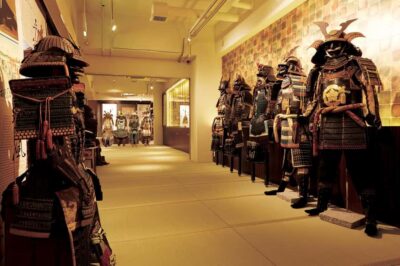
Samurai Ninja Museum Guided tour and Experience
Read our review →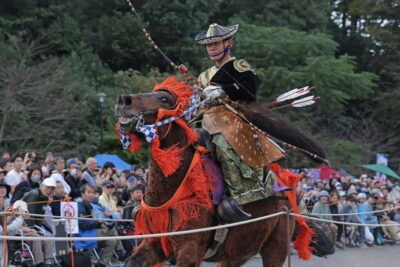
Samurai Sword & Archery Class from Samurai Descendant
Read our review →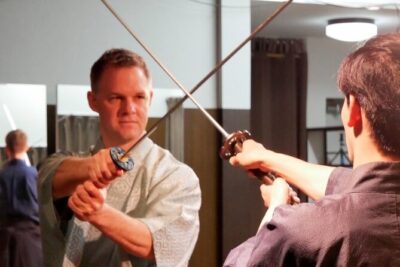
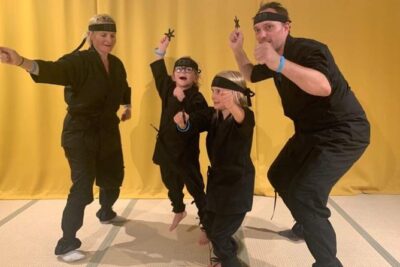
Ninja Experience (Family Friendly) at Samurai Ninja Museum TOKYO
Read our review →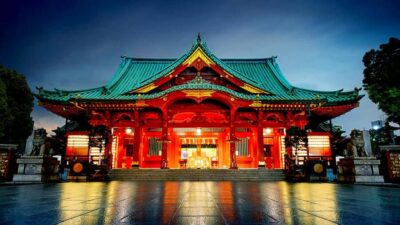
Samurai Entertainment Night Show in Kanda Shrine
Read our review →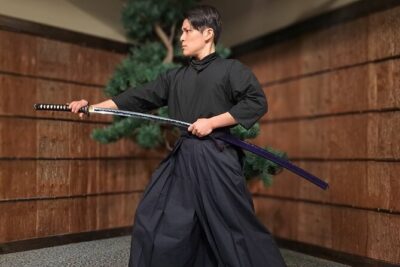
Tokyo Sword Experience – includes Museum Ticket/Ninja Experience
Read our review →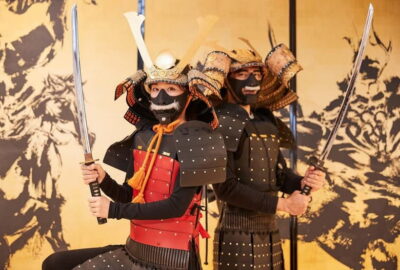
Samurai Ninja Museum Asakusa: Samurai Sword Lesson & Tour
Read our review →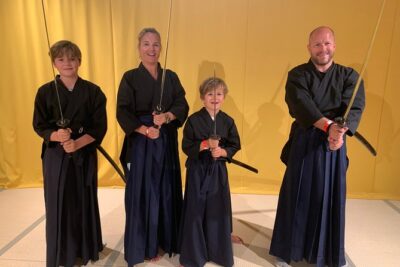
Samurai Sword Experience (Family Friendly)at SAMURAI MUSEUM TOKYO
Read our review →Browse the lists this tour appears in