
Reviewed · TOKYO SAMURAI AND NINJA EXPERIENCES
Tokyo: Samurai Entertainment Night Show in Kanda Shrine
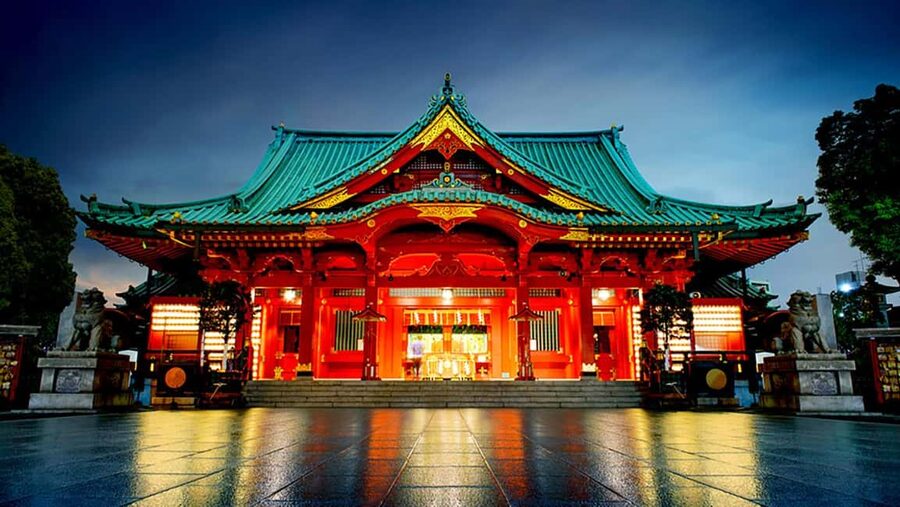
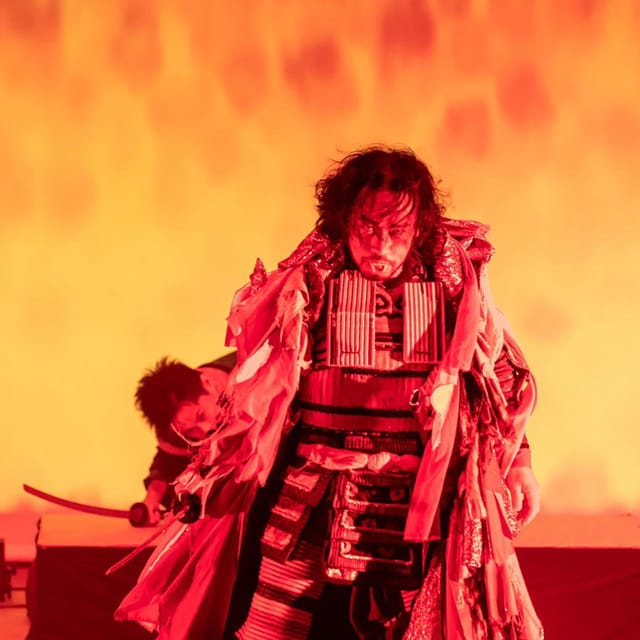
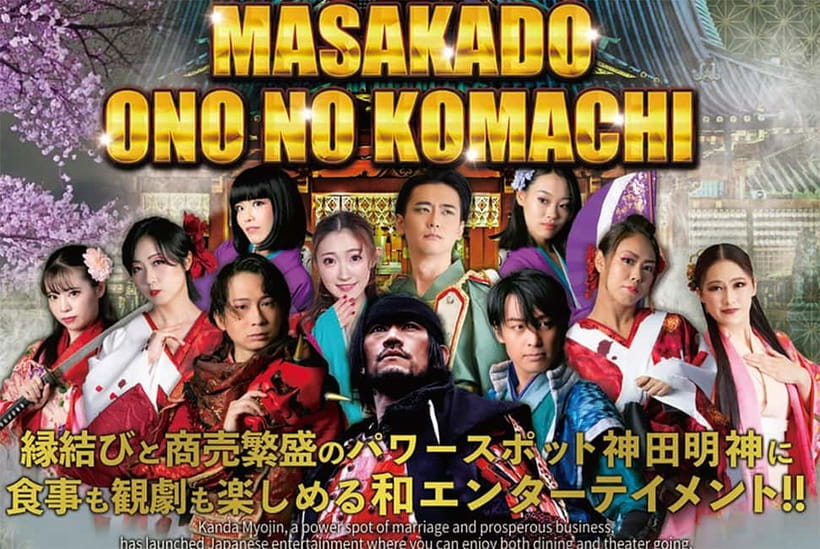
Tokyo’s Kanda Myojin Shrine provides an unusual setting for this evening theater show. After dinner and drinks, you watch a fast-moving production based on Taira no Masakado, with swordplay, dance, music, lighting, costumes, and Japanese folklore woven into the story.
I like the close-up feel of the small venue, and I like the generous cast interaction after the performance. You can talk with the performers and take photos with them, a rare personal touch. The main drawback is that the story may feel unclear if you expect a spoken historical drama, and food is an extra cost unless your selected option includes it.
Key points to know before booking
- Kanda Myojin setting: The evening begins at one of Tokyo’s best-known shrines, with the approach changing from city streets to illuminated shrine grounds.
- A 60-minute main performance: The show runs from 8:15 to 9:15 PM and combines samurai legends, sword movement, dance, music, sound effects, and stage lighting.
- Dinner before the curtain: Food is ordered and eaten between 7 and 8:15 PM. The chicken hot pot option gives you an individual pot with vegetables, broth, and chicken to cook yourself.
- A small, intimate venue: The compact room keeps you close to the action, though you cannot request a particular seat.
- Cast photos after the show: From 9:15 to 10 PM, you can photograph the performers and take pictures with them.
- Good value at $41: The base price includes the show and either one drink or unlimited drinks, depending on the option you select. Food is separate unless included in your booking.
Why this samurai show feels different from a standard Tokyo night out
Many Tokyo evening activities take place in a restaurant, theater, or bar. This one begins at Kanda Myojin, where the shrine grounds give the night a strong sense of place before you even enter the performance room.
Kanda Myojin is associated with prosperity in business and love. The shrine is also linked with the legend of Taira no Masakado, the central figure of the show. That connection gives the performance more meaning than a samurai act staged in an anonymous entertainment hall.
I especially like the transition from the city to the shrine. One visitor described arriving on foot and seeing the view change from Tokyo streets to the beautifully lit shrine. It is worth allowing a little extra time for this approach, since the meeting location can be harder to find than the general shrine address suggests.
The event takes place in the Show restaurant inside Kanda-Myojin Bunka-Koryu-kan, on the basement level. Staff welcome you there, and English support is available. The room is small enough that you do not feel far from the performers, though the trade-off is that seating is assigned by the restaurant. You cannot choose a specific table or row.
More Tokyo samurai and ninja experiences:
- Tokyo: Samurai Ninja Museum Guided tour and Experience
★ 4.6 · 1,010 reviews - Tokyo: Samurai Sword & Archery Class from Samurai Descendant
★ 5.0 · 603 reviews - Best Samurai Experience in Tokyo
★ 5.0 · 458 reviews
The 7 PM arrival and pre-show meal
Doors open at 7 PM. This first hour is not dead time. It is when you order food, settle in, read the show outline, and make the most of the drink package you selected.
The performance begins at 8:15 PM, and food and drinks should be ordered before the show starts. Once the action begins, you need to pay attention. The production moves quickly, and some of it can happen away from the main stage area.
The meal options can vary, but the chicken hot pot is a notable choice. Each person receives an individual pot with broth and seasonal vegetables. You add the chicken yourself, wait until it changes color, dip it into the sauce, and eat it. Udon can be added at the end, which keeps the noodles from becoming too soft while you eat the earlier parts of the meal.
This is a fun format for someone who wants more than a plate of food delivered to the table. It also gives you a small taste of Japanese hot pot dining without committing to a separate restaurant visit. Other food mentioned during the evening includes fried chicken, fries, gyoza, soup, dessert, and vegetarian udon, though you should check the current menu when booking.
Food is not included in every price option. At $41 per person, the value depends partly on the drink choice. One drink is included with one option, while an unlimited drink package is available with another. Food and additional a la carte orders cost extra, so check your selected plan rather than assuming this is a full dinner package.
What happens during the 8:15 PM performance
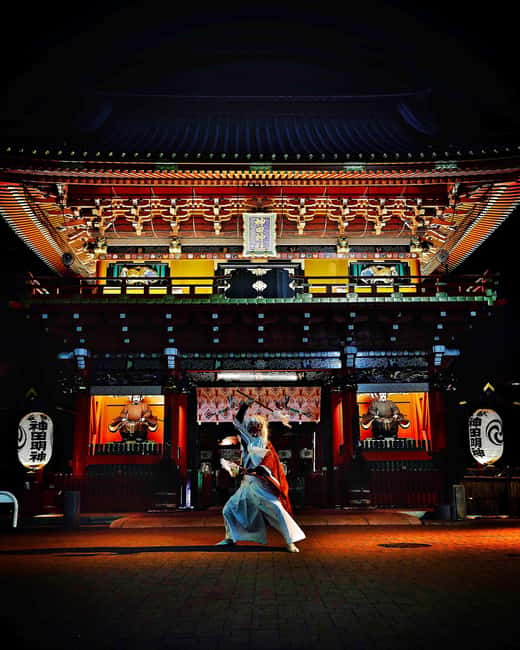
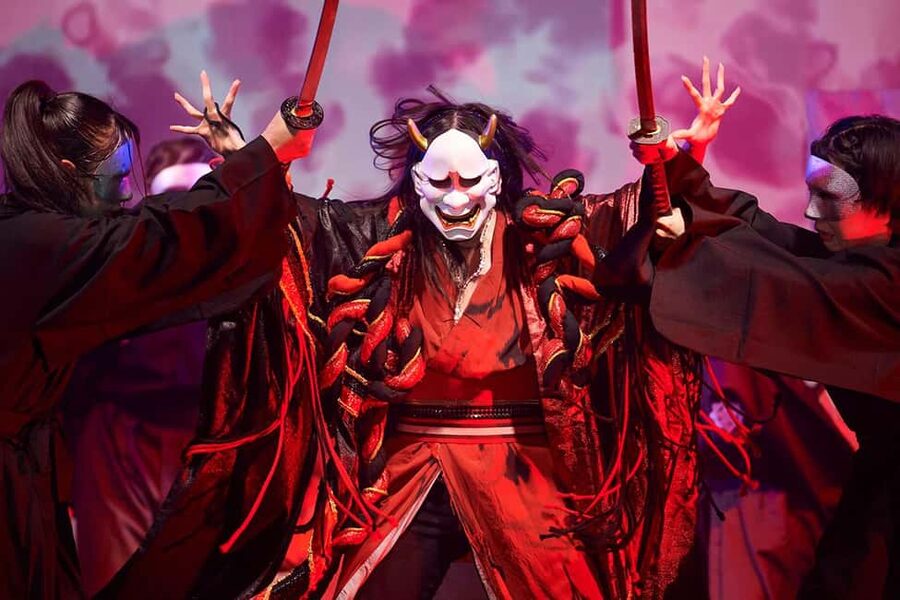
The central performance lasts about an hour. Its story draws on Taira no Masakado, a legendary rebel figure associated with Kanda Myojin. The production also uses fantasy and folklore, so you should not approach it as a strict historical lecture.
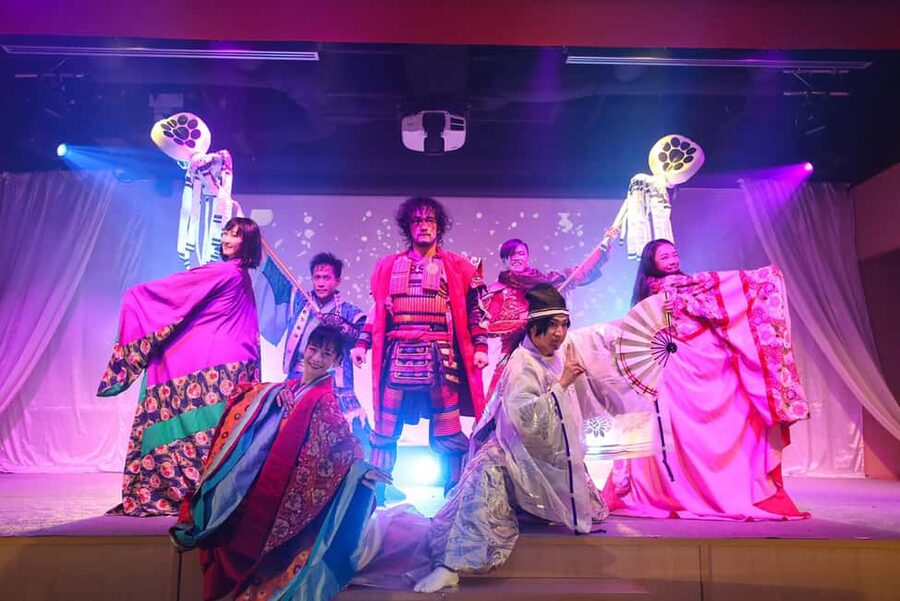
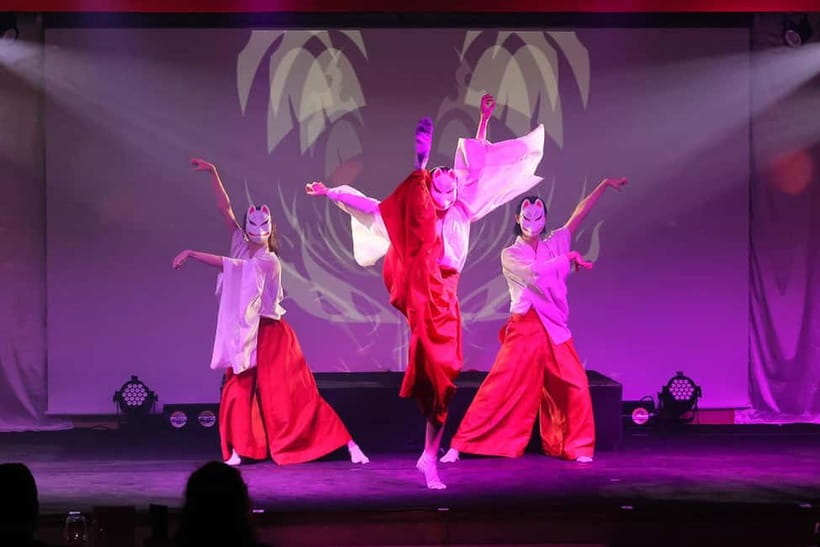
The show combines acting, dance, sword movement, costumes, music, light effects, and sound. Several people describe the mood as similar to a live-action anime, which is a useful comparison if you enjoy heightened movement and clear visual character types.
There is not much spoken explanation during the performance. A printed outline helps explain what happens in each section, and it is sensible to read this while you eat. If you expect long English narration or a detailed account of medieval Japanese politics, you may find the story hard to follow.
For me, that is also part of the appeal. The production communicates a great deal through movement and music. The performers use facial expression, posture, choreography, and costume to signal conflict and emotion. The result feels closer to a visual theater piece than a conventional play.
The swordplay is part of the show, but this is not a long technical demonstration built around repeated sword-fighting sequences. One useful criticism is that some people may want more extended combat or a clearer display of martial technique. The performance puts equal weight on dance, character, music, atmosphere, and theatrical storytelling.
The small room helps here. You are close enough to notice the actors’ expressions and quick movements. It also means the action can feel intense, especially when the performers move beyond the main stage area. Keep your attention on the production rather than checking your phone or planning your next drink.
Why the costumes, music, and lighting matter
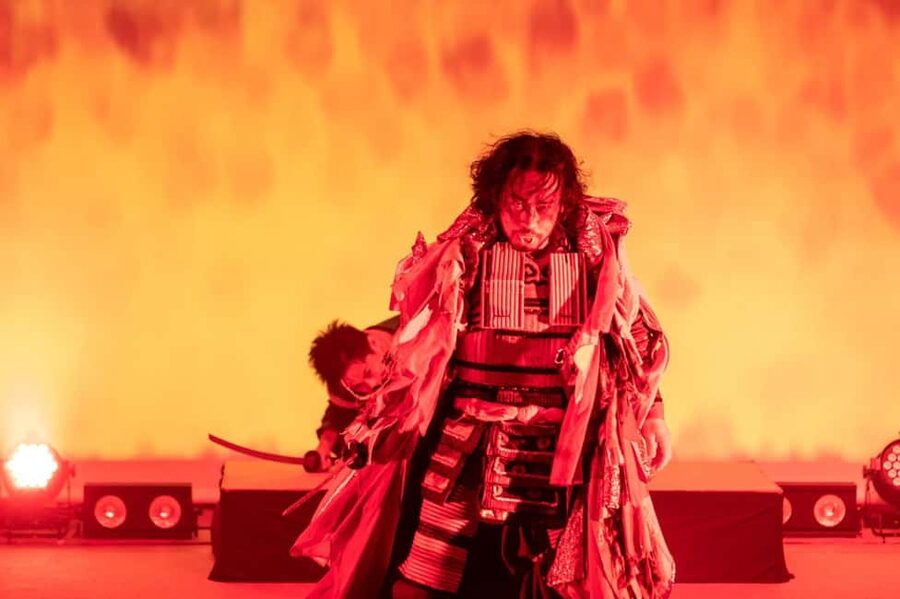
The costumes do a lot of the storytelling work. They help separate the characters and give the performance a strong visual identity before anyone explains what is happening.
Music and sound effects set the pace. The show can shift from quieter, more emotional sections into sudden bursts of movement. Lighting adds a modern theater touch to stories drawn from Japanese legend. This mix of old subject matter and contemporary stage production is one of the main reasons the event appeals beyond dedicated samurai fans.
The cast’s energy is also important. The performers do not simply appear for the main act and disappear afterward. They greet people before the show, perform with clear physical commitment, and return for the photo period at the end.
That combination gives the night a friendly, accessible tone. You can enjoy it as cultural theater, a family evening, a dinner show, or simply a break from Tokyo sightseeing. The production does not require you to arrive with detailed knowledge of Japanese history.
More Tokyo shows and performances:
- Mt Fuji & Hakone Cruise, Drum Show Bullet Train 1 Day from Tokyo
★ 4.0 · 7,413 reviews - Tokyo: Sumo Show and Dining Experience
★ 4.8 · 2,742 reviews - the SUMO show
★ 5.0 · 1,960 reviews - Tokyo Shinjuku Sumo Show & Experience with Photo
★ 5.0 · 1,750 reviews
The 9:15 PM cast meeting and photo time
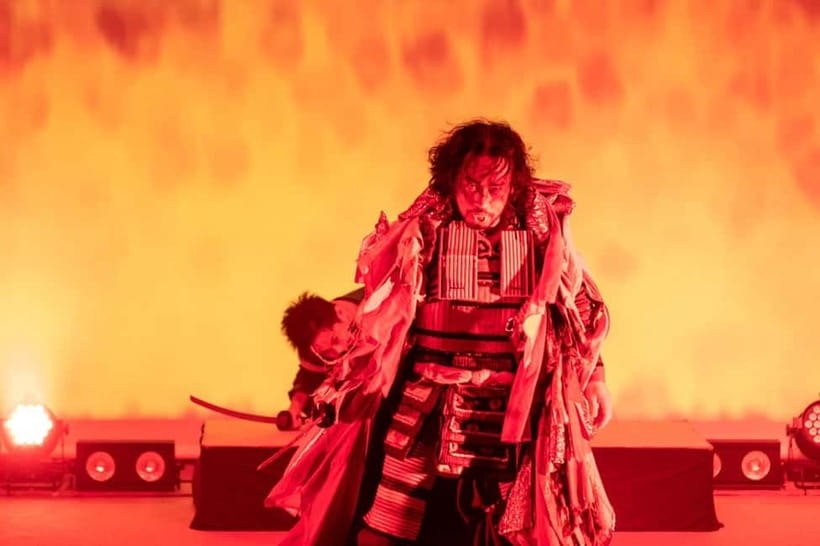
The show ends at 9:15 PM, but the evening continues until 10 PM. This final period is reserved for photos with the performers and informal interaction.
You may take pictures with the dancers, and the cast makes time to speak with the audience. English conversation is available, according to the experience details and comments from people who attended. The interaction is one of the strongest parts of the event because it changes the tone from formal theater to a personal meeting.
You should also understand the photography rules. Cameras, video, and audio recording are not allowed during the main performance. Do not try to film from your seat. There is a specific photo period after the show, when you can take pictures of the performers and pose with them.
The final part can move quickly, especially if many people want photos. If you wish to offer a tip, carry some cash and be prepared to do so promptly, but tipping is not required. Tipping is not a standard Japanese custom, so do not feel pressured or confused if you see another person doing it.
Food, drinks, and the real value of $41
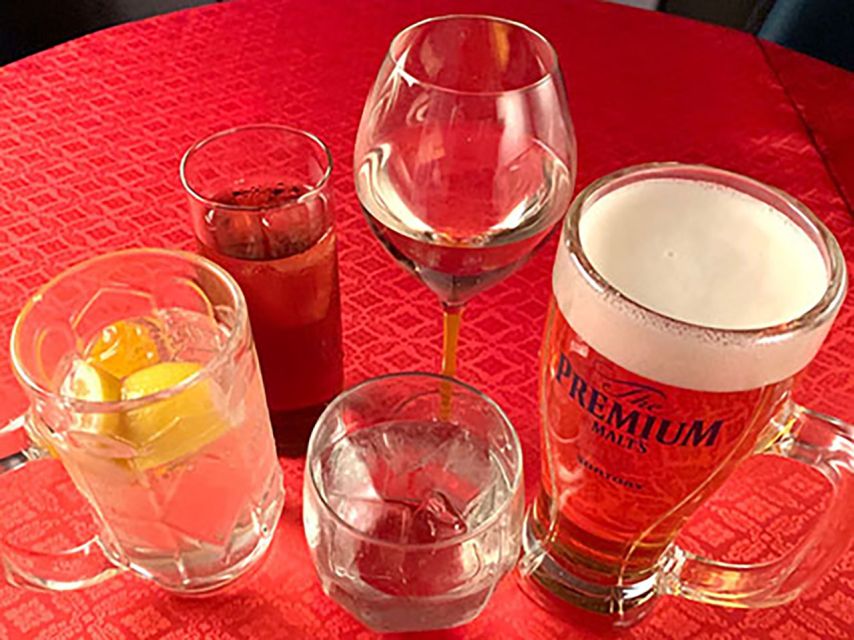
The listed price of $41 is reasonable if you want a full evening that combines a shrine visit, live theater, and cast interaction. It is less of a bargain if you want a substantial dinner included in the basic price.
The show itself is the main purchase. The drink inclusion makes the price more attractive, especially with the unlimited option. Alcohol is available in the drink package, and the pre-show hour gives you time to order and enjoy it.
A few practical details affect the value:
- Food is a la carte unless your selected plan says otherwise.
- Drinks and extra food orders must be placed before the performance.
- The basic package may include one drink, while another option includes unlimited drinks.
- Seating is assigned, so paying more does not necessarily mean you can request a particular seat.
- The front section is listed as rows one through four.
If dinner matters to you, budget for it separately. The food is generally described as simple, filling, and reasonably priced rather than elaborate fine dining. The chicken hot pot is a more interesting choice than a standard theater snack, and the individual cooking setup adds a small activity before the show.
Timing, arrival, and accessibility
Plan to arrive before 8 PM, even though doors open at 7 PM. The final entry limit is 8:15 PM, and entry is not possible after 8:15 PM. Arriving around 7 PM gives you time to find the basement venue, order food and drinks, and read the story guide.
The official schedule is:
- 7 PM: doors open
- 7 to 8:15 PM: food and drinks
- 8:15 to 9:15 PM: samurai performance
- 9:15 to 10 PM: photos and cast interaction
- 10 PM: closing
This schedule makes the experience a two to three-hour evening activity, depending on how early you arrive and how long you spend getting to the venue.
The activity is listed as wheelchair accessible. One person using a wheelchair needed help returning to a hotel after the event, so if you have mobility concerns, allow extra time and ask the staff for assistance. The experience is also available for small groups, which suits couples, families, and solo visitors who prefer a more personal room than a large theater.
Who will enjoy it most
I would choose this show if you want a clear evening plan with a cultural setting and plenty of visual energy. It works especially well for:
- First-time visitors looking for a samurai-themed activity
- Families with older children
- People interested in Japanese folklore and stage performance
- Solo visitors who want a welcoming group setting
- Couples seeking dinner and entertainment in one evening
- Anyone who enjoys dance, costumes, music, and theatrical lighting
Children around 10 and 12 have enjoyed the show, but the style is energetic and dramatic rather than a quiet museum presentation. Parents should also remember that food and drink service ends when the performance begins.
I would hesitate if you want a historically detailed, English-language drama or a pure swordsmanship demonstration. The plot can be difficult to follow, and the sword action is only one part of a larger theatrical production.
Small details that can improve your evening
Wear something comfortable enough for sitting through the performance and arriving early. The shrine grounds may be part of your approach, and waiting outside or in the foyer can be uncomfortable in cold weather, so allow for the season.
Read the printed story guide before the performance begins. It will make the fantasy sections easier to follow, especially if you are not familiar with Taira no Masakado or Japanese folklore.
Put away all recording equipment once the show starts. The no-photo rule is clear, and ignoring it can distract both the performers and the people around you. Save your camera for the official photo period.
If you want a front-row position, select the front-seat option if it is offered, but remember that the specific seat is still assigned by the restaurant. The front section covers rows one through four.
Should you book the Kanda Myojin samurai show?
I would book it if you want an entertaining night that mixes a Tokyo shrine, Japanese legend, live dance theater, food, drinks, and direct contact with the cast. The strongest parts are the intimate room, committed performers, polished lighting and music, and the generous photo period after the show.
At $41, it offers good value for the performance and drink inclusion, but check the food option carefully. Add dinner if you want the hot pot or other dishes, and arrive early enough to order before the curtain.
This is not a museum lesson or a realistic sword-fighting class. It is a stylized theatrical interpretation of samurai stories. Go for the energy, costumes, music, folklore, and friendly cast interaction, and you are likely to have a memorable Tokyo evening.
FAQ
Where does the samurai show take place?
The show takes place at the Show restaurant in the basement of Kanda-Myojin Bunka-Koryu-kan, on the grounds of Kanda Myojin Shrine in Tokyo.
What time should I arrive?
Doors open at 7 PM. You should arrive at the restaurant by 8 PM because entry is not possible after 8:15 PM.
How long does the activity last?
The overall activity lasts about two to three hours. The listed schedule runs from 7 PM until 10 PM.
When does the performance begin?
The main performance begins at 8:15 PM and ends at 9:15 PM.
Is food included in the price?
Food is not included in every option. An a la carte menu is available, and some plans may include dinner, so check the option you select when booking.
What food is available?
The experience includes a chicken hot pot option with seasonal vegetables and broth. You add the chicken yourself, then finish with udon. Other menu items can include fried chicken, fries, gyoza, soup, dessert, and vegetarian udon.
Are drinks included?
The show includes either one drink or unlimited drinks, depending on the option selected. Extra drinks and a la carte orders must be placed before the show begins.
Can I take photos during the performance?
No. Photos, video, and audio recording are not allowed during the performance. A dedicated photo period runs from 9:15 to 10 PM.
Can I take a photo with the performers?
Yes. After the show, you can take photos with the performers and speak with them during the photo period.
Can I choose my seat?
No. Seat assignments are decided by the restaurant. The front-seat area consists of rows one through four, but you cannot request a specific seat.
Is the activity wheelchair accessible?
Yes, the activity is listed as wheelchair accessible.
Can I cancel my booking?
You can cancel up to 24 hours in advance for a full refund. A reserve-now-and-pay-later option is also available.
More Tokyo night tours
- Tokyo Night Foodie Tour in Shinjuku – Seasonal Sushi, Wagyu Beef
★ 5.0 · 1,161 reviews - Tokyo: Daikoku JDM Car Meet & Night Car Culture Tour
★ 4.8 · 626 reviews - Tokyo After 5: Authentic Japanese Food & Drink Night Tour
★ 4.5 · 560 reviews - The Dark Side of Tokyo – Night Walking Tour Shinjuku Kabukicho
★ 4.5 · 297 reviews
Newly reviewed around Tokyo
- Tokyo Asakusa:Calligraphy & Make T-shirt Activity★ 5.0 · 62 reviews
- 1 Hour Travel around Tokyo with a Professional Photographer★ 5.0 · 3 reviews
- Travel Tokyo with Your Own Personal Photographer★ 5.0 · 43 reviews
- Intercity Shuttle, Tokyo to Haneda /Narita /Yokohama /Makuhari★ 5.0 · 5 reviews
- Train in Samurai Swordsmanship and Defeat the Demon in Tokyo★ 5.0 · 5 reviews
- Shuttle Van 6hr Tokyo Tour to-and-from Tokyo, Yokohama and Narita★ 5.0 · 9 reviews
- Kickboxing & Body Training with EX-Pro Fighter★ 5.0 · 4 reviews
- Traditional Japanese Knife Sharpening Class★ 5.0 · 18 reviews
Tokyo Samurai and Ninja Experiences, compared.
Samurai Ninja Museum Guided tour and Experience
Read our review →
Samurai Sword & Archery Class from Samurai Descendant
Read our review →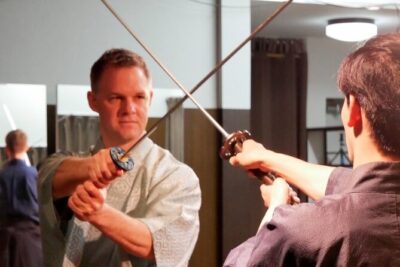
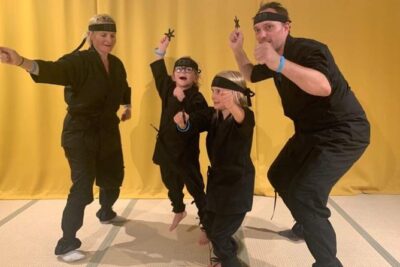
Ninja Experience (Family Friendly) at Samurai Ninja Museum TOKYO
Read our review →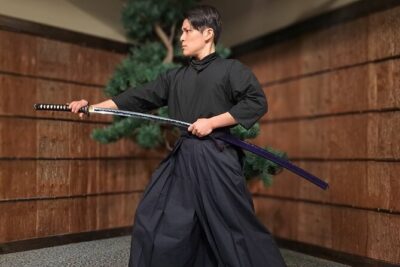
Tokyo Sword Experience – includes Museum Ticket/Ninja Experience
Read our review →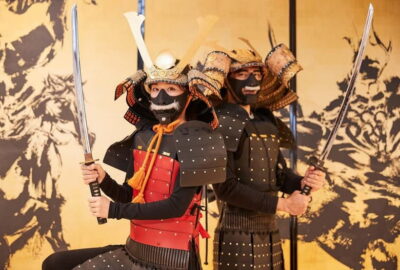
Samurai Ninja Museum Asakusa: Samurai Sword Lesson & Tour
Read our review →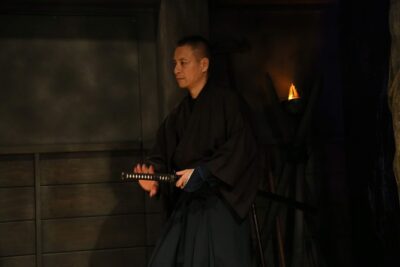
Ninja Samurai 2-hour hands-on lesson by Japanese master in Tokyo
Read our review →
Samurai Sword Experience (Family Friendly)at SAMURAI MUSEUM TOKYO
Read our review →Browse the lists this tour appears in