
Reviewed · TOKYO SUMO EXPERIENCES
the SUMO show
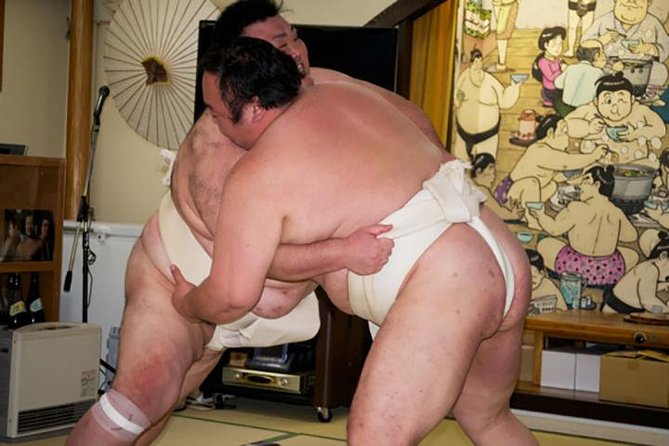
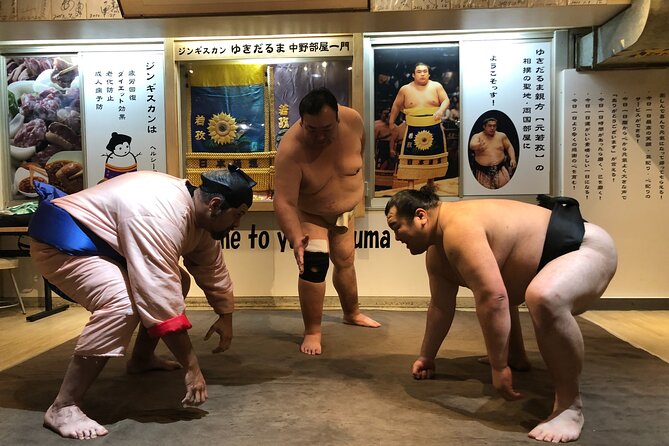
Sumo here is not something you only watch from a seat. At Yokozuna Tonkatsu in Sumida, retired wrestlers explain the sport, demonstrate its rituals, and invite willing visitors to test their strength in the ring. The mood is friendly and comic, but you still get a real look at a demanding Japanese tradition.
I like the mix of hands-on fun and useful explanation, especially the chance to learn basic rules before seeing them acted out. I also like that lunch is part of the experience: tonkatsu and chanko soup give the show a stronger connection to sumo life than a simple stage performance.
The main thing to consider is the price, $89.54 per person, which is a lot for a 90-minute activity. Seating can also vary, and some tables may sit farther from the dohyo, so you may need to stand for a better view.
Key things to know before booking
- You can wrestle a retired sumo wrestler: Participation is optional, and the bout is presented as friendly fun rather than serious competition.
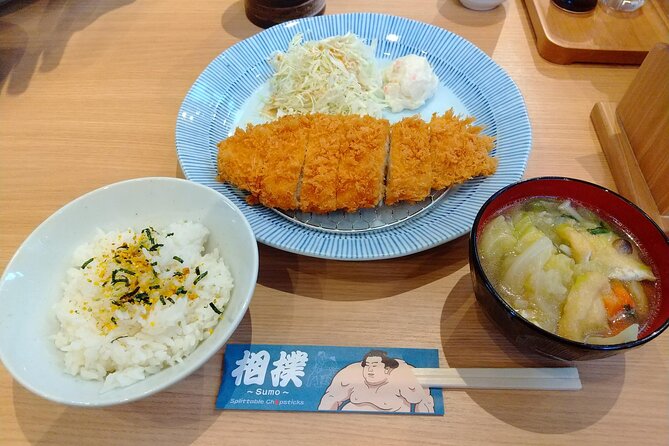
- The meal is part of the show: Tonkatsu and chanko soup are included, while drinks cost extra.
- The setting is intimate but not tiny: The maximum group size is 60, and some tables may be shared or placed farther from the ring.
- It is designed for families: Children enjoyed the humor, demonstrations, photos, and chance to participate.
- Allow 90 minutes: The 1 p.m. session begins at Yokozuna Tonkatsu in Tokyo’s Sumida City and ends at the same place.
- Dietary requests need advance notice: Add allergies or restrictions when booking, and allow at least five days for the request to be handled.
Meeting retired wrestlers at Yokozuna Tonkatsu
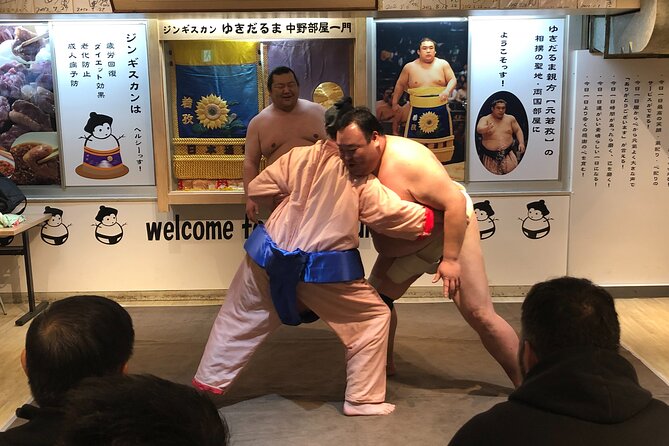
Your afternoon starts at Yokozuna Tonkatsu, at 3-chōme-1-11 Tatekawa in Sumida City. You make your own way there, meet the host and other members of the group, and settle in for a compact program that combines food, demonstration, and audience participation.
The location is near public transportation, though the supplied details do not name a specific station or give a recommended route. Check your route before leaving and allow time to find the restaurant. The start time is 1 p.m., and the activity finishes back at the meeting point.
The wrestlers leading the program are retired sumo professionals. That matters. You are not watching actors play at being sumo wrestlers, but meeting people who have trained in the sport and can explain its physical demands from personal experience.
The format is relaxed. You can ask questions, take photos, and choose how much you want to join in. If you prefer to watch, you can enjoy the show from your seat. If you are ready to make a spectacle of yourself, you can put on a sumo costume and step into the ring.
More Tokyo sumo experiences:
- Tokyo: Sumo Show and Dining Experience
★ 4.8 · 2,742 reviews - Tokyo Shinjuku Sumo Show & Experience with Photo
★ 5.0 · 1,750 reviews - Tokyo: Sumo Show and Experience in Shinjuku
★ 4.8 · 1,001 reviews
A short lesson in sumo rules and ritual
The program begins with an introduction to sumo history, rules, techniques, and training rituals. The explanation is aimed at first-time visitors, so you do not need to know the difference between a tachiai, a shove, or a belt throw before arriving.
This introduction gives the demonstrations a useful frame. Sumo may look simple at first: two large wrestlers push, pull, and try to force one another out of the ring. The rules and training customs add the detail. You begin to see why footwork, balance, timing, and technique matter as much as size.
The wrestlers also show exercises and basic moves. This is one of the strongest parts of the experience because it turns an unfamiliar sport into something you can follow. Instead of seeing only a quick clash, you learn what the wrestlers are trying to do and why a small movement can decide the bout.
The presentation is lighthearted, not academic. If you want a long history lesson or a technical study of professional sumo rankings, this will feel too brief. The session gives you an entertaining introduction, not a full course in the sport.
One practical point: a video is used during the presentation, and the sound can make it harder to hear the host speaking at the same time. Sit where you can see the ring and listen clearly, and do not hesitate to ask for a point to be repeated.
Watching sparring from the audience
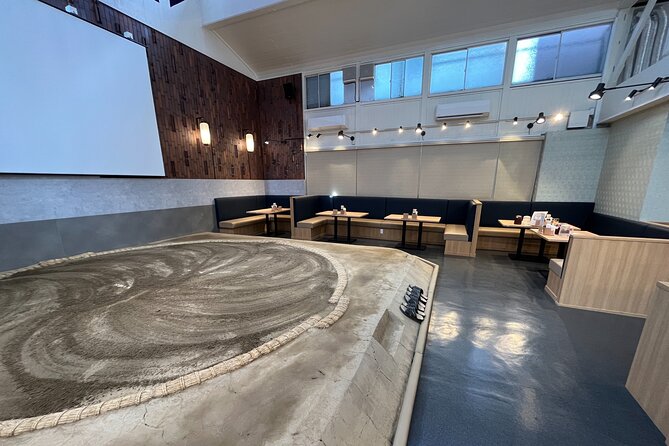
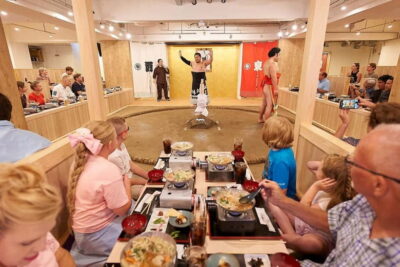
After the introduction, the retired wrestlers demonstrate their skills in live sparring. The small-ring format helps the action feel close, though seating is not identical for every person.
Some tables are farther from the dohyo than others. The ring itself is visible, but you may need to stand at times if you want a clear view of the action. Seating is assigned according to the order reservations are received, and arriving early does not guarantee a better place.
The group may include as many as 60 people. That is not a huge hall, but it is large enough for the experience to feel less private than a small restaurant meal. You may also be asked to share a table with another group, and larger parties might not fit together at one table.
That tradeoff is worth understanding before you book. The atmosphere is social and energetic, but this is not a private lesson. If your main goal is a close-up view of every move, ask about seating when making your reservation. If your priority is meeting the wrestlers and joining the fun, the arrangement matters less.
The demonstrations are also built for laughs. The wrestlers interact with the audience, explain what they are doing, and keep the action accessible to people who have never watched a tournament. Families in particular get plenty to watch without needing any prior knowledge.
Your chance to enter the ring
The most memorable feature is the invitation to challenge a retired wrestler. You can try to push against one, use a simple technique, or take part in a playful bout. Participation is optional, so you can stay seated and enjoy watching other people take their turn.
Do not approach this as a test of raw strength. The useful lesson is that technique and balance count for more than simply pushing as hard as possible. One of the best ways to enjoy this part is to ask the wrestler to show you a trick or basic move, then give it a try.
You may be asked to wear a traditional sumo costume for the photo and ring activity. It makes for a memorable family picture and gives children a clear role in the show. The wrestlers take time with different tables for photos, so you are not rushed through a single group snapshot.
The activity is suitable for most people, but you should use common sense. Follow the staff’s instructions and participate only if you feel comfortable. The organizers can ask anyone who causes trouble to leave without a refund, so treat the ring and the wrestlers with respect.
This is also a good option for mixed-age groups. Children can watch, ask questions, dress up, and join in if they wish. Adults who dislike physical participation can simply enjoy the comedy and demonstrations. The program does not require everyone to wrestle.
More Tokyo shows and performances:
- Mt Fuji & Hakone Cruise, Drum Show Bullet Train 1 Day from Tokyo
★ 4.0 · 7,413 reviews - Mt Fuji & Hakone Cruise, Drum Show Bus 1 Day from Tokyo
★ 4.0 · 1,287 reviews - Tokyo:Luxury Sumo Show Experience & Japanese cuisine & Drink
★ 4.7 · 577 reviews - Tokyo Bay Yakatabune Dinner/Day Cruise with Japan Show and Drinks
★ 4.5 · 473 reviews
Tonkatsu and chanko soup at lunch
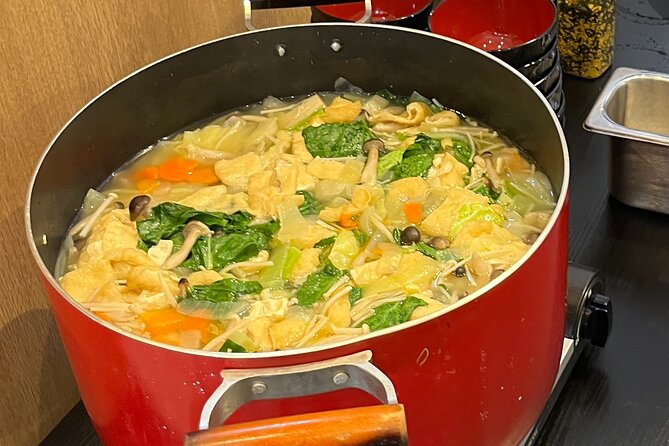
Food is included, and it gives the experience a welcome second act. You receive tonkatsu and chanko soup, two dishes that fit the sumo theme without turning lunch into a complicated ceremony.
The tonkatsu is breaded pork or chicken-style cutlet served as a hearty Japanese meal, while chanko is the hot soup associated with sumo wrestlers’ daily meals. The exact portion may not satisfy every appetite, especially if you are expecting a large feast. One person found the amount at dinner a little light, while another wished for a larger bowl of the chanko because the soup was especially enjoyable.
That is useful to know if you have a big appetite. The meal is more than a token snack, but you should not assume it replaces a full restaurant dinner for everyone. Some comments also found the cabbage portion smaller than what they are used to in Japan.
The food is prepared by the wrestlers, which adds a personal touch. You are not just watching a performance and then receiving a generic boxed meal. The lunch helps connect the people in front of you with the everyday side of sumo culture.
Drinks are not included, so budget for them separately. Vegetarian and other dietary accommodations may be available, but you must state allergies or restrictions in the booking notes. Requests made fewer than five days before the event may not be handled, so do not wait until the last moment.
The value of a 90-minute Tokyo activity
At $89.54 per person, this is not a bargain lunch. You are paying for the meal, a hosted cultural program, retired professionals, demonstrations, audience interaction, photos, and the chance to enter the ring.
I think the price makes more sense for people who want an activity rather than a standard sightseeing stop. The retired wrestlers are the central value. Their stories, physical demonstrations, and willingness to work with each table make the session feel more personal than a museum display or a basic performance.
The value is also stronger for families and groups with different interests. One person can focus on the rules, another on the food, and a child can wait for the costume and wrestling portion. It gives everyone a role.
For a serious sumo fan, the program may feel too short and too introductory. It covers the basics rather than professional tournament strategy, rankings, or the full life of a stable. You should book it for access and participation, not as a replacement for attending a major sumo tournament.
The 90-minute length is convenient in a busy Tokyo schedule. You can fit it between other plans without giving up half a day. At the same time, the short format means each subject receives only a brief treatment. The program moves from explanation to demonstration to lunch and photos at a steady pace.
Who will enjoy this most
I would recommend this experience to families, first-time visitors to Japan, and anyone curious about sumo but unsure how to approach it. The explanations are simple enough for beginners, and the humor keeps the rules from feeling dry.
It also works well as a rainy-day plan or as a change from temples, shopping, and city viewpoints. You get culture, food, and personal interaction in one stop, with no need to understand Japanese sumo before you arrive.
It suits people who enjoy joining in. You do not have to wrestle, but the activity is more memorable if you ask questions, volunteer for a demonstration, try the costume, or step into the ring. A quiet observer will still have a good time, but the program rewards participation.
I would be more cautious about booking if you dislike shared seating, need a guaranteed front-row view, or expect a large meal for the price. The event can hold up to 60 people, and some tables are farther from the dohyo. Groups with several members may not all sit together.
Most people can participate, and the venue is near public transportation. Still, the activity is physical for anyone who enters the ring, so make your own call about comfort and mobility.
Booking details that can affect your day
Confirmation is sent within 48 hours of booking, subject to availability. The operator is Beauty of Japan, and the experience uses a mobile ticket.
Free cancellation is available up to 24 hours before the local start time for a full refund. Changes or cancellations inside that 24-hour window are not accepted, and date changes are not allowed within three days of the experience. Flight delays, illness, or other late problems are treated as cancellations, so keep the timing in mind when fitting this into your Tokyo schedule.
The event begins and ends at the same Sumida City meeting point. You should receive the final location details after booking, but the listed start point is Yokozuna Tonkatsu, 3-chōme-1-11 Tatekawa.
Give dietary information when you reserve. Also remember that arriving early does not guarantee better seating, since arrangements are based on the order in which reservations are received.
Should you book the sumo show?
Book it if you want an upbeat, family-friendly introduction to sumo with real retired wrestlers, a meal, photos, and the option to wrestle. The strongest parts are the personal interaction, the easy-to-follow demonstrations, and the chance to see how much technique hides behind the sport’s simple aim.
Skip it if you want a full professional match, a quiet meal, or guaranteed premium seating. At $89.54, the cost is justified by the access and participation, not by the quantity of food or the length of the program.
For many visitors, this will be one of the more memorable ways to meet Japanese culture in Tokyo. Just arrive with realistic expectations: it is a lively 90-minute introduction, not a tournament or a formal training session.
FAQ
Where does the sumo show take place?
The activity starts and ends at Yokozuna Tonkatsu, located at 3-chōme-1-11 Tatekawa, Sumida City, Tokyo 130-0023, Japan.
What time does the experience start?
The scheduled start time is 1 p.m., and the activity lasts approximately 1 hour and 30 minutes.
Is the meal included?
Yes. Tonkatsu and chanko soup are included. Drinks are not included and cost extra.
Can I wrestle a retired sumo wrestler?
Yes, willing participants may challenge a retired wrestler in a friendly bout. Taking part is optional.
Can dietary restrictions be accommodated?
Vegetarian and other dietary accommodations may be available if you provide the details when booking. Requests received less than five days before the event date may not be handled.
What is the cancellation policy?
You can cancel up to 24 hours before the local start time for a full refund. Cancellations or changes made less than 24 hours before the start time are not accepted for a refund.
Newly reviewed around Tokyo
- Tokyo Asakusa:Calligraphy & Make T-shirt Activity★ 5.0 · 62 reviews
- Intercity Shuttle, Tokyo to Haneda /Narita /Yokohama /Makuhari★ 5.0 · 5 reviews
- 1 Hour Travel around Tokyo with a Professional Photographer★ 5.0 · 3 reviews
- Travel Tokyo with Your Own Personal Photographer★ 5.0 · 43 reviews
- Train in Samurai Swordsmanship and Defeat the Demon in Tokyo★ 5.0 · 5 reviews
- Shuttle Van 6hr Tokyo Tour to-and-from Tokyo, Yokohama and Narita★ 5.0 · 9 reviews
- Kickboxing & Body Training with EX-Pro Fighter★ 5.0 · 4 reviews
- Traditional Japanese Knife Sharpening Class★ 5.0 · 18 reviews
Tokyo Sumo Experiences, compared.
Tokyo Shinjuku Sumo Show & Experience with Photo
Read our review →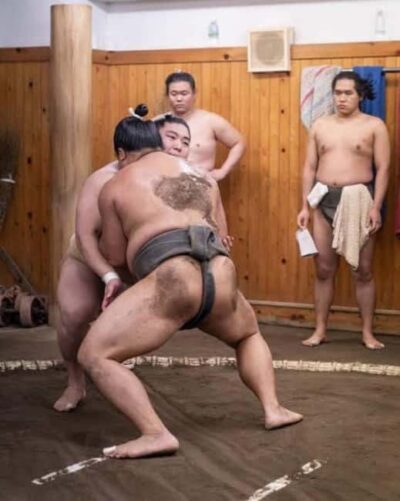
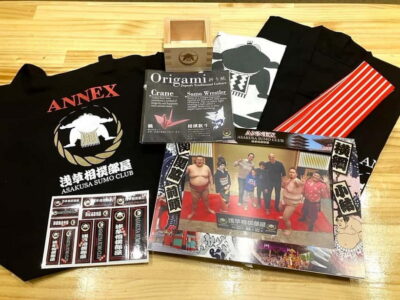
Luxury Sumo Show Experience & Japanese cuisine & Drink
Read our review →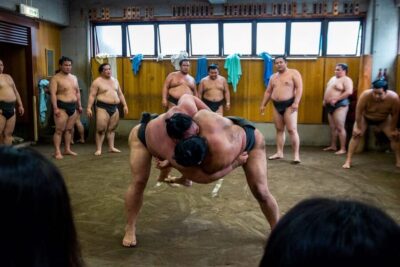
Tokyo Sumo Experience: Chanko & Mochi with a Former Pro
Read our review →
Ultimate Sumo Tournament: Tokyo, Osaka, Nagoya, Fukuoka
Read our review →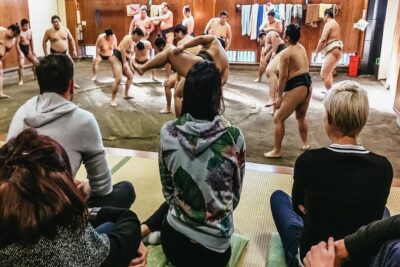
Browse the lists this tour appears in