
Reviewed · TOKYO SUMO EXPERIENCES
Tokyo Sumo Experience: Chanko & Mochi with a Former Pro
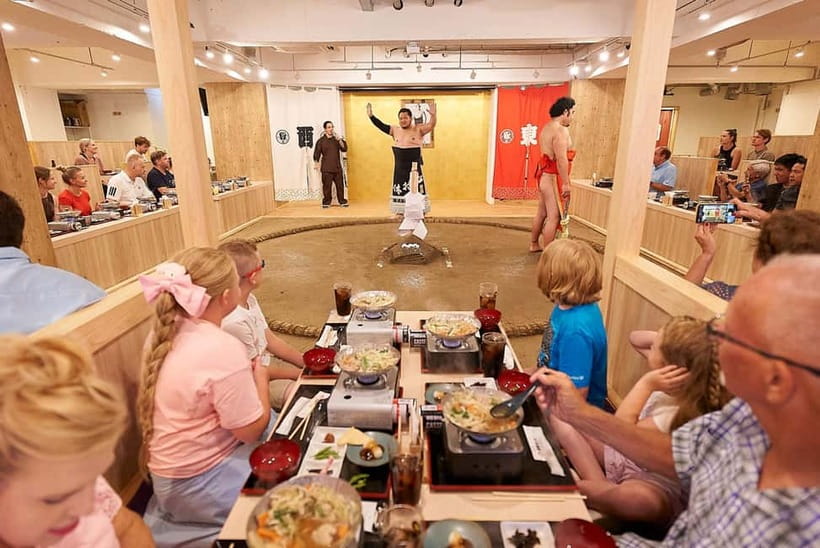
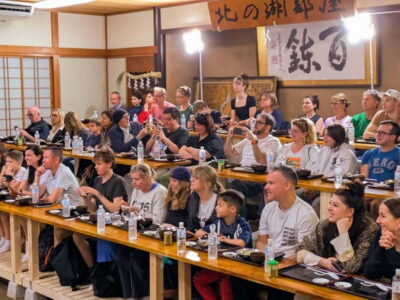
The best part of this Ryogoku activity is the close view. You sit beside the dohyo, watch former professional wrestlers demonstrate sumo techniques and bouts, then get the unusual chance to step into the ring yourself. It is not a serious morning training visit. It is a lively, guided introduction built for participation.
I like the combination of chanko nabe and mochi making. The hot pot gives you a taste of the food connected with sumo life, while pounding mochi gives children and adults something physical to do. The main consideration is that the event is entertainment rather than a formal tournament or training session, and seating is assigned by the venue.
What makes this two-hour sumo experience different
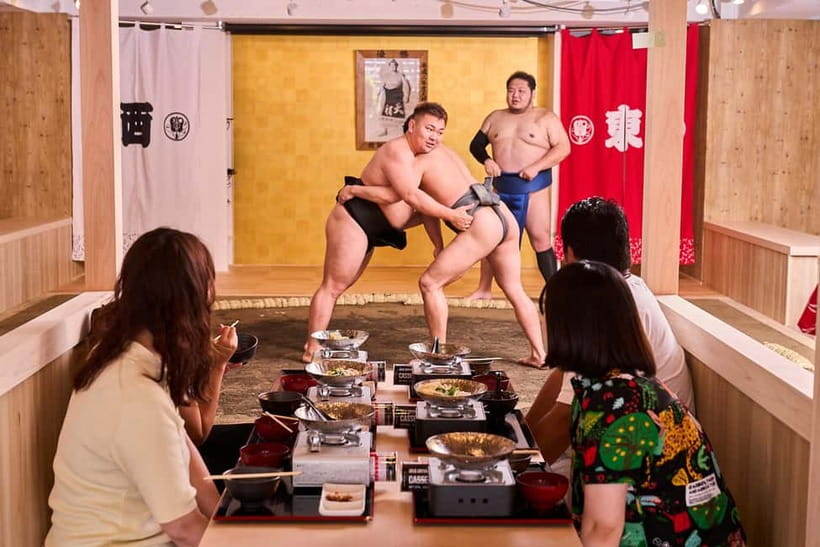
- Former pros explain the sport up close: Learn about sumo training, diet, techniques, and daily life from wrestlers who have competed professionally.
- Chanko nabe is part of the lesson: Eat the hot pot associated with sumo stables while wrestlers supervise its preparation and flavor.
- You can enter the dohyo: Try basic sumo techniques and, if you wish, test your strength against a wrestler in a controlled setting.
- Mochi is both demonstration and dessert: Watch the traditional pounding process, help make mochi, then eat it sweetened for dessert.
- It works well for families and groups: Children, teenagers, adults, and work groups all have several ways to join in.
- Ryogoku makes a handy base: The meeting point is near Ryogoku Station, with Asakusa, Akihabara, Nihonbashi, and Tokyo Skytree nearby.
Arriving in Ryogoku, Tokyo’s sumo neighborhood
The meeting point is on the first floor, a short walk from Ryogoku Station. Look for the large sumo wrestler sign and flags. One practical tip is to arrive early, since the entrance can be a little hard to spot even though the station area itself is easy to reach.
Ryogoku is the right setting for this activity. Sumo is not just a sport staged in a faraway arena. It is part of the district’s identity, and the local atmosphere gives the evening a useful sense of place. You can pair the activity with sightseeing elsewhere in eastern Tokyo, including Asakusa, Akihabara, Nihonbashi, or Tokyo Skytree.
The venue is designed around the dohyo, so you are not watching from a distant theater seat. The close setup makes the demonstrations easier to follow, but remember that seat locations are assigned. You cannot choose a particular place or request a preferred view.
That matters most if you are booking for a family. In standard seats, it is considered unsafe to hold a child on your lap, so you should reserve a place for every person. Box seats can hold up to six people and allow a child to sit on an adult’s lap.
More Tokyo sumo experiences:
- Tokyo: Sumo Show and Dining Experience
★ 4.8 · 2,742 reviews - the SUMO show
★ 5.0 · 1,960 reviews - Tokyo Shinjuku Sumo Show & Experience with Photo
★ 5.0 · 1,750 reviews
Chanko nabe: a meal with a sumo connection
The meal is chanko nabe, a hot pot closely associated with sumo stables. Here, the wrestlers supervise the flavor, which gives the meal more meaning than simply ordering a generic Japanese dinner before a show.
The dish has also become one of the strongest parts of the evening for many people. It is described as tasty, fresh, healthy, and filling, and even a six-year-old was reported to enjoy it. That makes the meal useful for families who need something substantial rather than a small snack between activities.
I would think of chanko nabe as both dinner and cultural context. The point is not only to eat. You learn what kind of food is connected with the wrestlers’ lifestyle and diet, then see the athletes who know that food best.
The meal will not suit every dietary need automatically. Vegetarian, vegan, and gluten-free versions can be arranged if you notify the provider at least two days before your reservation. Halal meals cannot be provided, although you may bring your own food. If you have an alcohol allergy, ask about the complimentary sour plum drink, since it may contain alcohol.
The food adds real value to the $103 price, especially if you would otherwise pay separately for dinner and a cultural activity. Still, people booking mainly for a fine-dining meal should set expectations correctly. This is a sumo program with a filling traditional dish, not a restaurant tasting menu.
Watching former professionals demonstrate sumo
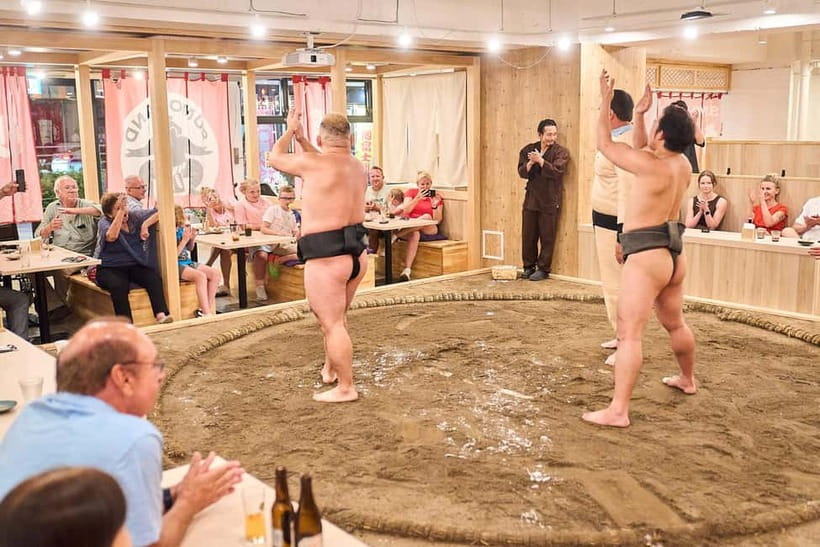
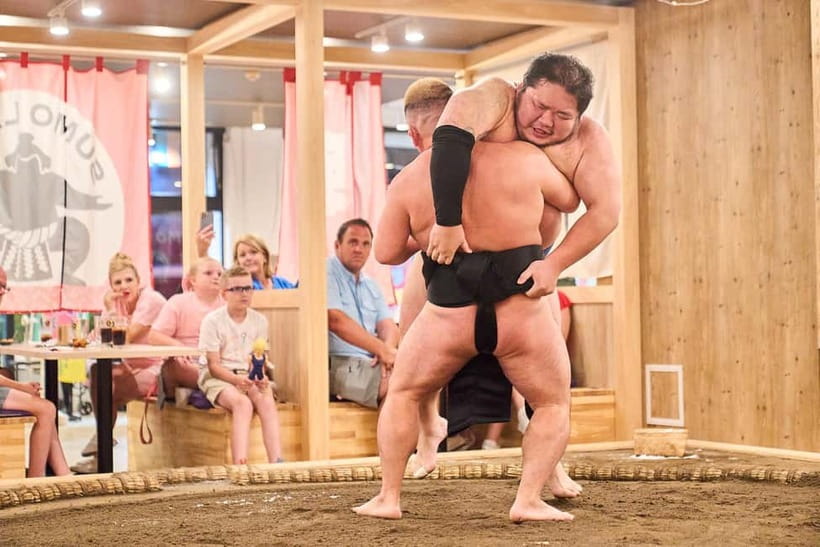
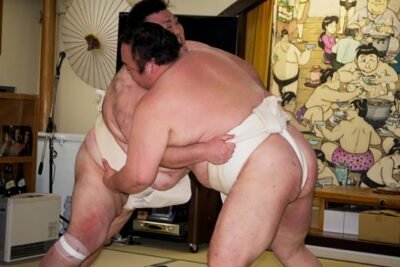
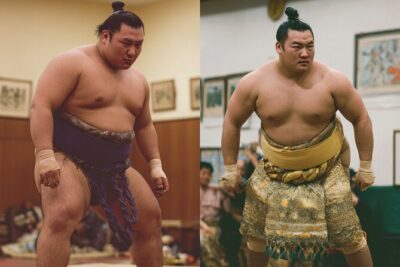
Once you are settled around the dohyo, the wrestlers perform demonstrations close enough for you to see the force behind the sport. You can expect instruction on sumo techniques, training, diet, and the wrestlers’ lifestyle, followed by demonstrations that show how a match works.
The demonstrations are one of the better reasons to book this instead of simply attending a themed dinner. You see how the wrestlers use balance, stance, timing, and power. Several rounds of wrestling may be included, and the bouts are presented for the audience rather than as part of an official tournament.
That difference is important. If your goal is to watch serious morning practice at a sumo stable, this is not the right product. The tone is friendly and theatrical, with a host encouraging participation and keeping the pace moving. You get a clear introduction to sumo, but not the quiet, strict atmosphere of professional training.
For many first-time visitors, that tradeoff works well. You do not need prior knowledge of rules or rituals, and the English and Japanese instruction helps you follow along. The hosts also keep the mood relaxed, which is useful when the room begins asking for volunteers.
Trying sumo on the dohyo
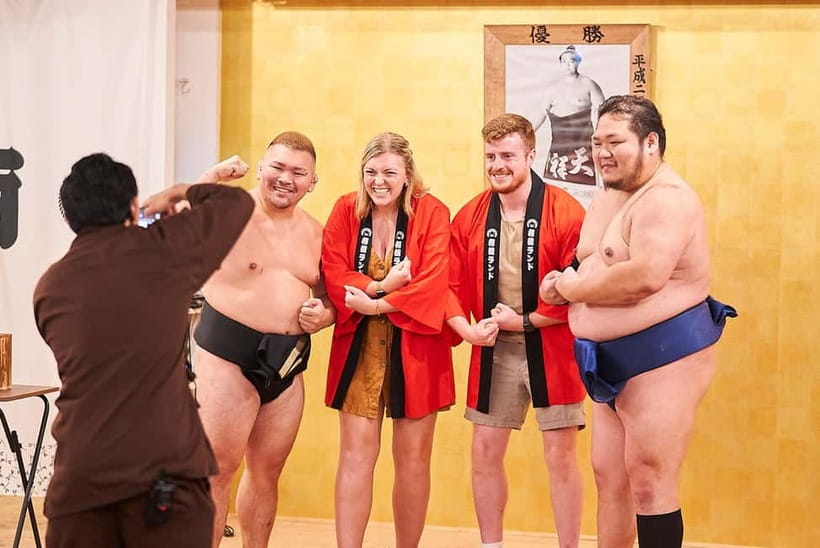
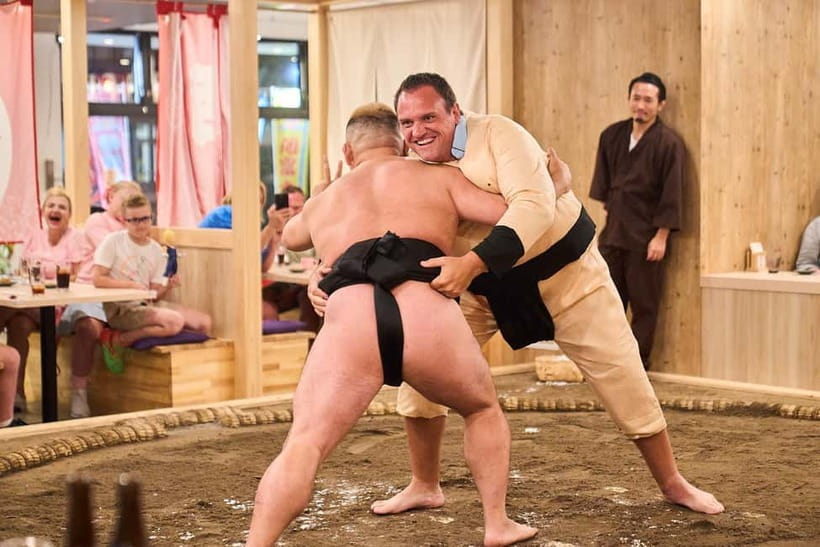
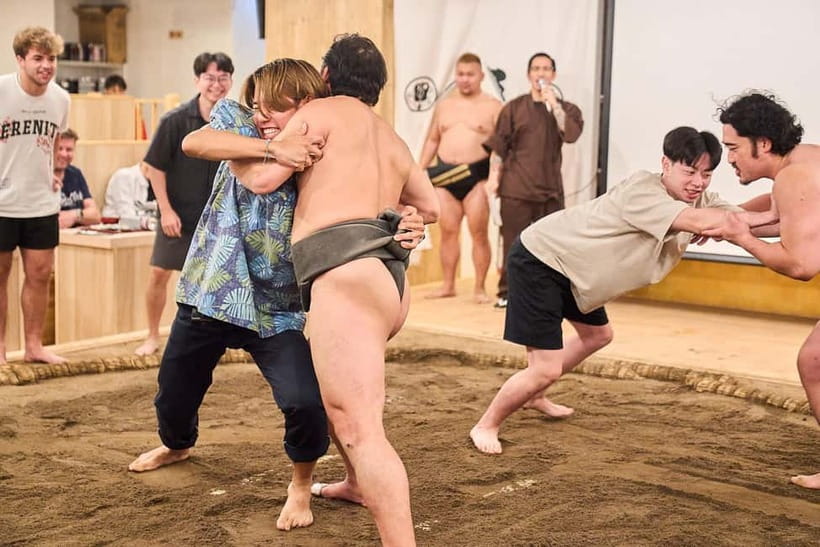
The most memorable part for many people is the chance to participate. You may learn basic techniques, step into the dohyo, and try a short sumo match with one of the wrestlers.
This is controlled entertainment, not a test of your athletic ability. The wrestlers guide the activity, invite people to join, and keep the tone light. Adults can take part, but children and teenagers also have opportunities, making it a strong choice for a family or a mixed-age group.
You do not have to wrestle if you would rather watch. That flexibility matters because the program includes several forms of participation. You can eat, listen, watch the demonstrations, help with mochi, or join the sumo activity according to your comfort level.
Wear comfortable clothes. You will be seated for part of the program, but mochi pounding and sumo participation require more movement than a standard dinner show. Bring a camera, too. The close setting, colorful sumo touches, mochi preparation, and wrestler interaction provide plenty of photo opportunities.
A little caution is sensible. The activity is not suitable for wheelchair users, and standard seating has specific safety rules for children. If anyone in your party has mobility concerns, check the arrangement before booking.
A completely different kind of day in Tokyo:
- Mt Fuji and Hakone 1-Day Bus Tour Return by Bullet Train
★ 5.0 · 26,383 reviews - 1-Day Tokyo Bus Tour
★ 5.0 · 14,250 reviews - Tokyo: teamLab Planets TOKYO Digital Art Museum Entry Ticket
★ 4.6 · 9,779 reviews - Mt Fuji & Hakone Cruise, Drum Show Bullet Train 1 Day from Tokyo
★ 4.0 · 7,413 reviews
Pounding mochi with the wrestlers
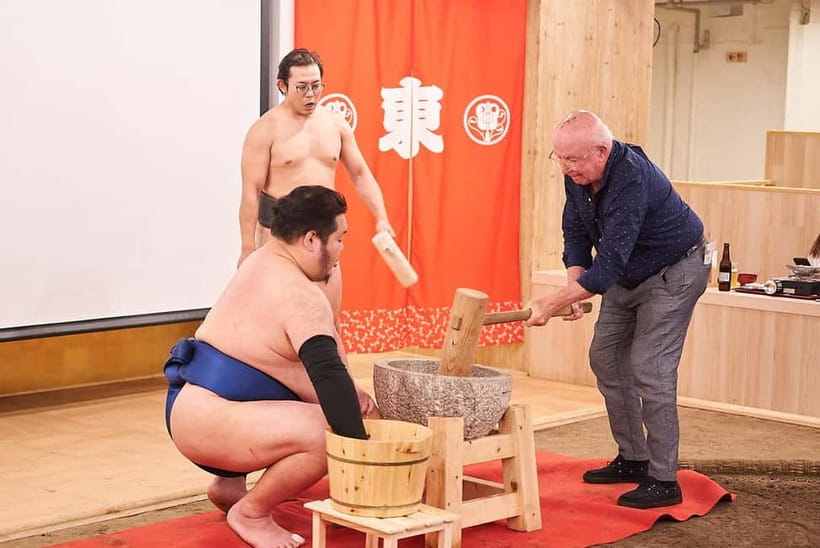
Mochi making breaks up the wrestling demonstrations and gives you a hands-on look at a familiar Japanese food tradition. You watch the pounding process, then have the chance to help pound the mochi with the wrestlers.
The physical rhythm is part of the fun. One person handles the mallet while another works the rice, so timing and attention matter. The wrestlers guide the process, making it suitable for people who have never tried it before.
Afterward, the mochi is served sweet for dessert. This simple ending works well because you have seen the food being prepared and then get to eat it right away. Among the activities, mochi pounding is especially appealing if you want to participate without taking part in a wrestling bout.
The activity also gives the evening a useful cultural balance. Sumo is the main attraction, but the program does not treat it as only a fight. You get food, craft, performance, explanation, and a chance to meet the people leading the session.
How the pacing works over two hours
The full activity lasts two hours, long enough to include a meal, instruction, demonstrations, mochi making, and audience participation without taking up an entire day in Tokyo.
You can expect a sequence that moves between watching and doing. The meal provides a seated start, then the wrestlers explain aspects of sumo before the demonstrations and interactive portions begin. Mochi preparation and sumo participation give the second half a more active feel.
The exact order may vary, so I would not plan another fixed-time attraction immediately afterward. The program depends on audience participation and demonstrations, and a relaxed schedule will make it easier to enjoy the evening.
This length is also practical during sumo’s off-season. You get a way to see the sport in Tokyo without arranging a tournament visit. It is not a substitute for attending an official competition, but it offers a more personal format with direct interaction.
Is $103 a fair price?
At $103 per person, this is not a budget meal. The value comes from the number of elements packed into one two-hour visit: a chanko nabe dinner, a sumo demonstration, instruction from former professionals, mochi making, dessert, and the chance to enter the dohyo.
I consider the price reasonable if you plan to participate. The more you simply watch from your seat, the less distinctive the value becomes, although the close demonstrations and meal still give you a full evening activity.
For a family, the ability to involve different ages helps justify the cost. Children can enjoy mochi and the wrestling attempt, teenagers can join the demonstrations, and adults can focus on the food and cultural explanation. Work groups also get an easy shared activity, with plenty of opportunities for laughter and photographs.
The price is less compelling if you want a formal sports event, a long lecture on sumo, or a quiet meal. This is a social show. The hosts are energetic, and the program encourages the audience to take part.
The strong overall rating and repeated praise for the food, organization, friendly wrestlers, and participation match what the format promises. The most consistent strengths are not one spectacular moment, but the way the parts work together.
Who should book this Ryogoku activity?
I would recommend it most strongly to:
- Families with children or teenagers who enjoy hands-on activities
- First-time visitors who want a clear introduction to sumo
- People visiting Tokyo outside a tournament period
- Small groups looking for a shared evening activity
- Anyone curious about chanko nabe and the food linked with sumo life
- Visitors who prefer meeting performers and participating instead of only watching
You should think twice if you want a serious training visit. The organizers clearly frame this as an entertaining experience for adults and children, not a strict morning practice session.
It may also be less suitable if you dislike audience participation. You can choose not to wrestle, but the tone is interactive, and the host encourages people to volunteer. Comfortable clothes are a must if you hope to join the active portions.
English and Japanese are available, which makes the session easier to follow for international visitors. The wrestlers and host are described as friendly and inclusive, and the program is built to explain rather than assume that you already know sumo rules.
Booking details worth knowing
You can cancel up to 24 hours before the activity for a full refund, and you can reserve now and pay later. That is useful if your Tokyo plans are still shifting.
The provider is Japanticket Inc. The venue assigns seats, so do not book expecting to select a front row or a particular side. For standard seats, reserve a ticket for every person, including a child who might otherwise sit on a lap. Box seats hold up to six people and have more flexibility for lap seating.
Smoking is not allowed. Bring a camera and wear comfortable clothing. Vegetarian, vegan, and gluten-free meals need at least two days’ notice, while halal meals are not available, though you may bring your own food.
FAQ
How long does the Tokyo sumo activity last?
The activity lasts two hours.
Where does the activity meet?
It meets at a first-floor store a short walk from Ryogoku Station. The entrance has a large sumo wrestler sign and flags.
What food is included?
Chanko nabe is included as the main meal, and sweet mochi is served after the mochi-making activity.
Can I wrestle with a sumo wrestler?
Yes. You can step onto the dohyo and try sumo wrestling with the wrestlers. Participation is optional.
Can children take part?
Yes. The activity is designed for both adults and children, with opportunities to try mochi making and sumo. In standard seats, you must reserve a place for each person because holding a child on your lap is considered unsafe.
Can I choose my seat?
No. The venue assigns seat locations, and you cannot request a specific seat. Box seats can seat up to six people.
Are vegetarian, vegan, or gluten-free meals available?
Yes, if you request them at least two days before the reservation date. Halal meals cannot be provided, but you may bring your own food.
Is the activity wheelchair accessible?
No. The activity is not suitable for wheelchair users.
Should you book it?
Book this if you want an upbeat, hands-on introduction to sumo rather than a formal training visit. The combination of chanko nabe, former professionals, close demonstrations, mochi pounding, and a chance to try the dohyo gives you more to do than a standard performance.
I especially like it for families and first-time visitors. You learn enough to understand the sport, eat a connected local dish, and leave with a shared story. Just arrive early, dress comfortably, reserve every seat needed for children, and remember that the event is designed for fun, not tournament-level seriousness.
Newly reviewed around Tokyo
- Tokyo Asakusa:Calligraphy & Make T-shirt Activity★ 5.0 · 62 reviews
- Travel Tokyo with Your Own Personal Photographer★ 5.0 · 43 reviews
- Intercity Shuttle, Tokyo to Haneda /Narita /Yokohama /Makuhari★ 5.0 · 5 reviews
- 1 Hour Travel around Tokyo with a Professional Photographer★ 5.0 · 3 reviews
- Train in Samurai Swordsmanship and Defeat the Demon in Tokyo★ 5.0 · 5 reviews
- Shuttle Van 6hr Tokyo Tour to-and-from Tokyo, Yokohama and Narita★ 5.0 · 9 reviews
- Kickboxing & Body Training with EX-Pro Fighter★ 5.0 · 4 reviews
- Traditional Japanese Knife Sharpening Class★ 5.0 · 18 reviews
Tokyo Sumo Experiences, compared.
Tokyo Shinjuku Sumo Show & Experience with Photo
Read our review →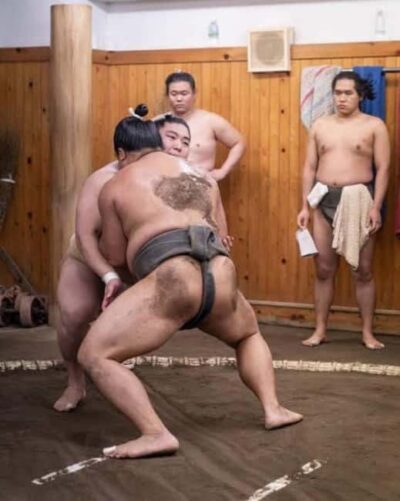
Luxury Sumo Show Experience & Japanese cuisine & Drink
Read our review →
Ultimate Sumo Tournament: Tokyo, Osaka, Nagoya, Fukuoka
Read our review →
Browse the lists this tour appears in