
Reviewed · TOKYO SAMURAI AND NINJA EXPERIENCES
Samurai Ninja Museum Asakusa: Samurai Sword Lesson & Tour
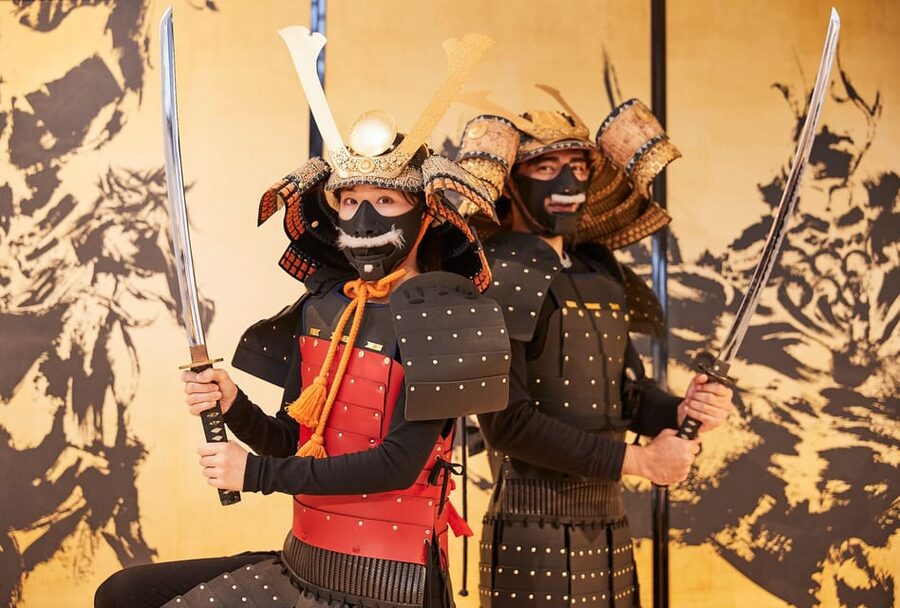
The best part of this Asakusa experience is that you do not simply look at samurai displays behind glass. You put on hakama, armor, and a helmet, then learn a short katana routine with an instructor. The session turns Japanese history into something you can feel in your hands, while still keeping the activity safe and family-friendly.
I like the lively museum tour and the patient teaching style of instructors such as Ryo, who has earned repeated praise for making beginners feel at ease. I also like the mix of photos, sword practice, ninja weapons, and history, since the two hours do not rely on a single activity. The main drawback is space and time: the museum can feel rushed, and a full group of up to 16 may make the sword practice less smooth, especially with small children present.
Key points to know
- A hands-on katana class: Learn basic handling and a choreographed sequence, then take part in supervised practice with foam or rubber swords.
- Traditional dress is part of the fun: You can use hakama, samurai armor, and a helmet for the lesson and photographs.
- History comes alive in Asakusa: The museum covers samurai and ninja culture from their origins through the end of the samurai era.
- Good for families: Children age 6 and older can take part, and instructors such as Kai have been praised for working well with children.
- Ninja activities add variety: You can try ninja weapons, including shuriken throwing, depending on the session.
- Allow for a busy room: The experience lasts two hours, but the museum portion may feel brief and group size can affect the lesson.
Putting on the hakama in Asakusa
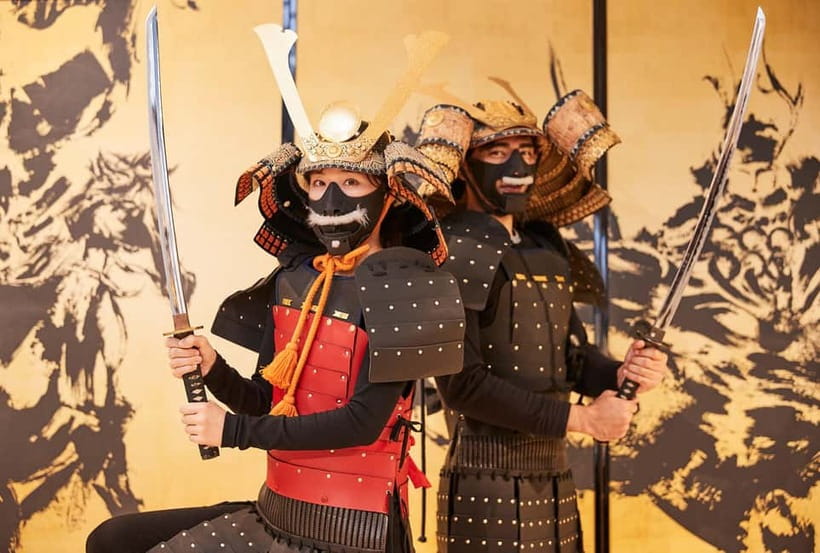
The experience begins with the visual transformation. You are given use of a hakama, samurai armor, and a helmet, so the first part feels more like entering a staged historical setting than visiting a standard museum.
That costume change matters. Samurai armor is not just decoration in this setting. It gives you a sense of the layers, weight, and formal look associated with the warrior class, while the hakama creates the right silhouette for the photographs and sword movements. You will not need to arrive with any knowledge of Japanese martial arts.
The space is described as a small venue, so expect an intimate indoor activity rather than a large museum hall. That can work in your favor because the guides are close by and can direct the group. It also means that a full session may feel crowded, particularly when children and adults are practicing together.
Photo time is built into the visit. You can pose against samurai-themed backgrounds in costume, which gives you a useful souvenir beyond a quick snapshot of a display case. If photographs matter to you, keep your phone ready and use this part well, since the costumes and backgrounds are among the most memorable features of the experience.
More Asakusa and Sensoji tours:
- Tokyo: Japanese Dance Cabaret Theater Asakusa-Kaguwa Ticket
★ 4.8 · 2,270 reviews - Tokyo: Meiji Shrine, Asakusa, Skytree Bus Tour and Cruise
★ 4.7 · 1,986 reviews - Tokyo: Roll and Authentic Sushi Making Class in Asakusa
★ 4.9 · 1,957 reviews
Learning the katana routine with Sensei Ryo
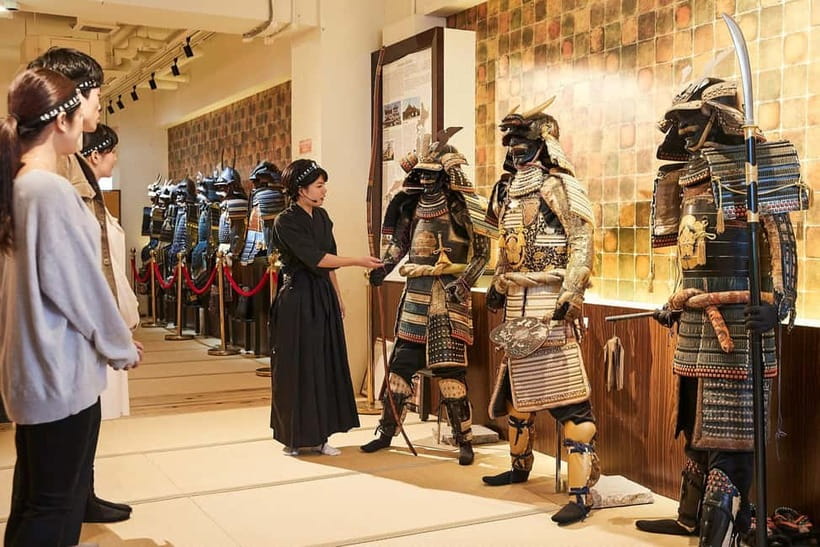
The sword lesson is the heart of the two-hour session. Instructors show you how to hold the katana and guide you through basic movements. The goal is not to turn you into a swordsman in one afternoon. It is to teach a short sequence that you can perform with confidence.
Ryo is one of the instructors frequently singled out for his calm, polite, and professional teaching. He also uses humor to loosen up beginners. That is useful because a katana lesson can feel awkward at first, especially when you are trying to remember where your hands and feet should go.
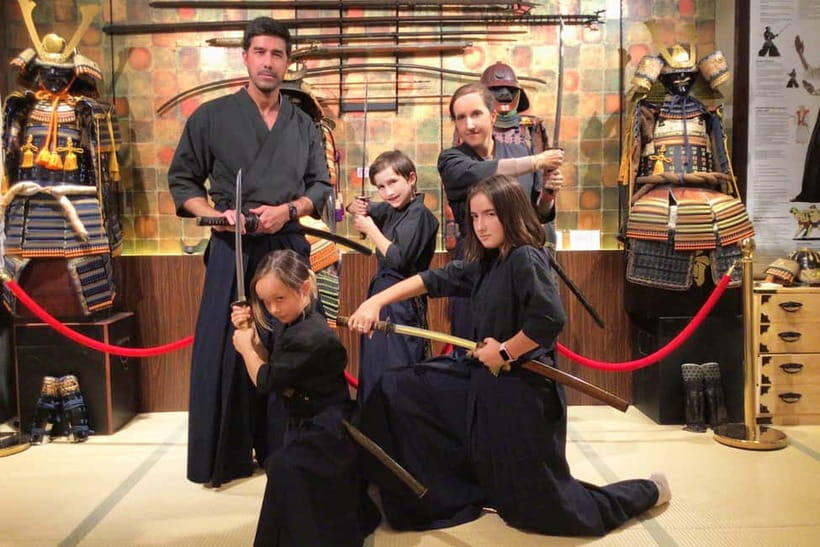
The lesson can lead to a choreographed routine or sword dance. You practice the movements, then work toward performing the sequence as a group. The satisfaction comes from seeing a complicated-looking set of actions become manageable after a few attempts.
You should keep your expectations in check. This is an introduction, not an extended martial arts class. One session may leave you wishing for more practice time, particularly if you enjoy the technical side of sword handling. The lesson is designed to give you a taste of the discipline and ceremony, not a long course in swordsmanship.
There may also be a supervised family-friendly sword fight using foam or rubber swords. This is the playful part of the class, and it gives children and adults a chance to use the movements in a less formal way. It is best understood as a controlled activity for fun, not a serious combat demonstration.
Several instructors are mentioned in connection with different sessions, including Koki and Kenny. Kenny is noted for clear English and a humorous teaching style, while Koki led a sword session that included getting dressed, practicing a routine, and working with partners. The instructor can vary, but English-language guidance is provided.
What the museum adds to the sword lesson
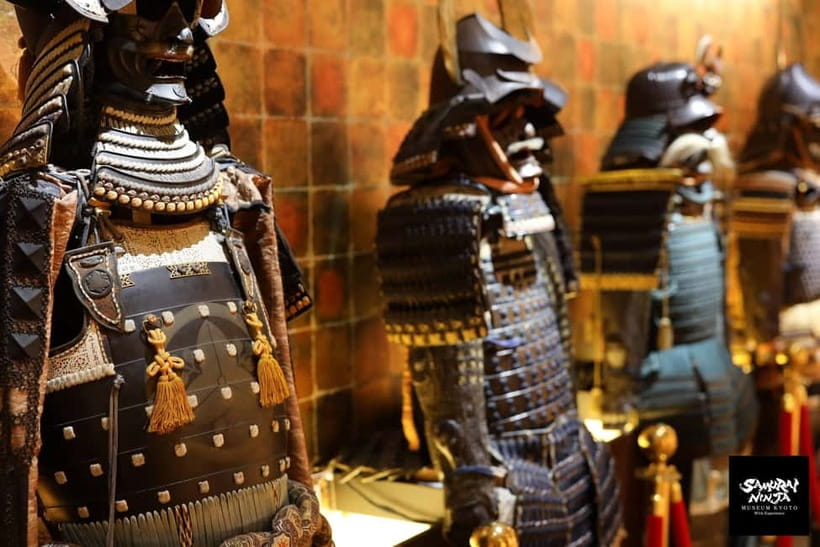
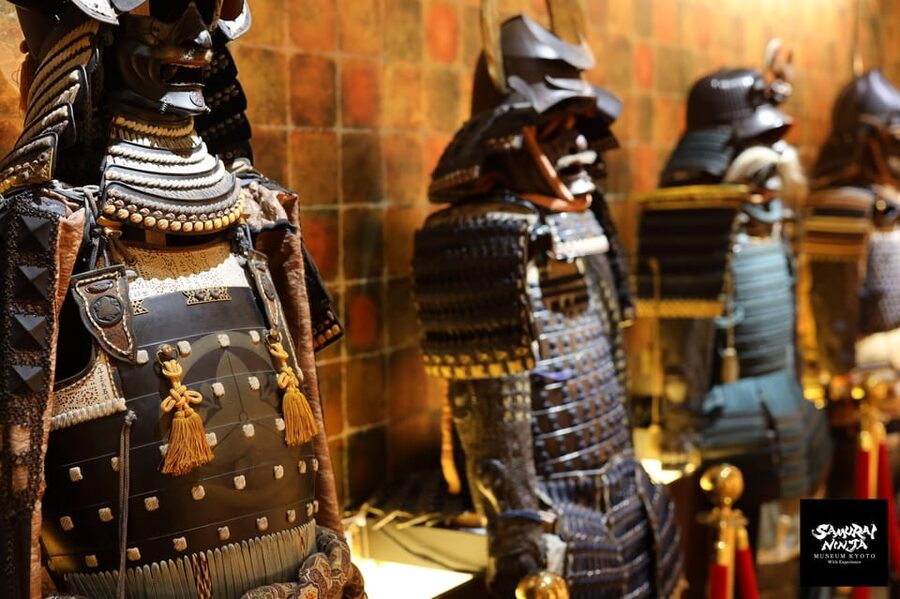
The museum tour gives context to the costume and practice. Instead of treating the samurai as movie characters, the guide explains their place in Japanese history and follows the story from the beginnings of the warrior class through the end of the samurai era and into modern times.
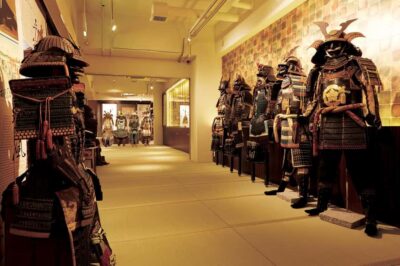
The displays include a small collection of samurai antiques, along with samurai and ninja items. The collection is not enormous, so you should not expect a full-scale national museum. Its value is in the guided explanation and the way the objects connect to the activity you have just completed.
The guide’s style makes a real difference here. Guides named Ren, Nao, Momo, and Leon have led sessions described as lively, pleasant, and engaging. The tour is intended for an English-speaking audience, and the explanations combine historical information with questions, demonstrations, and light humor.
I especially like this order of activities because you receive context before leaving with only a costume photograph. You learn something about how samurai and ninja are presented in Japanese culture, then handle the equipment yourself. The lesson becomes more meaningful when you understand that the sword was part of a formal warrior tradition rather than just a prop from a television show.
The museum tour can feel rushed. A two-hour program has to fit dressing, photos, the sword class, the museum, and ninja activities, so you will not have unlimited time at each display. If your main goal is detailed museum study, choose a dedicated museum visit instead. If you want a lively introduction paired with hands-on fun, the short format works better.
Trying ninja weapons after the samurai class
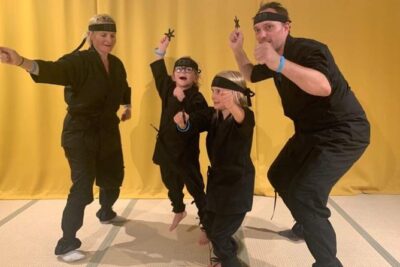
The ninja portion adds a welcome change of pace. Depending on the session, you can try ninja weapons, including shuriken throwing at a target. This activity is less formal than the katana routine and gives the group another skill to attempt.
The shuriken activity has been especially popular with families and older children. It creates a simple challenge with an obvious goal, and it breaks up the concentration required during the sword lesson. Some sessions include a small competition or game, which adds energy without requiring prior experience.
Do not expect a full ninja training course. The information provided describes a weapons trial and throwing activity, not a long series of advanced techniques. Think of it as a short, supervised introduction that complements the museum displays and samurai workshop.
The ninja lesson can also be useful if someone in your group is less interested in the katana. Children who find sword movements difficult may prefer the target activity, while adults often enjoy the chance to try both.
More Tokyo samurai and ninja experiences:
- Tokyo: Samurai Ninja Museum Guided tour and Experience
★ 4.6 · 1,010 reviews - Tokyo: Samurai Sword & Archery Class from Samurai Descendant
★ 5.0 · 603 reviews - Best Samurai Experience in Tokyo
★ 5.0 · 458 reviews - Ninja Experience (Family Friendly) at Samurai Ninja Museum TOKYO
★ 5.0 · 441 reviews
Is two hours enough?
Two hours is a sensible length for this kind of activity. It is long enough to include dressing, photographs, history, sword practice, and ninja activities without taking a full day from your Tokyo plans.
The tradeoff is pace. You will need to move from one part to the next, and the museum explanation may not satisfy anyone hoping to inspect every object slowly. The sword practice can also feel short if you want repeated attempts at the routine.
Group size matters. The maximum is 16 people, and private or small-group options are available. A smaller group should make it easier to follow the instructor and may give you a calmer experience. In a larger session, young children can affect the rhythm of the class, and some movements may need to be shortened so everyone can participate safely.
Families should plan around the age rule. Children under 6 cannot enter the samurai venue. The activity has worked well for children ages 7 to 14, but the format also suits adults. It is not limited to families, and beginners of any age can join as long as they are comfortable with light physical participation.
The venue is wheelchair accessible, which is useful for planning, though the activity still involves costumes, standing, and sword movements. If you have mobility concerns, check the exact option and meeting point before booking, since the meeting location can vary.
How much value do you get for $63?
At $63 per person, this is not the cheapest museum visit in Tokyo. The price makes more sense when you treat it as a combined activity: guided museum entry, costume use, photographs, a katana lesson, and a ninja weapons trial.
A standard museum visit would not normally give you time in samurai armor or instruction from a sword teacher. A martial arts class might offer more practice but would not include the historical displays and themed photographs. This package brings those pieces together in a compact two-hour visit.
The value is strongest for families and first-time visitors who want an activity everyone can share. Parents can learn the history while children look forward to the sword routine and target practice. It also works well on a rainy day in Tokyo because the program is indoors and gives you a planned cultural activity rather than another passive stop.
The value is weaker if you want serious sword training or a large, artifact-heavy museum. You will not receive enough practice time to develop a real skill, and the collection is described as small. For most people, the appeal is the combination of education, dress-up, movement, and photos.
The booking terms also reduce some risk. You can cancel up to 24 hours before the activity for a full refund, and the reserve-now, pay-later option keeps your plans flexible. Starting times vary, so you need to check availability for the date you want.
Who will enjoy this most?
I would recommend this experience to families with children age 6 or older, couples looking for something more active than a sightseeing walk, and adults who enjoy Japanese history but do not want a formal lecture.
It is particularly good for children who need movement during a cultural visit. The program changes pace often enough to hold attention: costume, photos, sword practice, museum displays, and ninja activities. Kai has been praised for working especially well with children, while other instructors have made beginners feel comfortable.
Adults should not dismiss it as a children’s activity. The sword routine gives grown-ups a chance to learn something new, and the museum tour provides a useful introduction to samurai and ninja history. The supervised sword play can be surprisingly funny when couples and family members face each other with foam weapons.
You may want to skip it if you dislike group activities, staged photographs, or short lessons. The room can feel tight, the museum portion may pass quickly, and the experience depends on following an instructor’s routine rather than exploring independently.
Practical tips for your visit
Choose a small-group or private option if available and if you care most about personal attention. A larger group can still be fun, but the pace may be less precise when children of different ages are practicing together.
Wear something comfortable beneath the costume. The activity includes dressing and movement, and loose, practical clothing will be easier than an outfit that restricts your arms or legs.
Give yourself permission to be a beginner. The instructors work with people who have never handled a katana, and the lesson is built around basic movements. Concentrate on the sequence rather than trying to look dramatic.
Keep your phone accessible for the photo session, but follow the staff’s instructions around the swords and displays. The photos are one of the clearest lasting benefits of the visit, so take advantage of the themed backgrounds.
If the museum matters most to you, pay close attention during the guided explanation rather than expecting extra free time afterward. If the lesson matters most, ask about the sword-focused option when booking, since meeting points and program details can vary by option.
Should you book the Samurai Ninja Museum experience?
Book it if you want a hands-on cultural activity in Tokyo that combines history with costume, sword practice, photographs, and ninja games. The strongest part is the teaching: instructors such as Ryo, Koki, Kenny, and Kai make the activity approachable for beginners and families.
Do not book it expecting a long martial arts course or a major museum collection. The class is short, the room may feel busy, and the museum tour can move quickly. At $63, the experience earns its price through variety rather than depth.
For a family, a first visit to Tokyo, or anyone who wants to do more than look at samurai objects, I think it is a good use of two hours in Asakusa. You will leave with a basic sword routine, a better sense of samurai and ninja history, and photographs that prove you briefly took on the role.
FAQ
How long does the Samurai Ninja Museum experience last?
The experience lasts two hours. The program includes the museum tour, costume use, photographs, the samurai sword lesson, and ninja weapons practice.
Is the activity available in English?
Yes. The activity includes an English-speaking live guide, and English is listed as the available language.
Can children join the experience?
Children under 6 cannot enter the samurai venue. Children age 6 and older can take part, and the activity includes family-friendly sword practice and ninja activities.
What is included in the ticket?
The experience includes the samurai sword lesson, use of hakama, samurai armor, and a samurai helmet, themed photo opportunities, and a ninja weapons trial.
How many people can join a group?
The maximum group size is 16 people. Private and small-group options are also available.
Can I cancel or pay later?
You can cancel up to 24 hours in advance for a full refund. The reserve-now, pay-later option allows you to book without paying immediately.
More Tokyo museums and galleries
- Tokyo: teamLab Planets TOKYO Digital Art Museum Entry Ticket
★ 4.6 · 9,779 reviews - Tokyo Studio Ghibli Museum and Ghibli Film Appreciation Tour
★ 4.5 · 421 reviews - Tokyo Sword Experience – includes Museum Ticket/Ninja Experience
★ 5.0 · 314 reviews - Tokyo: Art Aquarium Museum GINZA Entry Ticket
★ 4.5 · 278 reviews
More hands-on classes and workshops in Tokyo
- Sushi Making Tokyo Roll and Authentic Japanese Sushi Class
★ 5.0 · 3,971 reviews - Tokyo Shinjuku Chopsticks Making Class
★ 5.0 · 1,763 reviews - Tokyo: Sushi Making Class in a Happi Coat near a Famous Spot
★ 4.9 · 1,377 reviews - Chopstick Making Workshop in Ginza
★ 4.8 · 1,366 reviews
Newly reviewed around Tokyo
- Tokyo Asakusa:Calligraphy & Make T-shirt Activity★ 5.0 · 62 reviews
- Intercity Shuttle, Tokyo to Haneda /Narita /Yokohama /Makuhari★ 5.0 · 5 reviews
- 1 Hour Travel around Tokyo with a Professional Photographer★ 5.0 · 3 reviews
- Travel Tokyo with Your Own Personal Photographer★ 5.0 · 43 reviews
- Train in Samurai Swordsmanship and Defeat the Demon in Tokyo★ 5.0 · 5 reviews
- Shuttle Van 6hr Tokyo Tour to-and-from Tokyo, Yokohama and Narita★ 5.0 · 9 reviews
- Kickboxing & Body Training with EX-Pro Fighter★ 5.0 · 4 reviews
- Traditional Japanese Knife Sharpening Class★ 5.0 · 18 reviews
Tokyo Samurai and Ninja Experiences, compared.
Samurai Ninja Museum Guided tour and Experience
Read our review →
Samurai Sword & Archery Class from Samurai Descendant
Read our review →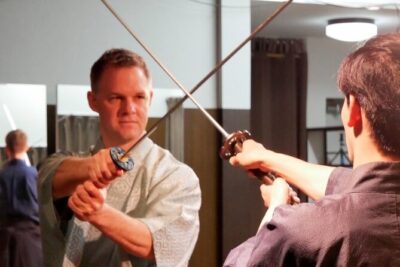
Ninja Experience (Family Friendly) at Samurai Ninja Museum TOKYO
Read our review →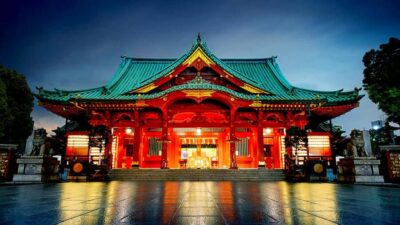
Samurai Entertainment Night Show in Kanda Shrine
Read our review →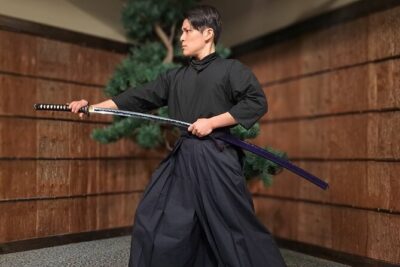
Tokyo Sword Experience – includes Museum Ticket/Ninja Experience
Read our review →
Ninja Samurai 2-hour hands-on lesson by Japanese master in Tokyo
Read our review →
Samurai Sword Experience (Family Friendly)at SAMURAI MUSEUM TOKYO
Read our review →Browse the lists this tour appears in