
Reviewed · GINZA TOURS
Tokyo: Art Aquarium Museum GINZA Entry Ticket
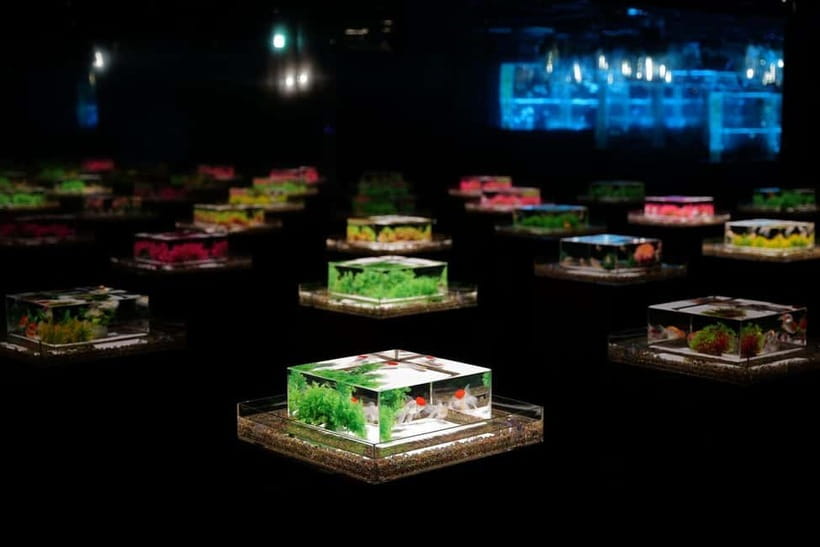
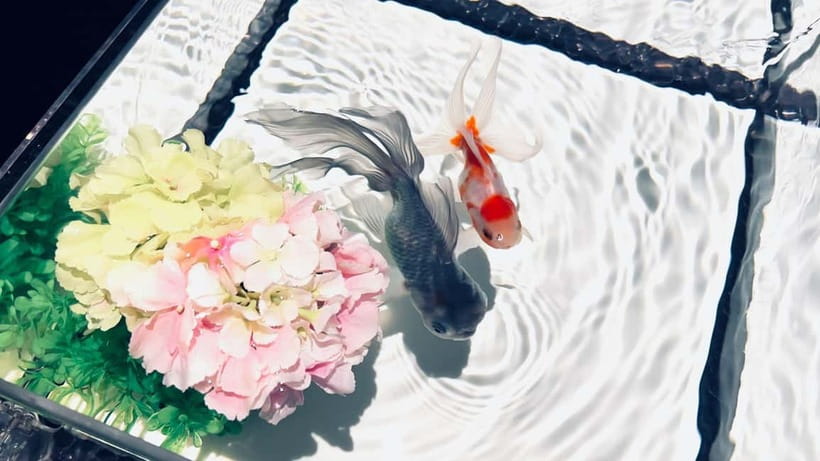
Art Aquarium Museum GINZA turns goldfish into living artwork. Inside Ginza Mitsukoshi, fish glide through glowing tanks while colored light, calm music, and changing scents reshape the room around them. The effect is less like a standard aquarium and more like a short gallery visit with moving subjects.
I like the beautiful aquarium displays and the way the museum connects a traditional Edo-period pastime with modern design. I also like its small size: you can see the whole place in about an hour, then return to Ginza’s shops and restaurants. The main catch is that the museum is compact, and some visitors may have concerns about the way the fish are displayed.
Go early on a weekday if you want clear sightlines for photographs. The 10:30 a.m. time slot has been especially quiet for some visitors, while the gift shop adds a useful stop for goldfish-themed souvenirs. The museum permits photography, but not tripods, monopods, strobes, or extra lighting.
Key points to know before you go
- Goldfish are the main attraction: The exhibits focus on the color, movement, and shape of goldfish rather than a large variety of aquatic animals.
- Light, sound, and scent change the mood: Music and aromatherapy are part of the presentation, not background decoration.
- The visit is compact: Plan on roughly 45 minutes to one hour, though photographers may need longer.
- The venue is easy to reach: Admission is on the ninth floor of the new building at Ginza Mitsukoshi.
- Photography is welcome with limits: Handheld cameras and phones are fine, but tripods, strobes, and lighting equipment are not allowed.
- The displays can change: Seasonal presentations are part of the permanent Ginza venue, and a return visit may show substantially different artwork.
Goldfish as art at Ginza Mitsukoshi
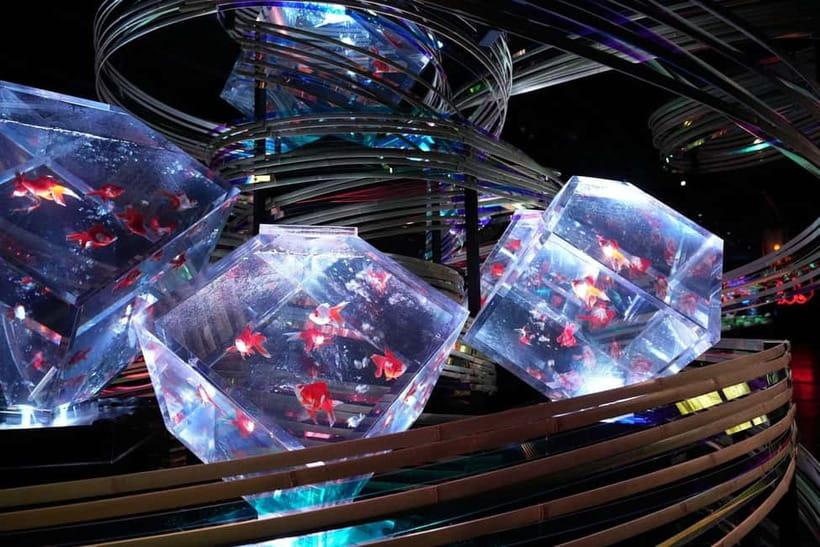
The central idea here is simple: goldfish can be viewed as decorative art as well as living animals. The museum takes the old Japanese custom of appreciating ornamental goldfish and gives it a modern setting with sculptural tanks, carefully placed lights, music, and fragrance.
That concept matters because this is not a conventional aquarium. You will not come for a long list of species, educational habitat displays, or a large building full of galleries. You come to watch goldfish move through carefully designed spaces and to notice how color and sound affect your sense of the room.
The fish are often the quiet center of elaborate scenes. Light can draw attention to their fins or bright coloring, while the tank shapes and surrounding decorations give each display its own mood. You may find yourself watching a single fish circle the same space while the lighting shifts around it.
The presentation also gives you a glimpse of a distinctly Japanese form of visual appreciation. The Edo-period connection is not presented as a full history lesson, but it gives the museum a cultural frame. Goldfish keeping has long involved careful attention to unusual colors, body shapes, and graceful movement. Here, that attention is placed inside a contemporary art venue.
More things to do in Ginza:
- Chopstick Making Workshop in Ginza
★ 4.8 · 1,366 reviews - Official Japan Go-Kart Through Tokyo Bay / Ginza (IDP Required)
★ 4.5 · 71 reviews - Private Ginza Architecture Walking Tour
★ 5.0 · 50 reviews
What you see during the one-hour visit
Your visit follows a gallery-style path through a series of aquarium displays and spatial presentations. The exact arrangement can change with the season, so you should not expect the same set of scenes every time.
At first, the combination of light, sound, and scent makes the presentation feel more theatrical than an ordinary fish display. The music is generally calm, and the fragrance adds another sense to the visit. If you are sensitive to scent or prefer a quiet aquarium with only the sound of water, this feature may not suit you as much.
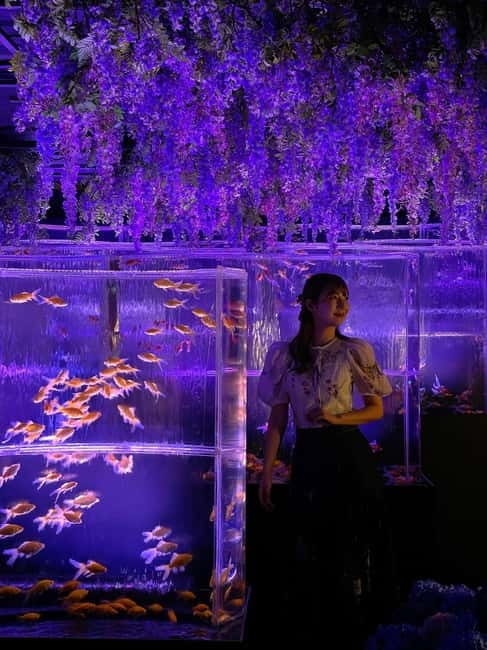
As you move from display to display, look for the contrast between the fish and their surroundings. Some tanks are designed to make the goldfish look like bright moving brushstrokes. Others use darkness, color, or reflective surfaces to make the fish easier to notice. The appeal is in the changing relationship between the animals and the designed space.
You can walk through the museum in about 45 minutes. Give yourself closer to an hour if you want to pause at each installation or take photographs. One visitor spent about 30 minutes on a quiet morning, while another found 45 minutes to an hour more typical. That difference tells you what kind of stop this is: focused and compact, not a half-day attraction.
The short length can be a strength in a packed Tokyo schedule. You can fit it between shopping, lunch, and other Ginza stops without giving up an entire afternoon. It can also feel limited if you expect a large museum with many rooms and a long educational program.
Why the lighting and music matter
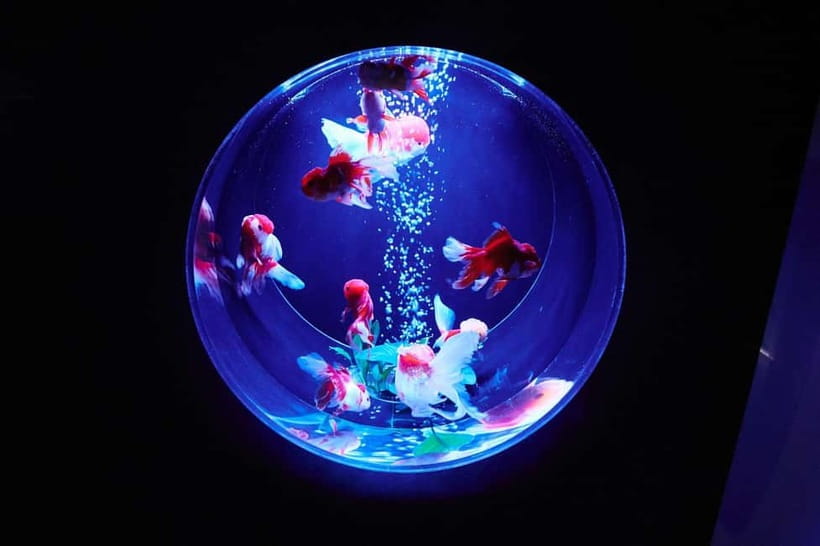
The fish are attractive on their own, but the museum’s presentation does much of the work. Colored lighting changes how you see their scales and fins. Music slows the pace, encouraging you to stand still rather than hurry from tank to tank. Fragrance adds a soft aromatherapy element that some people find pleasant.
I like this combination because it turns the act of watching fish into a sensory experience. You are not simply reading a label and moving on. The room asks you to pay attention to movement, color, and mood.
Still, the design may matter more to you than the fish themselves. If your main goal is marine biology, this is probably not the right aquarium. If you enjoy photography, installation art, or carefully arranged interiors, the museum offers more to notice.
The background music has been praised for making the setting feel calm and unified. That can help you slow down in the middle of busy Ginza. It also means the museum is not a silent gallery. Expect a designed atmosphere rather than a plain, neutral viewing room.
A strong stop for photography
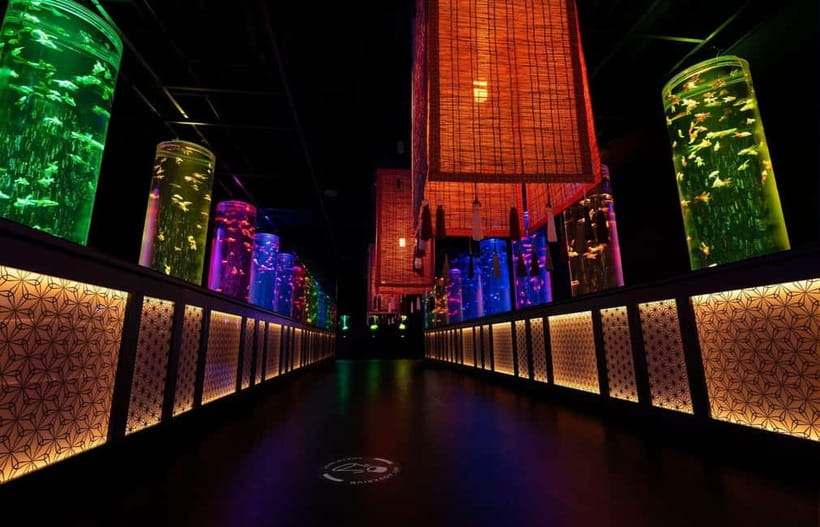
Photography is one of the clearest reasons to visit. The glowing tanks and moving fish create pictures that look very different from standard aquarium snapshots. The exhibits are built around color and shape, so even a simple phone camera can capture striking details when the lighting lines up.
You may get the best results by visiting during a quieter period. A midweek morning around 10:30 a.m. can be a good choice, based on the way the museum has felt during less crowded visits. With fewer people around, you can stand at the right angle without blocking someone else.
The museum does not allow tripods, monopods, strobes, or separate lighting equipment. Plan to shoot handheld. This rule keeps the rooms less cluttered and prevents bright flashes from disturbing the fish or other people, but serious photographers should know that the restrictions limit elaborate setups.
Be considerate when taking pictures. The displays attract many people who want the same colorful images, and a compact museum can feel crowded when several visitors stop in one spot. Take your shot, then move along so someone else can see the display.
More Tokyo museums and galleries:
- Tokyo: teamLab Planets TOKYO Digital Art Museum Entry Ticket
★ 4.6 · 9,779 reviews - Tokyo: Samurai Ninja Museum Guided tour and Experience
★ 4.6 · 1,010 reviews - Ninja Experience (Family Friendly) at Samurai Ninja Museum TOKYO
★ 5.0 · 441 reviews - Tokyo Studio Ghibli Museum and Ghibli Film Appreciation Tour
★ 4.5 · 421 reviews
Seasonal displays and repeat visits
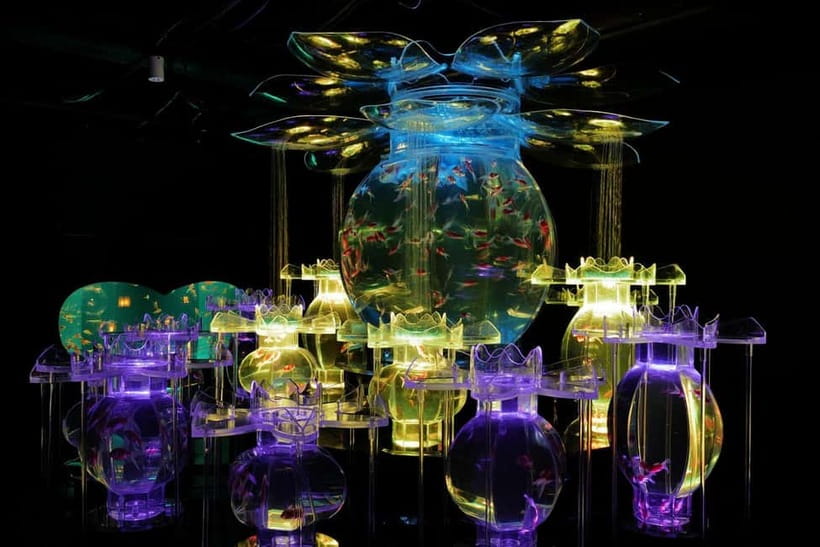
Art Aquarium Museum GINZA is a permanent venue, but the presentation is not necessarily fixed. Seasonal changes are part of the appeal, and the artwork can be refreshed over time.
That makes the museum more worthwhile for repeat visitors than a one-time static exhibition. One person returned after two years and found more than half of the art changed. You should not assume every visit will look the same, especially if you return in a different season.
The seasonal approach also fits the subject. Goldfish are often associated with summer imagery in Japan, but the museum can use color, decoration, and scent to create different moods throughout the year. The supplied information does not specify a detailed calendar of seasonal themes, so check current opening information if a particular presentation matters to you.
For a first visit, the changes simply mean you can focus on the current atmosphere instead of comparing it with an earlier version. For a second visit, they give you a reason to look again at how the museum uses space and design.
Finding the museum inside Ginza Mitsukoshi
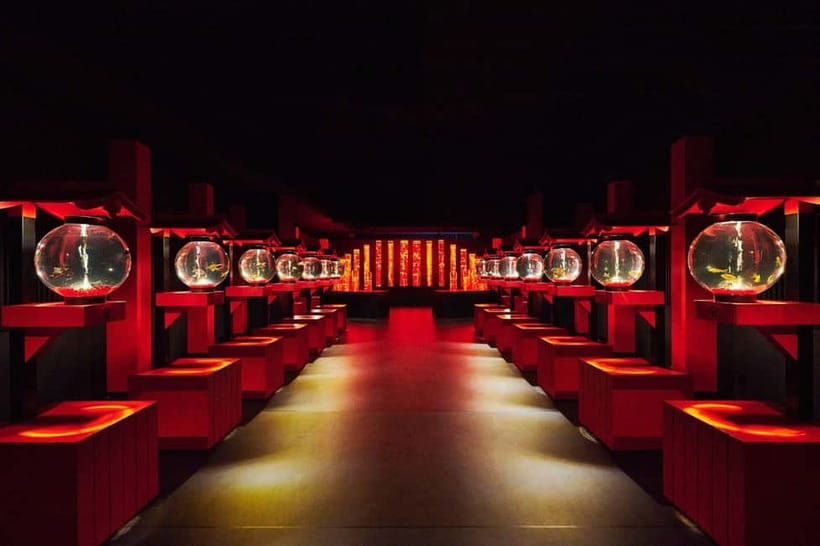
The museum is located at Ginza Mitsukoshi, a central department store in Tokyo. Admission reception and same-day tickets are on the ninth floor of the new building.
From Ginza Station, use Exit A7 on the Tokyo Metro Ginza, Marunouchi, or Hibiya lines. From Ginza 1-chome Station on the Yurakucho Line, it is about a five-minute walk from Exit 9. From Higashi Ginza Station, the museum is about two minutes away through the underground passage toward Ginza Station.
This location is convenient once you understand the department-store setting. It is not a separate street-level museum with an obvious entrance, so allow a few minutes to find the correct building and reach the ninth floor. The indoor location is useful on rainy or very hot days, and you can pair the visit with Ginza shopping.
Ginza is a major shopping district, but the museum itself is the main reason to go to this part of the building. One visitor felt there was not much else nearby that matched the plan, so consider combining the museum with other Ginza activities rather than treating it as a full-day destination.
Is $17 a fair price?
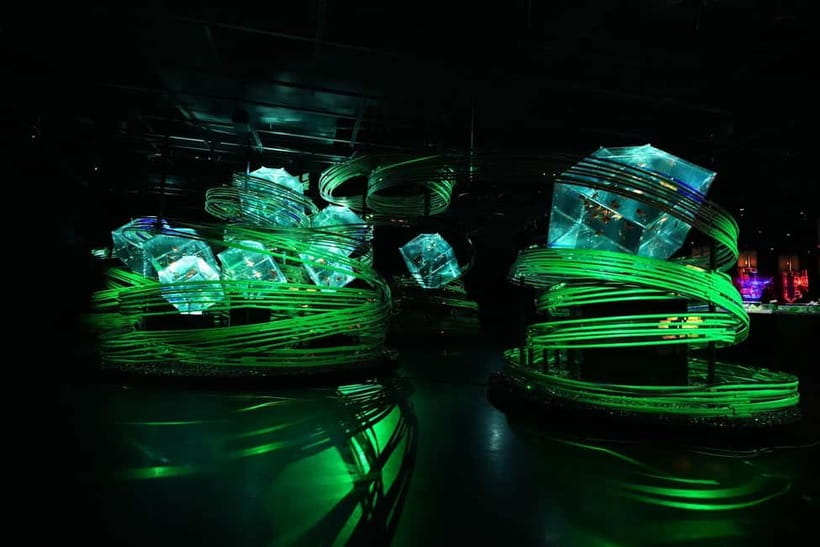
At $17 per person, this is reasonably priced for a polished one-hour art attraction in central Tokyo. The value depends on what you want from the visit.
I think the price works well if you appreciate photography, design, or unusual cultural experiences. You are paying for the full presentation: the fish, the custom tanks, the lighting, the music, the scent, and the changing seasonal treatment. The location also makes it easy to fit into a day without paying for a long guided tour or transportation outside central Tokyo.
The value is weaker if you measure admission by size or duration. A quick visitor may finish in 30 minutes, and the museum is compact. You are not getting a large aquarium complex with hours of exhibits.
Families should note that up to two children under elementary school age may enter free with one paying adult. That can make the cost more attractive for a small family, though business hours and closing days can vary.
The ticket is non-refundable, so check your schedule before buying. The activity is valid for one day, and you should check availability for the starting times offered on your date.
Who will enjoy it most
You will probably enjoy this museum most if you like:
- Photography and colorful indoor scenes
- Contemporary art with a Japanese cultural reference
- Short attractions that fit between larger Tokyo plans
- Goldfish, ornamental design, and calm music
- Seasonal displays that may change over time
- Easy central locations near shopping and restaurants
It also works well for a rainy-day plan. Since the museum is inside a department store, you can keep the visit indoors and combine it with other stops in Ginza.
You may want to skip it if you need a large aquarium, a long educational visit, or a traditional museum with extensive written interpretation. The fish are the focus, but the presentation is artistic rather than scientific.
There is also an animal-welfare question to consider. One visitor felt that some fish looked poorly treated. The information available here does not establish a broader conclusion, but it is fair to say that the display style may trouble people who prefer animals shown in more natural habitats. If that concern is important to you, look at current information before booking.
Practical tips for a smoother visit
Check the opening hours and closing days because they can vary. Since your ticket cannot be refunded, this small step matters.
Aim for a weekday morning if photography is a priority. A 10:30 a.m. visit has been quiet enough for clear photos, though crowd levels can change.
Use a phone or handheld camera and leave the tripod at your hotel. Strobes and lighting equipment are not permitted.
Allow one hour, even though you may finish sooner. That gives you time to stop at the displays, read the English goldfish information, and visit the gift shop without rushing.
Look at the fish before focusing on your camera. The most memorable part of the museum is the movement of the animals through the light, not only the final picture.
Plan another Ginza activity afterward. The museum is a compact stop, so pairing it with shopping or a meal gives your outing better value.
Should you book Art Aquarium Museum GINZA?
Book it if you want a stylish, unusual Tokyo stop that takes about an hour and photographs well. The mix of goldfish, lighting, music, scent, and Edo-inspired tradition gives you something quite different from a normal aquarium or art gallery.
The $17 price is fair for the setting and presentation, especially with free admission for up to two young children per adult. Go early on a weekday for a calmer visit, and expect a compact experience rather than a full afternoon.
I would recommend it most to photographers, design fans, couples, families with young children, and anyone building a flexible Ginza itinerary. If you prefer natural habitats, detailed science displays, or guaranteed value based on hours inside, think twice before booking.
FAQ
Where is Art Aquarium Museum GINZA located?
It is inside Ginza Mitsukoshi at 4-6-16 Ginza, Chuo-ku, Tokyo. Admission reception and same-day tickets are on the ninth floor of the new building.
How do I reach the museum from Ginza Station?
Use Exit A7 from the Tokyo Metro Ginza, Marunouchi, or Hibiya lines.
How far is the museum from Ginza 1-chome Station?
It is about a five-minute walk from Exit 9 of Ginza 1-chome Station on the Tokyo Metro Yurakucho Line.
How far is the museum from Higashi Ginza Station?
It is about a two-minute walk through the underground passage toward Ginza Station.
How long does the museum visit take?
The estimated viewing time is one hour. Some people may finish in about 30 minutes, while others may spend 45 minutes to an hour.
Is photography allowed inside?
Yes, photography is permitted. Tripods, monopods, similar equipment, strobes, and lighting equipment are not allowed.
Are children admitted free?
Up to two children under elementary school age may enter free of charge with one adult.
Does the museum change during the year?
Yes. It is a permanent venue with seasonal changes, and the displays may be updated over time.
Is the ticket refundable?
No. This activity is non-refundable, so check the date, starting time, business hours, and closing days before booking.
More Aquariums in Tokyo
- Tokyo: Sumida Aquarium Entry Ticket
★ 4.6 · 70 reviews - Tokyo Sumida Aquarium E-Ticket with Optional Tokyo Metro Pass
★ 4.5 · 8 reviews
Newly reviewed around Tokyo
- Tokyo Asakusa:Calligraphy & Make T-shirt Activity★ 5.0 · 62 reviews
- Intercity Shuttle, Tokyo to Haneda /Narita /Yokohama /Makuhari★ 5.0 · 5 reviews
- 1 Hour Travel around Tokyo with a Professional Photographer★ 5.0 · 3 reviews
- Travel Tokyo with Your Own Personal Photographer★ 5.0 · 43 reviews
- Train in Samurai Swordsmanship and Defeat the Demon in Tokyo★ 5.0 · 5 reviews
- Shuttle Van 6hr Tokyo Tour to-and-from Tokyo, Yokohama and Narita★ 5.0 · 9 reviews
- Kickboxing & Body Training with EX-Pro Fighter★ 5.0 · 4 reviews
- Tokyo History: Sensoji Temple & Asakusa District Private Tour★ 5.0 · 28 reviews
Ginza Tours, compared.
Official Japan Go-Kart Through Tokyo Bay / Ginza (IDP Required)
Read our review →

【SUMO FESTIVAL】Tokyo Ginza: Sumo Show & Photo Experience
Read our review →
Tokyo GINZA: KONPARU Japanese Cabaret Show with Drink
Read our review →


Tokyo Ginza Authentic Food Tour (Izakaya Hopping by local guide)
Read our review →Browse the lists this tour appears in