
Reviewed · TOKYO RAMEN TOURS AND CLASSES
Tokyo: 2-Hour Vegan and Vegetarian Ramen Guided Walking Tour
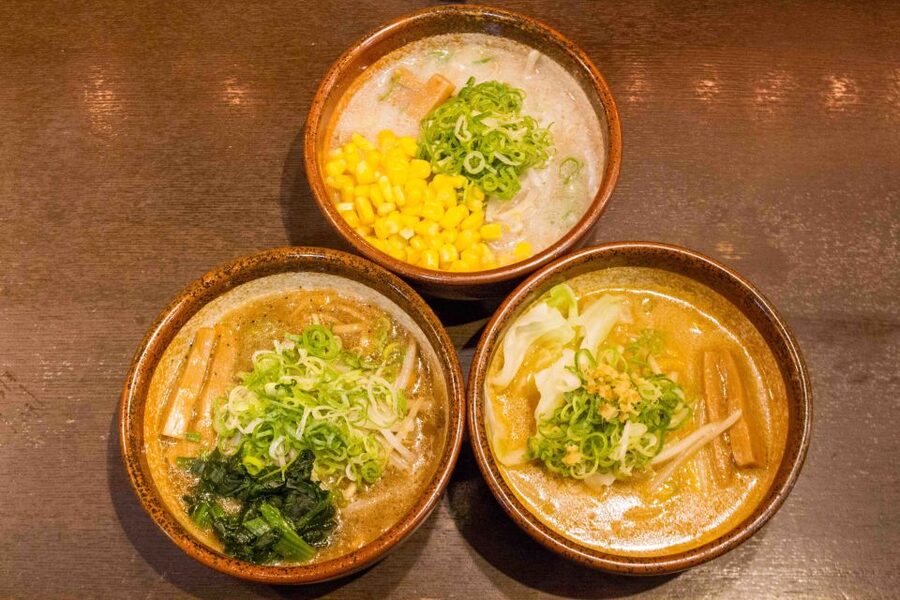
Four mini bowls, two ramen shops, and a train ride between Shibuya and Shinjuku make this more than a quick meal. You taste different styles while learning why Hokkaido and Tokyo matter so much in ramen history.
I like the smart tasting format: four small portions let you compare flavors without committing to four full bowls. I also like the flexible menu, with vegan ramen, optional non-vegan broths, and gluten-free noodles. The main drawback is the $96 price, which feels high if you only want lunch, and train fare is extra.
Key points to know
- Four mini bowls: Sample several ramen styles without filling up after the first dish.
- Two famous Tokyo districts: The tour begins in Shibuya and continues to Shinjuku by train.
- Hokkaido and Tokyo focus: Learn how regional ramen styles developed and influenced the dish.
- Dietary flexibility: Vegan bowls are central, with non-vegan broth options and gluten-free noodles available.
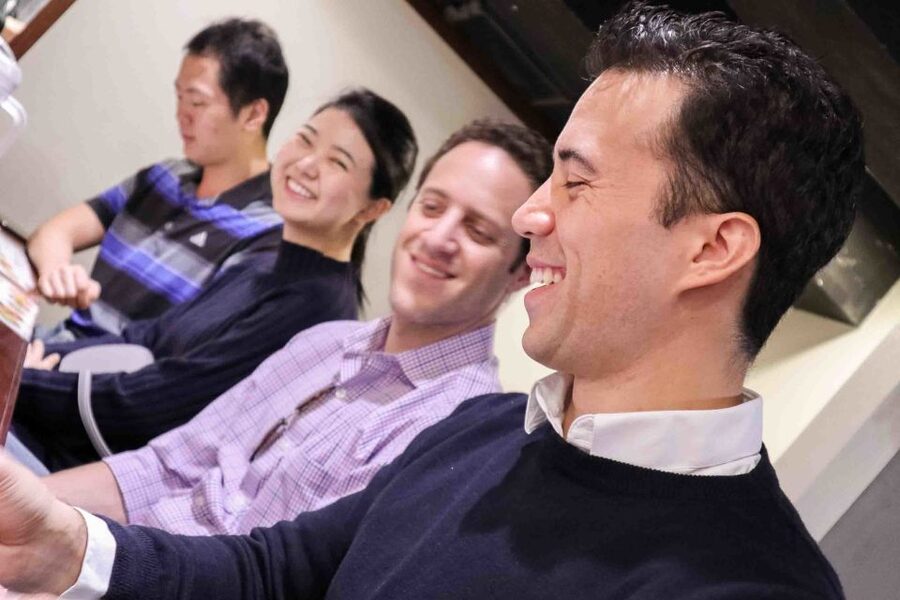
- English-speaking guides: Guides including Brian, Makayla, Bunga, Frank, and Sahori have led the tour.
- Small-group format: Private and small-group bookings are available, with free cancellation up to 24 hours before the start.
Why four small bowls work better than one big ramen
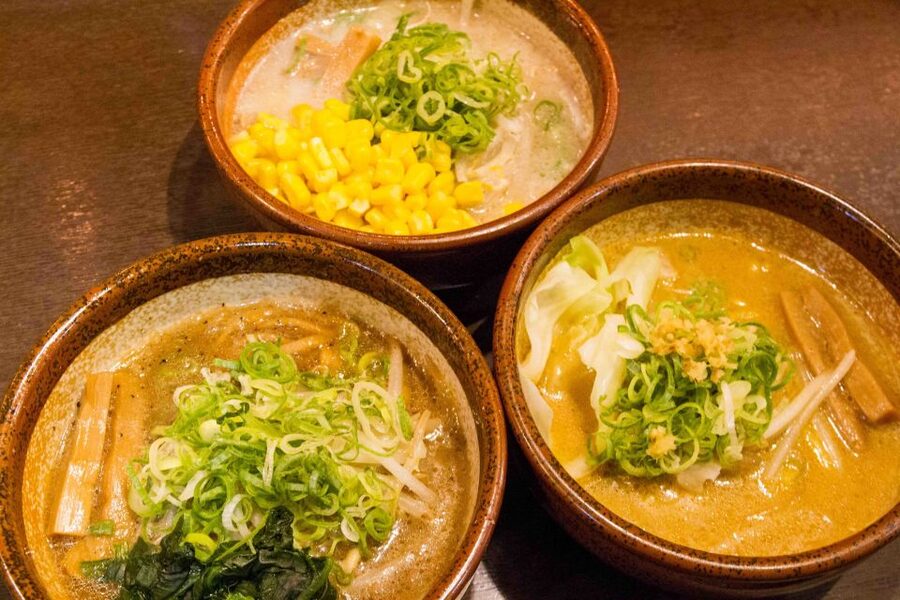
Ramen portions can be filling. One large bowl gives you one flavor profile, but four mini bowls let you compare styles without turning the meal into a food endurance test. That is the clever part of this experience.
The tour is built for tasting, not speed. You get four carefully prepared mini bowls across two stops, with one drink included. The portions are small enough that you can pay attention to broth, noodles, toppings, and seasoning instead of simply trying to finish dinner.
I especially like this format for anyone new to ramen. You may know ramen as a single dish, but the experience shows how much variety sits under that name. You can begin to notice how one bowl feels different from another, then return later for a full portion of the style you liked best.
The food is also useful for people who normally have trouble finding ramen that fits their diet. The bowls are vegan, while non-vegan broth options are available for each style. Gluten-free noodles can also be arranged. If you have strict dietary needs, tell the tour provider clearly when booking and again to your guide at the meeting point.
More Tokyo ramen tours and classes:
- Eat and Drink Like a Local: Tokyo Ueno Food Tour-Taverns&Ramen
★ 5.0 · 957 reviews - Ramen & Gyoza Cooking Class in Tokyo with Local Supermarket Visit
★ 5.0 · 823 reviews - Tokyo: Ramen Tasting Tour with 6 Mini Bowls of Ramen
★ 4.9 · 432 reviews
Starting beneath the Hachiko sign in Shibuya
The meeting point is in front of Shibu Hachi Box, across from the Hachiko statue. Your guide waits farther to the left, beneath the word Shibu, holding a Tokyo Ramen Tours sign.
This is a busy meeting area, so give yourself time to find the exact spot. The Hachiko statue is one of Shibuya’s best-known landmarks, but the surrounding crossing and station exits can be confusing. The instructions are specific for a reason. Look for the sign rather than relying only on the statue.
Shibuya is a practical starting point. You are already in one of Tokyo’s major shopping and entertainment districts, so the tour can fit neatly into a day that includes the crossing, department stores, or nearby streets. The meeting point also makes the tour easy to recognize, though it is not a quiet place for a slow introduction.
Once the group gathers, expect the guide to set the context for the food and the route. Guides who have led this tour include Brian, Makayla, Bunga, Frank, and Sahori. The personal style may vary, but the main thread remains the same: ramen history, regional differences, and how to understand what is in your bowl.
The Hokkaido-style ramen stop
The first restaurant specializes in authentic Hokkaido-style ramen. The tour uses this stop to explain Hokkaido’s place in the ramen world and why the northern island has had such an important role in the dish’s development.
You are not simply handed a bowl and sent on your way. The guide explains the regional background as you taste. That matters because ramen is not one fixed national recipe. Regional traditions have shaped different broths, noodles, and serving styles, and Hokkaido is one of the key places to understand that story.
Your bowl is a mini serving, which leaves room for the other three. The vegan version lets you taste the shop’s approach without needing to order a full meal. If you prefer a non-vegan broth, that option is available for each ramen style. Gluten-free noodles are also available, making the stop workable for more diets than a typical ramen outing.
The exact balance of flavors will depend on the day and the shop’s preparation, so I would approach this as a tasting lesson rather than a promise of one particular recipe. The point is to compare, ask questions, and notice what makes a Hokkaido-style bowl different from the Tokyo style later in the tour.
Riding from Shibuya to Shinjuku
The tour includes a train ride between Shibuya and Shinjuku. Train fare is not included, so bring a transportation card or cash for a ticket.
This short transfer is part of what makes the route feel like a Tokyo food outing rather than a meal in one fixed location. You move between two major districts and see how easily the city’s food culture connects across neighborhoods. It also gives you a natural break between tastings.
You should keep your transportation card ready instead of waiting until the last moment at the station. The listed price does not cover this fare, but the extra cost is separate and modest compared with the tour price. The more important point is practical: arrive ready to move with the group.
Because the tour lasts two hours, timing matters. Do not plan a tightly packed activity immediately afterward if you are unfamiliar with Tokyo’s stations. Shibuya and Shinjuku are both large transport hubs, and a little extra time helps if you need to find a platform, restroom, or meeting place.
More Tokyo walking tours:
- Tokyo Tsukiji Fish Market Food and Culture Walking Tour
★ 5.0 · 3,184 reviews - Tokyo: Imperial Palace and Shogun Historical Walking Tour
★ 5.0 · 2,251 reviews - Tokyo: Shinjuku Local Bar and Izakaya Guided Walking Tour
★ 4.9 · 1,794 reviews - Tokyo: Tsukiji Fish Market Food and Walking tour
★ 5.0 · 1,724 reviews
Tokyo tsukemen at the second stop
The second restaurant focuses on classic Tokyo tsukemen, or dipping ramen. This gives the tour a useful contrast with the first stop. Instead of receiving noodles and broth together in a standard bowl, tsukemen separates them so you dip the noodles into the concentrated sauce.
That difference is not just visual. It changes how you eat and how the noodle texture comes through. The second stop gives you a chance to compare the structure of the dish as well as its flavor. Four mini bowls make this comparison manageable, since you can think about each sample while the first impressions are still fresh.
The tour presents Tokyo through its ramen traditions, not only through famous sights. You still get the energy of Shinjuku, but the focus stays on food and the regional story behind it. If your Tokyo schedule already includes Shinjuku at night, this is an easy way to see the district earlier in the day with a clear purpose.
As with the Hokkaido stop, the vegan bowl is the standard fit for the tour, while non-vegan broth options and gluten-free noodles are available. Ask your guide how the shop has adapted each bowl to your needs. That conversation is part of the value, especially if you want to understand how dietary adjustments affect the dish.
The food is the star, but the explanation matters
The strongest part of the tour is the combination of tasting and context. You learn about ramen’s regional roots, the role of Hokkaido, and Tokyo’s place in the dish’s history. Without that explanation, four bowls could blur together. With it, each stop has a reason.
I would book this for someone who enjoys asking food questions. You can learn about the making of ramen, different flavor profiles, and Japanese food culture while eating. Guides such as Frank have also helped visitors with broader Tokyo questions, including places to eat, see, and visit. That extra conversation can be useful early in your trip.
The guides’ personalities are part of the experience. Brian has been described as friendly and genuinely interested in his customers. Makayla has led an educational tour with a relaxed feel, while Bunga has brought a fun approach and plenty of ramen information. Frank and Sahori have also led tours that combined ramen tasting with helpful Tokyo conversation.
Those names do not guarantee which guide you will receive, but they show the type of service the tour aims to provide. You should expect a live English-speaking guide, not an audio recording or a self-guided restaurant list.
Is $96 good value for two hours?
At $96 per person, this is not a cheap way to eat ramen. You are paying far more than the cost of four ordinary small meals, and you still need to cover the train fare from Shibuya to Shinjuku.
The value depends on what you want from the outing. If your goal is simply to eat the least expensive ramen possible, I would skip the tour. If you want access to several suitable ramen styles, help navigating two shops, and an explanation of the food, the price becomes easier to justify.
Finding vegetarian ramen in Tokyo can take work. Finding several vegan styles in one short outing, while also handling gluten-free noodles or alternate broths, is harder still. The tour saves you the research and removes much of the uncertainty about ordering.
The four mini bowls are also a better value than ordering four full bowls on your own. You get variety without wasting food or feeling uncomfortably full. The included drink adds a small extra benefit, though it does not change the basic calculation.
I see this as a specialty food tour. It suits you best if dietary flexibility, regional information, and guided access matter more than keeping lunch inexpensive.
Who should book this ramen walk?
This tour is a strong choice for:
- Vegans and vegetarians who want several ramen options in one outing.
- People avoiding gluten who want gluten-free noodles available.
- Ramen fans who want to compare Hokkaido-style ramen and Tokyo tsukemen.
- First-time Tokyo visitors who want an easy introduction to Shibuya and Shinjuku.
- Food-focused couples and small groups who prefer tasting several dishes together.
- People at the start of a Tokyo trip who want ideas for returning to a favorite ramen style later.
It may not suit you if you use a wheelchair, since the activity is not suitable for wheelchair users. It is also less appealing if you dislike moving between restaurants or want a long, leisurely meal at one place.
The two-hour length makes it easy to fit into a busy itinerary. An 11 a.m. start on a Monday may be especially appealing if you prefer a quieter small-group setting, though group size and restaurant conditions can vary. Private and small-group options are available.
Practical details before you reserve
The tour is offered in English and lasts two hours. Check the available start times when booking, since the schedule can vary.
Meet in front of Shibu Hachi Box across from the Hachiko statue. Look to the left under the word Shibu for the guide holding a Tokyo Ramen Tours sign. Arriving a few minutes early is sensible because Shibuya’s station area is easy to misread.
Bring a transportation card or cash for the train from Shibuya to Shinjuku. That fare is not included in the $96 price.
You can cancel up to 24 hours before the tour for a full refund. A reserve-now, pay-later option is also available, which helps if your Tokyo plans are still shifting.
Tell the provider about dietary needs before the tour. Vegan ramen is central to the experience, non-vegan broth options are available, and gluten-free noodles can be provided. If halal ramen is important to you, ask directly before booking rather than assuming the available options will meet your requirements.
Should you book this tour?
Book it if you want more than a bowl of noodles. The best reason to go is the chance to taste four small servings, compare two distinct ramen traditions, and get practical help with vegan, vegetarian, or gluten-free dining in Tokyo.
I would place it near the start of your trip. You can use the guide’s food advice, learn which style you prefer, and return later for a full bowl. The price is the main caution, and the train fare is extra, but the combination of access, variety, and explanation gives the tour a clear purpose.
Skip it if you are watching every yen, need a wheelchair-accessible activity, or would rather choose one restaurant and eat a full portion. For everyone else, especially serious ramen fans with dietary restrictions, this is a focused and useful way to eat across Shibuya and Shinjuku.
FAQ
How long does the Tokyo ramen tour last?
The tour lasts two hours.
How many ramen bowls are included?
You receive four mini bowls of ramen.
Are the ramen bowls vegan?
Yes. The tour includes vegan ramen, with non-vegan broth options available for each style.
Are gluten-free noodles available?
Yes, gluten-free noodles are available.
Which ramen styles are included?
The tour visits one shop specializing in Hokkaido-style ramen and another specializing in classic Tokyo tsukemen.
Does the tour travel between Shibuya and Shinjuku?
Yes. You take the train from Shibuya to Shinjuku during the tour.
Is the train fare included?
No. You must pay the train fare separately with a transportation card or cash.
Is a drink included?
Yes. One drink is included.
Where do you meet the guide?
Meet in front of Shibu Hachi Box, across from the Hachiko statue. The guide waits to the left under the word Shibu with a Tokyo Ramen Tours sign.
Is the tour wheelchair accessible?
No. The activity is not suitable for wheelchair users.
What language is the tour offered in?
The live tour guide speaks English.
Can I cancel the tour for a refund?
Yes. You can cancel up to 24 hours in advance for a full refund.
More Tokyo food tours
- Tokyo: Shinjuku Food Tour (13 Dishes at 4 Local Eateries)
★ 5.0 · 6,603 reviews - Tokyo: Shinjuku Food Tour (15 Dishes and 4 Eateries)
★ 4.9 · 2,033 reviews - Best of Shinjuku: Izakaya Food Tour (4 Stops, 14+ Tastings)
★ 5.0 · 1,863 reviews - Tokyo Night Foodie Tour in Shinjuku – Seasonal Sushi, Wagyu Beef
★ 5.0 · 1,161 reviews
More vegan and vegetarian tours in Tokyo
- Vegan Friendly Sushi & Okonomiyaki Shibuya Night Foodie Tour
★ 5.0 · 124 reviews - Ramen & Dumpling Cooking in Tokyo with Chef/Vegan possible
★ 5.0 · 107 reviews - Vegan/Vegetarian Ramen and Gyoza by Bentoya cooking
★ 5.0 · 59 reviews - Ramen Making from Scratch with Tokyo Mom(Vegan Option Available)
★ 5.0 · 39 reviews
Newly reviewed around Tokyo
- Tokyo Asakusa:Calligraphy & Make T-shirt Activity★ 5.0 · 62 reviews
- Intercity Shuttle, Tokyo to Haneda /Narita /Yokohama /Makuhari★ 5.0 · 5 reviews
- 1 Hour Travel around Tokyo with a Professional Photographer★ 5.0 · 3 reviews
- Travel Tokyo with Your Own Personal Photographer★ 5.0 · 43 reviews
- Shuttle Van 6hr Tokyo Tour to-and-from Tokyo, Yokohama and Narita★ 5.0 · 9 reviews
- Kickboxing & Body Training with EX-Pro Fighter★ 5.0 · 4 reviews
- Train in Samurai Swordsmanship and Defeat the Demon in Tokyo★ 5.0 · 5 reviews
- Traditional Japanese Knife Sharpening Class★ 5.0 · 18 reviews
Tokyo Ramen Tours and Classes, compared.
Eat and Drink Like a Local: Tokyo Ueno Food Tour-Taverns&Ramen
Read our review →
Ramen & Gyoza Cooking Class in Tokyo with Local Supermarket Visit
Read our review →

Easy Ramen Cooking Experience in Kabukicho, Shinjuku
Read our review →
Ramen and Sushi Cooking Class with Sake Pairing Set in Tokyo
Read our review →
Professional Ramen & Gyoza with Ramen Chef in a restaurant!
Read our review →
Ramen Dojo Tokyo | Make All 3 (Tonkotsu/Shoyu/Miso)
Read our review →Ramen Dojo Tokyo | Make All 3 (Tonkotsu/Shoyu/Miso)
Read our review →Browse the lists this tour appears in