
Reviewed · TOKYO IMPERIAL PALACE TOURS
Tokyo: Imperial Palace and Shogun Historical Walking Tour
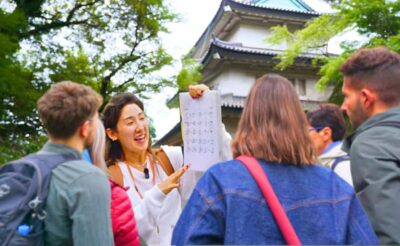
Tokyo’s Imperial Palace East Gardens tell two stories at once. You see the quiet grounds of the Imperial family, but beneath them lie the gates, walls, and foundations of Edo Castle, the seat of shogun power. This small-group walking tour helps you connect those layers instead of simply admiring lawns and stonework.
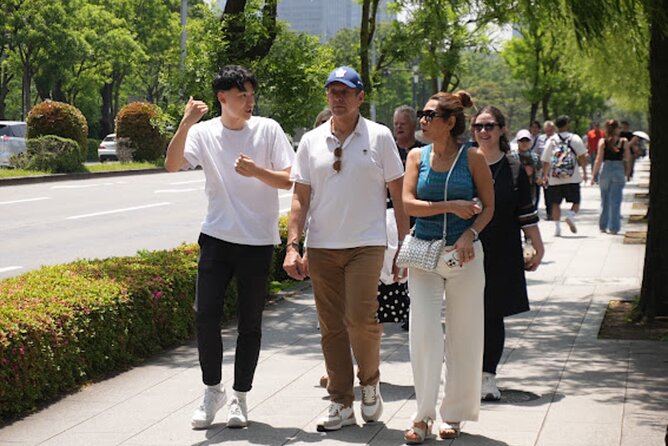
I like the personal scale, with no more than 15 people, and I like the way the tour reaches places a bus cannot. Guides such as Jim, Miguel, Tony, and Blake are praised for turning dates and dynasties into an understandable story. The main caution is that the experience depends heavily on your guide: one guide may give a lively history lesson, while another may repeat points or have less command of the subject.
Key points at a glance
- Walk through Edo Castle’s former stronghold: See massive stone walls, gates, and the base of the old castle keep.
- Explore Ninomaru Garden: Seasonal flowers, ponds, and carefully arranged scenery offer a calm counterpoint to the castle’s military past.
- Learn the link between shoguns and emperors: Guides explain how Edo Castle became part of the Imperial Palace story.
- Keep the group small: The maximum group size is 15, which makes questions and conversation easier.
- Start at Wadakura Fountain Park: Meet at the Starbucks Coffee at 3-1 Kōkyogaien, near public transportation.
- Expect real walking: The route includes slopes and uneven historic grounds, not just flat paths.
Why the Imperial Palace East Gardens are worth your time
The East Gardens are one of the easiest places in central Tokyo to see the city’s political past in physical form. You are not entering the private palace buildings, and you should not expect a tour of Imperial residences. Instead, you walk through a public garden built on part of the old Edo Castle grounds.
That distinction matters. Without explanation, a stone wall may look like an attractive old structure and little more. With a guide, it becomes part of a larger story about military power, feudal rule, the emperor, and the creation of modern Japan.
I particularly like this setting for a first look at Tokyo’s history. The route gives you open space, garden scenery, and substantial remains of the old castle. It also provides a useful break from the city’s crowded streets and packed shopping districts.
The tour lasts about two hours, with roughly 90 minutes listed for the East Gardens portion. The pace is described as relaxed, but this is still a walking tour. You may deal with slopes, extended stops, and enough ground to make comfortable shoes a sensible choice.
More Imperial Palace tours in Tokyo:
- Tokyo: Imperial Palace Japanese History Walking Tour
★ 4.9 · 987 reviews - Tokyo: Imperial Palace and Shogun Walking Tour
★ 4.9 · 935 reviews - Imperial Palace East Garden and Edo Castle Walking Tour in Tokyo
★ 5.0 · 510 reviews
Meeting at Wadakura Fountain Park
The meeting point is the Starbucks Coffee at Wadakura Fountain Park, 3-1 Kōkyogaien, Chiyoda City. The tour ends back at the same meeting point, which makes the outing easier to fit into a day of sightseeing.
Give yourself time to find the correct Starbucks and arrive early. One poor experience came from a meeting-point communication problem, with the group leaving before the participant connected with the guide. That appears to be an exception rather than the normal pattern, but it is a useful warning: check the booking details carefully, keep your phone available, and do not assume the meeting place will be obvious once you reach the palace area.
The location is near public transportation, but the supplied information does not identify a single station or provide a detailed route from your hotel. Use the exact address rather than simply asking for the Imperial Palace. The palace grounds cover a broad area, and a general destination may not bring you to the fountain park entrance.
Through the gates and across Edo Castle’s remains
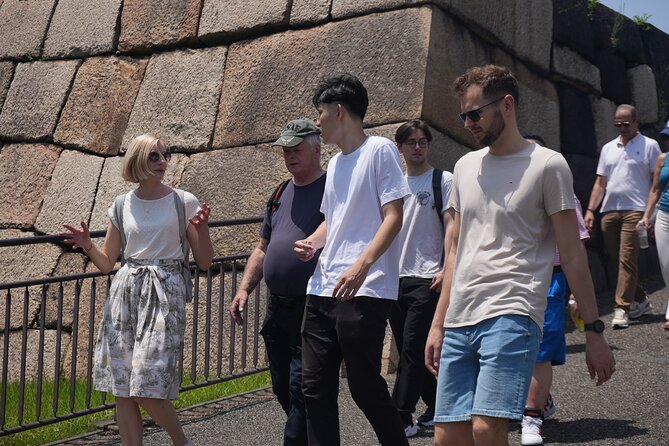
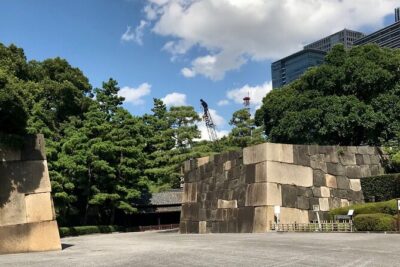
The most meaningful part of the walk is the transition from modern Tokyo into the old castle grounds. You pass through grand stone gates and along heavy castle walls built to protect the shogun’s seat. These structures show the scale and force of Edo Castle better than a short history paragraph ever could.
Your guide may explain how the castle served as the political center of the shogunate and how feudal lords were tied to that system. The strongest guides, including Jim, Tony, Miguel, and Blake according to the supplied comments, use the physical setting to explain the people and power behind it.
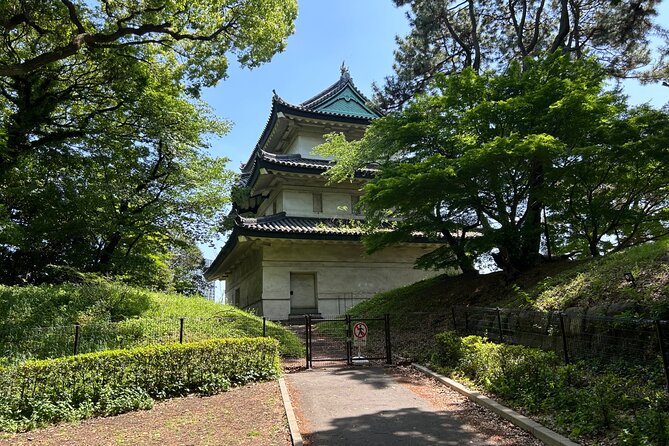
The former castle keep foundation is another important stop. The original tower is gone, but the raised base gives you a sense of its size and position. You are asked to picture a castle that no longer exists, and that act of imagination is part of the appeal. This is not a preserved palace interior with furniture and rooms. It is a historic site where stone foundations and walls do much of the talking.
That can also be the tour’s limit. If you need intact buildings, lavish interiors, or a large collection of objects, this will feel modest. The experience is about space, structure, and explanation rather than a museum-style display.
Ninomaru Garden and the quieter side of power
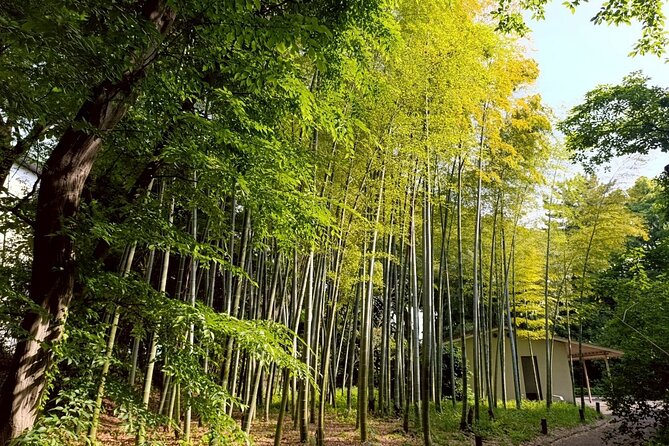
Ninomaru Garden changes the mood. After the gates and defensive walls, you move into a more refined setting with ponds and seasonal flowers. The garden reflects the careful design associated with the Edo period, where beauty, balance, and controlled views mattered.
This is a good point to slow down and look rather than simply collect facts. A guide can point out how the garden differs from the castle defenses and connect its design to the culture of the ruling class. You may also gain a better sense of how the site changed from a military center to part of the Imperial Palace grounds.
Season matters here. Flowers and foliage will look different throughout the year, and the garden’s appearance depends on the day of your visit. The supplied information does not promise a particular bloom or special seasonal display, so book this for the overall setting, not for one specific flower.
The gardens can be visited without paying for a guided tour, which makes the $22 price a value question. You are not paying simply to enter a patch of green space. You are paying for a guide to lead you through the castle remains, explain the political change from shogunate rule to Imperial authority, answer questions, and help you notice details you might otherwise pass.
If you enjoy learning as you walk, $22 is a modest fee for that added layer. If you prefer to stroll alone, read signs, and set your own pace, the free visit may suit you better.
More Tokyo walking tours:
- Tokyo Tsukiji Fish Market Food and Culture Walking Tour
★ 5.0 · 3,184 reviews - Tokyo: Shinjuku Local Bar and Izakaya Guided Walking Tour
★ 4.9 · 1,794 reviews - Tokyo: Tsukiji Fish Market Food and Walking tour
★ 5.0 · 1,724 reviews - Tokyo: Asakusa Walking Tour with Sensoji Temple Visit
★ 4.8 · 1,583 reviews
Shoguns, emperors, and modern Tokyo
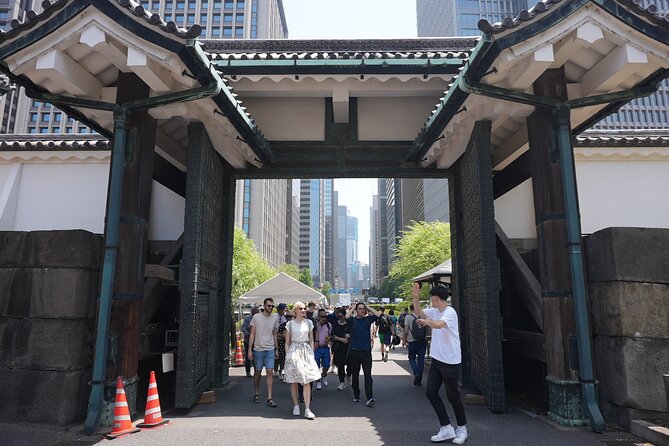
The title promises a shogun-focused historical walk, and the experience appears strongest when it connects three periods: the Edo shogunate, the Imperial family, and modern Tokyo.
The old castle grounds help explain the shogun era. The present Imperial Palace setting gives the story a later chapter. The best guides also bring in modern Japanese culture, local customs, and practical observations about how visitors can behave respectfully and blend into daily life.
Tony is praised for explaining the Edo period, the shogunate, the emperor, and the Imperial family in a way that gave the visit more meaning. Jim is described as combining architecture, history, and Japanese culture. Miguel is praised for historical facts and insights into both old and modern Tokyo.
Those details suggest that this is more than a list of dates. Still, you should be prepared for a history-heavy outing. One comment specifically advises knowing some basic Japanese history and the country’s opening to the Western world. You do not need to arrive as a specialist, but you should enjoy listening and asking questions.
The quality can vary. Most supplied comments praise the guides’ explanations, friendliness, and storytelling. One participant found the guide too repetitive and felt that stops lasted too long. Another felt a newer guide lacked historical command and relied on a supervising guide for answers. That is worth keeping in mind if you want a tightly polished, museum-level presentation.
The value of a 15-person walking group
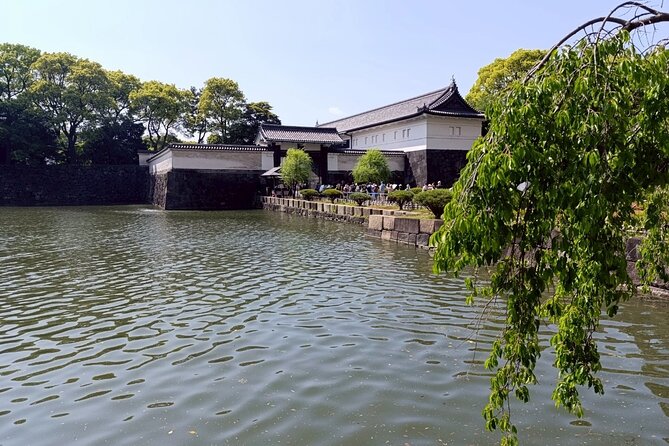
A maximum of 15 people is a useful middle ground. You are not paying for a fully private tour, but the group is small enough for the guide to check that everyone is together and respond to questions.
Tony was specifically praised for making sure the group stayed together before moving on. That matters on a route with gates, walls, slopes, and open garden paths. A group that spreads out can quickly miss the next explanation.
A small group also makes the tour more social. One comment described it as a good way to make friends, while several people appreciated the relaxed atmosphere. If you are visiting Tokyo alone or want an easy introduction to the city, the format may feel more welcoming than a self-guided walk.
There is a tradeoff. A small group does not guarantee a private pace. If several people ask questions, a stop may last longer than expected. If your guide is especially detailed, the two-hour schedule may feel dense. The route is best for someone who wants conversation and context, not for someone racing between landmarks.
What the guides add, and where to set expectations
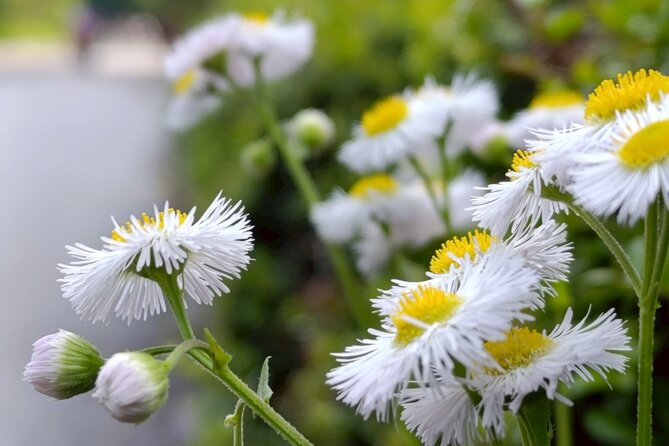
The most praised feature is the guides’ ability to make history approachable. Blake is described as engaging and well informed. Jim receives repeated praise for patience, historical knowledge, and the ability to make the subject fun. Miguel, Tony, Izzy, Lasse, Michi, Dylan, and John are also singled out for clear explanations, friendly service, or memorable storytelling.
John even helped with directions back to a hotel, which shows how a good guide may add practical Tokyo advice beyond the formal route. Izzy is described as informative and enjoyable, while Lasse brought clear enthusiasm for Japanese history.
You should still keep your expectations realistic. The guide is not an official Imperial Palace historian, and the exact depth of the talk can differ. If you want a short overview, tell your guide early that you prefer the main points. If you enjoy details, ask about the castle, the shogunate, or the transition to Imperial rule.
The 99 percent recommendation rate and 5 out of 5 rating from 2,251 ratings indicate very strong satisfaction overall. They do not remove the normal risk of guide variation, but they do support the idea that the format works well for most people who want a guided introduction.
Walking conditions and practical planning
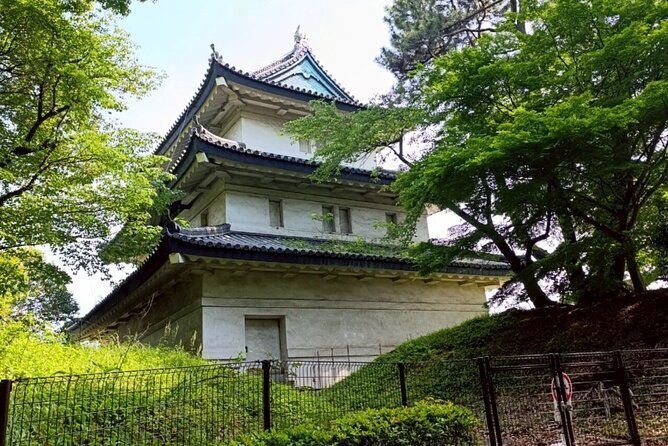
You should wear shoes suited to walking and slopes. The route includes historic grounds, gates, stonework, gardens, and the former keep site. It is not a bus tour with occasional short stops.
Most people can participate, and the activity is near public transportation. The information does not describe a special accessibility route, so anyone concerned about mobility should ask the provider before booking. The approximate two-hour duration is manageable for many visitors, but the tour involves standing and walking rather than sitting.
Weather will shape the experience. On a clear day, the open gardens and stone walls are likely to be especially pleasant. On a hot, rainy, or humid day, the lack of a fully indoor route will matter. The supplied details do not list a weather guarantee or indoor alternative, so plan accordingly.
Free cancellation is available until 24 hours before the start time. Changes or cancellations made less than 24 hours before the start time are not refunded, and the cut-off uses Tokyo local time. That is useful if your itinerary is still shifting, but do not wait until the last day to decide.
Who should book this Imperial Palace walk?
I would choose this tour if you want a clear introduction to Tokyo’s political history and prefer learning from a person rather than reading signs. It is especially suitable for first-time visitors, history fans, solo visitors, and anyone who wants a calm outdoor activity between busier parts of the city.
It also works well near the beginning of a Tokyo stay. The guide’s explanations about Japanese history, culture, and everyday customs can give you useful context for later visits. It can work near the end, too, when you already have enough background to appreciate how the Imperial Palace fits into the city’s story.
I would skip it if you want to enter the private Imperial Palace buildings, see lavish palace rooms, or spend the afternoon entirely at your own pace. I would also think twice if long historical explanations lose you quickly. This tour is relaxed, but it is not light on information.
Should you book it?
At $22 per person, this is a good-value guided walk for anyone interested in Edo Castle, the shogunate, the Imperial family, and Japanese culture. The grounds themselves are free to visit, but the guide adds the context that turns walls, gardens, and a castle foundation into a connected story.
Book it if you want a small group, a central meeting point, and a friendly history lesson outdoors. Arrive early at the Wadakura Fountain Park Starbucks, bring comfortable shoes, and expect the guide’s personal style to shape the pace. For most visitors who want more than a pleasant garden stroll, that is a worthwhile exchange.
FAQ
How long does the Imperial Palace walking tour last?
The experience lasts approximately two hours. The East Gardens portion is listed as about one hour and 30 minutes.
Where does the tour begin?
It begins at Starbucks Coffee in Kokyo Gaien Wadakura Fountain Park, 3-1 Kōkyogaien, Chiyoda City, Tokyo 100-0002, Japan.
Where does the tour end?
The activity ends back at the meeting point.
What can I see during the tour?
You can see the Imperial Palace East Gardens, Edo Castle ruins, large stone gates and walls, the foundation of the former castle keep, and Ninomaru Garden with its ponds and seasonal flowers.
Is admission included?
Admission is included in the tour. The gardens can also be visited without paying for a guided tour, so the main added value is the guide’s commentary and assistance.
How large is the group?
The tour has a maximum of 15 participants.
Is the tour suitable for most people?
Most people can participate. It is a walking tour with slopes and extended walking, so comfortable shoes are recommended. The supplied information does not provide a detailed accessibility plan.
Can I cancel for a full refund?
Yes. You can cancel at least 24 hours before the experience start time for a full refund. Cancellations or changes made less than 24 hours before the start time are not refunded.
More history and heritage tours in Tokyo
- Tokyo: Shinjuku Historical Walking Tour & Secret Backstreets
★ 5.0 · 530 reviews - Yanaka Walking Tour: Historic and Traditional District of Tokyo
★ 5.0 · 530 reviews - Mt. Fuji Heritage Tour: Traditional Villages, Lakes & Shrine
★ 4.5 · 509 reviews - From Tokyo: Nikko World Heritage Site Private Full-Day Trip
★ 4.9 · 243 reviews
Newly reviewed around Tokyo
- Tokyo Asakusa:Calligraphy & Make T-shirt Activity★ 5.0 · 62 reviews
- Intercity Shuttle, Tokyo to Haneda /Narita /Yokohama /Makuhari★ 5.0 · 5 reviews
- 1 Hour Travel around Tokyo with a Professional Photographer★ 5.0 · 3 reviews
- Travel Tokyo with Your Own Personal Photographer★ 5.0 · 43 reviews
- Kickboxing & Body Training with EX-Pro Fighter★ 5.0 · 4 reviews
- Train in Samurai Swordsmanship and Defeat the Demon in Tokyo★ 5.0 · 5 reviews
- Shuttle Van 6hr Tokyo Tour to-and-from Tokyo, Yokohama and Narita★ 5.0 · 9 reviews
- Traditional Japanese Knife Sharpening Class★ 5.0 · 18 reviews
Tokyo Imperial Palace Tours, compared.

Imperial Palace East Garden and Edo Castle Walking Tour in Tokyo
Read our review →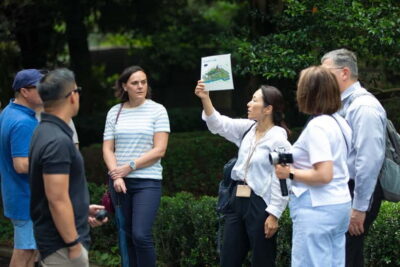
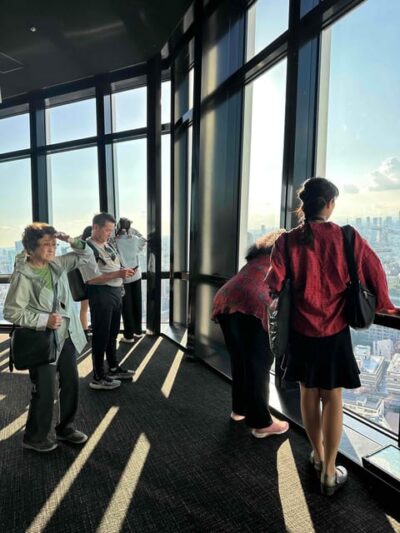
Imperial Palace, Sensō-ji Temple, & Tokyo Tower Tour
Read our review →
Tokyo Castle, Imperial Palace, Shogun & Garden Walking Tour
Read our review →
Edo Castle & East Garden of the Imperial Palace Tour
Read our review →
Tokyo Private Tour! Edo Castle & Imperial Palace East Gardens
Read our review →Browse the lists this tour appears in