
Reviewed · TOKYO IMPERIAL PALACE TOURS
Tokyo: Imperial Palace East Gardens Walking Tour
Tokyo’s Imperial Palace East Gardens give you two very different views of the city in one walk. One moment you’re beside carefully pruned trees, ponds, bridges, and stone lanterns. The next, you’re looking at the huge stone foundations and defensive remains of Edo Castle, once home to the Tokugawa shoguns. That contrast is the real point of the tour.
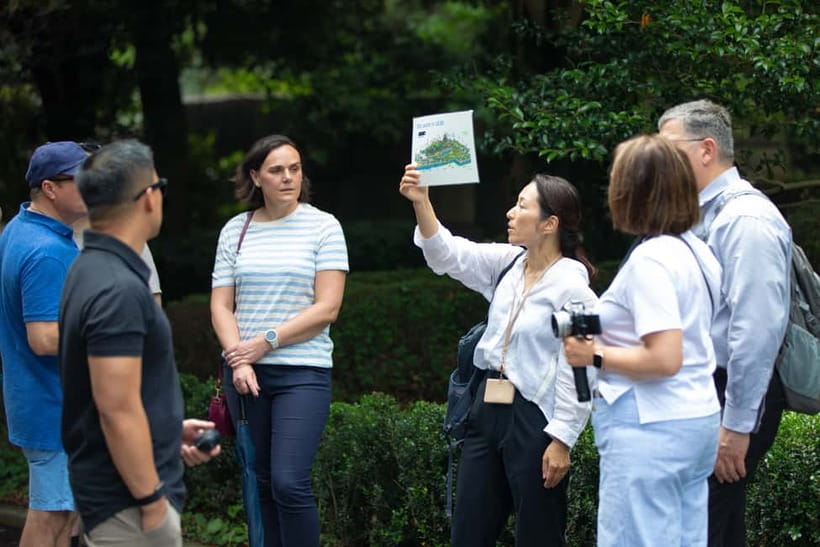
I like the way the guide connects garden details to the old castle instead of treating the grounds as just a pretty park. I also like the use of maps, old images, and printed visual aids, which help you understand a site where much of the original castle has disappeared. The main consideration is simple: you do not enter the Imperial Palace itself, and the tour involves 2.5 hours on foot.
Key points to know
- See the former heart of Edo Castle: Walk through the Honmaru area and view foundations, gates, and defensive structures.
- Enjoy Ninomaru Garden: Expect traditional Japanese planting, ponds, bridges, stone lanterns, and carefully shaped trees.
- Learn through stories: Guides such as Mei, Kei, Mieko, and Wakana explain shoguns, emperors, Japanese customs, and castle design in English.
- Plan around the seasons: Cherry blossoms bring spring color, while late November and fall can bring striking foliage.
- Meet near Tokyo Station: The starting point is near Starbucks Coffee at Kokyo Gaien Wadakura Fountain Park.
- Know the limit: The tour covers the East Gardens and former castle grounds, not the interior of the Imperial Palace.
Why Edo Castle makes the gardens more interesting
Many people arrive expecting a palace visit and find a broad public garden instead. That can sound like a letdown, but it is actually the strength of this experience. The East Gardens occupy part of the former Edo Castle grounds, and the guide helps you read the remaining walls, foundations, gates, and guard posts as pieces of a much larger fortress.
Edo Castle was tied to the Tokugawa shoguns, who ruled Japan during the Edo period. The gardens today are peaceful, but the site once held military power, court ceremony, residences, storehouses, and carefully controlled entrances. You get a clearer sense of that old arrangement when the guide explains what each surviving section did.
I find this more useful than simply walking through a garden with a map in hand. A stone wall can look like a stone wall. Once you understand its defensive purpose and place in the castle plan, it becomes part of a story about authority, rank, and protection.
The tour also links the shogun era with modern Japan and the Imperial family. Guides are praised for making the subject lively, using humor and current references without losing the historical thread. That balance matters, especially if you do not usually enjoy formal history tours.
More Imperial Palace tours in Tokyo:
- Tokyo: Imperial Palace and Shogun Historical Walking Tour
★ 5.0 · 2,251 reviews - Tokyo: Imperial Palace Japanese History Walking Tour
★ 4.9 · 987 reviews - Tokyo: Imperial Palace and Shogun Walking Tour
★ 4.9 · 935 reviews
Meeting at Wadakura Fountain Park
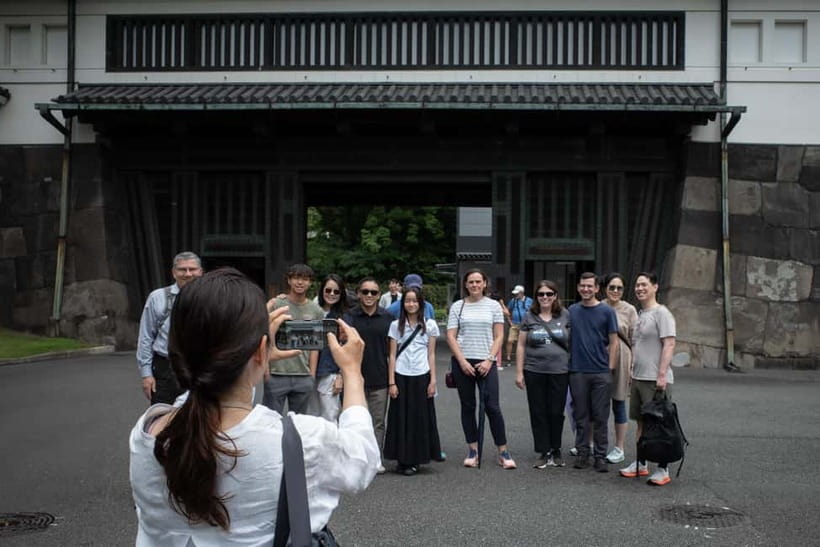
The walk begins near Starbucks Coffee at Kokyo Gaien Wadakura Fountain Park. Your guide waits nearby, and the published meeting coordinates are 35.68299330000001, 139.7611971.
This is a useful starting point because the area is near Tokyo Station, making it practical to fit the tour into a day that also includes Marunouchi, Ginza, or the station’s famous red-brick exterior. Give yourself enough time to find the exact meeting spot. The guide is nearby rather than inside the coffee shop itself, so check your booking details and look for the person holding the tour information.
The experience is offered in English, and the guide leads the full walk before returning you to the same general starting point. That return is handy if you want to continue sightseeing from familiar ground rather than being left at an unfamiliar exit.
Walking through the former Honmaru compound
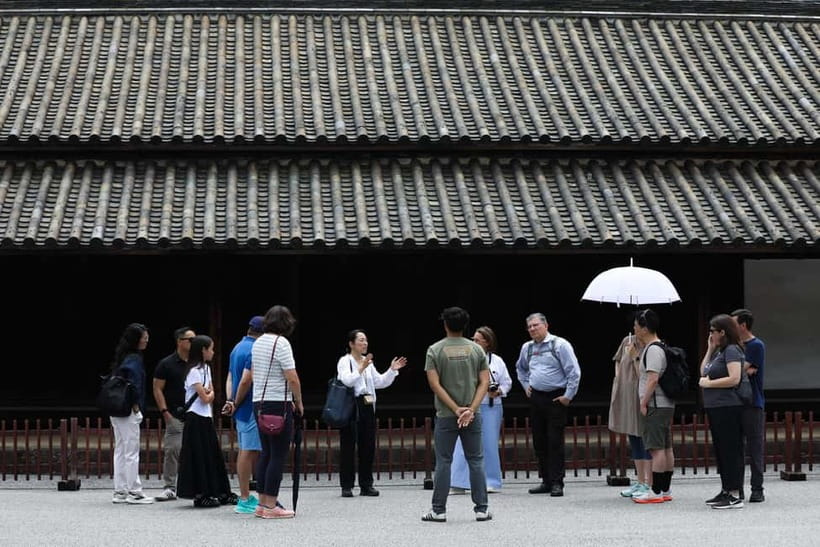
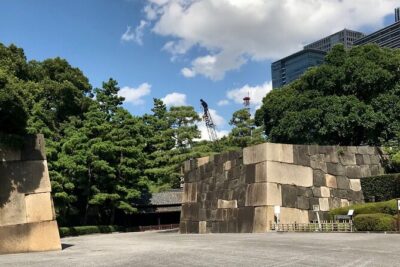
The Honmaru area was the main compound of Edo Castle. Today, you see remnants rather than complete buildings, including castle foundations, gates, and defensive works.
This is where a guide adds the most value. You need someone to explain the original layout and help you picture buildings that are no longer there. One guide, Mei, has used laminated maps and old pictures to show how the castle once looked. That sort of visual aid is especially helpful here because the open lawns and scattered ruins do not explain themselves.
Look closely at the scale of the stonework. The foundations and walls give you a sense of the effort needed to build and defend the castle. The remains also help explain how movement through the grounds was controlled. Gates and watch positions were not decorative touches. They were part of a system designed to protect the seat of power.
The tour does not recreate Edo Castle, and you should not expect a preserved keep or furnished rooms. If you want intact interiors, this is not the right choice. If you enjoy reading a site through its surviving evidence, the Honmaru section is rewarding.
Ninomaru Garden and traditional Japanese design

Ninomaru Garden offers a change of mood. After the military remains and broad castle foundations, the path leads into a more controlled and restful setting, with ponds, bridges, shaped shrubs, trees, and stone lanterns.
The design is not random decoration. Traditional Japanese gardens use placement, spacing, water, stone, and seasonal change to create views that feel composed but not rigid. Your guide points out details you might pass without noticing, including the way plants are pruned and how the garden frames water and walking paths.
This is the part of the tour where you should slow down. You will have time to take photographs, but I would also leave your camera down for a few minutes. The value is in noticing small changes in texture and shape rather than rushing from one major sight to the next.
The gardens can look very different through the year. Spring brings cherry blossoms, while fall can bring red, orange, and yellow foliage. A December visit may offer late autumn color, and winter has its own quieter appeal, with the garden structure easier to see through less dense growth.
Seasonal timing affects the experience, so do not book this only for a specific flower unless your schedule is flexible. The tour is built around the history and layout of the grounds, with seasonal beauty as an added benefit.
More Tokyo walking tours:
- Tokyo Tsukiji Fish Market Food and Culture Walking Tour
★ 5.0 · 3,184 reviews - Tokyo: Shinjuku Local Bar and Izakaya Guided Walking Tour
★ 4.9 · 1,794 reviews - Tokyo: Tsukiji Fish Market Food and Walking tour
★ 5.0 · 1,724 reviews - Tokyo: Asakusa Walking Tour with Sensoji Temple Visit
★ 4.8 · 1,583 reviews
Stone walls, guard houses, and the castle’s defensive logic
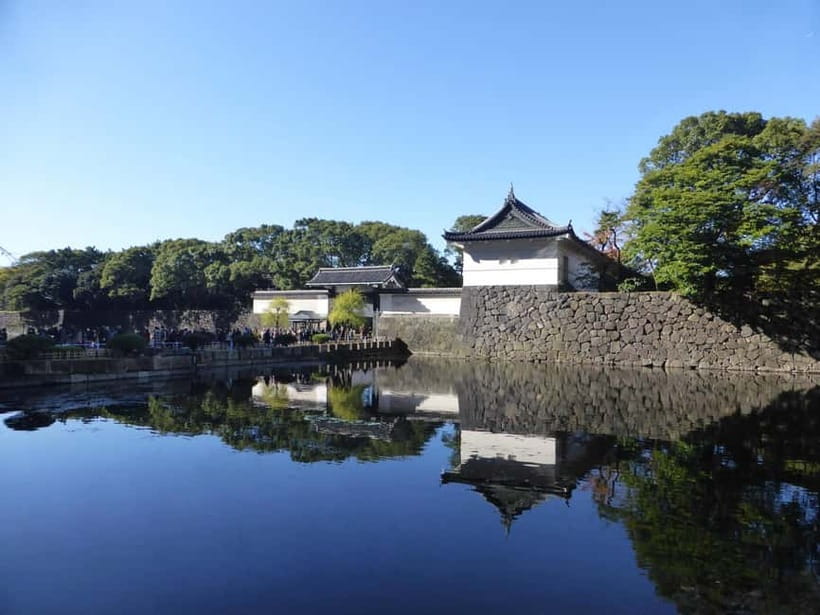
The East Gardens preserve more than attractive planting. Along the route, you can see stone walls, guard houses, and watch towers or their remains. These features show how the castle worked as a protected complex, not simply as a residence.
The guide explains why the castle needed layers of defense and how its gates and positions related to the rest of the compound. That military side gives the gardens some edge. You are not only admiring a pond or a stand of trees. You are walking through a place shaped by the political and military order of feudal Japan.
The surviving stonework is also a reminder that a site can be historically important even when its most famous buildings are gone. A careful explanation turns fragments into evidence. I would pay close attention during this section, since it is easy to miss the meaning of a low wall or gate if you are walking alone.
The tour’s historical range includes shoguns, emperors, Japanese customs, and the later role of the Imperial Palace. Guides such as Tatsie, Midori, Loc, and Mieko have been noted for answering questions patiently and keeping the history light enough for a mixed group.
What the guide adds for English-speaking visitors
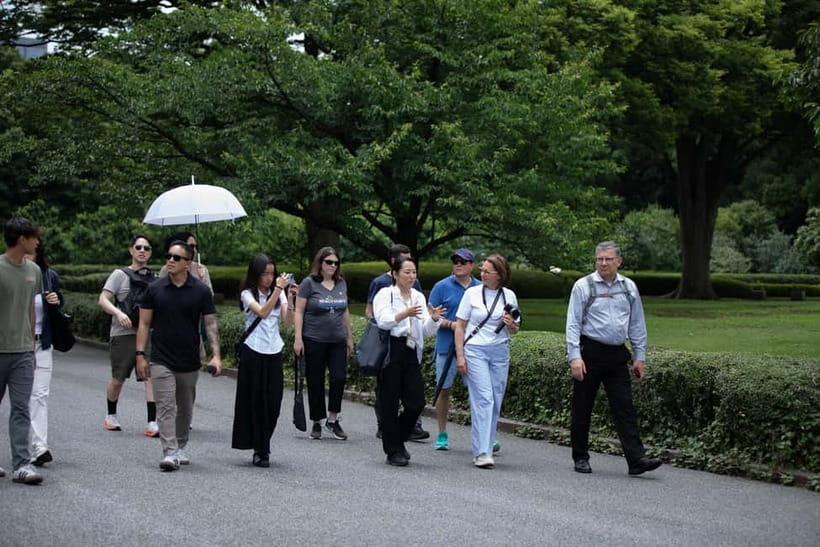
The guide is the main reason to choose this experience instead of visiting the gardens independently. The advertised language is English, and the strongest feedback centers on clear explanations, friendliness, humor, and a willingness to answer questions.
Mei is frequently praised for making the history lively and for offering practical suggestions about the rest of a Tokyo visit. Kei is described as warm and ready to handle many different questions. Wakana is noted for a good pace, strong English, and useful explanations of the grounds. Mieko, Tatsie, Midori, Loc, and Miyu also receive praise for making the walk personal and easy to follow.
Guide assignments can change, so you should not book on the assumption that one specific person will lead your departure. Still, the repeated strengths are clear: guides explain the castle in plain English, connect the site to Japanese culture, and make room for questions.
The pacing also matters. This is not a forced march from gate to gate. The tour lasts 150 minutes, and several guides are praised for allowing time to look around, take photographs, and absorb the surroundings. That length is enough for context without taking an entire day.
Is $19 a fair price?
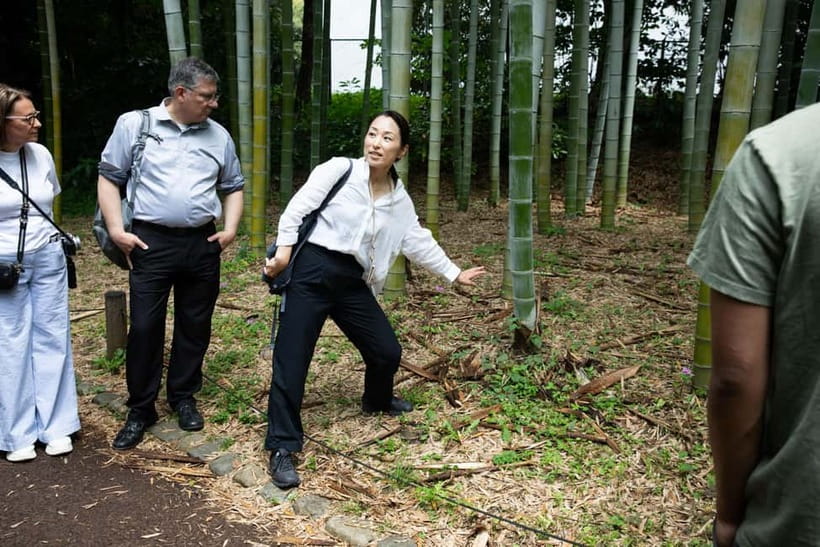
At $19 per person, this is a reasonable buy if you want the site to make sense rather than simply want a walk through attractive grounds. You are paying for a live English guide and 2.5 hours of interpretation at a place where many original structures are missing.
For a visitor who already knows Edo-period history and prefers to wander alone, the price may feel unnecessary. You can enjoy the gardens visually without a guide. But the castle remains are much easier to understand with maps, old photographs, and explanations of military architecture.
The value is also strong for a first visit to Tokyo. The tour gives you a calm break from the city’s busy commercial districts while placing you close to Tokyo Station and central neighborhoods. It works well as a morning or afternoon anchor, with time before or after for nearby sightseeing.
Admission to the Imperial Palace is not included, and the tour does not go inside the palace. Treat the experience as a guided visit to the East Gardens and former Edo Castle grounds, not as an interior palace tour.
Weather, pace, and accessibility
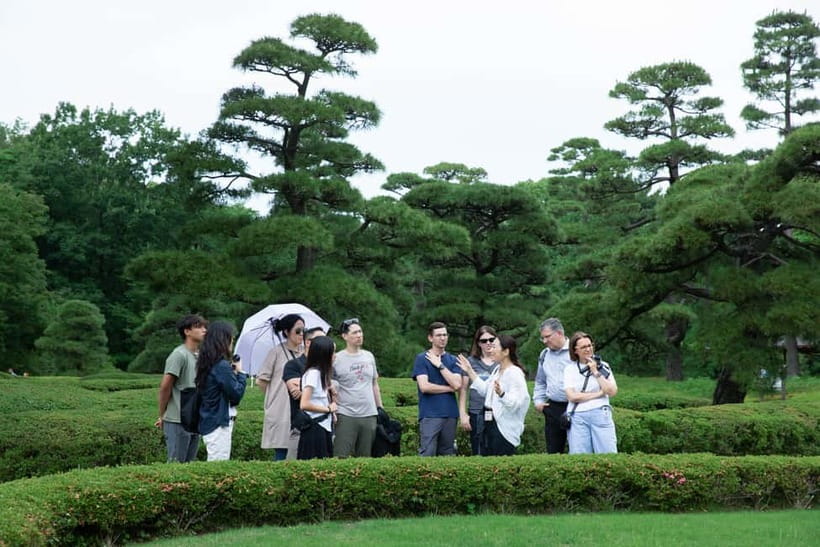
The walk operates in changing weather, and a rain shower does not necessarily end the experience. Guides have been praised for keeping the group comfortable and engaged during wet conditions. Still, bring suitable shoes and weather protection. The route takes 2.5 hours, so comfort matters more than style.
The activity is listed as wheelchair accessible. If you have specific mobility needs, confirm the current route and access arrangements when booking, since historic grounds can include different surfaces and inclines even when an activity is described as accessible.
The pace should suit most people who are comfortable with a long sightseeing walk. You will want time to stop at the gardens, walls, and ruins rather than treating this as a quick photo visit. Families can enjoy it too, particularly if children like castles, samurai-era stories, or visual maps.
Who should book this walk?
I would choose this tour if you want a clear introduction to Edo Castle, appreciate gardens but want more than pretty scenery, or prefer asking questions as you go. It is also a good fit if you are visiting Tokyo for the first time and want a central, manageable history stop.
It suits couples, families, and solo visitors who like a relaxed pace. The English commentary helps if you want cultural context without reading a long guidebook before arrival.
I would skip it if your main goal is to enter the Imperial Palace, see furnished castle rooms, or spend the entire visit taking flower photographs without historical explanation. The original castle is mostly gone, and the tour depends on your interest in ruins, layout, and storytelling.
Should you book the Imperial Palace East Gardens tour?
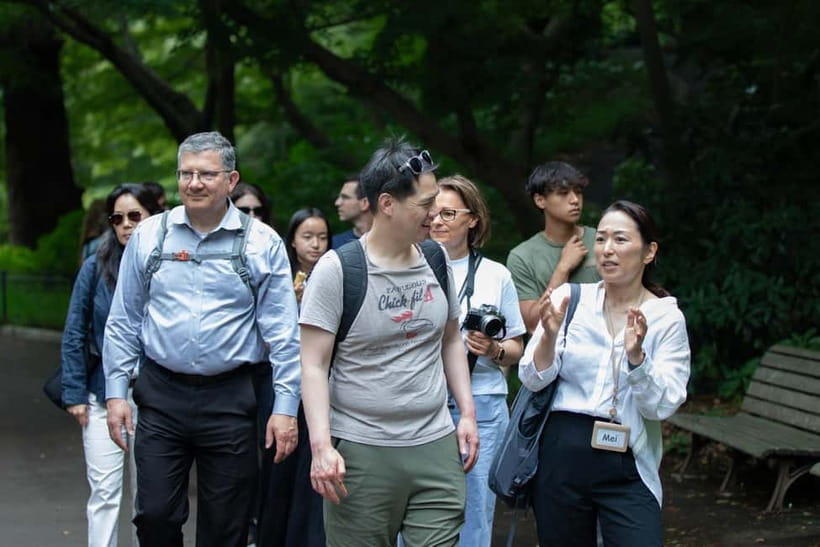
Book it if you want the East Gardens to tell you something. For $19, you get a 150-minute English walk through the former Honmaru and Ninomaru areas, with explanations of shoguns, castle defenses, Japanese garden design, and the modern Imperial connection.
The best reason to go is the contrast between quiet ponds and powerful stone defenses. The most important thing to remember is that this is not an interior palace visit. If that distinction suits your plans, the combination of skilled guides, seasonal scenery, and Edo Castle remains makes this a useful and well-priced introduction to one of central Tokyo’s most important historic sites.
FAQ
How long does the Imperial Palace East Gardens tour last?
The tour lasts 150 minutes, or 2.5 hours.
Where does the tour begin?
The meeting point is near Starbucks Coffee at Kokyo Gaien Wadakura Fountain Park. The listed coordinates are 35.68299330000001, 139.7611971.
Where does the tour finish?
The walk returns to the Starbucks Coffee at Kokyo Gaien Wadakura Fountain Park area.
Does the tour enter the Imperial Palace?
No. The tour does not go inside the Imperial Palace. It visits the East Gardens, which are part of the former Edo Castle grounds.
What language is the tour offered in?
The live guided tour is offered in English.
What is included in the price?
The price includes the walking tour and a guide.
Is admission to the Imperial Palace included?
No. Entry to the Imperial Palace is not included, and the tour does not enter the palace itself.
Is the tour wheelchair accessible?
Yes. The activity is listed as wheelchair accessible.
Newly reviewed around Tokyo
- Tokyo Asakusa:Calligraphy & Make T-shirt Activity★ 5.0 · 62 reviews
- Intercity Shuttle, Tokyo to Haneda /Narita /Yokohama /Makuhari★ 5.0 · 5 reviews
- 1 Hour Travel around Tokyo with a Professional Photographer★ 5.0 · 3 reviews
- Travel Tokyo with Your Own Personal Photographer★ 5.0 · 43 reviews
- Train in Samurai Swordsmanship and Defeat the Demon in Tokyo★ 5.0 · 5 reviews
- Shuttle Van 6hr Tokyo Tour to-and-from Tokyo, Yokohama and Narita★ 5.0 · 9 reviews
- Kickboxing & Body Training with EX-Pro Fighter★ 5.0 · 4 reviews
- Traditional Japanese Knife Sharpening Class★ 5.0 · 18 reviews
Tokyo Imperial Palace Tours, compared.

Imperial Palace and Shogun Historical Walking Tour
Read our review →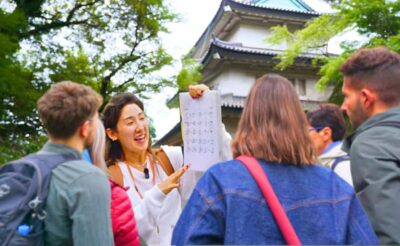

Imperial Palace East Garden and Edo Castle Walking Tour in Tokyo
Read our review →
Imperial Palace, Sensō-ji Temple, & Tokyo Tower Tour
Read our review →
Tokyo Castle, Imperial Palace, Shogun & Garden Walking Tour
Read our review →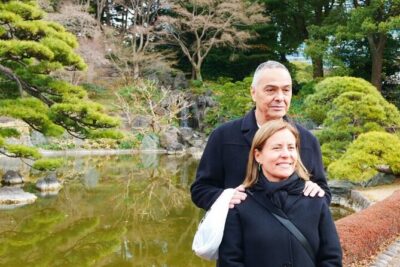
Edo Castle & East Garden of the Imperial Palace Tour
Read our review →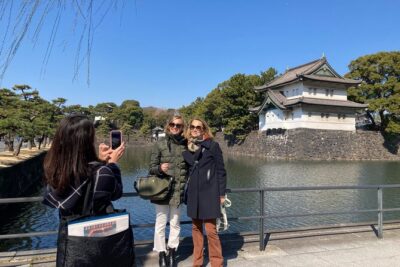
Tokyo Private Tour! Edo Castle & Imperial Palace East Gardens
Read our review →Browse the lists this tour appears in