

Reviewed · TOKYO IMPERIAL PALACE TOURS
Tokyo Castle, Imperial Palace, Shogun & Garden Walking Tour
Tokyo’s Imperial Palace is less about grand palace rooms and more about what remains beneath your feet: massive stone walls, castle foundations, old guardhouses, carefully planned gardens, and the outline of Japan’s former seat of power. This tour gives those quiet remains a story, with guides such as Mika, Natsumi, Lakki, and Nicola explaining the shogun era and the rise of modern Tokyo.
I like the small-group format, which makes it easier to ask questions and stop for photos. I also like that the guides often add practical help, from taking group pictures to suggesting local restaurants and shrines. The main catch is simple: you do not enter the emperor’s palace, and much of the old castle was destroyed, so the experience depends heavily on your interest in history.
I also like the calm pace through the East Gardens and Ninomaru Garden, especially for families and anyone who wants a break from central Tokyo’s crowds. At $31.84 per person, it is a fair buy if you want context and direction, but less convincing if you expect palace interiors or a long list of surviving buildings.
Key points to know before booking
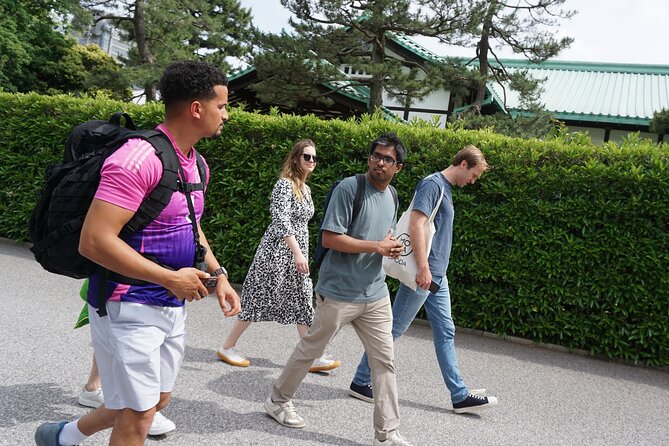
- The tour visits the East Gardens, not the Inner Palace: The emperor’s private palace area is closed to the public.
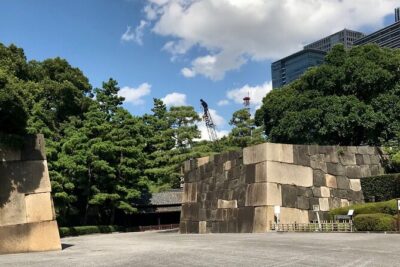
- Edo Castle survives mainly through ruins: Stone foundations, gates, walls, and defensive features carry much of the story.
- Guides make the difference: Mika, Natsumi, Lakki, Nicola, and other guides are praised for clear explanations and an easy pace.
- The walk lasts about two hours: You get a focused introduction rather than a full-day palace complex visit.
- The meeting point is easy to locate: Start at Starbucks Coffee in Wadakura Fountain Park near the palace grounds.
- Weather matters: The activity requires good weather, and the gardens can be hot, cold, or rainy depending on the season.
Why this palace walk works better with a guide
The Imperial Palace grounds are large, and the old Edo Castle site is not arranged like a conventional museum. You see a wall, a foundation, a gate, or a garden pond, but the meaning is not always obvious. A good guide connects those pieces.
That is the real purpose of this tour. You are not simply walking past a stone base. You are learning how Edo Castle functioned, how the shoguns used the site, how the emperor’s role changed, and how Tokyo grew around this center of authority.
The strongest guides appear to bring different strengths. Mika is praised for keeping younger children interested with stories and historical references. Natsumi is noted for explaining the Edo period and the relationship between shoguns and emperors. Lakki is especially associated with shogun history, while Nicola is praised for bringing the gardens and their details to life.
That range matters because this is an interpretation-heavy tour. The physical remains are attractive, but they will not fill two hours on their own. You will get much more from the walk if you enjoy asking questions and looking closely at walls, gates, gardens, and foundations.
More Imperial Palace tours in Tokyo:
- Tokyo: Imperial Palace and Shogun Historical Walking Tour
★ 5.0 · 2,251 reviews - Tokyo: Imperial Palace Japanese History Walking Tour
★ 4.9 · 987 reviews - Tokyo: Imperial Palace and Shogun Walking Tour
★ 4.9 · 935 reviews
Meeting at Wadakura Fountain Park
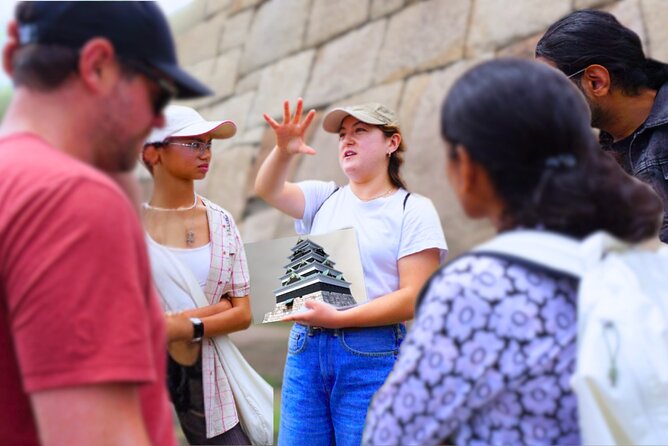
The walk begins at Starbucks Coffee in Wadakura Fountain Park, at 3-1 Kōkyogaien in Chiyoda City. This gives you a clear place to meet before heading toward the palace grounds.
From there, your guide leads the group toward Ōtemon Gate, the grand entrance to the East Gardens. That guidance is useful. The Imperial Palace area can feel spread out, and a first visit is not always intuitive. Having someone lead the way saves time and lets you focus on the setting instead of checking your phone at every turn.
The tour ends back at the meeting point. That makes it easier to connect with another activity afterward, though you should still allow a little extra time if the group moves slowly or stops often for questions and photographs.
The advertised group limit appears in two forms, one place stating 15 people and another stating a maximum of 10. Either way, this is intended to be a small group rather than a large coach tour. I would confirm the final group size at booking if that detail matters to you.
Passing through Ōtemon Gate
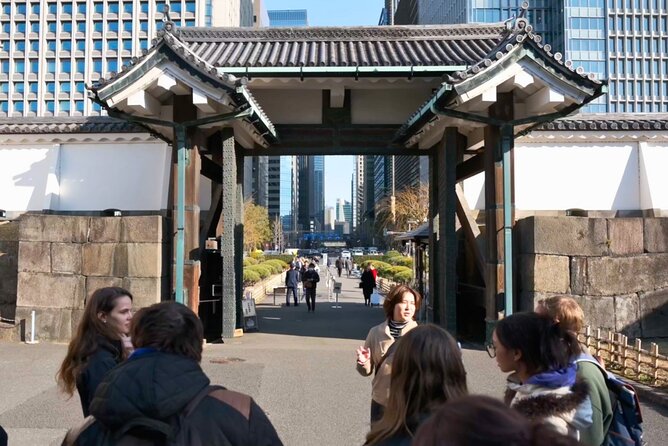
Ōtemon Gate is the natural opening chapter. It was a major entrance to Edo Castle, and it helps you understand the site as a fortified seat of government rather than simply a green park.
The gate and surrounding defensive features give your guide material to explain castle security, movement through the grounds, and the importance of controlling access. One lighthearted comment from the tour experience involved learning enough about castle defenses to prepare for a possible siege someday. That gives you a sense of the tone: historical, but not stiff.
You will hear about the samurai era, the shoguns, and the political changes that shaped modern Japan. The tour does not treat these as isolated facts. Instead, the guide uses the physical site to show how authority was organized.
This is also a good place to ask questions. Guides such as Natsumi and Mika have been praised for clear English and detailed answers. If you are unsure how the shogunate and imperial system fit together, this is the kind of walk where a direct question can make the rest of your Tokyo sightseeing easier to understand.
Edo Castle ruins and the difficult truth about the palace
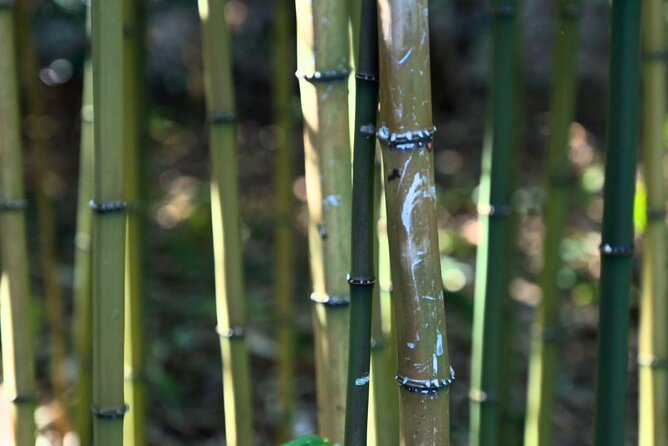
The name Tokyo Castle can create the wrong expectation. You will not find a restored castle keep or a grand palace interior waiting inside the grounds.
The old palace buildings were destroyed, including by fire, and many have not been rebuilt. What remains in key areas is the stone base and other traces of the former castle. For some people, that feels disappointing. One person booked mainly in hopes of seeing the palace and found the surviving remains more limited than expected.
For me, this is the most important point to understand before paying. The tour is about place, power, and explanation, not about entering a complete historic building. If you need dramatic architecture, the site may not be your top priority in Tokyo. If you enjoy reconstructing the past from foundations and defensive walls, the walk becomes much more rewarding.
The guide’s role is especially important here. Maps and images can help you picture the original layout, and one guide is praised for using them to clarify what the group was seeing. Ask your guide to show how the original castle was arranged and which parts of the grounds served defensive or ceremonial purposes.
That extra context changes the mood of the visit. Without it, you may see attractive stonework and wonder what happened to the buildings. With it, the ruins become evidence of a city and government that changed over centuries.
More Tokyo walking tours:
- Tokyo Tsukiji Fish Market Food and Culture Walking Tour
★ 5.0 · 3,184 reviews - Tokyo: Shinjuku Local Bar and Izakaya Guided Walking Tour
★ 4.9 · 1,794 reviews - Tokyo: Tsukiji Fish Market Food and Walking tour
★ 5.0 · 1,724 reviews - Tokyo: Asakusa Walking Tour with Sensoji Temple Visit
★ 4.8 · 1,583 reviews
Guardhouses, walls, and the old defensive system
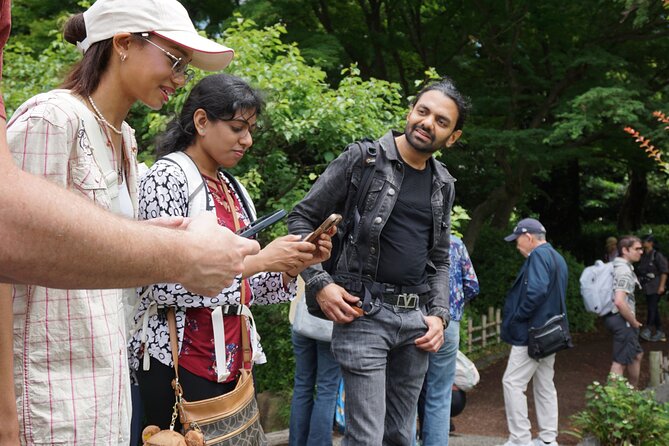
The walk includes guardhouse remains and other castle defenses. These are not grand monuments, but they reveal the practical side of Edo Castle.
Your guide may point out how guards watched movement, how gates controlled access, and why walls were built in particular ways. The details can be more memorable than a broad lecture about Japanese history because you can connect the explanation to something directly in front of you.
The site also gives you a chance to slow down. The walk is not described as a fast march between attractions. Several people valued the pace because it left room for pictures and questions. That is helpful in a garden setting, where rushing would defeat the point.
Come prepared to walk outdoors for about two hours. The grounds can feel exposed in summer heat and uncomfortable in cold weather. Rain has not necessarily ruined the experience, since guides such as Lakki and Natsumi have kept the tour engaging in wet conditions, but good shoes and suitable clothing will make the morning easier.
Ninomaru Garden and the quieter side of Tokyo
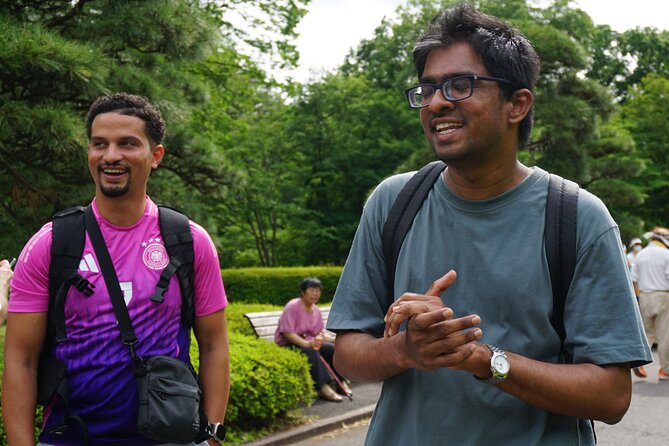
Ninomaru Garden provides the tour’s most peaceful stretch. Here, the emphasis shifts from castle power to garden design, plants, ponds, and the way Japanese spaces create pauses between more formal areas.
The garden is a welcome contrast to Tokyo’s traffic and high-rise streets. You might notice koi in the water, carefully arranged greenery, and views that reward a slower pace. The garden is especially appealing in spring, when cherry blossoms add seasonal color, but it also has its own appeal in winter and rainy weather.
This is where guides can add details you would probably miss alone. Nicola, for example, is praised for explaining the meaning and background of the gardens rather than simply pointing out attractive scenery. A guide can also suggest the best places for photos and take pictures for people in the group.
I would not book this tour only for cherry blossoms, since seasonal conditions vary. But if you are already visiting the palace grounds, the garden gives the walk a softer finish and keeps the experience from feeling like a dry military history lesson.
What the guides add to the experience
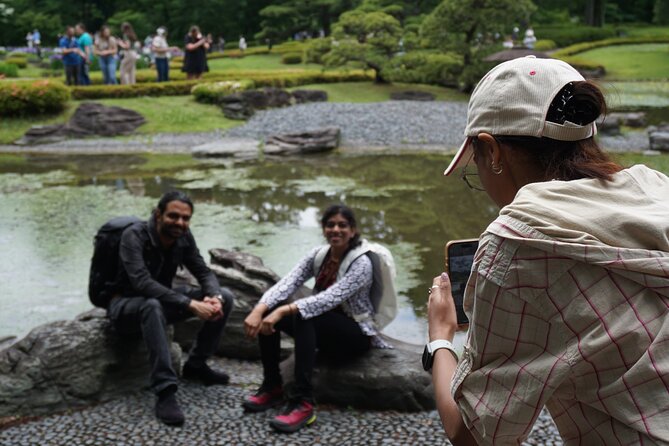
The guide quality is the biggest variable in a tour like this. The physical route is fixed, but the explanations, English clarity, warmth, and ability to handle questions shape the morning.
The most frequently praised qualities are:
- Clear explanations of Edo-period history
- Strong knowledge of shoguns and palace grounds
- Friendly, approachable conversation
- A pace that allows photos and questions
- Help with taking group pictures
- Suggestions for restaurants and shrines beyond the tour
Mika has worked well with families, including children aged 11, 13, and 15. That is useful if you are traveling with teenagers who may switch off during a formal historical talk. Natsumi is a strong fit for people who want links between the Edo period, the shogunate, the emperor, and modern Tokyo. Lakki is often singled out for his enthusiasm about shogun history.
There is one caution. At least one person found a guide difficult to understand and felt the historical explanations were not strong enough. That appears to be an exception among the supplied feedback, but it is still worth remembering. A high rating does not guarantee that every guide will suit every listener. If clear spoken English is essential, ask questions early and let the guide know what interests you.
Is $31.84 a fair price?
At $31.84, the tour sits in a reasonable middle range for a guided two-hour walk in central Tokyo. The East Gardens themselves do not require a separate admission charge, so you are paying mainly for the guide, organization, and historical explanation.
That makes the value easy to judge. If you would otherwise walk around the grounds without knowing what you were seeing, the fee can be worthwhile. You get a route, a history lesson, help finding photo spots, and the chance to ask questions.
The price feels less attractive if you expect access to the working palace or a large number of restored buildings. You are not buying entry to the Inner Palace. That area remains closed to the public, and the main palace structures are not part of this walk.
I would book it for a first or second day in Tokyo if you want historical context early in your trip. I would skip it if you prefer to explore gardens independently, have little interest in castle ruins, or want to spend your limited sightseeing time inside active museums and restored buildings.
Who should book this walk?
This tour suits you if you want:
- A manageable introduction to Japanese political and castle history
- A guide who can connect the shoguns, emperors, and modern Tokyo
- A calm outdoor walk away from the city’s busiest streets
- A small group where questions are practical
- A family-friendly pace with stories that can hold younger attention
- Photo help and local suggestions from the guide
It is also a good choice for a repeat visit. One person specifically considered it better suited to a second Tokyo trip because the site itself may not be an essential first-time priority. I agree with that judgment for many people. On a first visit, you may want Tokyo’s major neighborhoods, temples, markets, and viewpoints first. On a return visit, the palace grounds can provide the historical framework you missed.
You should think twice if the phrase Imperial Palace makes you picture ornate rooms, royal displays, or a tour of the emperor’s residence. None of those are part of this experience.
Practical details before you go
The activity lasts about two hours and includes a mobile ticket. Confirmation is provided when you book, and the meeting point is near public transportation.
There is no stated dress code, and tattoos are welcome. The key practical issue is outdoor comfort. The grounds can be hot in summer, cold in winter, and wet during rain. The activity requires good weather, and if poor weather causes cancellation, you can choose another date or receive a full refund.
You can cancel for a full refund up to 24 hours before the start time. Changes or cancellations made within 24 hours are not accepted and are not refunded.
Plan to arrive with enough time to find the Starbucks in Wadakura Fountain Park. The tour begins there and returns there, so the end point is straightforward.
Should you book the Tokyo Castle and Imperial Palace walk?
Book it if you want the Imperial Palace grounds to make sense. The East Gardens, Ōtemon Gate, Edo Castle foundations, guardhouse remains, and Ninomaru Garden are much easier to appreciate when someone explains what stood there and why the site mattered.
I especially like this tour for families, history-minded visitors, and repeat Tokyo visitors. The best guides, including Mika, Natsumi, Lakki, and Nicola, add warmth, useful context, and good photo help. At $31.84, that is a reasonable exchange for two focused hours.
Skip it if your main goal is entering the palace or seeing a complete castle building. You will find gardens, stone bases, walls, and ruins instead. Know that before you book, and this can be a thoughtful, pleasant way to meet Tokyo’s past without giving up an entire day.
FAQ
Does this tour enter the Imperial Palace itself?
No. The Inner Palace is not open to the public. The tour visits the East Gardens, Edo Castle ruins, Ōtemon Gate, guardhouse remains, and Ninomaru Garden.
How long does the walking tour last?
The tour lasts approximately two hours.
Where does the tour begin?
It begins at Starbucks Coffee in Wadakura Fountain Park, at 3-1 Kōkyogaien, Chiyoda City, Tokyo 100-0002, Japan.
Where does the tour end?
The activity ends back at the meeting point in Wadakura Fountain Park.
What is included in the price?
The price includes a guided walk of the Imperial Palace grounds, a small-group experience, visits to Ōtemon Gate, guardhouse ruins, and Ninomaru Garden, plus historical explanations from a local guide.
Is there a dress code?
No. The tour information states that there is no dress code, and tattoos are welcome.
How many people can join the tour?
The information gives two group limits, 15 people in the tour description and 10 people in the additional details. Confirm the final group size when booking if this is important to you.
Can I cancel for a refund?
Yes. You can cancel at least 24 hours before the start time for a full refund. Cancellations or changes made less than 24 hours before the start time are not refunded. If poor weather causes the operator to cancel, you are offered another date or a full refund.
Newly reviewed around Tokyo
- Tokyo Asakusa:Calligraphy & Make T-shirt Activity★ 5.0 · 62 reviews
- Intercity Shuttle, Tokyo to Haneda /Narita /Yokohama /Makuhari★ 5.0 · 5 reviews
- 1 Hour Travel around Tokyo with a Professional Photographer★ 5.0 · 3 reviews
- Travel Tokyo with Your Own Personal Photographer★ 5.0 · 43 reviews
- Train in Samurai Swordsmanship and Defeat the Demon in Tokyo★ 5.0 · 5 reviews
- Shuttle Van 6hr Tokyo Tour to-and-from Tokyo, Yokohama and Narita★ 5.0 · 9 reviews
- Kickboxing & Body Training with EX-Pro Fighter★ 5.0 · 4 reviews
- Traditional Japanese Knife Sharpening Class★ 5.0 · 18 reviews
Tokyo Imperial Palace Tours, compared.

Imperial Palace and Shogun Historical Walking Tour
Read our review →
Imperial Palace East Garden and Edo Castle Walking Tour in Tokyo
Read our review →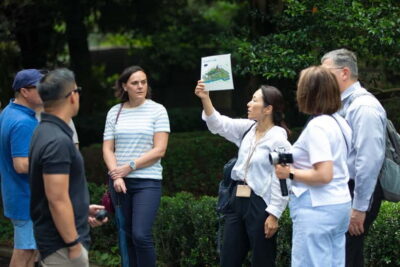
Imperial Palace, Sensō-ji Temple, & Tokyo Tower Tour
Read our review →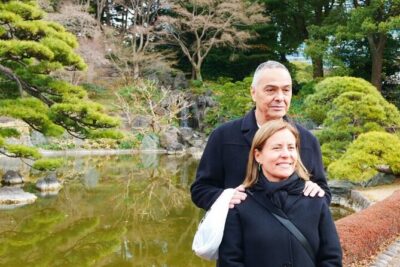
Edo Castle & East Garden of the Imperial Palace Tour
Read our review →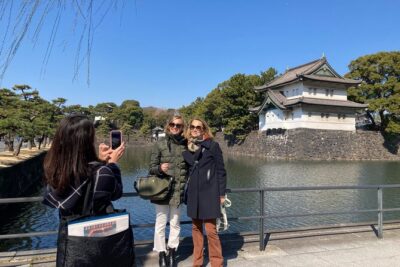
Tokyo Private Tour! Edo Castle & Imperial Palace East Gardens
Read our review →Browse the lists this tour appears in