
Reviewed · TOKYO RAMEN TOURS AND CLASSES
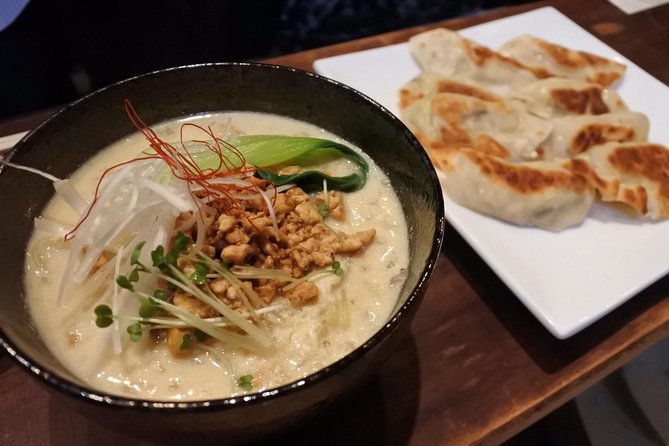
Vegan/Vegetarian Ramen and Gyoza by Bentoya cooking
Tokyo is a tough city for strict vegetarians and vegans because dashi, the basic Japanese soup stock, often contains bonito flakes. This 2.5-hour class tackles that problem directly, teaching you to make ramen broth from scratch and prepare gyoza without fish or meat. I like the local supermarket visit and the practical recipes you can repeat at home. The main drawback is the suburban location in Komae, rather than central Tokyo.
I also like the small group size, capped at six, and the warm, personal teaching style associated with Kaori. You cook, ask questions, and eat the finished meal instead of simply watching a demonstration. Plan ahead, since the class is commonly booked about 27 days before the date.
Key points
- Ramen broth made from scratch: Learn how to create a vegan or vegetarian soup without relying on fish-based dashi.
- Local supermarket visit: See Japanese ingredients in their everyday setting before you begin cooking.
- Hands-on gyoza making: Practice preparing the filling, handling the wrappers, and shaping the dumplings.
- Small class of up to six: The format allows time for questions and individual help.
- Home-cooking focus: Detailed instruction files help you recreate the ramen and gyoza after Japan.
- Komae meeting point: The class begins and ends near Komae Station, outside central Tokyo.
Why this class matters for vegan food in Japan
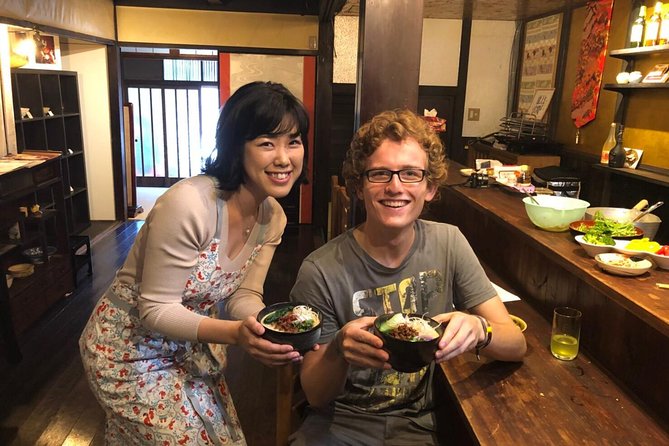
Japanese food can look vegetarian while hiding fish stock in the bowl. Dashi made from bonito flakes appears in soups, sauces, and many everyday dishes, so ordering plant-based food can require more care than you might expect.
That is why I find this class useful beyond the recipes themselves. You learn how to identify basic Japanese ingredients and how to approach cooking without fish-based stock. The supermarket visit gives you a chance to see products in their normal setting, with a local instructor explaining what they are used for.
The focus is not on a fancy restaurant version of ramen. It is on building a meal you can understand and make again. That makes the class a good fit for anyone who has struggled to find dependable vegan or vegetarian food in Japan, or who wants to bring home more than a souvenir.
More Tokyo ramen tours and classes:
- Eat and Drink Like a Local: Tokyo Ueno Food Tour-Taverns&Ramen
★ 5.0 · 957 reviews - Ramen & Gyoza Cooking Class in Tokyo with Local Supermarket Visit
★ 5.0 · 823 reviews - Tokyo: Ramen Tasting Tour with 6 Mini Bowls of Ramen
★ 4.9 · 432 reviews
Meeting Kaori near Komae Station
The class meets at Komae Station, at 1 Chome-7 Motoizumi, Komae, Tokyo. It starts at 10:00 a.m. and finishes around 1:00 p.m., with the activity returning to the same meeting point.
Komae is not one of the usual first stops for a Tokyo visit. That is both the appeal and the tradeoff. You leave the central sightseeing zone and get a more local setting, but you need to allow time for the journey to and from the station. The meeting point is near public transportation, so you do not need to arrange a private transfer.
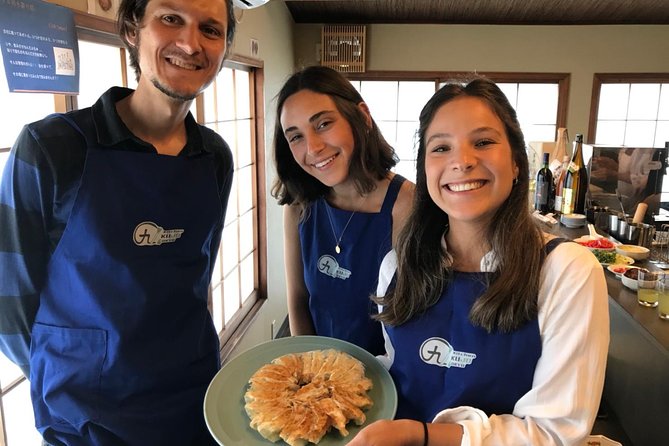
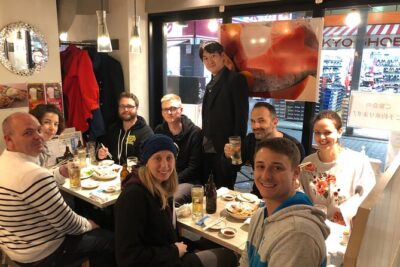
The class has a maximum of six people. I consider that a strong feature for a cooking lesson. In a large group, folding dumplings or adjusting seasoning can turn into a quick demonstration from the back of the room. Here, the format gives you a better chance to handle the ingredients yourself and ask about Japanese food, daily life, and cooking habits.
Kaori is the main host named in the class experiences, and she is described as friendly, welcoming, and comfortable speaking English. Rina and Miwa are also named in individual class experiences, so the exact instructor team may vary. If speaking with an English-speaking instructor is important to you, confirm the details when your booking is accepted.
A supermarket lesson before the cooking starts
The first useful stop is a local supermarket. This is more than a quick shopping trip for ingredients. You get an introduction to Japanese basics before trying to use them in the kitchen.
I like this part because package labels can be hard to interpret, even when you know what kind of food you are seeking. A local instructor can point out the products used in the recipes and explain how Japanese ingredients fit into ordinary cooking. For a vegan or vegetarian cook, this is especially helpful when checking soup bases, sauces, seasonings, and prepared foods.
The supermarket visit also gives the class a sense of place. You are not only learning a menu designed for visitors. You are looking at the same kind of shop used for everyday meals in Japan.
Do not expect a long food tour or a major market visit. The stated purpose is to introduce basic ingredients for the class. That makes it focused and practical, not a full morning of browsing food stalls.
Building ramen broth from the scratch
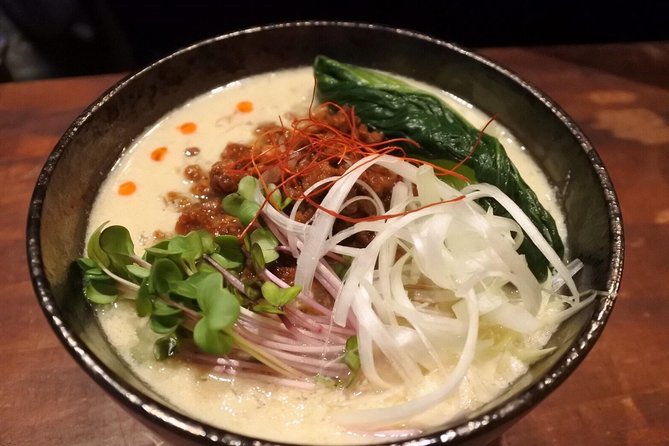
The heart of the lesson is the ramen. You learn how to prepare the soup from scratch rather than starting with a prepared packet or relying on meat-based stock.
For strict vegans and vegetarians, this is the most valuable part of the experience. Ramen broth carries much of the dish’s flavor, and removing bonito dashi can leave a meal tasting thin if you do not know how to replace it. The class addresses that issue through its own vegan or vegetarian method.
You should expect to work on several parts of the dish, including the broth, noodles, and toppings. The available information does not give a fixed list of toppings or a precise recipe, so the final bowl may depend on the class menu and seasonal ingredients. That flexibility is worth keeping in mind if you need to avoid a particular ingredient.
The food is prepared as a proper lunch, not as a tiny tasting portion. You sit down to eat what you have made during the morning. This helps you judge the balance of the broth and see how the finished ingredients come together.
The practical test comes later, at home. The class provides detailed instruction files, and one participant was able to recreate the ramen and gyoza after returning home. That is a strong sign that the lesson is built for repeat cooking rather than a one-time performance.
More vegan and vegetarian tours in Tokyo:
- Vegan Friendly Sushi & Okonomiyaki Shibuya Night Foodie Tour
★ 5.0 · 124 reviews - Ramen & Dumpling Cooking in Tokyo with Chef/Vegan possible
★ 5.0 · 107 reviews - Ramen Making from Scratch with Tokyo Mom(Vegan Option Available)
★ 5.0 · 39 reviews - Tokyo: 2-Hour Vegan and Vegetarian Ramen Guided Walking Tour
★ 4.8 · 33 reviews
Folding gyoza without making a mess
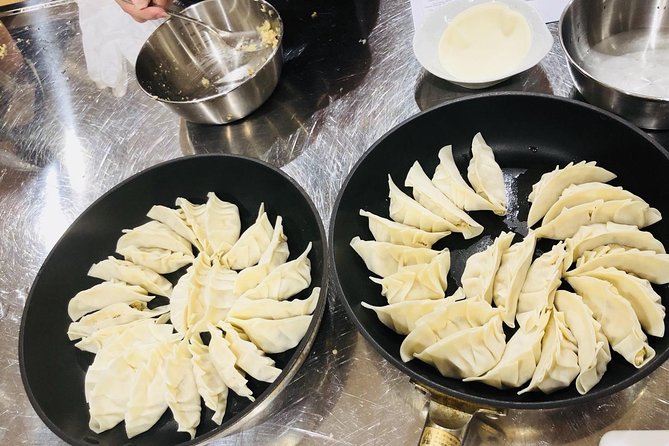
Gyoza adds a second skill to the class. You prepare a minced filling, place it into wrappers, and shape the dumplings before cooking them.
Gyoza folding looks simple until the wrapper sticks, the filling spills out, or the edges refuse to seal. A small group helps here because you can watch the technique closely and correct your own shape as you go. The finished dumplings do not need to look perfect, but the practice is part of the fun.
The class is described as covering cutting and cooking techniques, seasoning, and presentation. Those details matter because gyoza is not only about filling wrappers. The way ingredients are cut affects texture, while seasoning determines whether the dumplings taste fresh or heavy.
This is also a useful dish to take home as a skill. Ramen broth can require several ingredients and steps, but gyoza is easy to adapt once you understand the method. You can change the filling while keeping the basic folding and cooking technique.
A lunch you prepare yourself
At the end, you eat the ramen and gyoza you have made. I prefer this format to a class that sends you home with a few samples, because lunch gives the morning a clear purpose.
The meal also lets you check your work. You can see how the broth tastes with the noodles, how the seasoning holds up in the gyoza, and how presentation changes the feel of a simple home meal. The class includes instruction on presentation, so the final plate is part of the lesson rather than an afterthought.
Past participants describe the food as delicious and easy enough to make again. I would treat that as a sign of a well-paced class, but not as a guarantee that every dish will match your personal taste. Ramen seasoning can be strong, and the exact recipe may not suit everyone.
If you are very hungry, you may prefer to eat a light breakfast first. The class includes lunch, but the timing runs from 10:00 a.m. to 1:00 p.m., and the meal comes after the cooking work.
What you get for $75
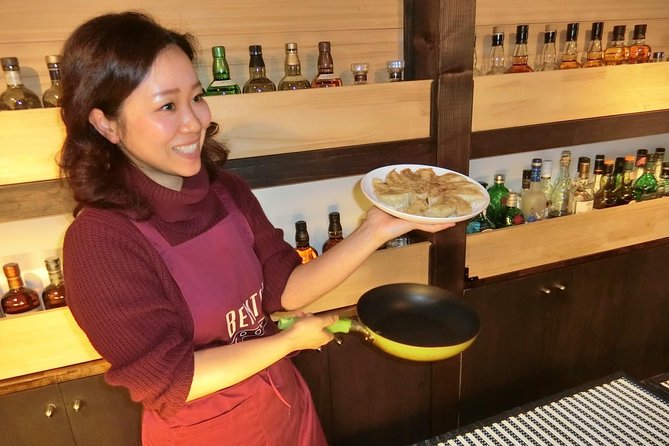
At $75 per person, this is not the cheapest meal in Tokyo. You are paying for a guided cooking session, the supermarket introduction, ingredients, instruction, and the finished lunch. You also receive material that can help you prepare the dishes again.
I see the value most clearly if you care about vegan or vegetarian food. A restaurant meal gives you lunch once. This class gives you a method for making ramen without fish stock and a gyoza technique you can use at home.
The small group is another part of the price. A class capped at six can offer more help than a large studio session, especially when you are learning hands-on tasks such as dumpling folding and seasoning.
The value is less convincing if you only want to eat ramen and have no interest in cooking. Tokyo has many food experiences, and this one asks you to spend the morning working in the kitchen. It suits curious cooks more than people looking for a quick lunch.
Timing, location, and booking advice
The activity lasts about two and a half hours, from 10:00 a.m. to 1:00 p.m. That morning schedule works well with an afternoon of sightseeing, but the Komae location means you should not plan a major attraction with a strict early afternoon entry time.
The experience is often booked about 27 days in advance. I would reserve early if your Tokyo dates are fixed, especially because only six places are available in each class.
You receive confirmation within 48 hours, subject to availability. The ticket is mobile, so you can keep the booking on your phone rather than printing it.
Free cancellation is available up to 24 hours before the start time for a full refund. Changes or cancellations made inside that 24-hour window are not accepted for a refund. The stated policy also says the activity requires good weather. If poor weather causes cancellation, you are offered another date or a full refund.
That weather condition is worth noting because this is primarily an indoor cooking activity. It may relate to the travel portion or the local conditions, but the policy still applies, so check the terms before booking.
Who will enjoy this cooking class most
I would recommend it first to vegans and vegetarians who want a safer, more useful way to understand Japanese food. You get direct help with the dashi problem, plus a chance to inspect ingredients before cooking.
It also suits:
- Home cooks who want recipes they can repeat after returning home
- Couples and families who enjoy making a meal together
- Visitors who prefer a small class to a large group demonstration
- Anyone interested in ordinary Japanese supermarkets and cooking habits
- Parents with older children who can take part in cutting, shaping, and cooking
The class may be less suitable if you want a central Tokyo location, a quick demonstration, or a broad tour of Japanese cuisine. The menu is focused on ramen and gyoza, not sushi, tempura, sweets, or several regional dishes.
The vegan and vegetarian focus should also be confirmed at booking if you have allergies or strict dietary rules. The class is designed around plant-based food, but the supplied details do not list every ingredient or guarantee an allergy-free kitchen.
What I would want to know before booking
I would first check the meeting instructions and allow extra time to reach Komae Station. The activity begins and ends there, so the return point is clear, but the neighborhood is outside the main sightseeing core.
I would also ask which instructor will lead the session. Kaori is frequently named, and Rina and Miwa also appear in class experiences. Kaori is described as speaking good English, but confirming the guide is a sensible step if communication is a priority.
Finally, I would tell the host about your dietary needs before the date. The class is specifically vegan and vegetarian, but the terms vegan and vegetarian can differ from person to person, especially regarding alcohol, eggs, or shared cooking equipment.
Should you book the Bentoya ramen and gyoza class?
Book it if you want a useful food skill, not just a meal. The supermarket visit, from-scratch broth, gyoza practice, small group, and take-home instructions give the class real value for plant-based cooks.
I would skip it if your schedule is packed with central Tokyo sights or if you have no interest in preparing food yourself. For everyone else, especially vegans, vegetarians, families, and curious home cooks, this is a friendly and practical way to understand Japanese food beyond the restaurant table.
FAQ
Where does the vegan ramen and gyoza class meet?
The class meets at Komae Station, at 1 Chome-7 Motoizumi, Komae, Tokyo 201-0013, Japan.
Where does the activity finish?
The activity ends back at the meeting point near Komae Station.
How long does the cooking experience last?
The experience lasts approximately 2 hours and 30 minutes, from 10:00 a.m. to 1:00 p.m.
How many people can join the class?
The class has a maximum of six participants.
Is the class suitable for vegans and vegetarians?
Yes. The experience focuses on vegan and vegetarian Japanese food, including ramen and gyoza made without the usual fish-based dashi.
Will I visit a supermarket?
Yes. The instructor can show you a local supermarket and introduce basic Japanese ingredients before the cooking session.
Will I learn to make ramen broth from scratch?
Yes. Making the ramen soup from scratch is a central part of the experience.
Who may teach the class?
Kaori is named as a host, while Rina and Miwa are also named in individual class experiences. Instructor availability may vary.
Can I cancel for a refund?
You can cancel at least 24 hours before the start time for a full refund. Cancellations or changes made less than 24 hours before the start time are not refunded or accepted under the stated policy.
More Tokyo food tours
- Tokyo: Shinjuku Food Tour (13 Dishes at 4 Local Eateries)
★ 5.0 · 6,603 reviews - Tokyo Tsukiji Fish Market Food and Culture Walking Tour
★ 5.0 · 3,184 reviews - Tokyo: Shinjuku Food Tour (15 Dishes and 4 Eateries)
★ 4.9 · 2,033 reviews - Best of Shinjuku: Izakaya Food Tour (4 Stops, 14+ Tastings)
★ 5.0 · 1,863 reviews
More Tokyo cooking classes
- Tokyo: Easy Ramen Cooking Experience in Kabukicho, Shinjuku
★ 4.6 · 321 reviews - Ramen and Sushi Cooking Class with Sake Pairing Set in Tokyo
★ 5.0 · 291 reviews - Tokyo: Wagyu and 7 Japanese Dishes Cooking Class
★ 4.9 · 273 reviews - Tokyo Washoku 4-hour Cooking Class: From Market to Table
★ 5.0 · 253 reviews
Newly reviewed around Tokyo
- Tokyo Asakusa:Calligraphy & Make T-shirt Activity★ 5.0 · 62 reviews
- Intercity Shuttle, Tokyo to Haneda /Narita /Yokohama /Makuhari★ 5.0 · 5 reviews
- 1 Hour Travel around Tokyo with a Professional Photographer★ 5.0 · 3 reviews
- Travel Tokyo with Your Own Personal Photographer★ 5.0 · 43 reviews
- Train in Samurai Swordsmanship and Defeat the Demon in Tokyo★ 5.0 · 5 reviews
- Shuttle Van 6hr Tokyo Tour to-and-from Tokyo, Yokohama and Narita★ 5.0 · 9 reviews
- Kickboxing & Body Training with EX-Pro Fighter★ 5.0 · 4 reviews
- Traditional Japanese Knife Sharpening Class★ 5.0 · 18 reviews
Tokyo Ramen Tours and Classes, compared.
Eat and Drink Like a Local: Tokyo Ueno Food Tour-Taverns&Ramen
Read our review →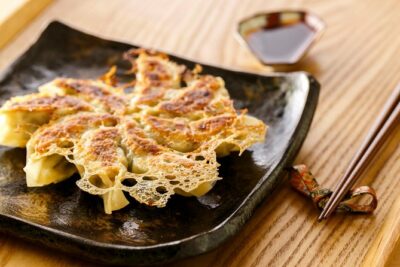
Ramen & Gyoza Cooking Class in Tokyo with Local Supermarket Visit
Read our review →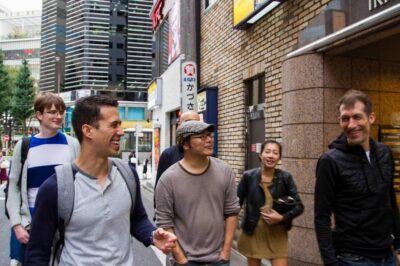

Easy Ramen Cooking Experience in Kabukicho, Shinjuku
Read our review →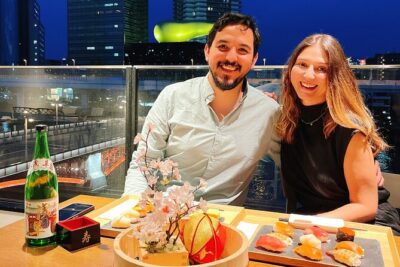
Ramen and Sushi Cooking Class with Sake Pairing Set in Tokyo
Read our review →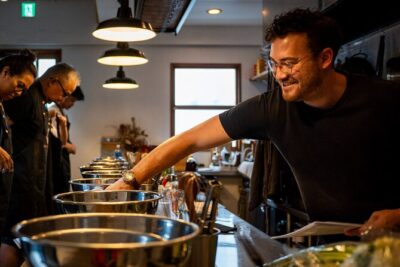
Professional Ramen & Gyoza with Ramen Chef in a restaurant!
Read our review →
Ramen Dojo Tokyo | Make All 3 (Tonkotsu/Shoyu/Miso)
Read our review →Ramen Dojo Tokyo | Make All 3 (Tonkotsu/Shoyu/Miso)
Read our review →Browse the lists this tour appears in