
Reviewed · TOKYO SUSHI MAKING CLASSES
Make Sushi and Create Unforgettable Memories in Tokyo
Making sushi near Tokyo’s Sensoji Temple gives you more than a meal. You learn to shape nigiri, roll maki, and prepare other Japanese styles with English-speaking instructors who keep the class friendly and practical. Rino, Ken, Yuto, Momo, and other instructors have earned praise for their warmth and clear guidance.
I like two things especially: you eat the sushi you make, and the class explains some of the story behind each style instead of treating cooking as a simple craft project. The generous portions can also turn this 100-minute activity into a filling lunch.
The main consideration is the group size. The class can hold up to 30 people, and some sessions feel busy, even though the larger group is divided into smaller working sections. It is a fun introduction, not an advanced sushi apprenticeship.
Key points at a glance
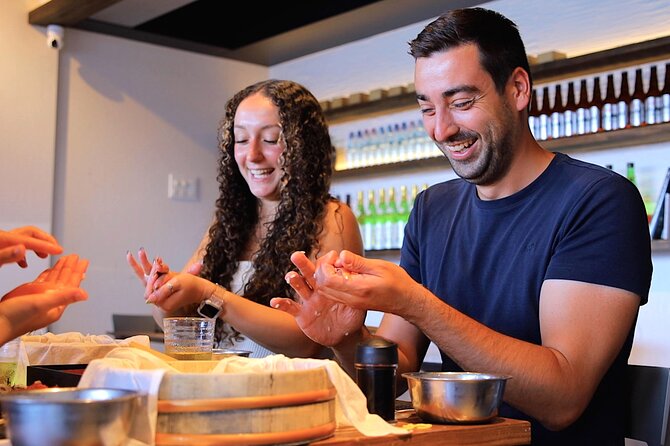
- Make several sushi styles: Prepare maki, nigiri, hand rolls, and, in some sessions, cute temari sushi.
- English instruction: Friendly teachers explain each step in English and add sushi facts and cultural context.
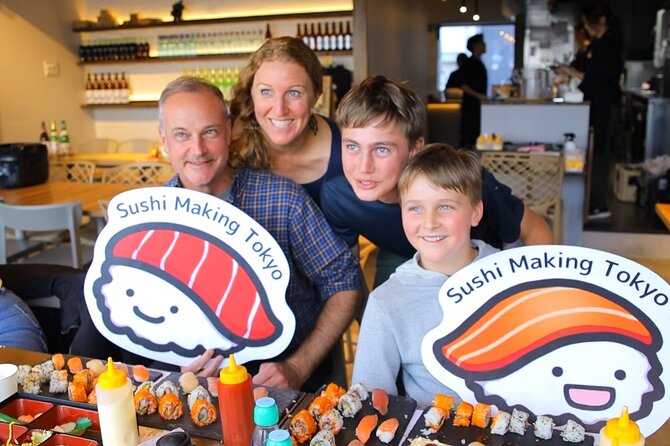
- A generous meal: One class report describes eight pieces of maki and eight pieces of nigiri per person.
- Excellent Asakusa location: The meeting point is at 2-chōme-17-9 Kaminarimon, just steps from Sensoji Temple.
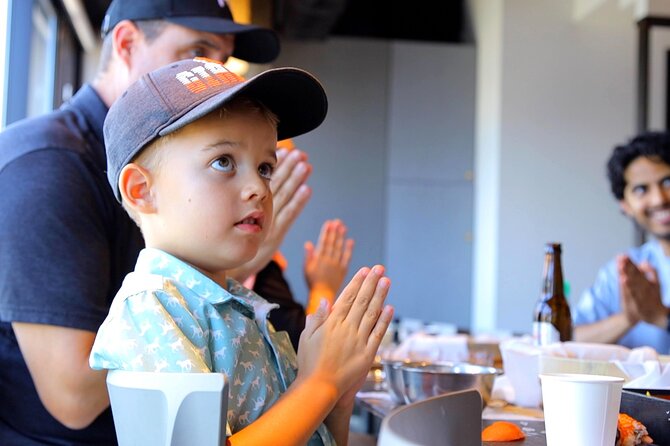
- Good for mixed ages: Children, teens, solo visitors, couples, and families can all take part without cooking experience.
- Plan for a lively class: The maximum group size is 30, so instruction may feel less personal at peak times.
Why this Asakusa sushi class works so well
Sushi Making Tokyo places its class in one of the best areas for pairing food with sightseeing. You meet at 2-chōme-17-9 Kaminarimon in Taito City, close to Sensoji Temple and the Kaminarimon gate area. That makes the activity easy to fit into a morning or afternoon in Asakusa.
The location matters because Asakusa gives the class a useful setting. You are not simply making sushi in an anonymous cooking studio and then leaving a modern business district. You can walk through one of Tokyo’s oldest sightseeing areas before or after the lesson, giving the food a stronger connection to place.
The activity itself lasts about one hour and 40 minutes. That is long enough to learn several techniques without taking over your day. I would place it between a temple visit and another Asakusa stop, or use it as a relaxed lunch plan when you want a break from sightseeing.
More Tokyo sushi making classes:
- Sushi Making Tokyo Roll and Authentic Japanese Sushi Class
★ 5.0 · 3,971 reviews - Tokyo: Roll and Authentic Sushi Making Class in Asakusa
★ 4.9 · 1,957 reviews - Tokyo: Sushi Making Class in a Happi Coat near a Famous Spot
★ 4.9 · 1,377 reviews
What you actually make during the 100-minute lesson
The lesson covers both rolled sushi and nigiri. These look simple when made by a professional, but the class shows you why rice texture, pressure, shape, and timing matter.
Maki gives you an approachable starting point. You work with prepared ingredients and learn how to place them, roll them, and cut the finished piece. The setup is organized to keep the class moving, so you spend your time making sushi rather than waiting for every ingredient to be prepared from scratch.
Nigiri is trickier. You shape rice by hand and place fish or another topping on it. One useful feature of the lesson is that the teachers break the process into small steps. That helps you understand why a neat-looking piece of nigiri takes more control than it first appears.
Hand rolls add another style to the session, while temari sushi brings a decorative touch. Temari pieces are rounded, compact, and visually appealing. They are also a good choice for children and anyone who enjoys the creative side of cooking.
The portions appear generous. One detailed account describes eight pieces of maki and eight pieces of nigiri per person. Exact preparation can vary by session, but you should expect to eat what you make, not just sample one or two pieces.
English instruction and the teachers’ approach
The class is designed for international visitors, and English is used throughout. Instructors explain the method step by step, demonstrate the hand movements, and help when your rice or roll refuses to cooperate.
Names praised in the class include Rino, Ken, Yuto, Momo, Yui, Ayu, Kento, Matti, Sato, Madoka, Yusuke, Yuhi, Emi, and Mikoki. The exact teaching team may change, but the consistent theme is a warm, energetic approach. The instructors add jokes, answer questions, and keep the room relaxed.
The lesson also includes sushi background and trivia. You learn about the origins of different types, rather than copying shapes without context. That small amount of cultural explanation gives the activity more value than a standard food demonstration.
Instruction is not identical in every session. One person found a teacher spoke a little fast, and another felt the group needed clearer directions. That is worth knowing if you want a highly technical cooking class. The format favors fun, participation, and success for beginners over detailed chef-level theory.
The food, substitutions, and dietary needs
The ingredients are included in the price, and the fish is described as fresh and good quality. The class uses a selection of traditional Japanese-style ingredients, with enough variety to make the finished plate interesting.
You do not need to eat raw fish to enjoy the activity. Some families appreciated having cooked or non-raw options, and children were able to make sushi they liked. That makes this a practical choice for a group with different comfort levels.
Dietary requests may be accommodated, but you should communicate them clearly before or at booking. A shellfish allergy and a gluten-free requirement were handled with substitutions in the examples provided. The gluten-free option was arranged for a child, and the replacement maintained a similar portion.
Do not treat this as a promise that every dietary concern can be handled automatically. The supplied information confirms successful help with shellfish and gluten-free needs, but it does not list every allergen or guarantee every substitution. If food safety is critical, contact the provider before booking.
Drinks are not listed among the included items. Sake is available for an additional charge, and one useful language tip came up in the class: set can mean a combo meal in Japan. If you order a sake set, check what it includes and remember that it is intended for adults.
A completely different kind of day in Tokyo:
- Mt Fuji and Hakone 1-Day Bus Tour Return by Bullet Train
★ 5.0 · 26,383 reviews - 1-Day Tokyo Bus Tour
★ 5.0 · 14,250 reviews - Tokyo: teamLab Planets TOKYO Digital Art Museum Entry Ticket
★ 4.6 · 9,779 reviews - Mt Fuji & Hakone Cruise, Drum Show Bullet Train 1 Day from Tokyo
★ 4.0 · 7,413 reviews
The group size and the feel of the room
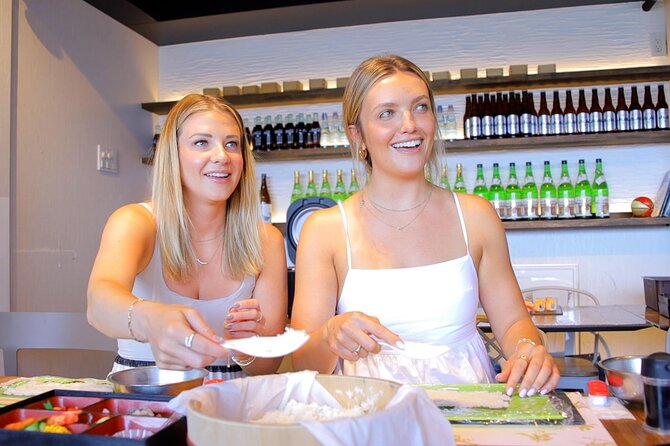
The activity accepts solo visitors, couples, and larger family groups. The stated maximum is 30 people. That is a manageable size for a cooking class, but it is not an intimate private lesson.
Some sessions divide the larger group into smaller sections, which helps instructors move around and assist with the techniques. Still, you should expect a social room with several people working at once. If you want uninterrupted one-to-one coaching, this may not be the right format.
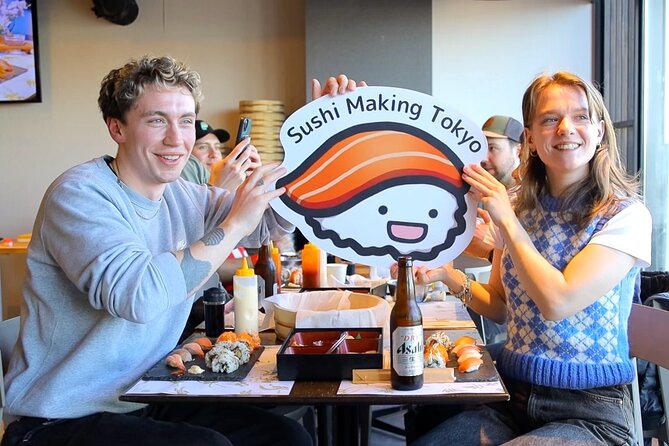
The upside is energy. You are making food alongside other people, and the shared task gives solo visitors an easy way to feel included. A solo participant described feeling welcome, while families with children and teens found the instructions accessible.
For families, the format has a clear advantage: the cooking is hands-on but not too demanding. Children around 10 to 13 have been able to follow the process, and teens particularly enjoyed the friendly teachers and visual presentation.
How the experience fits into a day in Asakusa
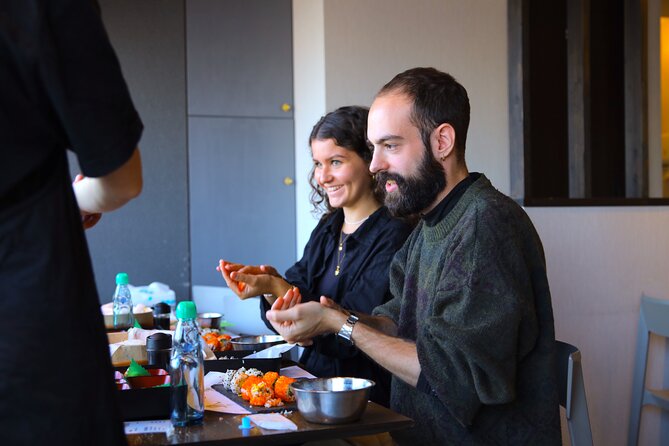
The meeting point is near Sensoji Temple, so allow time to reach the Kaminarimon area before the start. The activity ends back at the same meeting point, with no hotel pickup or drop-off.
That fixed start and end point make planning simple. You can visit Sensoji before the class, eat the sushi you prepare, and then continue around Asakusa afterward. Or reverse the order and use the class as a late-morning or early-afternoon meal.
The 100-minute length is another strength. It is substantial enough to feel like a real activity, but short enough to leave room for temples, shopping, and other Tokyo plans. I would avoid scheduling a timed attraction immediately afterward, since the class can be lively and the end time is approximate.
A mobile ticket is included, which is convenient when you are moving around Tokyo with a phone rather than carrying printed documents. Confirmation is provided at booking.
Is $79.59 a fair price?
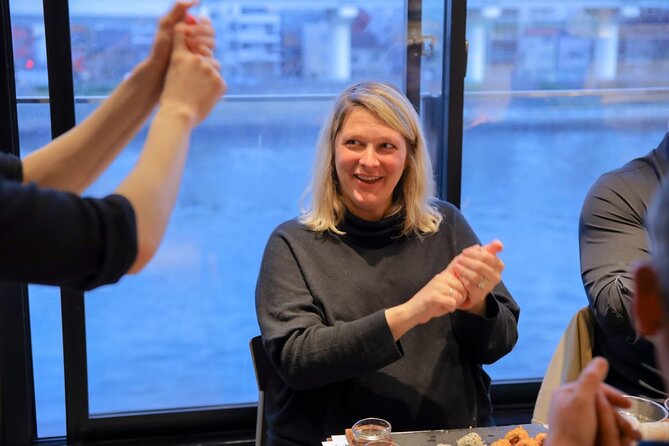
At $79.59 per person, this is not the cheapest meal you will find in Tokyo. You can eat excellent sushi for less, especially at a neighborhood counter or casual restaurant.
The value comes from the combination of food and instruction. You receive an English-speaking teacher, all class ingredients, hands-on practice, cultural explanation, and a meal made by you. The reported portion of eight maki and eight nigiri is substantial enough that you may not need another full lunch afterward.
I see the price as reasonable if you want an activity rather than simply a plate of sushi. It is also useful early in a Japan trip because you can take the techniques home. One person who already owned a sushi-making kit left with more confidence about how to use it.
The calculation changes if you are seeking professional culinary training. The class is built for beginners and general enjoyment. You will learn useful basics, but you should not expect knife-school precision, a chef’s certification, or an advanced look at fish preparation.
What the strongest praise gets right
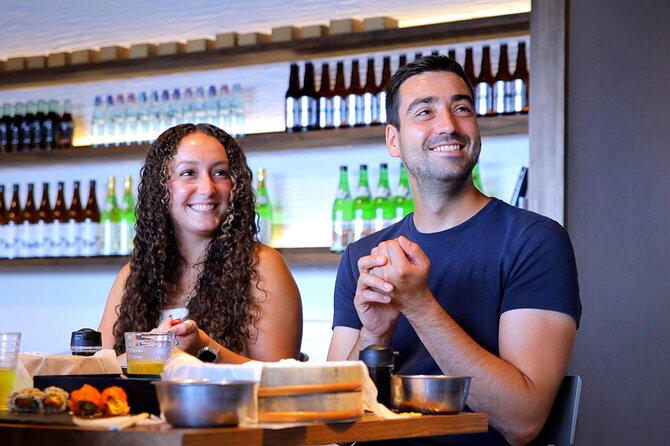
The most consistent strength is the staff. The teachers are repeatedly described as friendly, patient, funny, and encouraging. That matters because sushi-making can feel awkward at first. A good instructor keeps a misshapen roll from becoming a frustrating one.
The second major strength is the food. Fresh ingredients, traditional styles, generous portions, and the chance to eat your own work give the class a satisfying finish. You are not making a decorative object that gets discarded.
The third is the broad appeal. Solo visitors feel included, couples can work together, and families can choose non-raw options. The activity also gives teens a job to do, which is often more effective than asking them to admire another temple from a respectful distance.
The fourth is the balance of education and entertainment. The sushi background is not presented as a long lecture. You get enough context to understand what you are preparing, then return to the practical work.
The limitations you should weigh first
The class is not perfect for everyone. A 30-person maximum can make the room feel crowded, especially if the session fills. The smaller working sections help, but the experience may not feel fully personal.
Instruction can also vary with the teacher and the pace of the room. One person found the speaking speed slightly quick, while another wanted clearer directions. If you need very slow demonstrations, tell the instructor and ask for help as you work.
The class is also more about making and eating than mastering advanced technique. A critical assessment found it better suited to families and beginners than to someone seeking a serious master class. I think that is a fair distinction.
Finally, beverages such as sake cost extra. The core booking includes the instructor, ingredients, and meal, but not hotel transport or every optional drink.
Who should book this experience
I would recommend it to first-time visitors who want a hands-on way to connect with Japanese food culture. It is especially good for:
- Families with children or teens
- Solo visitors who want an easy social activity
- Couples looking for a shared meal with a practical twist
- People who enjoy Japanese food but have never made sushi
- Anyone staying near Asakusa
- Visitors who want English instruction and a central meeting point
I would be more cautious if you are already an experienced sushi chef or want a quiet, highly technical lesson. The class is built around participation, humor, generous food, and approachable instruction.
Practical booking advice
Book with the 24-hour cancellation rule in mind. You can receive a full refund if you cancel at least 24 hours before the local start time. Changes or cancellations inside that window are not accepted for a refund.
Service animals are allowed, and the meeting point is near public transportation. The activity needs a minimum number of participants, so a cancellation by the provider can result in another date or experience, or a full refund.
Wear something that lets you work comfortably and arrive ready to follow instructions at a steady pace. If you have an allergy or dietary restriction, raise it before the class rather than waiting until ingredients are served.
Should you book Sushi Making Tokyo?
Book it if you want a cheerful, practical introduction to sushi with a meal at the end. The best parts are the warm English-speaking instructors, the strong location near Sensoji, the generous portions, and the fact that children, solo visitors, and beginners can all take part.
Skip it if you want a private lesson or advanced chef training. For most people, though, the $79.59 price buys more than dinner. It buys a shared activity, a few new skills, and a useful story to take home from Asakusa.
FAQ
Where does the sushi-making class meet?
It meets at 2-chōme-17-9 Kaminarimon, Taito City, Tokyo 111-0034, Japan, near Sensoji Temple in Asakusa.
How long does the activity last?
The class lasts approximately one hour and 40 minutes.
Is the class taught in English?
Yes. An English-speaking instructor guides you through the sushi-making steps and explains sushi-related history and trivia.
Do I need cooking experience?
No. The class is designed for beginners, and no previous cooking experience is required.
What types of sushi can I make?
The class includes sushi rolls and nigiri. Depending on the session, you may also prepare hand rolls and temari sushi.
Is food included?
Yes. The cooking-class ingredients and the sushi meal you make are included.
Are hotel transfers included?
No. Hotel pickup and drop-off are not included. The activity begins and ends at the listed meeting point.
Can I cancel for a full refund?
Yes, if you cancel at least 24 hours before the experience start time. Cancellations or changes made less than 24 hours ahead are not refunded.
Newly reviewed around Tokyo
- Tokyo Asakusa:Calligraphy & Make T-shirt Activity★ 5.0 · 62 reviews
- Intercity Shuttle, Tokyo to Haneda /Narita /Yokohama /Makuhari★ 5.0 · 5 reviews
- 1 Hour Travel around Tokyo with a Professional Photographer★ 5.0 · 3 reviews
- Travel Tokyo with Your Own Personal Photographer★ 5.0 · 43 reviews
- Train in Samurai Swordsmanship and Defeat the Demon in Tokyo★ 5.0 · 5 reviews
- Shuttle Van 6hr Tokyo Tour to-and-from Tokyo, Yokohama and Narita★ 5.0 · 9 reviews
- Kickboxing & Body Training with EX-Pro Fighter★ 5.0 · 4 reviews
- Traditional Japanese Knife Sharpening Class★ 5.0 · 18 reviews
Tokyo Sushi Making Classes, compared.
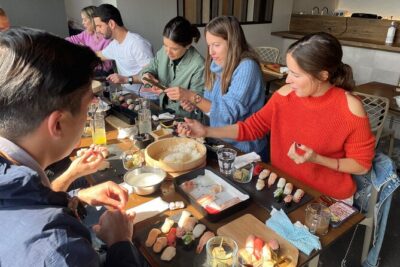
Sushi Making Tokyo Roll and Authentic Japanese Sushi Class
Read our review →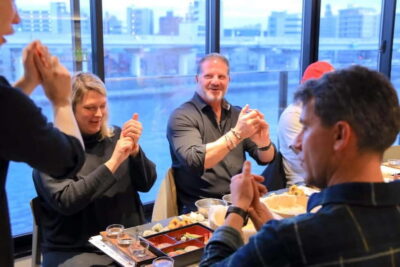
Roll and Authentic Sushi Making Class in Asakusa
Read our review →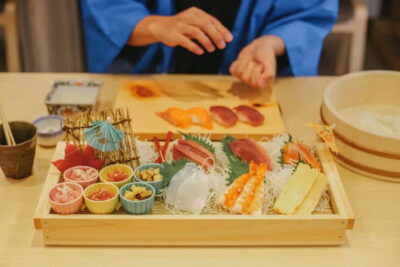
Sushi Making Class in a Happi Coat near a Famous Spot
Read our review →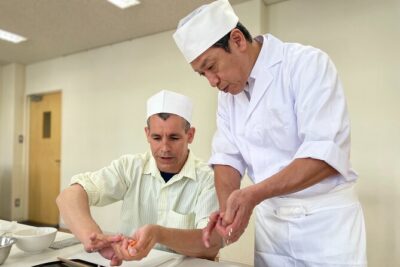
Tokyo Sushi Making Class in Tsukiji with Professional Chef
Read our review →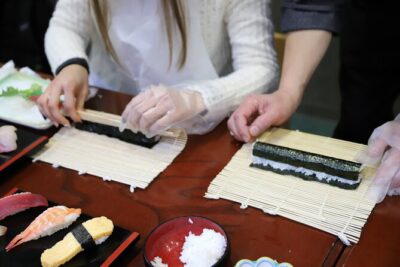
Tsukiji Fish Market Guided Tour and Sushi Making with Pro Chef
Read our review →
Tsukiji Fish Market Sushi Making Class with Pro Chef
Read our review →
Tokyo Tsukiji Fish Market Tour and Sushi Making Lesson
Read our review →Browse the lists this tour appears in