
Reviewed · TOKYO TEA CEREMONY EXPERIENCES
Matcha Making Class in Tokyo with Authentic Japanese Sweets Set
Asakusa gives this short class a fine setting: you learn to make matcha in one of Tokyo’s oldest-feeling neighborhoods, then drink it with Japanese sweets. The hands-on whisking is the main event, not a demonstration from across the room. I also like the clear English instruction and the chance to ask questions as you go. The possible drawback is simple: at about one hour, this is an introduction, not a full formal tea ceremony.
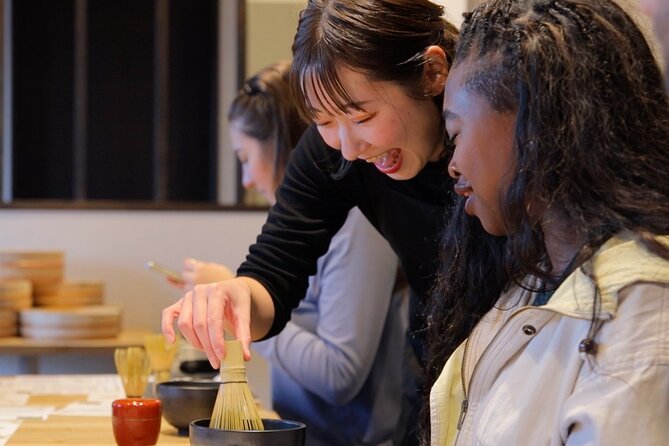
I especially like two details. First, the hosts explain how matcha differs from ordinary green tea and how to spot better powder. Second, the class can feel personal, with instructors such as Shuri, Rino, Hiya, and Nama helping beginners one step at a time. The relaxed tone works well for families, though a group of up to 30 may feel less intimate than a very small private lesson.
Key points at a glance
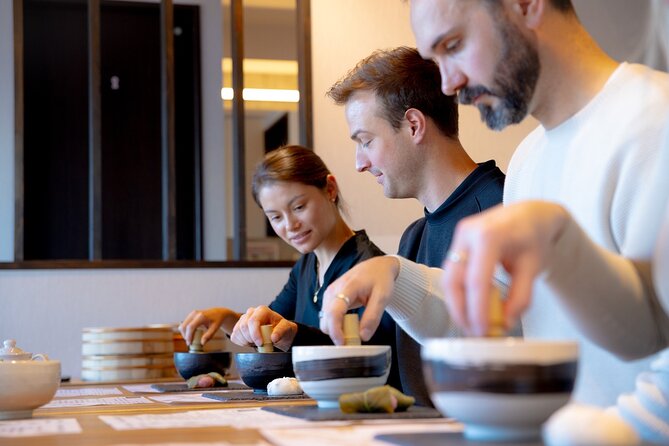
- Whisk your own matcha: You prepare the tea yourself with traditional tools, with guidance from the instructor.
- Learn more than a recipe: The class covers matcha’s origins, cultivation, history, quality, and place in Japanese culture.
- Pair tea with seasonal sweets: Your matcha comes with Japanese confectionery designed to balance its earthy taste.
- A relaxed alternative to a formal tea ceremony: You sit and learn without needing prior experience or perfect manners.
- Convenient Asakusa location: The meeting point is at 2-chōme-17-9 Kaminarimon, near public transportation and the Sumida River area.
- Good value for a short activity: At $21.89 per person, you get a guided cultural lesson, hands-on practice, tea, and sweets in roughly an hour.
What the one-hour matcha class actually involves
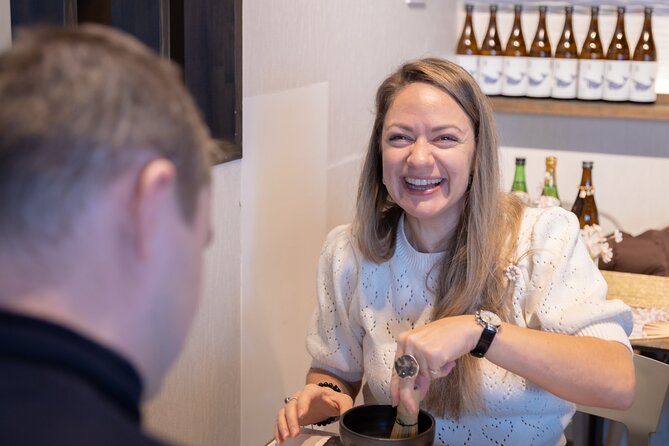
This experience is built around a simple idea: learn about matcha, make it yourself, then enjoy the result. That sounds modest, but it gives you more than a quick cup of tea. You leave knowing what the powder is, how it is prepared, and why the whisking matters.
The session begins with an introduction to matcha and its place in Japanese food culture. The instructor explains the difference between matcha and regular green tea leaves, along with how matcha is grown and what separates higher-quality powder from ordinary options. An iPad may be used to show images during this part, which helps make the explanation easy to follow.
I like this opening because it gives the drink some context before you taste it. Matcha is not simply green tea served in a smaller bowl. The leaves are processed into a fine powder, and you consume the tea itself rather than steeping and removing the leaves. That helps explain the strong color, thick texture, and sometimes bitter flavor.
The hosts keep the lesson accessible. You do not need to know Japanese tea etiquette, and you do not need previous tea ceremony experience. The teaching style is described as friendly, modern, and interactive, rather than solemn or stiff.
More Tokyo tea ceremonies:
- Tokyo: Traditional Tea Ceremony with a Tea Master
★ 5.0 · 528 reviews - Dynamic Tokyo: Tokyo Tower, Tea Experience, Bay Cruise Day Tour
★ 4.5 · 521 reviews - Tokyo: Matcha Making Experience with Mochi Sweets in Asakusa
★ 4.9 · 388 reviews
Learning from Shuri, Rino, Hiya, and Nama
The host can vary, but several instructors have been praised by name, including Shuri, Rino, Hiya, and Nama. Each appears to bring a warm, engaging approach, with plenty of room for questions and individual help.
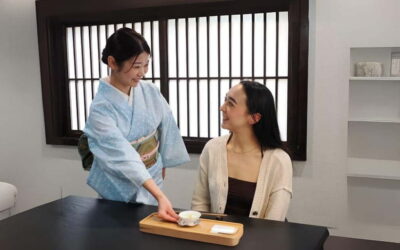
Shuri is noted for patient instruction, strong English, and an ability to create a comfortable social setting. Rino is associated with an interactive class that explains matcha’s origins and the workings of a tea ceremony in a lively way. Hiya has explained how to identify good matcha and helped with family photos. Nama has been described as an engaging leader who makes the lesson both educational and fun.
That personal help matters once you begin whisking. The first attempt can feel awkward. You hold the bamboo whisk, add the water, and try to create the right foam without splashing or simply stirring in circles. The instructor can correct your hand movement and show you how to work the whisk quickly across the surface.
You are not being tested. The point is to understand the motion and gain confidence. By the end, you should have a practical method you can try at home, assuming you later find the proper matcha, bowl, whisk, and scoop.
The whisking lesson is the heart of the experience
The most valuable part of this class is the change from watching to doing. You use traditional tools and prepare your own cup rather than receiving a finished drink from the host.
The instructor takes you through the process step by step. You learn how the powder is measured, how water is added, and how the whisk is used to blend the tea. You also learn that preparation affects the final taste. A poorly mixed cup can be lumpy or harsh, while a properly whisked cup has a smoother texture and a light layer of foam.
The activity does not promise that you will become a tea master in sixty minutes, and it should not. What you get is a useful foundation, along with the satisfaction of making a drink that can look more complicated than it really is.
This practical focus makes the class a good choice for people who enjoy cooking lessons, craft workshops, and small cultural activities. It also gives children something to do. The traditional whisk is easy to handle with supervision, and the process feels more like making something than sitting through a lecture.
Matcha and Japanese sweets make a better pairing
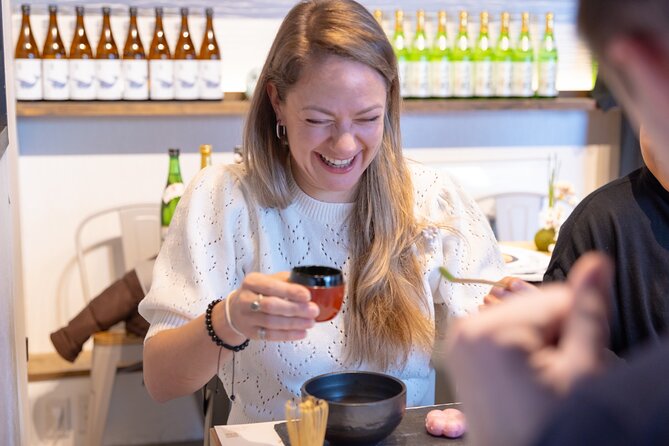
After preparing the tea, you enjoy it with a set of traditional Japanese sweets. The exact selection is seasonal, so the sweets may change with the time of year.
This pairing is not just a decorative extra. Japanese confectionery is often made with sweetness in mind, and that sweetness can soften matcha’s grassy, earthy edge. The balance makes the tea easier to appreciate, especially if your first taste of straight matcha is stronger than expected.
Some people expect matcha to taste like a sweet café latte. This class presents a more traditional preparation, so the flavor can be fresh, vegetal, and slightly bitter. The sweets give you a useful way to understand how matcha is served in Japan.
The experience also includes time to enjoy the cup rather than rushing straight out after the lesson. That quiet pause is part of the appeal. You have made the tea, tasted it, and can ask follow-up questions while the process is still fresh.
More Tokyo cooking classes:
- Tokyo: Roll and Authentic Sushi Making Class in Asakusa
★ 4.9 · 1,957 reviews - Tokyo Shinjuku Chopsticks Making Class
★ 5.0 · 1,763 reviews - Tokyo: Sushi Making Class in a Happi Coat near a Famous Spot
★ 4.9 · 1,377 reviews - Tokyo Sushi Making Class in Tsukiji with Professional Chef
★ 5.0 · 1,177 reviews
A traditional setting without the strict ceremony
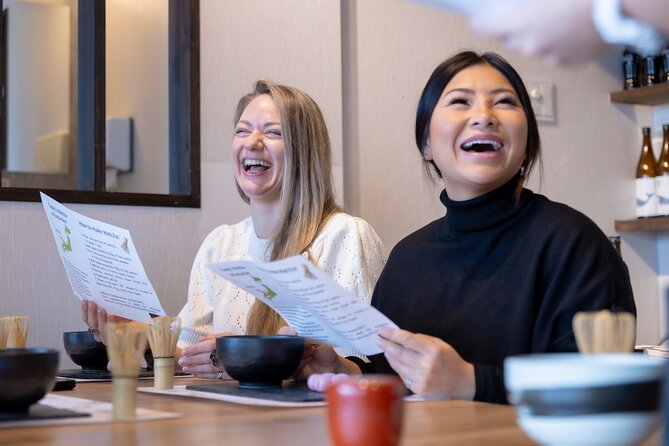
The class takes place at Matcha Making Tokyo, 2-chōme-17-9 Kaminarimon in Taito City. It is in Asakusa, an area known for its temples, old-style streets, river views, and long connection with traditional Tokyo.
The class setting can include a cozy café and an upstairs nook where you sit on the floor in a traditional style. That arrangement adds atmosphere, though it may not suit every visitor. If sitting on the floor is uncomfortable for you, check the setup before booking because the supplied information does not promise a particular seating arrangement for every session.
I see this as a useful middle ground. You get elements of a Japanese tea setting without the formality of a full tea ceremony. There is no need to memorize gestures, understand every rule, or worry about making a mistake in front of a specialist.
The location may also offer a view toward the river, adding a pleasant visual break to the class. The meeting point is near public transportation, and the experience ends at the same place. That makes it easy to combine with other Asakusa sightseeing before or after the lesson.
Why the relaxed format works for families
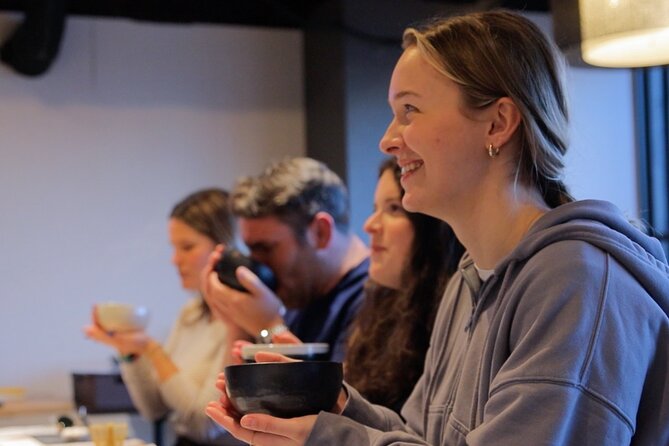
This class is especially suitable for families with children who can manage a short seated activity. The interactive format keeps the lesson moving, and the chance to whisk tea gives younger participants a clear role.
The instructors make an effort to include everyone, including children. That does not mean every child will be captivated for the full hour, but the session is far more active than simply listening to a talk about tea.
I would also recommend it for first-time visitors who want a cultural activity without committing half a day. One hour is long enough to learn and taste, but short enough to fit around a temple visit, lunch, or an afternoon walk through Asakusa.
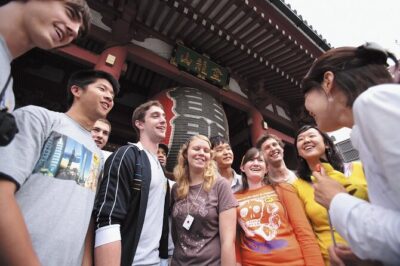
Couples, solo visitors, and small groups can enjoy it as well. The class encourages conversation, and hosts may help take photos, giving you a record of the experience without having to ask another visitor.
Group size, personal attention, and the main tradeoff
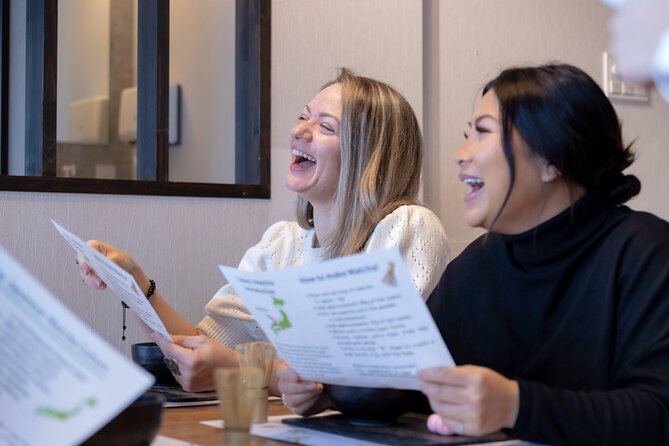
The maximum group size is 30 people. That is a fairly broad limit for a hands-on class, and the feel may depend on how many people attend your particular time slot.
Small sessions can be especially pleasant. One reported class had only three participants, which allowed plenty of attention and a quiet atmosphere. At busier times, you may share the space with more people, and the instructor’s attention will naturally be divided.
The business also offers sushi classes at the same location. If another class is running at the same time, the room may feel more active and less quiet. The matcha activity itself remains short and focused, but you should not expect a secluded private tea room every time.
That is the honest tradeoff. You pay for a friendly, accessible introduction, not an exclusive ceremony. For most people, the social setting is part of the fun. If you want silence, ritual precision, and one-on-one instruction throughout, a private tea ceremony would be a better fit.
Is $21.89 good value in Tokyo?
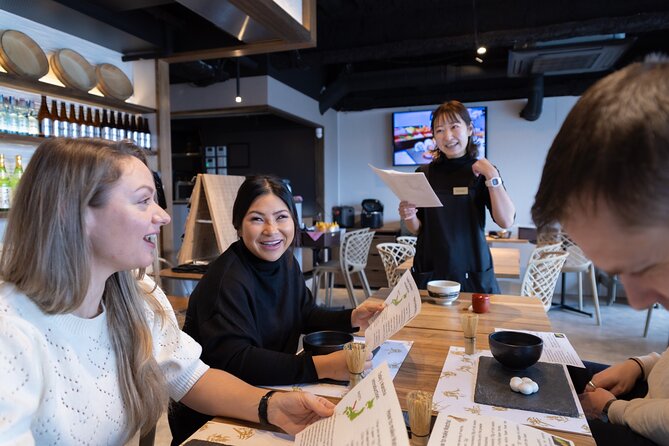
At $21.89 per person, this is good value for a one-hour activity if you want more than a beverage. The price includes an English-speaking instructor, matcha, traditional Japanese sweets, cultural explanation, hands-on preparation, and a chance to take photos.
You are also paying for the setting and the teaching. A café drink alone would cost less, but it would not show you how the tea is made or explain the difference between matcha and standard green tea. The class turns a small tasting into a practical cultural lesson.
The short duration helps the value. You do not need to rearrange a full day, and there is no hotel pickup or drop-off to inflate the cost. You make your own way to Asakusa and return to the meeting point after the activity.
I would consider it particularly worthwhile early in a Tokyo visit. You learn enough to recognize matcha preparation later in your trip, and the class gives you a calm break from sightseeing. It is also a useful rainy-day plan, provided you confirm the meeting details and arrive with enough time to find the location.
Practical details before you book
Confirmation is provided at booking, and the ticket is mobile, so you can keep the voucher on your phone. The class is near public transportation, but hotel pickup and drop-off are not included.
The start point is Matcha Making Tokyo, Cooking Class in Japan, at 2-chōme-17-9 Kaminarimon, Taito City, Tokyo 111-0034. The activity finishes at that same meeting point.
The experience allows service animals. The published group limit is 30 people, though the actual class may be much smaller. English instruction is included, making it a practical choice for international visitors.
Free cancellation is available up to 24 hours before the start time for a full refund. Cancellations or changes made less than 24 hours before the scheduled start are not accepted for a refund, and the cut-off follows local Tokyo time.
Who should book this matcha experience?
I would book this class if you want a short, hands-on introduction to Japanese tea culture. It suits first-time matcha drinkers, families, couples, solo visitors, and anyone who prefers an informal lesson over a highly controlled ceremony.
It is also a good choice if you want a Tokyo activity with a clear takeaway. You will not just remember the taste of the tea. You will know how the powder is prepared, how to whisk it, and why Japanese sweets are served alongside it.
I would think twice if you want a long, formal tea ceremony with a strict sequence of rituals. The class is intentionally relaxed and modern. Its strength is that it welcomes beginners, but that same accessibility means it will not provide the full depth or quiet formality of a specialist ceremony.
Should you book it?
Yes, if your Asakusa plans have room for one easy cultural activity. At $21.89, the class gives you personal instruction, a traditional tool-based activity, seasonal sweets, and a cup of matcha you prepare yourself.
The best reason to book is the balance. You learn something real without needing prior knowledge, expensive equipment, or half a day. Just keep the group limit and possible café activity in mind, and book a different experience if your priority is an exclusive or highly formal tea ceremony.
FAQ
How long does the matcha-making class last?
The experience lasts approximately one hour.
Where does the class meet?
It meets at Matcha Making Tokyo, Cooking Class in Japan, 2-chōme-17-9 Kaminarimon, Taito City, Tokyo 111-0034, Japan.
Where does the experience end?
The activity ends back at the meeting point.
Is an English-speaking instructor included?
Yes. An English-speaking instructor is included.
Are matcha and Japanese sweets included?
Yes. The experience includes matcha with Japanese sweets. The sweets are seasonal.
Do I need previous tea ceremony experience?
No. The class is designed for beginners, and no prior tea ceremony experience is required.
How many people can join the activity?
The maximum group size is 30 travelers. The actual class may be smaller.
Can I cancel for a full refund?
Yes, if you cancel at least 24 hours before the scheduled start time. Cancellations or changes made less than 24 hours before the start are not accepted for a refund.
More hands-on classes and workshops in Tokyo
- Sushi Making Tokyo Roll and Authentic Japanese Sushi Class
★ 5.0 · 3,971 reviews - Chopstick Making Workshop in Ginza
★ 4.8 · 1,366 reviews - Ramen & Gyoza Cooking Class in Tokyo with Local Supermarket Visit
★ 5.0 · 823 reviews - Tokyo: Samurai Sword & Archery Class from Samurai Descendant
★ 5.0 · 603 reviews
More Dessert Tours in Tokyo
- Make Traditional Nerikiri Sweets & Matcha experience in Shibuya
★ 5.0 · 130 reviews - Private Mochi Sweets Making class near Shibuya area
★ 5.0 · 93 reviews - Japanese Traditional Sweets making and Tea Ceremony
★ 4.7 · 50 reviews - Tokyo Local Food Tour: Noodles, Skewers, Dumplings, Sweets
★ 5.0 · 48 reviews
Newly reviewed around Tokyo
- Tokyo Asakusa:Calligraphy & Make T-shirt Activity★ 5.0 · 62 reviews
- Intercity Shuttle, Tokyo to Haneda /Narita /Yokohama /Makuhari★ 5.0 · 5 reviews
- 1 Hour Travel around Tokyo with a Professional Photographer★ 5.0 · 3 reviews
- Travel Tokyo with Your Own Personal Photographer★ 5.0 · 43 reviews
- Train in Samurai Swordsmanship and Defeat the Demon in Tokyo★ 5.0 · 5 reviews
- Shuttle Van 6hr Tokyo Tour to-and-from Tokyo, Yokohama and Narita★ 5.0 · 9 reviews
- Kickboxing & Body Training with EX-Pro Fighter★ 5.0 · 4 reviews
- Traditional Japanese Knife Sharpening Class★ 5.0 · 18 reviews
Tokyo Tea Ceremony Experiences, compared.
Dynamic Tokyo: Tokyo Tower, Tea Experience, Bay Cruise Day Tour
Read our review →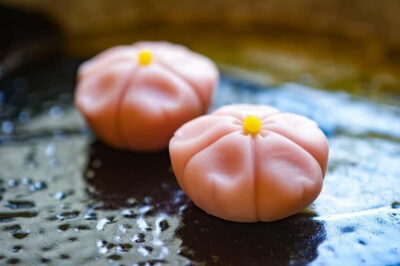
Matcha Making Experience with Mochi Sweets in Asakusa
Read our review →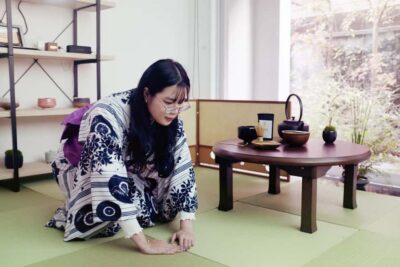
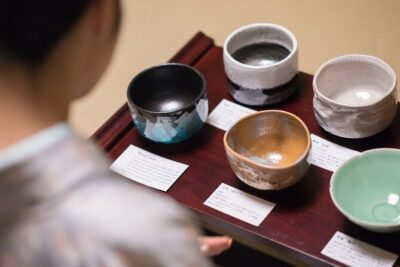
Tea Ceremony Workshop in Tokyo by the Experienced Instrucor
Read our review →
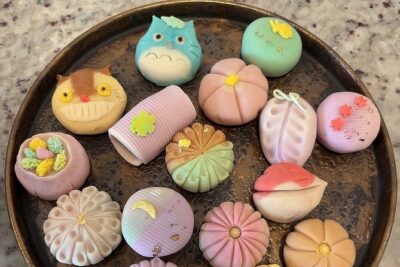
Make Traditional Nerikiri Sweets & Matcha experience in Shibuya
Read our review →Browse the lists this tour appears in