
Reviewed · TOKYO TEA CEREMONY EXPERIENCES
Asakusa: Kimono Tea Ceremony with Matcha and Sweet
The best part of this Asakusa experience is that you do not only watch a tea ceremony. You dress for the occasion, learn the meaning behind its quiet gestures, and prepare your own bowl of matcha. I like the broad kimono choice and the patient help with the obi, hairpiece, and photographs. I also like the clear English guidance, especially when hosts such as Mia, Wakana, Yoko, or Kyoko lead the session.
The main consideration is the calm pace and tatami seating. This is not a quick photo stop or a loud group show. You sit quietly, follow careful movements, and share the session with about 12 to 14 people, though some sessions may feel smaller. Children under seven cannot join, and bamboo chairs must be requested ahead of time.
Key points to know before booking
- Kimono dressing takes real time: Staff help you choose the kimono, obi, accessories, and, for women with long hair, a matching hairstyle.
- You make your own matcha: The tea master demonstrates the tools and method before you whisk a bowl yourself.
- Wagashi completes the lesson: Seasonal Japanese sweets are served with the tea and reflect the time of year.
- Photos are part of the fun: There is a small garden and indoor photo setup, with staff often helping solo visitors and couples.
- You may continue wearing the kimono: Several participants were able to go outside afterward for nearby sightseeing, depending on the arrangement.
- The setting stays peaceful: Expect tatami mats, quiet instructions, and a 90 minute cultural lesson rather than a fast-paced attraction.
Choosing a Kimono in Asakusa
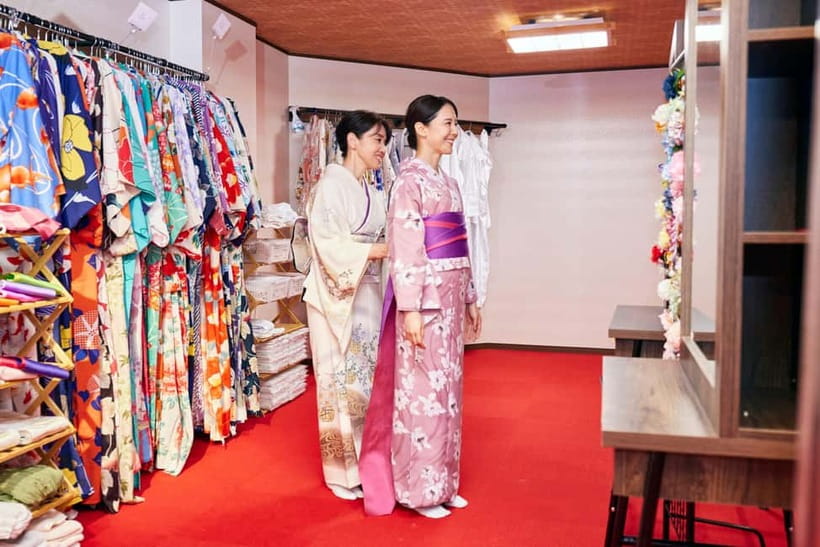
The experience begins with the part many people look forward to most: choosing a kimono. You select from seasonal colors and patterns, then work with the staff to match the obi, hairpiece, and other accessories. This is more than pulling on a costume. Traditional dressing involves several layers and careful tying, so the staff do the practical work while you decide how you want the final look to feel.
Give yourself a moment to consider color before you choose. One useful tip is to think about shades you already know suit you, since the range of options can make a quick decision harder. The staff help, but your own preference still matters. If you are booking as a couple, you may want to choose outfits separately and reveal the finished look to each other later. That can make the dressing stage feel like part of the occasion, not simply preparation.
The dressing team has been singled out for being friendly, quick, and attentive. Hair styling is included for women with long hair. It is not described as a full salon treatment, but the styling is designed to match the kimono and hairpiece. Short-haired visitors should not count on the same service, since the included hair arrangement applies to long hair.
The final outfit is one of the strongest reasons to choose this activity. You get a cultural lesson, but you also leave with photographs that show the details of the clothing. For solo visitors, staff have helped take pictures. For couples, they can assist with photos of both people. That small bit of help matters when you do not want to rely only on a selfie.
More Asakusa and Sensoji tours:
- Tokyo: Japanese Dance Cabaret Theater Asakusa-Kaguwa Ticket
★ 4.8 · 2,270 reviews - Tokyo: Meiji Shrine, Asakusa, Skytree Bus Tour and Cruise
★ 4.7 · 1,986 reviews - Tokyo: Roll and Authentic Sushi Making Class in Asakusa
★ 4.9 · 1,957 reviews
A Quiet Tea Room and the Four Principles
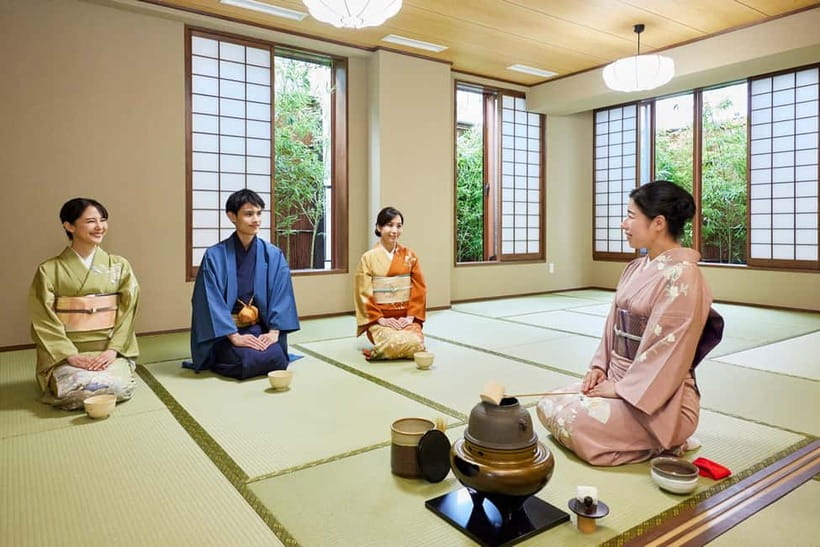
Once dressed, you move into a serene tea room for the ceremony. The mood changes here. The kimono selection is social and practical, while the tea portion asks you to slow down and pay attention.
The guide explains four ideas connected with the ceremony: Wa, or harmony; Kei, respect; Sei, purity; and Jaku, tranquility. These principles give the movements a purpose. Bowing, handling the bowl, preparing the tea, and observing the host are not random rules. They create a calm exchange between the person making the tea and the person receiving it.
English guidance is provided throughout, and the instructor language is English. The staff can adjust when needed. One host, Cat, switched between Japanese and English during a session after learning the language ability of the participants. The named hosts in the feedback include Mia, Wakana, Yoko, and Kyoko, each praised for a warm and informative approach. The exact host depends on the date, but the format remains focused on explanation rather than silent demonstration.
Keep your expectations realistic. In 90 minutes, you receive an introduction to tea ceremony, not a complete study of every school and regional variation. Still, the format works well for a first encounter because you see the ritual, hear why it matters, and then take part yourself.
Watching the Matcha Preparation
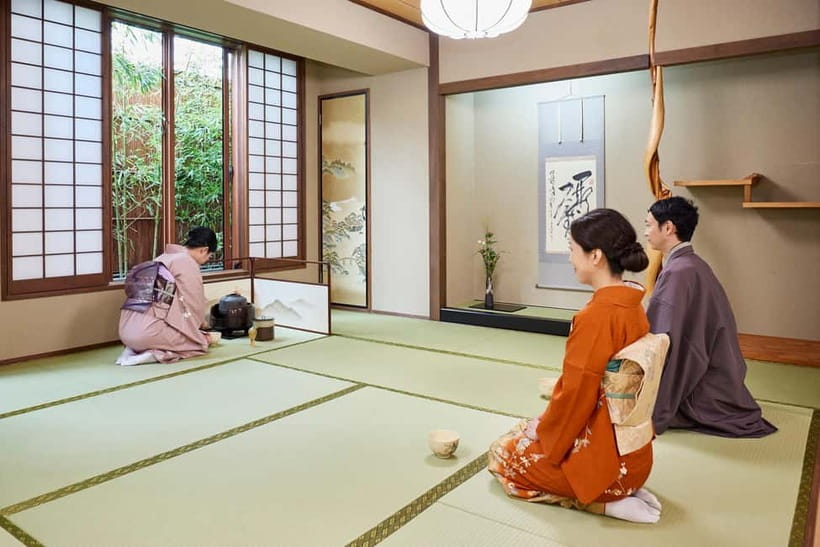
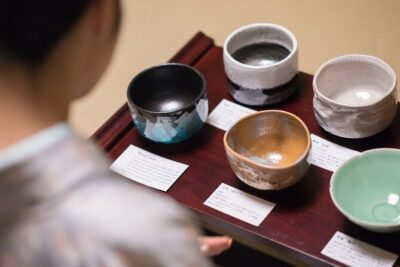
The tea master handles the tools with care, including utensils described as treasured artifacts. You watch the preparation before trying it yourself. This demonstration is valuable because it lets you notice the order of each action without also worrying about holding the whisk.
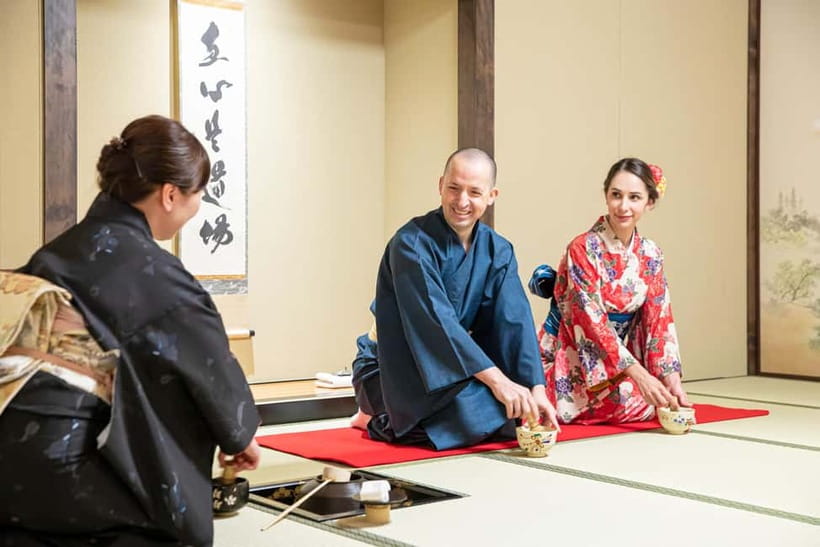
Then comes your turn. You prepare a bowl of matcha and whisk it into a frothy green tea. It is a simple hands-on step, but it changes the experience. Instead of treating the ceremony as a performance, you become part of the process.
The guide explains how to approach the tea and utensils with respect. Pay attention to the small instructions, since the point is not just to produce a drink. The motions show care, restraint, and attention to the person sharing the tea with you. You will also have the chance to taste the matcha immediately after making it.
The quiet atmosphere may suit you perfectly, especially after a busy day in Tokyo. If you prefer constant action, jokes, or a large historical presentation, this activity may feel slow. That is not a flaw in the ceremony, but it is an important match-your-mood issue.
Wagashi and the Seasonal Taste
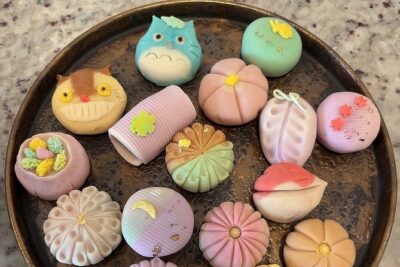
Your matcha comes with wagashi, traditional Japanese sweets that are selected to reflect the season. Their colors and shapes are part of the presentation, not just decoration. The sweetness also provides a useful balance to matcha, which can taste earthy or bitter if you are not used to it.
The exact sweet changes with the season, so there is a small element of surprise. The portions are a cultural tasting rather than a meal. The activity does not include lunch or dinner, and you should plan food separately if you will be hungry afterward.
A useful detail for anyone with dietary concerns is that one participant specifically found the sweets vegan-friendly. That does not guarantee every seasonal sweet will meet every dietary need, so you should not treat it as a promise for all dates. The safe conclusion is that plant-based options may be possible, but the supplied details do not confirm a standing vegan menu.
More Tokyo kimono experiences:
- Let’s make kimono !(Kimono is a gift for you
★ 5.0 · 252 reviews - Tokyo: Matcha and Kimono Experience
★ 4.7 · 219 reviews - Tokyo: Asakusa Kimono Dressing and Matcha Experience
★ 4.9 · 173 reviews - Matcha Kimono Tea Ceremony in Tokyo
★ 5.0 · 104 reviews
Photo Time in Kimono
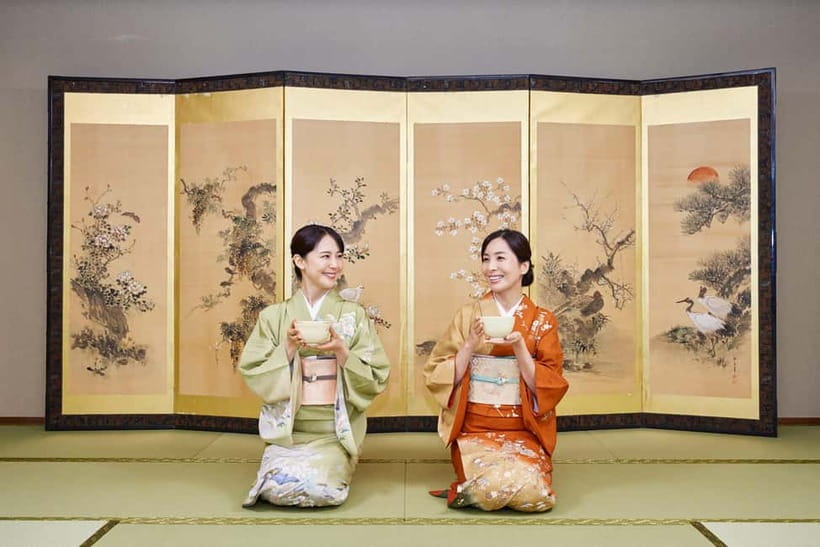
After the tea ceremony, you have time for photographs. The venue includes a small garden and indoor areas set up for kimono pictures. These spaces give you more variety than standing against a plain wall, and staff can help with the camera.
The photo time is not an afterthought. It lets you record the clothing details while the hairstyle and obi are still fresh. Solo visitors may find the staff assistance especially helpful. Couples can ask for pictures together, and the outfit reveal can become a memorable part of the day.
Several people have also been able to keep wearing the kimono for a while afterward and walk around nearby. Treat this as an arrangement to confirm rather than a guaranteed full-day rental, since the main activity details promise kimono rental but do not specify a universal return time. If you hope to visit Asakusa in the outfit, ask the staff about the exact conditions on your date.
Weather matters. One couple chose not to go outside because it was cold, despite seeing people wearing the kimono on the street. The clothing may look wonderful in photographs, but winter temperatures can make a longer walk uncomfortable.
What the $66 Price Includes
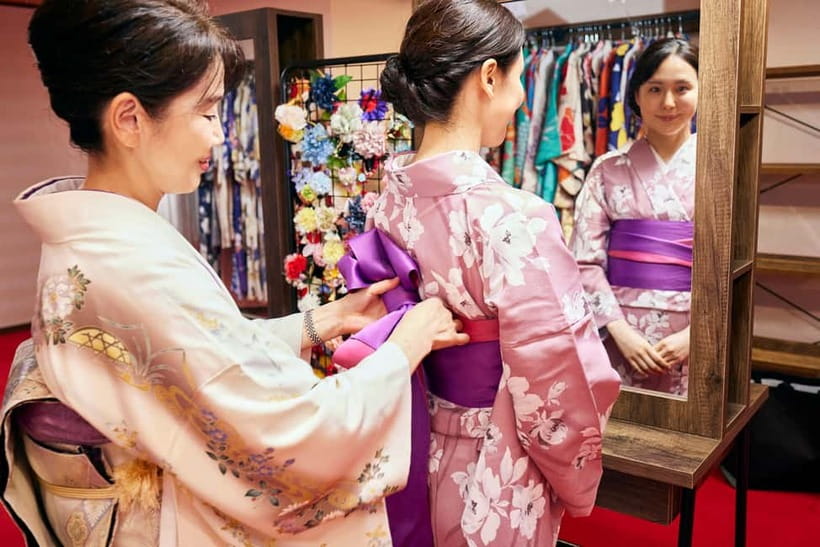
At $66 per person, this is priced above a basic tea tasting, but the value comes from the number of services bundled together. You receive a kimono rental, professional dressing, long-hair styling for women, the tea ceremony, matcha preparation, wagashi, English guidance, and photo opportunities.
The clothing is the major value difference. A tea demonstration alone would be shorter and less personal. Here, staff spend time helping you choose an outfit and dress properly before you enter the tea room. If you are already planning to rent a kimono in Asakusa, combining that plan with a cultural lesson can make the price easier to justify.
It is less useful if you only want a quick taste of matcha or a short photo session. You are paying for the full sequence: preparation, ceremony, participation, and pictures. Transport is not included, and no meal beyond the sweet is provided, so factor in the cost of reaching the venue and eating elsewhere.
The high rating of 4.9 from 153 submitted ratings fits the experience’s strengths: staff warmth, attractive kimono choices, clear teaching, and time for photographs. I would still focus on your own priorities. The score does not change the facts that seating is traditionally on tatami and the ceremony requires quiet attention.
Timing, Group Size, and Comfort
The complete session lasts about 90 minutes. That is long enough for dressing, tea instruction, matcha preparation, sweets, and photographs, but not so long that it consumes an entire Tokyo day.
The group size is generally about 12 to 14 people because the venue also accepts bookings made through other sites. Some sessions may feel more intimate, including one described as only two couples. You should therefore expect some variation. A smaller group gives you more personal attention, while a fuller session may feel less private during photographs.
Tatami seating is part of the traditional setting. If sitting on the floor is difficult, request a bamboo chair in advance. Do not wait until arrival, since chairs are available only upon prior request. Shoes are not allowed, so wear socks you are comfortable being seen in and expect to remove your footwear.
Children under seven are not permitted. Older children may still need to sit quietly and follow the ceremony, so think about temperament as well as age. This is a good fit for adults, couples, solo visitors, and older children who enjoy crafts, clothing, and calm cultural activities.
The experience is conducted in English. That makes it easier to follow the etiquette and the explanation of the four principles. It also means you can ask questions and understand what you are doing rather than simply copying the person beside you.
Who Will Enjoy This Experience Most
I would recommend this to you if you want a hands-on introduction to Japanese culture rather than another sightseeing stop. It suits first-time visitors who want context, returning visitors who missed a tea ceremony on an earlier trip, and anyone who enjoys clothing, food presentation, and photography.
It is especially strong for couples. The dressing process, outfit reveal, shared tea, and photographs create a natural sequence for a special day. Solo visitors also have a good reason to book, since staff have taken pictures and helped create keepsakes for people attending alone.
This is not the right pick if you dislike floor seating, cannot remove shoes, or want a lively meal-based activity. The sweets are small, the room is quiet, and the group may include up to 14 people. You should also avoid booking for a child under seven, since the age restriction is firm.
Free cancellation is available up to 24 hours before the activity for a full refund, and you can reserve now and pay later. Those terms help if your Tokyo plans are still changing, but they do not replace checking the available start time before you book.
Should You Book the Asakusa Kimono Tea Ceremony?
Book it if you want three things in one outing: a properly styled kimono, a clear introduction to tea ceremony, and attractive photos to take home. The staff support is a major part of the value, and the chance to whisk your own matcha makes the lesson more personal than a demonstration alone.
Think twice if you want a private ceremony, a full meal, or a long cultural lecture. The group can reach 12 to 14 people, the sweets are only a light tasting, and the session lasts 90 minutes.
For most visitors who want a gentle, well-organized cultural activity in Tokyo, the $66 price is fair. Request a bamboo chair early if needed, check whether you can keep the kimono for nearby sightseeing, and leave enough room in your schedule for photographs. Those small choices will help you get the most from the experience.
FAQ
How long does the kimono tea ceremony last?
The full experience lasts approximately 90 minutes.
How much does the experience cost?
The listed price is $66 per person.
Is English guidance provided?
Yes. The instructor and staff provide full English guidance throughout the activity.
What is included in the price?
The price includes the tea ceremony, kimono rental and professional dressing, hair styling for women with long hair, matcha preparation, seasonal wagashi, and English guidance.
Is food included?
Seasonal Japanese wagashi and matcha are included. Meals other than the Japanese sweets are not included.
Can I wear the kimono after the ceremony?
Some people have been able to wear the kimono for a while afterward and visit nearby areas. Confirm the exact rental period with the staff for your session.
Are chairs available?
Bamboo chairs are available upon advance request. Otherwise, seating is on tatami mats.
Are children allowed to attend?
Children under seven years old are not permitted.
Do I need to remove my shoes?
Yes. Shoes are not allowed during the experience.
Can I cancel the booking?
You can cancel up to 24 hours in advance for a full refund. Reserve now and pay later is also available.
More Tokyo tea ceremonies
- Matcha Making Class in Tokyo with Authentic Japanese Sweets Set
★ 5.0 · 744 reviews - Tokyo: Traditional Tea Ceremony with a Tea Master
★ 5.0 · 528 reviews - Dynamic Tokyo: Tokyo Tower, Tea Experience, Bay Cruise Day Tour
★ 4.5 · 521 reviews - Tokyo: Matcha Making Experience with Mochi Sweets in Asakusa
★ 4.9 · 388 reviews
Newly reviewed around Tokyo
- Tokyo Asakusa:Calligraphy & Make T-shirt Activity★ 5.0 · 62 reviews
- Intercity Shuttle, Tokyo to Haneda /Narita /Yokohama /Makuhari★ 5.0 · 5 reviews
- 1 Hour Travel around Tokyo with a Professional Photographer★ 5.0 · 3 reviews
- Travel Tokyo with Your Own Personal Photographer★ 5.0 · 43 reviews
- Train in Samurai Swordsmanship and Defeat the Demon in Tokyo★ 5.0 · 5 reviews
- Shuttle Van 6hr Tokyo Tour to-and-from Tokyo, Yokohama and Narita★ 5.0 · 9 reviews
- Kickboxing & Body Training with EX-Pro Fighter★ 5.0 · 4 reviews
- Tokyo History: Sensoji Temple & Asakusa District Private Tour★ 5.0 · 28 reviews
Tokyo Tea Ceremony Experiences, compared.
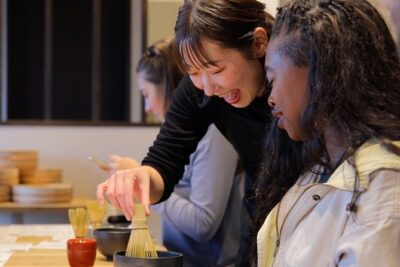
Matcha Making Class in Tokyo with Authentic Japanese Sweets Set
Read our review →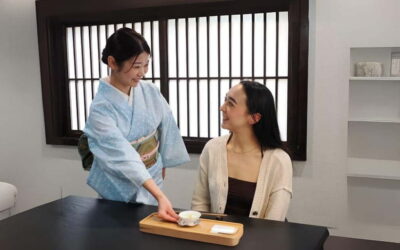
Dynamic Tokyo: Tokyo Tower, Tea Experience, Bay Cruise Day Tour
Read our review →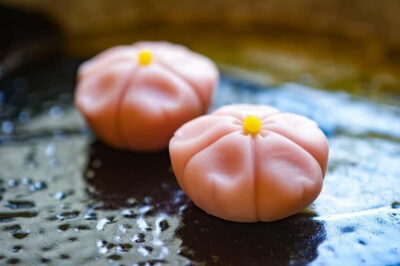
Matcha Making Experience with Mochi Sweets in Asakusa
Read our review →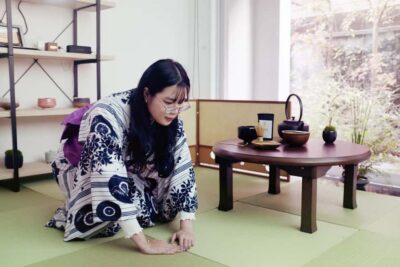
Tea Ceremony Workshop in Tokyo by the Experienced Instrucor
Read our review →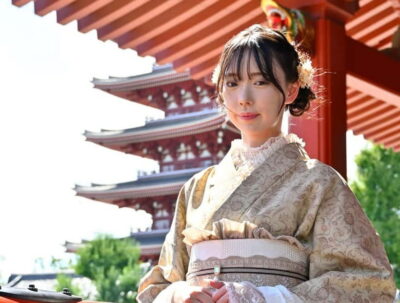
Make Traditional Nerikiri Sweets & Matcha experience in Shibuya
Read our review →Browse the lists this tour appears in