
Reviewed · TOKYO TEA CEREMONY EXPERIENCES
Matcha Kimono Tea Ceremony in Tokyo
The most appealing part of this 90-minute Shinjuku workshop is its mix of hands-on fun and useful context. You do not simply put on a kimono, pose for a photo, and leave. You learn how matcha differs from other teas, taste carefully selected varieties, and prepare a bowl yourself.
I like the easy-wear kimono, which saves you from the long dressing process of a formal kimono. I also like the small group, capped at 10, since it gives you room to ask questions about tea, etiquette, and Japanese culture. The main drawback is the strict arrival rule: a delay of more than 10 minutes means automatic cancellation with no refund.
Key details at a glance
- Taste first-flush matcha: The workshop offers high-quality matcha selected from a collection of more than 100 Japanese varieties.
- Wear a quick-change kimono: The simple design makes dressing much faster than with a standard kimono.
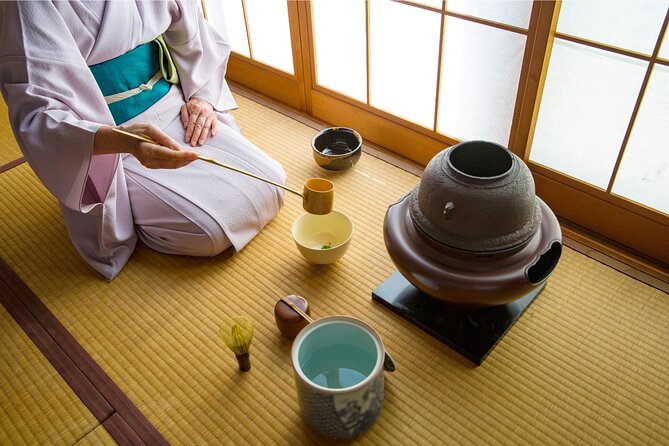
- Make your own tea: You use traditional tea tools and learn the basic way to prepare and drink matcha.
- Ask questions in English: The host is described as fluent in English and encourages questions throughout the lesson.
- Keep your schedule flexible: The activity lasts about 1 hour and 30 minutes and ends where it begins.
- Bring socks: You need socks in the tatami room, or you will be asked to buy them at the workshop.
A short Shinjuku lesson with plenty to do
This experience works well for you if you want a cultural activity that fits between sightseeing plans. At about an hour and a half, it is long enough to explain the basics of tea and kimono without taking up half your day in Tokyo.
The meeting point is listed as MPPG+HH in Shinjuku City. You receive a mobile ticket, and the location is near public transportation. The activity begins and ends at the same meeting point, so you do not need to arrange a separate ride back to your hotel or the next stop.
The group can include up to 10 people. That size matters here. Tea preparation involves small movements and a few manners that are easier to follow when you can watch the host closely. A small group also gives you a better chance to ask about the difference between matcha and regular green tea, or about the ideas behind tea ceremony.
The host teaches in English and has been praised for explaining both the practical steps and the cultural ideas clearly. You can expect a relaxed teaching style rather than a formal ceremony where you sit quietly and worry about making a mistake.
More Tokyo kimono experiences:
- Let’s make kimono !(Kimono is a gift for you
★ 5.0 · 252 reviews - Tokyo: Matcha and Kimono Experience
★ 4.7 · 219 reviews - Tokyo: Asakusa Kimono Dressing and Matcha Experience
★ 4.9 · 173 reviews
The easy-wear kimono saves valuable time
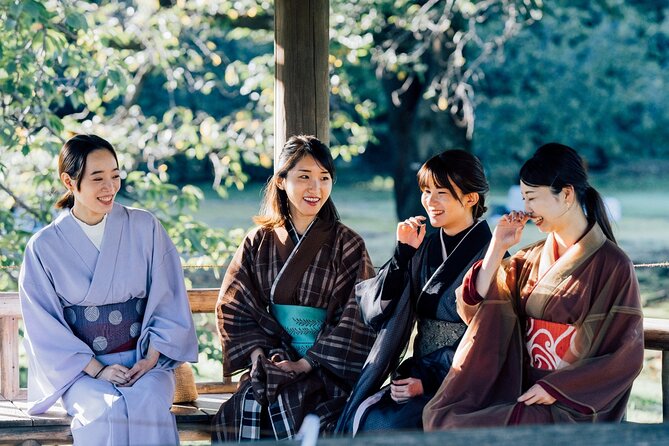
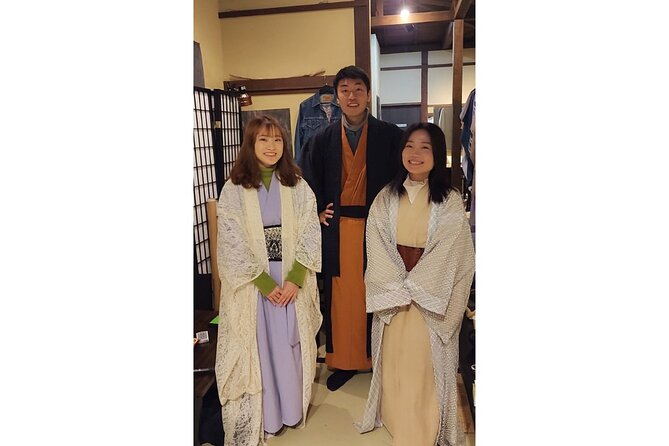
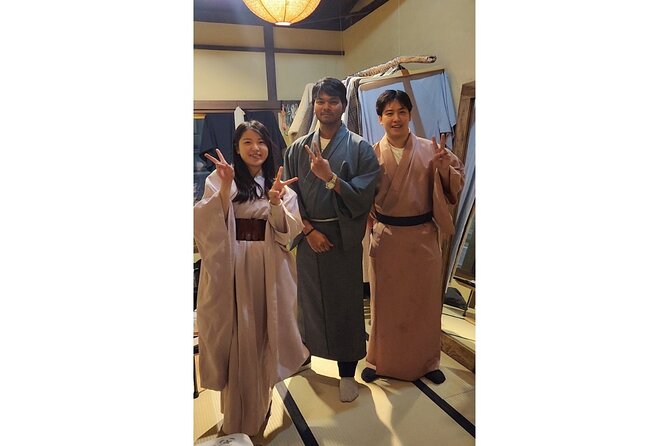
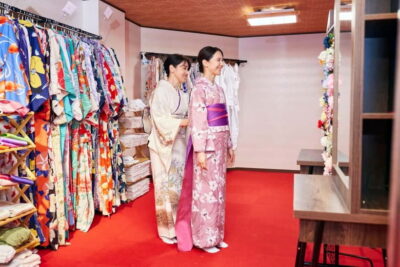
You begin by choosing and putting on a casual kimono. These garments are designed to be worn quickly, unlike a standard kimono dressing session, which can take about 30 minutes according to the activity details.
That design is a real advantage. You get the visual and cultural pleasure of wearing Japanese clothing without making the clothing itself the main event. The simple kimono is also a sensible choice for a short workshop, especially if you have plans in Shinjuku before or after the class.
The host helps you put it on properly. That assistance is useful because even a casual kimono has a correct appearance, and you will want it to sit neatly for the tea lesson and any photographs. Several elements of the activity, including the clothing and tea implements, are supplied, so you do not need to prepare special equipment.
The kimono is casual rather than a full formal dressing experience. If your main goal is an elaborate traditional costume session with a long styling period, this may feel too simple. If you want an approachable introduction, the lighter format makes much more sense.
Remember to wear socks. The tea lesson takes place in a tatami room, and socks are required. If you forget, the workshop asks you to buy a pair on site.
Matcha tasting from a large Japanese collection
The tea lesson goes beyond the usual quick explanation that matcha is powdered green tea. You learn about different tea types, including green, black, and Chinese teas, and hear how Japanese matcha differs from matcha produced overseas.
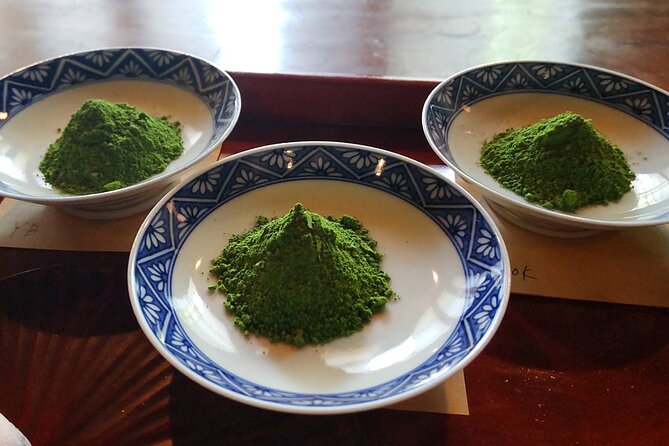
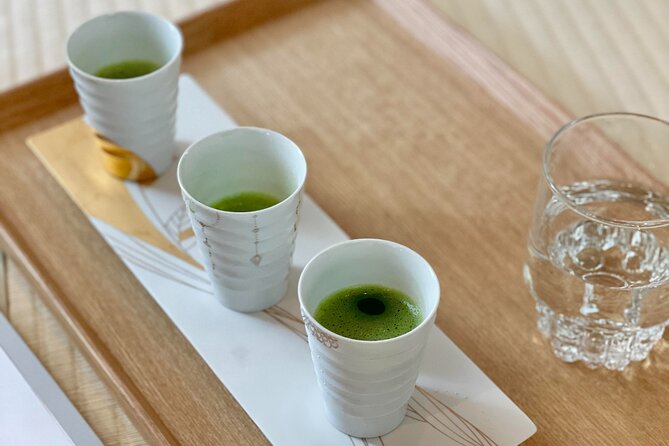
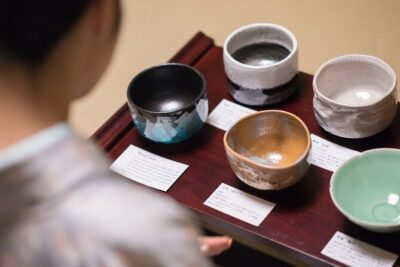
One unusual feature is the chance to compare matcha with your eyes, nose, and tongue. The activity offers first-flush matcha, described as the highest-quality early harvest, selected from a collection of more than 100 matcha varieties from across Japan.
That tasting element gives the lesson a practical point. Instead of hearing only abstract descriptions, you can pay attention to color, aroma, and taste. If you already buy matcha at home, this can help you think more carefully about what you are drinking. If you are new to matcha, it gives you a calm way to decide what you actually like.
The available options include high-quality matcha, a welcome drink, coffee or tea, and a listed decaf and Terror matcha option. The wording of the latter is unusual, so I would confirm the exact alternative with the host if caffeine is important to you.
Japanese traditional snacks are also included. They give you something small to enjoy with the tea and help explain why a tea gathering is not only about the drink itself.
Learning the meaning behind tea ceremony
The talk covers the basic philosophy of Teaism and tea ceremony. That part is important because the activity is not simply a lesson in whisking powdered tea.
Tea ceremony has its own ideas about preparation, attention, hospitality, and manners. You learn the basic etiquette for drinking a bowl of matcha, including how to approach the drink respectfully. The workshop presents these customs in a way that beginners can follow.
I like this balance. You get enough cultural background to understand why the steps matter, but you are not expected to arrive with prior knowledge. The host explains the history of matcha, the difference between matcha and other teas, and the relationship between tea and Japanese culture.
This is still an informal introduction, not a full formal tea ceremony. You should expect a presentation and guided practice rather than a long, highly ceremonial performance. That makes it more accessible, though someone seeking a serious traditional ceremony may want a longer or more specialized experience.
The host also takes photographs, according to the experience details and participant feedback. That is a pleasant extra for anyone who wants a record of the kimono and tea preparation, though the central value remains the lesson itself.
More Tokyo tea ceremonies:
- Matcha Making Class in Tokyo with Authentic Japanese Sweets Set
★ 5.0 · 744 reviews - Tokyo: Traditional Tea Ceremony with a Tea Master
★ 5.0 · 528 reviews - Dynamic Tokyo: Tokyo Tower, Tea Experience, Bay Cruise Day Tour
★ 4.5 · 521 reviews - Tokyo: Matcha Making Experience with Mochi Sweets in Asakusa
★ 4.9 · 388 reviews
Preparing your own bowl with traditional tools
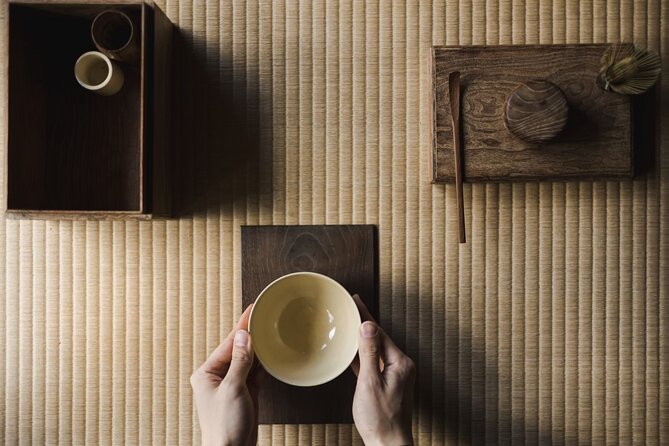
After the explanation, you use tea implements to prepare a bowl of matcha. The workshop supplies the tools, so you can concentrate on the sequence and the feel of the process.
You learn how to make the tea in the traditional Japanese style, then drink it using the basic manners covered earlier. This hands-on section is where the activity becomes more memorable than a simple talk. You see the equipment, follow the host’s instructions, and make a bowl yourself.
Do not worry about needing perfect technique. The workshop is built for beginners, and the host guides you through the process. You can ask questions as you go, which is especially helpful if the steps seem unfamiliar.
The flavor of matcha is also worth considering. It can be grassy, earthy, or bitter, and it is not automatically appealing to everyone. The tasting format helps because you can learn about the drink even if it is not your favorite flavor. The included snacks and different tea discussion give the experience more range than a single strong cup.
What the 59.46 dollar price includes
At $59.46 per person, this is not the cheapest short activity in Tokyo. The value depends on what you want from it.
You are paying for several elements in one compact session: kimono rental, assistance putting it on, tea ceremony tools, high-quality matcha, Japanese snacks, a welcome drink, instruction, and the use of the room. You also get the chance to taste from a large matcha selection and prepare tea yourself.
That makes the price reasonable for you if you would otherwise book separate kimono rental, tea tasting, and cultural instruction. The short duration also helps if your Tokyo schedule is tight. You can place it between other plans instead of giving up a full morning or afternoon.
The value is weaker if you mainly want a polished photo session or a full formal tea ceremony. This is a teaching workshop with casual clothing, not an elaborate costume production. Its strength is the amount of explanation and participation packed into a short appointment.
The activity had more than 1,500 participants in the previous year and had at least five bookings in the previous month. Those figures suggest steady interest, but they do not change the main practical point: book only if you want to learn and take part, not just sit back and watch.
Who will enjoy this workshop most
I would recommend it to first-time visitors who want a friendly introduction to Japanese tea culture. You do not need prior knowledge, and the host explains the basics in English.
It is also a good match for matcha drinkers who want to understand what they are buying and tasting. The comparison of Japanese and overseas matcha, plus the chance to sample different varieties, gives the session more substance than a standard tea demonstration.
Couples, families with older children, and small groups of friends can all fit the format. Every child is charged the full price, so families should include that cost when comparing options. The maximum group size of 10 keeps the session from becoming a large class.
You may want to skip it if you dislike powdered tea, do not want to wear traditional clothing, or prefer a highly formal ceremony. You should also avoid booking it at a time when a delayed train or long transfer could put you at risk of missing the start.
Timing, arrival, and small practical matters
Plan to arrive early. The reservation is automatically canceled after 10 minutes of lateness, and no refund is offered in that situation. This rule is stricter than many casual Tokyo activities, so leave extra time for finding the meeting point.
The activity is near public transportation, but the supplied location is given as a Google-style plus code, MPPG+HH, rather than a conventional street address. Check the meeting details carefully before leaving and keep the mobile ticket ready.
No private transportation is included. You make your own way to Shinjuku and return to the same meeting point at the end.
The booking is confirmed at the time of purchase. Free cancellation is available up to 24 hours before the start time, with a full refund. Changes or cancellations inside that 24-hour window are not accepted, and the amount paid is not refunded. If the minimum number of participants is not reached and the activity is canceled, you are offered another date or experience, or a full refund.
Should you book the Matcha Kimono Tea Ceremony?
Book this experience if you want an easy, hands-on introduction to matcha, kimono, and tea manners in a compact Shinjuku session. The strongest reasons are the small group, the fluent English instruction, the large matcha selection, and the chance to make the tea yourself.
The easy-wear kimono keeps the activity practical, while the tasting and philosophy lesson give it more depth than a quick dressing-and-photo stop. Just bring socks, allow extra time to arrive, and remember that the clothing is casual rather than formal.
Skip it if you want a full ceremonial performance, a long kimono styling session, or private transportation. For most beginners with a free 90-minute slot, though, the combination of clear instruction, cultural context, snacks, and participation offers solid value at $59.46.
FAQ
Where does the Matcha Kimono Tea Ceremony take place?
The meeting point is MPPG+HH in Shinjuku City, Tokyo. The activity is near public transportation and ends at the same meeting point.
How long does the experience last?
The activity lasts approximately 1 hour and 30 minutes.
How many people can join the workshop?
The maximum group size is 10 participants.
Is the kimono included?
Yes. An easy-to-wear kimono rental is included, and the host helps you put it on.
Do I need to bring tea equipment?
No. Tea ceremony tools are supplied as part of the experience.
Is matcha included?
Yes. The experience includes high-quality matcha, and the program includes a tasting and preparation session. Coffee or tea and a Japanese welcome drink are also listed as included.
Are snacks provided?
Yes. Japanese traditional snacks are included.
Do I need to wear socks?
Yes. Socks are required in the tatami room. If you forget them, you are asked to buy a pair at the workshop.
Is private transportation included?
No. You are responsible for getting to and from the meeting point.
What happens if I arrive more than 10 minutes late?
The reservation is automatically canceled after 10 minutes of delay, and no refund is provided.
Can I cancel for a full refund?
Yes. You can cancel at least 24 hours before the local start time for a full refund. Cancellations or changes made less than 24 hours before the start time are not refunded.
Newly reviewed around Tokyo
- Tokyo Asakusa:Calligraphy & Make T-shirt Activity★ 5.0 · 62 reviews
- Intercity Shuttle, Tokyo to Haneda /Narita /Yokohama /Makuhari★ 5.0 · 5 reviews
- 1 Hour Travel around Tokyo with a Professional Photographer★ 5.0 · 3 reviews
- Travel Tokyo with Your Own Personal Photographer★ 5.0 · 43 reviews
- Kickboxing & Body Training with EX-Pro Fighter★ 5.0 · 4 reviews
- Train in Samurai Swordsmanship and Defeat the Demon in Tokyo★ 5.0 · 5 reviews
- Shuttle Van 6hr Tokyo Tour to-and-from Tokyo, Yokohama and Narita★ 5.0 · 9 reviews
- Traditional Japanese Knife Sharpening Class★ 5.0 · 18 reviews
Tokyo Tea Ceremony Experiences, compared.
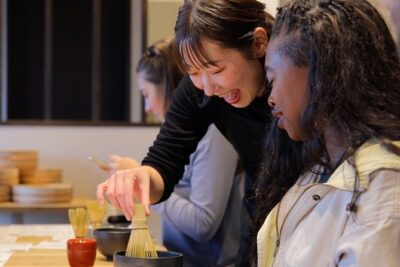
Matcha Making Class in Tokyo with Authentic Japanese Sweets Set
Read our review →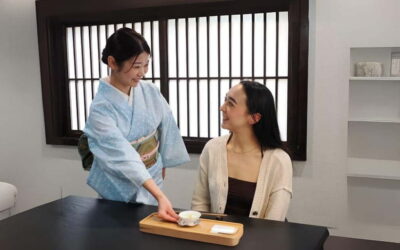
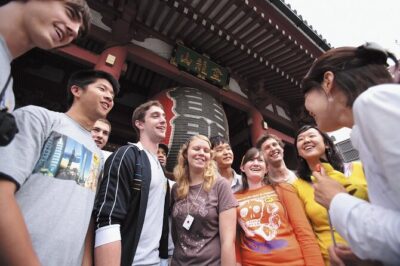
Dynamic Tokyo: Tokyo Tower, Tea Experience, Bay Cruise Day Tour
Read our review →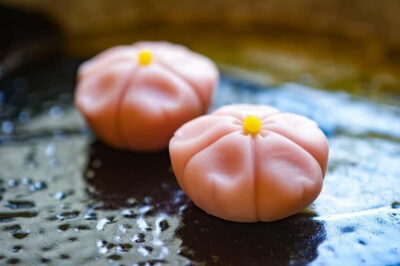
Matcha Making Experience with Mochi Sweets in Asakusa
Read our review →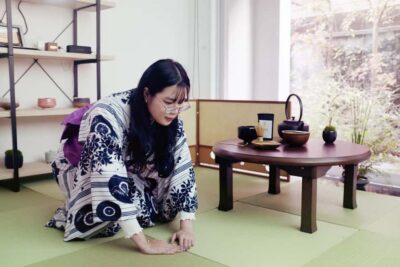
Tea Ceremony Workshop in Tokyo by the Experienced Instrucor
Read our review →
Browse the lists this tour appears in