
Reviewed · TOKYO TEA CEREMONY EXPERIENCES
Tokyo: Traditional Tea Ceremony with a Tea Master
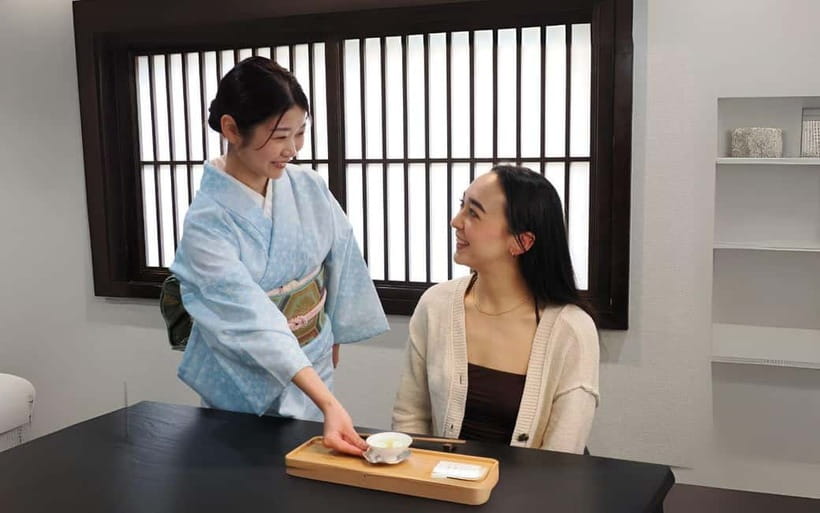
The most appealing part of this Tokyo tea ceremony is that you do more than watch. You taste four styles of Japanese tea, learn why water temperature matters, and whisk your own matcha with help from an English-speaking tea master. I especially like the rare wakocha welcome tea and the chance to taste the tea leaves used for Gyokuro.
I also like the friendly, relaxed tone. Guides such as Shinichi-san and Ekiko have been praised for clear explanations, humor, and patience, so this feels less stiff than a formal ceremonial display. The main consideration is the short one-hour schedule, which gives you a useful introduction rather than a full study of tea tradition. The green OCHARU sign can also be easy to miss because it sits high on the building.
Key points to know before booking
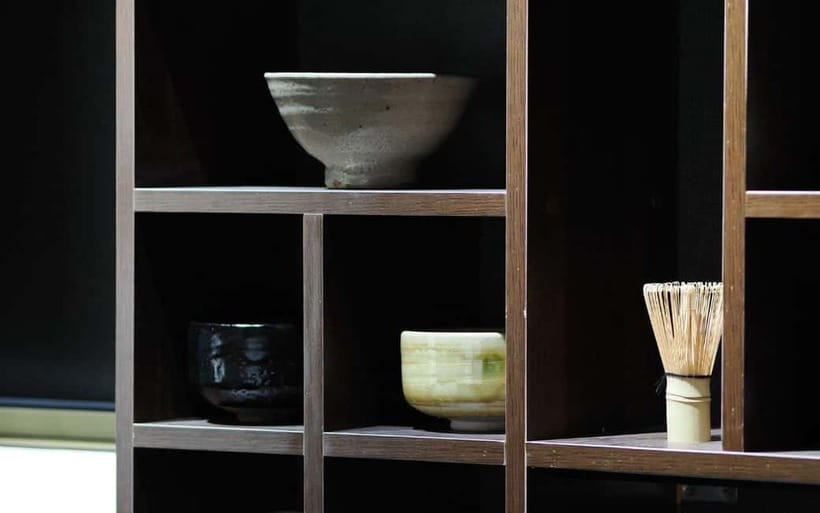
- Four tea styles in one hour: Taste wakocha, Gyokuro sencha, matcha, and Genmaicha, with explanations of their different flavors and preparation methods.
- You make your own matcha: The tea master demonstrates the process, then lets you whisk and drink your own bowl using traditional utensils.
- Rare Japanese black tea: Wakocha from Shizuoka offers fruity and floral notes that differ from the black teas most people know.
- Seasonal sweets from Ougiya: Wagashi provides the sweet counterpoint to the savory, grassy, or roasted flavors of the teas.
- Easy cultural add-on: The room is across from Tokyo University, close to the University of Tokyo area and the zoo.
- A few keepsakes included: You receive a completion certificate and group photo, and some sessions also allow you to keep small utensils such as chopsticks.
Four Japanese teas, not just one ceremony
Many tea activities in Tokyo focus almost entirely on matcha. Ocharu takes a broader route. You learn how matcha fits into Japanese tea culture while also tasting several brewed teas, each with its own temperature, texture, and place in daily life.
That makes this a good choice if you are curious about tea but do not yet know the difference between sencha, Gyokuro, matcha, and Genmaicha. It also works well if one person in your group is a serious tea drinker and another simply wants a cultural activity that does not require a full afternoon.
The session is conducted in English. The teaching style appears to vary with the instructor, but the strongest part of the experience is the human touch. Guides have been described as warm, funny, patient, and willing to answer questions about tea, Japan, language, and local customs. One guide even made a special effort to include a ten-year-old child.
The atmosphere is calm and informal. You should still expect basic etiquette and careful preparation, but you do not need prior knowledge or a special interest in ceremony to take part.
More Tokyo tea ceremonies:
- Matcha Making Class in Tokyo with Authentic Japanese Sweets Set
★ 5.0 · 744 reviews - Dynamic Tokyo: Tokyo Tower, Tea Experience, Bay Cruise Day Tour
★ 4.5 · 521 reviews - Tokyo: Matcha Making Experience with Mochi Sweets in Asakusa
★ 4.9 · 388 reviews
The welcome cup: fruity Shizuoka wakocha
Your first tea is wakocha, Japanese black tea from Shizuoka. It comes with a traditional tea cake, giving you an easy introduction before the more technical part of the session begins.
Wakocha is worth paying attention to because it does not taste exactly like the strong black tea served with milk in Britain or the United States. The description here points to fruity and floral notes, which makes it a useful reminder that tea flavor depends on the plant, growing region, processing, water, and brewing method.
The welcome tea also sets a relaxed pace. You are not immediately asked to copy a series of movements. Instead, you have time to settle in, taste, and listen.
The accompanying cake is not just a snack. In Japanese tea culture, a sweet can prepare your palate for tea with a grassy, bitter, or roasted edge. If you usually add sugar to tea, this pairing helps you understand why sweets are served alongside unsweetened Japanese tea.
Gyokuro and the lesson in temperature
Next comes Gyokuro sencha, one of Japan’s highest grades of green tea. The tea master prepares it while explaining the method, then gives you the chance to taste the brewed tea and the leaves themselves.
Gyokuro is often treated with more care than everyday green tea. Its delicate flavor can be lost if you use water that is too hot, so the explanation of temperature is one of the most useful parts of the session. Several people found this practical detail especially interesting because it changes how you might prepare Japanese tea at home.
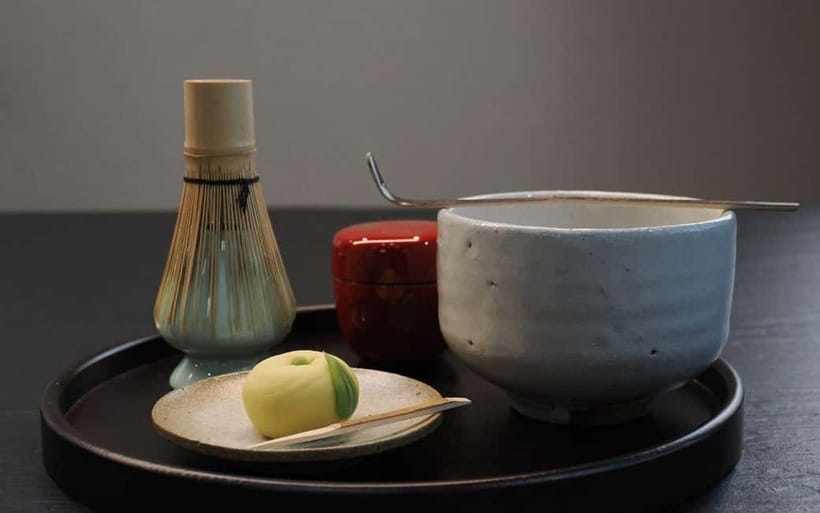
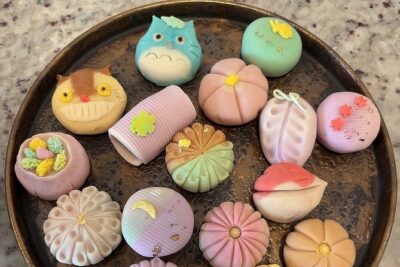
Tasting the leaves is another small but memorable touch. It gives you a direct sense of the ingredients rather than treating the tea as a mysterious finished drink. The leaves are served with seasonal wagashi from Ougiya, a confectioner with generations of experience making Japanese sweets.
The wagashi changes with the season, so the exact shape and flavor may differ. That is part of its appeal. You get a small edible piece of seasonal design rather than a standard packaged biscuit.
Expect Gyokuro to be more concentrated and savory than ordinary green tea. If you prefer very mild drinks, it may be an acquired taste. The tea master’s explanation helps, but the experience is still about noticing differences rather than finding one universally pleasing flavor.
Making matcha with traditional tools
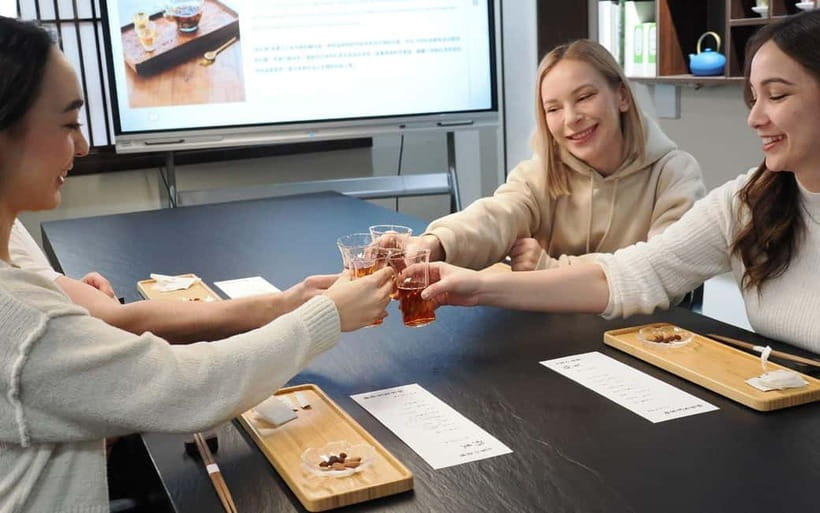
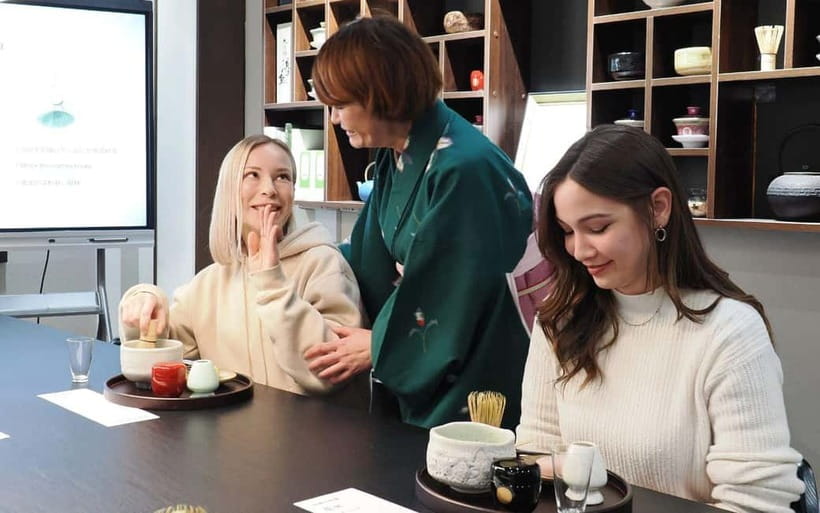
The hands-on matcha session is the centerpiece. The tea master shows you how to use the bowl, scoop, whisk, and other utensils, then guides you as you prepare your own drink.
This is where Ocharu offers better value than a demonstration-only experience. You are not simply watching an expert perform polished movements. You are learning the basic sequence yourself, feeling the resistance of the bamboo whisk, and seeing how the powder changes when mixed with water.
Do not worry about producing a perfect layer of foam. The point is to understand the work involved and to practice the motions with care. The instructor stays close enough to help, and the relaxed tone means a small mistake is part of the lesson rather than an embarrassment.
The session also explains manners connected with drinking matcha. These details give the activity cultural shape. You learn that the ceremony is not only about flavor, but also about attention, hospitality, objects, movement, and respect between host and guest.
For children and first-time participants, this is likely the most engaging section. For regular matcha drinkers, it provides a chance to refine basic technique and ask more specific questions. The experience is not presented as advanced training, so experts should see it as an introduction rather than a formal qualification.
A completely different kind of day in Tokyo:
- Mt Fuji and Hakone 1-Day Bus Tour Return by Bullet Train
★ 5.0 · 26,383 reviews - 1-Day Tokyo Bus Tour
★ 5.0 · 14,250 reviews - Tokyo: teamLab Planets TOKYO Digital Art Museum Entry Ticket
★ 4.6 · 9,779 reviews - Mt Fuji & Hakone Cruise, Drum Show Bullet Train 1 Day from Tokyo
★ 4.0 · 7,413 reviews
Genmaicha closes the hour
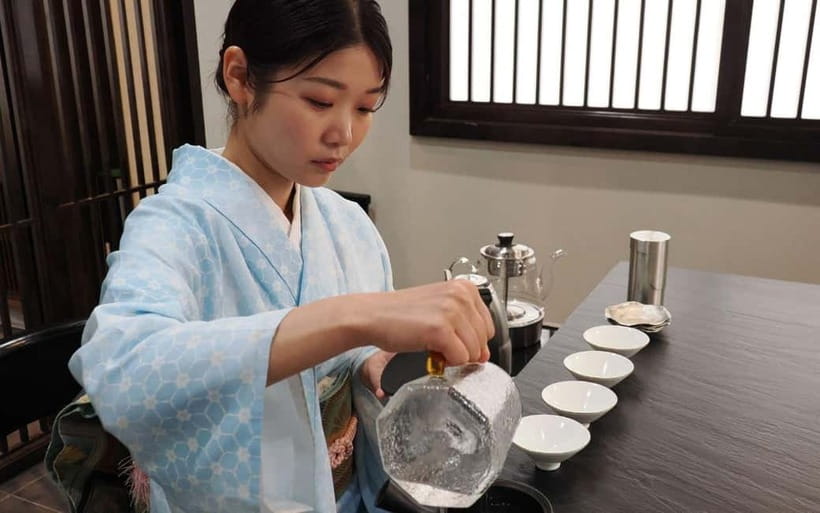
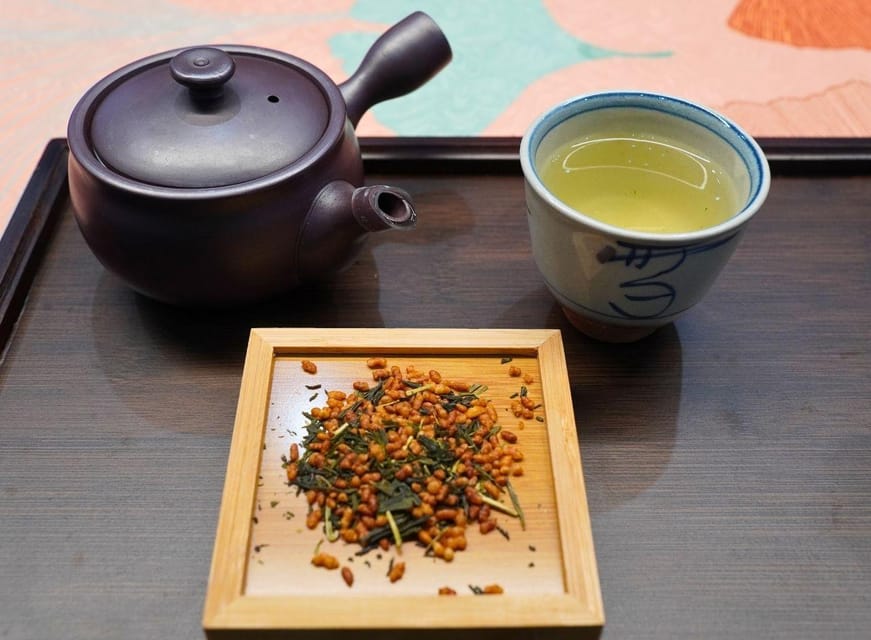
The final tea is Genmaicha, made by blending sencha with roasted rice from Niigata Prefecture. After the sharper green teas and the focused matcha preparation, it gives the session a softer finish.
The roasted rice adds a warm, toasted character. It is often an approachable tea for people who find straight green tea too grassy or bitter, and it shows how Japanese tea can be blended for comfort as well as ceremony.
Ending with Genmaicha is a sensible choice. You have sampled the more delicate and specialized teas, made matcha yourself, and then returned to an easy-drinking cup. The hour feels complete without adding another complicated ritual at the end.
You will likely taste four teas in total, though some descriptions from participants mention four or five depending on the presentation. The exact order or amount may vary with the session and instructor.
A relaxed tea room opposite Tokyo University
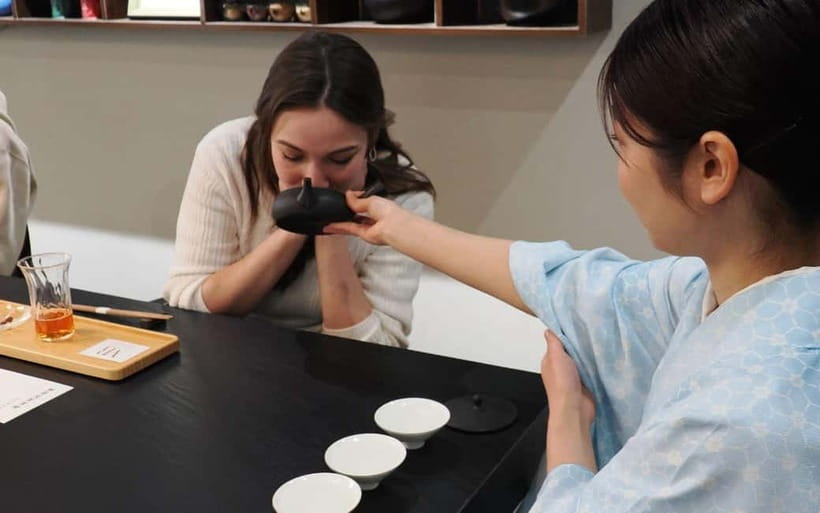
The Ocharu tea room is directly across from Tokyo University, giving the activity a useful setting in one of Tokyo’s academic areas. You can combine it with a walk near the university or a visit toward the zoo, both mentioned as nearby points of interest.
The location is practical, but finding the entrance takes attention. Look for the green OCHARU logo on the wall. It may be higher than you expect, and one person walked past the entrance several times before realizing that the tea shop marked the correct spot.
Arrive about five minutes early. That gives you time to check in and avoid starting the hour while still trying to identify the building. If you are coming by train, allow extra walking time and use a map rather than relying only on the sign. One route described by a participant involved Nezu Station, exit 14, followed by roughly a fifteen-minute walk, but your best approach will depend on where you start.
The room itself is described as clean, pleasant, and relaxing. It is designed for the tea activity rather than as a grand historic teahouse, so set your expectations accordingly. You are paying for instruction, tasting, and participation, not for entry to an old temple or a large traditional garden.
What the $38 price really covers
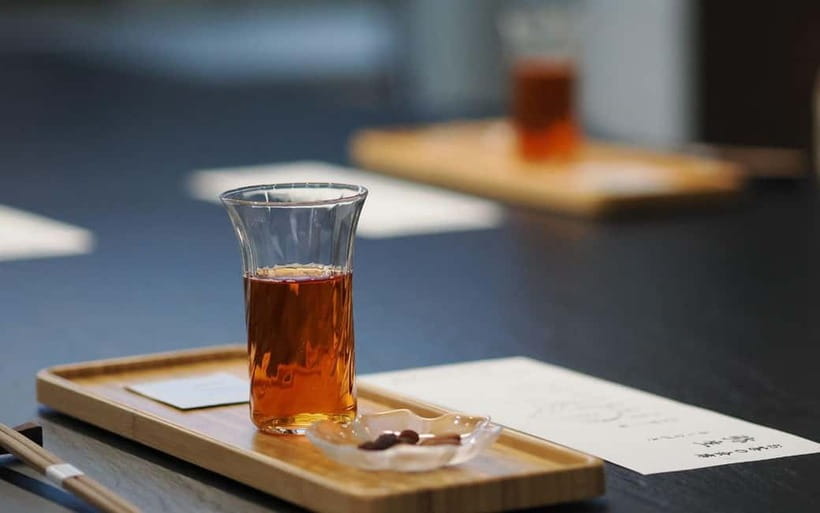
At $38 per person, this is a fair price for a one-hour cultural activity in Tokyo, especially because the cost includes several tastings, sweets, instruction, the room, a certificate, and a group photo.
The strongest value comes from the range. You are not paying $38 for one small bowl of matcha. You are sampling Japanese black tea, premium green tea, matcha, and roasted-rice tea while learning how each is handled.
The seasonal wagashi adds another layer that would be difficult to understand from a tea drink alone. The certificate and photo are modest keepsakes, but they help mark the experience and can be especially nice for families or first-time visitors.
There are a few limits. One hour passes quickly, and the activity will not give you a detailed education in tea cultivation, advanced whisking, or every rule of a formal tea school. Some English accents may take a little extra concentration, though the guides make an effort to explain clearly and answer questions.
The nearby shop and café may also tempt you to buy tea after the session. That is not part of the listed price, so treat it as an optional extra. If you enjoy what you taste, it can be a practical place to take home matcha or other Japanese tea.
Who will enjoy this most
I would choose this for a first visit to Japan, a rainy-day plan, or a short cultural stop between larger Tokyo sights. It is especially suitable if you want an activity that is quiet, indoors, and easy to fit into a busy itinerary.
Tea lovers will appreciate the comparison between varieties and the explanation of brewing temperatures. People who rarely drink tea can still enjoy the sweets, the hands-on matcha preparation, and the chance to ask simple questions without feeling out of place.
Families may find the whisking section more engaging than a ceremony where children must sit quietly and watch. The guide can include younger participants, though the one-hour format and cultural focus may suit older children best.
Couples and small groups will appreciate the photo and certificate. Solo participants can also take part, including in private sessions when available. The friendly conversation is part of the appeal, and guides may chat about your trip, home city, or interests as well as tea.
This is not suitable for wheelchair users according to the activity information. If accessibility is important, confirm the current setup before booking.
Should you book the Ocharu tea ceremony?

Book it if you want a friendly, hands-on introduction to Japanese tea rather than a formal performance. The combination of wakocha, Gyokuro, matcha, Genmaicha, wagashi, and practical instruction gives you a lot to taste and understand in 60 minutes.
I would be less inclined to choose it if you want a long, highly ceremonial visit in a historic setting. This is a modern teaching experience near Tokyo University, with a casual tone and a clear focus on participation.
For most visitors, $38 is reasonable value. You leave with more than a cup of matcha: you understand how several Japanese teas differ, you have prepared one yourself, and you have a small certificate and photo to remember the hour. Just allow time to find the high green sign, arrive five minutes early, and keep your expectations focused on an accessible lesson rather than an elaborate temple ceremony.
FAQ
How long does the Tokyo tea ceremony last?
The experience lasts about one hour. Some individual sessions may finish a little earlier, so allow roughly 60 minutes in your schedule.
Where is the meeting point?
The Ocharu tea ceremony room is across from Tokyo University in Tokyo. Look for the green OCHARU logo on the building wall. The sign may be high up, and the tea shop can help you identify the entrance.
Which teas will I taste?
You can expect wakocha from Shizuoka, Gyokuro sencha, matcha that you prepare yourself, and Genmaicha made with sencha and roasted rice from Niigata Prefecture.
Is the activity taught in English?
Yes. The instructor language is English. Guides explain the tea, preparation methods, manners, and cultural background during the session.
What is included in the price?
The price includes the welcome tea and cake, Gyokuro sencha, seasonal wagashi from Ougiya, the matcha-making session, Genmaicha, entry to the tea room, a certificate, and a group photo.
Is the tea ceremony wheelchair accessible?
The activity is listed as unsuitable for wheelchair users. If you have specific mobility needs, confirm the current access arrangements before booking.
Newly reviewed around Tokyo
- Tokyo Asakusa:Calligraphy & Make T-shirt Activity★ 5.0 · 62 reviews
- Travel Tokyo with Your Own Personal Photographer★ 5.0 · 43 reviews
- Intercity Shuttle, Tokyo to Haneda /Narita /Yokohama /Makuhari★ 5.0 · 5 reviews
- 1 Hour Travel around Tokyo with a Professional Photographer★ 5.0 · 3 reviews
- Train in Samurai Swordsmanship and Defeat the Demon in Tokyo★ 5.0 · 5 reviews
- Shuttle Van 6hr Tokyo Tour to-and-from Tokyo, Yokohama and Narita★ 5.0 · 9 reviews
- Kickboxing & Body Training with EX-Pro Fighter★ 5.0 · 4 reviews
- Traditional Japanese Knife Sharpening Class★ 5.0 · 18 reviews
Tokyo Tea Ceremony Experiences, compared.
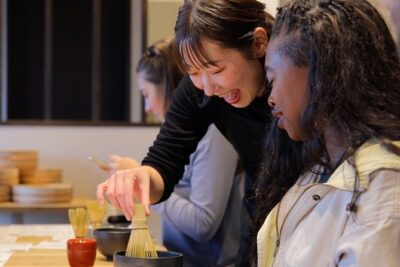
Matcha Making Class in Tokyo with Authentic Japanese Sweets Set
Read our review →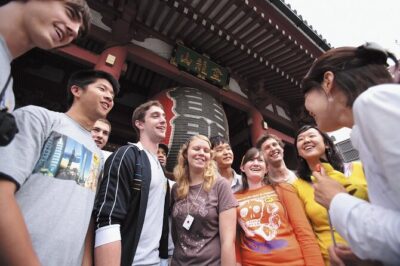
Dynamic Tokyo: Tokyo Tower, Tea Experience, Bay Cruise Day Tour
Read our review →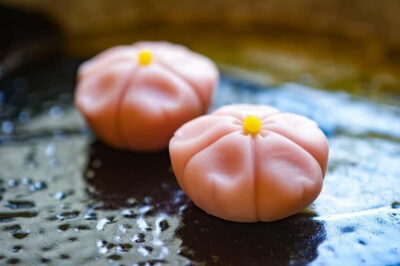
Matcha Making Experience with Mochi Sweets in Asakusa
Read our review →
Tea Ceremony Workshop in Tokyo by the Experienced Instrucor
Read our review →
Make Traditional Nerikiri Sweets & Matcha experience in Shibuya
Read our review →Browse the lists this tour appears in