
Reviewed · TOKYO TEA CEREMONY EXPERIENCES
Tokyo: Matcha and Kimono Experience
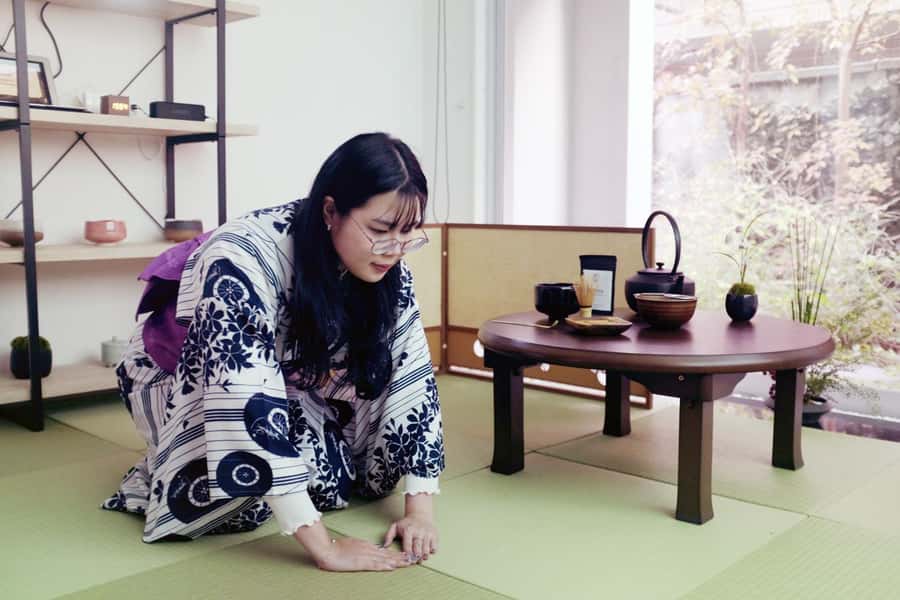
Tokyo’s matcha lesson is more than a tea tasting. You choose a kimono, learn why the tea ceremony moves at its careful pace, and prepare your own bowl with tools supplied on site. The focus is on first-flush matcha from a collection of more than 100 Japanese teas.
I especially like the chance to compare matcha with your own eyes, nose, and taste buds, rather than simply being told what is good. I also like the small-group feel and Komei’s warm, lively teaching style. The one caution is that some visitors would prefer more time making matcha and less time on kimono dressing.
Key points at a glance
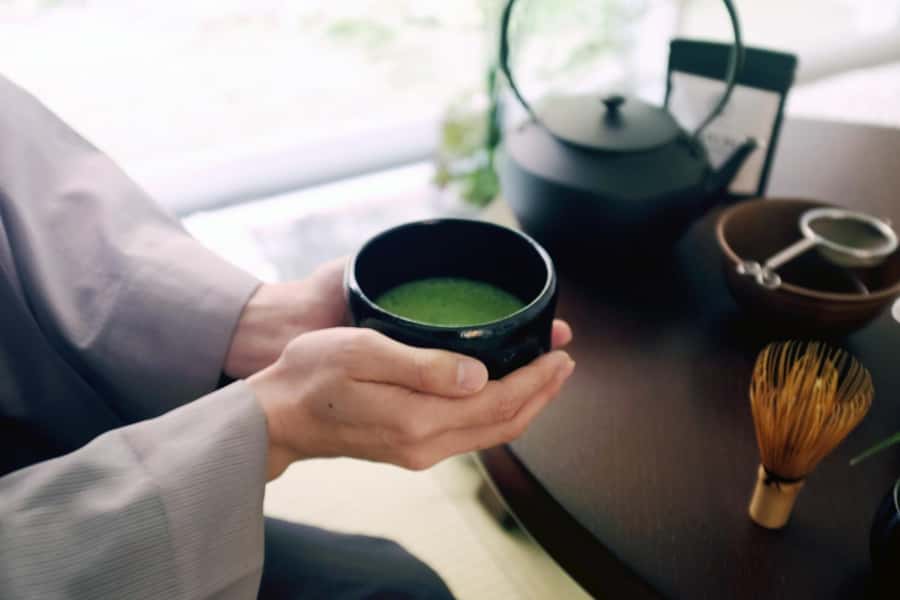
- First-flush Japanese matcha: Taste a carefully selected tea described as the highest-quality harvest, then compare it with other matcha styles.
- Four cultural subjects in one lesson: Learn about matcha, tea ceremony, teaism, and kimono.
- Quick kimono dressing: Wear a specially designed kimono without the roughly 30-minute process used for a standard kimono.
- Hands-on tea making: Practice four key points for preparing an attractive bowl of matcha at home.
- Practical location: Meet about six minutes from Yotsuya Station, close to the Shinjuku area.
- A personal teaching style: Komei is praised for clear explanations, humor, photographs, and a friendly approach.
A tea lesson with a kimono at its center
This experience works because it connects several pieces of Japanese culture that are often presented separately. You do not simply drink matcha, and you do not simply put on a costume for photos. You learn how the clothing, tea, manners, tools, and ideas of hospitality fit together.
The lesson takes place near Yotsuya, about a six-minute walk from Yotsuya Station and within easy reach of Shinjuku. You meet the guide in front of the LUUP scooter stand beside the ACN Yotsuya Building, where you should look for a workshop sign. The activity ends at the same place, so the plan is simple once you arrive.
Komei leads the session in English and Japanese. His style, based on the experience described by many participants, is warm and conversational rather than stiff. He uses a structured presentation, answers questions, and brings some humor to subjects that can otherwise feel formal.
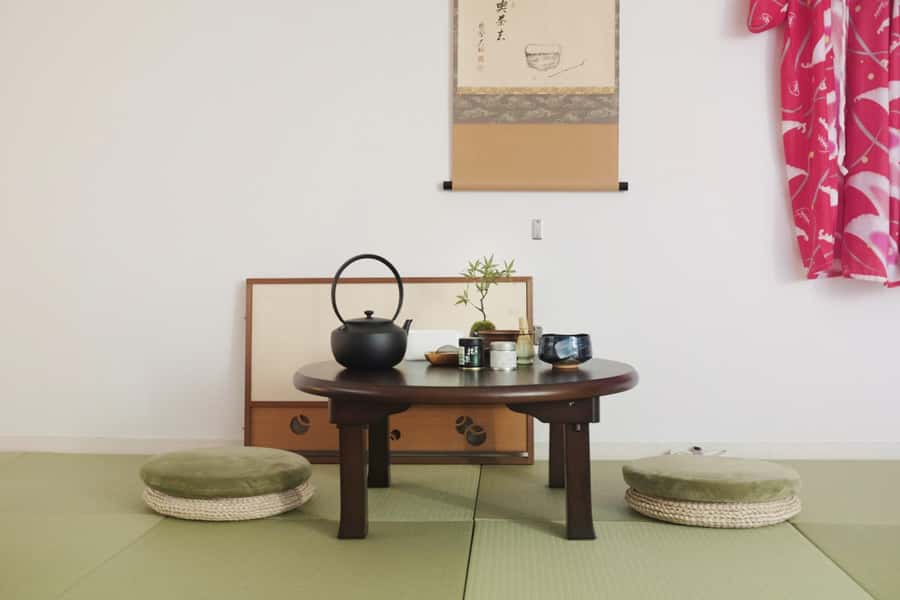
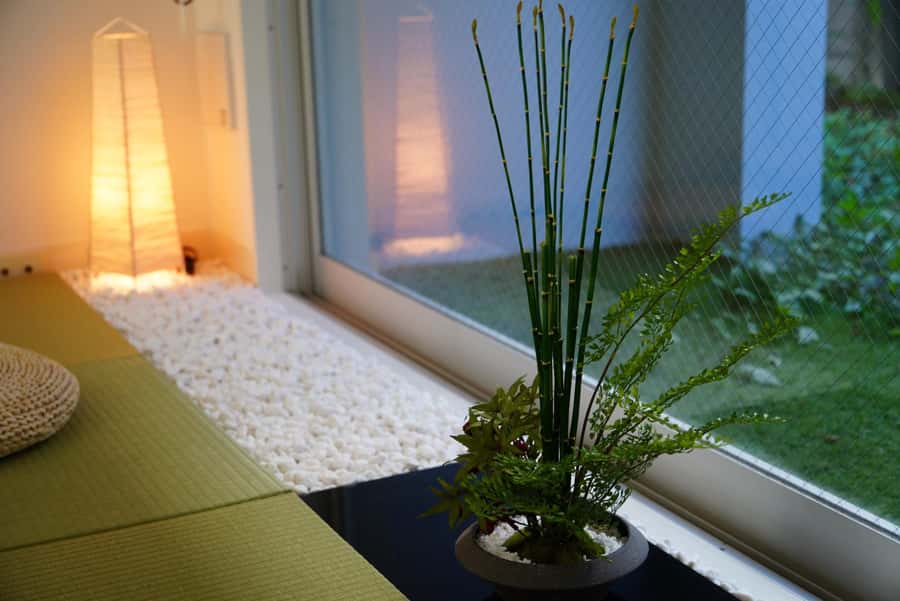
The setting is designed for learning rather than a grand ceremonial performance. One visitor described a local Japanese apartment with a small, carefully arranged tea room. That gives the session a more personal scale than a large cultural show, although the exact room arrangement may vary.
More Tokyo kimono experiences:
- Let’s make kimono !(Kimono is a gift for you
★ 5.0 · 252 reviews - Tokyo: Asakusa Kimono Dressing and Matcha Experience
★ 4.9 · 173 reviews - Asakusa: Kimono Tea Ceremony with Matcha and Sweet
★ 4.9 · 153 reviews
Choosing and wearing the easy kimono
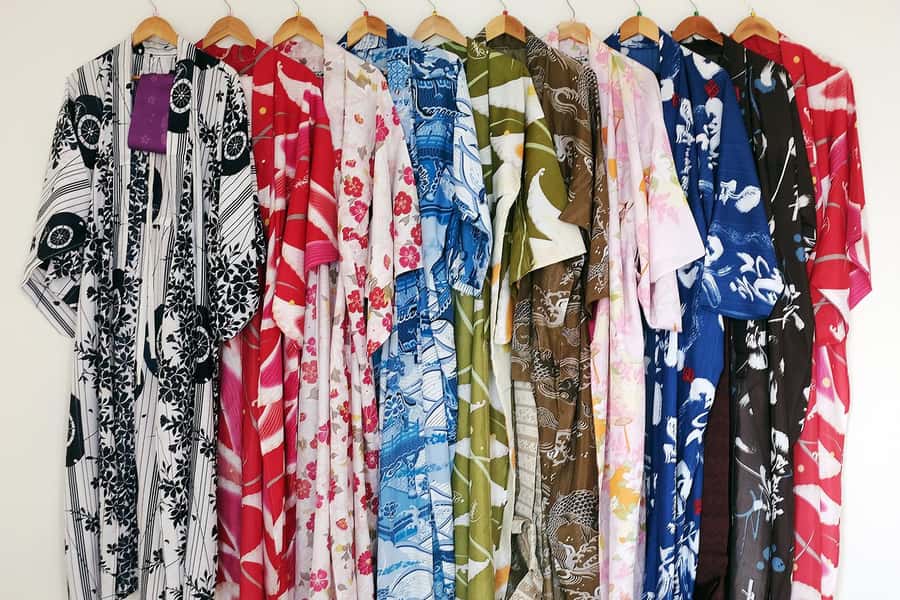
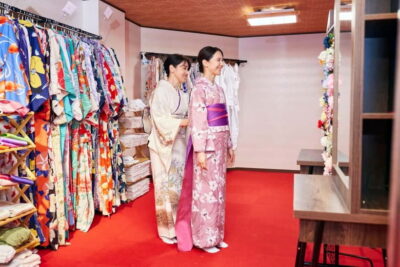
Before the tea lesson begins, you choose a kimono to wear throughout the activity. The clothing is specially designed for quick dressing, which matters if you want the visual pleasure of wearing traditional Japanese clothing without committing to a full formal dressing appointment.
A standard kimono can take about 30 minutes to put on. This experience uses an easier version, so you can get dressed without losing the main part of the lesson to layers, belts, and adjustments. You learn the proper direction and basic manner of wearing it, not just how to pose in it.
The kimono is one of the strongest parts of the experience for many visitors. It gives the tea lesson a sense of occasion and creates a natural photo opportunity. Komei has also taken photographs for groups, which is useful if you want pictures of the activity but do not want one person left out of every shot.
Still, keep your expectations sensible. This is an easy-to-wear kimono experience, not a full professional dressing appointment or a long lesson in every garment and accessory. If clothing is your main reason for booking, you may wish the dressing portion lasted longer. If tea is your priority, the quick format is an advantage.
Wear socks. You will be asked to protect the traditional flooring, and you may need to buy socks at the workshop if you forget them. Avoid strong fragrances, alcohol, and drugs. Quiet behavior is expected, since the room and the subject call for attention.
First-flush matcha from a large collection
The tasting begins with the tea itself. The host selects first-flush matcha from a collection of more than 100 teas gathered from across Japan. First flush refers to the earliest harvest, and the experience presents it as the highest-quality matcha in the collection.
The useful part is not simply tasting a premium tea. You are asked to use your eyes, nose, and tongue to notice differences among matcha. That gives you a way to form your own opinion instead of relying on packaging or price.
You also look at the gap between authentic Japanese matcha and matcha sold overseas. The lesson explains that these products can be very different. That comparison is especially helpful if you buy matcha at home and want to recognize quality with more confidence.
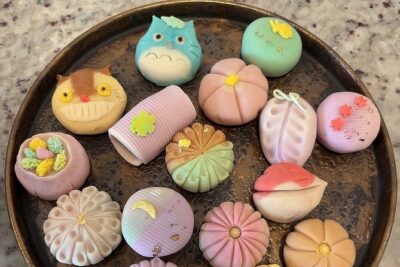
The tea is served with Japanese traditional sweets. The sweetness gives your palate a break from matcha’s grassy, bitter, and savory notes. A welcome drink is also included, though the supplied information does not specify its exact type.
This is a better format for a curious beginner than a serious tea competition. You do not need to arrive with a trained palate. The host guides you through what to look for, and the process makes tasting active without turning it into a test.
Understanding tea beyond matcha
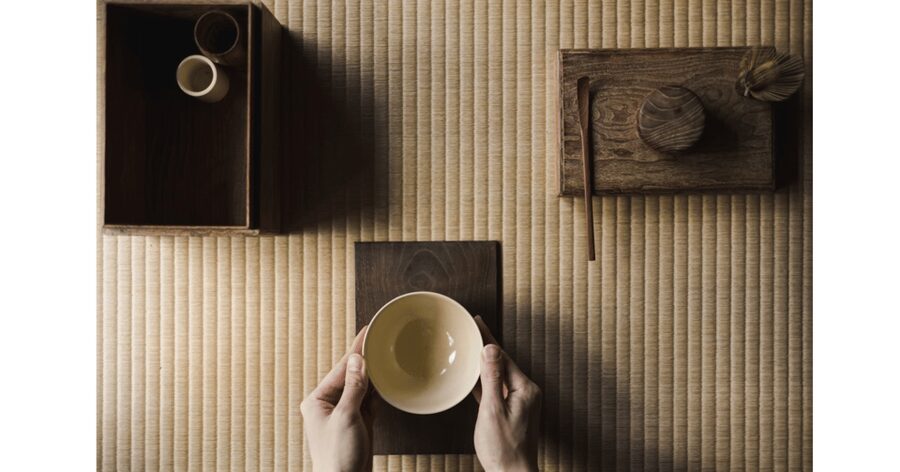
The lecture widens the subject to different kinds of tea, including green tea, black tea, and Chinese tea. This section helps place matcha in a larger world. Matcha is not simply a green powder with a fashionable reputation. It belongs to a broader family of tea traditions, each with different preparation methods and customs.
The session also introduces teaism, the philosophy connected with tea culture. You learn why tea preparation can involve patience, care, attention to objects, and respect between host and guest. The point is not to memorize a set of abstract ideas. It is to see why the ceremony treats small actions as meaningful.
Tea ceremony is also explained as a practice with manners and structure. The host covers the history and rules, then shows how these ideas appear in the movements, tools, and order of service.
I find this context valuable because it keeps the activity from becoming a quick photo stop. Once you understand why the bowl is handled in a certain way or why the guest follows a particular manner, the ceremony makes more sense. You can also carry that awareness into other cultural sites in Japan, where quiet behavior and careful presentation matter.
The lecture has a fair amount of information. People who want a fast tasting with little explanation may find the presentation longer than expected. People who enjoy history, customs, and questions will likely appreciate the detail.
More Tokyo tea ceremonies:
- Matcha Making Class in Tokyo with Authentic Japanese Sweets Set
★ 5.0 · 744 reviews - Tokyo: Traditional Tea Ceremony with a Tea Master
★ 5.0 · 528 reviews - Dynamic Tokyo: Tokyo Tower, Tea Experience, Bay Cruise Day Tour
★ 4.5 · 521 reviews - Tokyo: Matcha Making Experience with Mochi Sweets in Asakusa
★ 4.9 · 388 reviews
Preparing your own beautiful bowl
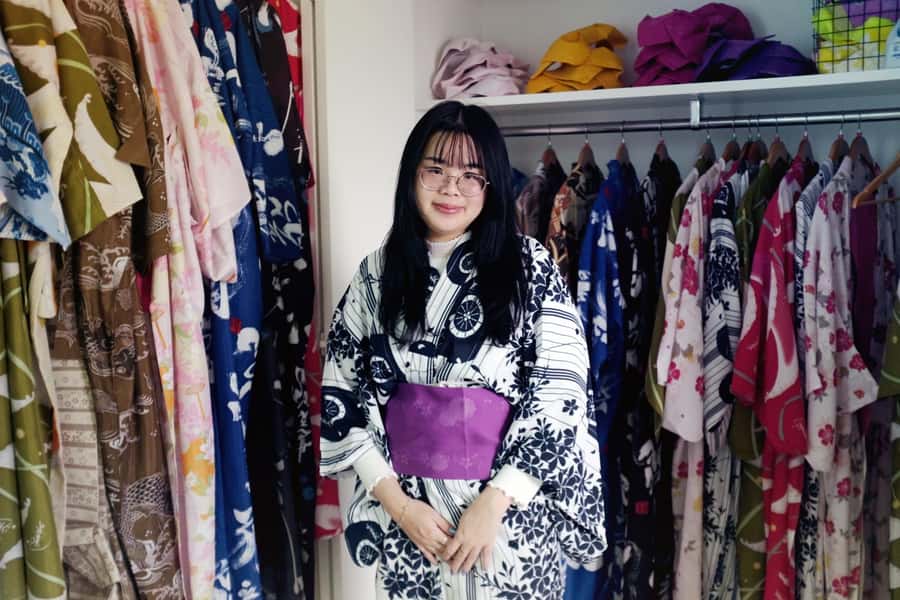
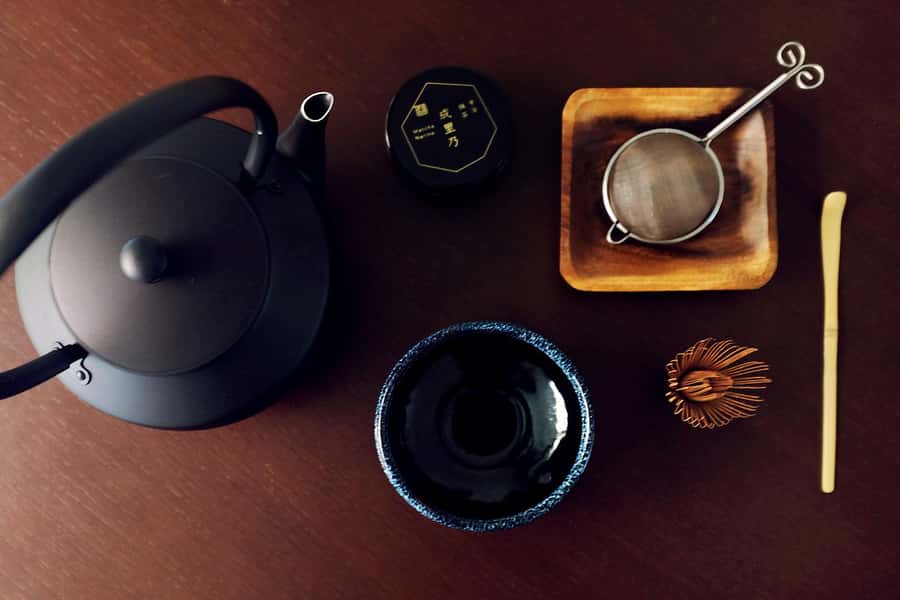
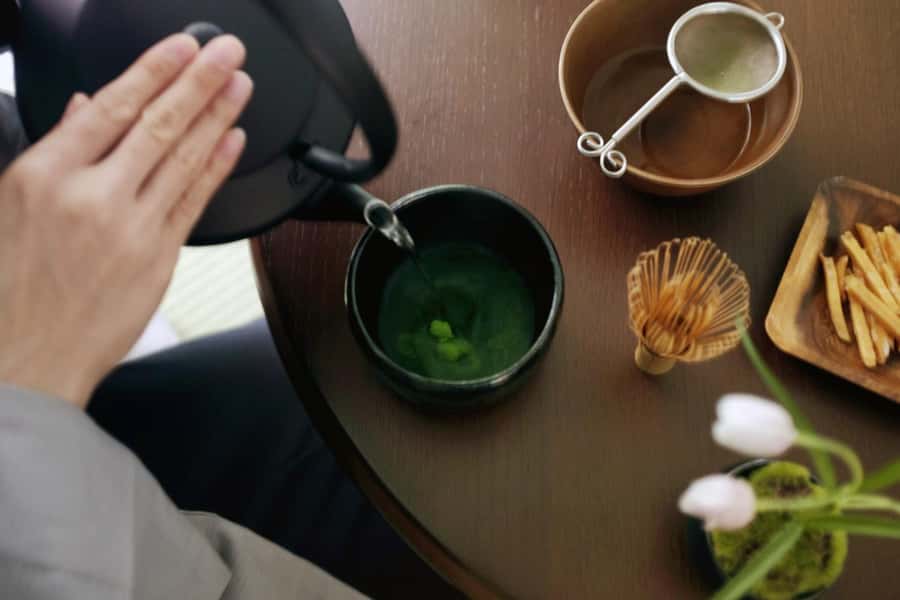
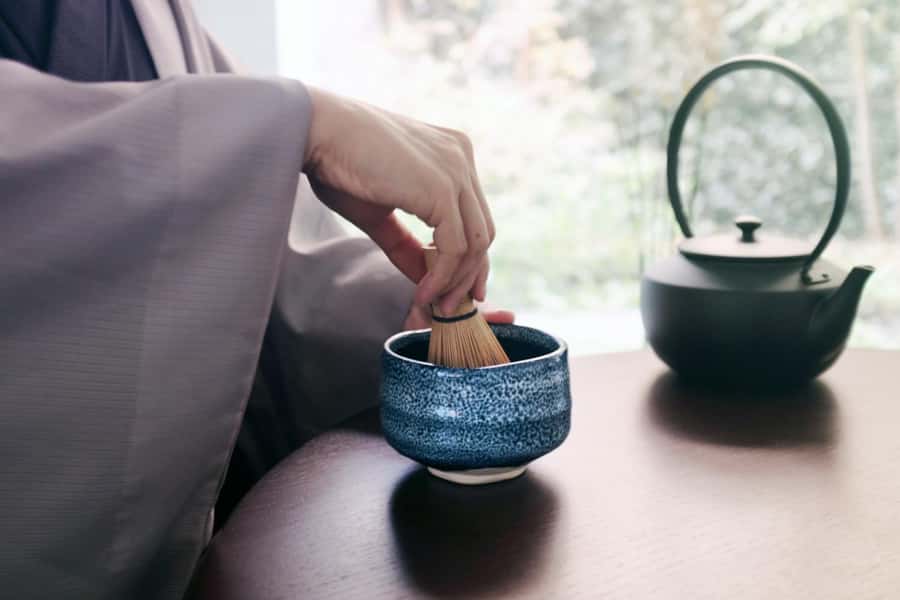
After the explanation, you use the tea tools and make matcha yourself. The host teaches four key points for preparing a good-looking bowl at home. You learn the basic sequence, how the tools are used, and how to create a bowl that is pleasant to drink and present.
The activity is hands-on, but it is not presented as a substitute for years of tea training. That is an important distinction. You leave with a practical introduction and a clearer sense of what makes matcha preparation more involved than adding powder to hot water.
You also learn the basic manners for drinking matcha. These instructions help you take part respectfully, especially if you later attend another tea ceremony in Japan.
The supplied tea ceremony tools are included for use during the lesson. You do not need to bring your own whisk or bowl. The experience also includes the matcha itself, the kimono, the sweets, and the welcome drink, so the $57 price covers the main parts rather than leaving you to pay for each small element.
One visitor felt that more time could have been devoted to preparing matcha and less to kimono dressing. That is the clearest practical criticism to keep in mind. The balance favors a broad introduction to Japanese culture, not an advanced workshop focused only on whisking technique.
What the $57 price gets you
At $57 per person, this is a reasonable cultural activity if you value instruction and participation rather than a brief tasting. You receive a kimono to wear, an English or Japanese lesson with a tea expert, matcha preparation, tea tools, first-flush matcha, sweets, and a welcome drink.
You also get the benefit of a guide who can explain what you are seeing. A bowl of matcha in a café may cost much less, but it will not normally include the history of tea ceremony, the ideas of teaism, kimono guidance, quality comparisons, or practice with ceremonial tools.
The value depends on your interests. If you only want to taste matcha, the price may feel high. If you want a compact cultural class near Shinjuku, the combination is stronger. The host has welcomed more than 1,500 people in a year, yet the experience is described as small-group and personal. One group had only five people, though group size is not guaranteed for every date.
I would also count the location as a plus. You do not need to make a separate day trip to a distant tea town. The workshop is close to Yotsuya Station and near the Shinjuku area, making it easy to place before or after other Tokyo plans.
Who will enjoy this activity most
I would recommend it to first-time visitors who want a friendly introduction to Japanese customs. It is also a good choice for anyone already interested in matcha but unsure how to judge quality or prepare it properly.
Couples, families with older children, and small groups can all fit the format. Children under five are not suitable for the activity. The experience is available in English and Japanese, which makes the teaching accessible to international visitors.
It suits you particularly well if you want:
- A cultural activity that does not require a full day
- A chance to wear a kimono without a lengthy dressing process
- Clear background on Japanese tea and ceremony
- A small-group lesson with time for questions
- Practical matcha skills you can repeat at home
- Photos in traditional clothing
I would choose something else if you want a formal, silent tea ceremony with no lecture or if you are seeking advanced instruction for experienced tea practitioners. This is an approachable introduction, with the host’s personality playing a large part in the experience.
Timing, meeting point, and small practical details
Plan to arrive early. The guide waits in front of the LUUP scooter stand beside the ACN Yotsuya Building with a workshop sign. The walk from Yotsuya Station takes about six minutes, but Tokyo streets and station exits can slow you down.
The booking is automatically canceled after 10 minutes of delay, with no refund in that situation. This is the detail I would take most seriously. Give yourself enough time to leave the station, find the correct exit, and walk to the building.
Bring socks and avoid strong perfume or cologne. You will be on traditional flooring, and heavy scents can interfere with the tea tasting and the shared indoor setting. Keep your phone quiet and follow the request not to make noise.
You can cancel up to 24 hours ahead for a full refund, and the reserve-now, pay-later option lets you hold a place without paying immediately. Those terms are useful if your Tokyo schedule is still shifting.
Should you book the Matcha and Kimono Experience?
I would book this activity if you want a practical, friendly introduction to Japanese tea culture with more substance than a quick photo session. The best parts are the first-flush matcha tasting, the comparison of tea quality, the explanations of teaism and ceremony, and the chance to prepare your own bowl.
Komei’s clear and humorous approach is a major reason the lesson works. You get history, manners, clothing, tools, and tasting in one visit. Just remember that the experience spreads its time across several subjects, so matcha preparation is not the only focus.
At $57, it offers good value for a compact cultural class near Shinjuku. Bring socks, arrive well before the 10-minute cutoff, and book it if you want to understand what is behind the bowl of green tea, not simply photograph one.
FAQ
Where does the matcha and kimono experience meet?
Meet in front of the LUUP scooter stand next to the ACN Yotsuya Building. The guide will have a workshop sign.
How far is the meeting point from Yotsuya Station?
The meeting point is about a six-minute walk from Yotsuya Station.
Does the activity end at the meeting point?
Yes. The activity ends back at the same meeting point.
What languages are available?
The experience is offered in English and Japanese.
Is a kimono included?
Yes. A kimono is provided for you to wear throughout the experience.
Do I need to bring socks?
Yes. You need to bring your own socks to protect the traditional flooring. If you forget, you are asked to buy socks at the workshop.
What is included in the price?
The price includes the matcha experience, kimono, tea lecture, matcha-making lesson, exclusive first-flush matcha, Japanese traditional sweets, a welcome drink, and tea ceremony tool rental.
Are young children allowed?
Children under five are not suitable for this activity.
What happens if I arrive late?
Your booking is automatically canceled after 10 minutes of delay, and no refund is accepted in that case.
Newly reviewed around Tokyo
- Tokyo Asakusa:Calligraphy & Make T-shirt Activity★ 5.0 · 62 reviews
- Intercity Shuttle, Tokyo to Haneda /Narita /Yokohama /Makuhari★ 5.0 · 5 reviews
- 1 Hour Travel around Tokyo with a Professional Photographer★ 5.0 · 3 reviews
- Travel Tokyo with Your Own Personal Photographer★ 5.0 · 43 reviews
- Train in Samurai Swordsmanship and Defeat the Demon in Tokyo★ 5.0 · 5 reviews
- Shuttle Van 6hr Tokyo Tour to-and-from Tokyo, Yokohama and Narita★ 5.0 · 9 reviews
- Kickboxing & Body Training with EX-Pro Fighter★ 5.0 · 4 reviews
- Traditional Japanese Knife Sharpening Class★ 5.0 · 18 reviews
Tokyo Tea Ceremony Experiences, compared.
Matcha Making Class in Tokyo with Authentic Japanese Sweets Set
Read our review →
Dynamic Tokyo: Tokyo Tower, Tea Experience, Bay Cruise Day Tour
Read our review →
Matcha Making Experience with Mochi Sweets in Asakusa
Read our review →
Tea Ceremony Workshop in Tokyo by the Experienced Instrucor
Read our review →
Make Traditional Nerikiri Sweets & Matcha experience in Shibuya
Read our review →Browse the lists this tour appears in