
Reviewed · TOKYO SAKE TASTINGS
Sake Tasting Masterclass in Shinjuku (8+ Varieties with a Pro)
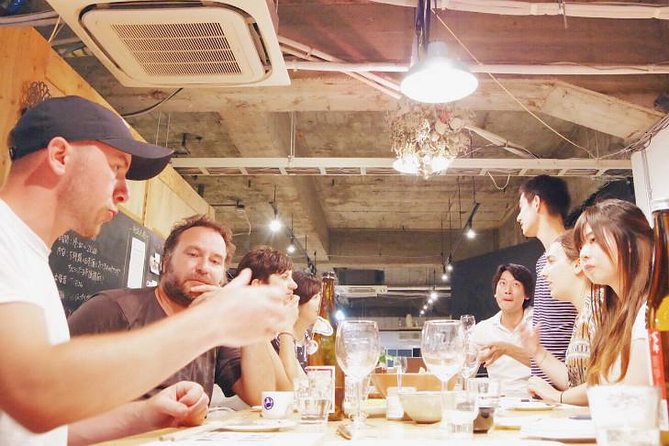
This Shinjuku class turns sake from a puzzling restaurant list into a drink you can actually choose. Over about two hours, a sake sommelier explains brewing, labels, flavors, and food pairings while you taste at least six varieties, sometimes nine or ten. You also build a tasting chart, which helps you remember what you liked.
I like the small maximum of eight people, since it gives you room to ask questions. I also like the practical advice on buying and ordering sake, including the kind of guidance that helped past participants feel ready to order Junmai Daiginjo on their next meal out.
The main caution is the alcohol. With generous pours and as many as ten tastings, you can become uncomfortably tipsy, especially on an empty stomach. Eat beforehand, drink water, and do not treat the snacks as a full meal.
Key points
- Taste broadly: Expect at least six sakes, with some sessions offering nine or ten.
- Learn the useful basics: Brewing methods, labels, styles, flavor profiles, and serving choices are covered.
- Keep the group personal: The class has a maximum of eight people, and some sessions may be even smaller.
- Meet engaging hosts: Max, Joe, Tadashi, Megan, Cassy, Andrea, and Hawaii Joe have led sessions praised for warmth and clear explanations.
- Pair sake with food: Locally sourced snacks show how different sakes work with a meal.
- Plan for the alcohol: Eat first and pace yourself, since this is a substantial tasting rather than a token sample.
What the two-hour Shinjuku sake class actually does
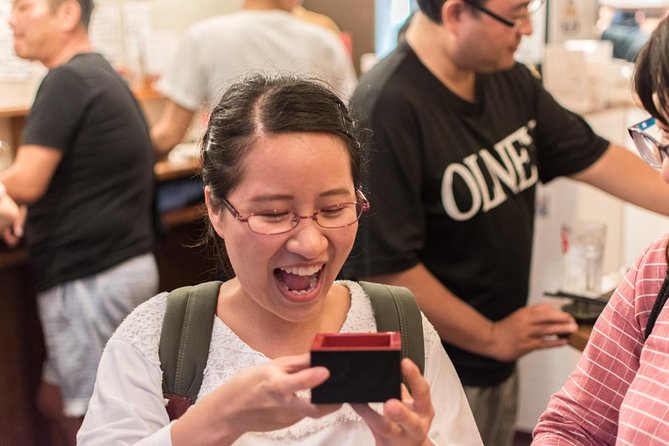
You meet at Ushinobi Shinjuku, Wagyu & Sake, in room 201 of the NSK Building at 1-chōme-22-1 Hyakuninchō, Shinjuku City. The listed start time is 1:00 pm, and the class finishes back at the same meeting point.
The session takes place in Nishishinjuku, an easy-to-reach part of Tokyo with public transportation nearby. Take care with the address before setting out. One participant had trouble because the location seemed different from the stated meeting point, so I would check the confirmation details closely and allow a little time to find room 201.
Once settled, you begin with Sake 101. The instructor explains how sake is made, how rice polishing affects the final drink, and how to read the information on a bottle. You do not need prior knowledge. The class is designed to work for a complete beginner, yet it also gives sake fans useful terms for exploring further.
The teaching style depends on your host. Max is described as lively and entertaining, while Joe is known for clear explanations and practical food advice. Tadashi has been praised for balancing detail with an approachable manner. Andrea, Megan, Cassy, and Hawaii Joe have also led sessions that focus on questions, conversation, and a relaxed tone.
That range matters. You are not booking a silent flight of samples with a lecture playing in the background. The value comes from being able to ask why two clear drinks taste so different, or how to order something dry, light, full-bodied, modern, or traditional.
More things to do in Shinjuku:
- Tokyo: Shinjuku Food Tour (13 Dishes at 4 Local Eateries)
★ 5.0 · 6,603 reviews - Tokyo Bar Hopping Tour in Shinjuku (All-You-Can-Drink + Dinner)
★ 5.0 · 3,587 reviews - Tokyo: Shinjuku Food Tour (15 Dishes and 4 Eateries)
★ 4.9 · 2,033 reviews
Sake 101: brewing, labels, and flavor
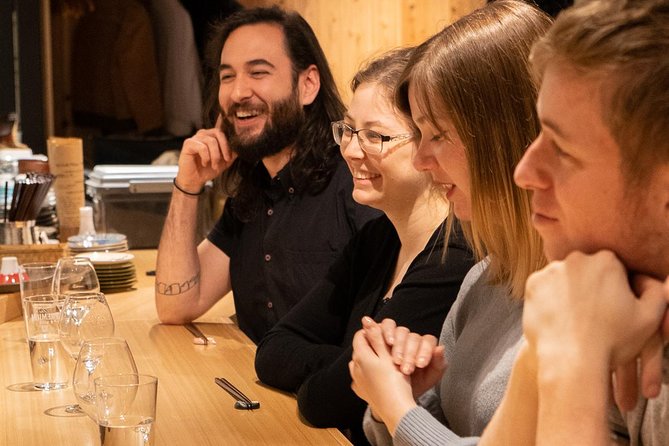
The first lesson gives you a framework for tasting. Instead of simply hearing that one sake is sweet and another is dry, you learn what may cause those differences and which label terms can help you choose a bottle.
The brewing discussion covers the basic process and the history of sake production. You also learn about different types of sake and what to notice in the glass. The goal is not to turn you into a brewer in one afternoon. It is to give you enough information to make sense of a restaurant menu or a bottle shop shelf.
I especially like that the class connects technical information to real choices. After learning a term, you taste a sake that helps explain it. That makes the information easier to use later, when the instructor is no longer beside you.
The level can be a little high for someone who wants only a casual drink. One first-time drinker found the information came quickly and felt more advanced than expected. If you are new to sake, ask questions early and do not worry about remembering every term. The most useful result is knowing a few styles and flavors you prefer.
The tasting flight: six or more styles, sometimes ten
The main event is the flight of sake. The details say you will taste more than six varieties, while the activity title promotes eight or more. Individual accounts describe nine and ten tastings, so the precise number can vary by session. Either way, this is a generous amount for a two-hour class.
You create your own tasting chart as you go. That small detail is more useful than it may sound. After several samples, the names, aromas, and textures can blur together. Writing down your reaction helps you remember which sake suited you and which one did not.
The point is not to declare a winner. It is to notice your own preferences. You might prefer a clean, lighter style, a fuller drink, or something with a different balance of sweetness and acidity. If you think you dislike sake, the range gives you a fair chance to find a style that works better for you.
Some participants particularly enjoyed rare selections. The offering can change, so I would not book this expecting a specific producer or bottle. Book it for the guided comparison and the chance to taste outside the narrow range commonly found on basic restaurant menus.
The alcohol level deserves real attention. Ten samples can add up quickly, even when each pour looks modest. One person noted becoming drunk faster than expected, while others specifically advised eating beforehand and drinking plenty of water. The snacks help, but they are not lunch.
Snacks that explain sake and food pairing
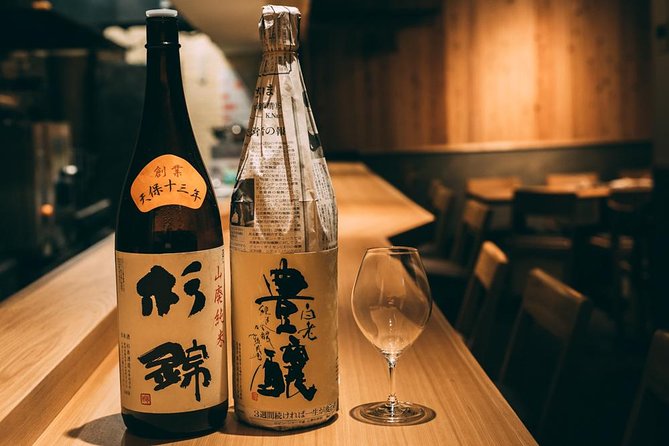
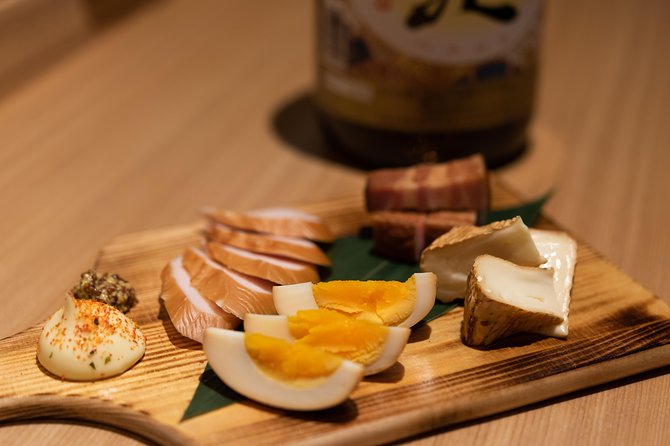
The class includes snacks chosen to complement the drinks. They are locally sourced and intended as pairings, not as a full-size meal.
This is an important part of the lesson. Sake can taste different alongside food, and a pairing shows that more clearly than a verbal explanation. A sample you find sharp or plain on its own may seem softer or more balanced with a bite of food.
You will not leave with a complete dinner, so plan around the timing. The 1:00 pm start makes a proper meal beforehand especially sensible. If you have food restrictions, message the provider at least one week before the class. The supplied information does not promise that every restriction can be handled, so early notice is the practical move.
More Tokyo sake tastings:
- Ramen and Sushi Cooking Class with Sake Pairing Set in Tokyo
★ 5.0 · 291 reviews - Sake Omakase in Tokyo: Guided Tasting by Certified Sommeliers
★ 5.0 · 239 reviews - Tasting All Types of Sake with Sommelier
★ 5.0 · 151 reviews - Wagyu & Sake Pairing in Shinjuku – Steak, Shabu-Shabu & More
★ 5.0 · 112 reviews
Why the group size improves the class
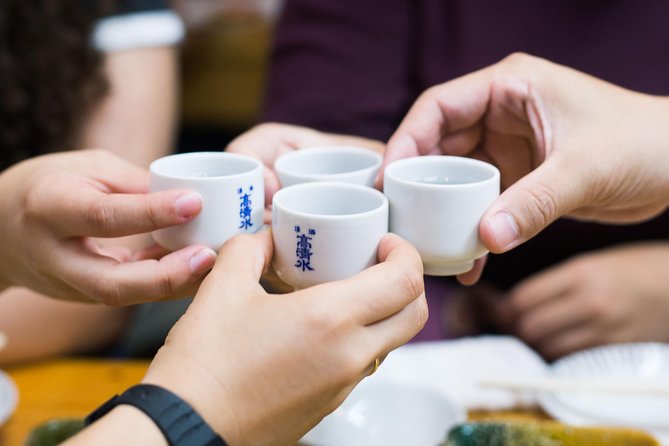
The maximum is eight people. That keeps the format personal without making it a private tasting by default.
A group of six, for example, gives everyone a fair chance to ask about a favorite sample or request help reading a label. It also lets you hear other people describe what they taste. That can sharpen your own palate, even if your impressions are different.
The group may be smaller. One person booked alone and still received the tasting, making it effectively private. That is not something I would assume for every date, but it shows that the format can sometimes be unusually personal.
You may also meet Japanese sake enthusiasts, if applicable. The class can therefore work as both a lesson and a social afternoon, though the exact mix of people will change from one session to another.
The guides make the biggest difference
The most consistent strength is the host. Max is repeatedly described as passionate, engaging, and entertaining, with a talent for explaining sake without making the class stiff. Joe brings detailed sake knowledge and practical suggestions for food and places to explore in Japan.
Tadashi has been praised for answering questions and making the session a strong first activity in Japan. Megan is described as warm and attentive, with time for every question. Andrea has a friendly manner and explains how brewing choices affect body and style. Cassy and Hawaii Joe are also noted for making beginners feel welcome.
You cannot necessarily request a specific instructor, and the supplied information does not guarantee Max, Joe, or any other named host. Still, the range of positive host feedback suggests that the teaching approach is a central part of the experience, not an afterthought.
A good host also knows when to simplify. That matters because sake vocabulary can become dense. If you are a beginner, tell the instructor. If you already know the basics, ask about labels, production methods, and pairing choices to get more from the session.
The practical value of the $72.29 price
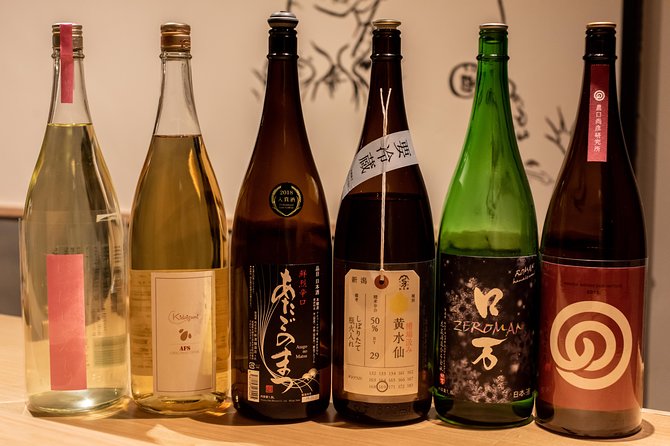
At $72.29 per person, the price is not simply paying for drinks. It covers a guided two-hour lesson, at least six sake samples, snacks, a small group, and the chance to ask a specialist direct questions.
For someone already planning to buy several bottles or order sake during a Japan trip, the class can pay off quickly. You learn how to read labels and describe what you want, which reduces the guesswork at a restaurant or shop. The tasting chart and take-home references mentioned by participants add value after the class ends.
The price is less attractive if you want only a quick taste or a full meal. The snacks are not dinner, and the educational part is substantial. You are paying for instruction as much as alcohol.
I would also compare the cost with your own drinking habits. If you rarely drink or dislike sake, a ten-sample session may feel like too much. Yet the broad range can also help a hesitant beginner find one style they enjoy, which is more useful than sampling several similar bottles.
Who should book this experience
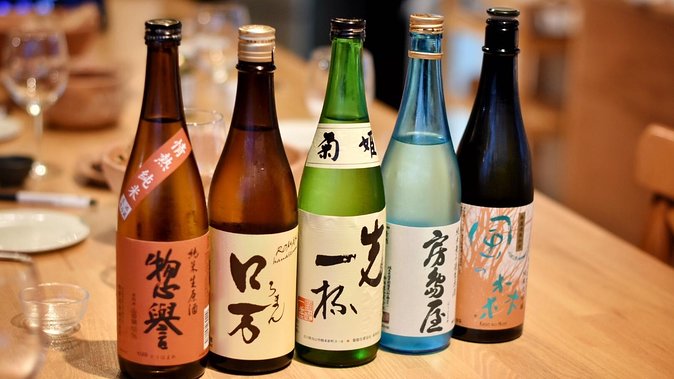
I would recommend it to anyone who wants to order sake with more confidence. It suits first-time drinkers, curious food lovers, and people who already enjoy sake but lack the vocabulary to compare bottles.
It is especially useful near the start of a Japan trip. You can use the new terms during later meals, remember the styles you liked, and ask better questions at restaurants. The local suggestions from hosts such as Joe may also help shape the rest of your time in Japan, though those recommendations will naturally vary by instructor.
The class is less suited to someone seeking a quiet, low-alcohol activity. It is also not a meal, and the information may feel fast or technical if you arrive tired, hungry, or unwilling to ask questions.
Anyone under 20 cannot join, since Japan’s minimum drinking age applies. Hotel pickup and drop-off are not included, so you must make your own way to Shinjuku and back.
Timing, meeting point, and cancellation details
The class starts at 1:00 pm, lasts about two hours, and ends at the meeting point. The activity provides a mobile ticket, and confirmation is sent when you book.
The meeting point is Ushinobi Shinjuku, Wagyu & Sake, room 201, NSK Building, 1-chōme-22-1 Hyakuninchō, Shinjuku City, Tokyo 169-0073. Since the location description has caused confusion for at least one participant, verify the exact address before leaving and do not rely only on the broad Nishishinjuku label.
Free cancellation applies when you cancel at least 24 hours before the local start time. Cancellations or changes inside that 24-hour window are not refunded or accepted.
Should you book the Shinjuku sake masterclass?
I would book this if you want more than a drink and a souvenir photo. The strongest reasons are the small group, the wide tasting flight, and the practical focus on buying, ordering, and pairing sake.
Go in with food already in you, drink water, and expect a real lesson rather than a token introduction. If you want the most from the class, keep notes, ask the host to explain unfamiliar terms, and use the tasting chart to record what you would order again.
Skip it if you need a full meal, cannot drink alcohol, or prefer a short and simple activity. For everyone else, this is a useful way to turn sake from a confusing Japanese specialty into something you can choose with confidence.
FAQ
How long does the sake tasting class last?
The experience lasts approximately two hours.
What time does the class start?
The listed start time is 1:00 pm.
Where does the class meet?
It begins at Ushinobi Shinjuku, Wagyu & Sake, room 201, NSK Building, 1-chōme-22-1 Hyakuninchō, Shinjuku City, Tokyo 169-0073, Japan.
Does the class return to the meeting point?
Yes. The activity ends back at the same meeting point.
How many kinds of sake will I taste?
You will taste at least six varieties. The activity title promotes eight or more, and individual sessions have included nine or ten samples.
Are snacks included?
Yes. Snacks and beverages are included, but the snacks are not a full-size meal.
Is transportation included?
No. Hotel pickup, hotel drop-off, and transportation to or from attractions are not included.
What is the minimum drinking age?
The minimum drinking age is 20.
How many people can join the class?
The maximum group size is eight people.
Can I cancel for a full refund?
Yes, if you cancel at least 24 hours before the experience start time. Cancellations or changes made less than 24 hours before the start are not refunded or accepted.
More Tokyo food tours
- Tokyo Tsukiji Fish Market Food and Culture Walking Tour
★ 5.0 · 3,184 reviews - Tokyo: Tsukiji Fish Market Food and Walking tour
★ 5.0 · 1,724 reviews - Eat and Drink Like a Local: Tokyo Ueno Food Tour-Taverns&Ramen
★ 5.0 · 957 reviews - Tokyo: Shibuya Food Tour (13 dishes and 4 Eateries)
★ 5.0 · 770 reviews
More Tokyo drink tastings and bars
- Best of Shinjuku: Izakaya Food Tour (4 Stops, 14+ Tastings)
★ 5.0 · 1,863 reviews - Tokyo: Shinjuku Local Bar and Izakaya Guided Walking Tour
★ 4.9 · 1,794 reviews - Shibuya Meltdown Nightlife Tour: All-You-Can-Drink Bar Hopping
★ 5.0 · 1,058 reviews - Tokyo: Pub Crawl and Bar Tour
★ 4.5 · 951 reviews
Newly reviewed around Tokyo
- Tokyo Asakusa:Calligraphy & Make T-shirt Activity★ 5.0 · 62 reviews
- Intercity Shuttle, Tokyo to Haneda /Narita /Yokohama /Makuhari★ 5.0 · 5 reviews
- 1 Hour Travel around Tokyo with a Professional Photographer★ 5.0 · 3 reviews
- Travel Tokyo with Your Own Personal Photographer★ 5.0 · 43 reviews
- Kickboxing & Body Training with EX-Pro Fighter★ 5.0 · 4 reviews
- Train in Samurai Swordsmanship and Defeat the Demon in Tokyo★ 5.0 · 5 reviews
- Shuttle Van 6hr Tokyo Tour to-and-from Tokyo, Yokohama and Narita★ 5.0 · 9 reviews
- Traditional Japanese Knife Sharpening Class★ 5.0 · 18 reviews
Tokyo Sake Tastings, compared.
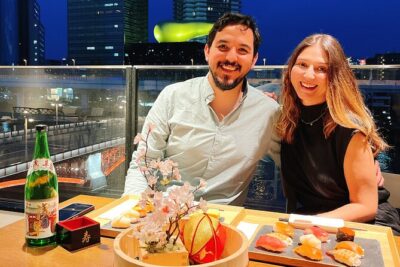
Ramen and Sushi Cooking Class with Sake Pairing Set in Tokyo
Read our review →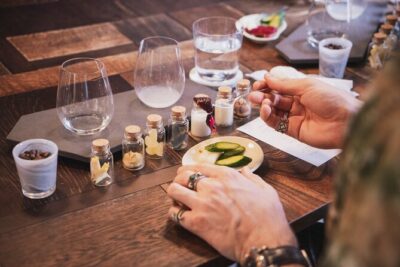
Sake Omakase in Tokyo: Guided Tasting by Certified Sommeliers
Read our review →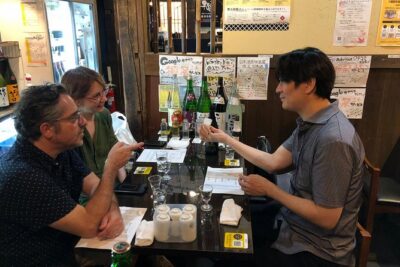
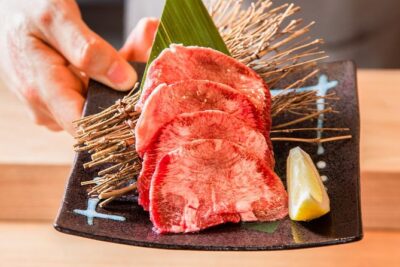
Wagyu & Sake Pairing in Shinjuku – Steak, Shabu-Shabu & More
Read our review →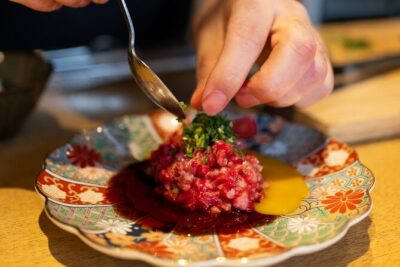
Tokyo Wagyu & Sake Pairing Tasting Experience with Local Flavors
Read our review →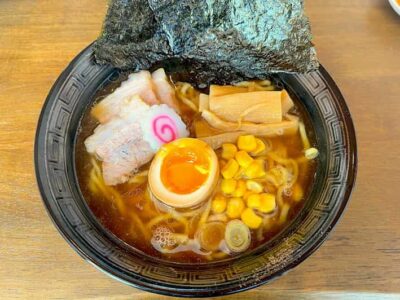
Sushi and Ramen Cooking Class with Sake Pairing Set
Read our review →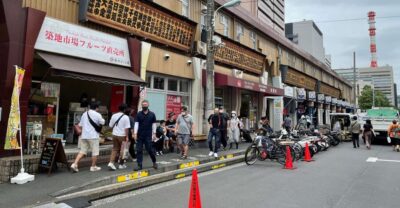
Tsukiji: Outer Market Walking Tour & Sake Tasting Experience
Read our review →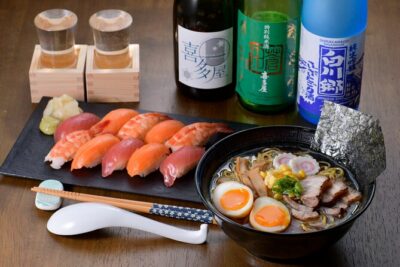
Cozy Tokyo Class: Ramen, Sushi, Sake Pairing & Cultural Exchange
Read our review →Browse the lists this tour appears in