
Reviewed · ASAKUSA AND SENSOJI TOURS
Asakusa: Kitchen knife store visits after history tour
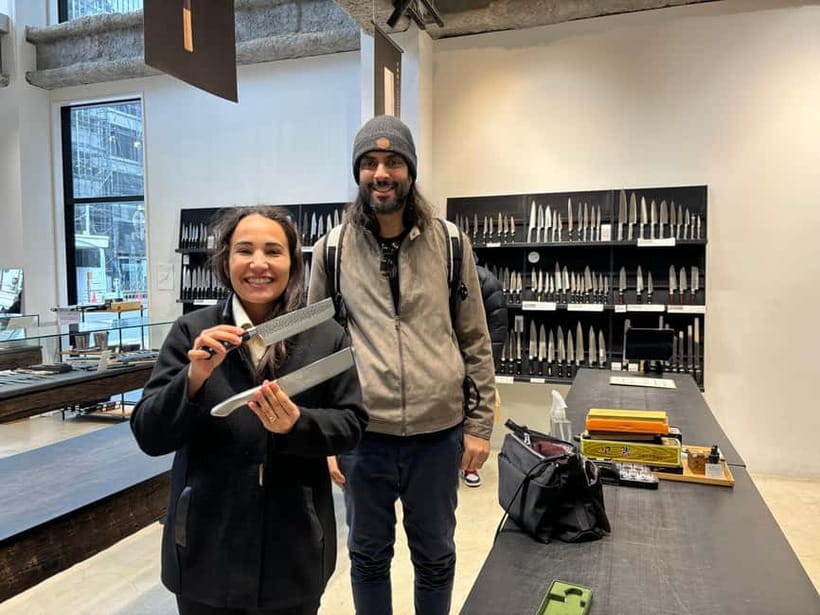
Japanese kitchen knives are the star here, but the smart part is the order: first, you get your bearings in Asakusa’s historic center, then you head to nearby Kappabashi Street with a guide who can help you sort through unfamiliar brands, styles, and sales pitches. It is a useful setup for anyone who wants more than a quick souvenir.
I like the focused shopping time and the guide’s hands-on help, especially since past bookings with Machiko included translation and assistance during purchases. I also like the included Japanese sweet snacks and the small-group size. The possible drawback is that this is a walking tour in all weather, and the history portion may feel secondary if your only goal is to buy a knife.
Key points at a glance
- Kappabashi Street follows the Asakusa history walk: You see the temples first, then reach the restaurant-supply district next door.
- Knife shopping comes with an English-speaking guide: You can ask for neutral advice while listening to store staff explain their products.
- The tour is limited to eight people: Groups of three or more use headsets so you can hear the guide while walking.
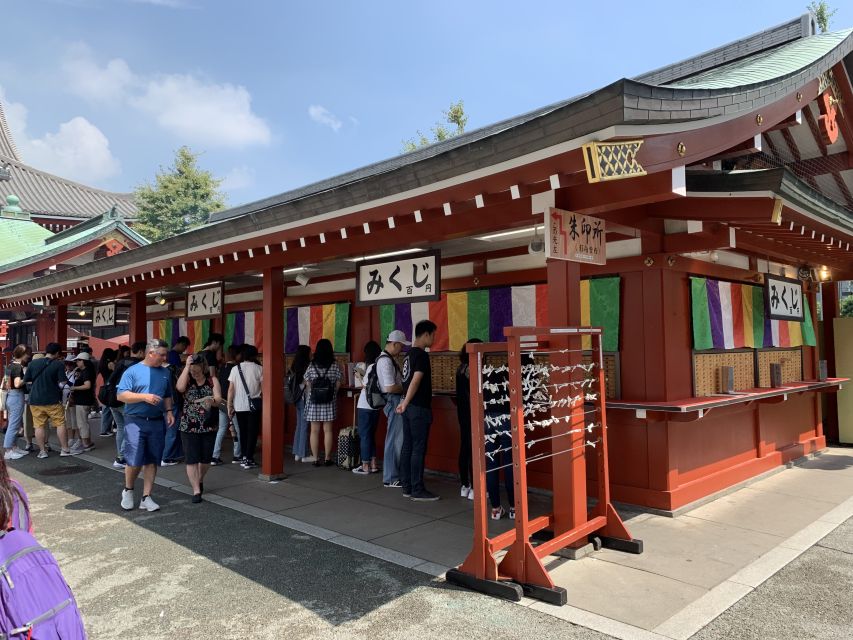
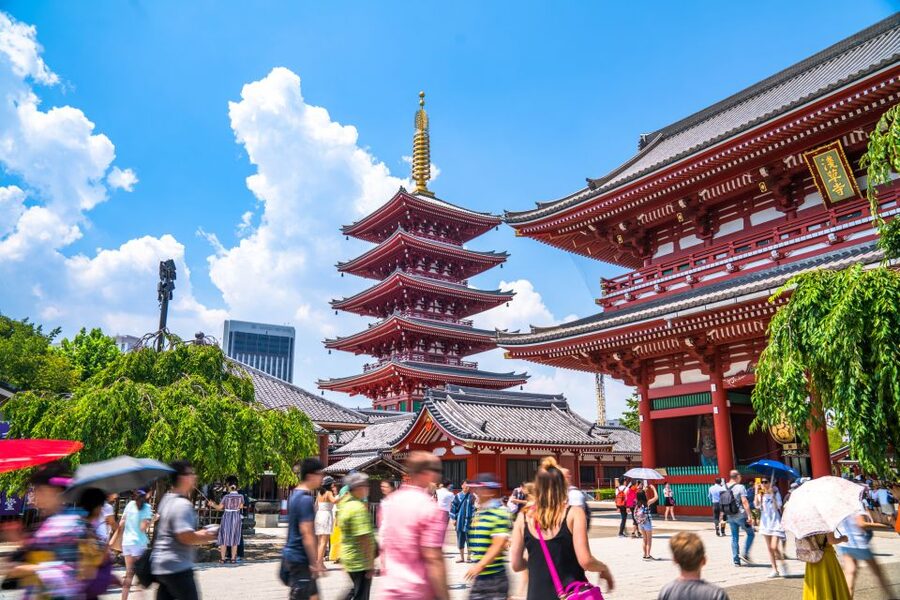
- Sensō-ji anchors the route: The visit includes Kaminarimon, Nakamise Shopping Street, Hōzōmon Gate, and Tokyo’s oldest temple.
- The $77 price covers more than shopping: You receive a 210-minute guided walk, temple-area context, snack treats, and shopping assistance.
- You must meet near Asakusa Station: The starting point is in front of Burger King beside Exit 4 of the Ginza Line station.
Why the Asakusa-to-Kappabashi route works
Many knife shoppers go straight to Kappabashi Street and start comparing blades without knowing much about the neighborhood. This experience takes a better route for a first visit. You spend the opening part of the tour walking through Asakusa, then move toward the kitchen-supply district with the local setting already explained.
That matters because Asakusa is not just a backdrop for shopping. Its gates, temple grounds, old commercial streets, and riverfront help you understand why this part of Tokyo feels different from the city’s newer business and shopping districts. The tour gives you a compact introduction before changing gears from sightseeing to buying.
I also like the practical reason for using a guide here. Japanese kitchen knives can vary by shape, intended use, steel, finish, and price. The supplied details do not promise a knife-making lesson or a private sharpening demonstration, so you should not book this expecting a technical workshop. You should book it if you want help finding the right shops and making a purchase with less guesswork.
More Asakusa and Sensoji tours:
- Tokyo: Japanese Dance Cabaret Theater Asakusa-Kaguwa Ticket
★ 4.8 · 2,270 reviews - Tokyo: Meiji Shrine, Asakusa, Skytree Bus Tour and Cruise
★ 4.7 · 1,986 reviews - Tokyo: Roll and Authentic Sushi Making Class in Asakusa
★ 4.9 · 1,957 reviews
Starting beside Asakusa Station
The meeting point is in front of a Burger King beside Exit 4 of Asakusa subway station on the Ginza Line, identified as station G19. You need to step outside at Exit 4 rather than wait somewhere inside the station.
This is a practical meeting place, but Asakusa has several train lines and station exits, so allow time to find the correct one. The tour does not include hotel pickup or drop-off. You make your own way to the starting point and return there at the end.
The group is limited to eight people. That is a useful size for a walking tour with shopping assistance. It gives you a better chance to ask questions than a large coach group would, though the exact feel depends on how many people book your departure.
Tokyo Cruise Asakusa Pier and the riverfront opening
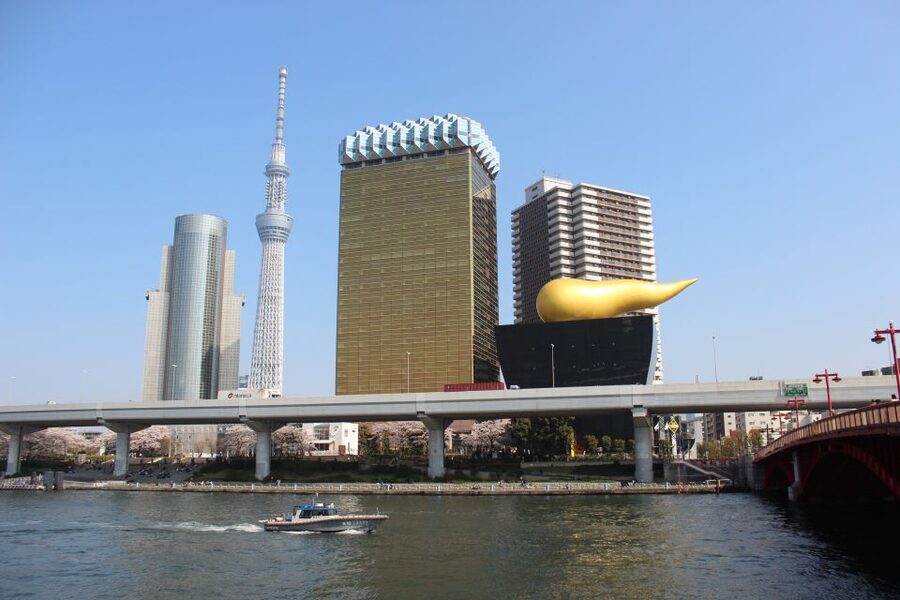
The route begins with a guided stop around Tokyo Cruise Asakusa Pier. The listed walking and sightseeing time is about 15 minutes.
The pier gives the tour a clear geographic starting point. You are near the Sumida River and the transport routes that connect this part of Tokyo with other waterfront areas. The guide uses the stop to place Asakusa on the map before the route turns toward its best-known religious and shopping sights.
Do not expect a long river cruise. The pier is included as a sightseeing stop, not as a boat ride. That is important when planning your day. The experience is a walking tour, and most of the value comes from the guide’s explanations and the later knife-shopping visit.
The tourist information center and Kaminarimon
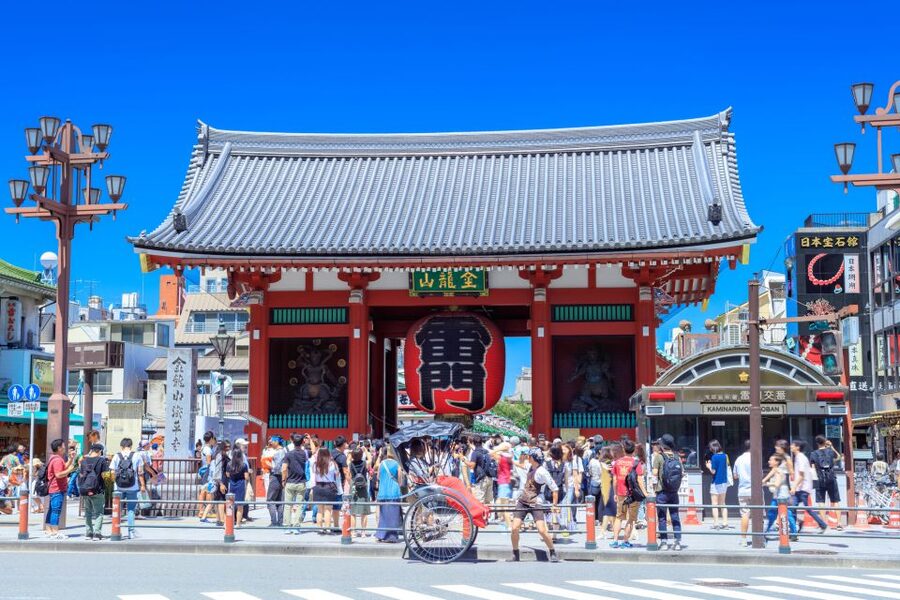
Next comes the Asakusa Culture Tourist Information Center, followed by Kaminarimon, the large entrance gate associated with Sensō-ji. Each portion is listed at about 15 minutes.
The information center is a useful orientation point. You can learn how Asakusa’s major sights fit together before entering the denser pedestrian area. Then Kaminarimon gives you the classic visual introduction to the temple district, with its large gate and famous lantern.
The short time at each stop keeps the tour moving. That is good if you want to reach Kappabashi without spending your entire afternoon at the temple. It also means you should not expect a slow architectural study of every building. The guide is giving you a working tour of the area, not a specialist lecture in religious art.
Past bookings have praised guide Machiko’s English, local explanations, and willingness to help with purchases. Guides can vary by departure, but an English-speaking certified guide is included. That language support is especially useful once you begin comparing knives and need to ask specific questions in a shop.
More Tokyo markets and shopping streets:
- Tokyo Tsukiji Fish Market Food and Culture Walking Tour
★ 5.0 · 3,184 reviews - Tokyo: Tsukiji Fish Market Food and Walking tour
★ 5.0 · 1,724 reviews - Tokyo: Tsukiji Fish Market Guided Walking Tour
★ 4.9 · 1,397 reviews - Tsukiji Fish Market Guided Tour and Sushi Making with Pro Chef
★ 5.0 · 775 reviews
Nakamise Shopping Street and the approach to Sensō-ji
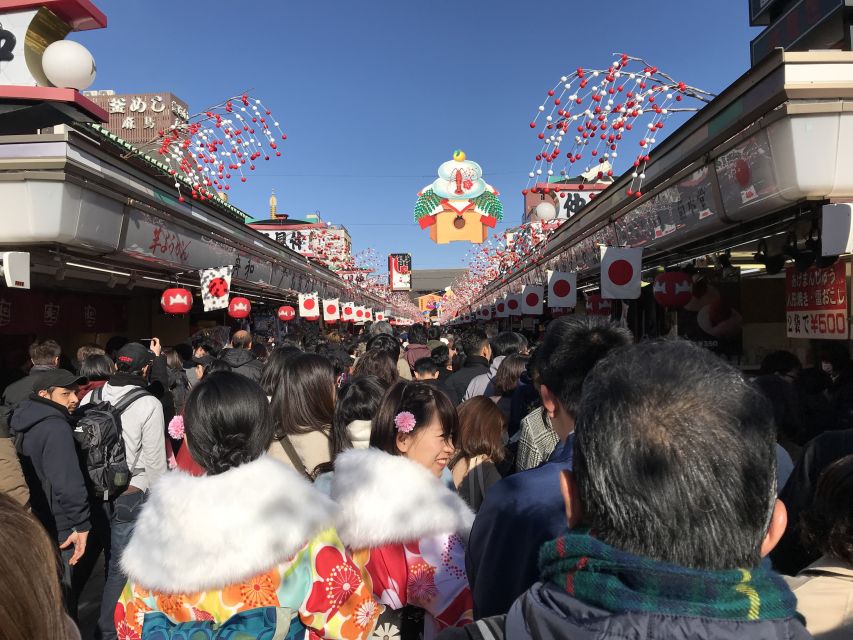
The route continues along Nakamise Shopping Street for about 30 minutes. This is the commercial approach to Sensō-ji, lined with shops and food stalls leading toward the temple gates.
This section gives you time to observe how sightseeing and shopping have long been linked in Asakusa. It is also where the pace can become slower, since the street is a major stop for people visiting the temple. Keep your belongings close and stay aware of the group as the route moves through the pedestrian flow.
Japanese sweet snacks are included during the tour. The exact selection is not specified, so treat this as a small taste of local fare rather than a dedicated food tour. I like the addition because it gives the walking portion a simple break, and it adds a bit of local flavor without changing the main purpose of the experience.
If you are hoping to shop for general souvenirs on Nakamise, keep your attention on the tour schedule. The longer shopping time comes later at Kappabashi Street. You may have a little opportunity to look as you walk, but the experience is designed around guided sightseeing first.
Hōzōmon Gate and the Sensō-ji temple grounds
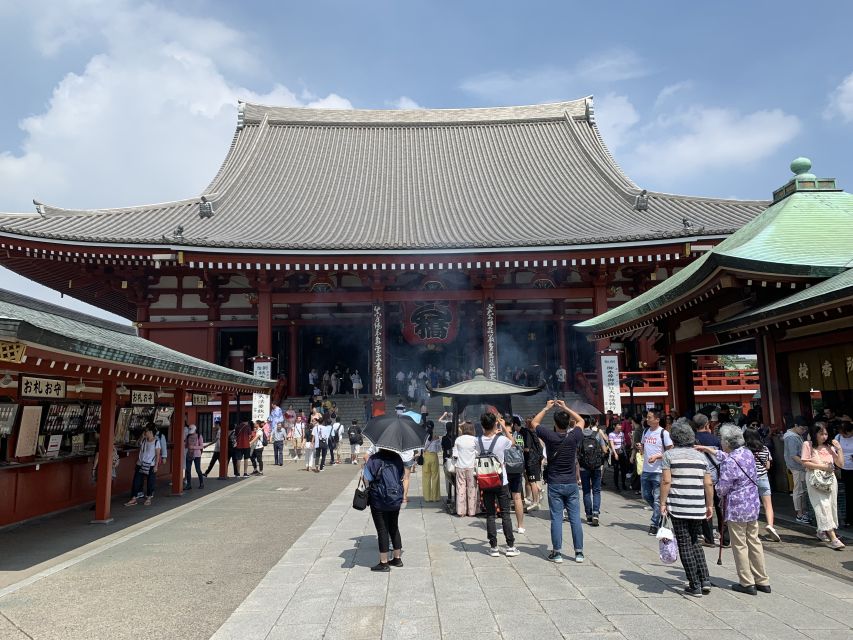
After Nakamise, you reach Hōzōmon Gate and Sensō-ji. Each is allocated about 15 minutes.
Hōzōmon is the inner gate leading into the temple area. It helps mark the transition from the commercial approach to the religious heart of the district. Sensō-ji is Tokyo’s oldest temple and the main historical highlight of the walking portion.
A 15-minute temple stop is enough for a clear explanation and a look around, but it is not enough for an unhurried visit to every corner. If Sensō-ji is high on your personal list, you may want to return later on your own. The tour gives you context and a guided introduction, then keeps the schedule moving toward the knife shops.
That balance suits me. You get more than a shopping escort, but you do not lose the afternoon to a long temple lecture. The history section also makes the later Kappabashi visit feel connected to the neighborhood rather than tacked onto a standard sightseeing route.
Kappabashi Street, where the tour earns its price
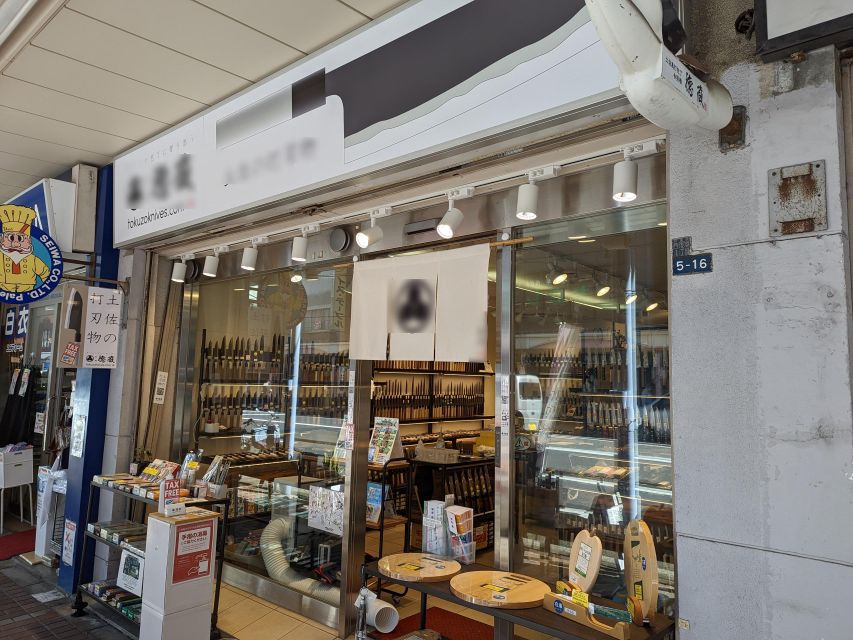
The final major stop is Kappabashi Street, with about one hour set aside for guided shopping. This district is next to Asakusa and is known for stores selling equipment used by restaurant operators. Kitchen knives are one of its main product categories.
This is the strongest reason to choose the experience instead of simply walking around Tokyo with a map. The guide takes you directly to suitable stores, so you do not have to spend your first hour deciding where to begin. The available information does not name the individual shops, and the exact stops may vary, so you should think of this as guided access to the knife-shopping area rather than a guaranteed visit to a particular retailer.
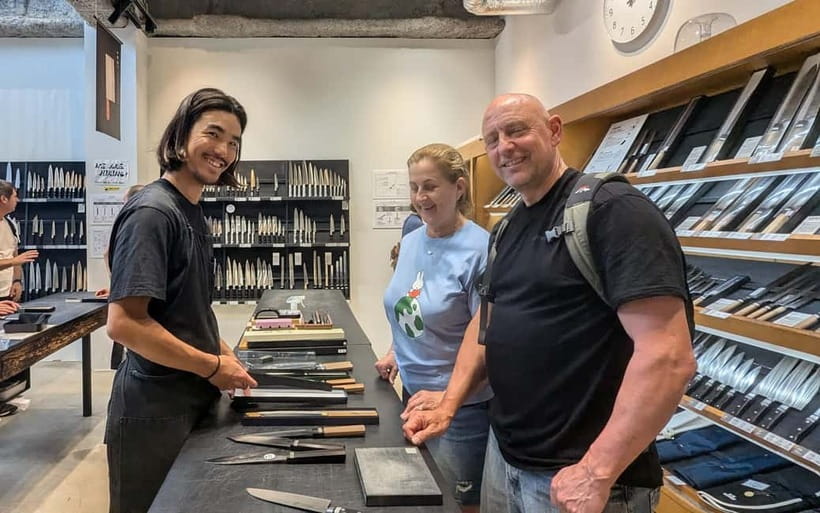
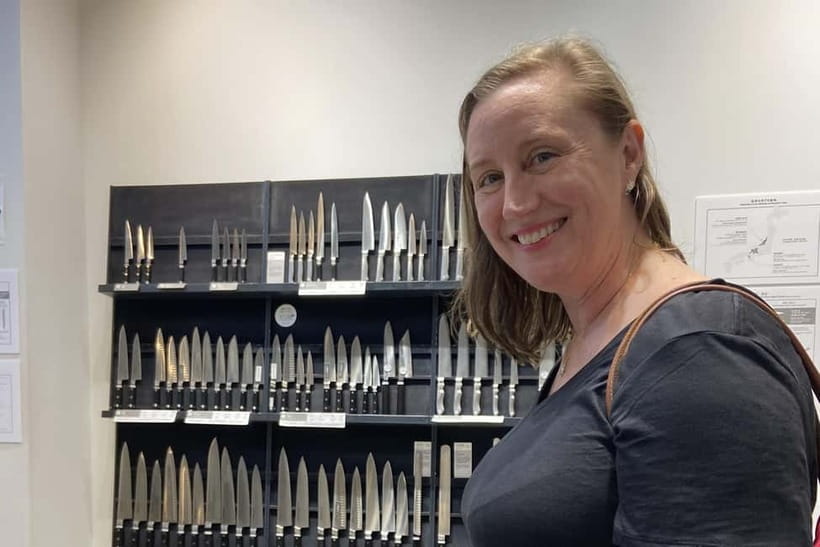
You can expect a broad selection rather than one narrow specialty. Stores in this district handle many kitchen products, and knife shops carry full product lines. That improves your odds of finding a blade that matches what you actually want, instead of settling for the first attractive knife in a general souvenir shop.
The guide’s role is just as important as the location. Shop staff may explain why one knife costs more than another or recommend a particular style. You can listen, ask questions, and get a second opinion from the tour guide. Past bookings specifically praised Machiko for translating, helping with purchases, and staying beyond the planned end time to assist. That extra help is not something you should assume every departure will include, but it shows the practical level of support the guide can provide.
How to shop for a knife without rushing
One hour is useful, but it is not unlimited. You should arrive with a rough idea of what you need: a general kitchen knife, a gift, a professional-style blade, or simply a well-made Japanese knife for home use.
You do not need to know all the technical terms before booking. That is part of the point of having a guide. Still, think about your budget and how you cook. A guide can help you compare choices, but only you know whether the knife will be used daily, carried home as a gift, or displayed as a keepsake.
The tour description promises candid and neutral feedback while store clerks explain their products. That makes the experience more useful than a simple sales visit. You can ask the guide to clarify what is being said and to help you separate practical differences from sales language.
Do not expect the guide to make the decision for you. The best use of the hour is to ask focused questions, compare a few options, and buy only when the choice makes sense. If you need a very specific professional blade or a custom order, the available information does not confirm that this tour can arrange it.
Headsets, pace, and comfort
For groups of three or more, the guide uses an earphone system. You can hear explanations from a short distance rather than crowding around the guide at every stop. That is particularly helpful near Nakamise and the temple gates, where people may be moving in several directions.
The tour takes place rain or shine. Bring footwear suited to several hours of walking and dress for the forecast. The supplied details do not promise indoor alternatives or a weather-related change of route, so plan on following the outdoor itinerary in wet conditions if the tour operates as scheduled.
The total duration is 210 minutes, or three and a half hours. The route includes several short sightseeing stops and roughly one hour of shopping. It is long enough to give you useful local context, but compact enough to fit alongside other Asakusa plans.
Is $77 a fair price?
At $77 per person, this is not the cheapest way to see Sensō-ji or walk through Kappabashi. You could visit both areas independently for less money, especially if you are comfortable researching shops and handling every purchase conversation yourself.
The price makes more sense if the knife is your main goal. You are paying for a small group, an English-speaking certified guide, direct guidance to suitable stores, help interpreting sales information, and a structured history walk before shopping. The included snacks and headsets add comfort, but they are not the central value.
I would compare the cost with the price of making a poor knife purchase. If you are unsure what to buy, do not speak Japanese, or want help asking questions in the shops, the support can justify the fee. If you already know the exact store and knife you want, an independent visit may be better value.
Who should book this experience?
This tour suits first-time visitors to Asakusa who want both temple history and a focused shopping stop. It also fits home cooks, food professionals, collectors, and gift buyers who want to see more than one knife option.
It is especially useful for you if:
- You want an English-speaking guide to help compare knives.
- You prefer a planned route over searching for shops on your own.
- You would like a short introduction to Asakusa before shopping.
- You want a small group rather than a large organized tour.
- You are happy walking outdoors for three and a half hours.
It may not suit you if you want a full-day Asakusa history tour, a cooking lesson, a dedicated food tour, or a guaranteed visit to a named knife maker. It is also less appealing if you dislike shopping pressure or already have a detailed buying plan.
Booking details worth keeping in mind
Free cancellation is available up to 24 hours before the start time for a full refund. You can also reserve now and pay later, which helps if your Tokyo schedule is still changing.
The tour is offered in English, with an English-speaking guide and English audio support through the headset system when the group has three or more people. The group limit is eight participants.
The starting point is in front of Burger King beside Exit 4 of Asakusa Station on the Ginza Line, station G19. There is no hotel pickup or drop-off, so plan your route to and from that meeting point.
Should you book the Asakusa knife tour?
Book it if you want Japanese kitchen knives and would rather have a guide lead you to the right part of Kappabashi, explain the choices, and help with communication. The temple walk gives the purchase a useful sense of place, while the one-hour shopping stop keeps the experience focused.
Skip it if your priority is a slow, detailed visit to Sensō-ji or if you already know exactly where and what you want to buy. For the right person, though, the combination is strong: Asakusa context first, practical knife shopping second, with an English-speaking guide to help you make a sensible choice.
FAQ
How long does the tour last?
The tour lasts 210 minutes, or three and a half hours.
Where does the tour begin?
It begins in front of a Burger King beside Exit 4 of Asakusa subway station on the Ginza Line, station G19.
Does the tour include hotel pickup or drop-off?
No. Hotel pickup and drop-off are not included.
Is the tour conducted in English?
Yes. The tour includes an English-speaking certified guide and English audio support.
Does the tour include a headset?
For groups of three or more, an earphone guide system is used so you can hear the guide from a distance.
How much time is spent at Kappabashi Street?
About one hour is scheduled for guided sightseeing and shopping on Kappabashi Street.
Can I cancel for a full refund?
Yes. You can cancel up to 24 hours in advance for a full refund.
More history and heritage tours in Tokyo
- Tokyo: Imperial Palace and Shogun Historical Walking Tour
★ 5.0 · 2,251 reviews - Tokyo: Imperial Palace Japanese History Walking Tour
★ 4.9 · 987 reviews - Tokyo: Shinjuku Historical Walking Tour & Secret Backstreets
★ 5.0 · 530 reviews - Yanaka Walking Tour: Historic and Traditional District of Tokyo
★ 5.0 · 530 reviews
Newly reviewed around Tokyo
- Tokyo Asakusa:Calligraphy & Make T-shirt Activity★ 5.0 · 62 reviews
- Intercity Shuttle, Tokyo to Haneda /Narita /Yokohama /Makuhari★ 5.0 · 5 reviews
- 1 Hour Travel around Tokyo with a Professional Photographer★ 5.0 · 3 reviews
- Travel Tokyo with Your Own Personal Photographer★ 5.0 · 43 reviews
- Train in Samurai Swordsmanship and Defeat the Demon in Tokyo★ 5.0 · 5 reviews
- Shuttle Van 6hr Tokyo Tour to-and-from Tokyo, Yokohama and Narita★ 5.0 · 9 reviews
- Kickboxing & Body Training with EX-Pro Fighter★ 5.0 · 4 reviews
- Traditional Japanese Knife Sharpening Class★ 5.0 · 18 reviews
Asakusa and Sensoji Tours, compared.

Japanese Dance Cabaret Theater Asakusa-Kaguwa Ticket
Read our review →
Meiji Shrine, Asakusa, Skytree Bus Tour and Cruise
Read our review →
Roll and Authentic Sushi Making Class in Asakusa
Read our review →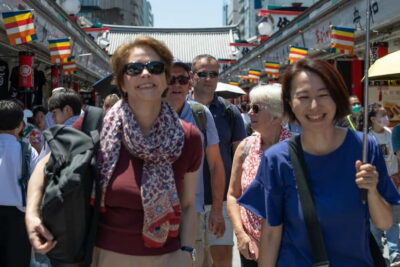
Asakusa Walking Tour with Sensoji Temple Visit
Read our review →
Tokyo Panoramic 1 Day: Meiji Shrine, Asakusa, Odaiba and SKYTREE®
Read our review →
Tokyo Go Kart: Asakusa, Skytree, and Akihabara **IDP MUST**
Read our review →
Asakusa, Skytree & Akhihabara Go-Kart City Experience
Read our review →Browse the lists this tour appears in