
Reviewed · TSUKIJI AND TOYOSU FISH MARKET TOURS
Tokyo Morning Tour: Meiji Shrine, Asakusa & Fish Market
Tokyo reveals itself early, before the day gets noisy. This tour makes good use of those first hours, moving from the quiet forest paths of Meiji Shrine to the food stalls of Tsukiji and the old streets of Asakusa. You get three very different sides of the city in one morning.
I like the balance between food and culture, and I like having a guide explain customs that are easy to miss on your own. Guides including Yosuke, Lax, Lex, Yo Yo, Remu, and Ken have been praised for clear English, warm care, and strong knowledge of Japanese religion and daily life.
The main drawback is pace. Four and a half hours is enough for an introduction, not a slow exploration, and you must pay about 550 yen for public transport. Tsukiji and Asakusa can also be crowded, even during morning hours.
Key points at a glance
- A three-part Tokyo morning: Move from Meiji Shrine’s calm grounds to Tsukiji’s food stalls and Asakusa’s temple district.
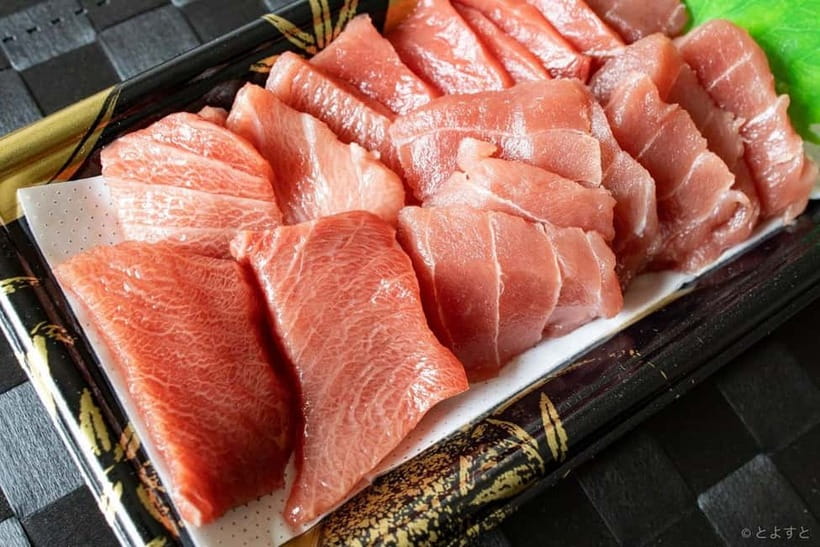
- Fresh market tasting: Try sushi and sashimi at Tsukiji Outer Market, with croquettes and Japanese sweets in Asakusa.
- Strong guide element: English-speaking guides explain Shinto, Buddhism, local customs, and district history.
- A useful first-day route: The tour gives you an early sense of Tokyo’s food, faith, and older neighborhoods.
- Asakusa finish: End near Senso-ji, leaving you in a good area for more sightseeing after the tour.
- Plan for transport costs: Public transportation is not included, and the expected fare is about 550 yen.
Why this route works so well in one morning
Tokyo can feel too large to grasp at first. One neighborhood gives you skyscrapers, another gives you temples, and a third gives you food stalls, but the connections are not always obvious. This tour helps by placing three major cultural stops into one clear morning route.
You start in Harajuku, visit Meiji Shrine, continue to Tsukiji Outer Market, and finish in Asakusa. The route has a useful rhythm: quiet first, food in the middle, then a lively old district at the end.
The total duration is 270 minutes, or four and a half hours. The listed visits add up to about three hours and ten minutes, leaving time for movement between districts, explanations, and food stops. You should still expect a fairly active morning rather than a relaxed cafe outing.
I see this as a good opening activity for Tokyo. It introduces customs, local food, and famous sights before you spend later days choosing your own neighborhoods. It also gives you a guide to ask about practical matters, such as temple etiquette, shrine customs, and what to eat next.
More Meiji Shrine tours in Tokyo:
- Tokyo: Meiji Shrine, Asakusa, Skytree Bus Tour and Cruise
★ 4.7 · 1,986 reviews - Tokyo Panoramic 1 Day: Meiji Shrine, Asakusa, Odaiba and SKYTREE®
★ 4.5 · 1,222 reviews - Tokyo: Meiji Shrine Walking Tour — Shinto & Imperial System
★ 4.9 · 266 reviews
Meeting at IKEA Harajuku
The meeting point is in front of IKEA Harajuku. This is a simple place to identify, but you should allow enough time to reach Harajuku and find the exact meeting spot before the start time.
The tour begins on foot and then uses public transport between districts. Since the transport fare is not included, keep about 550 yen available for the morning. The exact amount may depend on the route used that day, but the provided estimate gives you a useful budget.
Starting in Harajuku places you close to Meiji Shrine, one of Tokyo’s most peaceful major sights. It also means you begin away from the louder commercial streets, which helps the first part of the morning feel calm.
Meiji Shrine: Tokyo’s quiet first chapter
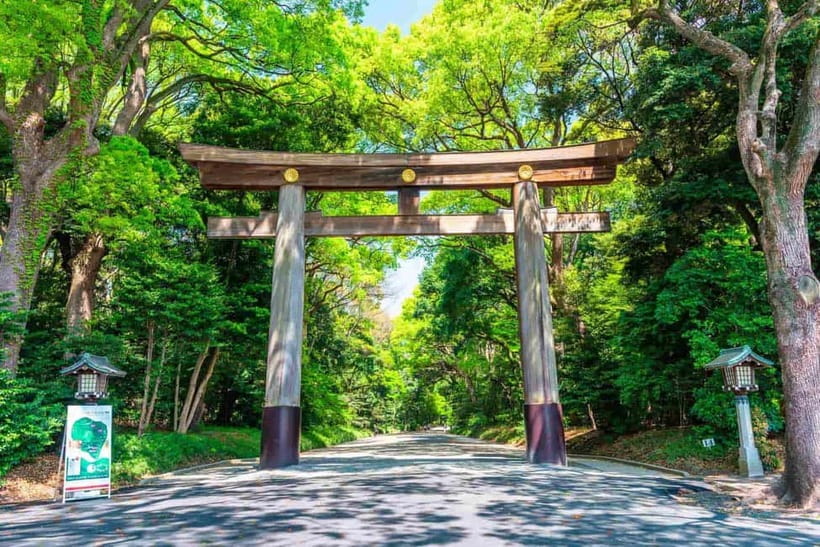
Meiji Shrine is the first visit and lasts about one hour. The contrast is immediate. Harajuku is associated with fashion and busy shopping streets, while the shrine grounds offer broad paths, tall trees, and a slower pace.
Your guide explains Shinto customs and the role of the shrine. This matters because Meiji Shrine is not just a photo stop. You can learn how Shinto differs from Buddhism, how people behave at a shrine, and why small acts of respect are important.
The tour includes admission to Meiji Jingu Shrine. You should listen carefully during the visit, since a guide can explain details that are not obvious from the buildings alone. The guide may also help you understand the meaning of shrine rituals without turning the visit into a lecture.
This is one of the places where the guide’s personality matters most. Lax has been praised for patient, clear explanations and positive energy. Lex has also been praised for making the shrine’s customs understandable and interesting. Yosuke has been singled out for explaining Japanese history, culture, and religion in fluent English.
Some feedback also refers to a fire ceremony and a powerful spiritual experience. That activity is not clearly shown in the formal stop list, so you should not book this tour expecting a guaranteed ceremony. If that is important to you, ask Goen Japan before booking.
You will have about an hour here, which is enough for a meaningful introduction. It is not enough for a long, unhurried visit to every corner of the grounds. Wear comfortable shoes, especially if you want to keep pace with the group.
Tsukiji Outer Market: the food-focused middle
The longest stop is Tsukiji Outer Market, with about 110 minutes for sightseeing. This is the section that gives the tour its strongest food appeal.
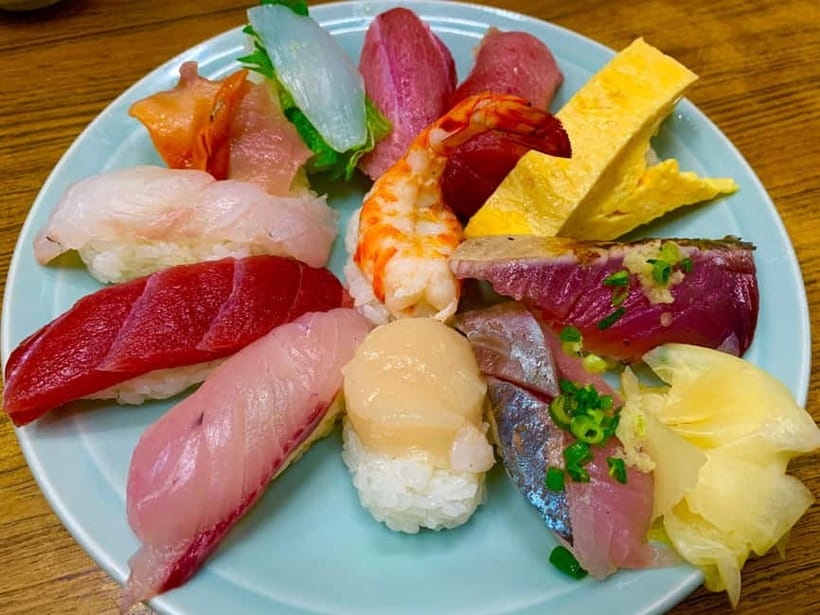
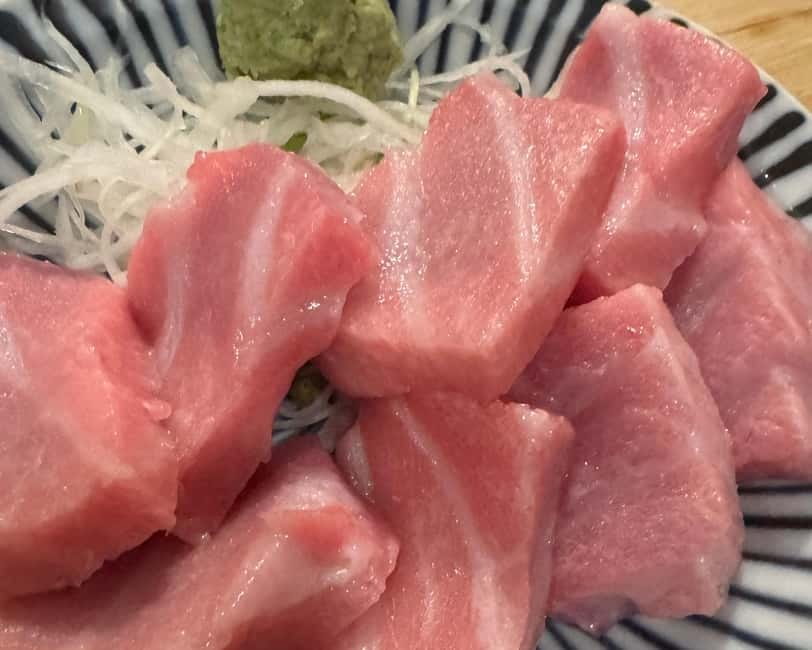
You can taste fresh sushi and sashimi from market stalls, then take in the atmosphere of a working food district. The tour is not simply a seafood meal in a restaurant. It places you among small shops and food sellers, where the setting is part of the experience.
Your guide can help you make sense of the market and point out useful stops. This is valuable because Tsukiji can feel like a wall of signs, smells, narrow lanes, and tempting snacks. The tour promises sushi and sashimi here, but you should treat the tasting as part of the tour rather than assume that every possible dish or drink is covered in the price.
The market visit is also the most practical section for questions. You can ask what different seafood is, how Japanese market shopping works, or which foods are connected to local habits. A strong guide can turn a quick tasting into a clearer picture of how food fits into Japanese life.
The tradeoff is that Tsukiji is popular. You may need to walk carefully and stay close to the guide. If you prefer to browse every stall at your own speed, 110 minutes may feel short. If you want an organized introduction with a few tastings, the timing is more useful.
I would avoid arriving hungry enough to expect a full lunch. The stated highlights are sushi, sashimi, and later snacks in Asakusa, but the tour does not promise a complete meal. You may want to plan lunch after the tour, especially since it ends in Asakusa, an easy place to continue eating and sightseeing.
More Asakusa and Sensoji tours:
- Tokyo: Japanese Dance Cabaret Theater Asakusa-Kaguwa Ticket
★ 4.8 · 2,270 reviews - Tokyo: Roll and Authentic Sushi Making Class in Asakusa
★ 4.9 · 1,957 reviews - Tokyo: Asakusa Walking Tour with Sensoji Temple Visit
★ 4.8 · 1,583 reviews - Tokyo Asakusa Rickshaw Tour
★ 5.0 · 1,375 reviews
Asakusa: temple views, snacks, and old Tokyo
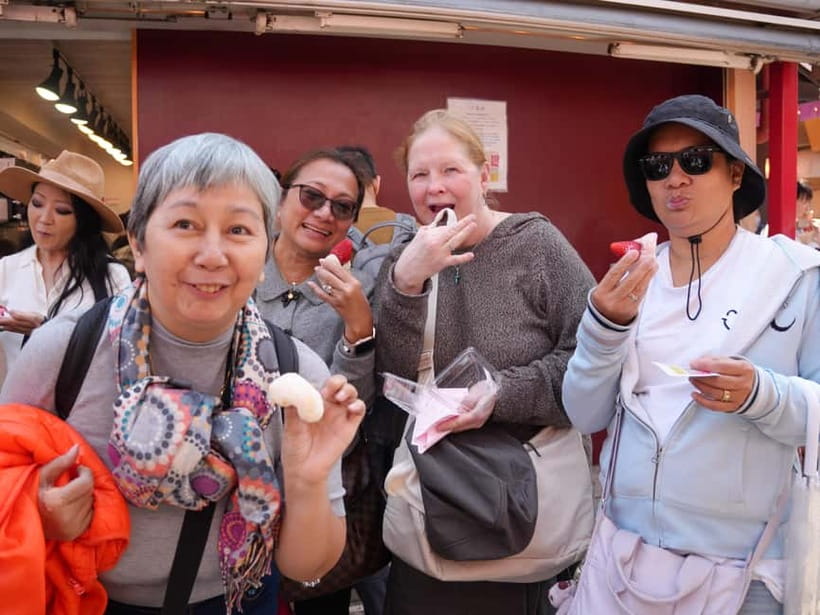
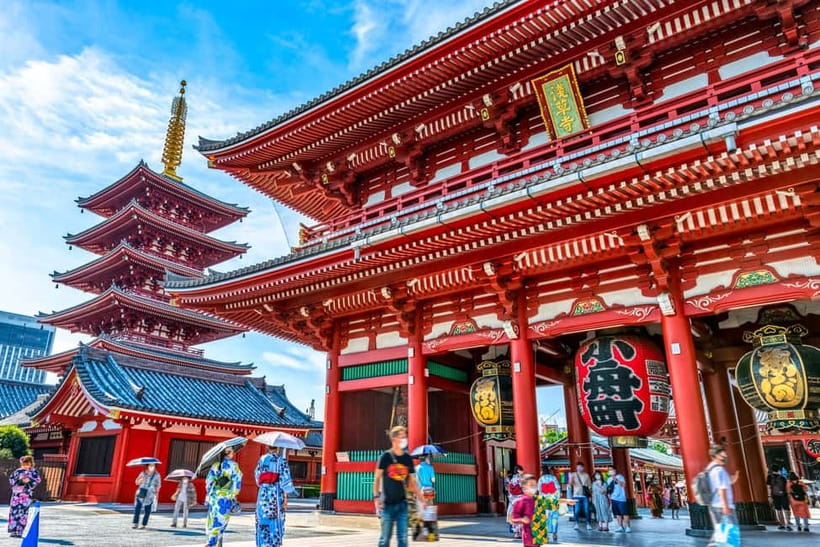
The final main stop is Asakusa, with about one hour for walking, shopping, and sightseeing. This district gives you a different view of Tokyo from both Meiji Shrine and Tsukiji.
The focus is Senso-ji Temple and the surrounding historic streets. You can see one of Tokyo’s best-known Buddhist sites, learn more about Buddhism, and enjoy local snacks along the way. Croquettes and traditional Japanese sweets are specifically part of the food experience.
This is a good place to compare Shinto and Buddhism after the morning’s first stop. Meiji Shrine introduces Shinto, while Senso-ji brings Buddhist traditions into the route. The contrast helps you understand that Japanese religious life is not one single system.
The hour in Asakusa includes walking and shopping, so expect movement rather than a long temple visit. Your guide may show you less obvious corners of the district, but there will not be time to explore every lane or shop. You finish in Asakusa, which is useful because you do not have to retrace your route to another part of Tokyo.
The end point also gives you flexibility. You can stay for lunch, continue around Senso-ji, or explore more of Asakusa on your own. The tour does not provide a return transfer, so finishing here is best seen as an advantage if Asakusa is already on your list.
What the English-speaking guides add
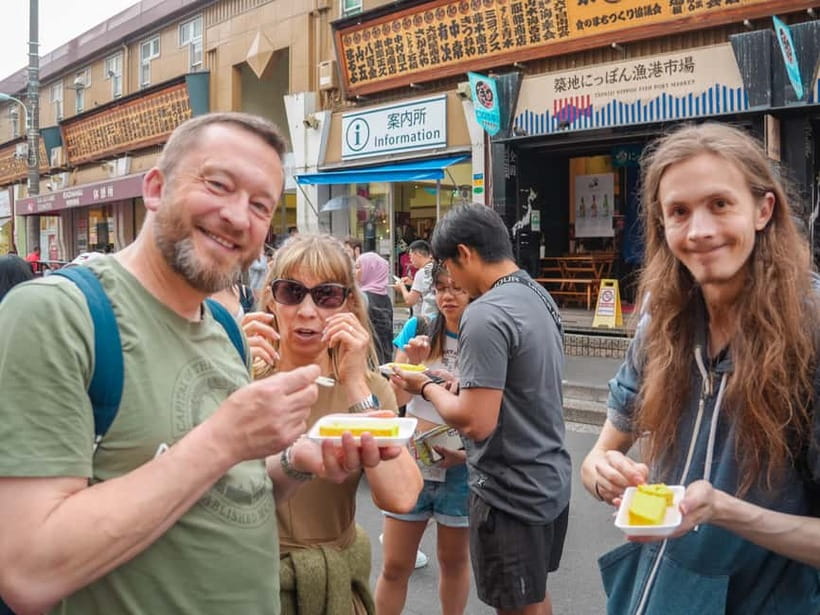
The food is appealing, but the guide is the reason this tour can be more than a checklist of famous places. The strongest praise has gone to guides who explain clearly, answer questions, keep the group comfortable, and connect religious customs with ordinary Japanese life.
Yosuke is described as active, kind, and especially attentive to families. Lax has been praised for thoughtful conversation and careful explanations. Lex is noted for his professional approach and strong understanding of Japanese culture. Yo Yo has been praised for warmth, passion, and the ability to make a family group feel welcome.
Remu and Ken have also led tours described as informative and enjoyable. Several guides have been praised for explaining the difference between Shinto and Buddhism. That subject comes up naturally on this route, so you are likely to get more from the morning if you ask questions rather than simply follow along.
Guides can change, and the quality of a tour always depends partly on the person leading it. Still, the repeated strength here is clear: the experience is built around explanation, not just transportation between sights. English is the stated tour language.
Photos taken during the tour are included. That is a nice extra if you want pictures of the morning without asking a companion to stop constantly. The tour does not specify how many photos you receive or how they are delivered, so ask the operator if that detail matters to you.
Is $83 a fair price?
At $83 per person, this is not the cheapest way to visit these areas. You can reach Meiji Shrine, Tsukiji, and Asakusa on your own for the cost of local transport and whatever food you buy. The value comes from the structure, tastings, explanations, and saved planning time.
The price includes an English-speaking guide, photos, historical and cultural explanations, and admission to Meiji Jingu Shrine, Tsukiji Fish Market, and Senso-ji Temple. Public transportation, estimated at about 550 yen, is extra.
For a first visit to Tokyo, I think the price can make sense if you want help with food choices and religious customs. You are paying for a guided morning that joins three districts which you might otherwise visit separately. It is less attractive if you already know Tokyo well, prefer independent wandering, or mainly want a large meal.
The market tasting also affects the value. Fresh sushi and sashimi are a strong part of the appeal, but the supplied details do not set out a fixed menu or quantity. Think of the food as guided sampling, not a guaranteed multi-course lunch.
Who will enjoy this morning most?
I would recommend it to first-time visitors who want a clear introduction to Tokyo. Families may also like it because the route changes pace often, and guides such as Yo Yo and Yosuke have been praised for taking care with children and parents.
It suits people who enjoy learning about religion and local customs. If you want to understand the difference between Shinto and Buddhism, this route gives you two major settings in one morning.
Food-focused visitors will like the Tsukiji and Asakusa stops, especially if you enjoy tasting small portions while walking. The tour may be less suitable for anyone with strict dietary needs, since no dietary information is provided. You should contact the operator before booking if you need menu adjustments.
This is also a good choice for solo visitors who want company at the start of a Tokyo stay. The guide gives you someone to ask about the city, and the route ends in a district where you can continue alone.
You should be comfortable walking through large public areas and moving between stops by train or other public transport. The supplied information does not give an accessibility statement, so ask Goen Japan about mobility needs before booking.
Practical advice before you go
Arrive early at IKEA Harajuku and confirm the meeting point. Bring comfortable shoes, a small amount of cash, and enough room in your schedule for the tour to finish in Asakusa.
Eat lightly before meeting the group. You will have food at Tsukiji and snacks in Asakusa, but the experience is designed around several tastings rather than one formal meal.
Keep your morning flexible after the tour. The schedule is 270 minutes, but transport and market conditions can affect the pace. Since you finish in Asakusa, plan to stay there for lunch or further sightseeing rather than booking a tight appointment across town.
The cancellation policy allows a full refund when you cancel at least 24 hours in advance. You can also reserve and pay later, which is useful while your Tokyo plans are still shifting.
Should you book it?
Book this tour if you want Tokyo’s major sights explained in plain English, with sushi, sashimi, croquettes, and sweets along the way. The combination of Meiji Shrine, Tsukiji, and Asakusa gives you a useful cultural framework for the rest of your time in Japan.
Skip it if you prefer to set your own pace, want a full market meal, or have already visited these districts with a guide. The tour moves quickly and costs more than independent sightseeing.
For a first morning in Tokyo, I think it is a strong choice. You get calm shrine grounds, a serious food stop, a famous Buddhist temple, and a guide who can help connect them. Just budget for public transport, wear good shoes, and confirm any special interest, such as the fire ceremony, before you reserve.
FAQ
Where does the tour begin?
The meeting point is in front of IKEA Harajuku.
Where does the tour end?
The tour finishes in Asakusa.
How long does the tour last?
The total duration is 270 minutes, or four and a half hours.
What language is the tour conducted in?
The live tour guide speaks English.
Is public transportation included?
No. Public transportation is not included. The expected fare is around 550 yen.
What food is included in the experience?
The tour highlights fresh sushi and sashimi at Tsukiji Outer Market, plus croquettes and traditional Japanese sweets in Asakusa.
What is included besides the guide?
The tour includes photos taken during the tour, historical insights into the districts, and admission to Meiji Jingu Shrine, Tsukiji Fish Market, and Senso-ji Temple.
More Tokyo markets and shopping streets
- Tsukiji Fish Market Guided Tour and Sushi Making with Pro Chef
★ 5.0 · 775 reviews - Tokyo: Tsukiji Fish Market Food and Culture Walking Tour
★ 4.7 · 757 reviews - Tsukiji Fish Market: Street Food & Culture Walking Tour
★ 5.0 · 669 reviews - Tsukiji Fish Market Small-Group Food Walking Tour
★ 5.0 · 621 reviews
More Tsukiji and Toyosu fish market tours
- Tokyo Tsukiji Fish Market Food and Culture Walking Tour
★ 5.0 · 3,184 reviews - Tokyo: Tsukiji Fish Market Food and Walking tour
★ 5.0 · 1,724 reviews - Tokyo: Tsukiji Fish Market Guided Walking Tour
★ 4.9 · 1,397 reviews - Tokyo Sushi Making Class in Tsukiji with Professional Chef
★ 5.0 · 1,177 reviews
Newly reviewed around Tokyo
- Tokyo Asakusa:Calligraphy & Make T-shirt Activity★ 5.0 · 62 reviews
- Intercity Shuttle, Tokyo to Haneda /Narita /Yokohama /Makuhari★ 5.0 · 5 reviews
- 1 Hour Travel around Tokyo with a Professional Photographer★ 5.0 · 3 reviews
- Travel Tokyo with Your Own Personal Photographer★ 5.0 · 43 reviews
- Train in Samurai Swordsmanship and Defeat the Demon in Tokyo★ 5.0 · 5 reviews
- Shuttle Van 6hr Tokyo Tour to-and-from Tokyo, Yokohama and Narita★ 5.0 · 9 reviews
- Kickboxing & Body Training with EX-Pro Fighter★ 5.0 · 4 reviews
- Traditional Japanese Knife Sharpening Class★ 5.0 · 18 reviews
Tsukiji and Toyosu Fish Market Tours, compared.
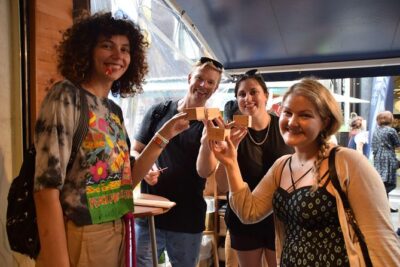
Tokyo Tsukiji Fish Market Food and Culture Walking Tour
Read our review →
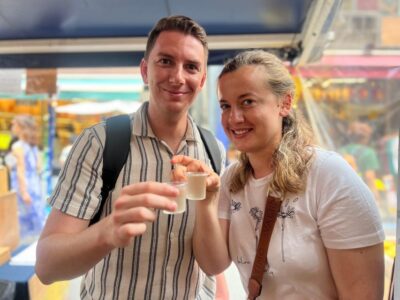
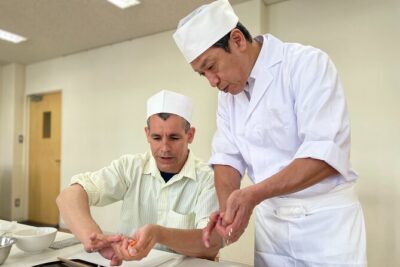
Tokyo Sushi Making Class in Tsukiji with Professional Chef
Read our review →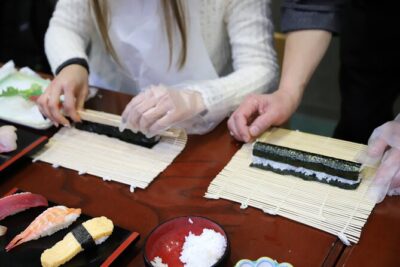
Tsukiji Fish Market Guided Tour and Sushi Making with Pro Chef
Read our review →Tsukiji Fish Market Food and Culture Walking Tour
Read our review →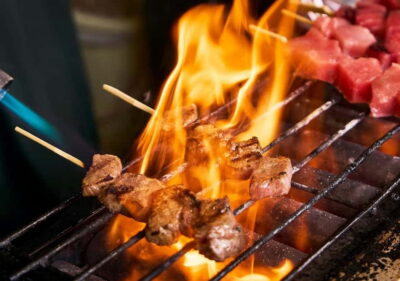
Tsukiji Fish Market: Street Food & Culture Walking Tour
Read our review →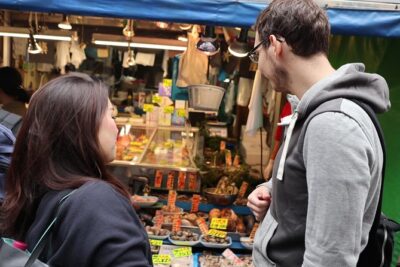
Tsukiji Fish Market Small-Group Food Walking Tour
Read our review →Browse the lists this tour appears in