
Reviewed · TSUKIJI AND TOYOSU FISH MARKET TOURS
Tsukiji Fish Market: Street Food & Culture Walking Tour
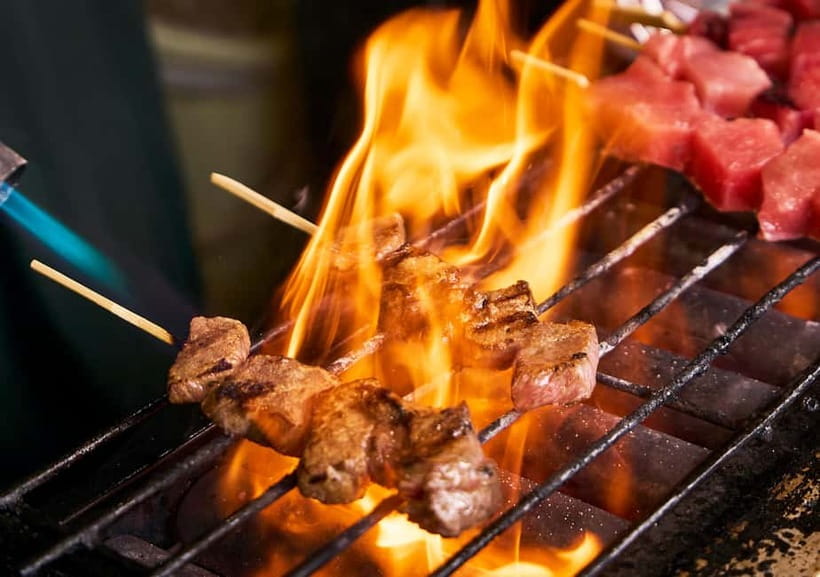
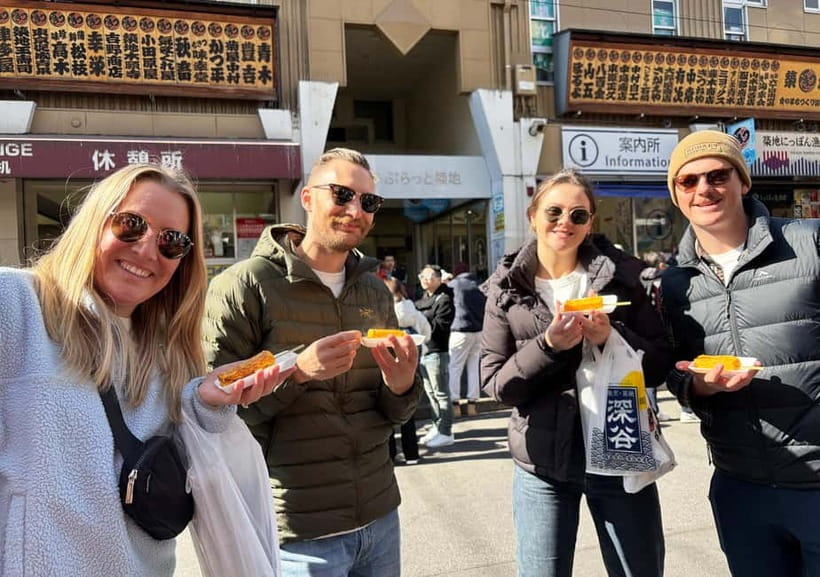
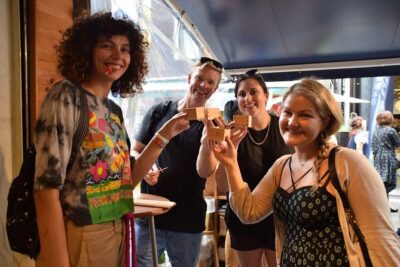
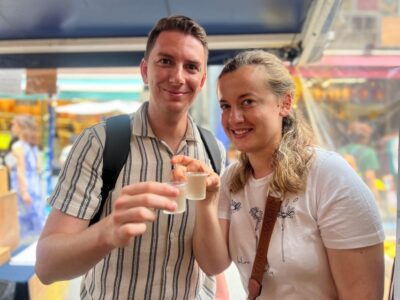
Tsukiji is best understood with your appetite switched on. This two-hour walk takes you through street-food stalls, a fish-cutting demonstration, the working market area, and Tsukiji Hongwanji Temple. Guides such as George and Tomo have been praised for explaining food, customs, and the market’s past in clear English.
I like the chance to taste several foods without having to plan every stop yourself. I also like the fish-cutting show, which adds a look at traditional kitchen skill rather than simply sending you from one snack counter to the next. The main caution is crowd control: the group can be as large as 30, and some people have found the pace disorganized or the guide hard to hear.
Key points to know before you book
- The fish-cutting demonstration is the tour’s clearest special feature, followed by a seafood bowl experience.
- George and Tomo are named guides associated with especially strong tours, though your guide is assigned by the operator.
- Food is central, but meals are not listed as included, so bring extra money for what you want to eat.
- The group may reach 30 people, despite the small-group format, which matters in narrow, crowded market lanes.
- Tsukiji Hongwanji Temple adds cultural context, but the visit lasts only about 15 minutes.
- Wheelchair and stroller access is offered, though crowds, sunlight, and waiting may still affect comfort.
Why Tsukiji works better with a food guide
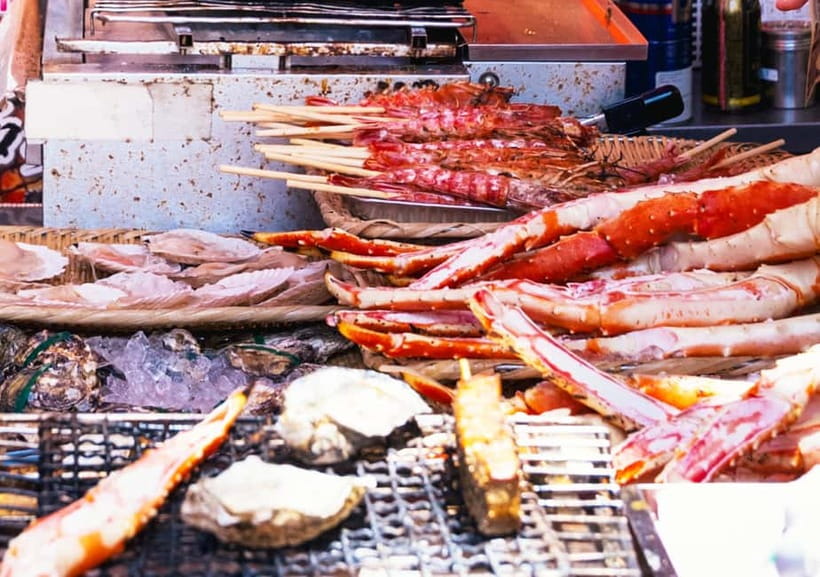
Tsukiji is no longer Tokyo’s main wholesale fish market. The wholesale auction functions moved to Toyosu, but Tsukiji Jogai Market remains a major place to shop, eat, and see food traditions in action. The public market is packed with stalls selling seafood, Japanese ingredients, prepared dishes, and small bites.
That mix can be exciting, but it can also leave you guessing. A guide helps you understand what you are looking at and points you toward places suited to the short time available. You get a running explanation of ingredients, cooking methods, and Japanese food customs instead of simply wandering past counters.
I see the value here in orientation and translation, not in access to an exclusive attraction. You could walk through Tsukiji on your own, and admission to the market itself is free. The tour earns its price by organizing the route, explaining what you see, and giving you a structured way to sample food.
At $33.16 per person, the fee is modest for a guided Tokyo experience. But the value depends on how much guidance you want. If you already know Japanese food, can read market signs, and enjoy choosing your own stalls, independent wandering may suit you better. If you want a friendly introduction without spending hours researching what to try, the price is easier to justify.
More Tsukiji and Toyosu fish market tours:
- Tokyo Tsukiji Fish Market Food and Culture Walking Tour
★ 5.0 · 3,184 reviews - Tokyo: Tsukiji Fish Market Food and Walking tour
★ 5.0 · 1,724 reviews - Tokyo: Tsukiji Fish Market Guided Walking Tour
★ 4.9 · 1,397 reviews
Starting at Tsukiji Hongwanji Temple
The meeting point is in front of the main hall of Tsukiji Hongwanji Temple, at 3-chōme-15-1 Tsukiji. The tour begins with about 15 minutes inside the temple, where your guide explains its appeal, Buddhist customs, and place in local culture.
This is a useful opening because it gives you a cultural frame before the food stops begin. Tsukiji is not only a place to buy sushi and grilled seafood. The temple helps show that this part of Tokyo has a religious and community life as well as a commercial one.
Still, keep your expectations in proportion. Fifteen minutes is enough for a short introduction, not a full temple visit. If you are mainly booking for food, this stop will feel like a brief prelude. If you enjoy adding a little context to a market visit, it makes the morning more varied.
The temple stop also gives you a clear meeting point. The activity ends back there, which simplifies the start and finish of your plans. The location is near public transportation, another practical advantage in central Tokyo.
Forty-five minutes of food stalls at Tsukiji Jogai Market
The first extended portion takes place in Tsukiji Jogai Market, with roughly 45 minutes set aside for street food and explanations of Japanese ingredients. This is where the tour gets most of its energy.
Your guide leads you among food businesses and helps you decide what deserves attention. The point is not simply to eat as much as possible. You learn how food fits into daily Japanese culture, and you get help identifying the kinds of dishes and ingredients that can be confusing on a first visit.
The exact food selection can vary, and meals are not included in the tour price. Plan to pay for anything you choose to eat. This is worth remembering when comparing the $33.16 tour fee with a self-guided visit. The tour price covers the guiding service, not an open-ended tasting menu.
I would bring a little extra cash and arrive hungry, but not famished. Forty-five minutes moves quickly, especially if you stop to browse, wait for food, and listen to explanations. A small group can keep things moving, but a larger group may need to pause while everyone catches up.
The market can also be loud and crowded. One person described the experience as involving a lot of waiting, while another found the pace hectic and several stalls were skipped because of the crowds. That tells you what kind of outing this is: an active walk through a working market, not a quiet food lesson in a private room.
The strongest guides make this section feel personal. George has been praised for taking people to good spots and helping them try a broad range of food. Tomo has also been praised for explaining food, culture, and market background well. Since guide assignments can vary, treat those names as encouraging examples rather than a guarantee.
The fish-cutting show and seafood bowl
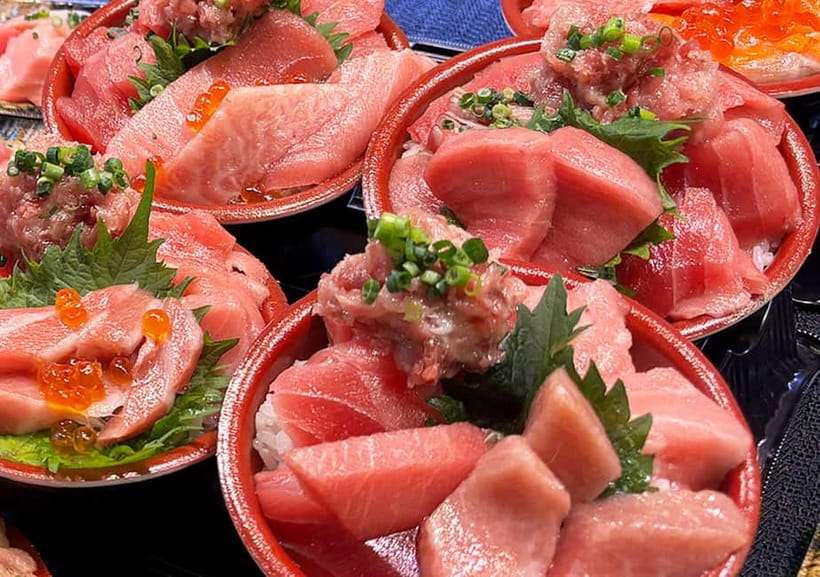
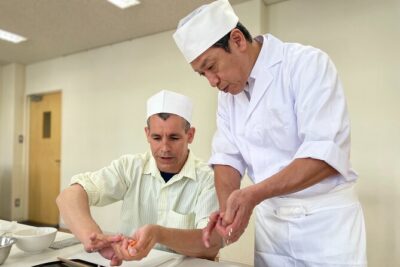
The most distinctive scheduled activity is a fish-cutting demonstration. A skilled chef fillets a whole fish using traditional techniques, then you have the chance to enjoy a fresh seafood bowl and learn more about Japanese food craftsmanship.
This part gives the tour more substance than a simple procession of food stalls. You see the care and precision behind seafood preparation. Even if you do not know much about Japanese cooking, the demonstration helps connect the finished dish with the work that comes before it.
The timing is about 30 minutes. That is enough for a focused presentation, but not a long cooking class. You watch, listen, and then move on. The seafood bowl is described as part of the stop, yet the booking information says meals are not included. I would confirm exactly what your payment covers before setting your food budget. At minimum, expect to pay for additional food you choose during the outing.
This is also the portion most likely to appeal to serious food fans. The market walk introduces ingredients and stalls, while the cutting show explains technique. Together, they offer a better view of Japanese seafood culture than either part would on its own.
More Tokyo food tours:
- Tokyo: Shinjuku Food Tour (13 Dishes at 4 Local Eateries)
★ 5.0 · 6,603 reviews - Tokyo: Shinjuku Food Tour (15 Dishes and 4 Eateries)
★ 4.9 · 2,033 reviews - Best of Shinjuku: Izakaya Food Tour (4 Stops, 14+ Tastings)
★ 5.0 · 1,863 reviews - Tokyo Night Foodie Tour in Shinjuku – Seasonal Sushi, Wagyu Beef
★ 5.0 · 1,161 reviews
Seeing the working side of Tsukiji
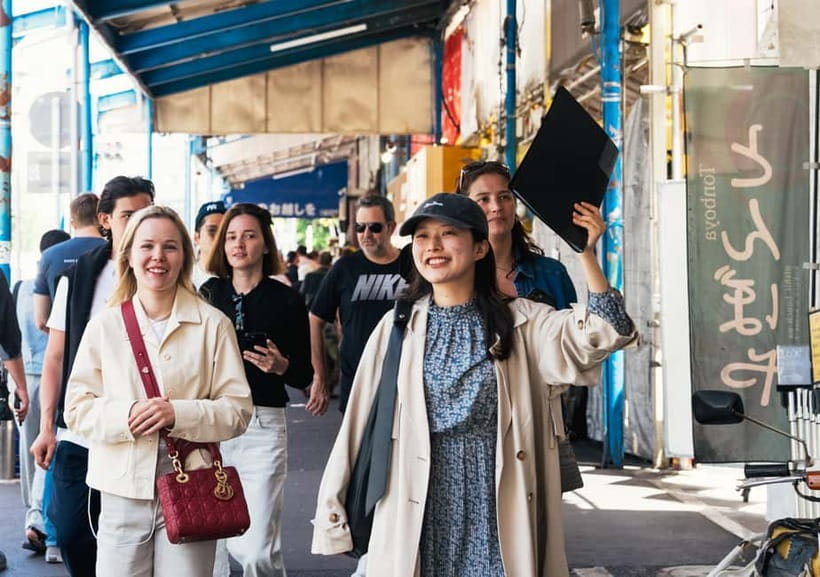
Another 30-minute segment takes you through the fish market area where professional traders operate. This gives you a look at Tsukiji as a place of business, not only as a sightseeing stop.
You should expect a market atmosphere rather than a polished attraction. People are working, aisles may be tight, and the group must stay aware of its surroundings. Your guide can explain what you are seeing, but the available information does not promise private access or a behind-the-scenes visit.
This distinction matters. If you want to watch the old wholesale auction, this is not that experience. The famous tuna auction is associated with Toyosu, while this tour focuses on Tsukiji’s public market, food culture, and remaining professional trade.
I like this part because it keeps the tour grounded. You are not just visiting decorative food stalls. You are seeing a place where seafood and ingredients still support everyday business. At the same time, the 30-minute visit may feel short if you want time to browse independently.
Crowds, group size, and the pace of the walk
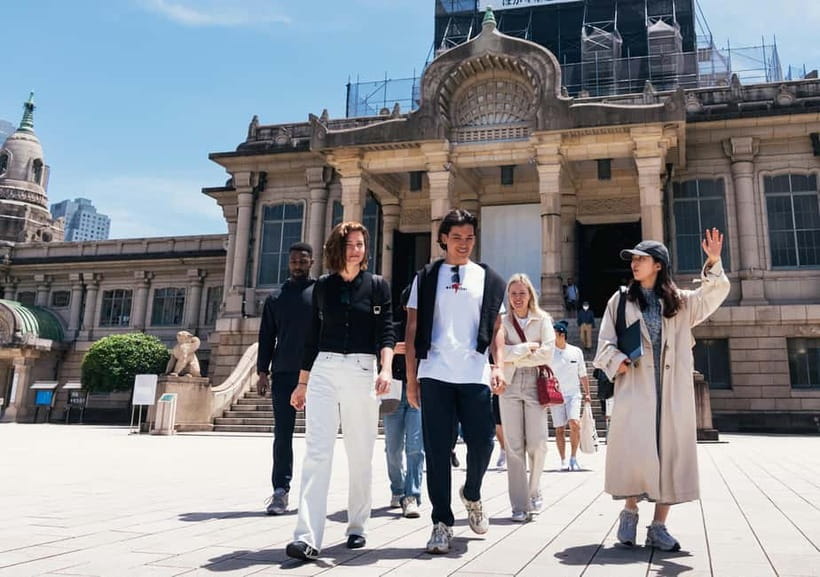
The activity lasts about two hours, which is a sensible length for a first look at Tsukiji. You can fit it into a morning or early-day schedule without giving up half your day.
The listed maximum is 30 people. That is a sizable group for narrow market lanes, even if the operator presents the outing as small-group. A larger group can make it harder to hear, keep everyone together, or stop at popular stalls. One complaint involved a guide who did not always wait for the full group, while another described the outing as busy around New Year.
For the best experience, stay close to the guide and avoid drifting toward a stall on your own. If you have hearing difficulty, ask early for the guide to speak up or gather the group in a quieter spot. One participant found the guide’s voice too soft for the surrounding noise, so this is not a minor detail.
Timing also matters. Crowds can affect how many stalls you visit and how long you wait. The program is not a private tasting route with every stop guaranteed. Think of it as a guided introduction that adjusts to market conditions.
Accessibility and comfort in the market
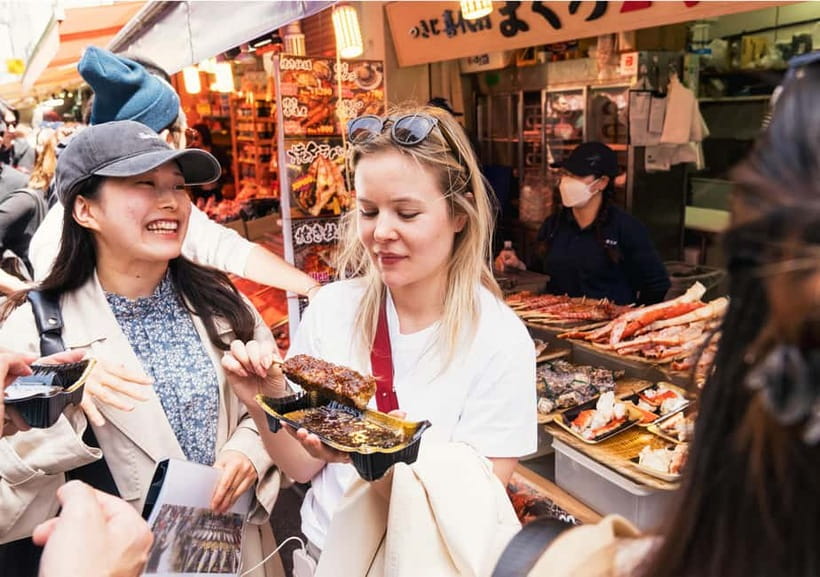
The tour is described as wheelchair and stroller accessible, and most people can participate. That makes it a useful option for families and visitors who need a more structured route.
Accessibility on paper does not remove every challenge in a market. Crowds can narrow walking space, and waiting in the sun may be uncomfortable. One participant specifically raised concerns about sun exposure, even after asking for more shade. If heat or direct sun is a concern for you, tell the guide at the start and consider bringing whatever protection you normally need.
The route is near public transportation, and the meeting point at Tsukiji Hongwanji Temple is easy to identify. Since the tour returns to the same place, you do not need to arrange a separate pickup at the end.
Who will get the most from this $33.16 tour
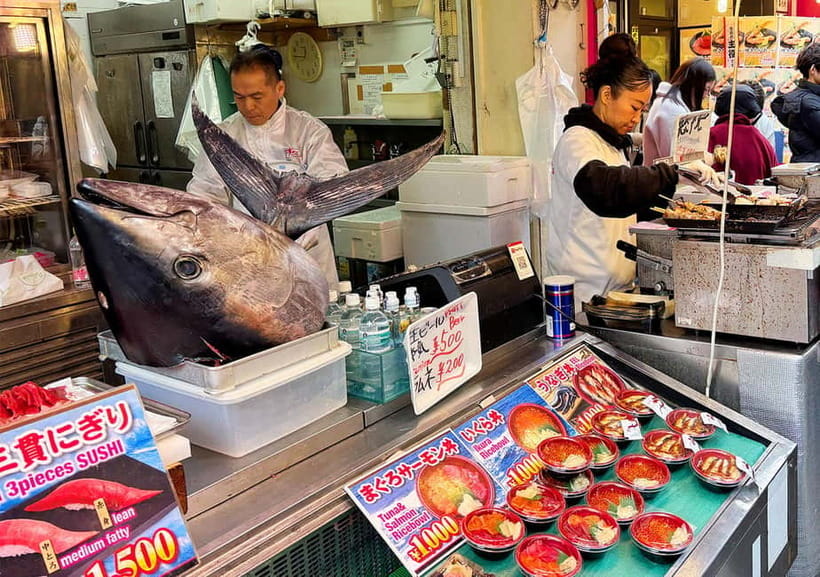
I would recommend this experience to you if you want a short, guided introduction to Tsukiji and prefer having someone explain what you are seeing. It is especially useful for a first visit, food-focused sightseeing, and travelers who feel unsure about choosing unfamiliar market dishes.
Families may appreciate the short duration and accessible route. The temple gives children a change of scene, while the fish-cutting show offers something more visual than a standard walking lecture.
Food lovers should look closely at the fish demonstration and seafood bowl portion. Those are the strongest reasons to book rather than simply stroll through the market. The tour also works well early in a Tokyo itinerary because it can help you recognize ingredients and food customs later in your trip.
I would be more cautious if you dislike crowds, need a slow and quiet pace, or want detailed historical commentary at every stop. The history and Buddhist culture are present, but the emphasis is clearly food. If your main goal is a long temple tour or an in-depth study of Tokyo’s fish trade, this two-hour route will feel limited.
Booking, cancellation, and practical planning
You receive confirmation at booking, and the ticket is mobile, so you can keep the details on your phone. The activity requires good weather. If poor weather causes cancellation, you are offered another date or a full refund.
You can cancel for a full refund up to 24 hours before the start time. Changes or cancellations inside that 24-hour window are not accepted and are not refunded. The cut-off follows local Tokyo time, so check the clock carefully if you are arranging plans across time zones.
The tour ends where it starts, at Tsukiji Hongwanji Temple. Meals are not included, and the market itself is free to enter, so the fee is primarily for the guide, organized route, cultural explanation, and fish-cutting experience.
Should you book the Tsukiji market walk?
Book it if you want help making sense of Tsukiji in a short visit, enjoy sampling Japanese food, and value the fish-cutting demonstration. The best guides, including George and Tomo in the feedback associated with this activity, can turn a confusing market into a readable, tasty introduction to Tokyo food culture.
Skip it if you are comfortable exploring on your own, want a very small private group, or dislike waiting in crowded places. You can enter Tsukiji without paying an admission fee, and the tour does not remove every bit of market chaos.
For most first-time visitors, I see this as a reasonably priced orientation rather than a must-do attraction. Go for the guide’s explanations, the traditional filleting show, and the chance to try foods you might otherwise pass by. Keep your schedule flexible, budget separately for food, and stay close to the guide.
FAQ
How long does the Tsukiji Fish Market tour last?
The tour lasts approximately two hours.
Where does the tour begin?
It begins at the main hall of Tsukiji Hongwanji Temple, at 3-chōme-15-1 Tsukiji, Chuo City, Tokyo 104-0045, Japan.
Where does the tour end?
The activity ends back at the meeting point at Tsukiji Hongwanji Temple.
Is food included in the tour price?
Meals are listed as not included. The program includes a fish-cutting show and describes a seafood bowl afterward, so you should confirm what is covered and budget for food you choose to eat.
Is the tour wheelchair and stroller accessible?
Yes. The experience is described as wheelchair and stroller accessible.
How large can the tour group be?
The activity can have a maximum of 30 participants.
Does the tour include a fish-cutting demonstration?
Yes. You watch a skilled chef fillet a whole fish using traditional techniques.
What happens if bad weather cancels the tour?
If the experience is canceled because of poor weather, you are offered a different date or a full refund.
More Tokyo markets and shopping streets
- Tsukiji Fish Market Guided Tour and Sushi Making with Pro Chef
★ 5.0 · 775 reviews - Tokyo: Tsukiji Fish Market Food and Culture Walking Tour
★ 4.7 · 757 reviews - Tsukiji Fish Market Small-Group Food Walking Tour
★ 5.0 · 621 reviews - Tokyo: Tsukiji Fish Market Sushi Making Class with Pro Chef
★ 4.9 · 506 reviews
More Tokyo walking tours
- Tokyo: Imperial Palace and Shogun Historical Walking Tour
★ 5.0 · 2,251 reviews - Tokyo: Shinjuku Local Bar and Izakaya Guided Walking Tour
★ 4.9 · 1,794 reviews - Tokyo: Asakusa Walking Tour with Sensoji Temple Visit
★ 4.8 · 1,583 reviews - Tokyo Castle & Imperial PalaceーShogun Walking Tour
★ 4.7 · 1,068 reviews
Newly reviewed around Tokyo
- Tokyo Asakusa:Calligraphy & Make T-shirt Activity★ 5.0 · 62 reviews
- Intercity Shuttle, Tokyo to Haneda /Narita /Yokohama /Makuhari★ 5.0 · 5 reviews
- 1 Hour Travel around Tokyo with a Professional Photographer★ 5.0 · 3 reviews
- Travel Tokyo with Your Own Personal Photographer★ 5.0 · 43 reviews
- Train in Samurai Swordsmanship and Defeat the Demon in Tokyo★ 5.0 · 5 reviews
- Shuttle Van 6hr Tokyo Tour to-and-from Tokyo, Yokohama and Narita★ 5.0 · 9 reviews
- Kickboxing & Body Training with EX-Pro Fighter★ 5.0 · 4 reviews
- Traditional Japanese Knife Sharpening Class★ 5.0 · 18 reviews
Tsukiji and Toyosu Fish Market Tours, compared.
Tokyo Tsukiji Fish Market Food and Culture Walking Tour
Read our review →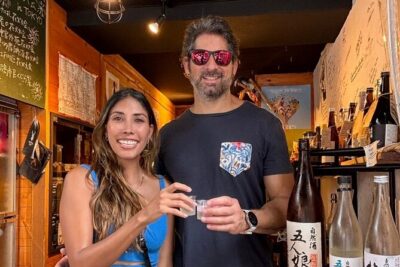
Tokyo Sushi Making Class in Tsukiji with Professional Chef
Read our review →
Tsukiji Fish Market Guided Tour and Sushi Making with Pro Chef
Read our review →Tsukiji Fish Market Food and Culture Walking Tour
Read our review →
Tsukiji Fish Market Small-Group Food Walking Tour
Read our review →
Tsukiji Fish Market Sushi Making Class with Pro Chef
Read our review →Browse the lists this tour appears in