
Reviewed · TOKYO IMPERIAL PALACE TOURS
Tokyo: Imperial Palace Japanese History Walking Tour
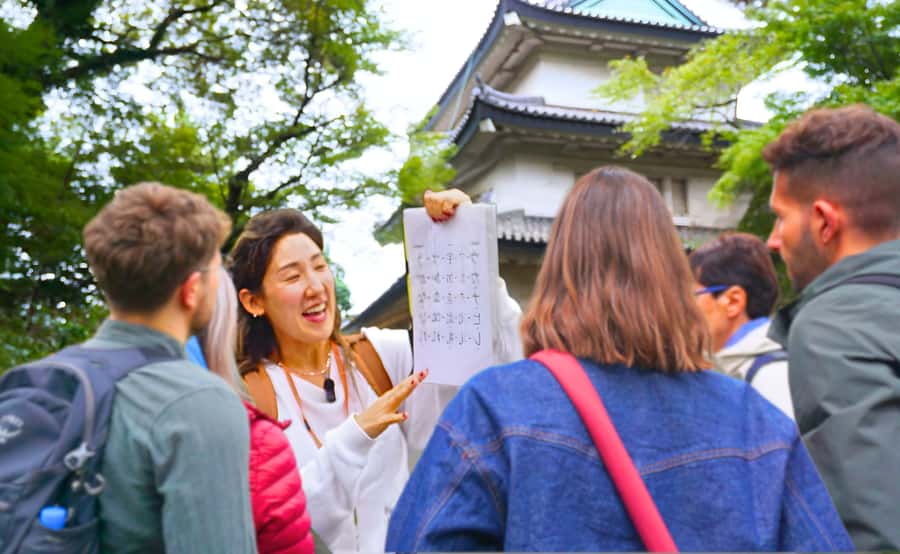
The most useful thing about this tour is that it turns a quiet garden walk into a clear story about how Japan changed. At the Imperial Palace Eastern Gardens, you follow the path from Edo Castle and the shoguns to the emperor and modern Tokyo, with an English-speaking guide explaining what remains and what has disappeared.
I like two things here: the guide-led history makes the stone walls and garden features easier to understand, and the route includes small pleasures such as royal koi, bamboo, and trees gifted to the emperor. The main drawback is simple: you cannot enter the Inner Palace, and the walk can be hard in heat, rain, or for anyone with limited mobility.
Key points at a glance
- Edo Castle becomes the main story: Learn how the shogun’s castle shaped Tokyo before it became an imperial palace.
- Otemon Gate gives the walk a proper beginning: Enter through a historic gateway rather than simply wandering through a park.
- Guides make the difference: Mika, Natsumi, Lakki, Alexandre, and others are praised for clear explanations, patience, humor, and local advice.
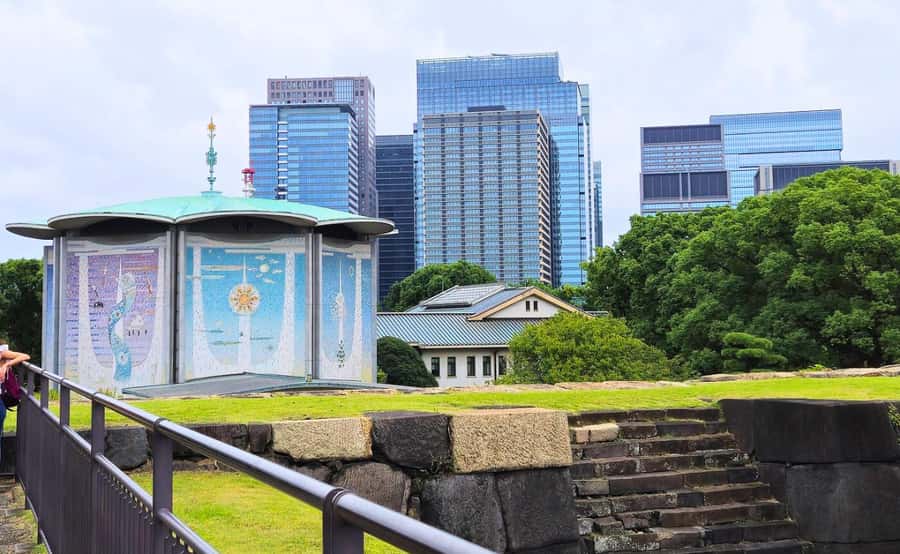
- Small details reward slow walking: Look for samurai-era remains, a palace model, bamboo, seasonal trees, and unusual koi.
- The tour lasts about two hours: That is enough time for a useful introduction without taking over your entire day.
- The price is modest for a guided history lesson: At $32 per person, you pay mainly for interpretation, not for access to a restricted palace interior.
Why the old castle matters more than the modern palace
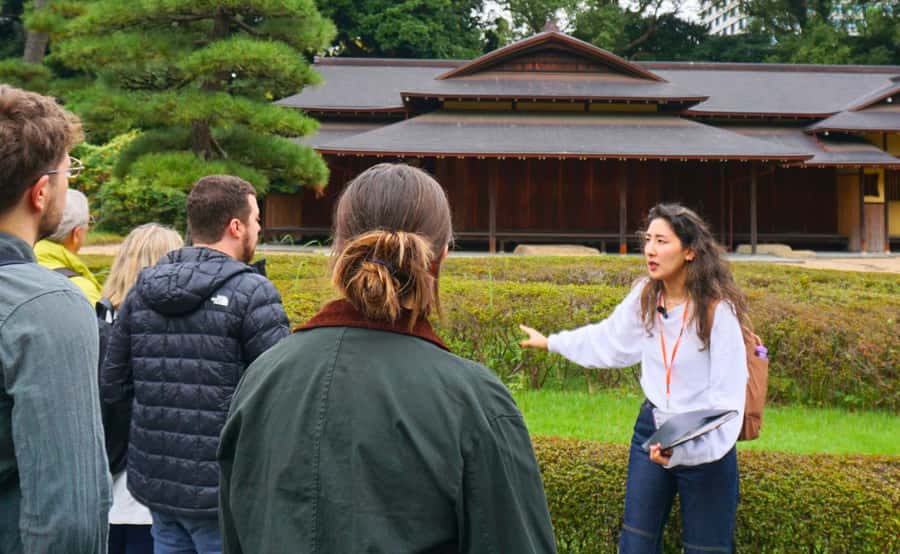
Tokyo’s Imperial Palace can be hard to read on your own. You see broad lawns, stone walls, gates, trees, and carefully arranged gardens, but the most important building from the city’s earlier story is gone. This tour helps fill in that blank.
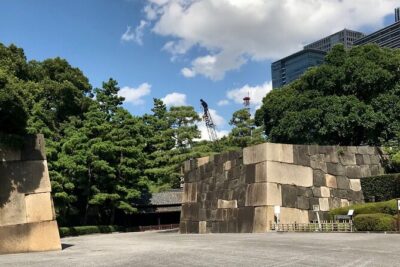
The ground once held Edo Castle, the center of political power during the shogun era. The castle complex was not simply a residence. It was the headquarters of a system that arranged society around farmers, samurai, daimyo, and the shogun. Your guide uses the surviving walls, gates, foundations, and open spaces to explain how that system worked.
That context matters because the palace grounds can otherwise feel like a pleasant garden with a few old stones. With a guide, the stones become evidence of power, defense, status, and ceremony. You get a better sense of how a military government ruled Japan and how the country later shifted toward imperial rule during the Meiji period.
The tour also explains the change from shogun’s castle to emperor’s palace. That transition is one of the strongest reasons to book this experience. You are not only looking at an attractive part of Tokyo. You are following a political change that helped shape the country you see today.
More Imperial Palace tours in Tokyo:
- Tokyo: Imperial Palace and Shogun Historical Walking Tour
★ 5.0 · 2,251 reviews - Tokyo: Imperial Palace and Shogun Walking Tour
★ 4.9 · 935 reviews - Imperial Palace East Garden and Edo Castle Walking Tour in Tokyo
★ 5.0 · 510 reviews
Meeting at Wadakuramon Fountain Park
The meeting point is near Tokyo Station and Otemachi Station, which makes this a practical first or early activity in central Tokyo. From either station, allow about five to ten minutes on foot to reach Wadakuramon Fountain Park and the Starbucks near the fountain.
Your Sunrise Adventure guide waits there with a sign showing the company logo. That detail is useful in a busy city, especially if you are arriving from the station and trying to spot a group. Several guides, including Mika and Natsumi, are praised for being easy to identify and for making the start feel organized.
I would arrive with enough time to find the fountain without rushing. Tokyo Station and Otemachi have many exits and long underground passages, so the stated five to ten minute walk assumes you emerge from a convenient exit. Check your meeting instructions carefully before leaving the train.
The activity finishes back at the same meeting point. That makes it easy to continue toward Tokyo Station, find lunch, or connect with another central Tokyo plan.
Otemon Gate and the first steps into Edo Castle
The walk heads toward Otemon Gate, the grand entrance to the palace grounds. Entering here gives the route a sense of place. You are not merely crossing into a public garden. You are passing through an entrance connected to the former castle complex.
Your guide introduces the site before leading you onward. The strongest guides appear to use questions and conversation rather than delivering one long speech. Valentina’s guide, for example, is praised for asking the group questions and keeping people involved. That approach works well when the subject includes unfamiliar ranks, names, and political shifts.
Expect the guide to explain the old hierarchy of farmer, samurai, daimyo, and shogun. This is useful background because many later details depend on knowing who held authority and how that authority was organized. The tour does not treat Japanese history as a list of dates. It uses the palace grounds to show how power operated.
The route is a walking tour, not a formal museum visit. You should expect to listen while standing outdoors and moving between stops. That makes comfortable shoes and weather-ready clothing important.
Castle ruins, walls, and the missing original building

One of the tour’s most helpful features is the explanation of why the original castle is no longer there. Instead of pretending the missing structure is still present, the guide uses the remains and a miniature model to help you picture the earlier complex.
The model is especially useful for anyone who struggles to reconstruct a large castle from low walls and foundations. It gives scale to what you are seeing and helps connect separate parts of the grounds. Natsumi has been praised for explaining the design of the palace complex and the meaning of architectural details in a way that is easy to follow.
The castle remains also give the history a physical anchor. You can see where the past survives in stone even when the timber buildings have gone. The guide’s job is to connect those fragments to the daily and political life of the shogun’s world.
This part of the route may appeal most to history-minded visitors. If you want grand interiors, intact rooms, or a detailed palace collection, this is not that kind of outing. The value lies in the setting and the explanation, not in entering a preserved castle.
More Tokyo walking tours:
- Tokyo Tsukiji Fish Market Food and Culture Walking Tour
★ 5.0 · 3,184 reviews - Tokyo: Shinjuku Local Bar and Izakaya Guided Walking Tour
★ 4.9 · 1,794 reviews - Tokyo: Tsukiji Fish Market Food and Walking tour
★ 5.0 · 1,724 reviews - Tokyo: Asakusa Walking Tour with Sensoji Temple Visit
★ 4.8 · 1,583 reviews
Samurai homes and the old social order
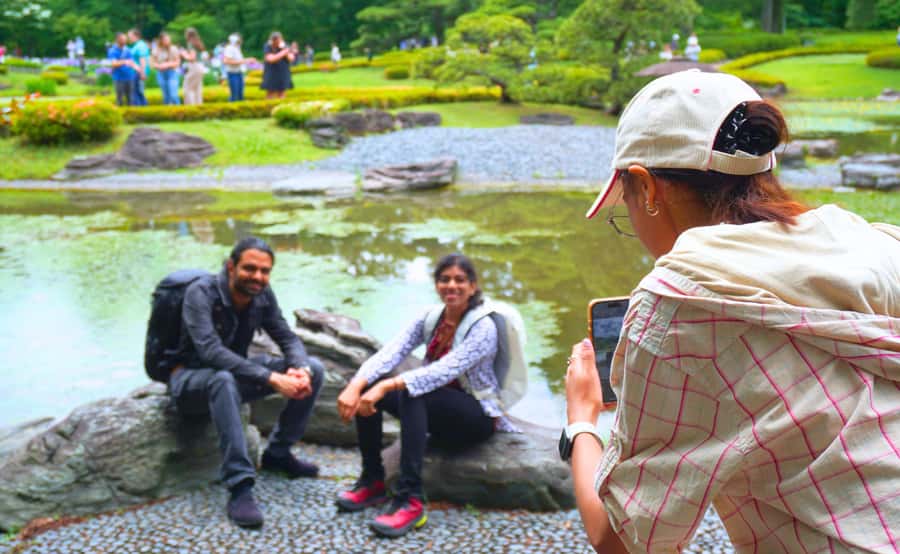
The tour includes an old samurai house and discussion of the ranking system that placed farmers, samurai, daimyo, and the shogun in different roles. This gives you a clearer idea of how status shaped life during the Edo period.
The samurai were not all battlefield figures. Their place in society also involved administration, service, and loyalty within a strict political structure. The daimyo, as powerful regional lords, operated below the shogun while still holding major influence. Your guide can use the palace grounds to show how such a system needed ceremony, security, and carefully controlled movement.
This is where an interactive guide adds real value. Lakki has been praised for answering questions patiently and making the subject enjoyable. Lucky is also praised for involving children and explaining the Edo and Meiji eras in a way that kept the group interested.
Families should note the walking and outdoor format. The subject can work well for older children who enjoy stories about samurai and rulers, especially when the guide uses questions and humor. Very young children may find the history portions long, since the experience is built around listening as much as looking.
Bamboo, koi, and trees from across Japan
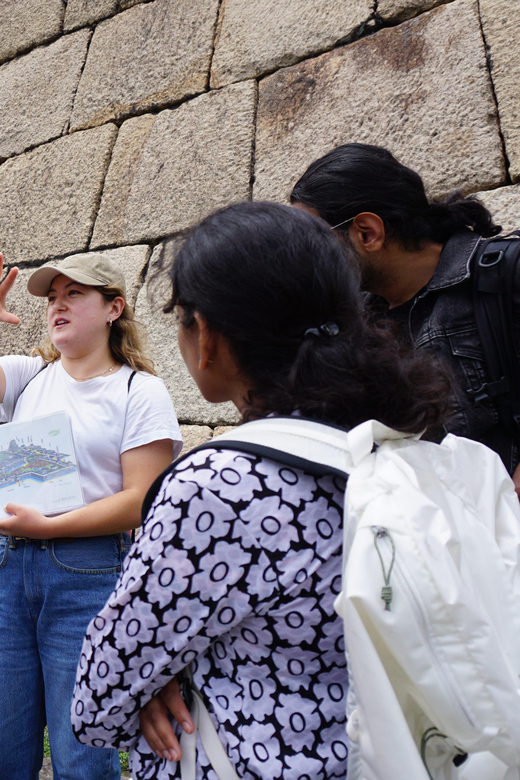
The gardens keep the tour from becoming a nonstop history lecture. You move through a peaceful setting with bamboo, attractive planting, and trees that were given to the emperor from different parts of Japan.
The bamboo forest offers a change of texture and atmosphere. It is also one of the better photo areas, although the tour’s purpose is not a dedicated photography walk. Your guide may help take pictures, as Mika and Lucky are praised for doing, but the group still needs to keep moving.
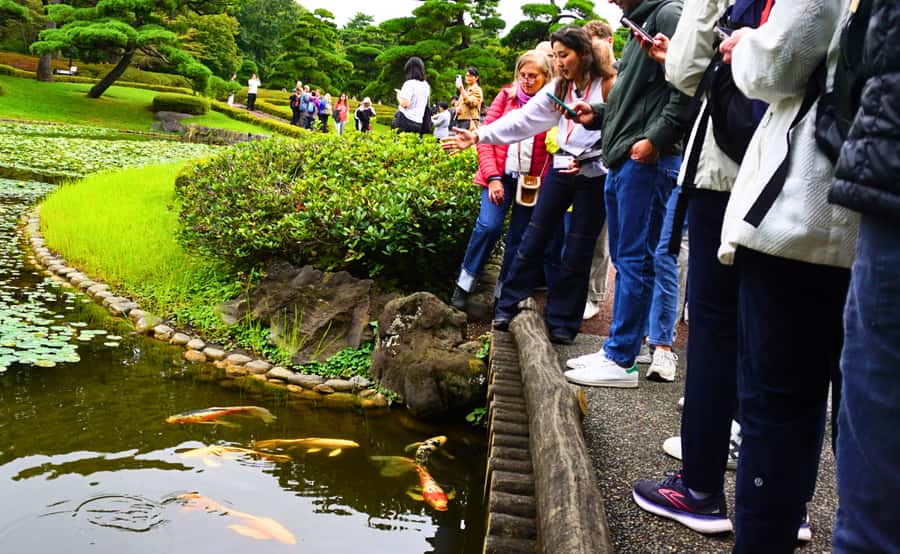
The koi are another memorable stop. These are described as royal koi, and they give you something lively to watch after the heavier discussion of castle walls and political history. The grounds are full of nature, which also means insects can be present. One guide supplied mosquito spray during a warm visit, but I would still bring your own if mosquitoes bother you.
The trees gifted to the emperor add a wider national angle. They show how the palace grounds connect Tokyo with regions across Japan. Instead of viewing the garden as decoration alone, you can see it as a place where national identity and imperial symbolism were displayed.
What the guides do especially well

The most praised part of this experience is the quality of the guiding. Mika is repeatedly described as clear, friendly, attentive, and able to answer many questions. Natsumi is praised for storytelling, historical detail, restaurant suggestions, and a well-paced route. Lakki and Lucky receive similar praise for warmth, humor, and strong knowledge of Japanese culture.
Alexandre leads tours in French as well as English and is praised for taking extra time to explain Japanese history and culture. English and French are the listed languages, so confirm the language of your departure when booking.
Several guides also offer practical advice beyond the palace grounds. That can include food suggestions, etiquette, cultural tips, and ideas for the rest of your Tokyo stay. This is a useful bonus, especially if you schedule the tour near the beginning of your visit. You can use the guide’s local suggestions to shape the next few days.
Guide quality can vary slightly because you are assigned a guide rather than choosing a specific person. Still, the repeated praise for multiple guides suggests that the company has several strong presenters, not just one standout individual.
Weather, pace, and physical demands
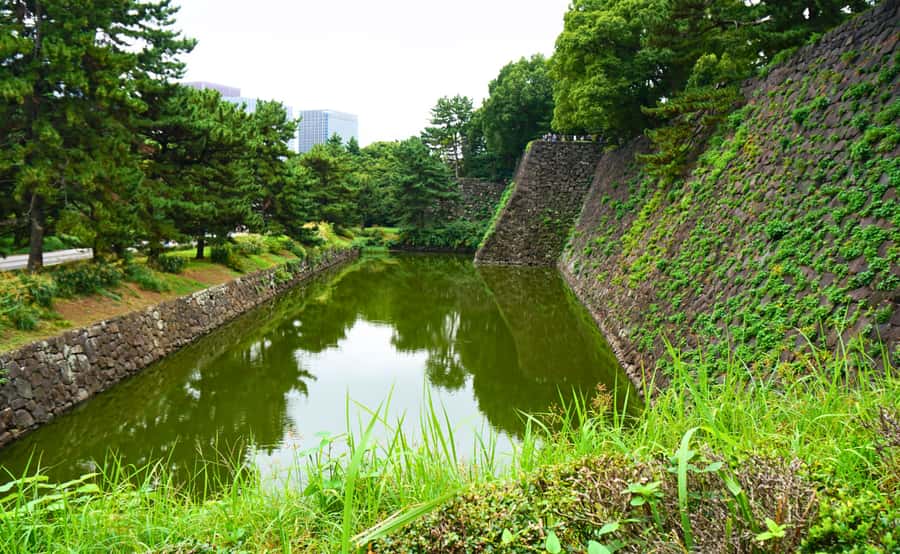
The tour runs rain or shine. Tokyo’s summer heat can make two hours outdoors feel demanding, even with shade from the trees. One guide adjusted the pace and stopped in shaded places during a hot day, while another tour continued through heavy rain with a cheerful guide. Those details show that the staff try to respond to conditions, but they cannot control the weather.
Wear light, weather-appropriate clothing and comfortable walking shoes. Bring water, sun protection, and rain protection when the forecast calls for it. Mosquito repellent is sensible in warm weather because the gardens contain plenty of vegetation.
This is not a suitable choice for wheelchair users or people with mobility impairments, back problems, heart problems, recent surgery, or low fitness. It is also not recommended for pregnant women. Those limits are important because the route involves outdoor walking and standing on palace grounds.
Drones, smoking, alcohol, drugs, weapons, sharp objects, skateboards, and fire are not allowed. The Inner Palace is not open to the public through this activity, so do not book expecting an interior palace visit.
Is $32 a fair price?
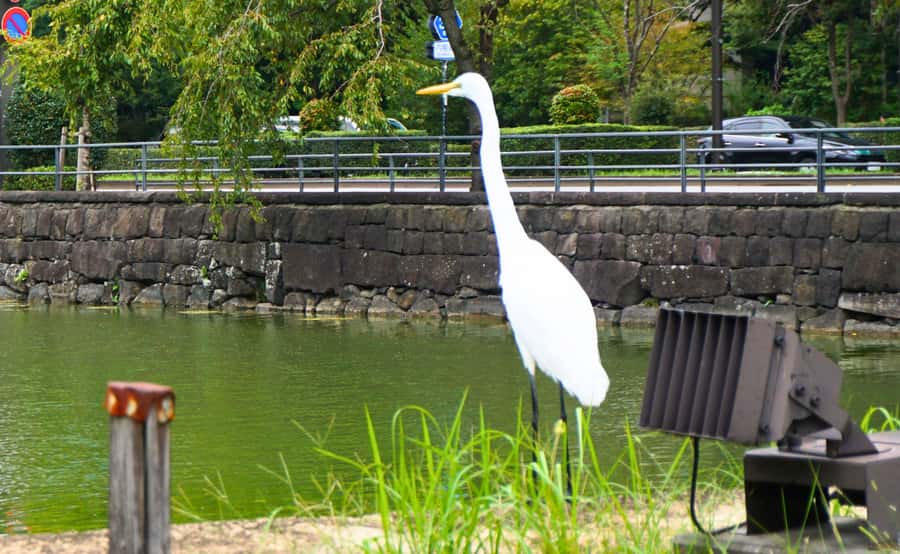
At $32 per person, this tour is reasonably priced for a guided walk in central Tokyo. There is no major attraction ticket included because the Eastern Gardens experience is based on outdoor access and guiding. You are paying for the historical explanation, the route, and the chance to ask questions.
The value is strongest if you are new to Japanese history. A short guide-led introduction can help you understand later visits to temples, castles, museums, and historic districts. It also saves you from looking at the grounds without knowing why the walls, gates, and open spaces matter.
If you already have a strong background in Edo and Meiji history, you may find the tour introductory. Even then, the garden setting, model, koi, and local recommendations add some appeal. Private tour options may also be available, with one guide offering a private experience that included a tea ceremony, but that is not part of the standard $32 activity.
You can reserve now and pay later, and cancellation is allowed up to 24 hours before departure for a full refund. Those terms help if your Tokyo plans are still moving around.
Who should book this palace walk?
I would choose this tour for a first day or second day in Tokyo, especially if you want a calm start with useful historical context. It also suits anyone who likes asking questions, taking photos, and learning through stories rather than reading long museum panels.
Families with school-age children may enjoy the samurai material and interactive style. Couples and solo visitors can also benefit from the easy meeting point and the guide’s recommendations for food and sightseeing afterward.
I would skip it if you need step-free access, dislike outdoor walking, or mainly want to see palace interiors. The Inner Palace is not included, and the original castle buildings are gone. The experience works because the guide explains what the grounds once meant, not because you enter a grand surviving castle.
Final decision
Book this tour if you want the Imperial Palace grounds to make sense. For $32, you get about two hours of guided walking, a clear introduction to the shogun and emperor, castle remains, garden stops, koi, bamboo, and help planning the rest of your Tokyo visit.
Skip it only if the heat, weather, or walking limits make an outdoor tour uncomfortable, or if you are seeking interior access. For most first-time visitors with an interest in Japanese history, this is a practical and fairly priced way to begin understanding Tokyo.
FAQ
Where does the Imperial Palace walking tour start?
It starts near the Starbucks by the fountain in Wadakuramon Fountain Park. The park is about a five to ten minute walk from Tokyo Station or Otemachi Station.
How do I find the guide?
The guide waits near the fountain and holds a sign with the Sunrise Adventure logo.
Where does the tour finish?
The activity ends back at the original meeting point near Wadakuramon Fountain Park.
What languages are available?
The tour is available in English and French.
Can I enter the Inner Palace?
No. The Inner Palace is not open to the public through this activity.
What will I see during the walk?
You can expect Otemon Gate, Edo Castle remains, a model of the former castle, an old samurai house, bamboo, garden areas, trees gifted to the emperor, and royal koi fish.
Is the tour suitable for wheelchair users?
No. It is not suitable for wheelchair users or people with mobility impairments.
What happens if I need to cancel?
You can cancel up to 24 hours in advance for a full refund.
More history and heritage tours in Tokyo
- Tokyo: Shinjuku Historical Walking Tour & Secret Backstreets
★ 5.0 · 530 reviews - Yanaka Walking Tour: Historic and Traditional District of Tokyo
★ 5.0 · 530 reviews - Mt. Fuji Heritage Tour: Traditional Villages, Lakes & Shrine
★ 4.5 · 509 reviews - From Tokyo: Nikko World Heritage Site Private Full-Day Trip
★ 4.9 · 243 reviews
Newly reviewed around Tokyo
- Tokyo Asakusa:Calligraphy & Make T-shirt Activity★ 5.0 · 62 reviews
- Intercity Shuttle, Tokyo to Haneda /Narita /Yokohama /Makuhari★ 5.0 · 5 reviews
- 1 Hour Travel around Tokyo with a Professional Photographer★ 5.0 · 3 reviews
- Travel Tokyo with Your Own Personal Photographer★ 5.0 · 43 reviews
- Train in Samurai Swordsmanship and Defeat the Demon in Tokyo★ 5.0 · 5 reviews
- Shuttle Van 6hr Tokyo Tour to-and-from Tokyo, Yokohama and Narita★ 5.0 · 9 reviews
- Kickboxing & Body Training with EX-Pro Fighter★ 5.0 · 4 reviews
- Traditional Japanese Knife Sharpening Class★ 5.0 · 18 reviews
Tokyo Imperial Palace Tours, compared.

Imperial Palace and Shogun Historical Walking Tour
Read our review →
Imperial Palace East Garden and Edo Castle Walking Tour in Tokyo
Read our review →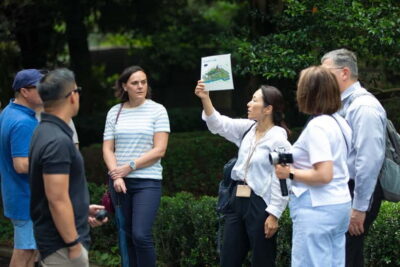
Imperial Palace, Sensō-ji Temple, & Tokyo Tower Tour
Read our review →
Tokyo Castle, Imperial Palace, Shogun & Garden Walking Tour
Read our review →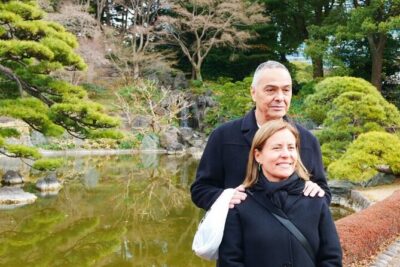
Edo Castle & East Garden of the Imperial Palace Tour
Read our review →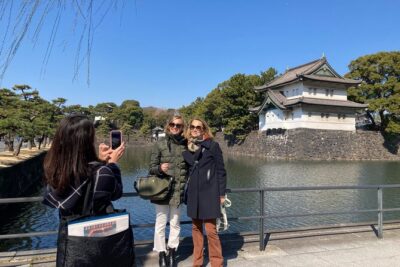
Tokyo Private Tour! Edo Castle & Imperial Palace East Gardens
Read our review →Browse the lists this tour appears in