
Reviewed · TSUKIJI AND TOYOSU FISH MARKET TOURS
Tokyo Tsukiji Fish Market Tour and Sushi Making Lesson
Tsukiji is best understood through two senses at once: your eyes in the market and your hands in the kitchen. This three-hour experience takes you from the seafood stalls and snack counters to ABC Cooking Studio, where you prepare sushi, tamagoyaki, miso soup, and other Japanese dishes.
I like the way an English-speaking guide helps you make sense of unfamiliar ingredients, and I like that the cooking class ends with lunch made by you. The small maximum of six people is another real plus. The main caution is value: at $99.49, the market walk can feel brief if you already know Tsukiji, and the cooking lesson may seem basic to an experienced home cook.
Key points to know before booking
- Tsukiji with a local guide: Learn what the unusual seafood, dried foods, sweets, and seasonings are, with help ordering and tasting.
- A hands-on Japanese meal: Make sushi, tamagoyaki, miso soup, and side dishes, then eat what you prepare.
- Small groups: The maximum is six people, which gives you more room to ask questions and work at the counter.
- Market samples matter: Save room for snacks such as tamagoyaki on a stick, mochi, dried scallops, beans, and other local treats.
- A modern cooking school: ABC Cooking Studio provides a clean, organized setting after the crowded market lanes.
- Not the tuna auction: Tuna auction viewing is not included, and the activity visits Tsukiji Outer Market instead.
Why this Tokyo combination works
Many food activities give you one narrow taste of Japanese cuisine. This one pairs the place where ingredients are sold with the practical work of preparing them. You first see seafood, dried goods, produce, and ready-to-eat snacks in their commercial setting. Then you sit down and turn some of those ideas into a meal.
That combination gives the morning a useful rhythm. The market is noisy, compact, and full of choices. The cooking studio is bright and orderly. One teaches you how Japanese food is presented and sold. The other shows you how several familiar dishes are assembled.
The experience is especially helpful if you do not speak Japanese. A guide can explain what you are looking at, point out good stops, and help with simple communication. Guides named in past sessions include Akiko, Lucy, Nobu, Yoko, Shitomi, Miho, and others. Your assigned guide will vary, but the format calls for an English-speaking escort.
The activity costs $99.49 per person. That is not a bargain market walk, but it includes the guide, transportation between Tsukiji and the cooking studio, the class, an apron, drinking water, and the meal you prepare. You are also paying for a small group and for help navigating a place that can be confusing on your own.
The price makes the most sense for first-time visitors, families, and anyone who wants a structured food morning rather than a simple look around the stalls. If you already make sushi at home or mainly want to shop, you may find the lesson too elementary for the cost.
More Tsukiji and Toyosu fish market tours:
- Tokyo Tsukiji Fish Market Food and Culture Walking Tour
★ 5.0 · 3,184 reviews - Tokyo: Tsukiji Fish Market Food and Walking tour
★ 5.0 · 1,724 reviews - Tokyo: Tsukiji Fish Market Guided Walking Tour
★ 4.9 · 1,397 reviews
Meeting at Tsukiji Hongwanji Temple
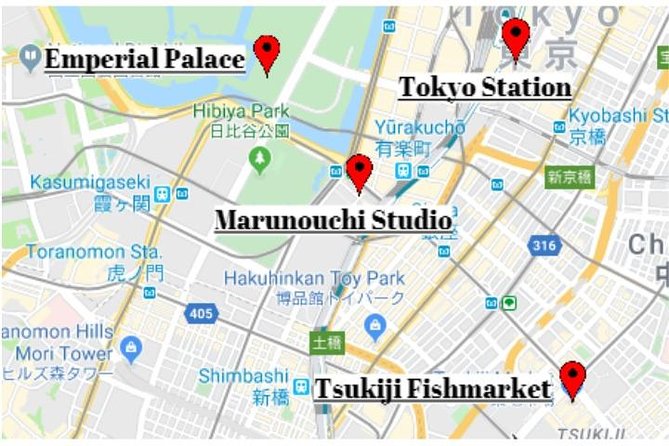
The tour begins outside Tsukiji Hongwanji Temple at 3-chome 15-1 Tsukiji, Chuo City. This is a practical meeting point near public transportation, and the temple gives you an easy landmark in an otherwise busy part of Tokyo.
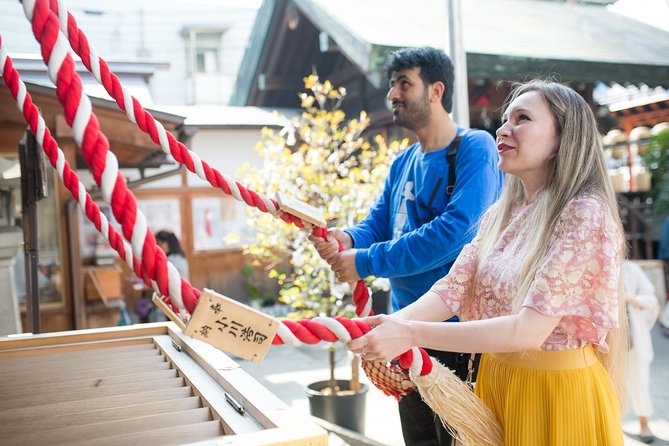
The temple itself deserves a few minutes. Its exterior has South Asian and Indian influences, which makes it unlike the restrained wooden temple style many visitors expect in Japan. The stop is listed as about five minutes, so think of it as an orientation point and a quick architectural look, not a full temple visit.
Arrive ready to walk. Strollers and luggage are not allowed, so this is not a good activity for bringing large bags or a suitcase. The minimum age is nine, and participants must be at least 4.2 feet, or 130 centimeters, tall.
Walking the Tsukiji Outer Market
The market portion lasts about an hour, though the schedule can sometimes allow roughly 70 minutes in the Outer Market. You move through narrow shopping lanes lined with seafood, produce, cooking supplies, dried foods, sweets, and small places selling ready-to-eat bites.
Tsukiji is not a quiet museum. It is a working food district, and the pleasure comes from the variety. You might see large tuna, sea urchin, octopus, dried seafood, beans, and other ingredients arranged for sale. The guide helps explain what you are seeing and points out foods worth sampling.
This is where the tour guide can make a real difference. On your own, you can certainly walk through Tsukiji, but you may not know which stall sells tamagoyaki, what a packet of dried seafood contains, or how to approach a counter when the signs are mostly in Japanese. Guides such as Akiko and Lucy have been praised for taking visitors directly to favorite vendors and translating questions.
Sampling is an important part of the experience. Past menus have included tamagoyaki on a stick, red bean mochi with strawberries, dried scallops, dried beans, and small dried seafood snacks. The exact foods are not fixed. Ingredients change with the season and with what arrives at the market, so do not book expecting one precise tasting menu.
I would keep breakfast light. You are not promised a large meal in the market, but the snacks can add up quickly, and you will later eat the food prepared in class. You can usually choose which stalls interest you, though the guide keeps the group moving so you reach the cooking studio on time.
A key limitation is that the market walk is not a shopping trip for the ingredients used in class. The seafood you see at Tsukiji and the food you later prepare at ABC Cooking Studio are part of two connected activities, not one farm-to-counter lesson. If you hoped to select tuna or fish at the market and then cook that exact purchase, this experience will not meet that expectation.
Also note that the tuna auction is not included. The activity focuses on the Outer Market, not auction viewing.
The trip from Tsukiji to ABC Cooking Studio
After the market, you travel with the guide to the cooking studio. The transfer is included, and past sessions have used a bus. Some groups have also walked through the Ginza area on the way, but the exact route and timing can vary.
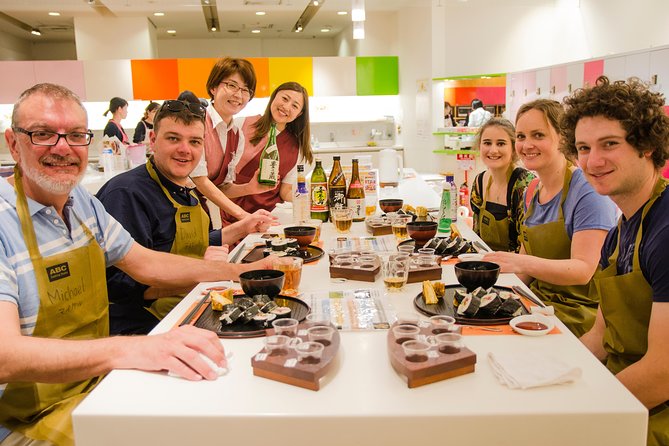
The change of scene is useful. Tsukiji gives you sensory overload in a good way, while the cooking school gives you a clean work area, clear stations, and set recipes. ABC Cooking Studio is a large Japanese cooking school with locations across Japan and Asia. Here, the lesson is designed for international visitors, with the guide often helping the instructor communicate.
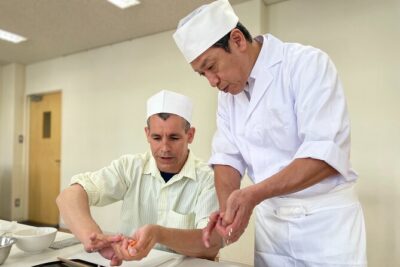
The cooking segment lasts about 90 minutes. It is not a private kitchen, but with no more than six people, you should have a fair chance to see the demonstrations and take part. The class is a better fit for beginners than for someone seeking advanced knife skills or professional sushi technique.
More Tokyo sushi making classes:
- Sushi Making Tokyo Roll and Authentic Japanese Sushi Class
★ 5.0 · 3,971 reviews - Tokyo: Roll and Authentic Sushi Making Class in Asakusa
★ 4.9 · 1,957 reviews - Make Sushi and Create Unforgettable Memories in Tokyo
★ 5.0 · 1,413 reviews - Tokyo: Sushi Making Class in a Happi Coat near a Famous Spot
★ 4.9 · 1,377 reviews
What you make in the 90-minute lesson
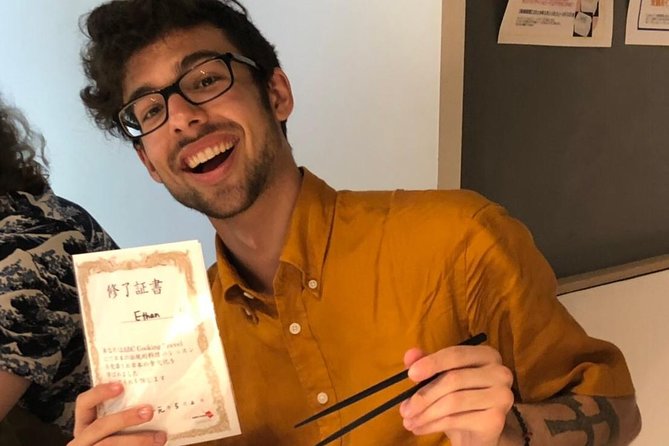
The menu commonly includes a sushi roll, nigiri or other sushi preparations, tamagoyaki, miso soup, and side dishes. The exact ingredients can change because of the season, availability, and arrival of ingredients. You can ask about substitute ingredients if needed.
Tamagoyaki is often the most memorable item for first-time cooks. This Japanese rolled omelet is made by cooking thin layers of egg and rolling them together. It looks simple, but shaping the layers neatly takes patience. You may also see it served as a market snack on a stick, then make a version yourself at the studio.
Sushi preparation is the main draw, but the lesson is not limited to placing rice and fish on a plate. Depending on the session, you may prepare rolls, nigiri, stock, soup, and several side items. The class gives you techniques you can repeat at home without needing restaurant equipment.
Past instructors have included Miwako, Miwa, Masayo, Hiromi, and other ABC Cooking Studio teachers. The strongest sessions combine a clear instructor with help from the English-speaking guide. If your guide has limited English or the class moves quickly, the cultural explanation may be thinner than you expect. The instructors are described as patient and friendly, but the depth of English instruction can vary.
This point matters if you are booking mainly for Japanese food culture rather than for the cooking itself. The class teaches useful steps, but it may not offer a long discussion of sushi history, regional styles, fish sourcing, or restaurant etiquette. It is a practical beginner class, not a culinary seminar.
Eating what you prepare
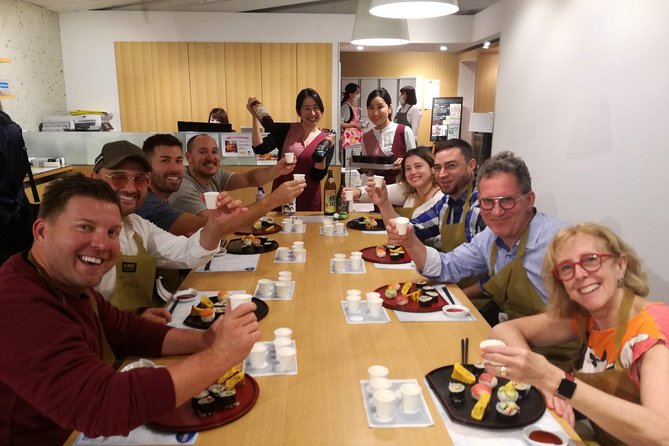
The best payoff comes at the end, when you sit down with the food you made. Lunch may include your sushi, omelet, soup, and side dishes, along with a choice of wine, plum sake, or soft drinks. Drinking water is also provided at the studio.
This meal gives the class a clear purpose. You are not simply practicing a recipe and leaving. You get to see how the separate parts work together on a Japanese-style plate, then eat them while the instructions are still fresh.
It is also a useful family activity. Children old enough to meet the age and height rules can roll sushi, make omelet, and take part in the meal. Families have found that children and teenagers stay interested because the lesson is active and the result is edible.
The portions are not described as a large feast, so do not choose this as your only major meal plan for the day if you have a very big appetite. The food is enough to make the class feel complete, but the value comes from instruction and participation as much as from quantity.
The biggest strengths and the fair criticisms
The most praised part of this experience is the pairing of the market guide and cooking instructor. A good guide can transform Tsukiji from a confusing set of stalls into a readable food district. A good instructor can turn sushi and tamagoyaki from intimidating dishes into tasks you can try again at home.
The small group also matters. Six is a manageable number for a cooking counter, and it is far more personal than a large demonstration class. You can ask about ingredients, request an alternate item, and get help with rolling or shaping.
The market samples are another strong point. They add flavor and surprise to the walk, especially if you are willing to try dried seafood, sweets, or unfamiliar snacks. Save your appetite and ask the guide which stops are worth your time.
The drawbacks are fairly clear. The market visit may feel short if you want to browse every lane. You can also visit Tsukiji without a guide, and doing so costs much less. The cooking studio is not right next to the market, so the transfer takes time.
The class can feel basic if you already make maki rolls, nigiri, or Japanese omelet. One past session included limited market explanation, simple sushi preparation, and little discussion of Japanese sushi traditions. That is not a problem for a first lesson, but experienced cooks should set modest expectations.
Group bookings need care. If two families reserve separately, they may not automatically be placed together. Put everyone on one booking when possible, or contact the provider quickly after booking to request the same group.
Who should book this food tour?
I would recommend it most strongly to first-time visitors to Tokyo, families with older children, and people who want help navigating Japanese food culture. It is also a good choice if you want to learn recipes you can repeat at home rather than simply eat at a restaurant.
You should book it if the following sound appealing:
- You want a guide to explain unfamiliar market foods.
- You prefer a small group over a large cooking demonstration.
- You enjoy tasting snacks as much as seeing sights.
- You want to prepare sushi and tamagoyaki yourself.
- You need an English-speaking guide for communication.
- You like having lunch built into the activity.
I would choose another plan if your priority is the tuna auction, serious fish buying, advanced sushi technique, or a long market visit. You may also want to visit Tsukiji independently before or after the tour if you have extra time. That lets you explore at your own pace and return to stalls you missed.
The activity requires at least two participants to operate. It may be canceled for poor weather or if the minimum group is not met, with a different date or a full refund offered in those cases. You can cancel for a full refund up to 24 hours before the start time. Any changes made later are not accepted.
Should you book the Tsukiji and sushi lesson?
Book it if you want a friendly, efficient introduction to Tokyo food culture with a real cooking payoff. The market walk, tasting stops, small group, and hands-on class make a stronger package than either a basic market stroll or a stand-alone sushi lesson.
At $99.49, I see the value in the guide, transportation, instruction, meal, and small group size. Just remember what you are buying: a beginner-friendly food experience, not an advanced chef course or tuna auction visit. For the right audience, it is an enjoyable way to see Tsukiji, taste beyond the obvious, and leave with recipes you can try at home.
FAQ
Where does the tour begin?
The tour begins outside Tsukiji Hongwanji Temple at 3-chome 15-1 Tsukiji, Chuo City, Tokyo 104-8435, Japan.
How long does the experience last?
The experience lasts about three hours. The market portion takes about one hour, and the cooking class lasts about 90 minutes, with time for the meeting and transfer between locations.
Is the tuna auction included?
No. Tuna auction viewing is not included. The activity visits Tsukiji Outer Market.
What food will I make?
The class typically includes sushi, a Japanese rolled omelet called tamagoyaki, miso soup, and side dishes. The ingredients and exact menu can change with the season and availability.
Is the activity suitable for children?
The minimum age is nine, and the minimum height is 4.2 feet, or 130 centimeters. Strollers are not allowed.
What is the cancellation policy?
You can cancel at least 24 hours before the start time for a full refund. Later cancellations and changes are not accepted. If poor weather or an insufficient number of participants causes the provider to cancel, you will be offered another date or a full refund.
More hands-on classes and workshops in Tokyo
- Tokyo Shinjuku Chopsticks Making Class
★ 5.0 · 1,763 reviews - Chopstick Making Workshop in Ginza
★ 4.8 · 1,366 reviews - Tokyo Sushi Making Class in Tsukiji with Professional Chef
★ 5.0 · 1,177 reviews - Ramen & Gyoza Cooking Class in Tokyo with Local Supermarket Visit
★ 5.0 · 823 reviews
More Tokyo markets and shopping streets
- Tsukiji Fish Market Guided Tour and Sushi Making with Pro Chef
★ 5.0 · 775 reviews - Tokyo: Tsukiji Fish Market Food and Culture Walking Tour
★ 4.7 · 757 reviews - Tsukiji Fish Market: Street Food & Culture Walking Tour
★ 5.0 · 669 reviews - Tsukiji Fish Market Small-Group Food Walking Tour
★ 5.0 · 621 reviews
Newly reviewed around Tokyo
- Tokyo Asakusa:Calligraphy & Make T-shirt Activity★ 5.0 · 62 reviews
- Intercity Shuttle, Tokyo to Haneda /Narita /Yokohama /Makuhari★ 5.0 · 5 reviews
- 1 Hour Travel around Tokyo with a Professional Photographer★ 5.0 · 3 reviews
- Travel Tokyo with Your Own Personal Photographer★ 5.0 · 43 reviews
- Train in Samurai Swordsmanship and Defeat the Demon in Tokyo★ 5.0 · 5 reviews
- Shuttle Van 6hr Tokyo Tour to-and-from Tokyo, Yokohama and Narita★ 5.0 · 9 reviews
- Kickboxing & Body Training with EX-Pro Fighter★ 5.0 · 4 reviews
- Traditional Japanese Knife Sharpening Class★ 5.0 · 18 reviews
Tsukiji and Toyosu Fish Market Tours, compared.
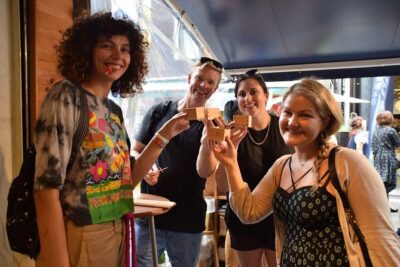
Tokyo Tsukiji Fish Market Food and Culture Walking Tour
Read our review →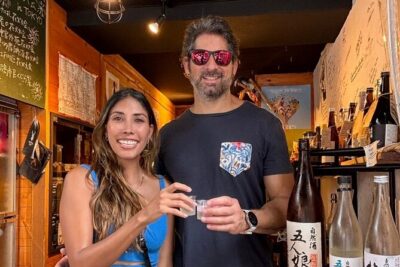
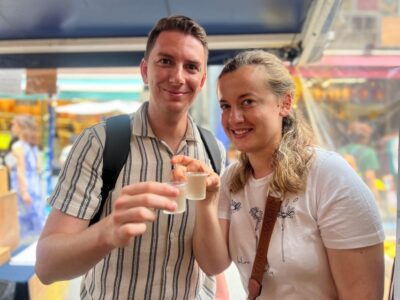
Tokyo Sushi Making Class in Tsukiji with Professional Chef
Read our review →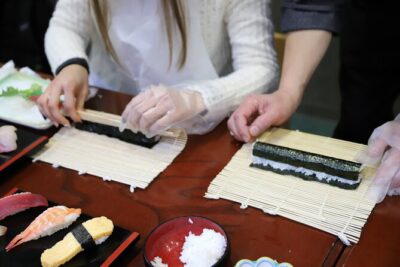
Tsukiji Fish Market Guided Tour and Sushi Making with Pro Chef
Read our review →Tsukiji Fish Market Food and Culture Walking Tour
Read our review →
Tsukiji Fish Market: Street Food & Culture Walking Tour
Read our review →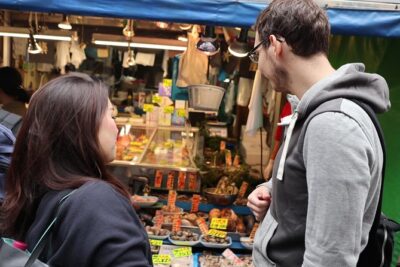
Tsukiji Fish Market Small-Group Food Walking Tour
Read our review →Browse the lists this tour appears in