
Reviewed · TOKYO IMPERIAL PALACE TOURS
Cherry Blossom Highlights, Asakusa, Ueno, Imperial Palace Garden
Tokyo’s cherry blossom season can turn a familiar sightseeing day into a moving target. This private tour responds to that problem with a flexible route through Imperial Palace Gardens, Senso-ji, and Ueno Park, plus Tsukiji’s food stalls and Ameyoko’s street shopping.
I like the personal pace and the chance to learn Tokyo’s public transportation system while moving between districts. I also like the mix of flowers, temples, old castle grounds, sushi, and everyday shopping. The catch is price: at $221.12 per person, lunch and transportation are extra, so the value depends heavily on how much you want a private guide.
Key points to know before booking
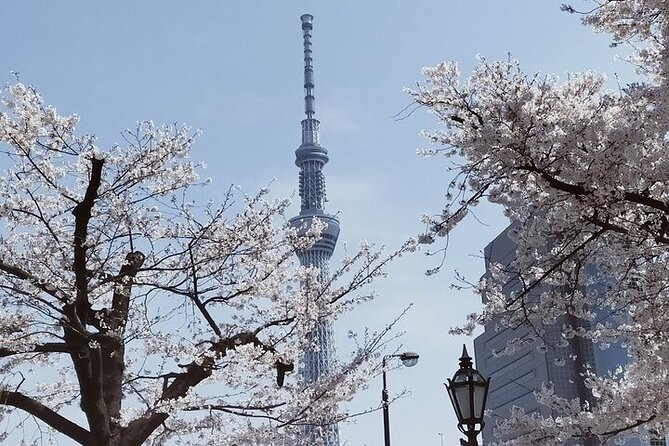
- The cherry blossom route can change: Your guide may switch gardens when flowers bloom early or late.
- It is a private experience: Only your group participates, with attention from a licensed guide.
- Tsukiji adds a food stop: You can buy sushi and other bites, but lunch is not included.
- Public transit is part of the lesson: Private transportation is not provided.
- The day covers several Tokyo districts: Expect around six to seven hours and a moderate amount of walking.
- Guide quality matters: Hiroko and Nobuko Akimoto received especially warm praise for clear help, flexibility, and cultural insight.
Why this Tokyo cherry blossom tour works
This is less a simple flower-viewing outing and more a first-day orientation to Tokyo. You see major sights, sample food, learn how to move around by train or subway, and get a guide who can adjust the plan to your interests.
That flexibility matters during cherry blossom season. Flowers do not follow a booking calendar. One garden may be past its best while another still has good color. On one April 4 visit, the Imperial Palace blossoms were nearly finished, so the guide shifted to Hama-Rikyu Garden, where later-blooming trees were still attractive. That kind of change is useful, though you should understand that the advertised stops are possible highlights, not an ironclad promise.
The private format is another strength. You are not trying to keep up with a large group while crossing Tokyo. You can ask cultural questions, pause at a market stall, or spend more time at a temple if something catches your attention. Nobuko Akimoto was especially good at shaping the day around a guest’s curiosity rather than simply reciting a fixed script.
Still, a private guide does not make Tokyo effortless. You will use public transportation, walk between sights, and manage the crowds that come with cherry blossom season. I would call the physical demand moderate, exactly as the tour information suggests.
More Imperial Palace tours in Tokyo:
- Tokyo: Imperial Palace and Shogun Historical Walking Tour
★ 5.0 · 2,251 reviews - Tokyo: Imperial Palace Japanese History Walking Tour
★ 4.9 · 987 reviews - Tokyo: Imperial Palace and Shogun Walking Tour
★ 4.9 · 935 reviews
Starting at the Imperial Palace’s East Gardens
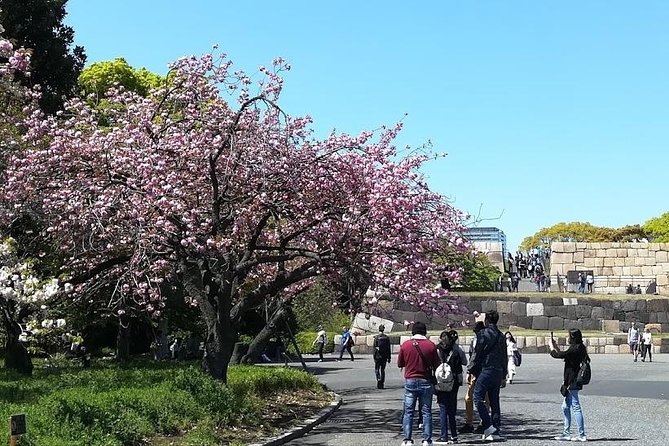
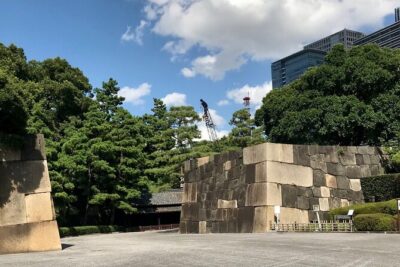
The day begins at 9:00 a.m. with a morning walk through the East Gardens of the Imperial Palace. This area occupies part of the former Edo Castle grounds, where moats, stone walls, and the Edo Castle ruin give the visit a strong sense of place.
The gardens also offer a helpful contrast to central Tokyo’s concrete and traffic. The Imperial Palace grounds cover about 90 hectares of forest and open space, a sizable green break in the middle of the capital. You are not simply looking for blossoms here. You are seeing how Japan’s old seat of power fits into the modern city.
Allow about an hour. The admission charge is listed as free, which keeps this first stop simple and low cost. The main limitation is seasonal timing. Cherry trees at the palace may be fading by the time your tour date arrives, especially in a warm spring. The guide can respond, but you should book this experience for a flexible cherry blossom day, not for a guarantee that every planned tree will be at peak bloom.
Tsukiji for sushi and street food
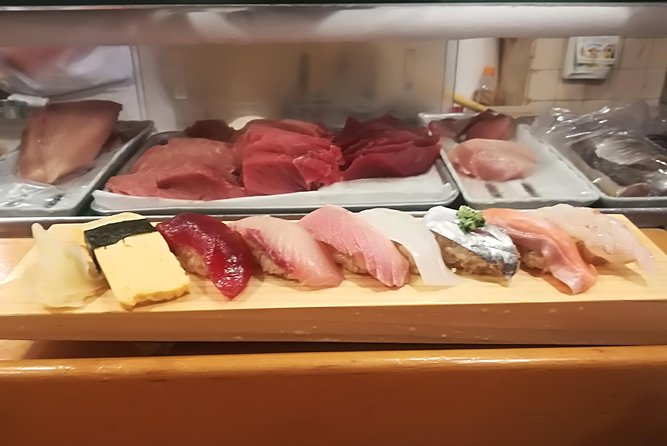
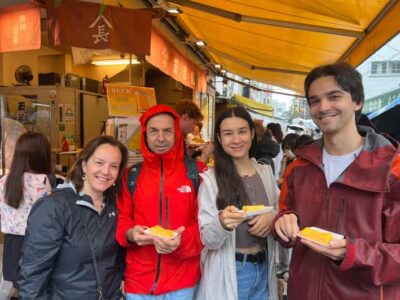
From the palace area, the tour continues to Tsukiji, a lively food district known for its outer-market streets. The stop lasts about an hour and gives you a chance to see traditional Japanese ingredients and grab food in small portions.
At midday, the narrow lanes may smell of grilled chicken, tuna, scallops, and other seafood. You can also find the market’s famous bite-size rolled omelet. Sushi is one of the main draws, but lunch is not included in the tour price, so bring extra yen or a payment method suitable for your purchases.
I like this stop because it gives the day a practical, local flavor. Instead of looking at Tokyo only through temples and gardens, you see food being sold, prepared, and eaten. The downside is that an hour passes quickly, particularly if you want to browse, ask questions, and eat. You may need to choose between a proper meal and a series of small tastes.
The market setting also requires patience. Narrow streets and food queues can slow you down. Your guide can help you understand what you are seeing, but the actual cost of sushi or other food comes from your own pocket.
Senso-ji and the walk through Nakamise
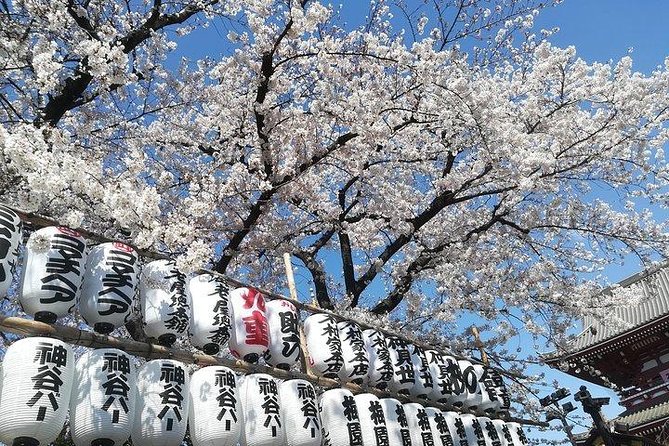
Senso-ji is one of Tokyo’s oldest temples and one of the city’s most recognizable cultural stops. The planned visit lasts about two hours, making it the longest stop of the day.
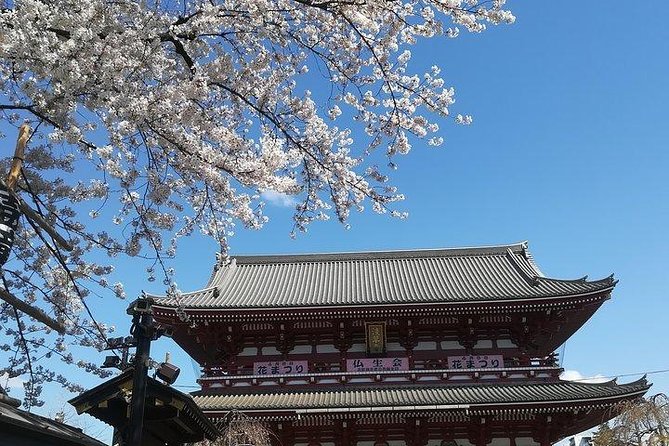
You approach through the Thunder Gate and continue along Nakamise, the shopping street leading toward the temple. Shops sell traditional Japanese souvenirs and other goods, so this is a good place to combine sightseeing with browsing. Cherry blossoms add seasonal color, but the temple remains worthwhile even if the flowers are past their peak.
Two hours gives you room to look around rather than rush through a gate, take a photo, and leave. You can ask your guide about the temple’s customs and the objects you see. The tour is particularly useful if you want cultural context, since one of its strongest features is the chance to ask direct questions without feeling that you are interrupting a large group.
Senso-ji can also be the busiest part of the route. The combination of a major temple, shopping street, and cherry blossom season means you should expect plenty of people. The tour does not promise a quiet temple experience, and the guide cannot remove the crowds. What you gain is help making sense of the setting.
More Asakusa and Sensoji tours:
- Tokyo: Japanese Dance Cabaret Theater Asakusa-Kaguwa Ticket
★ 4.8 · 2,270 reviews - Tokyo: Meiji Shrine, Asakusa, Skytree Bus Tour and Cruise
★ 4.7 · 1,986 reviews - Tokyo: Roll and Authentic Sushi Making Class in Asakusa
★ 4.9 · 1,957 reviews - Tokyo: Asakusa Walking Tour with Sensoji Temple Visit
★ 4.8 · 1,583 reviews
Ueno Park’s blossoms and old temple grounds
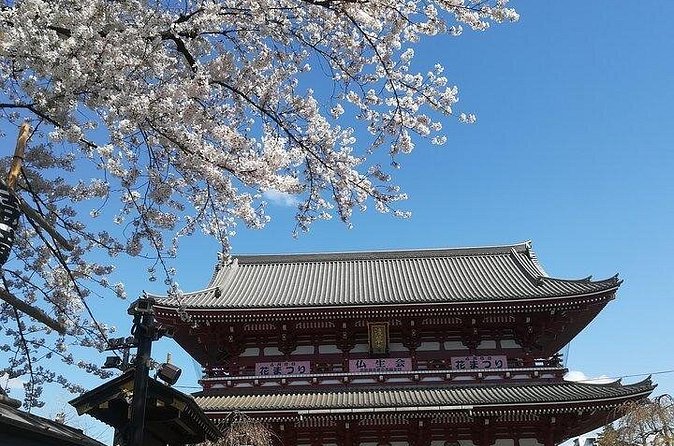
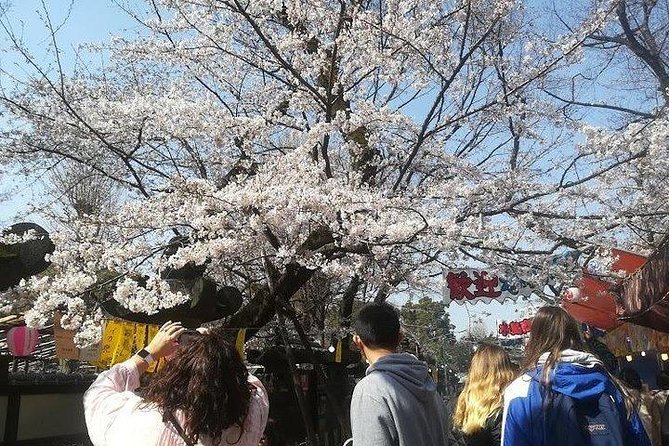
Ueno Park is scheduled for about an hour. More than a thousand cherry trees line parts of the park, making it one of the most important blossom stops on the route.
The park is not only a place for flower viewing. It also contains remains linked to the Tokugawa family, including Ueno Toshogu and Kiyomizu Kannnon Temple. Shinobazu Pond adds another change of scenery and helps explain why Ueno has long been a favorite public gathering place.
This is where the tour’s seasonal purpose is clearest. If the timing is right, you get rows of blossoms rather than a single ornamental tree beside a landmark. If the timing is off, Ueno may still be interesting for its temple remains and pond, but the visual payoff will be less dramatic.
One hour is enough for a guided overview, not an exhaustive park visit. If you want to linger under the trees, take a slow walk, or stop often for photos, you may wish the schedule were looser. The private setup gives you some room to discuss adjustments, but the route has several other stops to fit in.
Ameyoko for Tokyo’s everyday side
The final listed stop is Ameyoko Shopping Street, also called Ameya Yokocho. This shopping arcade sells fresh fish, food, daily goods, and souvenirs, with food stands where local people and visitors can eat and drink.
Ameyoko is a useful counterpoint to the formal gardens and historic temple. Here, the focus is ordinary city life: shopping, snacks, prices, and the quick rhythm of a downtown arcade. You can look for small gifts or simply watch how Tokyo’s commercial side works.
The stop is planned for about an hour. Like Tsukiji, it may tempt you to spend more time and money than expected. The tour price does not include purchases or food, so budget separately if you want to sample several items.
Ameyoko also helps make the route feel like an introduction to different parts of Tokyo rather than a single theme park of famous sights. You see imperial grounds, a food market, a temple district, a park, and a shopping street in one day.
Learning Tokyo’s trains and subway system
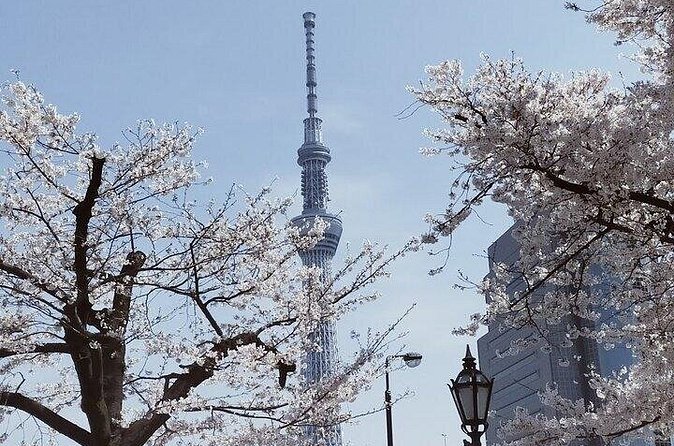
Private transportation is not included. That sounds like a drawback, but it can be an advantage if you are staying in Tokyo for several days. Your guide helps you use public transportation, so you learn a skill you can keep using after the tour ends.
The practical value depends on your guide’s communication. One visitor found the guide pleasant and helpful but had difficulty understanding her English. That is worth keeping in mind because transit instruction and cultural explanation work best when you can follow directions easily.
At the same time, the stronger guide experiences show why a private tour can be useful. Hiroko was praised for helping make the day a good orientation to Tokyo, while Nobuko Akimoto was appreciated for her time, cultural insight, and willingness to follow personal questions. If you are assigned one of these guides, the flexible format should suit you well. Guide availability can change, so I would not book on the assumption that a particular person is guaranteed unless the provider confirms it.
You should also be ready to walk. The tour covers multiple districts, and a moderate fitness level is recommended. Comfortable shoes matter more than stylish ones on a day that combines stations, markets, temple grounds, and parks.
What the $221.12 price really buys
At $221.12 per person, this is not a cheap way to see Tokyo’s cherry blossoms. The price buys a private licensed guide for roughly six to seven hours, not a meal, a vehicle, or entrance tickets to a long list of paid attractions. The listed stops themselves have no admission charge, so the main expense is the guide’s time and the private attention.
That can be good value for a first visit if you want help with public transit and cultural questions. A guide can also save you from spending your first morning puzzling over routes between distant neighborhoods. The ability to change the flower-viewing plan is valuable during a short, expensive trip.
The value is weaker if you already know Tokyo’s transit system, prefer exploring independently, or mainly want a leisurely picnic under cherry trees. You may find the schedule too packed and the cost too high for stops that are mostly free.
Food costs are separate. Tsukiji and Ameyoko make it easy to spend extra on sushi, seafood, snacks, and souvenirs. Gratuities are also not included. The suggested tip range is 10 to 20 percent, listed as roughly $12 to $24 per person, though you should treat tipping as a personal decision based on the service you receive.
Timing, weather, and the changing blossom season
The tour requires good weather. If poor weather forces cancellation, you are offered another date or a full refund. You can also cancel for a full refund if you do so at least 24 hours before the 9:00 a.m. start.
The more important issue is bloom timing. Cherry blossoms can begin earlier than expected, as happened when the Imperial Palace trees had mostly finished by April 4. A guide may replace a weak stop with another garden, such as Hama-Rikyu, where later blossoms remain.
I see this flexibility as a real benefit, but it also means you should keep your expectations sensible. You are booking a guided search for the best available blossom spots, not a promise that every famous location will be at peak bloom.
The tour is booked well ahead of time, with an average booking lead of 194 days. That tells you demand is strong during the short blossom season. If your dates are fixed, plan early, but avoid treating an early reservation as a guarantee of perfect flowers.
Who should book this private Tokyo day?
I would recommend this experience to first-time visitors who want a broad introduction to Tokyo in one day. It suits you especially well if you want to ask cultural questions, feel unsure about public transit, or prefer a guide who can adjust the route.
It is also a good fit for small private groups with different interests. One person can focus on temples, another on food, and another on shopping, while the guide balances the day. Families and older visitors should consider the walking and transit demands before booking.
I would be more cautious if your main goal is a slow, photography-focused blossom outing. Six or seven hours across several districts leaves little room for lingering. Independent visitors who already know Tokyo may prefer to spend the same money on meals and transport while setting their own pace.
Should you book the Cherry Blossom Highlights tour?
Book it if you want a private Tokyo orientation with seasonal flexibility, food-market time, and practical help using trains and subways. The strongest value comes from the guide, not from admission tickets. Hiroko and Nobuko Akimoto are names associated with particularly thoughtful, adaptable guiding, though a specific guide is not guaranteed.
Skip it if you want a guaranteed peak-bloom location, included lunch, private car service, or a relaxed day in one park. The route covers a lot, and the $221.12 price rises once you add food, transit, and a tip.
For a first Tokyo visit during cherry blossom season, I think the combination is compelling: old castle grounds in the morning, Tsukiji food, Senso-ji, Ueno’s trees, and Ameyoko’s everyday shopping. Just book with flexible expectations and comfortable shoes.
FAQ
How long does the Cherry Blossom Highlights tour last?
The tour lasts approximately six to seven hours.
What time does the tour start?
The scheduled start time is 9:00 a.m.
Is this a private tour?
Yes. Only your group participates in the activity.
Is transportation included?
Private transportation is not included. Your licensed guide helps you use public transportation during the tour.
Is lunch included?
No. Lunch is not included, although you can buy sushi and other food at Tsukiji.
Can the itinerary change?
Yes. The exact route can change because of timing and seasonal conditions, especially cherry blossom bloom dates. A different garden may be used if blossoms at a planned stop have faded.
What happens if bad weather cancels the tour?
If the experience is canceled because of poor weather, you are offered a different date or a full refund. You can also cancel at least 24 hours before the start time for a full refund.
More Tokyo cherry blossom tours
- Mt. Fuji, Cherry Blossom & Shiba Sakura Pvt. Day Tour
★ 5.0 · 326 reviews - Mt. Fuji & Hakone Cherry Blossom private One Day Tour
★ 4.5 · 35 reviews - Tokyo Cherry Blossoms blooming spots E-bike Tour, 3hrs
★ 5.0 · 27 reviews - Cherry Blossom Private Tour
★ 4.5 · 18 reviews
More things to do in Ueno
- Eat and Drink Like a Local: Tokyo Ueno Food Tour-Taverns&Ramen
★ 5.0 · 957 reviews - Tokyo: Food Tour in Ueno with 10+ Tastings of Japanese Classics
★ 5.0 · 303 reviews - Tokyo Ueno Food Tour Sushi Ramen and Local Favorites
★ 5.0 · 54 reviews - Japanese Food Experience Night Tour in Ueno
★ 5.0 · 47 reviews
Newly reviewed around Tokyo
- Tokyo Asakusa:Calligraphy & Make T-shirt Activity★ 5.0 · 62 reviews
- Intercity Shuttle, Tokyo to Haneda /Narita /Yokohama /Makuhari★ 5.0 · 5 reviews
- 1 Hour Travel around Tokyo with a Professional Photographer★ 5.0 · 3 reviews
- Travel Tokyo with Your Own Personal Photographer★ 5.0 · 43 reviews
- Train in Samurai Swordsmanship and Defeat the Demon in Tokyo★ 5.0 · 5 reviews
- Shuttle Van 6hr Tokyo Tour to-and-from Tokyo, Yokohama and Narita★ 5.0 · 9 reviews
- Kickboxing & Body Training with EX-Pro Fighter★ 5.0 · 4 reviews
- Traditional Japanese Knife Sharpening Class★ 5.0 · 18 reviews
Tokyo Imperial Palace Tours, compared.
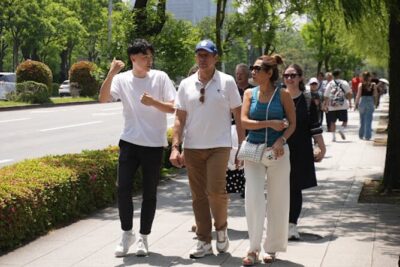
Imperial Palace and Shogun Historical Walking Tour
Read our review →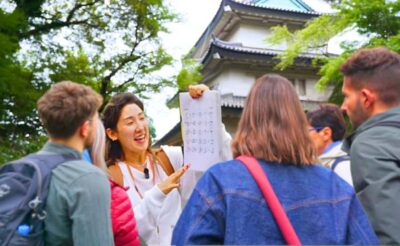
Imperial Palace East Garden and Edo Castle Walking Tour in Tokyo
Read our review →
Imperial Palace, Sensō-ji Temple, & Tokyo Tower Tour
Read our review →
Tokyo Castle, Imperial Palace, Shogun & Garden Walking Tour
Read our review →
Edo Castle & East Garden of the Imperial Palace Tour
Read our review →Browse the lists this tour appears in