
Reviewed · TOKYO FOOD TOURS
Tokyo: Food Tour in Ueno with 10+ Tastings of Japanese Classics
Ueno is one of Tokyo’s best neighborhoods for a food walk because it gives you more than polished restaurant dining. In about three and a half hours, you move through a market, eat under the elevated train tracks, and pause at Ueno’s shrines and temples while sampling 10 or more Japanese classics. It is a useful introduction to Tokyo when your schedule is tight.
I like the mix of food and place. The guide does not simply move you from one plate to the next, but connects the dishes with Ueno’s customs and history. I also like the range: sushi, gyoza, yakitori, fruit, tea, matcha ice cream, beer, and a surprise dish give you a broad first taste of Japan.
The main catch is price. At $142 per person, you are paying for guidance, translation, planning, and access to small local stops, not just the food. A critical assessment also raises a fair concern: the cultural explanation can depend heavily on the individual guide, so this tour works best if you value orientation and conversation as much as quantity.
Key points at a glance
- Ueno’s market streets: Walk through a popular indoor-outdoor market selling food, gifts, clothing, and everyday goods.
- 10 or more tastings: Expect sushi, gyoza, yakitori, seasonal fruit, two teas, matcha ice cream, beer, water, and a secret dish.
- A short Tokyo introduction: The 3.5-hour format fits neatly into a first day or a packed sightseeing plan.
- Food with local context: Guides such as Harumi, Natsumi, Yumi, and Mari explain food, customs, and Ueno’s past.
- A walking-heavy route: Comfortable shoes matter, and the menu or stops can change with weather and availability.
- Small-group limit: The maximum is 15 people, though you should confirm the exact group setup because the description also refers to a private guide.
Why Ueno is a smart place for a Tokyo food tour
Many first-time visitors begin Tokyo with famous districts such as Shibuya, Shinjuku, or Asakusa. Ueno gives you a different starting point. It is a culture-rich part of Taitō, with a market, train infrastructure, public park, Shinto shrine, and Buddhist temple all close enough to connect on foot.
That mix makes the tour more useful than a simple restaurant crawl. You are not only trying dishes. You are seeing how food fits into a neighborhood where shopping, worship, commuting, and leisure overlap.
The meeting point is Ueno Station, at 7 Chome-1 Ueno. That is practical for a first or last activity of the day because the area is well connected by public transportation. The tour returns to the same meeting point, so you do not need to arrange a separate ride back to your hotel or another station.
The route involves a fair amount of walking. I would not schedule it immediately after a long walking tour unless you are comfortable being on your feet for several hours. Wear shoes you can walk in easily, and arrive ready to eat steadily rather than expecting one large meal.
More things to do in Ueno:
- Eat and Drink Like a Local: Tokyo Ueno Food Tour-Taverns&Ramen
★ 5.0 · 957 reviews - Tokyo Ueno Food Tour Sushi Ramen and Local Favorites
★ 5.0 · 54 reviews - Japanese Food Experience Night Tour in Ueno
★ 5.0 · 47 reviews
Ameya-Yokocho and the first taste of everyday Tokyo
The market section is a strong opening because it gives you visual context before the tasting begins. This indoor-outdoor market has shops selling food, gifts, clothing, and other goods. It is the sort of place where a guide helps you notice what you might otherwise pass without understanding.
You might learn how the market functions as a shopping area, how certain foods are displayed, or which products are common in everyday Japanese life. The value here is not only the food on your plate. It is having someone help you read the street.
The market can also be the busiest part of the walk. Shopfronts, pedestrians, and narrow passages may make it harder to hear every explanation. If you want the full cultural side of the experience, stay close to the guide and ask questions while the group is stopped rather than trying to talk while walking.
This is also where the tour begins to overcome the language barrier. Ordering food in Japan is often easy at major restaurants, but smaller local spots can be less comfortable when you cannot read the menu or explain what you want. An English-speaking guide removes much of that friction.
Eating beneath the elevated train tracks
One of the more distinctive stops is an area beneath the elevated train tracks. The Japanese term for this kind of space is under the girders. It is a practical reminder that Tokyo does not separate every activity into neat districts. Restaurants and shops make use of the space beneath the railway, turning infrastructure into part of the neighborhood.
This stop adds a different feel from the market. The setting is informal and urban, and the food is presented as part of local daily life rather than as a formal cultural display. It is a good place to consider how Tokyo uses limited space creatively.
The precise restaurant and dish can change. The menu depends on availability, weather, and other circumstances, so you should not treat the listed foods as a rigid promise of exact stops. Still, the food selection is broad enough to give you a useful idea of Japanese casual dining.
Ueno Park, a pause between bites
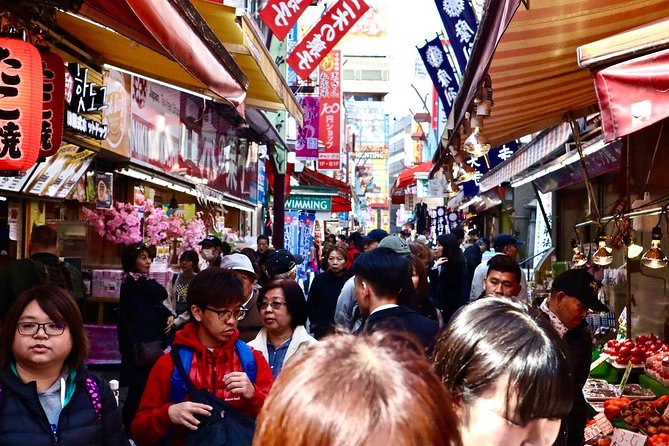
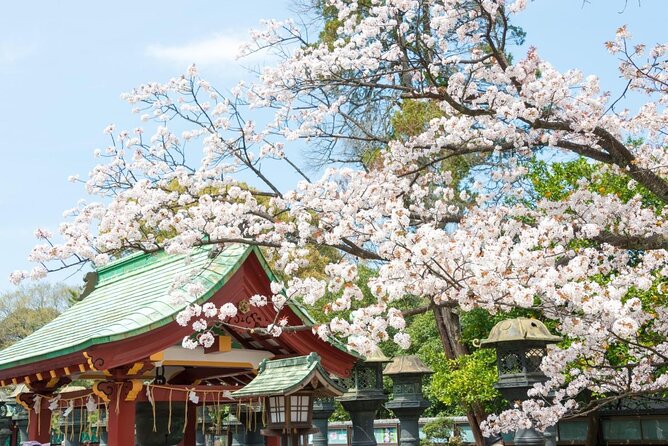
Ueno Park provides a change of pace. This spacious public park is famous in spring for cherry blossoms and hanami, the custom of gathering to view them. The tour does not promise a particular blossom season experience, but the park remains an important part of Ueno’s identity at other times of year.
A park stop matters because it breaks up the eating. You have a chance to walk, listen, and place the neighborhood in a wider setting. It also keeps the tour from feeling like a sequence of indoor food stops.
Do not expect a long guided park visit or a dedicated cherry blossom tour. Ueno Park is one part of a wider route. Its role is to connect the food experience with the area’s public spaces and cultural sites.
More Tokyo food tours:
- Tokyo: Shinjuku Food Tour (13 Dishes at 4 Local Eateries)
★ 5.0 · 6,603 reviews - Tokyo: Shinjuku Food Tour (15 Dishes and 4 Eateries)
★ 4.9 · 2,033 reviews - Best of Shinjuku: Izakaya Food Tour (4 Stops, 14+ Tastings)
★ 5.0 · 1,863 reviews - Tokyo Night Foodie Tour in Shinjuku – Seasonal Sushi, Wagyu Beef
★ 5.0 · 1,161 reviews
Ueno Toshogu Shrine and the Tokugawa connection
The route includes Ueno Toshogu Shrine, a Shinto shrine built and dedicated in 1627 to the memory of Tokugawa Ieyasu, founder of the Tokugawa Shogunate. This gives the guide a clear point for explaining how religion, politics, and Japanese history meet in the same neighborhood.
The shrine is particularly useful for first-time visitors who want more than food but do not have time for a full history tour. You can ask about Shinto customs and the significance of the site while still keeping the visit connected to the day’s main theme.
The tour is not a formal religious lesson. Time is shared with the market, tastings, park, and temple, so the explanation will be an introduction. That is appropriate for a food walk, but anyone seeking detailed historical interpretation should plan a separate visit.
A Buddhist temple in tranquil surroundings
The final cultural part of the route includes a storied Buddhist worship and prayer center with calm landscaping. This offers a useful contrast with the Shinto shrine. Even a short stop can help you notice the difference between two major Japanese religious traditions.
The quiet setting also gives the tour a slower moment after the market and food stops. You may find this part especially welcome if the streets have been crowded or the tastings have come quickly.
As with the shrine, the temple is one component rather than the sole focus. The quality of the explanation depends on your guide and the time available. Guides including Harumi, Natsumi, Yumi, and Mari have been praised for combining food information with local history, but the individual guide assigned to your date is not guaranteed.
What you actually eat and drink
The tasting list is the strongest reason to book. You receive a wide sample of familiar Japanese foods rather than a single specialty. The stated inclusions are:
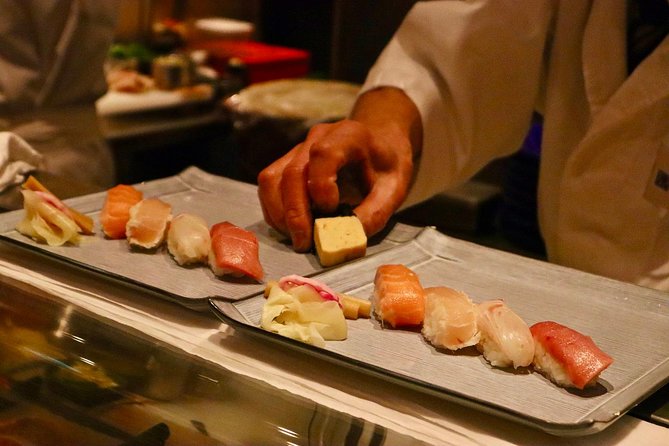
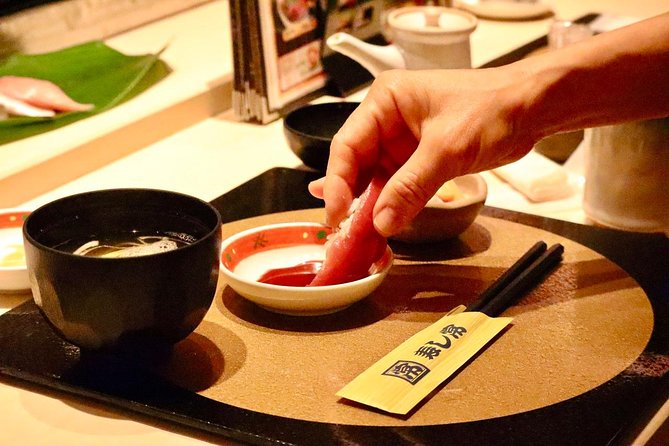
- Fresh Japanese sushi
- Crispy gyoza
- Grilled yakitori
- Seasonal fresh fruit
- Two different types of tea
- Matcha ice cream
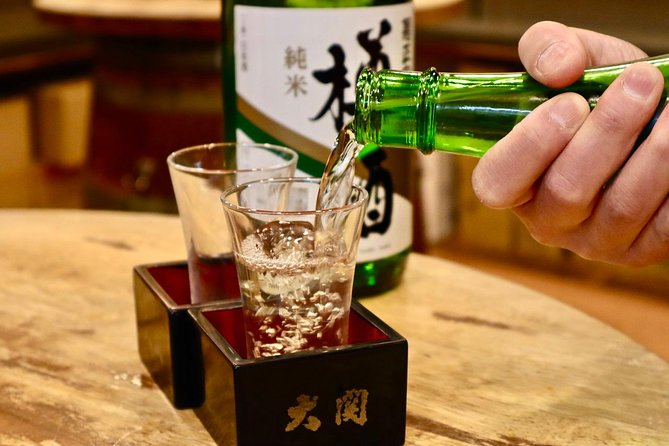
- One draft beer
- Water
- A secret dish
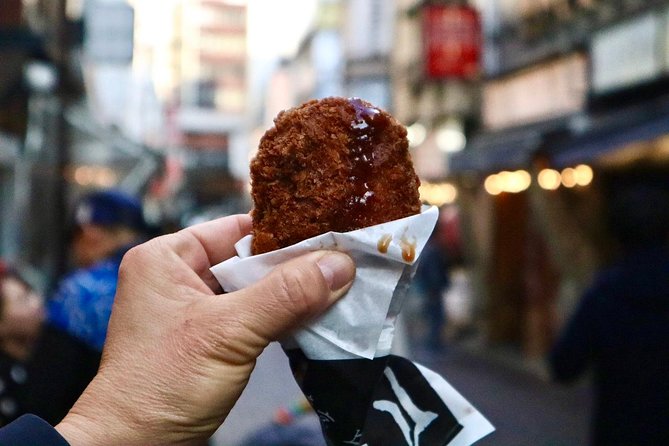
The surprise dish is part of the fun, but it also means you should not expect a fully fixed menu. One detailed food sequence included sushi, gyoza, croquette, yakitori, and sukiyaki, but the exact order and selection may change.
The portion sizes are important. This is not a tasting where you nibble once or twice and then need to find lunch. Several people have found themselves full by the third stop, and one practical tip comes up repeatedly: skip breakfast or eat only a very light one before the tour.
That advice is sensible, but do not arrive dehydrated or uncomfortable. You will be walking, eating, and drinking over several hours. If you have a large appetite, the quantity should suit you. If you prefer small portions, ask the guide early about pacing.
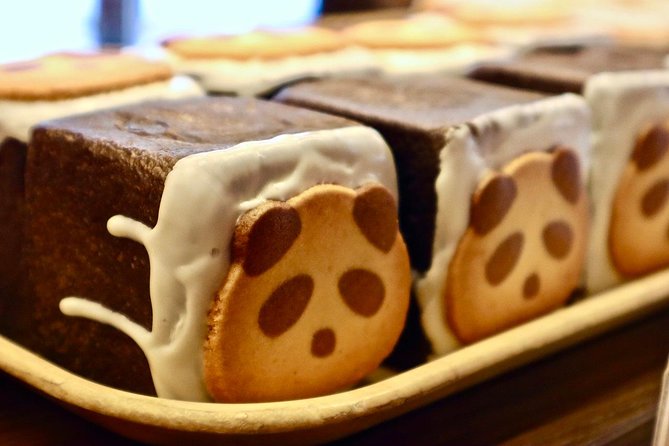
Matcha ice cream is a likely highlight for anyone with a sweet tooth. The seasonal fruit adds freshness, while the beer and tea make the menu feel more like a series of everyday Japanese eating moments than a formal tasting menu.
How the guides affect the experience
A good guide is central to this tour. You are paying for someone who can explain unfamiliar dishes, help with ordering, answer questions, and show you places you might pass by on your own.
The named guides associated with this experience include Harumi, Natsumi, Yumi, and Mari. Harumi is described as fun and informative, while Natsumi is noted for practical restaurant recommendations and an upbeat manner. Yumi has been praised for combining food with Ueno’s history, and Mari for explaining both the area and its dishes.
Those details point to the tour’s best use: make it your first food activity in Tokyo. You can ask where to eat later, what dishes to look for, and how to approach local restaurants. The guidance may be more valuable at the start of a Japan trip than near the end, when you already know the food scene.
The experience is offered in English, but communication quality can vary by guide. One strongly negative assessment found the explanation too limited and questioned the value for money. That concern should not be ignored. If detailed culinary history is your top priority, you may want to confirm how much food background and cultural explanation the guide normally provides.
Is $142 good value?
At $142 per person, this is not a budget way to eat in Tokyo. You could certainly spend less by visiting casual restaurants on your own, and you would have more control over the menu and timing.
The comparison is not quite one-to-one, though. The fee also covers an English-speaking local guide, the route planning, help with ordering, cultural interpretation, 10 or more tastings, two teas, beer, water, and dessert. You are buying a guided introduction, not simply a meal.
I see the price as reasonable for someone who wants to get oriented quickly, especially on a first visit or during a short stay. It is harder to justify if you already know Ueno, speak Japanese, or prefer choosing every restaurant yourself.
Group discounts are available, which may improve the cost for larger bookings. The maximum group size is 15. That is still large enough for the experience to feel social rather than private, so ask about the group arrangement if personal attention matters to you.
Who should book this Ueno food walk?
I would recommend it most strongly to first-time visitors who want a gentle introduction to Japanese food and customs. Families can also find it approachable, since children aged 8, 9, and 10 have enjoyed the format, and the menu includes familiar options such as chicken skewers, dumplings, ice cream, and fruit.
It also suits people with limited time. Three and a half hours is long enough for several tastings and cultural stops, but short enough to fit around other Tokyo plans.
You should think twice if you have strict dietary requirements and have not contacted the operator in advance. The company asks you to share dietary needs before the tour so it can try to accommodate them. Since the menu and stops can change, advance notice is important.
The same applies to anyone who dislikes walking, crowded market areas, or surprise dishes. This is an active neighborhood walk with a flexible menu, not a seated restaurant meal.
Booking details and practical advice
Confirmation is sent within 48 hours of booking, subject to availability. The tour requires good weather and a minimum number of participants. If poor weather or insufficient bookings cancel the activity, you receive the option of another date or a full refund.
You can cancel for a full refund up to 24 hours before the start time. Cancellations or changes made inside that 24-hour window are not refunded or accepted, and the cut-off uses Tokyo local time.
Hotel pickup and drop-off are not included. You meet at Ueno Station and finish back at the meeting point. That simple arrangement is useful, but allow time to find the correct station exit and meeting location.
I would bring comfortable shoes, a small appetite rather than a full breakfast, and a willingness to ask questions. If you want a particular dietary adjustment, send the request before the day of the tour rather than waiting until you meet the guide.
Should you book it?
Book this tour if you want a fast, friendly introduction to Ueno with plenty of food and enough culture to make the neighborhood meaningful. The combination of sushi, gyoza, yakitori, tea, matcha ice cream, market streets, a shrine, a temple, and Ueno Park gives you a satisfying first look at Tokyo.
Skip it if $142 feels high for food you could buy independently, or if you expect a detailed culinary lecture at every stop. The experience depends on the assigned guide, and the menu can change.
For most first-time visitors, especially families and people arriving in Tokyo with limited time, the tour offers a practical beginning. Come hungry, wear good shoes, and treat the guide as your local interpreter for the rest of your trip.
FAQ
How long does the Ueno food tour last?
The experience lasts approximately 3 hours and 30 minutes.
Where does the tour begin?
It begins at Ueno Station, at 7 Chome-1 Ueno, Taitō City, Tokyo 110-0005, Japan.
Where does the tour end?
The activity ends back at the meeting point.
What food is included?
The stated tastings include sushi, gyoza, yakitori, seasonal fruit, matcha ice cream, two types of tea, one draft beer, water, and a secret dish.
Is the tour offered in English?
Yes. The experience includes a passionate and experienced local English-speaking guide.
How many people can join the tour?
The maximum group size is 15 people.
Is hotel pickup included?
No. Hotel pickup and drop-off are not included.
Can I cancel for a full refund?
Yes. You can cancel at least 24 hours before the start time for a full refund. Cancellations made less than 24 hours before the start time are not refunded.
Newly reviewed around Tokyo
- Tokyo Asakusa:Calligraphy & Make T-shirt Activity★ 5.0 · 62 reviews
- Intercity Shuttle, Tokyo to Haneda /Narita /Yokohama /Makuhari★ 5.0 · 5 reviews
- 1 Hour Travel around Tokyo with a Professional Photographer★ 5.0 · 3 reviews
- Travel Tokyo with Your Own Personal Photographer★ 5.0 · 43 reviews
- Train in Samurai Swordsmanship and Defeat the Demon in Tokyo★ 5.0 · 5 reviews
- Shuttle Van 6hr Tokyo Tour to-and-from Tokyo, Yokohama and Narita★ 5.0 · 9 reviews
- Kickboxing & Body Training with EX-Pro Fighter★ 5.0 · 4 reviews
- Traditional Japanese Knife Sharpening Class★ 5.0 · 18 reviews
Tokyo Food Tours, compared.
Shinjuku Food Tour (13 Dishes at 4 Local Eateries)
Read our review →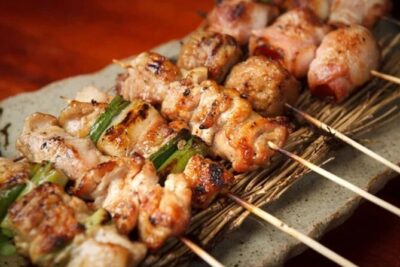
Shinjuku Food Tour (15 Dishes and 4 Eateries)
Read our review →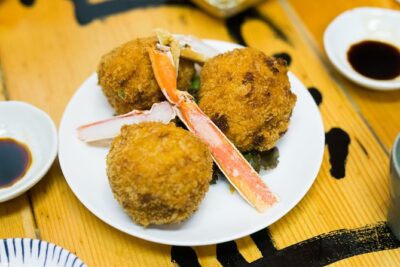
Best of Shinjuku: Izakaya Food Tour (4 Stops, 14+ Tastings)
Read our review →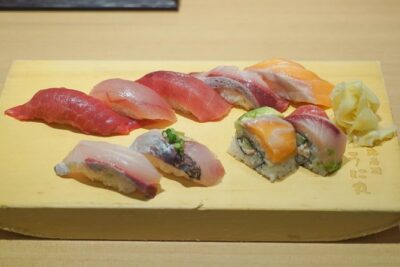
Tokyo Night Foodie Tour in Shinjuku – Seasonal Sushi, Wagyu Beef
Read our review →
Eat and Drink Like a Local: Tokyo Ueno Food Tour-Taverns&Ramen
Read our review →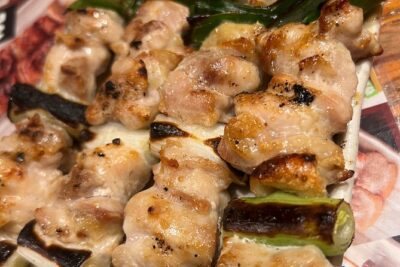
Tsukiji Fish Market: Street Food & Culture Walking Tour
Read our review →
Browse the lists this tour appears in