
Reviewed · TOKYO TEA CEREMONY EXPERIENCES
2 Hours Mochi &Nerikiri Making & Matcha Class in Bunkyo
Making Japanese sweets in Yuko’s home is the heart of this experience. You work at one table, follow each step yourself, and learn why mochi, dango, and nerikiri appear at New Year, special events, and tea ceremonies. The private format makes it feel more like a patient lesson than a group demonstration.
I like the friendly, home-based setting and Yuko’s careful teaching. I also like that you leave with skills you can try again, rather than only eating something prepared for you. The main consideration is the $78.83 price for two hours: it is fair for private instruction, but less attractive if you only want a quick tasting.
Key points
- Yuko teaches in her own Bunkyo home, creating a relaxed, personal setting.
- Choose from three courses: mochi and dango, nerikiri, or the full combination course.
- The lesson is hands-on, with step-by-step guidance rather than a simple cooking show.
- A bilingual, native-Japanese instructor explains both technique and cultural meaning.
- You finish with matcha, linking the sweets to Japanese tea culture.
- The central Tokyo location and two-hour length make this easy to fit into a busy sightseeing day.
Why this Bunkyo sweets class feels personal
Many Tokyo food activities take place in commercial kitchens or large classrooms. This one is held in a Japanese home at 1-chōme-27-8 Sekiguchi, in Bunkyo City. You meet at the house at 10:00 a.m., and the activity ends there two hours later.
That setting changes the mood. You sit around one table with Yuko rather than watching a teacher from the back of a crowded room. The small format gives you time to ask questions, repeat a technique, and work at your own pace. It also makes the class a good fit for a solo visitor, a couple, or a family that wants to do something together.
Yuko is a native Japanese instructor who teaches bilingually and has trained with the Wagashi Association of Japan. That matters because wagashi is not simply a matter of mixing sugar and rice flour. Shapes, colors, ingredients, and serving customs can connect sweets with seasons, celebrations, and tea ceremony.
You should expect a warm, informal lesson rather than a formal culinary-school session. The atmosphere has been described as homely, with teaching in the kitchen and dining area. If you enjoy meeting a local person in a real home, this is a strong point. If you prefer a polished studio with professional equipment and a busy class atmosphere, the home setting may feel more modest.
More Tokyo tea ceremonies:
- Matcha Making Class in Tokyo with Authentic Japanese Sweets Set
★ 5.0 · 744 reviews - Tokyo: Traditional Tea Ceremony with a Tea Master
★ 5.0 · 528 reviews - Dynamic Tokyo: Tokyo Tower, Tea Experience, Bay Cruise Day Tour
★ 4.5 · 521 reviews
Three ways to spend the two hours
You can select from three course choices. The exact balance of preparation and shaping depends on the option you book, so check your chosen course carefully before paying.
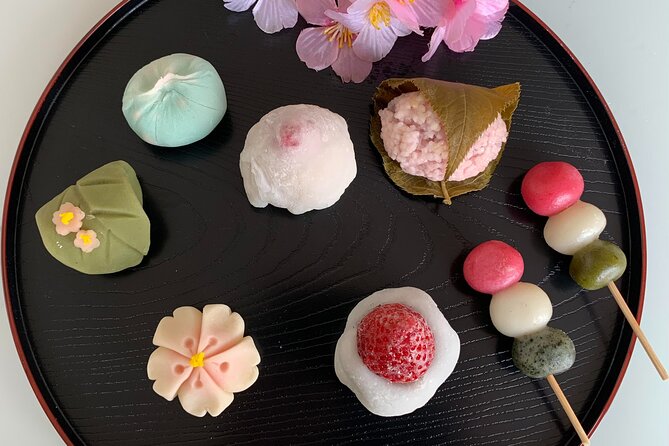
The mochi and dango course focuses on two familiar Japanese sweets. Mochi is soft and chewy, while dango is shaped into small dumplings and is often linked with special events. This option makes sense if you want a clear introduction to popular Japanese treats and hope to repeat the recipes at home.
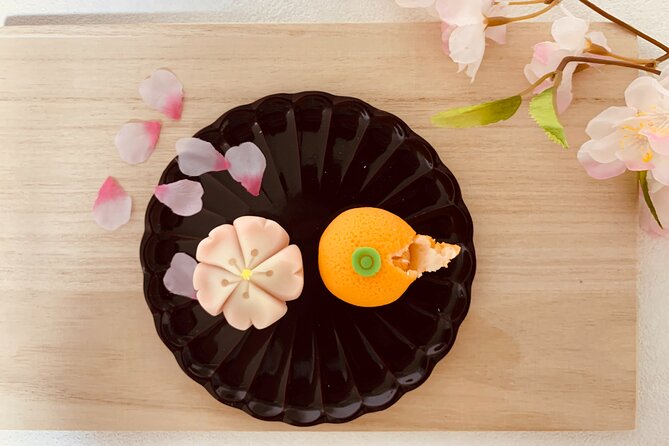
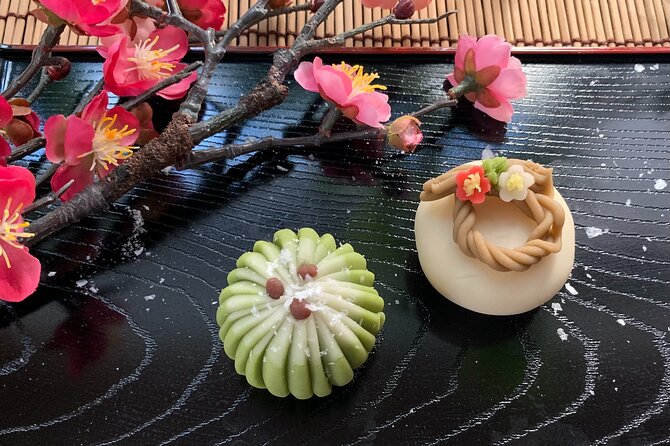
The nerikiri course centers on a more decorative style of wagashi. Nerikiri is associated with tea ceremony, and its appeal is visual as well as culinary. You learn to form and decorate sweets that can look almost too pretty to eat. This is likely the best choice for anyone who enjoys careful handwork, seasonal design, or Japanese aesthetics.
The combination course includes mochi, dango, and nerikiri. It offers the broadest look at traditional sweets and gives you the most varied set of techniques. At the same time, two hours is not a long stretch, so you should expect an introduction to several methods rather than mastery of every part of wagashi production.
The recipes are presented as simple enough for beginners. You do not need previous Japanese cooking experience. Yuko demonstrates each step, then lets you copy the process with guidance close at hand. That approach is useful for people who learn best by watching first and doing second.
Shaping mochi, dango, and nerikiri yourself
The best part of this class is the hands-on work. You are not simply handed a finished sweet and told its name. You take part in forming the pieces, which makes the ingredients and techniques easier to remember.
Mochi can look simple until you try to handle it. Texture, filling, and shaping all affect the result. Yuko’s method is to show the process carefully and let you imitate it. Her patient style is especially helpful if your first piece looks less polished than the sample. That is part of the fun, and the class is designed for ordinary beginners rather than trained pastry cooks.
Dango offers a different kind of practice. Its small, rounded form is less delicate than decorative nerikiri, but consistency still takes attention. You can learn how a basic shape becomes part of a food connected with celebrations and seasonal customs.
Nerikiri brings the artistic element. You work with color and form to create individual designs, and you may be surprised by what you can produce after a demonstration. The class has earned praise for giving participants a chance to make several distinctive designs, not just one identical item.
Keep your expectations sensible. This is a short lesson, not a full professional wagashi apprenticeship. You will learn useful methods and cultural background, but you will still need practice at home if you want your sweets to look as neat as Yuko’s.
Matcha and the cultural meaning of wagashi
The class is also about how Japanese sweets are used, not just how they taste. Mochi can appear at New Year and other important life events. Dango is connected with special occasions. Nerikiri is often served with tea ceremony.
Those connections give the food more meaning. You begin to see wagashi as seasonal and symbolic, rather than as generic candy. Yuko explains the traditions behind the sweets while you work, so the cultural information is tied to something you are making with your own hands.
Matcha forms the natural finish. The experience begins with tea in some class accounts and ends with matcha, giving you a chance to taste the sweets in the setting they were made for. One participant specifically appreciated the tea ceremony element. The supplied details do not promise a full formal tea ceremony every time, so think of this as a matcha and tea-culture component rather than a separate ceremonial performance.
The pairing also helps you understand why wagashi can be sweet but not overwhelming. A small Japanese confection is meant to work with the tea, not simply compete with it. That is a useful lesson for anyone interested in Japanese food beyond sushi and ramen.
More hands-on classes and workshops in Tokyo:
- Sushi Making Tokyo Roll and Authentic Japanese Sushi Class
★ 5.0 · 3,971 reviews - Tokyo: Roll and Authentic Sushi Making Class in Asakusa
★ 4.9 · 1,957 reviews - Tokyo Shinjuku Chopsticks Making Class
★ 5.0 · 1,763 reviews - Tokyo: Sushi Making Class in a Happi Coat near a Famous Spot
★ 4.9 · 1,377 reviews
What Yuko’s teaching style adds
The instructor is the main reason this activity feels different from a standard cooking demonstration. Yuko is described as attentive, patient, friendly, and easy to engage with. She gives step-by-step explanations and makes time for questions.
That matters in a private class. If you are unsure how to fold, pinch, roll, or decorate a sweet, you can ask immediately. A large group lesson might move on before you are ready. Here, the one-table format allows more personal correction and encouragement.
The class has also worked well for different types of participants. Solo visitors can join without feeling out of place. Parents and children, couples, and adult family groups can share the table and make the experience cooperative rather than passive.
Yuko’s communication before class can be useful, too. She has contacted participants ahead of time to help them understand how to reach the house. The meeting point is near public transportation, but the exact station and route are not provided here, so allow enough time to find the address rather than cutting it close.
The home environment brings a human touch, but it may not suit every personality. You are entering a private residence, not a public attraction. Some people will value that local connection. Others may prefer a more anonymous venue with clearer commercial signage and a larger staff.
What you take away besides sweets
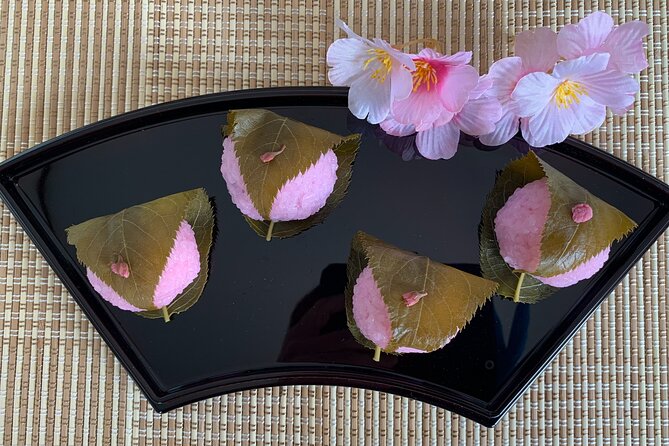
The practical value is stronger than it first appears. Because you make the sweets yourself, you can try the techniques again after returning home. The recipes are described as simple, and Yuko can explain the process in a way that does not assume professional cooking skills.
You should not expect a complete Japanese pantry or a written cookbook unless the provider confirms one separately. Still, the lesson gives you a working memory of the process: what the texture should feel like, how a shape is formed, and how the finished sweet is served.
Several class experiences have included sweets to take home, and one participant also received a small goodie bag. These extras are not clearly listed as guaranteed inclusions, so do not book the activity solely for a take-home package. Think of them as possible personal touches rather than part of the firm promise.
The more lasting souvenir is the skill. A Tokyo food tour can disappear after the meal is over. A mochi or nerikiri technique gives you something to try with family and friends later, assuming you can source the ingredients.
Is $78.83 good value for two hours?
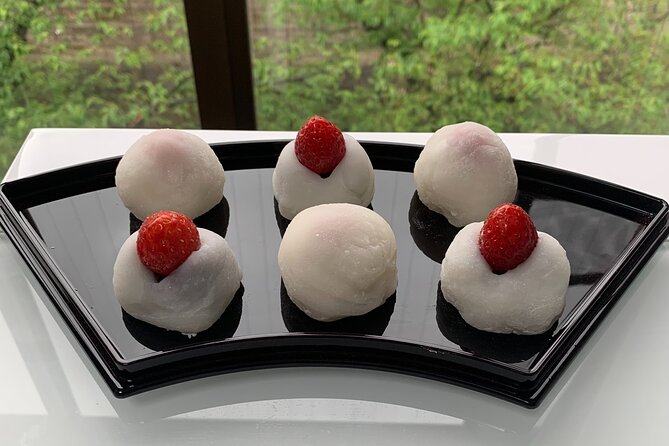
At $78.83 per person, this is not a bargain food stop. You pay more than you would for a snack, a market tasting, or a casual dessert. The price needs to be judged against the private instruction, the home setting, the bilingual teaching, and the chance to make several sweets yourself.
For a solo visitor, the cost buys personal attention that is difficult to get in a large class. For a family, the value depends on how many people are booking and how much your group enjoys hands-on cultural activities. If everyone participates and asks questions, the private format can feel worthwhile.
The combination course gives you the widest range for the money, but it may also feel busy within two hours. If you care most about artistry, choose nerikiri. If you want practical sweets you might make again, mochi and dango may be the better fit.
This is not the right choice if you only want to sample Japanese desserts or take a quick photograph. It is a good use of money if you value instruction, personal contact, and the chance to make something with your own hands.
Timing, meeting point, and practical planning
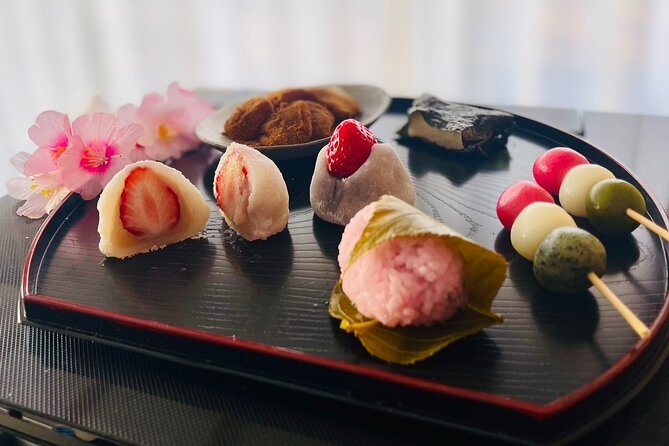
The class starts at 10:00 a.m. and lasts about two hours. That leaves much of the day open for another Bunkyo activity, a museum, lunch, or a trip elsewhere in Tokyo. The short length is one of its strongest practical features.
You meet and finish at 1-chōme-27-8 Sekiguchi, Bunkyo City, Tokyo 112-0014. The location is near public transportation, but this is a residential address, so follow the confirmation details closely and plan a little extra time for arrival.
A mobile ticket is provided, and booking confirmation arrives at the time of booking. The experience is private, with only your group participating. Free cancellation is available until 24 hours before the start time. Changes or cancellations made inside that window are not accepted for a refund.
The average booking point is 38 days before the activity. That suggests you should reserve ahead if your Tokyo dates are fixed, especially if you need a particular morning. The class has only limited private capacity by its nature, even though no maximum group size is provided.
Food allergies, dietary restrictions, and accessibility details are not specified in the information provided. If those issues affect your booking, contact the provider before reserving rather than assuming the recipes can be changed.
Who should book this class?
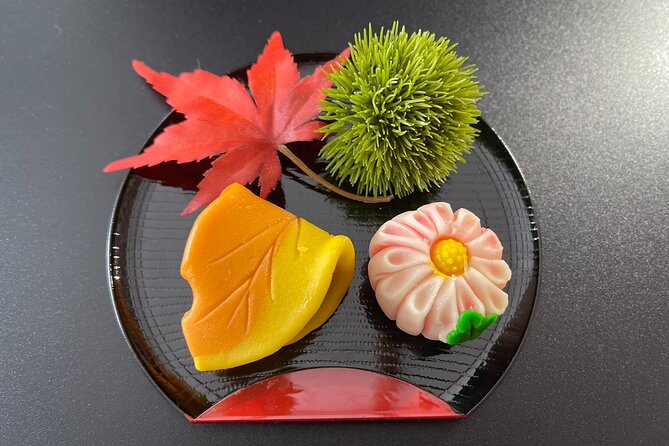
I would choose this activity for a family that wants a calm shared experience, a solo visitor who prefers personal instruction, or a food-focused couple looking for something beyond restaurant meals. It also suits anyone curious about tea ceremony culture, Japanese celebrations, and the visual side of wagashi.
Children may enjoy the shaping and decorating, but the information does not give a minimum age or a specific child policy. Ask before booking if you are traveling with young children.
This class is less suitable for someone who dislikes sweets, wants a formal professional kitchen, or has only a few minutes between major attractions. It also may disappoint if you expect a full tea ceremony, extensive sightseeing, or a large menu of savory dishes.
Should you book the Bunkyo mochi and matcha class?
Book it if you want a personal, local-feeling lesson and like the idea of learning by doing. Yuko’s patient instruction, bilingual explanations, and one-table format are the strongest reasons to choose it. The combination of sweets and matcha gives the two hours a clear cultural purpose.
Before paying, choose your course carefully. Pick mochi and dango for approachable, repeatable sweets, nerikiri for design and tea culture, or the combination for the widest introduction. At $78.83, the activity earns its value through private teaching, not quantity of food.
For a quiet morning with a Japanese instructor in a real home, this is a thoughtful choice. Just remember that you are booking a compact workshop, not a full cooking school or formal tea ceremony.
FAQ
Where does the mochi and matcha class take place?
The class takes place at 1-chōme-27-8 Sekiguchi, Bunkyo City, Tokyo 112-0014, Japan.
What time does the class start?
The stated start time is 10:00 a.m.
How long does the experience last?
The activity lasts approximately two hours.
Is the class private?
Yes. Only your group participates in the private activity.
Who teaches the class?
The class is taught by Yuko, a bilingual, native-Japanese instructor trained by the Wagashi Association of Japan.
What sweets can I learn to make?
You can choose a mochi and dango course, a nerikiri course, or a combination course covering mochi, dango, and nerikiri.
Is previous Japanese cooking experience required?
No. The recipes are presented as simple, and the class is designed to provide step-by-step instruction for beginners.
Can I cancel for a full refund?
Yes, if you cancel at least 24 hours before the experience start time. Cancellations made less than 24 hours before the start are not refunded.
More 2 Hour Experiences in Tokyo
- Ninja Samurai 2-hour hands-on lesson by Japanese master in Tokyo
★ 5.0 · 194 reviews - Tokyo 2-Hour Genuine Samurai Experience: Kendo in Japan
★ 5.0 · 112 reviews - Tokyo: Flagship 2-Hour Street Go-Kart Tour by Street Kart
★ 4.9 · 94 reviews - Tokyo: Shinjuku Izakaya and Golden Gai Bar Hopping Tour (2h)
★ 4.9 · 67 reviews
Newly reviewed around Tokyo
- Ueno and Yanaka Culture Art Walking Tour in Old Tokyo★ 5.0 · 5 reviews
- Sumo Training Watching Experience in Tokyo★ 4.5 · 8 reviews
- Giant Sushi Cooking Class: Make a 1.5m Sushi Roll in Tokyo★ 5.0 · 9 reviews
- Japanese Sweets (Mochi & Nerikiri) making at a Private studio★ 5.0 · 22 reviews
- Mt Fuji and Kawaguchiko Private Tour★ 5.0 · 10 reviews
- Half-Day Local Tokyo Tour in Adachi Market and Shibamata★ 5.0 · 16 reviews
- Private Full-Day Tour of Tokyo with Hotel Pickup★ 5.0 · 3 reviews
- Vegan / Vegatarian Ramen Tour★ 4.5 · 5 reviews
Tokyo Tea Ceremony Experiences, compared.
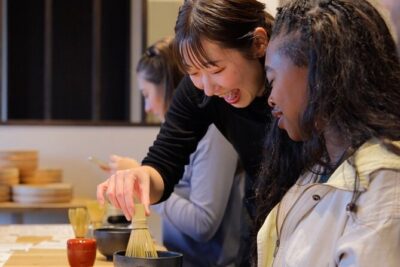
Matcha Making Class in Tokyo with Authentic Japanese Sweets Set
Read our review →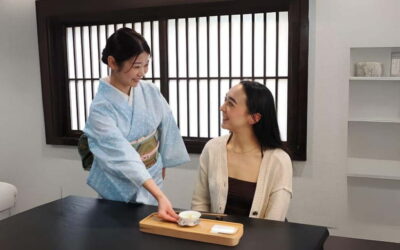
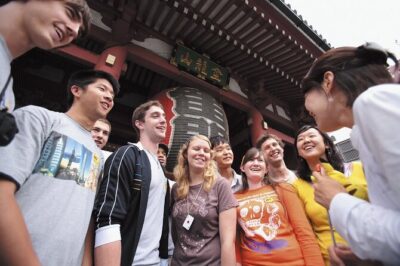
Dynamic Tokyo: Tokyo Tower, Tea Experience, Bay Cruise Day Tour
Read our review →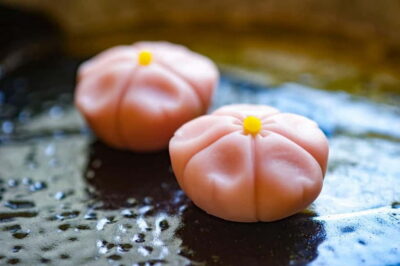
Matcha Making Experience with Mochi Sweets in Asakusa
Read our review →
Tea Ceremony Workshop in Tokyo by the Experienced Instrucor
Read our review →
Browse the lists this tour appears in