
Reviewed · DESSERT TOURS
Japanese Sweets (Mochi & Nerikiri) making at a Private studio
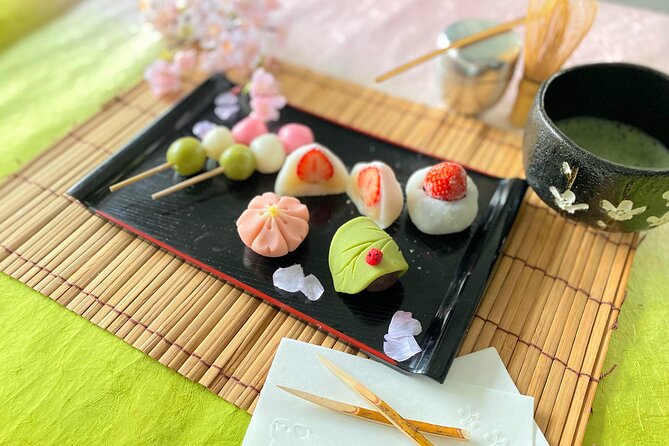
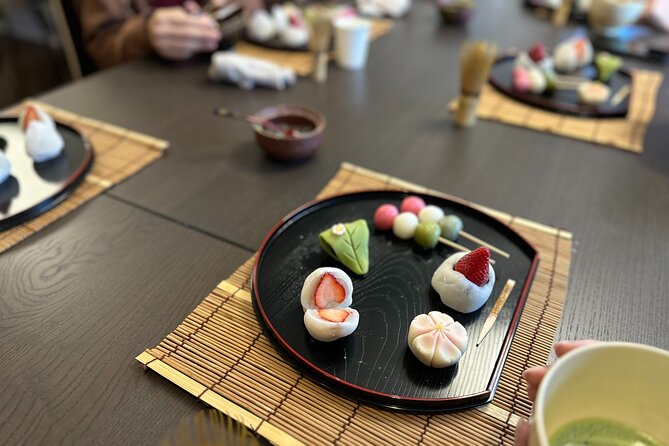
The best part of this Tokyo class is that you make traditional sweets from scratch, rather than simply watching a demonstration. In a local home near Meguro, you’ll mix, knead, color, shape, and taste strawberry daifuku, three-color dango, and seasonal nerikiri.
I like the small group of no more than eight, which leaves room for patient, step-by-step help. I also like the personal touch: instructors such as Waka, Yukka, Miho, Satoko, Kaoru, and Miyuki have been praised for clear English, warm hosting, and useful advice about shopping and sightseeing in Tokyo.
The main consideration is the price, $91.96 per person. That is not cheap for a 2.5-hour food class, and children under four cannot attend. Still, the lesson includes the food, tea, apron, instruction, and a recipe sheet, so it offers more than a quick cooking demonstration.
Key points at a glance
- Make three Japanese sweets: Learn strawberry daifuku, three-color dango, and seasonal nerikiri.
- Visit a private Tokyo home: The setting gives the class a personal, local feel that a large cooking school cannot easily match.
- Get hands-on instruction: You work through mixing, kneading, coloring, shaping, and decorating.
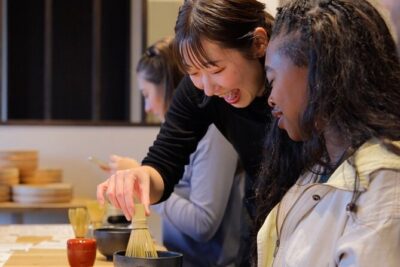
- Finish with matcha: Prepare matcha and taste it with the sweets you have made.
- Useful for families: Children age four and older can attend, and several families have enjoyed the class together.
- Choose morning or afternoon: The schedule can fit around sightseeing, although you must arrange your own transport to Meguro.
Why making wagashi is more rewarding than simply eating it
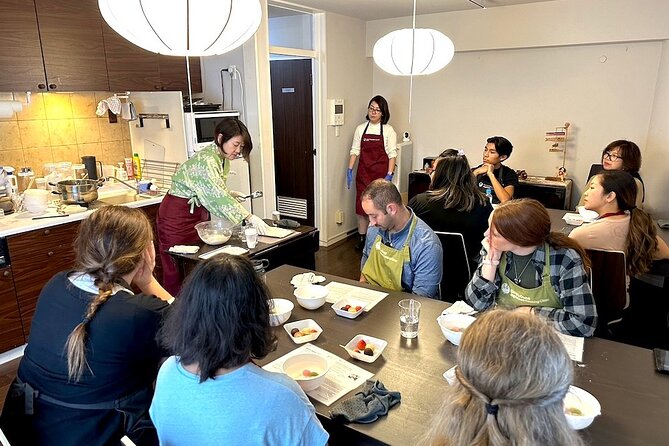
Japanese wagashi are often treated as small works of art. They are made for tea, seasonal celebrations, festivals, and family occasions, so their colors and shapes can carry meaning. This class gives you a short introduction to that world before you start handling the ingredients.
The opening presentation explains the traditions linked to mochi and its place in Japanese culture. That context matters because you are not just making sweet rice dough. You are learning why certain sweets appear at particular times of year and how Japanese confectionery connects food with the seasons.
I like that the class does not rush straight into the practical work. A short explanation makes the finished sweets easier to understand, especially the nerikiri designs. The lesson also introduces omotenashi, the spirit of hospitality associated with Chado, the Japanese tea ceremony.
The class is held in a private home in Meguro City, at President Meguro Heights. That means you should expect a more intimate setting than a commercial kitchen. It is also a chance to visit a residential part of Tokyo that may not otherwise appear on your sightseeing plan.
More Dessert Tours in Tokyo:
- Matcha Making Class in Tokyo with Authentic Japanese Sweets Set
★ 5.0 · 744 reviews - Tokyo: Matcha Making Experience with Mochi Sweets in Asakusa
★ 4.9 · 388 reviews - Make Traditional Nerikiri Sweets & Matcha experience in Shibuya
★ 5.0 · 130 reviews
Strawberry daifuku and three-color dango
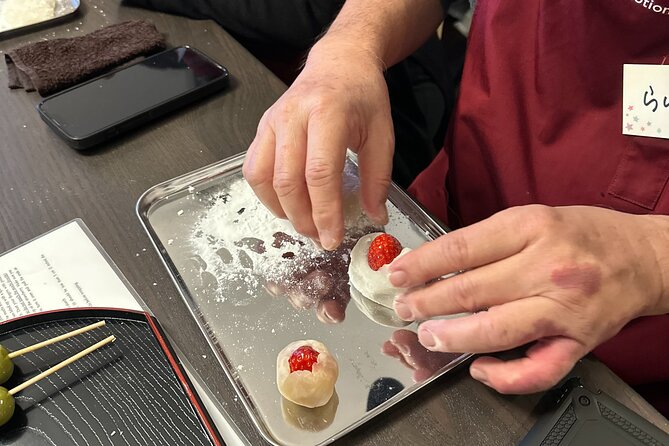
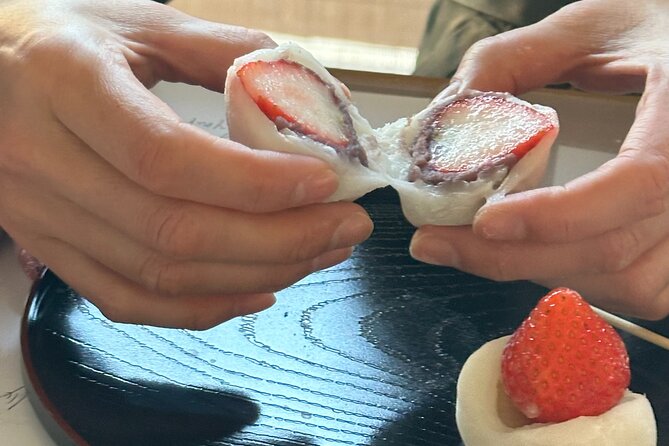
The hands-on portion begins with mochi-based sweets. You learn how to make strawberry daifuku, a soft mochi covering wrapped around a sweet filling and strawberry. The class takes you through the process rather than handing you a prepared shell to decorate.
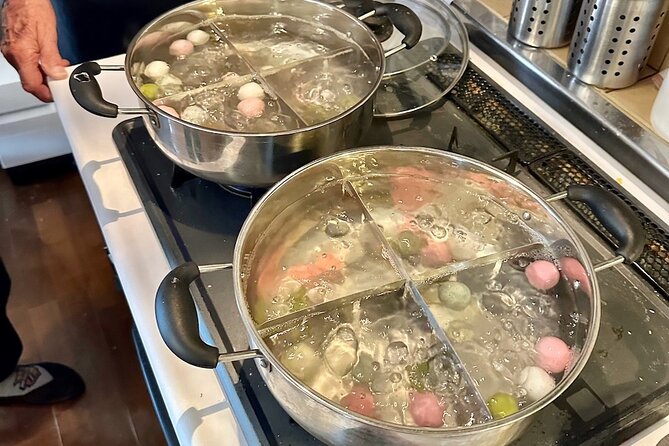
You also make three-color dango, the small mochi balls served on skewers. Their simple appearance hides the need for the right texture and consistency. The instructor shows you how to work the mixture, and you get time to try the process yourself.
This is where the class earns its practical value. Mochi dough can look easy until you need to judge whether it is soft enough, firm enough, or ready to shape. The instructors have been praised for giving clear directions and allowing plenty of time for mixing and kneading, which is useful if this is your first attempt.
The sweets are plant-derived and gluten-free. That makes the class suitable for people who need to avoid gluten, although you should still share any specific dietary concerns when booking if you need detailed ingredient confirmation.
The mochi portion can also be expanded upon request. If making mochi is your main reason for booking, ask in advance about combining the class with a mochi-making lesson rather than assuming an expanded session is automatic.
Shaping seasonal nerikiri by hand
Nerikiri is the most artistic part of the class. The instructor first demonstrates how to make the dough, then you color and shape your own pieces into a seasonal motif.
This is not a simple decorating exercise. You work with color, form, and small details, and the finished sweet reflects the season and the symbolism attached to its shape. One of the most useful parts of the lesson is learning why particular colors and designs are used, not just copying the instructor’s movements.
Expect your first piece to look less polished than the instructor’s. That is normal. Nerikiri requires control, and the class is designed to let you practice rather than produce identical sweets at speed. The small group helps here, since the instructor can watch your hands and correct the shape before you finish.
The instructors named in past sessions include Waka, Yukka, Miho, Satoko, Kaoru, and Miyuki Suyari. The exact teacher may depend on the date, but the important practical point is that the class is taught in English by a certified Nerikiri Art Instructor. English instruction lets you ask about technique, local customs, or where to find tools and ingredients in Tokyo.
Miyuki Suyari, in particular, has offered advice on places to buy wagashi tools and supplies. Other instructors have also shared suggestions for shopping and sightseeing. That kind of conversation is one of the better reasons to choose a home-based class instead of a standard cooking lesson.
Matcha, tea ceremony, and the final tasting
The class ends with a tasting of the sweets you have made, served with matcha green tea or another non-caffeinated tea. You also learn how to prepare the matcha yourself.
This gives the lesson a natural finish. You have worked through the recipes, then sit down to taste the results in the way Japanese sweets are traditionally enjoyed. The tea is not just an extra drink included with the booking. It helps explain why wagashi and tea are paired in the first place.
The short talk about omotenashi adds a cultural layer without turning the class into a formal tea ceremony. You learn about the hospitality spirit that shapes Chado, then use that idea while sharing the sweets and tea.
If you do not drink caffeine, the experience includes another tea option. If you simply do not like matcha, that flexibility makes the ending easier to enjoy.
More private tours in Tokyo:
- Tokyo 6hr Private Tour with Government-Licensed Guide
★ 5.0 · 3,902 reviews - Private Tour to Mt. Fuji and Hakone (Fully Licenced Operator)
★ 5.0 · 1,910 reviews - Tokyo Customized Private Tour (Must See Places in 1 Day)
★ 5.0 · 1,499 reviews - Mount Fuji Full-Day Private Tour from Tokyo (Customizable)
★ 4.9 · 1,470 reviews
A home setting with personal instruction
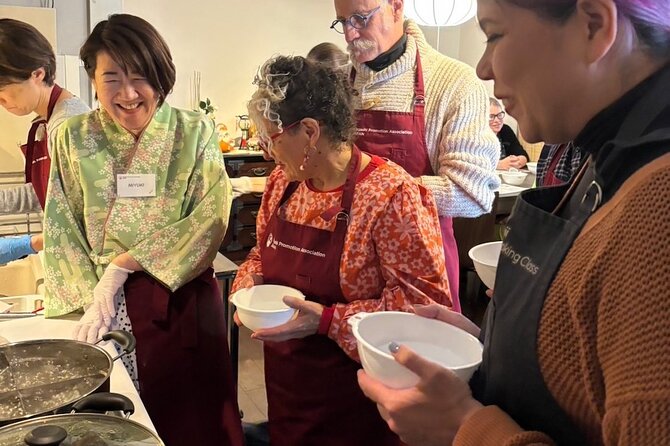
The private-home setting is the main difference between this class and a larger group food tour. You are welcomed into a local Tokyoite’s home, and the instructor can spend time watching each person work.
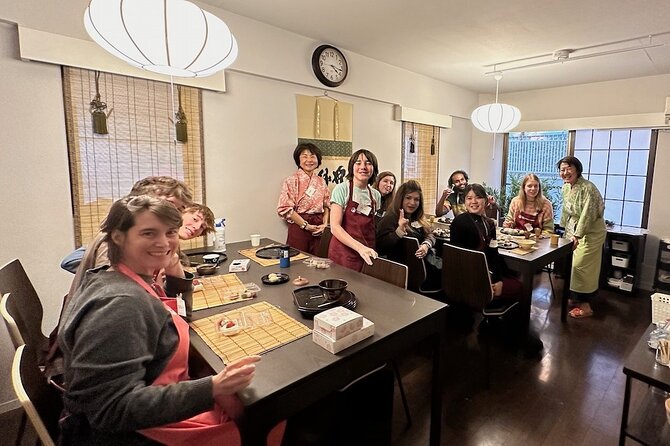
That matters most during the shaping stages. A large class might show you the technique once and move on. Here, the maximum group size is eight, and the lesson is designed for personal attention. Families have found the format comfortable, including parents attending with children and teenagers.
Children must be at least four years old, and children under four cannot attend for safety reasons. Observers are not allowed to sit in on the lesson, so every person in the room needs to be a participating student. Keep that rule in mind if you are planning a family booking with a non-participating companion.
The class is non-smoking. Aprons are provided, which keeps the practical side easy. You do not need to pack special equipment, and you receive an English recipe sheet to take home. Some sessions also provide access to a video for remembering the process later, but the confirmed inclusions are the recipe sheet and instruction.
What the 2.5-hour schedule feels like
The class lasts about two hours and thirty minutes. That is long enough to cover an introduction, several sweets, nerikiri shaping, tea preparation, and tasting without reducing everything to a quick demonstration.
A typical flow looks like this:
- A short talk about mochi, festivals, seasons, and Japanese culture
- Instruction and hands-on work for strawberry daifuku
- Preparation of three-color dango
- Demonstration and practice with nerikiri dough
- Coloring and shaping a seasonal nerikiri design
- Matcha preparation
- Tasting and a short conversation about Japanese hospitality
The exact order may vary, especially if you request an additional mochi lesson. Morning and afternoon start times are available, so you can place the class before or after other plans in Tokyo.
Do not book it as a rushed stop between tightly timed attractions. You will get more from the session if you allow the full two and a half hours and leave some flexibility around transport. The class ends back at the meeting point, rather than continuing to another attraction.
Getting to Meguro and planning your day
The meeting point is in Meguro City, at 1-chome Meguro, President Meguro Heights, postal code 153-0063. The location is near public transportation, but hotel pickup and drop-off are not included.
You need to make your own way there and back. Check the route before class and allow time to find the building. A private-home meeting point can require more attention than a clearly marked tourist attraction, so keep the address and booking details accessible on your phone.
The mobile ticket is useful for this. Confirmation is provided when you book, and you can keep the ticket with your other Tokyo reservations.
Because the session takes place in Meguro, it can work well on a day when you are already exploring that part of Tokyo. I would not choose the class solely because it is near a famous sightseeing stop, since the experience ends where it begins and does not include transportation between attractions.
Is $91.96 a fair price?
At $91.96 per person, this is a premium cooking activity. You can buy Japanese sweets for far less in Tokyo, and you can find online recipes for mochi and nerikiri. The value comes from the direct instruction, the private-home setting, the cultural explanation, and the chance to practice techniques that are difficult to judge from a recipe alone.
Your fee includes the traditional sweets lesson, tasting, apron, English recipe sheet, and matcha or another non-caffeinated tea. It also covers a small group, which is important for a hands-on class. If the group is close to the eight-person limit, the price makes more sense than it would for a large demonstration with little personal help.
I would see it as good value for someone who wants an activity rather than another sightseeing stop. It is also useful if you hope to recreate the sweets at home. The recipe sheet gives you a reference after the trip, and the instructors can explain where to find tools or ingredients.
The value is weaker if you are mainly looking for a cheap snack or a quick taste of wagashi. In that case, a shop or tea house will cost less and take less time. This class is for learning, making, and talking, not simply eating.
Who will enjoy this class most
I would recommend it to food-focused visitors, families with children age four and older, and anyone who wants a personal cultural activity in Tokyo. It is also a good fit for people who enjoy crafts, since nerikiri shaping calls for patience and careful handwork.
You do not need previous cooking experience. The instruction is intended for beginners, and the teachers give step-by-step guidance. If you are nervous about working with unfamiliar ingredients, the small group and English-speaking instruction should make the process manageable.
The class is especially appealing if you have already seen temples, shopping districts, and major city sights and want a slower activity with a local host. It gives you a chance to sit down, work with your hands, and ask questions about daily life in Tokyo.
I would be more cautious about booking it for very young children. Anyone under four is not allowed, observers cannot attend, and the activity requires attention during mixing, cooking, and shaping. Older children and teenagers, though, can take an active role rather than simply watch.
Cancellation and practical booking notes
You can cancel up to 24 hours before the local start time for a full refund. Changes made less than 24 hours before the activity are not accepted, and cancellations inside that period are not refunded.
The class requires a minimum number of participants. If it is canceled because that minimum is not met, you will be offered another date or experience, or a full refund.
The activity is generally booked well ahead, with an average booking time of about 48 days in advance. If you need a particular morning or afternoon, booking early is sensible, especially for a family or a small private party.
FAQ
How long does the Japanese sweets class last?
The class lasts approximately two hours and thirty minutes.
Where does the class meet?
It meets at President Meguro Heights in Meguro City, Tokyo, at 1-chome Meguro, postal code 153-0063. The activity ends back at the same meeting point.
What sweets will I make?
You will learn to make strawberry daifuku, three-color dango, and nerikiri wagashi shaped into a seasonal motif. An additional mochi-making lesson may be available upon request.
Is the class taught in English?
Yes. The instructor is fluent in English and can explain the techniques, cultural background, local life, and suggestions for shopping or sightseeing in Tokyo.
Can children attend?
Children age four and older can attend. Children under four are not allowed for safety reasons, and observers cannot sit in the class.
What is included in the price?
The price includes the sweets-making lesson, food tasting, an apron, an English recipe sheet, and matcha green tea or another non-caffeinated tea. Hotel transfers and transportation are not included.
Should you book it?
Book this class if you want to make something you can remember and recreate, not just photograph or eat. The strongest reasons are the patient small-group teaching, the private-home setting, the seasonal meaning behind nerikiri, and the chance to finish with your own sweets and matcha.
I would skip it if your Tokyo schedule is packed or if $91.96 feels too high for a food activity. For everyone else, especially families and curious eaters, this is a thoughtful way to spend half a day in Meguro and take home more than a souvenir.
Newly reviewed around Tokyo
- Ueno and Yanaka Culture Art Walking Tour in Old Tokyo★ 5.0 · 5 reviews
- Sumo Training Watching Experience in Tokyo★ 4.5 · 8 reviews
- Giant Sushi Cooking Class: Make a 1.5m Sushi Roll in Tokyo★ 5.0 · 9 reviews
- 2 Hours Mochi &Nerikiri Making & Matcha Class in Bunkyo★ 5.0 · 21 reviews
- Mt Fuji and Kawaguchiko Private Tour★ 5.0 · 10 reviews
- Half-Day Local Tokyo Tour in Adachi Market and Shibamata★ 5.0 · 16 reviews
- Private Full-Day Tour of Tokyo with Hotel Pickup★ 5.0 · 3 reviews
- Vegan / Vegatarian Ramen Tour★ 4.5 · 5 reviews
Dessert Tours, compared.
Matcha Making Class in Tokyo with Authentic Japanese Sweets Set
Read our review →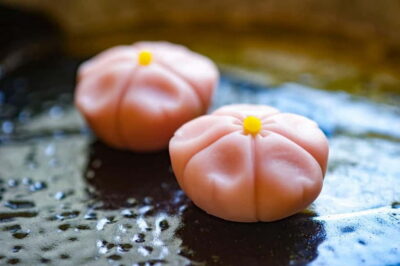
Matcha Making Experience with Mochi Sweets in Asakusa
Read our review →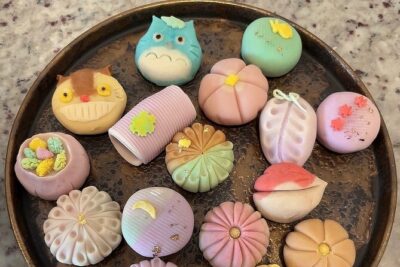
Make Traditional Nerikiri Sweets & Matcha experience in Shibuya
Read our review →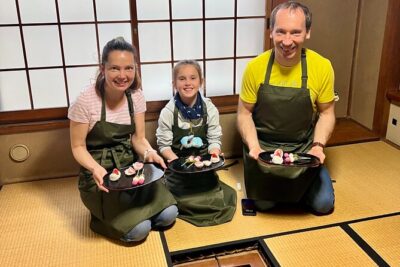
Private Mochi Sweets Making class near Shibuya area
Read our review →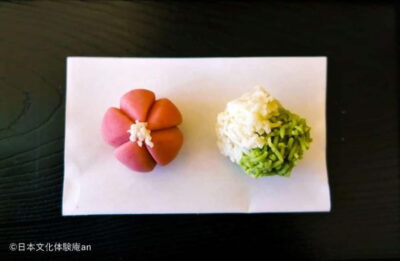
Japanese Traditional Sweets making and Tea Ceremony
Read our review →
Tokyo Local Food Tour: Noodles, Skewers, Dumplings, Sweets
Read our review →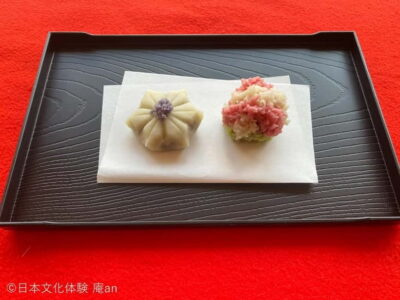
Two Types of Japanese Sweets Making and Tea Ceremony
Read our review →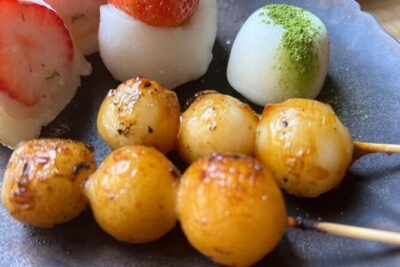
Mochi Matcha Gluten Free Japanese Sweets Class near Shibuya area
Read our review →Browse the lists this tour appears in