
Reviewed · TSUKIJI AND TOYOSU FISH MARKET TOURS
Tokyo: Guided Walking Tour of Tsukiji Market with Lunch
Tsukiji is best understood with your appetite switched on and your eyes open. This 165-minute walking tour takes you through the market’s narrow lanes, where wholesalers work, stalls sell unusual ingredients, and your guide explains how food, Buddhism, and daily life connect in Japan. You’ll taste nine specialties, from tuna sushi and Japanese omelette to grilled skewers, dashi, tea, and dessert.
I like two things here. First, the small group, limited to 10 people, gives your guide room to explain what you’re seeing and help you order without getting lost in the crowd. Second, the tour begins at Tsukiji Hongwanji Temple, whose unusual Indian-inspired Buddhist exterior gives the market a useful cultural starting point. The main caution is value: at $113 per person, the food portions and quality need to match your expectations, and some tasters have found the meal ordinary rather than memorable.
Key points to know before you book

- Nine tastings turn a market walk into lunch: Expect tuna sushi, grilled seafood or beef, tamagoyaki, fried fish paste, rice balls, dessert, a drink, tea, and dashi soup stock.
- The market is still a working food district: You’ll see expert wholesalers and market workers handling business, not just souvenir stalls.
- The temple stop is exterior only: Tsukiji Hongwanji Temple provides a striking meeting point and cultural context, but the tour begins outside.
- Guide quality is a major part of the experience: Hide, Tomoko, Yumiko, and Sachiko have been praised for friendly explanations and practical help, though guide assignments vary.
- The route stays fairly compact: Some people have found the area covered smaller than expected, so this suits you if you prefer focused exploring over a long city walk.
- Wear proper walking shoes: The market has busy lanes and hard surfaces, and you’ll be on your feet for nearly three hours.
Starting at Tsukiji Hongwanji Temple
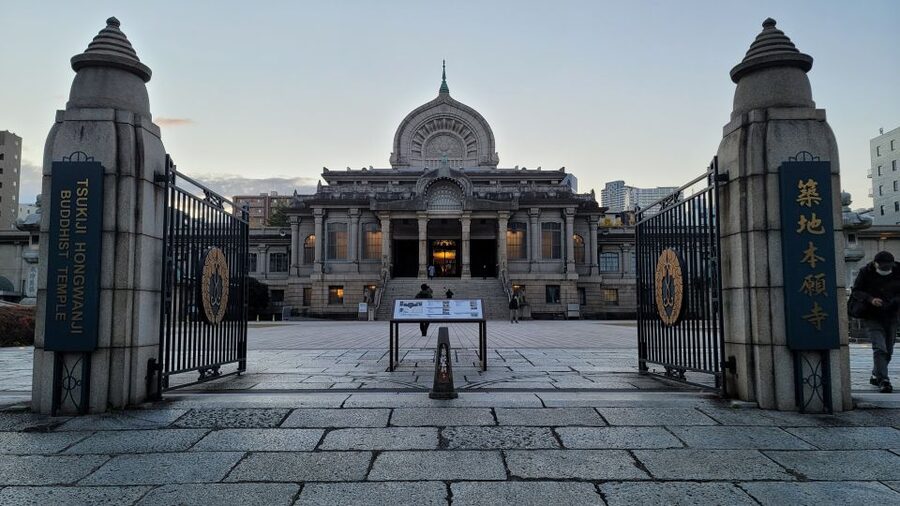
Meet in front of Tsukiji Hongwanji Temple, just 50 meters from Exit A1 of Tsukiji Station on the Hibiya Line. Leave the station, turn left, and you should reach the temple entrance quickly. This is one of the easier meeting points in Tokyo, but I would still arrive a little early. The station exit and nearby streets can feel confusing if you are rushing.
The temple’s exterior makes a good first stop because it does not look like a standard Japanese Buddhist building. Its ancient Indian-inspired design gives you an immediate reminder that Japanese religious architecture has absorbed ideas from beyond Japan. You’ll view the temple from outside before moving into the market, so do not expect a long temple visit or interior tour.
That short introduction matters. Tsukiji is not only a place to eat. Food in Japan is tied to family customs, religious practice, seasonal habits, and respect for ingredients. Your guide uses the temple and surrounding area to explain some of that connection before the smells and crowds take over.
More Tsukiji and Toyosu fish market tours:
- Tokyo Tsukiji Fish Market Food and Culture Walking Tour
★ 5.0 · 3,184 reviews - Tokyo: Tsukiji Fish Market Food and Walking tour
★ 5.0 · 1,724 reviews - Tokyo: Tsukiji Fish Market Guided Walking Tour
★ 4.9 · 1,397 reviews
Entering the narrow lanes of Tsukiji Outer Market
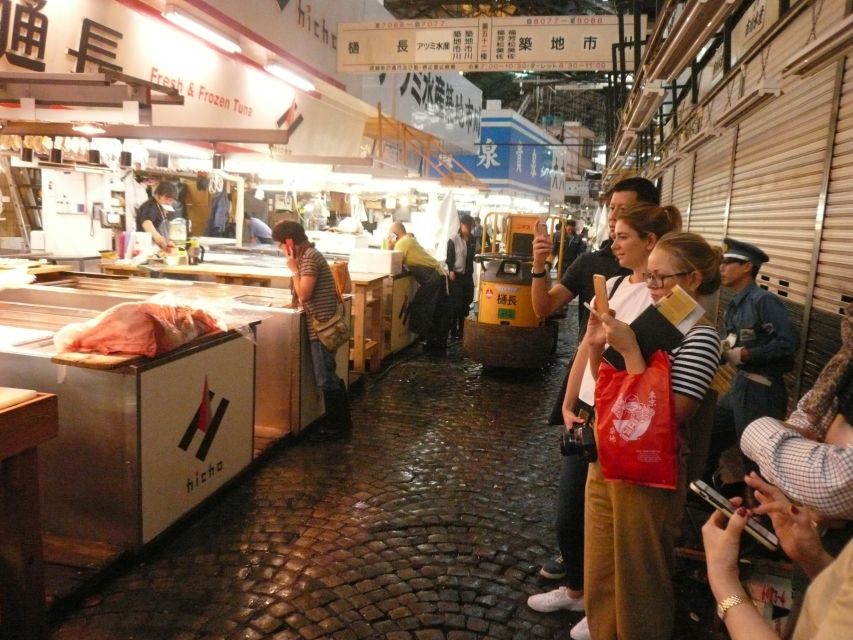
Tsukiji Outer Market is the public-facing part of the larger Tsukiji food district. It has shops, restaurants, stalls, and businesses selling ingredients and prepared food. It is also associated with one of the world’s largest wholesale fish markets, so you are walking through a district where food is part of the working economy, not just a backdrop for photographs.
The route is not designed as a long sightseeing march across Tokyo. It focuses on a fairly small area, which has both good and bad sides. You can spend more time noticing the details, asking questions, and eating without losing half the tour to transport. On the other hand, if you expect to cover every corner of Tsukiji, this tour may feel limited.
Your guide helps you read the market. A good guide can point out what is worth trying, explain unfamiliar products, and keep the group moving without treating the place like a stage set. Hide has been singled out for steering people toward useful food choices, while Tomoko has been praised for adding cultural and historical detail in a relaxed way. Yumiko and Sachiko have also been noted for guiding groups through the lanes with friendly, practical help.
Guide assignments can change, so book this for the structure and subject rather than for one guaranteed individual. Still, the names show what the best version of this tour offers: a local interpreter who helps you understand what you would probably miss while wandering alone.
Nine tastings, and what you are really paying for
The included food is presented as nine local specialties. The selection includes grilled seafood or beef skewers, Japanese-style omelette, tuna sushi, fried fish paste skewers, filled rice balls, dessert, a drink, Japanese tea, and dashi soup stock.
The exact preparation can vary with the stalls and the day. Think of these as tasting portions rather than a grand restaurant meal. You will sample several styles of Japanese food while walking, but you should not expect nine large courses served at a table.
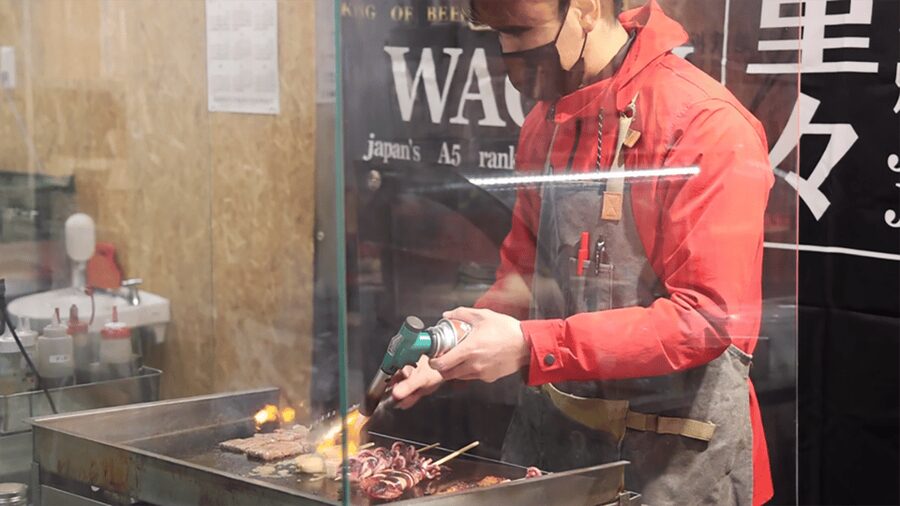
The grilled skewer is one of the more appealing market foods because it is easy to eat while standing or walking. Depending on the selection, you may try seafood, yakitori-style meat, or wagyu beef. The appeal is immediate: hot food, a simple presentation, and the chance to compare a market snack with the more formal dishes served in restaurants.
Tamagoyaki, the Japanese rolled omelette, offers a different texture and flavor. It is softly sweet in many versions and is a common market specialty. The fried fish paste skewer gives you another look at how Japanese cooks use seafood beyond raw slices.
Tuna sushi is included, but it is worth keeping your expectations realistic. One person found the tuna sushi quite average, while another disliked the tuna-mayonnaise rice balls. That does not make the food unsafe or pointless, but it does show why this tour is better understood as a guided tasting sampler than a top-end sushi meal.
The dashi sample is especially useful if you want to understand Japanese cooking. Dashi is a basic soup stock used in many dishes, and tasting it on its own helps you notice the savory flavor that can be easy to miss when it is mixed into noodles, sauces, or soups. The tea sample and dessert round out the meal, though the dessert may be simple rather than a special confection.
You may also receive a drink as part of the tasting set. Since the tour includes nine different samples, it can work well for you if you want variety and do not want to choose every dish yourself. It works less well if your main goal is a generous lunch or a carefully planned sushi meal.
Watching the market work
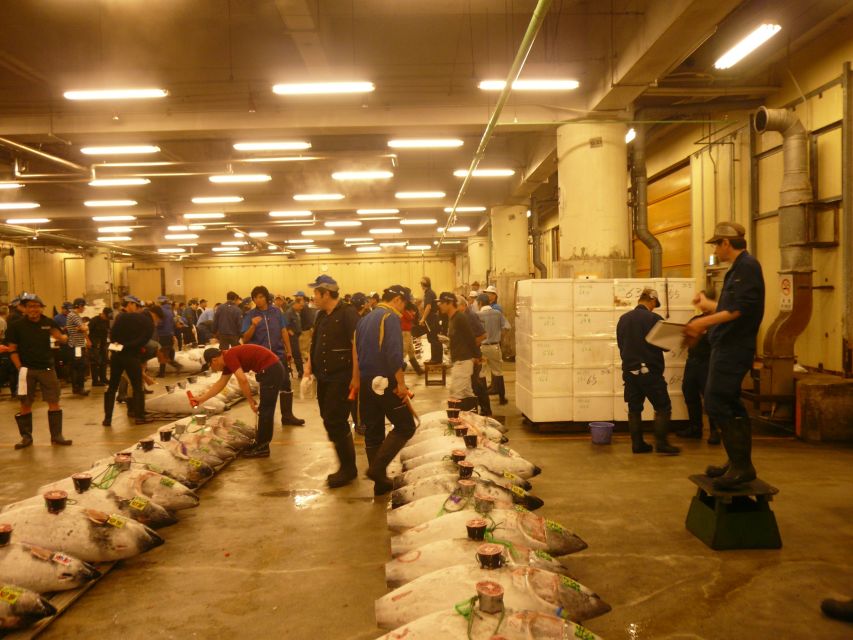
The most valuable part of Tsukiji is not necessarily any single bite. It is the chance to watch people who know the food trade moving through their workday. The market’s wholesalers and stall operators handle products with speed and purpose, and your guide can help you observe without blocking the lanes or treating workers as performers.
That distinction matters. Tsukiji has become a popular stop for food lovers, but it remains a place of business. You should stay close to your group, follow your guide’s instructions, and avoid stopping in the middle of a narrow passage. Comfortable shoes are essential, and a small bag is easier to manage than bulky luggage.
The market can feel crowded and visually busy. You’ll pass restaurants, food shops, stalls, and displays of products that may be unfamiliar. If you enjoy asking what an ingredient is, how it is prepared, or why it matters in Japanese cooking, this setting gives your guide plenty to work with.
Tomoko’s approach, as described by previous participants, included helping with queues and carrying food boxes and cleaning wipes. Those small details are worth noting. A market food tour can become messy when you are holding several samples, napkins, and a drink. An attentive guide makes the whole outing less awkward.
More Tokyo walking tours:
- Tokyo: Imperial Palace and Shogun Historical Walking Tour
★ 5.0 · 2,251 reviews - Tokyo: Shinjuku Local Bar and Izakaya Guided Walking Tour
★ 4.9 · 1,794 reviews - Tokyo: Asakusa Walking Tour with Sensoji Temple Visit
★ 4.8 · 1,583 reviews - Tokyo Castle & Imperial PalaceーShogun Walking Tour
★ 4.7 · 1,068 reviews
How the small group changes the day
The group limit is 10 people, which is a sensible size for Tsukiji. Larger groups tend to clog the lanes and make it hard to hear. With fewer people, you have a better chance of asking questions and staying close to the guide.
The small-group format also helps at food stalls. Your guide can organize the tastings and explain what you are receiving instead of handing you an unmarked snack and moving on. A previous participant noted that Tomoko was even willing to queue for the group while others looked around, a useful service in a market where space and timing matter.
Still, small group does not mean private tour. You will share the guide’s attention with up to nine other people, and market conditions can affect how quickly everyone moves. If you need a very slow pace, private attention, or a long time at each stall, this may not be the right format.
The tour is listed as wheelchair accessible, but the route runs through market streets and business areas. If you have specific mobility needs, it is sensible to confirm the details before booking. The provided information confirms accessibility, but it does not describe the width of every lane or the condition of each surface.
Is $113 a fair price?

At $113 per person, this is not a cheap way to buy lunch. You are paying for the guide, the organization, the cultural explanation, and the chance to sample nine items without having to research stalls or make every decision yourself.
The price makes more sense if you are visiting Tsukiji for the first time, feel uneasy ordering in a crowded market, or want the food explained as part of Japanese culture. It also has value for families and small groups who would rather follow one person than spend the morning sorting out where to go.
The value is weaker if you mainly want a large meal. Some tasters found the grilled fish greasy, the sushi ordinary, and the dessert unremarkable. Another participant felt the compact route did not provide enough activity to fill the full time. Those points are important because the tour’s cost sets a higher expectation than a casual market snack.
I would compare it with the cost of eating several market samples on your own, then ask what kind of help you need. If you already know Tsukiji, speak some Japanese, and enjoy choosing stalls independently, you may prefer to explore alone. If you want context, translation, and a set route, the guide can justify part of the extra cost.
Who will get the most from this market walk?
I would recommend this tour most strongly to first-time visitors who want a manageable introduction to Japanese food culture. It is also a good fit for families, couples, and small groups who like trying many small bites instead of sitting down for one formal meal.
Food lovers should book with a clear idea of the format. You will taste tuna, meat or seafood, omelette, fish paste, rice, tea, dashi, and dessert, but you are not booking a luxury sushi experience. If you are selective about texture, raw fish, mayonnaise-based rice balls, or fried food, the tasting list may include items you do not enjoy.
The tour also suits you if you like seeing a working district with a guide who can explain what is happening around you. Hide, Tomoko, Yumiko, and Sachiko have each been praised for friendliness and useful explanations, and that human element can make the difference between a confusing market visit and an understandable one.
It is less suitable if you want a broad tour of Tokyo, a long temple visit, or a route with many major sights. The temple is an exterior starting point, and the market route covers a focused area.
Practical details for a smoother visit
The tour lasts 165 minutes, so plan for nearly three hours on your feet. Eat lightly beforehand, but do not arrive starving if you are unsure about the food selection. The tastings are varied, yet they may not equal a full restaurant lunch for everyone.
Wear comfortable shoes. That is not a minor suggestion here. You will walk through busy market streets, stop at food stalls, and manage samples while staying with the group.
The tour is conducted in English with a live guide. If the first explanation feels fast or unclear, ask questions early. One previous participant felt that a language gap at the beginning may have affected their expectations, so clear communication about the route and food is worth seeking from the start.
Cancellation is free up to 24 hours before the tour for a full refund, and you can reserve now and pay later. Those options help if your Tokyo schedule is still shifting. Availability depends on the selected start time.
Should you book the Tsukiji tour?
Book it if you want a guided introduction to Tsukiji, enjoy tasting small portions, and value cultural explanation as much as the food. The strongest part is the combination of a working market, nine samples, and a guide who can handle the practical details.
Skip it if your priority is a large or exceptional lunch, or if you already know Tsukiji well. At $113, average food would feel disappointing without the guide’s added value. Go in expecting a compact cultural food walk, not a premium sushi feast, and you’ll have a much better basis for deciding.
FAQ
Where does the Tsukiji walking tour meet?
The meeting point is in front of Tsukiji Hongwanji Temple. From Tsukiji Station on the Hibiya Line, take Exit A1, turn left, and walk about 50 meters to the temple entrance.
How long does the tour last?
The tour lasts 165 minutes, or about two hours and 45 minutes. Check the available start times when booking.
What food is included?
The tour includes nine local tastings: grilled seafood or beef skewers, Japanese-style omelette, tuna sushi, fried fish paste skewers, filled rice balls, dessert, a drink, Japanese tea, and dashi soup stock.
Is the tour conducted in English?
Yes. It includes a live English-speaking guide.
How many people are in the group?
The tour is a small-group experience limited to 10 participants.
Is the tour wheelchair accessible?
Yes, the activity is listed as wheelchair accessible. Wear comfortable shoes, since the experience involves walking through the market area.
More Tokyo markets and shopping streets
- Tsukiji Fish Market Guided Tour and Sushi Making with Pro Chef
★ 5.0 · 775 reviews - Tokyo: Tsukiji Fish Market Food and Culture Walking Tour
★ 4.7 · 757 reviews - Tsukiji Fish Market: Street Food & Culture Walking Tour
★ 5.0 · 669 reviews - Tsukiji Fish Market Small-Group Food Walking Tour
★ 5.0 · 621 reviews
More Lunch Experiences in Tokyo
- Tokyo: Mt.Fuji & Lake Kawaguchiko 1-Day Bus Tour w/Optional Lunch
★ 4.5 · 839 reviews - Tokyo: Sumo Experience and Chanko Nabe Lunch
★ 4.8 · 257 reviews - Tokyo: Tsukiji Fish Market Tour with 6 Stops & Seafood Lunch
★ 4.5 · 165 reviews - Tokyo: 1 Day Bus Tour with Meiji-Jingu,Odaiba,lunch&Skytree
★ 4.6 · 156 reviews
Newly reviewed around Tokyo
- Tokyo Asakusa:Calligraphy & Make T-shirt Activity★ 5.0 · 62 reviews
- Intercity Shuttle, Tokyo to Haneda /Narita /Yokohama /Makuhari★ 5.0 · 5 reviews
- 1 Hour Travel around Tokyo with a Professional Photographer★ 5.0 · 3 reviews
- Travel Tokyo with Your Own Personal Photographer★ 5.0 · 43 reviews
- Train in Samurai Swordsmanship and Defeat the Demon in Tokyo★ 5.0 · 5 reviews
- Shuttle Van 6hr Tokyo Tour to-and-from Tokyo, Yokohama and Narita★ 5.0 · 9 reviews
- Kickboxing & Body Training with EX-Pro Fighter★ 5.0 · 4 reviews
- Traditional Japanese Knife Sharpening Class★ 5.0 · 18 reviews
Tsukiji and Toyosu Fish Market Tours, compared.
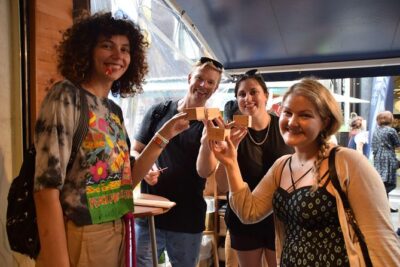
Tokyo Tsukiji Fish Market Food and Culture Walking Tour
Read our review →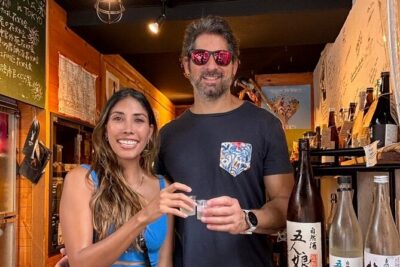
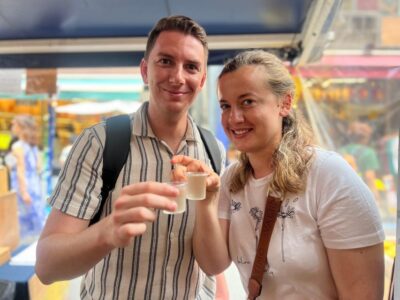
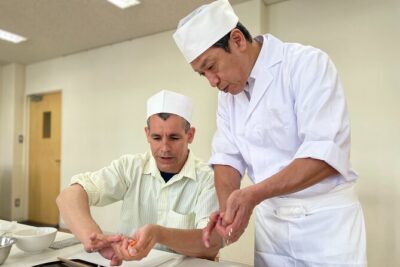
Tokyo Sushi Making Class in Tsukiji with Professional Chef
Read our review →
Tsukiji Fish Market Guided Tour and Sushi Making with Pro Chef
Read our review →Tsukiji Fish Market Food and Culture Walking Tour
Read our review →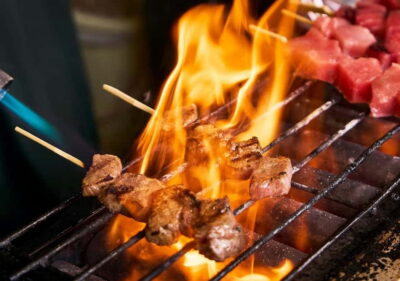
Tsukiji Fish Market: Street Food & Culture Walking Tour
Read our review →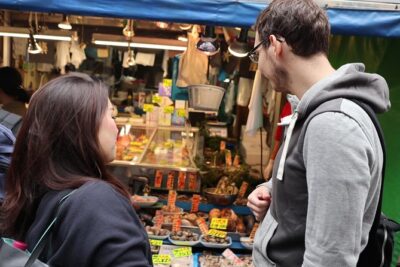
Tsukiji Fish Market Small-Group Food Walking Tour
Read our review →Browse the lists this tour appears in