
Reviewed · TOKYO TEA CEREMONY EXPERIENCES
Hands-On Japanese Craft in Tokyo with Mochi Wagashi & Matcha
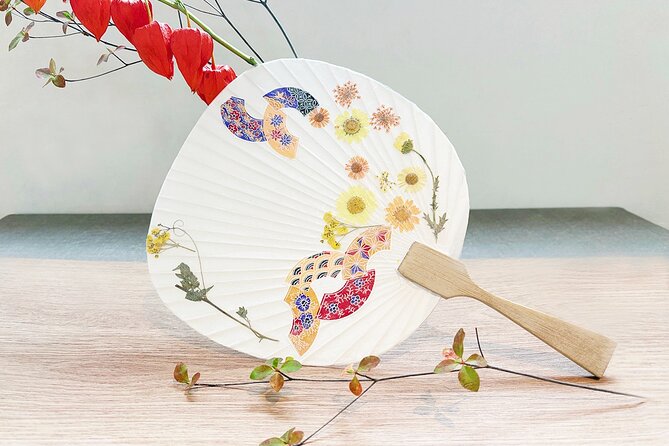
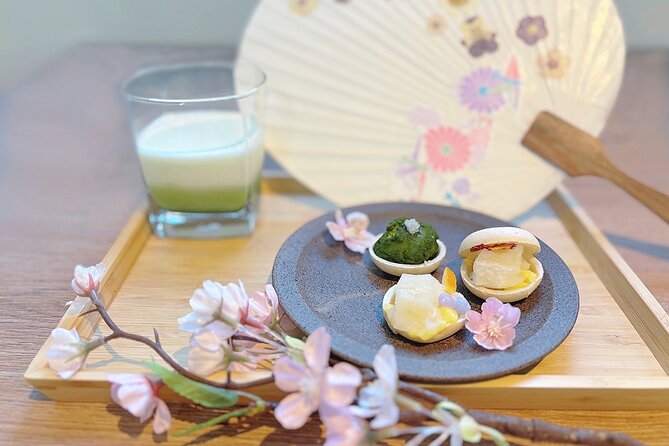
The best part of this Tokyo workshop is that you leave with something you made yourself: a round uchiwa fan decorated with pressed flowers and Japanese-patterned origami paper. You then prepare a matcha latte and taste two playful wagashi, turning a short cultural activity into both a craft lesson and a snack break.
I like the easy pace and the fact that you do not need artistic skill to join in. I also like the gentle introduction to matcha, since milk softens its bitter edge. The main drawback is simple: at $78.69 per person, this is not a cheap coffee-and-craft stop, and the 90-minute program may feel brief if you want a longer cooking class.
Key points to know before booking
- Make a souvenir you can actually use: Your uchiwa fan goes home with you, decorated with pressed flowers and origami paper.
- Matcha is served as a latte: Milk makes the powdered green tea creamy and mild, a good option for first-timers and children.
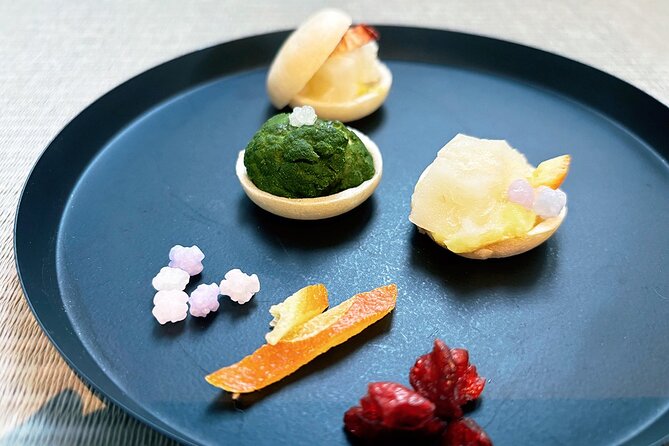
- Two desserts bring variety: You try a modern monaka with custard, mochi, and dried fruit, plus a kokedama-shaped sweet.
- The craft has a nature theme: Pressed flowers connect the fan design with Japan’s appreciation of plants and seasonal beauty.
- The session is small enough for help: The maximum group size is 15 people, and staff guide you through each step.
- Plan for a short, focused visit: The activity lasts about 1 hour and 30 minutes and returns you to the meeting point.
Making an uchiwa fan with flowers and paper
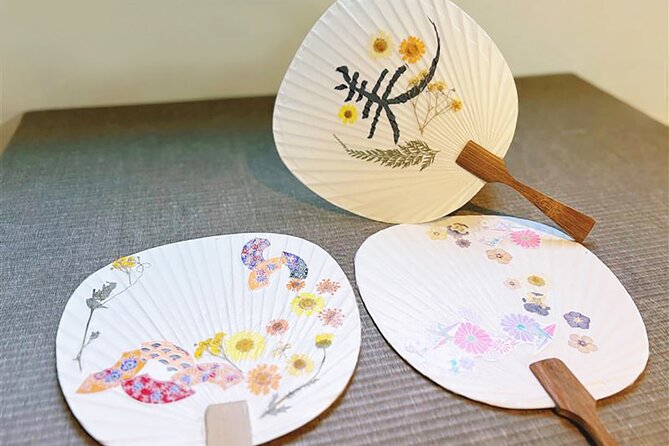
An uchiwa is a traditional Japanese round fan. Unlike a folding sensu fan, it has a solid shape and a simple purpose: moving air on a hot day. It is also a pleasing souvenir because it is light, flat, and easy to pack.
Here, you decorate the fan with pressed flowers and Japanese-patterned origami paper. You choose the arrangement, place the pieces, and create a design that is your own. Sample flowers and decorative materials are provided, so you do not need to arrive with an artistic plan.
That matters if you are not crafty. The activity has a clear result, but it does not demand expert drawing or careful painting. You can copy the feel of a sample or arrange the flowers in your own way. Each finished fan will look different because the placement and mix of materials are up to you.
A particularly interesting detail is the use of an iron to imprint the flower design. This gives the craft a more hands-on Japanese character than simply sticking decorations onto a paper souvenir. Staff help with the process, which is important because this is one step you should not handle casually.
The design also carries a small piece of Japanese seasonal thinking. Flowers, natural forms, and decorative paper are not random supplies here. They reflect an appreciation for plants and small details, the same outlook you see in flower arranging, garden design, and seasonal sweets.
You should have enough time to finish one fan during the session, but do not expect a long art workshop with several projects. The reward is focus: in a short period, you make one attractive item and take it home.
More Tokyo tea ceremonies:
- Matcha Making Class in Tokyo with Authentic Japanese Sweets Set
★ 5.0 · 744 reviews - Tokyo: Traditional Tea Ceremony with a Tea Master
★ 5.0 · 528 reviews - Dynamic Tokyo: Tokyo Tower, Tea Experience, Bay Cruise Day Tour
★ 4.5 · 521 reviews
A matcha latte that welcomes beginners
After the fan craft, you prepare matcha and enjoy it as a latte. Matcha is powdered Japanese green tea, not loose leaves steeped and removed from the cup. Because you consume the powdered tea, the drink has a fuller flavor and a slightly different texture from ordinary green tea.
For some people, plain matcha is too bitter or grassy. This version is mixed with milk, making it creamy and softer. That makes the drink a sensible introduction if you are new to matcha, and the supplied information specifically presents it as suitable for first-timers and children.
You are shown how to make your own matcha, with help at each stage. That support is useful because the process can feel unfamiliar if you have never worked with powdered tea. You are not simply handed a prepared drink and told what it is. You take part in making it.
The activity is also useful for someone who already drinks matcha but wants a more relaxed setting. You can compare the flavor with the sweeter cafe-style matcha lattes found around Tokyo. Do not expect a formal tea ceremony, though. This is a friendly food-and-craft program, not a highly traditional ceremony with strict etiquette.
I would book this part with realistic expectations. The matcha latte is designed to be approachable, not austere. If you want a powerful, unsweetened tea flavor, this may seem mild. If you are unsure about matcha, the milk gives you a much easier first try.
Two wagashi with very different personalities
The tasting includes two Japanese sweets. Both are designed to be cute and easy to enjoy, but they offer different textures and ideas.
The first is a modern take on monaka, a Japanese sweet made with crisp wafer shells. In this version, the filling includes custard cream and mochi, with dried fruit added on top. It is a useful choice for anyone who does not care for the red bean paste often found in classic Japanese sweets.
The contrast is the point. The wafer brings a light crunch, the custard adds creaminess, and the mochi supplies a soft, chewy texture. Dried fruit gives you a little extra flavor and decoration. You may be able to choose from the available dried-fruit toppings, so the finished sweet can have a personal touch.
The second dessert is shaped like a kokedama, a Japanese moss ball used in gardening. A kokedama is a ball of soil covered with moss, often used to display a plant without a conventional pot. Turning that shape into a sweet gives the tasting a fun visual connection to Japanese plant culture.
This dessert is especially appealing if you enjoy food that looks as good as it tastes. It is not just another square of cake or a standard pastry. The shape gives the snack a small story, and it links neatly with the pressed-flower craft.
The program description uses both mochi wagashi and Japanese sweets, so you should think of the food as a modern, friendly interpretation rather than a formal wagashi lesson. The focus is tasting, making, and enjoying the shapes and textures.
Why the 90-minute format works
One hour and 30 minutes is enough time to enjoy the full sequence without giving up half a day of sightseeing. You make the fan, prepare the matcha latte, and taste the two sweets. The program ends back at the meeting point, so you can continue with your Tokyo plans afterward.
That short length is useful on a busy itinerary. You could fit it between sightseeing stops, although you should allow extra time to reach the meeting point and settle in. Hotel pickup and drop-off are not included, so you arrange your own way there and back.
The limit of 15 people keeps the session from becoming a large demonstration. It is not a one-on-one lesson, but staff can still help with the craft and matcha steps. This matters most when you are using the iron for the flower design or preparing matcha for the first time.
The pace should suit families, couples, friends, and solo visitors who like a social activity. The craft gives you something to focus on, while the sweets and drinks create a natural moment to chat. Children may enjoy the colors and dessert shapes, though adults should remain attentive during the iron-related part of the activity.
Because the program depends on good weather, check the conditions around your date. If poor weather causes a cancellation, you are offered another date or a full refund. The provider also requires a minimum number of participants, so a cancellation for that reason brings the same choice of another date, another experience, or a full refund.
More hands-on classes and workshops in Tokyo:
- Sushi Making Tokyo Roll and Authentic Japanese Sushi Class
★ 5.0 · 3,971 reviews - Tokyo: Roll and Authentic Sushi Making Class in Asakusa
★ 4.9 · 1,957 reviews - Tokyo Shinjuku Chopsticks Making Class
★ 5.0 · 1,763 reviews - Tokyo: Sushi Making Class in a Happi Coat near a Famous Spot
★ 4.9 · 1,377 reviews
What the price means at $78.69
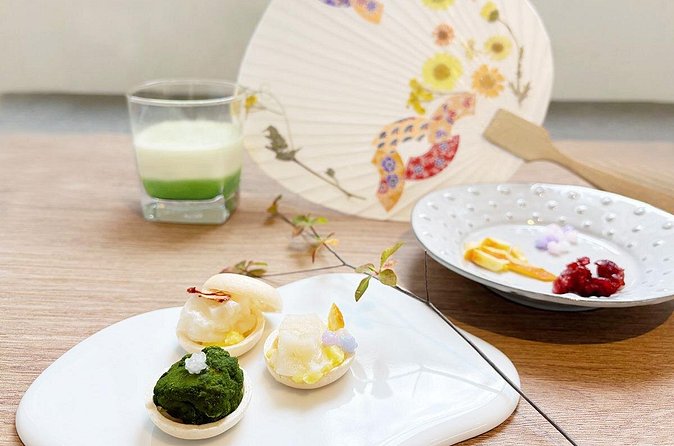
At $78.69 per person, you are paying for more than the ingredients. The price includes instruction, craft materials, the fan you make, a matcha latte, and two sweets. The handmade souvenir is the strongest value point because it has a use after the activity and carries a personal connection to your time in Tokyo.
Still, this is not the right pick if your only goal is to drink matcha cheaply. You can find matcha beverages elsewhere for much less, and a dessert stop will cost less than this workshop. The value comes from combining three things in one sitting: making, tasting, and taking something home.
I would compare it with other Tokyo activities by asking what kind of memory you want. A standard food tour gives you more dishes and perhaps more neighborhood time. A formal tea event gives you more ceremony. This workshop gives you a friendly craft, a mild tea introduction, and two carefully shaped sweets in a compact package.
The cost makes the most sense for someone who values participation. If you only want photographs, you may find the price hard to justify. If you want to say I made this in Japan and carry the object home, the calculation looks better.
Who will enjoy this Tokyo workshop most
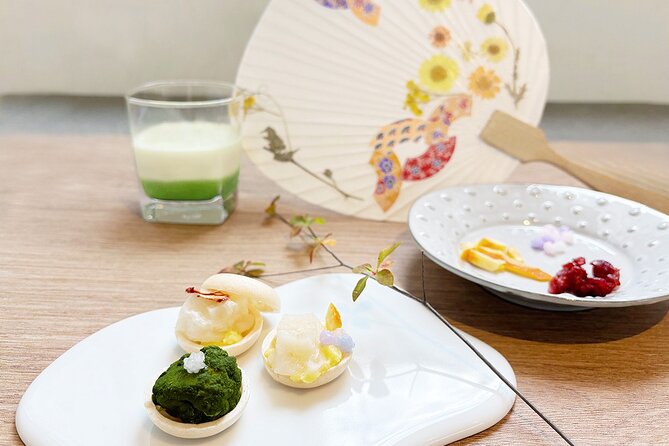
This activity fits first-time visitors who want a low-pressure introduction to Japanese culture. You do not need previous craft experience, matcha knowledge, or a taste for red bean paste. The format explains the basics through action rather than a long lecture.
Families may find it appealing because the fan design is visual and the matcha latte is milder than plain matcha. The provider describes the drink as suitable for children, but the hot drink and iron work still call for adult supervision.
It also works well for couples or friends. Each person can make a different fan, and the finished items create a natural side-by-side comparison. Solo visitors can join the group setting without needing to perform or speak in front of everyone.
You should think twice if you want a serious culinary course. The food portion centers on matcha preparation and tasting two sweets, not a long menu or advanced wagashi production. You should also skip it if you dislike hands-on crafts or want a fully passive sightseeing stop.
Practical details before you reserve
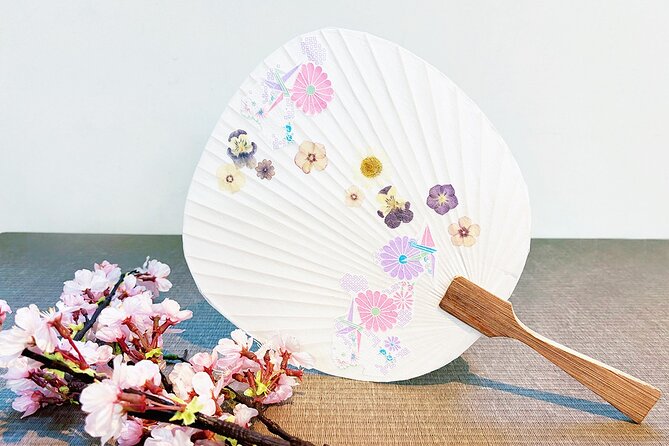
Your mobile ticket makes entry simple, but you still need to reach the meeting point in Tokyo on your own. The exact hotel pickup service is not part of the program, and the activity ends where it begins.
Confirmation is provided when you book. The maximum group size is 15 people, so the setting should be more manageable than a large tour bus activity, though it is not private.
The cancellation policy is fairly useful: cancel at least 24 hours before the local start time for a full refund. Changes or cancellations inside that 24-hour window are not accepted for a refund. Keep the local time in mind if you are booking from another country.
Should you book it?
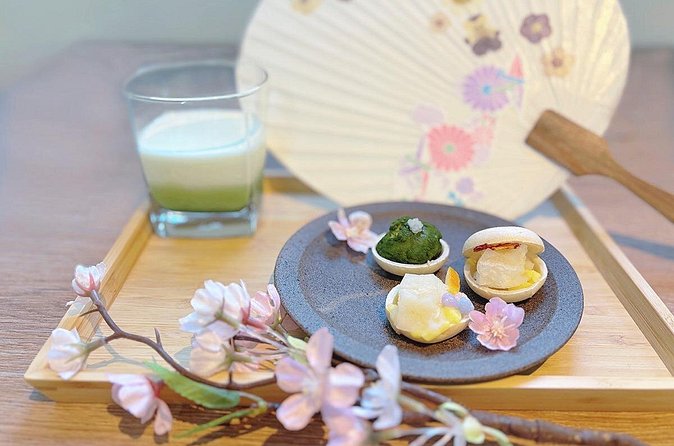
Book this workshop if you want an easy, hands-on Tokyo activity with a souvenir, a mild matcha introduction, and two unusual sweets. The pressed-flower uchiwa is the main reason to choose it, while the matcha latte and wagashi make the 90 minutes feel complete rather than craft-only.
Skip it if you are looking for a formal tea ceremony, a substantial meal, or the cheapest way to sample matcha. At $78.69, the price is justified by the instruction, materials, food, and finished fan, not by the drink alone.
For families, first-time matcha drinkers, and anyone who prefers making something over simply taking pictures, this is a friendly choice. Bring a little curiosity, leave room in your luggage for the fan, and expect a compact cultural activity rather than a full-day tour.
FAQ
How long does the activity last?
The program lasts approximately 1 hour and 30 minutes.
What will I make during the activity?
You will decorate your own round uchiwa Japanese fan with pressed flowers and Japanese-patterned origami paper. You can take the finished fan home.
Is the matcha served plain?
No. You prepare a matcha latte by mixing powdered Japanese green tea with milk. The milk makes it smoother and less bitter than plain matcha.
What sweets are included?
You receive two types of Japanese sweets: a modern monaka with custard cream, mochi, and dried fruit, plus a dessert shaped like a kokedama moss ball.
Is the activity suitable for matcha beginners?
Yes. The matcha latte is designed to be mild and approachable, and staff help you through the preparation steps.
Is transportation included?
No. Hotel pickup and drop-off are not included. The activity starts and ends at the meeting point in Tokyo.
How many people can join?
The activity accepts a maximum of 15 participants.
Can I cancel for a refund?
You can cancel at least 24 hours before the local start time for a full refund. Cancellations or changes made less than 24 hours before the start time are not accepted for a refund.
Newly reviewed around Tokyo
- Tokyo Asakusa:Calligraphy & Make T-shirt Activity★ 5.0 · 62 reviews
- Intercity Shuttle, Tokyo to Haneda /Narita /Yokohama /Makuhari★ 5.0 · 5 reviews
- 1 Hour Travel around Tokyo with a Professional Photographer★ 5.0 · 3 reviews
- Travel Tokyo with Your Own Personal Photographer★ 5.0 · 43 reviews
- Train in Samurai Swordsmanship and Defeat the Demon in Tokyo★ 5.0 · 5 reviews
- Shuttle Van 6hr Tokyo Tour to-and-from Tokyo, Yokohama and Narita★ 5.0 · 9 reviews
- Kickboxing & Body Training with EX-Pro Fighter★ 5.0 · 4 reviews
- Traditional Japanese Knife Sharpening Class★ 5.0 · 18 reviews
Tokyo Tea Ceremony Experiences, compared.
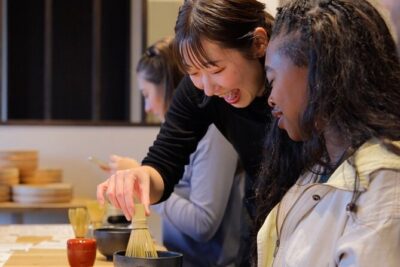
Matcha Making Class in Tokyo with Authentic Japanese Sweets Set
Read our review →
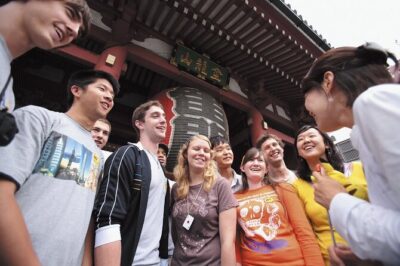
Dynamic Tokyo: Tokyo Tower, Tea Experience, Bay Cruise Day Tour
Read our review →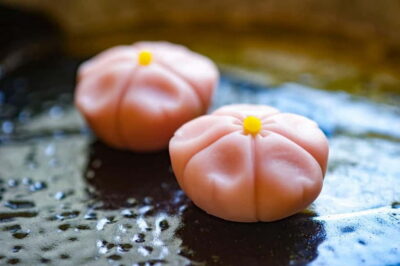
Matcha Making Experience with Mochi Sweets in Asakusa
Read our review →
Tea Ceremony Workshop in Tokyo by the Experienced Instrucor
Read our review →
Browse the lists this tour appears in