
Reviewed · TOKYO TEA CEREMONY EXPERIENCES
Tokyo: Asakusa Kimono Dressing and Matcha Experience
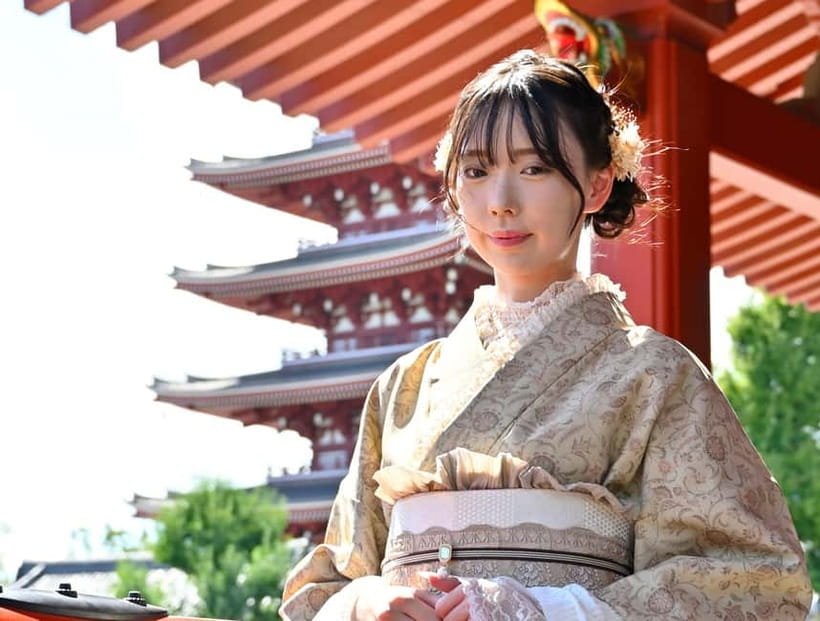
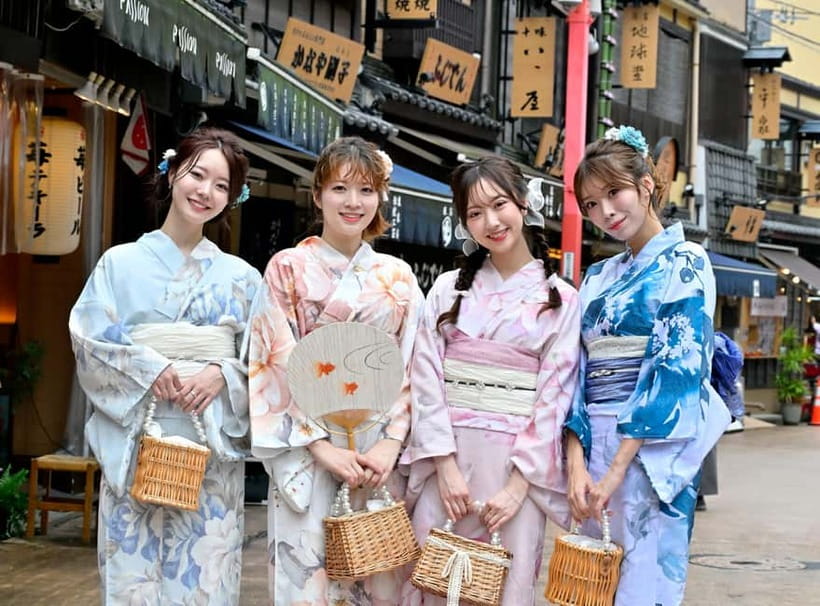
Asakusa is one of Tokyo’s best places to wear a kimono, and this experience puts you within minutes of Kaminarimon Gate and Sensoji Temple. You choose your clothing, receive a hairstyle and accessories, learn how to drink matcha, then walk through the old district at your own pace.
I especially like the large choice of kimonos and yukatas, including options for children and plus-size guests. I also like the warm, careful service from Yoshi, Tsuyoshi Inaji, and the shop team, who take time with hair, layers, and small finishing touches. The main consideration is comfort: dressing can take 45 to 70 minutes, and several layers may feel warm, especially in summer.
Key points to know before booking
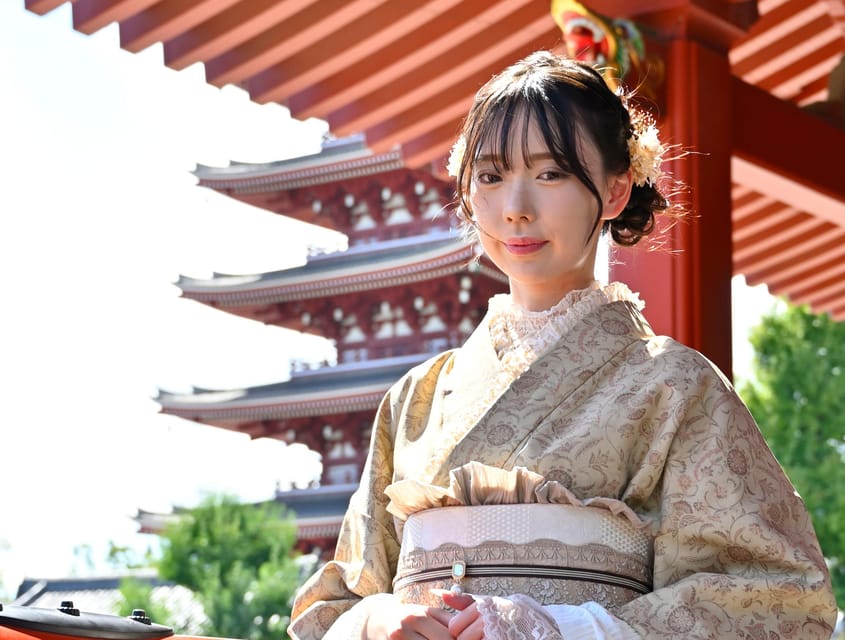
- A central Asakusa location: Kimono Rental Shop YUI is about four minutes from Asakusa Station and two minutes from Kaminarimon Gate.
- Plenty of outfit choices: Select from casual light kimono, summer yukata, traditional silk pieces, and children’s sizes, with some premium styles costing extra.
- Hair and accessories are included: The staff arrange a suitable hairstyle and provide hair ornaments, geta sandals, and a traditional handbag.
- Matcha is a short cultural lesson: You learn the proper way to drink Japanese green tea and receive tea with sweets, but this is not a full formal tea ceremony.
- You keep the outfit for the day: After dressing, you can walk around Asakusa until 17:30, when the kimono must be returned.
- Photos are optional: A professional photographer can lead a 60-minute session around Sensoji Temple and the Sumida River for an additional charge.
Choosing a kimono near Kaminarimon Gate
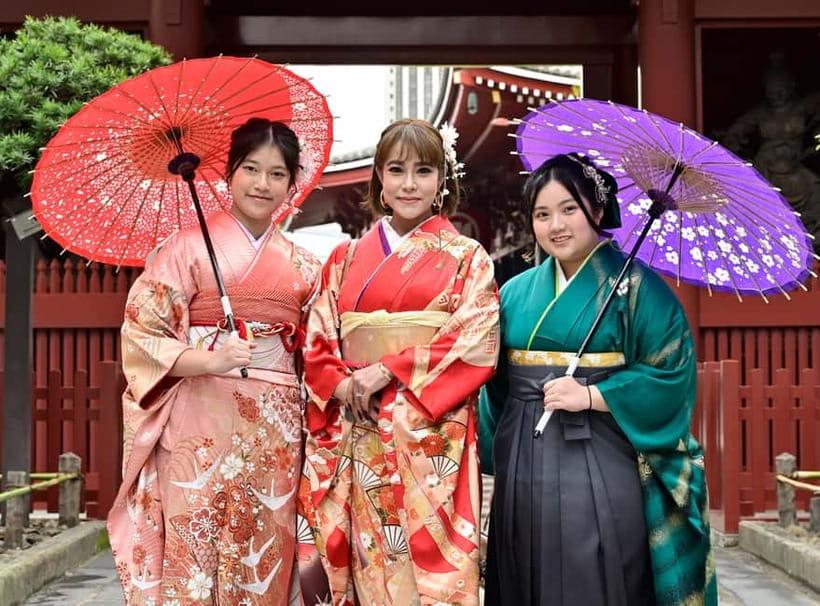
The shop’s location is a major part of its appeal. Kimono Rental Shop YUI sits on the second floor of a building, reached by elevator, roughly four minutes from Asakusa Station and two minutes from Kaminarimon Gate. That puts you close to the red gate, Sensoji’s temple grounds, Nakamise shopping street, and the back streets where you can take photographs after dressing.
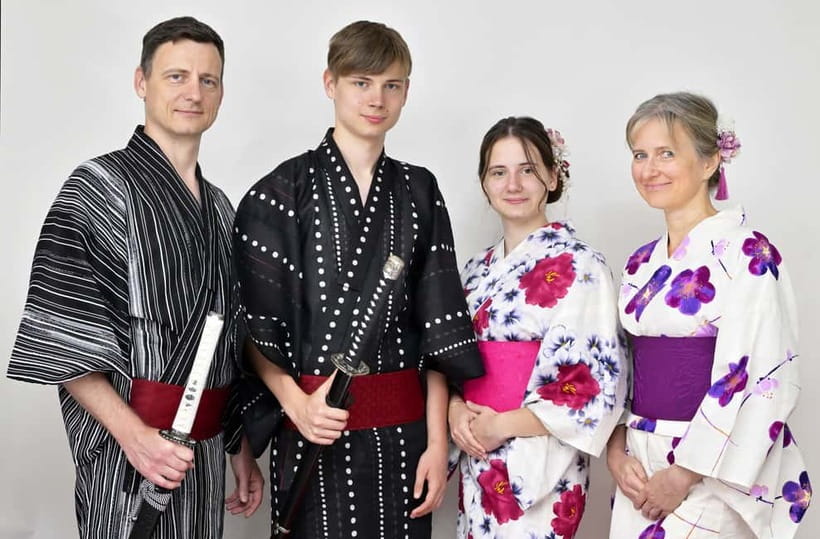
You begin by looking through a wide range of clothing. The selection includes light kimono suited to walking, summer yukata, traditional silk kimono, and styles for different occasions. Lace kimono, furisode, haori hakama, and some silk options cost extra, so ask about any added charge before settling on a premium piece.
I like that the choice is not limited to one standard tourist costume. A light kimono works well if you want to spend several hours walking, while a more formal silk style gives you a dressier look for photographs. Men, women, and children can take part, and the selection has worked well for plus-size customers according to the available experience details.
The staff help match the kimono with accessories rather than leaving you to make every choice alone. You receive a traditional handbag and wooden geta sandals, which complete the look but can take some getting used to. Wear comfortable clothing underneath and expect the outfit to feel snug. The layers are part of the traditional dressing process, but they are also the reason this activity can feel warm.
More Asakusa and Sensoji tours:
- Tokyo: Japanese Dance Cabaret Theater Asakusa-Kaguwa Ticket
★ 4.8 · 2,270 reviews - Tokyo: Meiji Shrine, Asakusa, Skytree Bus Tour and Cruise
★ 4.7 · 1,986 reviews - Tokyo: Roll and Authentic Sushi Making Class in Asakusa
★ 4.9 · 1,957 reviews
What the 45 to 70 minute dressing process involves
The dressing is not a quick costume change. Allow 45 to 70 minutes for the staff to arrange the kimono, secure the layers, style your hair, and finish the outfit. That time matters when you are planning a morning at Sensoji or trying to fit this around another Tokyo booking.
The staff handle the complicated parts. They arrange the layers, fasten the clothing, and make sure the final appearance is tidy. You then choose hair accessories and receive a hairstyle suited to the outfit. Hair styling is included, but makeup is not, so arrive with your makeup already done if you want a fully finished appearance.
The personal care here is one of the strongest reasons to choose this shop. Yoshi and the team have been especially attentive with hair types that may be less familiar in Japan, including curly and afro-textured hair. That does not mean every requested style can be guaranteed, but the staff make a real effort to work with you rather than applying one fixed look to everyone.
You can also ask for help with small adjustments. The staff have assisted with accessories, umbrellas, phone photographs, and outfit details. English is available through the host or greeter, and Tsuyoshi Inaji is noted for speaking English well. Communication may still be simple at times, but the setting is friendly and patient.
The matcha lesson takes about 15 minutes
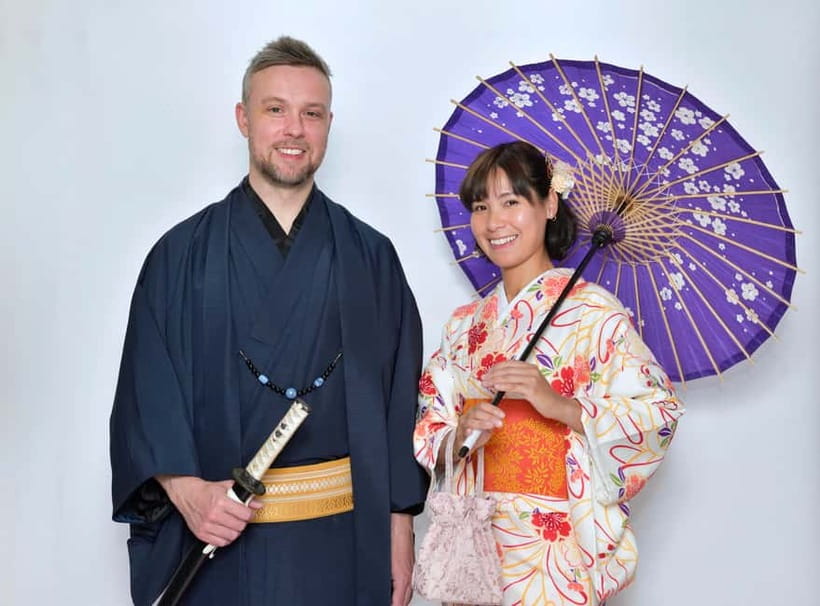
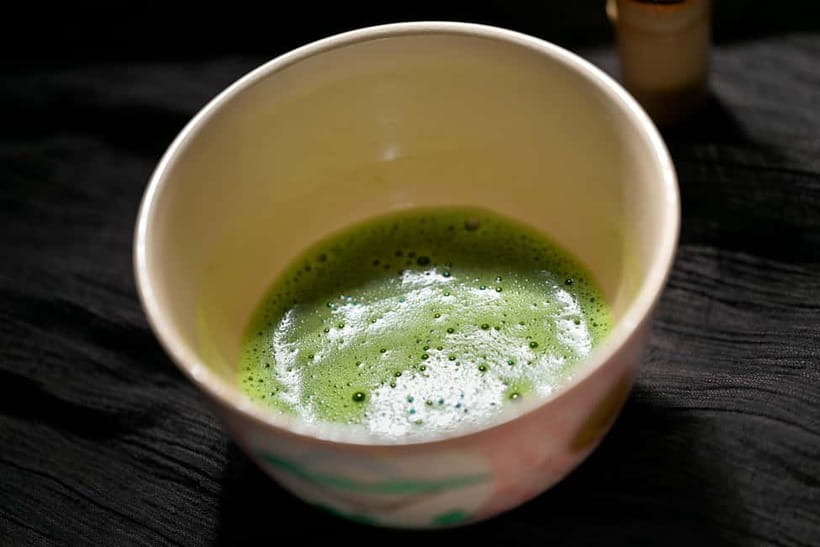
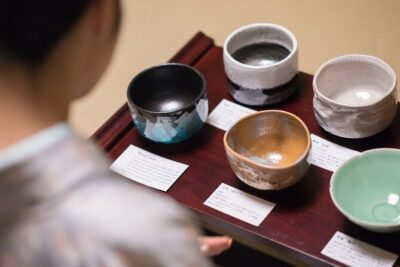
After dressing, you sit down for the matcha portion. The shop owner practices tea ceremony and explains the proper way to drink matcha according to Japanese custom. You receive green tea and sweets, and the lesson takes about 15 minutes.
This is best understood as an introduction, not a full tea ceremony. A formal tea ceremony is not included, and there is no claim that you will prepare an elaborate meal or spend hours studying tea etiquette. Instead, you receive a compact explanation of the tea, the movements, and the manners that give the drink its cultural setting.
I like this part because it adds meaning to the dressing session. Without it, the activity would mainly be a clothing rental followed by photographs. The matcha lesson gives you a small piece of Japanese etiquette to carry into the rest of your visit.
The sweets help make the lesson accessible, especially for children or anyone unsure about matcha’s earthy taste. You do not need previous knowledge. The staff explain what to do and allow you to follow along at a comfortable pace.
Walking Asakusa in traditional clothing
Once your dressing and matcha lesson are finished, you are free to explore Asakusa in the kimono. The rental period lasts until 17:30, and you must return the clothing by that time. The scheduled dressing and tea portion takes about two hours, but the rest of the day gives you room to visit nearby sights on your own.
This is where the location pays off. You can walk toward Sensoji Temple, browse around Nakamise, pause near Kaminarimon Gate, or head toward the Sumida River. The shop does not provide a tour guide, so you set your own route and pace.
That freedom is useful if you already know Asakusa or want to combine the rental with other plans. It also means you should not expect detailed guiding through the district. If you want historical explanations while walking, you would need a separate guide or sightseeing activity.
Walking in geta requires a little care. The sandals are part of the traditional look, but they may not feel as easy as modern shoes. Shorter walks and regular pauses make sense, especially in hot weather or if you are dressing a young child. The clothing can also feel warm under the summer sun. Bring water and plan your route with comfort in mind.
The district provides an appealing setting for photographs because the temple, gates, narrow streets, and river area offer several different backdrops. You will also attract attention and may receive compliments, which can make the walk feel special. At the same time, remember that you are walking through a busy public neighborhood, not a private photo set. Be considerate near temple entrances and avoid blocking paths.
More Tokyo kimono experiences:
- Let’s make kimono !(Kimono is a gift for you
★ 5.0 · 252 reviews - Tokyo: Matcha and Kimono Experience
★ 4.7 · 219 reviews - Asakusa: Kimono Tea Ceremony with Matcha and Sweet
★ 4.9 · 153 reviews - Matcha Kimono Tea Ceremony in Tokyo
★ 5.0 · 104 reviews
Deciding on the professional photo session
The optional photography session lasts 60 minutes. A professional photographer accompanies you around Sensoji Temple and the Sumida River, points out photogenic places, and helps with poses. Edited photo data is sent for download within a week.
This add-on makes sense if the photographs are the main reason you want to wear a kimono. Posing in traditional clothing can feel awkward at first, especially if you are taking pictures alone. A photographer can suggest positions and make better use of the setting than a quick phone snapshot.
It also suits couples, families, and solo visitors who want more than a few casual pictures. The available details show that photographers have helped first-time models feel comfortable and have taken care with composition. You should still confirm the current price of the photo option before booking, since it is not part of the $56 base cost.
The photography session is not required. Several people have enjoyed using their own phones and walking around Asakusa without booking a photographer. Staff may help take a few phone pictures when time allows, but that should not be treated as the included professional service.
If you want the photo session, schedule it with the rental return time in mind. The photo shoot takes a full hour, and all clothing must be back by 17:30. Returning late could create stress at the end of an otherwise relaxed afternoon.
Is $56 a fair price?
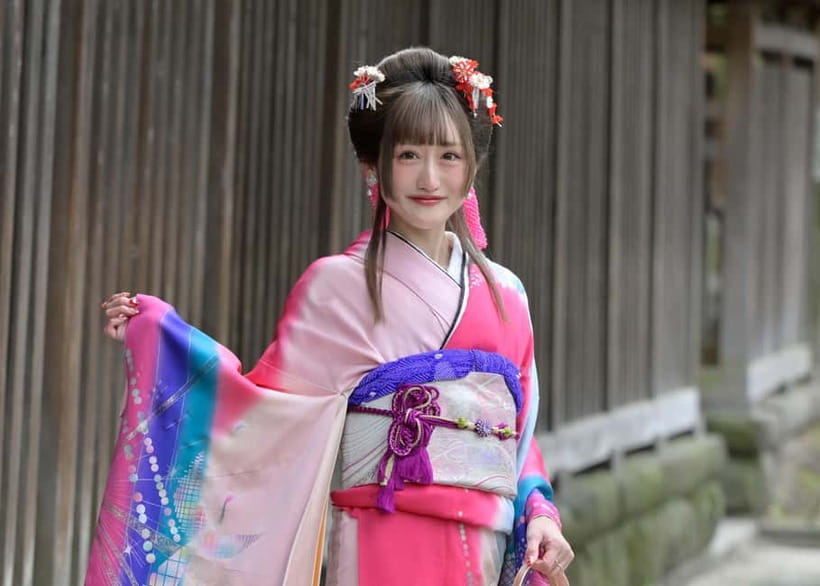
At $56 per person, the base price covers the kimono or yukata, dressing, hairstyle, hair accessories, geta, handbag, matcha, and sweets. It also gives you access to the outfit for walking around Asakusa until 17:30. That is good value if you want a cultural activity, a complete traditional look, and several hours in the district rather than a short fitting-room visit.
The price is less attractive if you only want a quick photograph and have no interest in the dressing process or matcha lesson. You are paying for the staff’s time, the clothing, the hair arrangement, and the chance to use the outfit outside the shop. It is not simply a clothing rental.
Budget for possible extras. Premium lace, silk, furisode, and haori hakama styles cost more. Large luggage storage also costs extra, as does returning the clothing the next day. Makeup is not included, and neither is the professional photography session.
The base package remains a sensible choice for first-time visitors who want a traditional Japanese activity without committing to a full-day tour. Families may find the included hair styling and accessories particularly useful because the staff handle much of the preparation.
Who will enjoy this experience most?
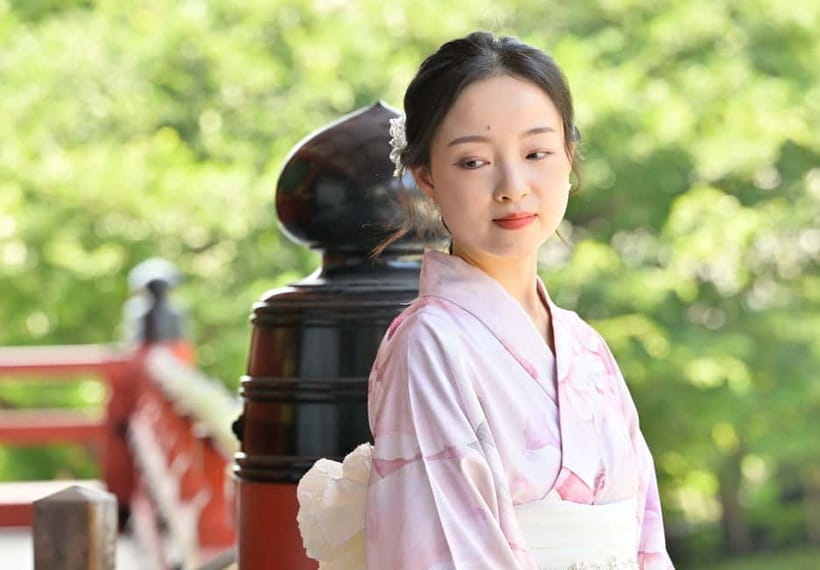
I would recommend it to anyone who wants a hands-on introduction to Japanese clothing and etiquette rather than another sightseeing stop viewed from a distance. It is especially well suited to solo visitors, couples, families, and groups of friends who want photographs in Asakusa.
Children can take part, and the staff have been patient with young children, including a three-year-old. The experience is also wheelchair accessible, with an elevator to the second floor. You should still consider the practical challenge of moving around in geta and layered clothing, since accessibility at the shop does not remove the uneven or crowded conditions of public streets.
The activity can work well for visitors who do not usually dress in a feminine style or have their hair arranged. The staff can help you try something outside your normal routine without requiring you to commit to a formal event.
It is not suitable for pregnant women. Anyone with mobility, balance, or heat concerns should think carefully about the clothing and footwear before booking. Ask the shop about practical adjustments if you have a specific need that is not covered by the general wheelchair-accessible information.
Timing your visit around Asakusa
The shop operates from 9:30 to 17:30. Since dressing can take up to 70 minutes and the matcha lesson adds about 15 minutes, an earlier appointment gives you more time to walk and take pictures before the return deadline.
A morning start is helpful if you want to see Sensoji, shop, take the optional photo session, and still return the clothing without rushing. An afternoon appointment can work, but you will have less time outside the shop and less flexibility if the dressing takes longer.
Weather also matters. A hot day can make the layers tiring, while rain may affect photographs and walking comfort. Staff have lent umbrellas in at least one rainy situation, but you should not plan on that as a guaranteed service. Check the forecast and dress in a way that makes changing easier.
Large luggage should not come with you unless you arrange storage and pay the extra fee. A small personal bag is more practical, especially since the traditional handbag supplied with the outfit is not intended to carry much.
Booking details worth knowing
The experience is offered privately or in small groups, and English support is available. You can cancel up to 24 hours ahead for a full refund, and a reserve-now, pay-later option helps if your Tokyo schedule is still changing.
The meeting point is inside the building, where you take the elevator to the second floor. Confirm the exact meeting instructions on your booking and arrive with enough time for the clothing selection, since arriving late could reduce your walking or photography time.
The shop can provide next-day return for an additional cost. That option may help if you want to wear the kimono for an evening event, but the standard plan requires return by 17:30 on the same day.
Should you book the Asakusa kimono and matcha experience?
Book it if you want to participate in Asakusa rather than simply look around it. The strongest parts are the broad clothing choice, careful hair styling, friendly staff, short matcha lesson, and the freedom to explore for the rest of the day.
Choose the photo add-on if you want polished portraits or are traveling alone. Skip it if you prefer candid phone pictures and want to keep the cost down.
I would not choose this for a quick, low-effort activity. Dressing takes time, the layers can feel warm, and geta are not the easiest shoes for long walks. But if you allow a full morning or afternoon and return the outfit on time, $56 buys a personal, memorable way to see Tokyo’s oldest district.
FAQ
How long does the kimono dressing and matcha experience take?
The booked activity takes about two hours. Dressing and hair styling usually take 45 to 70 minutes, and the matcha lesson takes about 15 minutes.
How long can I keep the kimono?
You can explore Asakusa in the rental clothing until 17:30. The kimono must be returned no later than 17:30 on the same day unless you arrange and pay for next-day return.
Is the professional photo session included?
No. The 60-minute professional photo session is an optional add-on. Edited photo data is sent for download within one week.
What does the base price include?
The $56 price includes a kimono or yukata rental for adults or children, hairstyle, hair accessories, geta footwear, a traditional handbag, matcha tea, and sweets.
Is makeup included?
No. Makeup is not included, so you should arrange it separately if you want makeup with your kimono look.
Can children take part?
Yes. Kimono and yukata rental is available for children, and the experience is suitable for children.
Is the activity wheelchair accessible?
Yes. The activity is wheelchair accessible, and the meeting point is reached by elevator to the second floor.
Can pregnant women join?
No. The activity is not suitable for pregnant women.
More Tokyo tea ceremonies
- Matcha Making Class in Tokyo with Authentic Japanese Sweets Set
★ 5.0 · 744 reviews - Tokyo: Traditional Tea Ceremony with a Tea Master
★ 5.0 · 528 reviews - Dynamic Tokyo: Tokyo Tower, Tea Experience, Bay Cruise Day Tour
★ 4.5 · 521 reviews - Tokyo: Matcha Making Experience with Mochi Sweets in Asakusa
★ 4.9 · 388 reviews
Newly reviewed around Tokyo
- Tokyo Asakusa:Calligraphy & Make T-shirt Activity★ 5.0 · 62 reviews
- Intercity Shuttle, Tokyo to Haneda /Narita /Yokohama /Makuhari★ 5.0 · 5 reviews
- 1 Hour Travel around Tokyo with a Professional Photographer★ 5.0 · 3 reviews
- Travel Tokyo with Your Own Personal Photographer★ 5.0 · 43 reviews
- Train in Samurai Swordsmanship and Defeat the Demon in Tokyo★ 5.0 · 5 reviews
- Shuttle Van 6hr Tokyo Tour to-and-from Tokyo, Yokohama and Narita★ 5.0 · 9 reviews
- Kickboxing & Body Training with EX-Pro Fighter★ 5.0 · 4 reviews
- Traditional Japanese Knife Sharpening Class★ 5.0 · 18 reviews
Tokyo Tea Ceremony Experiences, compared.
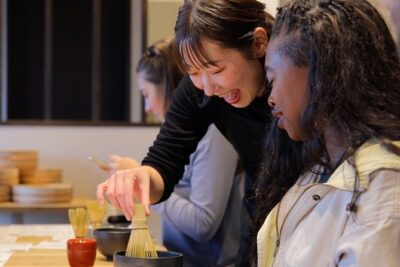
Matcha Making Class in Tokyo with Authentic Japanese Sweets Set
Read our review →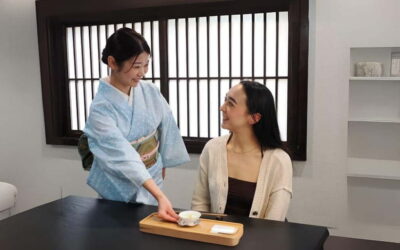
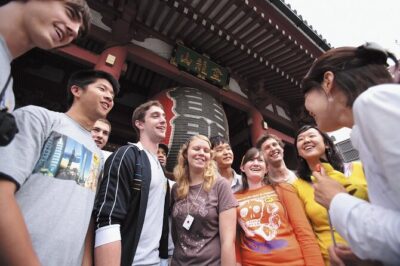
Dynamic Tokyo: Tokyo Tower, Tea Experience, Bay Cruise Day Tour
Read our review →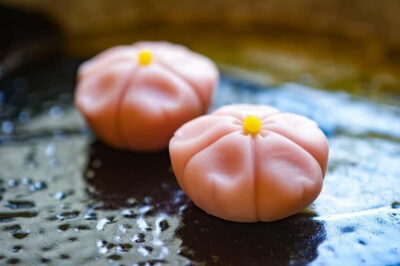
Matcha Making Experience with Mochi Sweets in Asakusa
Read our review →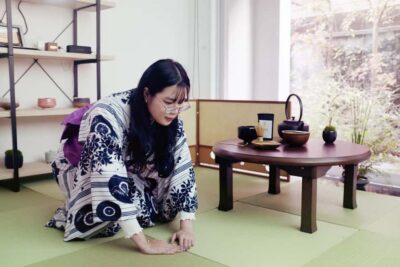
Tea Ceremony Workshop in Tokyo by the Experienced Instrucor
Read our review →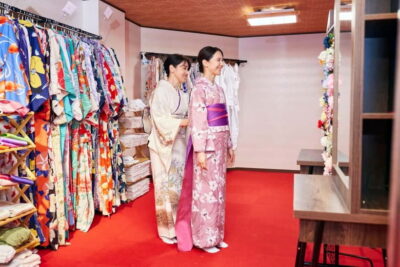
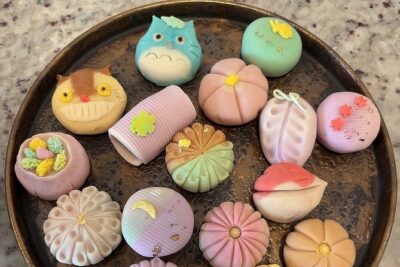
Make Traditional Nerikiri Sweets & Matcha experience in Shibuya
Read our review →Browse the lists this tour appears in