
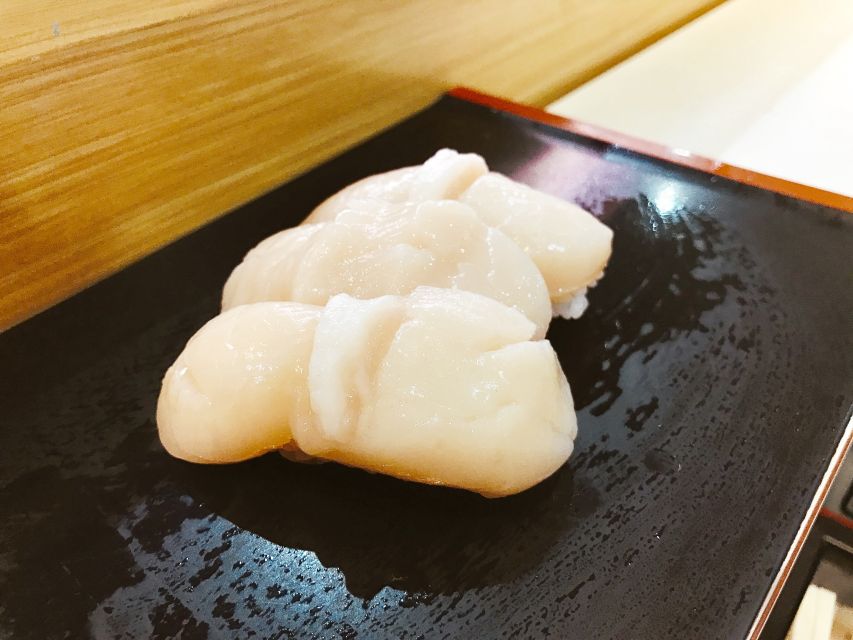
Reviewed · ASAKUSA AND SENSOJI TOURS
Tokyo: 2-Hour Asakusa Food Hunt & Cultural Tour
Asakusa is famous for Sensoji Temple, Kaminarimon Gate, and souvenir streets, but this tour takes you into the quieter food lanes beyond the postcard sights. I like the small group of six and the way the route mixes full-size tastings with local stories. I also like that you learn how sushi is eaten, rather than simply being handed a plate and rushed along.
The main consideration is time. Two and a half hours passes quickly, and the tour includes 1 to 2 kilometers of walking, so it is not the best choice if you want a long temple visit or a slow, sit-down meal at every stop. Still, the food portions are meant to cover lunch, and guides such as Max, Shino, Chi, and Leigh have been praised for their English, patience, and ability to adjust to different ages and food preferences.
Key points at a glance
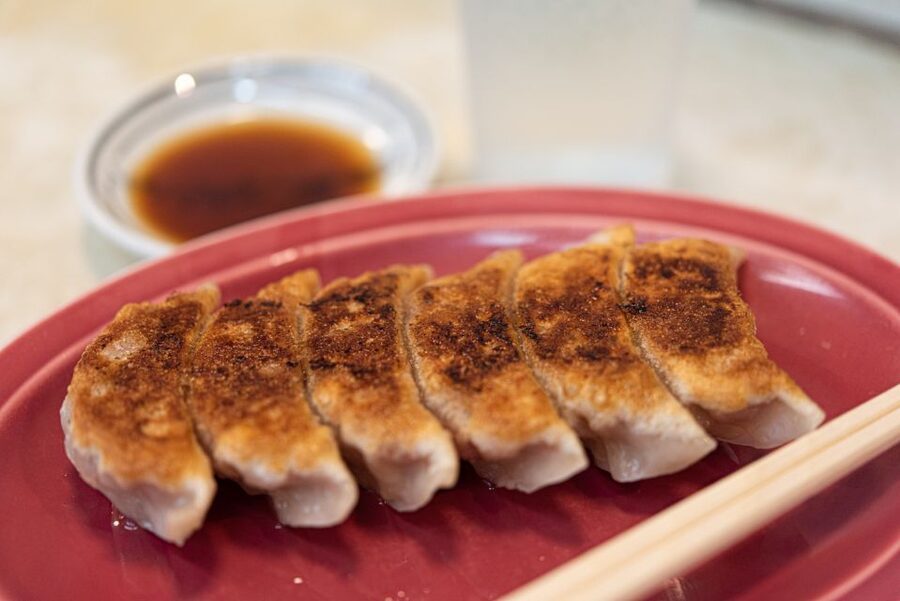
- A fish dealer’s standing sushi counter: Learn why sushi began as fast food and how to eat it in a Japanese style.
- Four or more food stops: The route includes sushi, soba, gyoza, handmade rice crackers, and Japanese snacks.
- Family-run businesses: Several stops have operated for decades or more than a century.
- Asakusa beyond the main sights: Walk through less-touristed streets that many first-time visitors miss.
- A small English-speaking group: With no more than six participants, questions and conversation are easier.
- A proper lunch in 150 minutes: The tastings are substantial enough to replace a normal midday meal for most people.
Why this Asakusa food walk feels different
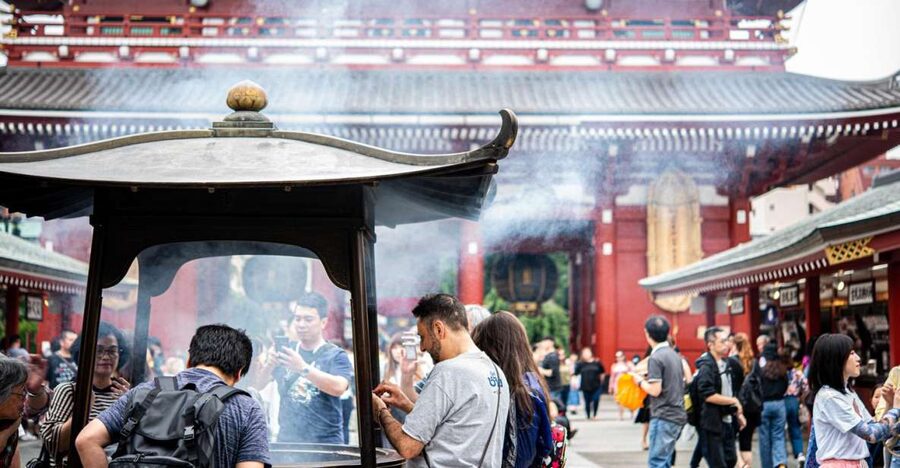
Many Asakusa visits follow the same short path: Kaminarimon Gate, Nakamise shopping street, Sensoji Temple, then perhaps the Sumida River. That route is worth doing, but it shows only the polished front of the district. This food tour uses Sensoji as one part of a larger walk, taking you into local streets where family-owned shops and small restaurants carry on older food traditions.
I like that the tour does not treat food as a string of unrelated samples. Each stop gives you a small lesson in how Japanese eating habits developed. Sushi was once quick food, soba remains a practical local meal, and rice crackers connect everyday snacking with long-running craft shops. Those details make the food easier to remember.
You meet at Hinatomaru Kaminarimon, at 1 Chome-20-3 Asakusa, Taito City. From there, expect about 1 to 2 kilometers on foot. The walking is not extreme, but comfortable shoes matter, especially if you are visiting Tokyo after a full morning on your feet.
The group is capped at six people. That number matters in small restaurants, where a large tour can feel awkward or even impossible. With six or fewer, you can ask about ingredients, customs, and the neighborhood without trying to get a guide’s attention from the back of a crowd.
More Asakusa and Sensoji tours:
- Tokyo: Japanese Dance Cabaret Theater Asakusa-Kaguwa Ticket
★ 4.8 · 2,270 reviews - Tokyo: Meiji Shrine, Asakusa, Skytree Bus Tour and Cruise
★ 4.7 · 1,986 reviews - Tokyo: Roll and Authentic Sushi Making Class in Asakusa
★ 4.9 · 1,957 reviews
Starting with sushi at a fish dealer’s counter
The first major food stop is a standing sushi restaurant owned by a fish dealer. This is a useful beginning because the setting connects the meal with the way sushi was once sold and eaten in Japan: quickly, simply, and close to the source of the fish.
You will taste fresh seafood that may be unfamiliar to you. The guide explains how to eat sushi properly, including the practical details that are easy to miss when you eat alone. You can ask questions about the food and learn why sushi is not always meant to be treated as a formal, slow meal.
This stop also helps if you already eat sushi at home. One guide, Chi, was praised for explaining Japanese food culture and showing how to eat sushi even to someone who had eaten it for years. That is the kind of small correction that can make a food tour worthwhile. You are not just trying another piece of fish. You are learning how the dish fits into daily life.
The standing format is also a fair warning. If you need a long seated break, this is not that kind of restaurant. The upside is speed and local character. You get a direct look at a style of eating that can disappear behind the polished sushi counters found in tourist districts.
Soba and gyoza in a local family restaurant
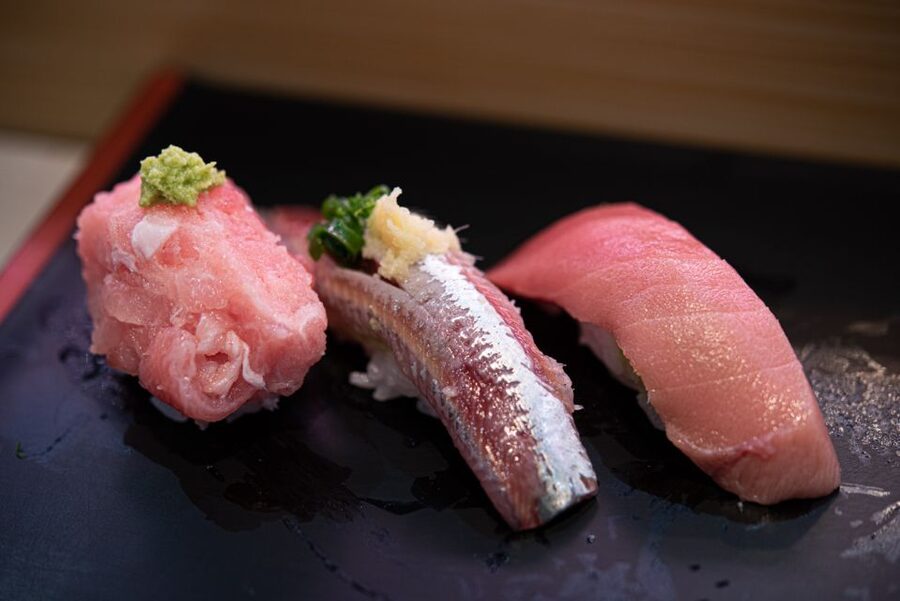
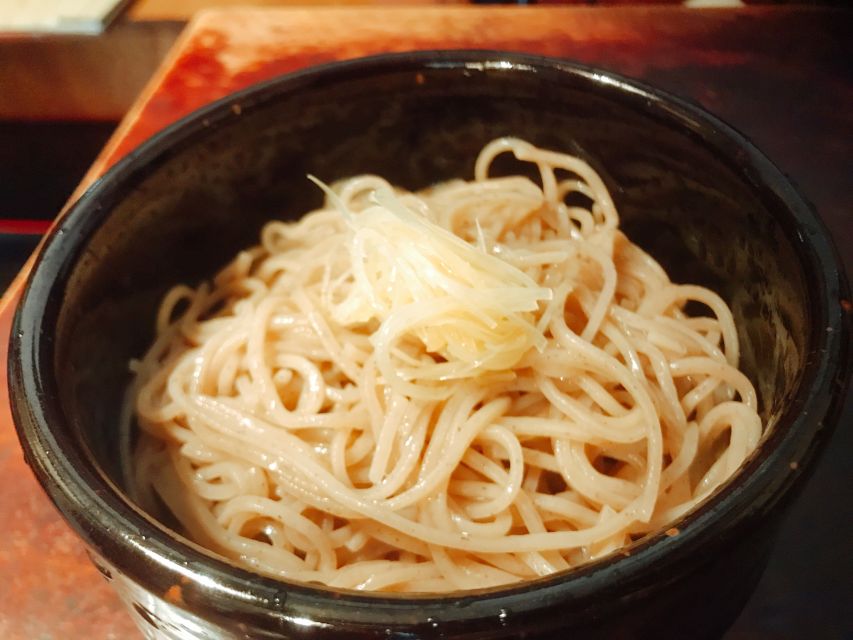
The route then includes a family-owned soba restaurant where you eat fresh soba and gyoza. The restaurant is described as a place local people use, rather than a stop designed mainly for sightseeing. That makes this one of the most useful parts of the tour for anyone who wants a normal Japanese lunch without having to guess from a menu.
Soba is a good food for understanding everyday Japanese meals. It is not an elaborate dish that needs a special occasion. The guide can explain the noodles, the way they are served, and how the gyoza fits into the meal. You get a chance to compare textures and flavors after the sharper, seafood-focused sushi stop.
This is also where the tour becomes more than a tasting walk. The food is served in places where you might otherwise hesitate to enter, especially if you cannot read Japanese or are unsure of local dining customs. A guide removes that friction and lets you concentrate on the meal.
Past guides have also been praised for keeping the pace comfortable. One tour on a very hot day included regular rests in the shade and reminders to drink water. That matters in summer, when even a short Tokyo walk can feel draining. The route is manageable, but heat and humidity can change how much energy you have for eating and sightseeing.
Handmade rice crackers with a century of tradition
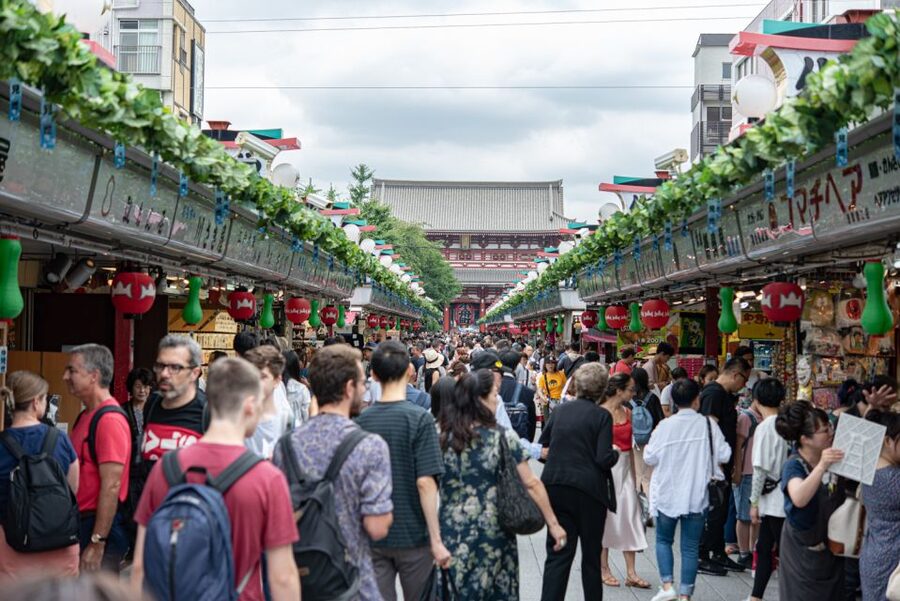
One stop focuses on handmade rice crackers at a local shop with more than 100 years of history. This gives the tour a quieter change of pace after the restaurants. Instead of sitting down to another full dish, you get to see how a familiar Japanese snack can carry a long family and neighborhood tradition.
Rice crackers are easy to overlook because they are common in Japan. That is exactly why this stop works. A guide can point out details you might miss on your own, such as the difference between a factory-made snack and something produced by a long-running local shop.
The shop also gives you a chance to buy a small food gift if you want one. The supplied information does not specify what products or prices are available, so I would treat shopping as an optional bonus rather than part of the tour’s promised value.
More Tokyo food tours:
- Tokyo: Shinjuku Food Tour (13 Dishes at 4 Local Eateries)
★ 5.0 · 6,603 reviews - Tokyo Tsukiji Fish Market Food and Culture Walking Tour
★ 5.0 · 3,184 reviews - Tokyo: Shinjuku Food Tour (15 Dishes and 4 Eateries)
★ 4.9 · 2,033 reviews - Best of Shinjuku: Izakaya Food Tour (4 Stops, 14+ Tastings)
★ 5.0 · 1,863 reviews
Tokyo snacks from a food stand tradition
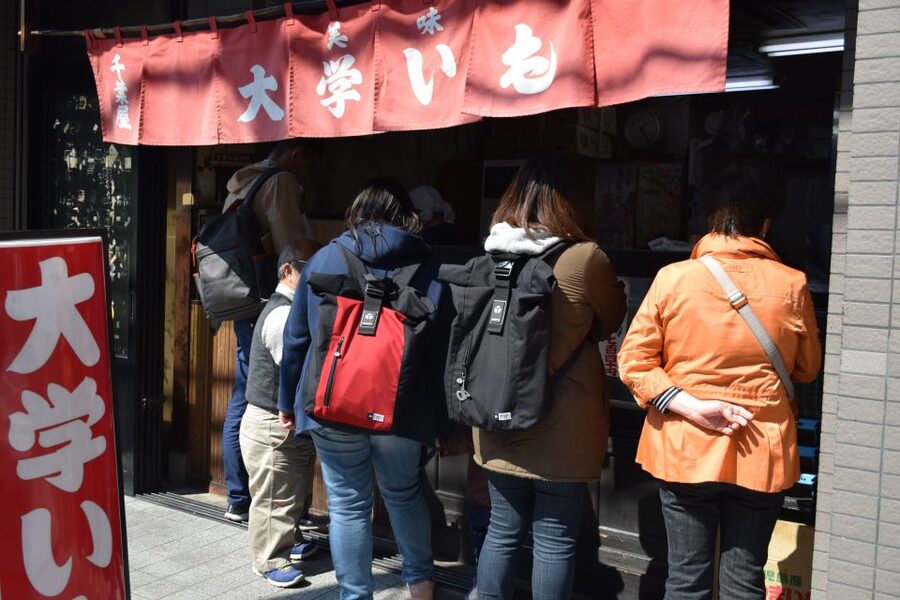
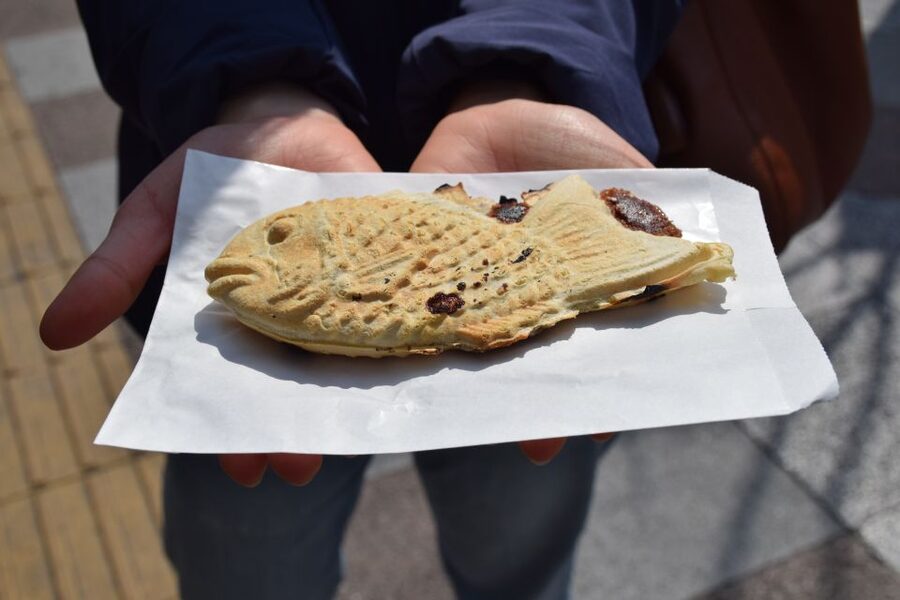
The final food portion includes Japanese snacks that began with a Tokyo food stand about 50 years ago. The description calls this a lesser-known find, and that is appealing for visitors who have already seen the main Asakusa shopping streets.
This stop adds range to the meal. You will not spend the full tour eating only sushi or noodles. Instead, you move through seafood, soba, gyoza, rice crackers, and snacks, with each food showing a different part of Japanese eating culture.
Because the tour is designed around full lunch-size tastings, you should arrive hungry but not desperate. The food is not just a series of tiny bites. The portions are intended to function as lunch, and one direct account described the tour as both fun and filling. If you have a large breakfast, you may find the later stops harder to enjoy.
The exact snack selection can change, so I would not book this tour expecting one particular dish. The strength is the variety and the chance to try foods you may not think to order on your own.
Sensoji Temple gives the food a wider context
Sensoji Temple is included near the end or as part of the wider route. It is one of Tokyo’s largest and most important temple sites, and it gives the walk a cultural anchor after the food stops.
You will learn about Japanese culture and history while seeing a place that draws large numbers of people each day. The tour is not a full temple-focused visit, so do not expect the same amount of time you would have if you came only to photograph the gate, explore the grounds, and study the buildings.
That limitation is also part of the appeal. You see Sensoji in relation to the neighborhood around it, rather than treating it as an isolated monument. The surrounding food businesses, shopping streets, and small restaurants help explain why Asakusa has remained such a useful place to visit for both locals and first-time visitors.
If Sensoji is a top priority for you, consider returning independently for a longer look. The tour gives you context and orientation, but the 150-minute schedule has several food stops to fit in.
What the guides add to the day
The guide can make or break a small food tour, and the feedback here is especially strong on that point. Guides named Max, Shino, Chi, and Leigh have been described as friendly, patient, clear in English, and good at answering questions about food and Japanese customs.
Max has been noted for visiting two sit-down restaurants and two additional food stops while also covering the main Asakusa sights. Shino was praised for making everyone feel comfortable and engaged. Chi helped explain proper sushi habits, and Leigh was credited with keeping the route organized and the translation clear.
These details suggest that the experience depends a little on who leads your departure, but the guide role is well defined. You are not simply following a person from one restaurant to another. You are getting help with ordering, eating styles, local customs, and neighborhood context.
The small group should make this especially useful for families and mixed-age parties. A guide has already shown the ability to engage both older adults and children, and to adjust when participants have special requests. Still, you should share important dietary needs before booking if possible, since the available information does not promise a specific allergy-free or vegetarian menu.
Is $76 a fair price?
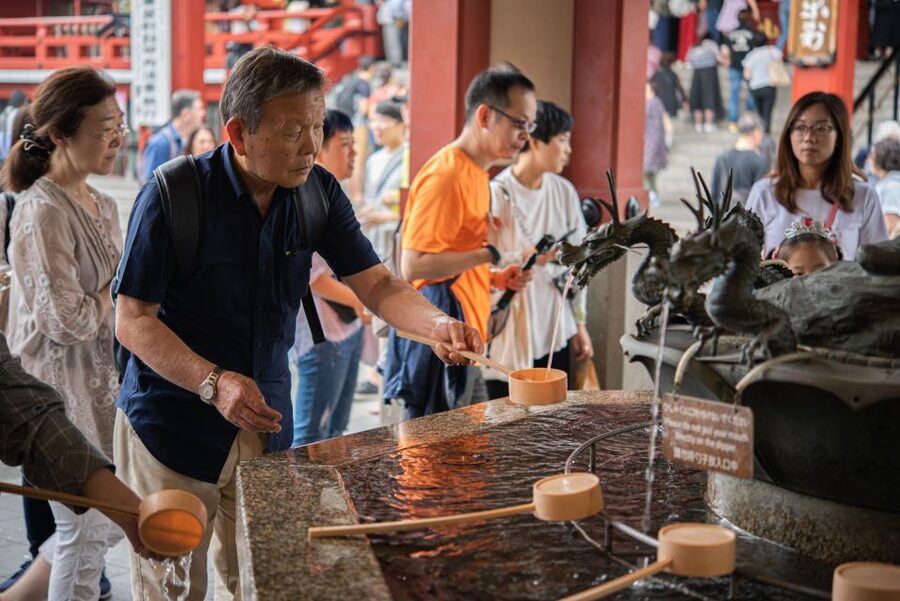
At $76 per person, this is not the cheapest way to eat in Asakusa. You could certainly spend less by choosing one noodle shop and buying snacks on your own. The price makes more sense when you count the lunch-size tastings, the English-speaking guide, the local restaurant access, and the time saved finding each stop.
I see the strongest value in the combination of food and translation. It is easy to walk past a small restaurant in Tokyo because you are unsure how to enter, what to order, or how the meal works. Here, the guide handles that uncertainty while explaining what you are eating.
The price is less attractive if you mainly want a large, leisurely lunch. You are paying for movement, teaching, and several kinds of food, not just the cheapest possible meal. It is also less useful if you have already spent several days eating your way through Tokyo with a confident Japanese-speaking friend.
For a first or second day in the city, though, the tour can help you get your bearings in Asakusa fast. You leave with a better sense of where to eat and what to look for when you explore independently.
Timing, walking, and practical comfort
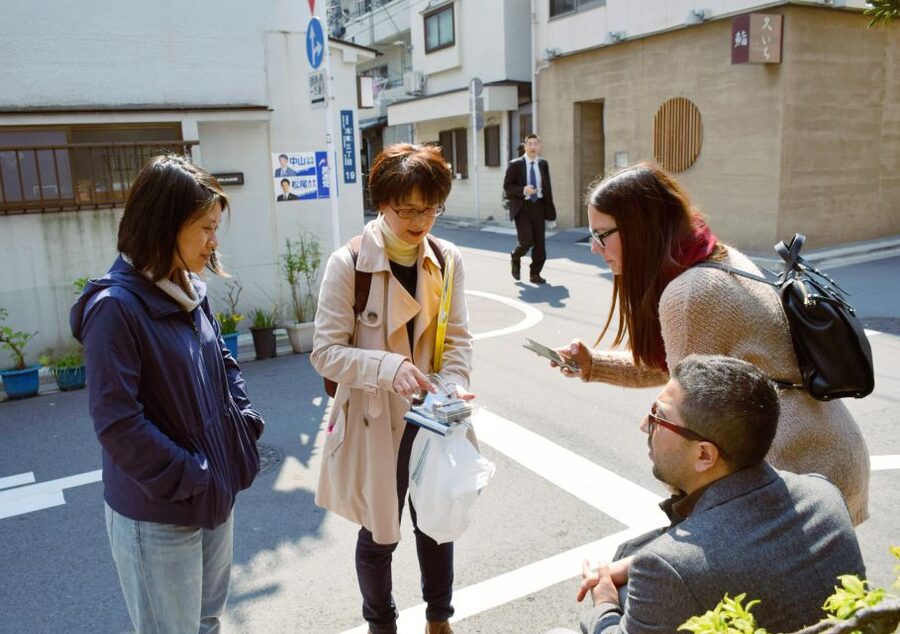
The tour runs for two hours from 11:30 to 14:00, with the listed duration given as 150 minutes. That timing makes it easy to use as a midday activity, but you should not plan a tight appointment immediately afterward. Food service and walking times can vary, and the route includes several stops.
Wear comfortable shoes. The distance is only about 1 to 2 kilometers, yet you may spend time standing at the sushi counter and moving between food shops. On hot days, the combination of walking, crowds, and a full meal can feel tiring. Bring water and take advantage of the rests offered by the guide.
Transportation is not included. The tour begins at Hinatomaru Kaminarimon, so you are responsible for reaching the meeting point and handling any transport after the tour. Build in extra time to find the exact spot, especially if you are new to Asakusa.
Cancellation is flexible up to 24 hours before the activity for a full refund, and you can reserve now and pay later. Those terms are useful if your Tokyo plans may shift, though the key practical issue remains the fixed midday schedule.
Who will enjoy this food tour most?
I would choose this tour if you want to eat well while learning how local food fits into Japanese culture. It suits first-time visitors who want more than the standard Sensoji route, as well as repeat visitors who have already seen the main temple area.
It is a good match for:
- People who want a proper lunch while sightseeing
- Visitors curious about sushi customs and unfamiliar seafood
- Couples and families who prefer a small group
- Anyone nervous about entering local restaurants alone
- Food lovers who want several styles of Japanese food in one outing
- Visitors who enjoy neighborhood walks more than formal museum tours
I would hesitate if you dislike seafood, need a fully seated experience, or want a slow and highly detailed Sensoji visit. I would also think twice if you have serious dietary restrictions that have not been confirmed in advance, since the available details do not list a tailored menu.
Should you book the Asakusa food tour?
Book it if you want a compact introduction to Asakusa that combines lunch, food customs, local shops, and Sensoji Temple. The best parts are the small group, the family-run stops, and the practical guidance on eating sushi and ordering in places you might skip on your own.
Skip it if your main goal is a long temple visit or the lowest-cost meal possible. For most visitors, though, $76 is reasonable for a 150-minute route with several substantial tastings and an English-speaking guide. I would schedule it early in a Tokyo stay, then use what you learn to return to Asakusa on your own.
FAQ
Where does the Asakusa food tour meet?
The meeting point is Hinatomaru Kaminarimon at 1 Chome-20-3 Asakusa, Taito City, Tokyo.
How long does the tour last?
The activity lasts 150 minutes, with the stated schedule running from 11:30 to 14:00.
How much walking is involved?
You will walk about 1 to 2 kilometers through Asakusa. Comfortable shoes are recommended.
What food is included?
The tour includes lunch-size tastings such as sushi, fresh seafood, soba, gyoza, handmade rice crackers, and Japanese snacks. The exact snack selection is not specified.
Is the tour conducted in English?
Yes. It has a live English-speaking guide.
How many people are in the group?
The tour is limited to six participants.
Is transportation included?
No. Transportation is not included, so you must reach the meeting point and arrange any transport after the tour yourself.
Can I cancel for a refund?
Yes. You can cancel up to 24 hours in advance for a full refund. You can also reserve now and pay later.
More 2 Hour Experiences in Tokyo
- Ninja Samurai 2-hour hands-on lesson by Japanese master in Tokyo
★ 5.0 · 194 reviews - Tokyo 2-Hour Genuine Samurai Experience: Kendo in Japan
★ 5.0 · 112 reviews - Tokyo: Flagship 2-Hour Street Go-Kart Tour by Street Kart
★ 4.9 · 94 reviews - Tokyo: Shinjuku Izakaya and Golden Gai Bar Hopping Tour (2h)
★ 4.9 · 67 reviews
More history and heritage tours in Tokyo
- Tokyo: Imperial Palace and Shogun Historical Walking Tour
★ 5.0 · 2,251 reviews - Tokyo: Imperial Palace Japanese History Walking Tour
★ 4.9 · 987 reviews - Tokyo: Shinjuku Historical Walking Tour & Secret Backstreets
★ 5.0 · 530 reviews - Yanaka Walking Tour: Historic and Traditional District of Tokyo
★ 5.0 · 530 reviews
Newly reviewed around Tokyo
- Tokyo Asakusa:Calligraphy & Make T-shirt Activity★ 5.0 · 62 reviews
- Intercity Shuttle, Tokyo to Haneda /Narita /Yokohama /Makuhari★ 5.0 · 5 reviews
- 1 Hour Travel around Tokyo with a Professional Photographer★ 5.0 · 3 reviews
- Travel Tokyo with Your Own Personal Photographer★ 5.0 · 43 reviews
- Train in Samurai Swordsmanship and Defeat the Demon in Tokyo★ 5.0 · 5 reviews
- Shuttle Van 6hr Tokyo Tour to-and-from Tokyo, Yokohama and Narita★ 5.0 · 9 reviews
- Kickboxing & Body Training with EX-Pro Fighter★ 5.0 · 4 reviews
- Traditional Japanese Knife Sharpening Class★ 5.0 · 18 reviews
Asakusa and Sensoji Tours, compared.

Japanese Dance Cabaret Theater Asakusa-Kaguwa Ticket
Read our review →
Meiji Shrine, Asakusa, Skytree Bus Tour and Cruise
Read our review →
Roll and Authentic Sushi Making Class in Asakusa
Read our review →
Asakusa Walking Tour with Sensoji Temple Visit
Read our review →
Tokyo Panoramic 1 Day: Meiji Shrine, Asakusa, Odaiba and SKYTREE®
Read our review →
Tokyo Go Kart: Asakusa, Skytree, and Akihabara **IDP MUST**
Read our review →
Asakusa, Skytree & Akhihabara Go-Kart City Experience
Read our review →Browse the lists this tour appears in