
Reviewed · TOKYO TEA CEREMONY EXPERIENCES
Mochi Matcha Gluten Free Japanese Sweets Class near Shibuya area
Making mochi in a private Japanese home gives this class its special flavor. Sakura welcomes you into her kitchen, explains the cultural meaning behind the sweets, and guides you through four different treats, including matcha green tea mochi.
I like the one-on-one attention and the useful recipe you take home. I also like that the class works well for children, families, and people avoiding gluten. The main drawback is the price: at $112.01 per person, this costs more than a casual cooking activity, and the two-hour format leaves little time for a broader look at Japanese food.
Key points to know before booking
- Private home setting: You learn in Sakura’s own kitchen rather than a large commercial cooking studio.
- Four sweets in two hours: The class covers several Japanese treats, with matcha mochi as a central focus.
- Gluten-free friendly: The lesson is designed around gluten-free Japanese sweets, useful for people with celiac disease or gluten restrictions.
- Patient English-speaking teacher: Sakura is a qualified instructor who works especially well with beginners and children.
- Recipe included: You leave with instructions for making the sweets for family and friends at home.
- Photo table and tea: Your finished desserts are arranged for photos, and Japanese green tea is included.
A private mochi lesson near Shibuya
This is not a quick demonstration where you watch someone else work. You get your hands into the process, handle unfamiliar textures, and learn how Japanese sweets come together under Sakura’s direction.
The meeting point is at 1-chōme-11-13 Sangenjaya in Setagaya City, near public transportation and described as being in the Shibuya area. The class returns to that same meeting point. Check your route carefully before setting out, since Sangenjaya is not the same as central Shibuya, even though it is a convenient part of the wider Tokyo area.
The setting matters. A private home feels more personal than a busy class venue, and the experience includes small touches that make it feel like a visit as well as a lesson. Sakura has a dog named Chocolate, which may be part of the friendly home atmosphere, though the focus remains on the cooking.
You should allow about two hours. That is enough time to learn the basic techniques, make four sweets, taste the results, and take photos, but it is not a long food tour or a full day of Japanese culinary instruction.
More things to do in Shibuya:
- Official Street Go-Kart in Shibuya
★ 5.0 · 3,435 reviews - Tokyo: Street Kart Experience in Shibuya
★ 4.9 · 1,484 reviews - Shibuya Meltdown Nightlife Tour: All-You-Can-Drink Bar Hopping
★ 5.0 · 1,058 reviews
What you make during the two hours
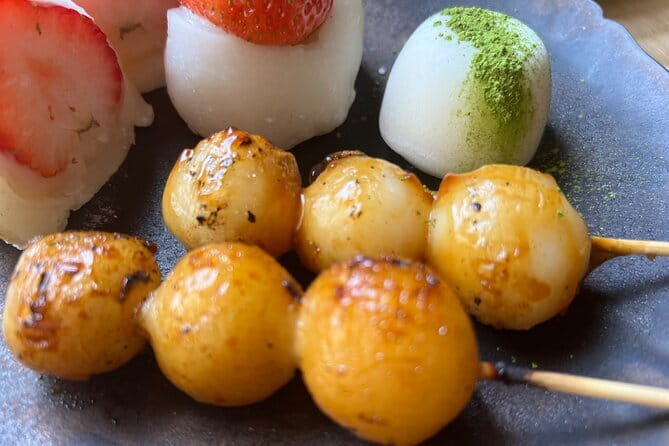
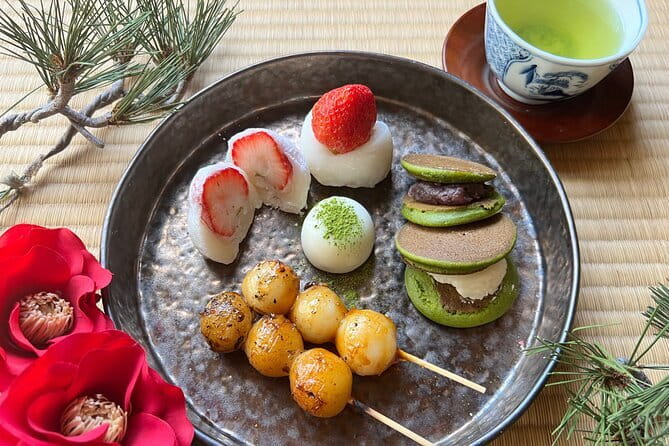
The lesson centers on traditional Japanese sweet treats, with matcha green tea mochi called out as a featured item. You learn why mochi matters in Japanese food culture while working through the practical steps yourself.
The class also covers three other sweets. The precise selection may depend on the session, so you should not book expecting a fixed menu beyond the stated four types. That variety is one of the better reasons to choose this activity over a single-recipe workshop. You can compare shapes, textures, and preparation methods in one sitting.
Mochi can feel simple when you see the finished sweet in a shop window. In practice, the texture is part of the challenge. Sakura helps you get comfortable with the ingredients and hands-on work, which is especially useful if you have never made Japanese sweets before.
Matcha adds a distinct tea flavor and a green color that makes the finished desserts attractive in photos. The class presents these sweets as easy to make and suitable for all ages, but you should still expect active participation rather than a completely relaxed tasting session.
One benefit of making the sweets yourself is that you understand the result better. You are not simply handed a mochi and told what it is. You see how the texture forms, learn how the sweet is assembled, and gain enough practice to repeat the process at home.
Sakura’s teaching style and the private format
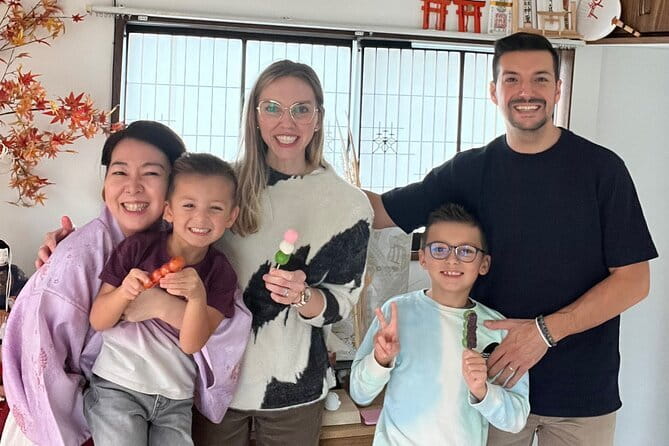
Sakura is described as a qualified, professional teacher with particular experience working with children. That makes this a sensible choice for a family looking for an indoor activity that feels more meaningful than a standard rainy-day stop.
The private format is also valuable for beginners. You can ask questions at your own pace, repeat a step, or request help without holding up a large class. If your group is small, the lesson may feel close to a private tutorial, with Sakura able to focus on your technique.
Her English is described as excellent, which helps when a recipe depends on clear instructions and timing. You also receive guided instruction throughout the session, rather than being left to follow a printed card alone.
I would especially consider this class for someone who feels uncertain around Japanese ingredients. Mochi making involves textures and methods that may be unfamiliar, and direct guidance makes the activity less intimidating.
The tradeoff is that a private home class is more intimate and less polished than a large cooking school. You should choose it for personal instruction and local contact, not for a formal restaurant-style setting or a staged culinary show.
Why the gluten-free focus matters
Many visitors with celiac disease or gluten restrictions find Japanese sweets easier to approach than wheat-based baked goods, but you still need to communicate your needs clearly when booking. This class is specifically presented as a gluten-free sweets experience, which gives it a useful advantage for people who cannot casually sample ordinary desserts.
The available information does not list every ingredient or explain how the kitchen handles cross-contact. If you have a serious allergy or celiac disease, contact the provider before booking and confirm the details you need. Gluten-free labeling is helpful, but it is not a substitute for discussing your own medical requirements.
For people who simply prefer gluten-free food, the class offers a fun way to take part in Japanese food culture without guessing at ingredients. You make the sweets yourself and learn recipes you can adapt or repeat at home.
The class also presents Japanese sweets as low in fat and healthy. Treat that as general guidance rather than a medical claim. These are still sweets, but the lesson does offer a lighter alternative to many rich Western desserts.
More Tokyo tea ceremonies:
- Matcha Making Class in Tokyo with Authentic Japanese Sweets Set
★ 5.0 · 744 reviews - Tokyo: Traditional Tea Ceremony with a Tea Master
★ 5.0 · 528 reviews - Dynamic Tokyo: Tokyo Tower, Tea Experience, Bay Cruise Day Tour
★ 4.5 · 521 reviews - Tokyo: Matcha Making Experience with Mochi Sweets in Asakusa
★ 4.9 · 388 reviews
The cultural side of wagashi and mochi
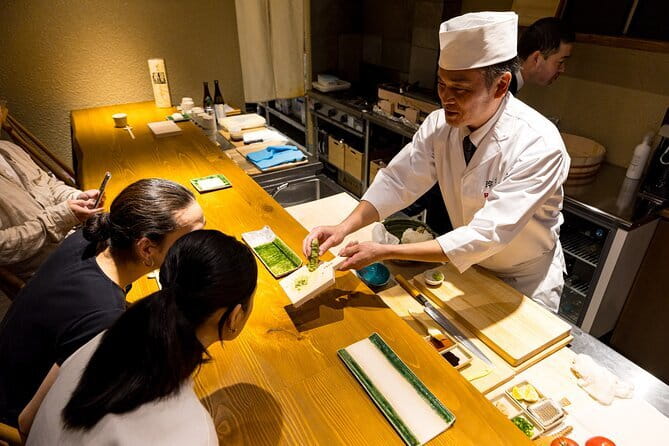
The value here is not only the finished food. Sakura explains the origins and cultural significance of mochi and other Japanese sweets as you work. That context helps you understand why these small, carefully shaped treats have such an important place in Japan.
Japanese sweets are often tied to season, ceremony, tea, and presentation. Even a simple matcha mochi can carry more meaning than its size suggests. The class gives you a direct way to connect the food with Japanese customs instead of encountering it only as a packaged souvenir.
You also get to learn about different kinds of sweets rather than treating mochi as one single food. The hands-on format makes the information easier to remember because each explanation is tied to something you are shaping or tasting.
This is a good choice if you like activities that leave you with a skill. You do not just collect a photograph or pass through a famous sight. You receive recipes and can try making the sweets for friends and family after returning home.
Tea, aprons, and the photo table
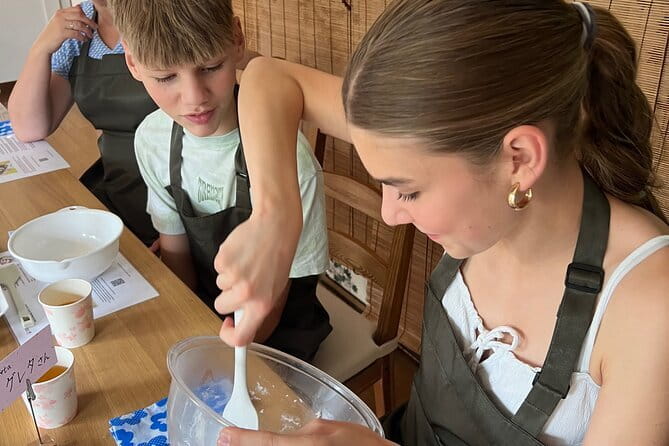
An apron is included, so you do not need to plan your clothing around flour or sticky ingredients. Japanese green tea is also provided, adding a natural companion to the sweets and reinforcing the connection between wagashi and tea culture.
The finished desserts are placed on a small photo-op table. That detail may sound minor, but it gives you a chance to photograph the results before eating them. Japanese sweets are often made with appearance in mind, and the photo table lets you record the shapes and colors you worked to create.
You should bring a phone or camera if you want to save those images. The available details do not promise professional photography, so think of this as a simple presentation area rather than a formal photo session.
The class ends back at the meeting point. Alcoholic beverages are not included, which is unlikely to matter for a sweets workshop but is worth noting if you were expecting a broader food-and-drink pairing.
Is $112.01 a fair price?
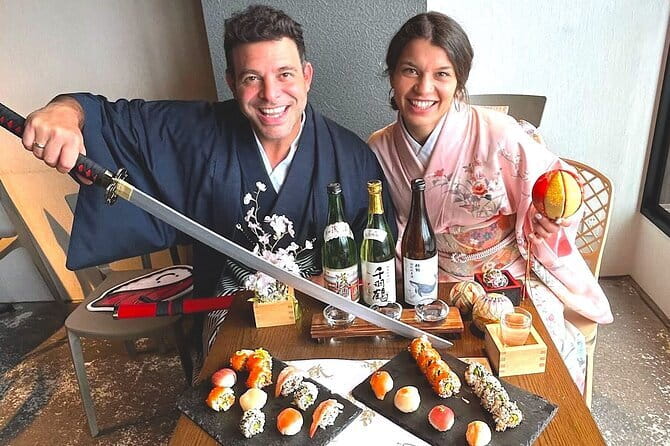
At $112.01 per person, this is a premium activity for two hours. You are paying for more than ingredients: the private setting, Sakura’s direct attention, guided instruction, tea, an apron, four sweets, recipes, and a personal cultural exchange all form part of the value.
The price makes more sense if you are traveling with family, have a gluten restriction, or place a high value on private teaching. A large group may also benefit from the available group discount, though the exact reduced price is not provided.
It is less compelling if you only want to taste mochi or take a short cooking class at the lowest possible cost. Tokyo offers many inexpensive food experiences, and this one is best judged as a private lesson rather than a snack stop.
The class is booked an average of 38 days ahead, so it is sensible to reserve early if the timing matters to you. Confirmation is sent within 48 hours of booking, subject to availability. That timing is important if you are building a tightly scheduled Tokyo itinerary.
The experience has a five-star rating from 26 reviews and is recommended by 100 percent of those ratings. That is a strong record, especially for a small, personal activity, but the right choice still depends on your interest in making sweets rather than simply eating them.
Who should book this experience
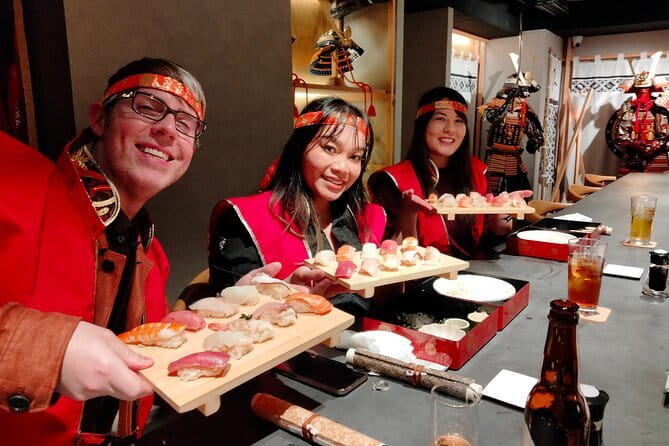
I would recommend it most strongly to:
- Families looking for a weather-proof Tokyo activity
- Children who enjoy cooking and hands-on crafts
- First-time visitors who want contact with a local host
- People seeking gluten-free Japanese sweets
- Matcha and mochi fans
- Visitors who want a recipe and skill to take home
- Couples or small groups who prefer a private lesson
It can also be a thoughtful final-day activity. One person used it as a way to end a Japan trip, and that makes sense: you leave with a memory you can recreate after the souvenirs are unpacked.
You should think twice if you dislike sticky textures, do not enjoy following food instructions, or want a fast sightseeing stop. The class asks you to participate. It is not designed for someone who wants to sit back and watch.
The private home setting may also be less suitable if you prefer a large professional studio with several instructors and a fixed production line. Here, the personal contact is the point.
Timing, cancellation, and practical planning
The class lasts approximately two hours and ends where it begins. It is near public transportation, but the provided meeting point is in Sangenjaya, so map the address before leaving your hotel or a central Tokyo sight.
Mobile tickets are accepted, and group discounts are available. Since the activity is private, only your group participates, which can make the experience easier to manage for families or friends with different skill levels.
Free cancellation is available up to 24 hours before the start time for a full refund. Cancellations or changes made less than 24 hours before the local start time are not accepted for a refund.
Should you book Sakura’s mochi class?
Book it if you want a personal, indoor Tokyo activity with real participation, clear instruction, and something useful to take home. The combination of four gluten-free sweets, Japanese tea, recipes, and a private home setting gives the two hours more substance than a standard tasting.
I would be especially comfortable recommending it to families, beginners, and anyone with gluten concerns who confirms ingredient and cross-contact details in advance. The price is high, but the private attention and recipe-based format help explain it.
Skip it if your main goal is cheap food, a famous Shibuya view, or a broad tour of Tokyo. For the right person, though, this is a warm and practical way to learn about Japanese sweets with Sakura, then carry the experience into your own kitchen.
FAQ
Where does the mochi class take place?
The meeting point is 1-chōme-11-13 Sangenjaya, Setagaya City, Tokyo 154-0024, Japan. The activity is described as being near the Shibuya area and close to public transportation.
How long does the class last?
The class lasts approximately two hours.
Is the class private?
Yes. Only your group participates in the activity.
How many sweets will I make?
You will make four different types of Japanese sweets during the lesson. Matcha green tea mochi is specifically included among the featured sweets.
Is the class gluten-free?
The experience is presented as a gluten-free Japanese sweets class. If you have celiac disease or a serious allergy, contact the provider before booking to discuss ingredients and kitchen procedures.
Is Japanese tea included?
Yes. Japanese green tea is included. An apron is also provided.
Will I receive recipes?
Yes. You receive recipes so you can make the sweets for family and friends at home.
Can I cancel for a full refund?
Yes, if you cancel at least 24 hours before the experience start time. Cancellations or changes made less than 24 hours before the start time are not accepted for a refund.
More hands-on classes and workshops in Tokyo
- Sushi Making Tokyo Roll and Authentic Japanese Sushi Class
★ 5.0 · 3,971 reviews - Tokyo: Roll and Authentic Sushi Making Class in Asakusa
★ 4.9 · 1,957 reviews - Tokyo Shinjuku Chopsticks Making Class
★ 5.0 · 1,763 reviews - Tokyo: Sushi Making Class in a Happi Coat near a Famous Spot
★ 4.9 · 1,377 reviews
More Dessert Tours in Tokyo
- Make Traditional Nerikiri Sweets & Matcha experience in Shibuya
★ 5.0 · 130 reviews - Private Mochi Sweets Making class near Shibuya area
★ 5.0 · 93 reviews - Japanese Traditional Sweets making and Tea Ceremony
★ 4.7 · 50 reviews - Tokyo Local Food Tour: Noodles, Skewers, Dumplings, Sweets
★ 5.0 · 48 reviews
Newly reviewed around Tokyo
- Tokyo Asakusa:Calligraphy & Make T-shirt Activity★ 5.0 · 62 reviews
- Intercity Shuttle, Tokyo to Haneda /Narita /Yokohama /Makuhari★ 5.0 · 5 reviews
- 1 Hour Travel around Tokyo with a Professional Photographer★ 5.0 · 3 reviews
- Travel Tokyo with Your Own Personal Photographer★ 5.0 · 43 reviews
- Shuttle Van 6hr Tokyo Tour to-and-from Tokyo, Yokohama and Narita★ 5.0 · 9 reviews
- Kickboxing & Body Training with EX-Pro Fighter★ 5.0 · 4 reviews
- Train in Samurai Swordsmanship and Defeat the Demon in Tokyo★ 5.0 · 5 reviews
- Traditional Japanese Knife Sharpening Class★ 5.0 · 18 reviews
Tokyo Tea Ceremony Experiences, compared.
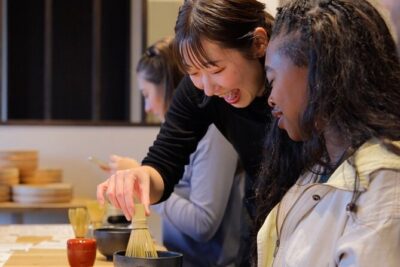
Matcha Making Class in Tokyo with Authentic Japanese Sweets Set
Read our review →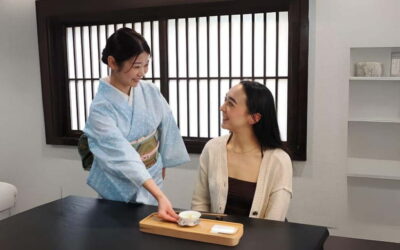
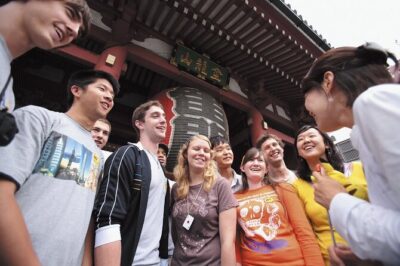
Dynamic Tokyo: Tokyo Tower, Tea Experience, Bay Cruise Day Tour
Read our review →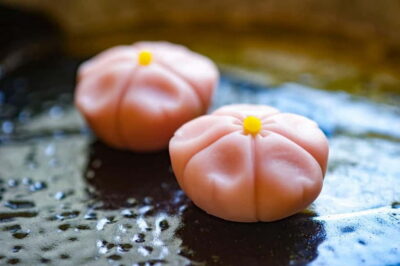
Matcha Making Experience with Mochi Sweets in Asakusa
Read our review →
Tea Ceremony Workshop in Tokyo by the Experienced Instrucor
Read our review →
Browse the lists this tour appears in