
Reviewed · TOKYO TEA CEREMONY EXPERIENCES
Tea Ceremony Workshop in Tokyo by the Experienced Instrucor
The most valuable part of this Tokyo tea workshop is that you do not simply watch a polished performance. You learn the meaning behind the movements, taste both strong and thin matcha, then make tea yourself in a traditional tatami room. I like the small-group setting and the chance to act as both host and guest. I also like the welcome Sakura tea and three kinds of Japanese confectionery, which give the class a pleasant rhythm.
There is one practical catch: the tearoom is upstairs in a 1940s Japanese house with a very steep staircase. Socks are required, and miniskirts or tight pants are poor choices for sitting on tatami. You can request a chair if sitting on the floor is not possible, but the building has no equipment to help people up the stairs.
Key details before you book
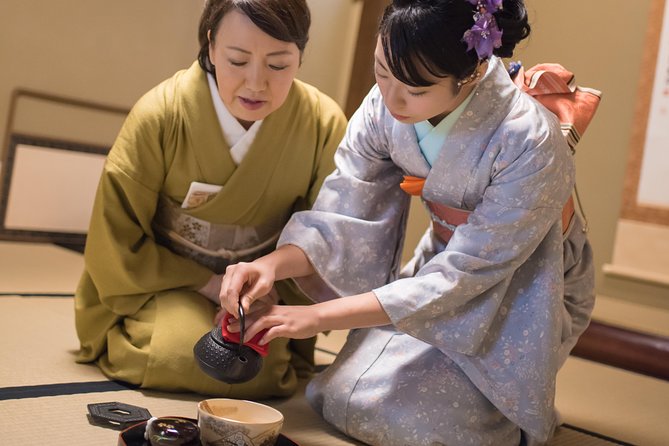
- A real Chado lesson: The workshop takes place at a school licensed by the Urasenke Chado School in Kyoto, rather than in a modern event venue.
- Watch, taste, then practice: You see a formal koicha ceremony before preparing your own bowl of usucha.
- English instruction: The instructor explains the history, etiquette, tea tools, and philosophy in English.
- Small and intimate: The group limit is six people, although some tour information also refers to an eight-person capacity.
- More than matcha: Sakura tea, traditional sweets, koicha, usucha, and several tea types are included.
- Convenient Asakusa location: Meet at 2-chome 3-12 Kotobuki, Taito City, and finish at the same address.
What this Tokyo tea ceremony actually teaches
A Japanese tea ceremony is not just a careful way to prepare a drink. Chado, often translated as the way of tea, links tea preparation with attention, hospitality, respect, and calm. This class gives you a practical introduction without asking you to commit to the many hours that a full formal ceremony can require.
The format works well for first-time visitors. You begin with an explanation of Chado and its place in Japanese culture, then move into the tearoom for observation and practice. The instructor explains what is happening as she works, so you are not left guessing why a bowl is turned, why utensils are arranged in a certain order, or why sweets are served before tea.
Ms. Haneishi is identified in the experience information as the instructor, and the class is held at an established school rather than a casual matcha café. Her long experience teaching tea ceremony comes through in the structure of the session. She is also fluent in English, an important point when the subject involves small gestures and cultural ideas that can be easy to miss.
I would approach this as a cultural lesson with tea tasting, not as a café visit. If your main goal is a large cup of sweet matcha, this may feel too formal. If you want to understand why tea preparation matters in Japan, the format gives you much more.
More Tokyo tea ceremonies:
- Matcha Making Class in Tokyo with Authentic Japanese Sweets Set
★ 5.0 · 744 reviews - Tokyo: Traditional Tea Ceremony with a Tea Master
★ 5.0 · 528 reviews - Dynamic Tokyo: Tokyo Tower, Tea Experience, Bay Cruise Day Tour
★ 4.5 · 521 reviews
Entering the old house in Kotobuki
The meeting point is in Tokyo’s Taito City, near Asakusa and public transportation. Be careful with the address when using a map: the correct location is 2-3-12 Kotobuki. Some map results reportedly show 2-3-3, so check the full address before setting out.
The tea room is on the second floor of an old Japanese-style house built in the 1940s. That age is part of the appeal. You are not entering a staged hotel room or a sleek studio. The setting helps explain why tea ceremony pays such close attention to space, silence, seasonal objects, and the way people enter and sit.
It also brings real limitations. The staircase is very steep, and there is no machinery to assist with climbing it. The building has a weight capacity, too, so a larger booking may occasionally need a different time to keep the group within safe limits. The stated maximum is six people, while the practical information also discusses balancing groups of up to eight. If this matters to you, ask the provider before booking.
You do not have to sit in seiza, the formal position with your legs folded beneath you. A chair can be provided if sitting on tatami is not possible. Still, tell the provider ahead of time rather than waiting until the class begins.
Sakura tea and a short introduction
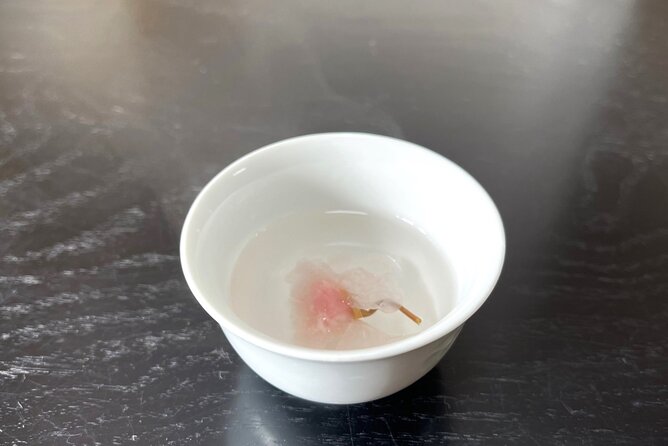
The session opens with Sakura tea, a cherry blossom tea served by the host. This is a gentle welcome rather than the main tasting, and it sets the tone for the hospitality that runs through the class.
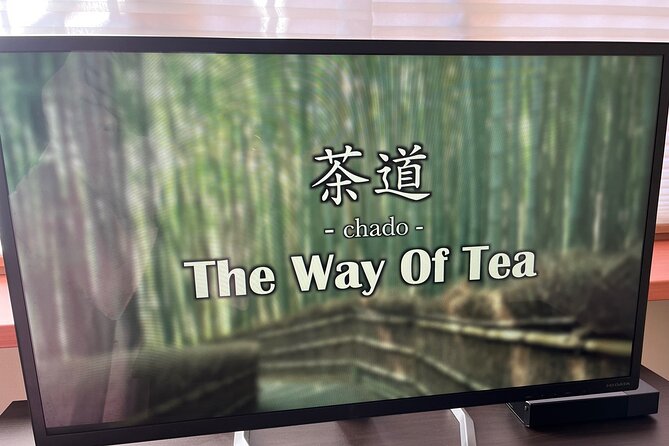
A roughly 10-minute video follows. It introduces the history and basic ideas of Chado before you move into the tearoom. I like this short classroom element because it gives you a framework for what you are about to see. The video is not the reason to book the experience, but it helps prevent the ceremony from becoming a string of unexplained motions.
The opening also gives the instructor a chance to introduce the tea room and its purpose. The room is not simply a place to sit and drink. Its design encourages a slower pace, with attention directed toward the host, the bowl, the tools, and the other people present.
This is where the class feels different from a quick demonstration at a tourist attraction. You have time to understand the setting before the formal preparation begins.
Watching koicha, the strong ceremonial tea
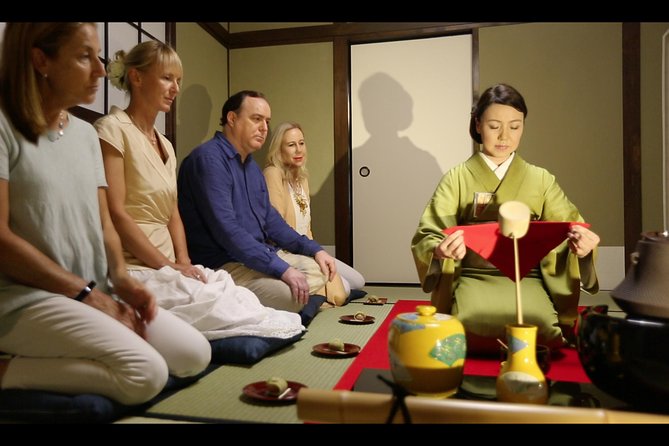
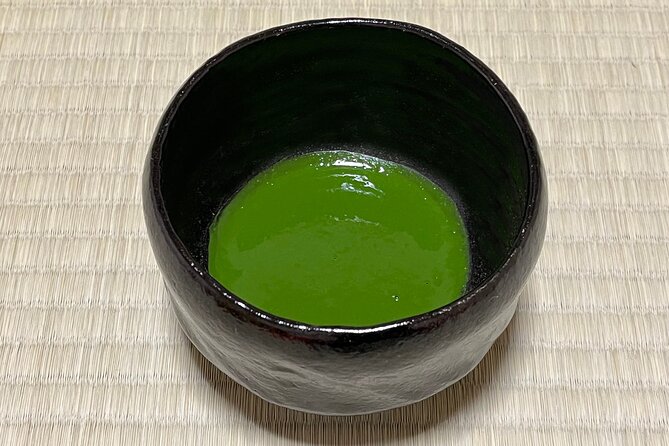
The formal performance centers on koicha, a thick, strong matcha traditionally associated with the older form of tea drinking. The instructor prepares it with precise movements and explains the ceremony as she goes.
Koicha can be an unexpected taste. It is far stronger and thicker than the thin, foamy matcha many people know from cafés. The experience information connects it with the tea enjoyed by samurai, which gives you a useful sense of its place in older Japanese tea culture. It is not necessarily the flavor everyone prefers, but tasting it helps you understand the range of matcha preparation.
The ceremony is also a lesson in restraint. The movements are controlled, the tools are handled with care, and the quiet moments are intentional. You are invited to leave ordinary distractions behind and pay attention to what is in front of you.
I would not expect a full master-level ceremony in this setting. The class is designed as an introduction, and that is its strength. You see the formal structure without spending an entire day learning every rule.
More hands-on classes and workshops in Tokyo:
- Sushi Making Tokyo Roll and Authentic Japanese Sushi Class
★ 5.0 · 3,971 reviews - Tokyo: Roll and Authentic Sushi Making Class in Asakusa
★ 4.9 · 1,957 reviews - Tokyo Shinjuku Chopsticks Making Class
★ 5.0 · 1,763 reviews - Tokyo: Sushi Making Class in a Happi Coat near a Famous Spot
★ 4.9 · 1,377 reviews
Tea bowls, sweets, and the meaning of sequence
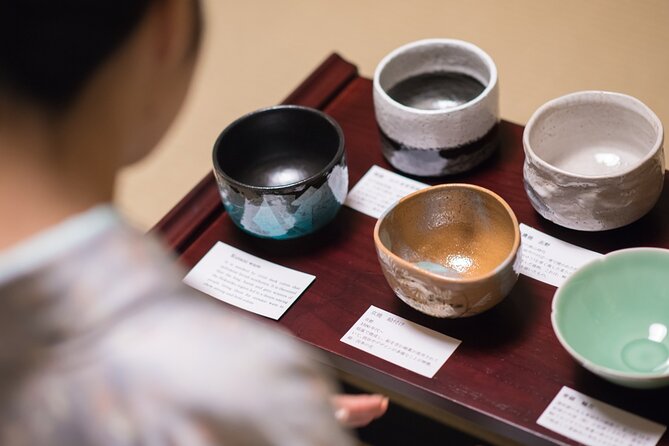
Before or around the tea preparation, you learn about tea bowls from different regions. The instructor explains how shape can affect the taste and the experience of drinking. This is a small but worthwhile detail, because it shows that the bowl is not a disposable container. Its weight, form, texture, and origin all influence how the tea feels in your hands.
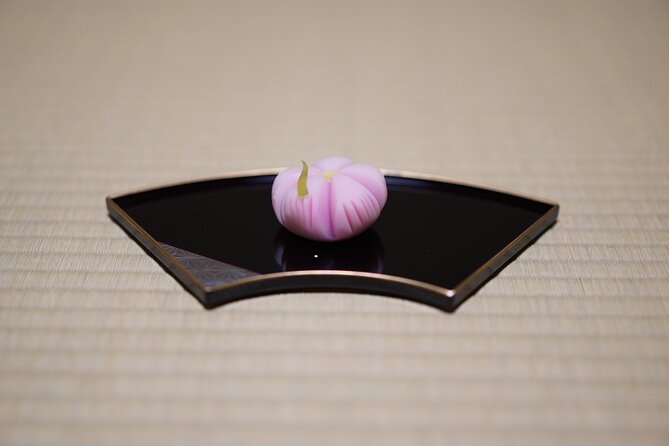
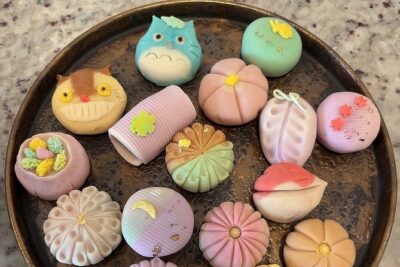
The confectionery is another strong part of the session. You receive traditional Japanese sweets, including a confection to accompany the ceremony and dry sweets before the usucha. The information describes three kinds of local Japanese confectionery overall.
The order matters. Sweets prepare your palate for the bitter tea, while dry sweets provide a simpler contrast before the thin matcha. You are not just being handed snacks between activities. You are seeing how tea, food, utensils, and hospitality work together.
The sweets also make this a good choice for families. The hands-on parts give younger participants something concrete to do, and the class is open to children age 10 and above. One family described the activity as working well for teenagers, with one child later buying matcha to take home. That kind of curiosity is a good sign for parents deciding if a formal cultural activity will hold a young person’s attention.
Making usucha yourself
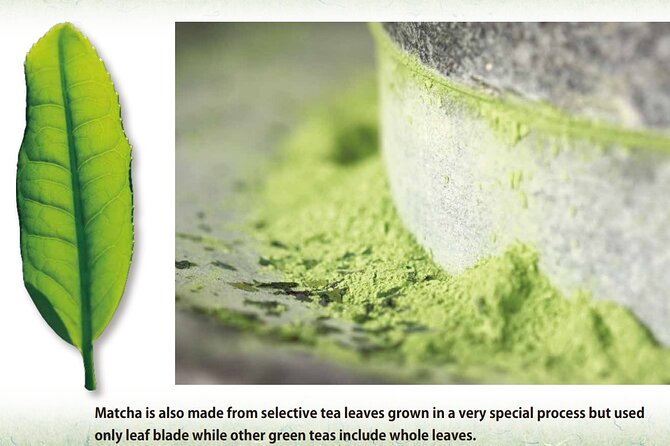
After watching the formal preparation, you get your own turn. The instructor demonstrates how to make usucha, the thinner matcha with a thick layer of foam. You learn about matcha powder, use the tea tools, and whisk a bowl for yourself.
This is the point where the workshop earns its price. A demonstration can be pleasant, but the hands-on lesson gives you a physical memory of the process. You must pay attention to the bowl, the amount of powder, the water, and the whisking motion. Even a simple bowl takes more care than stirring powder into a mug.
You also practice serving tea as both host and guest. That exchange matters because Chado is about relationships as much as preparation. The host offers care through the tea, while the guest receives it with awareness and respect.
Do not expect your first bowl to look like the instructor’s. The point is not perfect foam. The point is learning the basic action and understanding why each step is done. The class keeps the atmosphere friendly, so you can enjoy the attempt instead of worrying about getting every movement exactly right.
The usucha is usually easier for newcomers to enjoy than koicha. It is lighter, foamy, and more familiar to anyone who has tried matcha before. By tasting both, you can work out which style suits you.
How long it takes and what the price covers
The published duration is approximately one hour and 30 minutes, despite the tour summary displaying a longer day-based duration. Plan around 90 minutes for the actual workshop, and allow extra time to reach the meeting point in Asakusa.
At $38.47 per person, the experience offers solid value if you want more than a drink and a photo. The fee covers instruction, the Sakura tea, the formal ceremony, tea tastings, sweets, and your own hands-on preparation. You are also paying for a small class in a traditional room, led by an instructor connected with a Urasenke-licensed school.
The value is less clear if you only want to sample matcha. Tokyo has cheaper places to buy a cup. This activity makes sense when you want explanation, ceremony, participation, and cultural context in one compact session.
Several start times are available, which helps you place it around sightseeing in Asakusa. I would schedule it when you can slow down afterward rather than squeezing it between two rushed attractions. The meditation and quiet parts work better when you are not watching the clock.
Clothing, comfort, and access
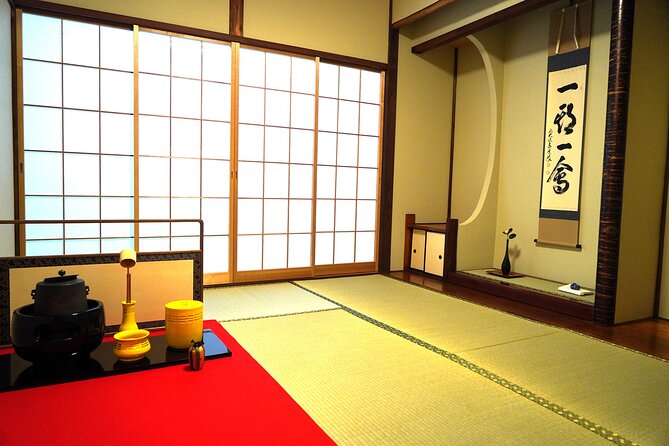
Wear socks. Bare feet are not allowed in the tea room, and this rule is firm because you will be on tatami. Bring a pair if you are wearing sandals.
Choose loose, comfortable clothing. Miniskirts and tight pants are not recommended, partly because of the floor seating and partly because tea ceremony involves careful movement. You do not need formal Japanese clothing.
Most people can take part, and the activity is designed for participants age 10 and older. The main access issue is the steep staircase to the second floor. A chair is available for anyone unable to sit on tatami, but the old building is not equipped with a lift or mechanical assistance.
This is also an intimate activity rather than a large group event. The limit is listed as six people, and several descriptions of the session point to groups of two to five. A small group makes it easier to ask questions and get help with the whisking technique.
Who will get the most from this workshop
I would recommend it to you if you want a calm cultural activity in Tokyo and prefer learning by doing. It suits couples, families with older children, solo visitors, and anyone curious about the difference between ordinary matcha and formal Chado tea.
It is especially useful for first-time visitors because the instructor explains the background without assuming prior knowledge. You can observe the ceremony, taste the tea, and then try the basic process in the same session.
You may want to skip it if you dislike floor-based settings, cannot manage a steep staircase, or want a casual café-style drink. You may also find it too introductory if you already study Chado and want advanced instruction or a long formal ceremony.
The tone is peaceful, but not every minute is silent. There is a video, explanation, demonstration, tasting, and practice. Think of it as a structured introduction with a meditative center.
Cancellation and meeting details
Free cancellation is available until 24 hours before the scheduled start time. Cancel at least a full day ahead for a refund. Changes or cancellations made inside that 24-hour window are not accepted for a refund, with cut-off times based on Tokyo local time.
Confirmation is sent within 48 hours, subject to availability. The activity starts and ends at 2-chome 3-12 Kotobuki, Taito City, Tokyo 111-0042, Japan. It is near public transportation, and you should verify the address carefully because some map results show the wrong building number.
Should you book this tea ceremony?
Book it if you want a hands-on introduction to Japanese tea culture rather than a quick matcha tasting. The combination of an experienced English-speaking instructor, a traditional old house, formal koicha, lighter usucha, local sweets, and your own tea preparation gives the session real substance for its price.
I would be most cautious about the steep stairs and the tatami setting. If those are manageable, this is a thoughtful way to add quiet and cultural context to an Asakusa visit. Bring socks, wear comfortable clothes, confirm the 2-3-12 address, and allow about 90 minutes to slow down and pay attention.
FAQ
Where does the tea ceremony workshop take place?
It takes place at 2-chome 3-12 Kotobuki, Taito City, Tokyo 111-0042, Japan, in the Asakusa area. The activity ends back at the meeting point.
How long does the workshop last?
The experience lasts approximately one hour and 30 minutes.
What teas will I taste?
You taste koicha, a strong and thick matcha, and usucha, a thinner matcha with foam. The session also includes Sakura tea and an introduction to matcha powder.
Can I make my own matcha?
Yes. After watching the instructor prepare tea, you take part in a hands-on lesson to make a bowl of usucha.
Are Japanese sweets included?
Yes. The workshop includes traditional Japanese confectionery, including dry sweets served before the usucha. Three kinds of local Japanese confectionery are included overall.
Do I have to sit in seiza?
No. You do not have to sit in seiza. A chair can be provided if you cannot sit on the tatami floor.
Are socks required?
Yes. Bare feet are not allowed in the tea room, so you need to bring and wear socks.
Is the workshop suitable for children?
The activity is designed for participants age 10 and older. The group size is limited, with a maximum of six people stated for the activity.
Newly reviewed around Tokyo
- Tokyo Asakusa:Calligraphy & Make T-shirt Activity★ 5.0 · 62 reviews
- Intercity Shuttle, Tokyo to Haneda /Narita /Yokohama /Makuhari★ 5.0 · 5 reviews
- 1 Hour Travel around Tokyo with a Professional Photographer★ 5.0 · 3 reviews
- Travel Tokyo with Your Own Personal Photographer★ 5.0 · 43 reviews
- Train in Samurai Swordsmanship and Defeat the Demon in Tokyo★ 5.0 · 5 reviews
- Shuttle Van 6hr Tokyo Tour to-and-from Tokyo, Yokohama and Narita★ 5.0 · 9 reviews
- Kickboxing & Body Training with EX-Pro Fighter★ 5.0 · 4 reviews
- Traditional Japanese Knife Sharpening Class★ 5.0 · 18 reviews
Tokyo Tea Ceremony Experiences, compared.
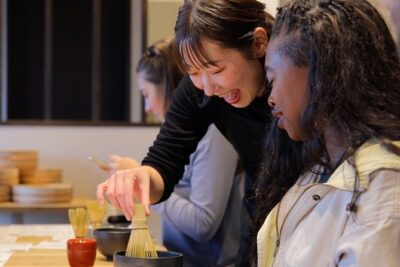
Matcha Making Class in Tokyo with Authentic Japanese Sweets Set
Read our review →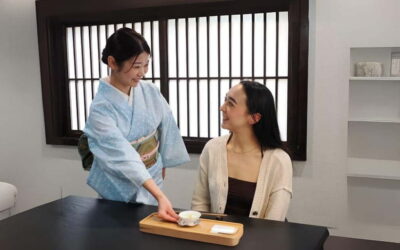
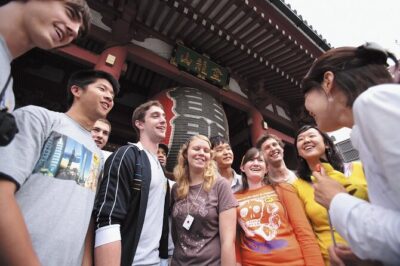
Dynamic Tokyo: Tokyo Tower, Tea Experience, Bay Cruise Day Tour
Read our review →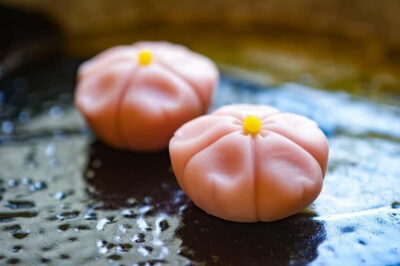
Matcha Making Experience with Mochi Sweets in Asakusa
Read our review →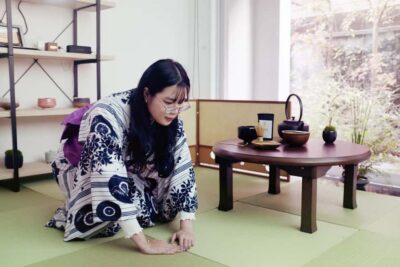
Make Traditional Nerikiri Sweets & Matcha experience in Shibuya
Read our review →Browse the lists this tour appears in