
Reviewed · TSUKIJI AND TOYOSU FISH MARKET TOURS
Toyosu Market Morning Tuna Auction and Tsukiji Food Tour with Licensed Guide
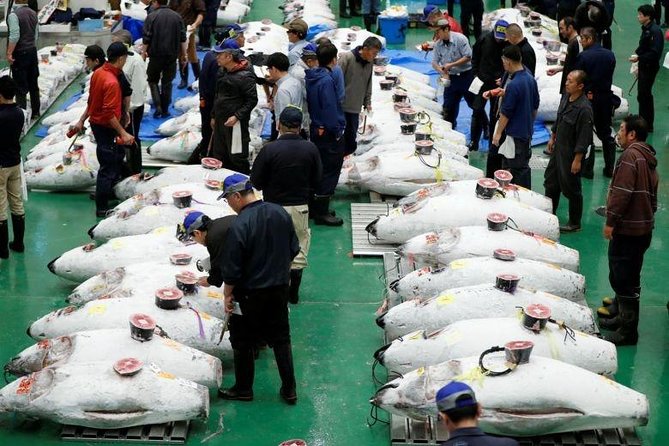
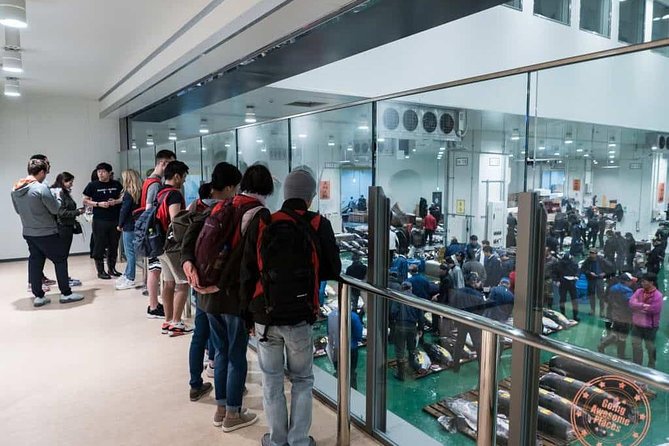
The main event here is the Toyosu tuna auction, where giant bluefin tuna move through a brisk wholesale process before most Tokyo diners ever see them. You watch from a public viewing area, then follow your guide through Toyosu and onward to the older Tsukiji market.
I like two things right away. First, a private guide makes a huge market easier to understand, especially when auction activity moves fast. Second, the route links modern Toyosu with Tsukiji’s food stalls, giving you both the working wholesale market and the lively retail side. The drawback is simple: 5:00 am is brutally early, and the $148.65 price does not include transport, breakfast, or an observation deck ticket.
Key points to know before booking
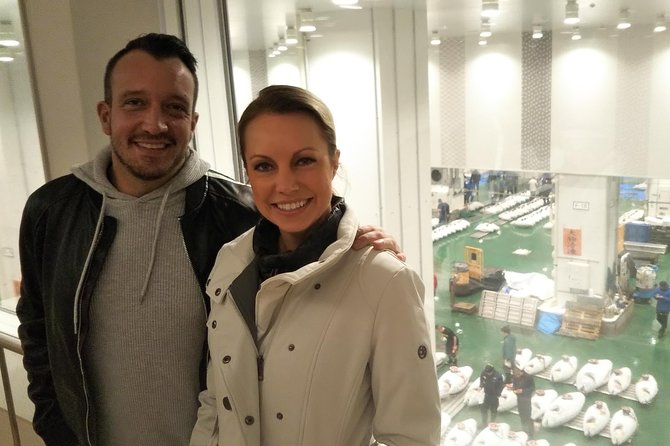
- The tuna auction begins your morning at Toyosu, with viewing from a public third-floor area.
- This is a private tour, so your group receives the guide’s full attention rather than joining a mixed party.
- Tsukiji is best for food and browsing, with time to buy breakfast, seafood, snacks, or souvenirs after the guided portion.
- The observation deck is not included, and its lottery must be entered about a month ahead. Groups are limited to five for that special viewing area.
- Guides vary in style, with highly praised leaders including Katsu, Toru, Yoshii, Goreilo, Mami, Naoko, and Mami.
- Transport costs are extra, and the published arrangement says pickup and drop-off are on foot within a designated Tokyo area.
Why Toyosu and Tsukiji belong in the same morning
Toyosu and Tsukiji tell two different chapters of Tokyo’s food story. Toyosu opened on October 11, 2018, taking over the wholesale role once associated with the old Tsukiji market. Its large, modern facilities are built for trade, auction work, and controlled movement of seafood and produce.
Tsukiji is older in feel and more public-facing. Its Outer Market is filled with shops and food counters where you can browse ingredients, taste seafood, and find cooking goods. The contrast is useful: Toyosu shows how the wholesale system works, while Tsukiji lets you experience the food culture closer to street level.
You could visit both without a guide, but the markets are not laid out like tidy museum exhibits. A guide helps you understand what you are seeing, where visitors may go, and how the tuna auction fits into the larger supply chain. I especially like that the tour also teaches you how to use Tokyo’s public transportation, a handy lesson early in a Japan trip.
More Tsukiji and Toyosu fish market tours:
- Tokyo Tsukiji Fish Market Food and Culture Walking Tour
★ 5.0 · 3,184 reviews - Tokyo: Tsukiji Fish Market Food and Walking tour
★ 5.0 · 1,724 reviews - Tokyo: Tsukiji Fish Market Guided Walking Tour
★ 4.9 · 1,397 reviews
Meeting at 5:00 am in Tokyo
The tour begins at 5:00 am. The formal meeting information names Toyosu Market, while the tour description says pickup and drop-off are on foot within a selected area of Tokyo. Read that carefully before booking. This is not a private-car tour, and transportation fees are not included.
A few guides have met groups at hotels and used a taxi because trains do not run early enough. That is not the same as included vehicle service, so confirm the exact meeting plan with the operator. If you are staying near Toyosu, the start may be easier. If you are elsewhere in Tokyo, allow extra time and budget for transport.
The early hour has one advantage: it places you at the market when the wholesale work is underway. If you are visiting Tokyo at the beginning of your trip, jet lag may work in your favor. A 4:30 or 5:00 am wake-up is still hard, but it can be less painful before your body adjusts to local time.
Wear comfortable shoes. This is a walking tour, and the morning includes Toyosu, transport between markets, and Tsukiji. The route is not designed around a private vehicle or long seated transfers.
Watching the tuna auction at Toyosu
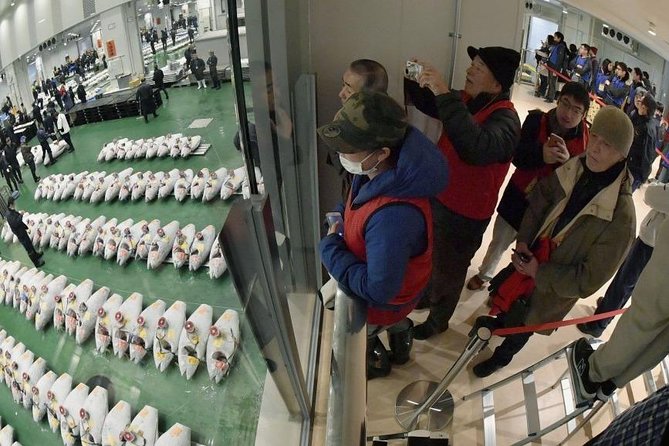
Toyosu’s tuna auction is the reason to choose this tour. Your guide takes you to the public viewing area, where you can watch the auction from behind the designated viewing point. You cannot simply walk onto the auction floor. Access to that working area requires a license, so set your expectations before you arrive.
From the public space, the action can be quick. A good guide helps you notice the inspection process, the organized bidding, and the way professional buyers examine the tuna. Guides such as Toru, Katsu, Yoshii, and Goreilo have been praised for explaining the auction process clearly and answering questions as the work unfolds.
The regular public area is included as part of the tour arrangement, but the closer observation deck is separate. That special ticket requires a lottery application about a month in advance. The maximum group size for that lottery viewing is five. If seeing the tuna from the closest possible public position matters to you, treat the lottery as an extra project, not as part of the standard booking.
This distinction also explains some mixed expectations. The public viewing area gives you a real look at the auction, but it is not a behind-the-scenes floor visit. You are watching a working market from an approved visitor space. That is still worthwhile, especially when your guide adds the business and cultural context that a quick solo visit may miss.
The value of a guide inside a huge market
Toyosu is large enough that first-time visitors can lose time simply finding the right viewing point. One highly praised guide, Katsu, used a folder with diagrams and auction information. Other guides took photographs, answered questions, and explained how the market differs from old Tsukiji.
That personal help is the strongest argument for the price. The tour is private, so your guide can slow down for questions or adjust the focus toward fish, vegetables, auction mechanics, Japanese food customs, or transport. Guides including Yoshii, Naoko, Hiro, Mami, and Goreilo have also been praised for giving advice that continued to help people around Tokyo after the tour.
The quality of any private tour depends heavily on the individual guide. Several guides are described as warm, funny, organized, and fluent in English. A smaller number of experiences were less satisfying, with limited explanations, rushed walking, or English that made questions difficult. That is not a reason to dismiss the tour, but it is a reason to contact the operator in advance with clear requests.
Ask for a guide who can explain the auction in detail, not just escort you to the viewing area. If you care about food, ask for help choosing breakfast. If you want transport advice, say so before the morning begins.
More Tokyo food tours:
- Tokyo: Shinjuku Food Tour (13 Dishes at 4 Local Eateries)
★ 5.0 · 6,603 reviews - Tokyo: Shinjuku Food Tour (15 Dishes and 4 Eateries)
★ 4.9 · 2,033 reviews - Best of Shinjuku: Izakaya Food Tour (4 Stops, 14+ Tastings)
★ 5.0 · 1,863 reviews - Tokyo Night Foodie Tour in Shinjuku – Seasonal Sushi, Wagyu Beef
★ 5.0 · 1,161 reviews
Moving from Toyosu to Tsukiji
After Toyosu, the route continues toward Tsukiji. The transfer may use public transportation, and transportation fees are not included in the price. One guide used the Yurikamome line, a scenic choice that gives you a pleasant look at Tokyo’s waterfront. The front of the first car can offer the best view, according to one useful guide tip.
The exact transfer can vary. A bus may be quicker for some routes, while the Yurikamome line may be more enjoyable. A private guide can help you understand Tokyo’s system, but you should still carry a transit card or be ready to pay your own fare.
The schedule can feel tight. The full experience lasts about three hours, and the old market may not be fully open when you finish at Toyosu. One sensible plan is to use the gap for breakfast, then visit Tsukiji as shops open. The tour description also allows you to stay longer for breakfast at your own expense.
Eating and shopping at Tsukiji Outer Market
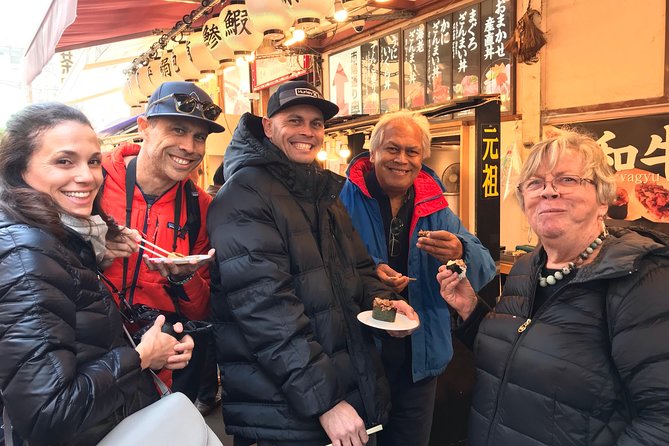
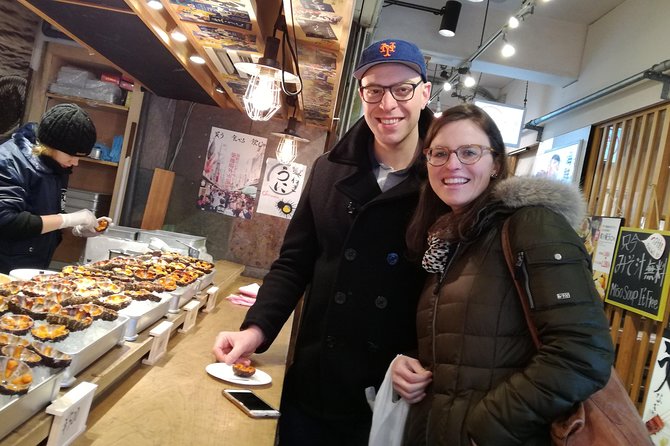
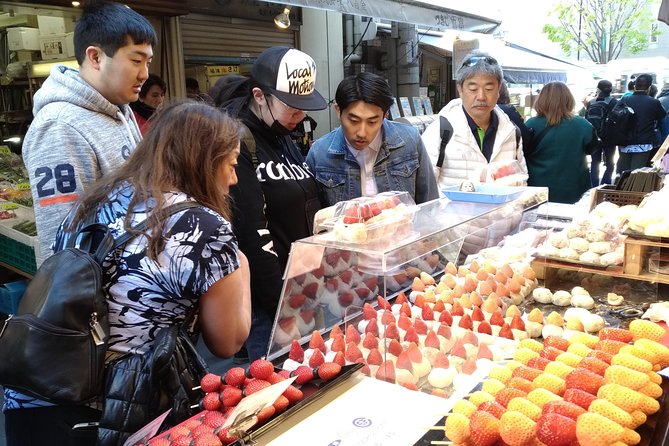
Tsukiji is where the morning becomes more relaxed and food-focused. The Outer Market is filled with shops selling seafood, ingredients, snacks, ceramics, matcha, and other goods. You can browse at your own pace, though the guided time is limited.
Several guides have taken groups to sushi or ramen breakfasts. Others have pointed out oysters, fresh tuna, real wasabi, and local specialties. Food is not included, so you decide how much to spend. That flexibility is useful if one person wants a full sushi meal and another prefers a small snack.
I like this part of the route because it turns the auction into something you can taste. At Toyosu, you see how fish enters the professional food system. At Tsukiji, you can buy or eat some of the ingredients that make Japanese cuisine so respected. A breakfast here may cost extra, but it gives the morning a clear ending.
Be careful with shopping recommendations. One poor experience involved a knife purchased from a stall that was later considered defective. If you buy a knife or another costly item, inspect it closely, ask about returns, and do not feel pressured by a guide’s suggestion. The market offers plenty to enjoy without making a major purchase.
What the $148.65 price really buys
At $148.65 per person, this is not a bargain food walk. You still pay for transport, food, drinks, personal purchases, and any special observation deck access. A private guide also means you cannot combine separate tour groups to reduce the cost.
The price makes more sense if you value structure and explanation. You are paying for a licensed local English-speaking guide, a private format, early access to a complicated market, and help connecting Toyosu with Tsukiji. If you already understand Tokyo transit and are comfortable finding market viewing areas alone, you may prefer to visit independently and spend the difference on breakfast.
For a first visit, or for anyone strongly interested in Japanese food, the convenience can be worth it. A guide can save you from arriving at the wrong building, missing the key viewing point, or walking through Tsukiji without finding the sections that matter. The best guides also add history, humor, local food advice, and practical Tokyo tips.
The value rises when you make the tour personal. Tell the operator that you want auction detail, food recommendations, photography help, or transport coaching. A private tour should feel shaped around your interests, not like a standard speech delivered while the guide walks ahead.
Which guides have earned the strongest praise
Guide assignments can change, but several names appear repeatedly in strong feedback. Katsu, also known as Goreilo, is praised for clear auction explanations, friendly conversation, early communication, and help securing a lottery viewing. Toru is noted for explaining the bidding process and taking groups to a sushi breakfast.
Yoshii is described as organized and good at explaining both Japanese history and the market. Mami, Naoko, Hiro, and Isao are praised for local tips, food suggestions, and friendly help. Kenji Kasama is noted for clear English and strong explanations of the auction.
That said, you cannot assume you will receive a particular guide unless the operator confirms it. The experience can be excellent with the right match, but the reported differences in communication and market knowledge show why your advance questions matter.
Who should book this early morning tour
Book it if you love food systems, fish markets, Japanese cooking, or the sight of professionals at work. It is also a strong choice if this is your first Tokyo visit and you want help with public transportation along with market context.
Families can enjoy it, provided everyone can handle the early start. Several successful outings included parents and children, and guides helped with photos and explanations. Young children who dislike walking or early mornings may find the schedule difficult.
This is less suitable if you want a leisurely breakfast tour. The first part is about watching an active wholesale operation, not sitting down to eat. It is also not ideal if you expect access to the auction floor or a guaranteed close-up observation deck ticket.
December and early January require special care because Tsukiji may be closed for tours during that period. Check the operating dates before you commit to the early wake-up.
My recommendation
I would book this tour if seeing the tuna auction is a top Tokyo goal and you want a guide to make sense of Toyosu. The private format, market-to-market route, and chance to finish with Tsukiji food give you more than a simple viewing visit.
I would skip it if $148.65 feels high once you add transport and breakfast, or if you are happy exploring independently. Before booking, confirm the meeting point, ask how pickup works, and request a guide with strong English and detailed tuna auction knowledge.
For the best morning, plan to arrive ready for a long walk, keep your breakfast budget separate, and treat the regular public viewing area as the standard experience. If you can accept the early hour and the limits on access, this is a memorable way to see where Tokyo’s famous seafood begins.
FAQ
What time does the tour start?
The tour starts at 5:00 am. It is specifically designed for the early morning tuna auction.
Is the tour private?
Yes. Only your group participates, and separate tour groups cannot be combined.
Where is the tuna auction viewed?
The standard tour views the auction from a public space on the third floor of Toyosu Market. You cannot enter the auction floor.
Is the special observation deck included?
No. The observation deck requires a separate lottery application about a month in advance. The maximum group size for that viewing is five.
Are transportation and breakfast included?
No. Transportation fees, food, drinks, and personal expenses are not included. Some guides may help arrange or recommend breakfast, but you pay for it yourself.
Does the guide pick me up at my hotel?
Pickup and drop-off are described as walking arrangements within a designated Tokyo area. Confirm the exact meeting point with the operator, since some outings have involved meeting at a hotel and using a taxi at the group’s expense.
Can I cancel for a full refund?
Yes, if you cancel at least 24 hours before the local start time. Cancellations or changes made less than 24 hours before the start are not accepted for a refund.
More early morning tours in Tokyo
- Tokyo: Sumo Morning Practice Viewing Tour
★ 4.8 · 570 reviews - Tokyo: Sumo Morning Training Visit
★ 4.4 · 370 reviews - Tokyo: Sumo Morning Practice Tour at Sumida City
★ 4.8 · 308 reviews - Tokyo Sumo Morning Practice Tour at Stable
★ 5.0 · 298 reviews
More Tokyo markets and shopping streets
- Tsukiji Fish Market Guided Tour and Sushi Making with Pro Chef
★ 5.0 · 775 reviews - Tokyo: Tsukiji Fish Market Food and Culture Walking Tour
★ 4.7 · 757 reviews - Tsukiji Fish Market: Street Food & Culture Walking Tour
★ 5.0 · 669 reviews - Tsukiji Fish Market Small-Group Food Walking Tour
★ 5.0 · 621 reviews
Newly reviewed around Tokyo
- Tokyo Asakusa:Calligraphy & Make T-shirt Activity★ 5.0 · 62 reviews
- Intercity Shuttle, Tokyo to Haneda /Narita /Yokohama /Makuhari★ 5.0 · 5 reviews
- 1 Hour Travel around Tokyo with a Professional Photographer★ 5.0 · 3 reviews
- Travel Tokyo with Your Own Personal Photographer★ 5.0 · 43 reviews
- Train in Samurai Swordsmanship and Defeat the Demon in Tokyo★ 5.0 · 5 reviews
- Shuttle Van 6hr Tokyo Tour to-and-from Tokyo, Yokohama and Narita★ 5.0 · 9 reviews
- Kickboxing & Body Training with EX-Pro Fighter★ 5.0 · 4 reviews
- Traditional Japanese Knife Sharpening Class★ 5.0 · 18 reviews
Tsukiji and Toyosu Fish Market Tours, compared.
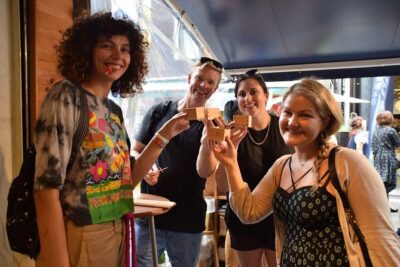
Tokyo Tsukiji Fish Market Food and Culture Walking Tour
Read our review →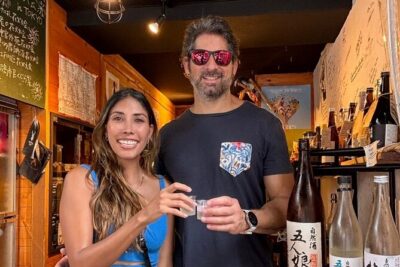
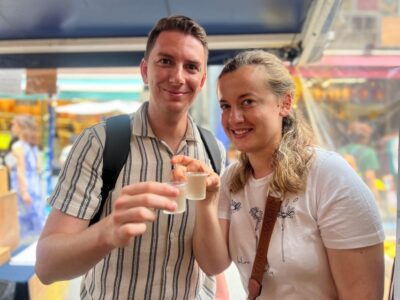
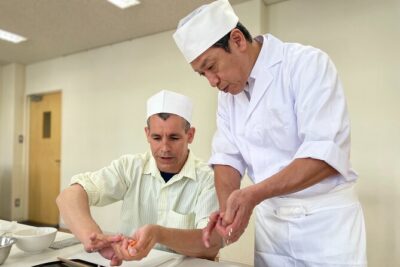
Tokyo Sushi Making Class in Tsukiji with Professional Chef
Read our review →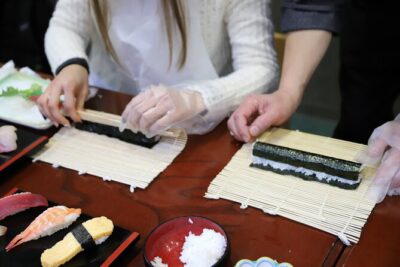
Tsukiji Fish Market Guided Tour and Sushi Making with Pro Chef
Read our review →Tsukiji Fish Market Food and Culture Walking Tour
Read our review →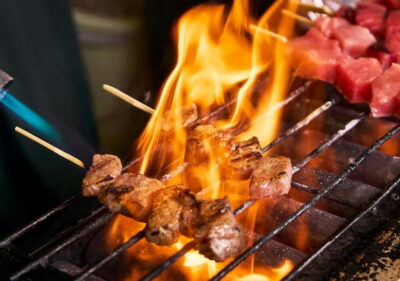
Tsukiji Fish Market: Street Food & Culture Walking Tour
Read our review →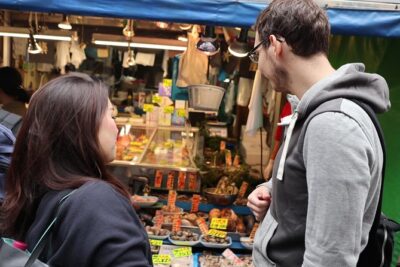
Tsukiji Fish Market Small-Group Food Walking Tour
Read our review →Browse the lists this tour appears in