
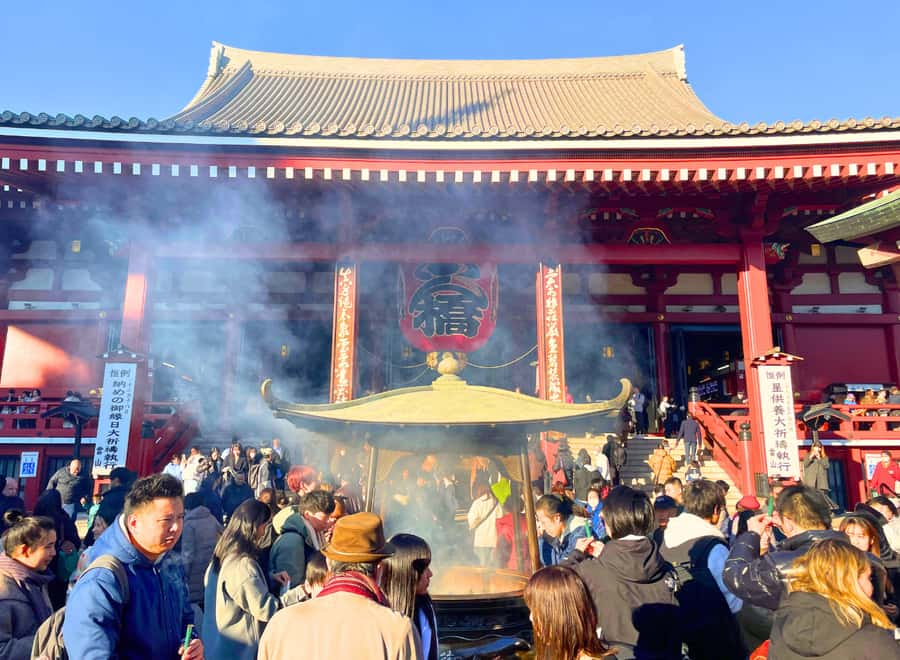
Reviewed · ASAKUSA AND SENSOJI TOURS
Tokyo : Visite des temples d’Asakusa avec guide français
Asakusa’s Sensoji is more than a quick photo stop. On this small-group walk, you’ll learn how a 1,400-year-old Buddhist temple, nearby Shinto shrines, incense, fortune slips, and everyday Tokyo life fit together. The French-speaking guide turns a famous sight into a readable cultural experience.
I like the maximum group size of eight, which should make it easier to ask questions and hear the guide in busy streets. I also like the route’s mix of big sights and quieter religious spaces, especially the chance to compare Buddhist prayers at Sensoji with Shinto customs nearby.
The main consideration is that this is a walking tour in all weather, and it is not suitable for wheelchair users. You’ll need comfortable shoes, weather-ready clothing, and enough energy for a route that includes several stops on foot.
Key points of the Asakusa walking tour
- Start with Tokyo Skytree views: Meet at the Burger King near Asakusa and begin by Azumabashi Bridge, with a clear view toward the Skytree.
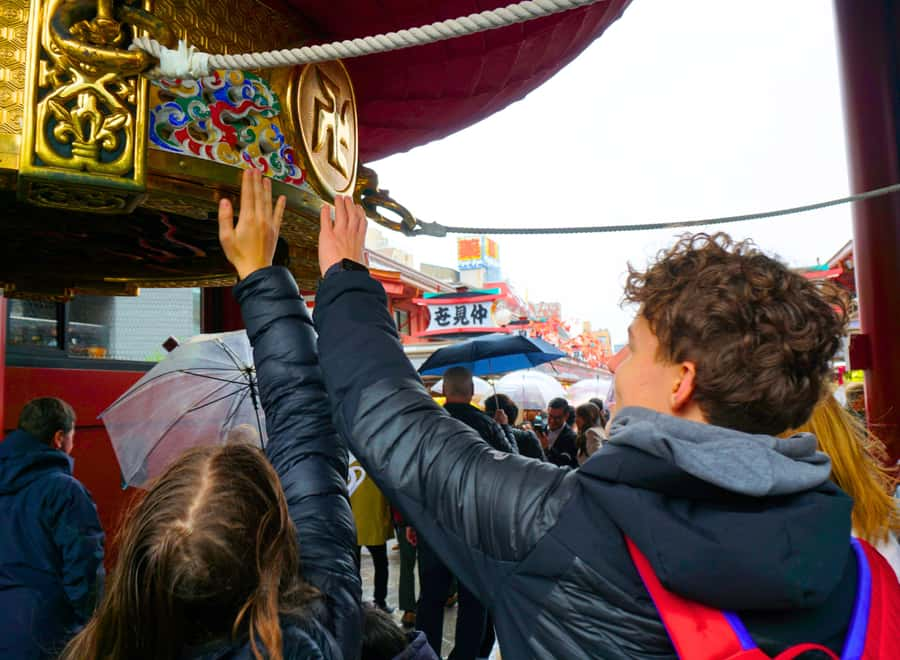
- See Sensoji through its symbols: Learn why Kaminarimon means Gate of Thunder and what its enormous red lantern represents.
- Understand two Japanese faiths: Compare Buddhist and Shinto customs, including hand washing, bows, torii gates, incense, and prayer.
- Use Nakamise as a cultural lesson: Hear the story behind sweets, souvenirs, and the long shopping street leading to Sensoji.
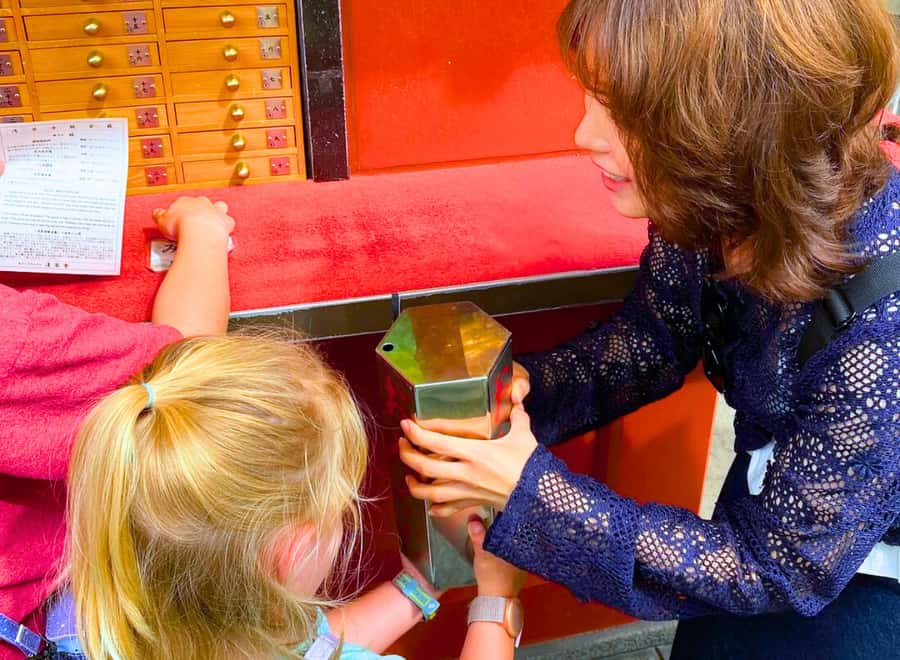
- Try traditional rituals: You can draw an omikuji fortune and use the jokoro incense, known for its healing associations.
- Keep the group personal: Sunrise Adventure limits the group to eight and offers the tour in English or French.
Why Asakusa is the right place for this tour
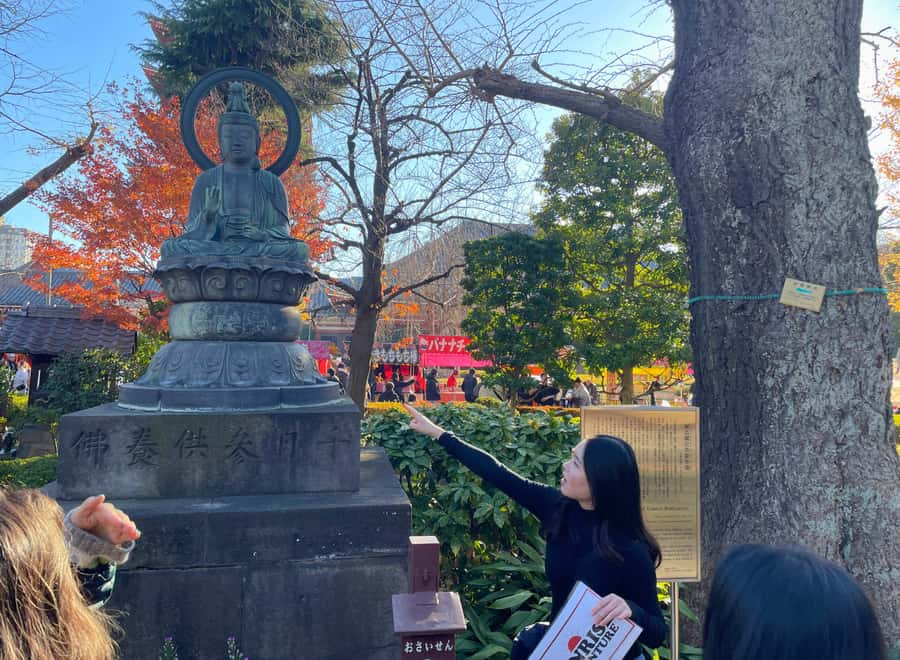
Tokyo can feel modern, fast, and difficult to read. Asakusa gives you a different key to the city. Its old streets, temple grounds, shrines, shopping lanes, and riverside views place religious customs alongside ordinary urban life.
Sensoji is the obvious reason to come. It is also the easiest place to miss the point. Without context, you may see a giant lantern, a long shopping street, a smoking incense burner, and a large temple hall as separate attractions. A guide can connect them and explain what you are seeing before the crowds carry you onward.
This tour is especially useful if you want cultural background without committing to a full-day excursion. The advertised price is $40 per person, and the small group matters here. You are not paying for transport or a meal, but for access to a French-speaking guide, interpretation at several religious sites, and help with customs that can otherwise feel confusing.
The route returns to the original meeting point, so it is easy to fit into a day in Asakusa. You will need to arrange your own transport to Burger King Asakusa, and you should arrive 10 minutes early. The guide waits at the entrance with a Sunrise Adventure sign.
More Asakusa and Sensoji tours:
- Tokyo: Japanese Dance Cabaret Theater Asakusa-Kaguwa Ticket
★ 4.8 · 2,270 reviews - Tokyo: Meiji Shrine, Asakusa, Skytree Bus Tour and Cruise
★ 4.7 · 1,986 reviews - Tokyo: Roll and Authentic Sushi Making Class in Asakusa
★ 4.9 · 1,957 reviews
Azumabashi Bridge and the first view of Tokyo
The walk begins at Azumabashi Bridge. This is a useful opening because it gives you a wider view before the route moves into temple streets. You can see Tokyo Skytree from here, a reminder that Asakusa is not a preserved museum quarter. Old religious buildings and modern Tokyo share the same frame.
I like this first stop because it helps you get your bearings. The tour is not only about Sensoji itself. It is about how the district works as a living part of Tokyo, with a major river, tall modern buildings, busy roads, shops, shrines, and temple grounds all close together.
From the bridge, the route continues toward the Asakusa Tourist Information Center. You’ll go to its top floor for a city panorama. This stop adds welcome scale to the visit. After walking through narrow streets and gates, you can look across the area and understand how the temple quarter sits within the larger city.
The viewpoint also gives you a pause before the most crowded part of the route. Bring your camera, but pay attention to the guide as well. The value of the stop is not just the view. It helps you connect the small details on the ground with the broader shape of Tokyo.
Kaminarimon and the 700-kilogram lantern
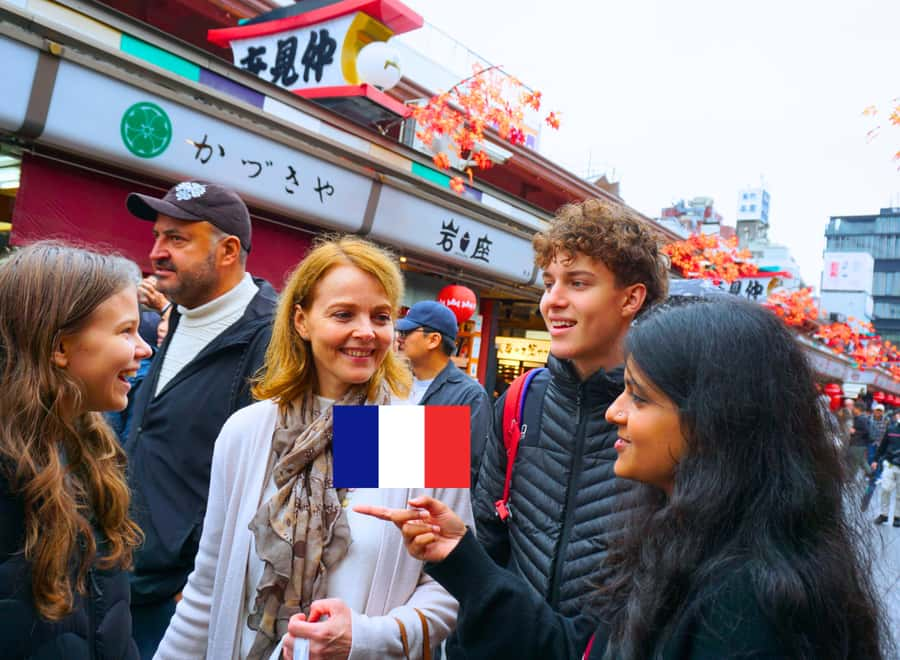
The famous entrance to Sensoji is Kaminarimon, the Gate of Thunder. Its huge red lantern weighs about 700 kilograms, so it is hard to miss. The guide explains the lantern and the meaning behind the gate’s name, giving you a useful story before you enter the temple approach.
This is one of those places where a little information changes what you see. Instead of treating the gate as a large photo frame, you begin to read its religious and cultural role. The name, the lantern, and the entrance itself become part of a longer story.
Kaminarimon can be crowded, so do not expect a quiet first look. The group size of eight should help the guide keep everyone together, but you may still need to move aside for photographs and passing pedestrians. Stay close enough to hear, and save your longest photo stop for a less crowded moment if possible.
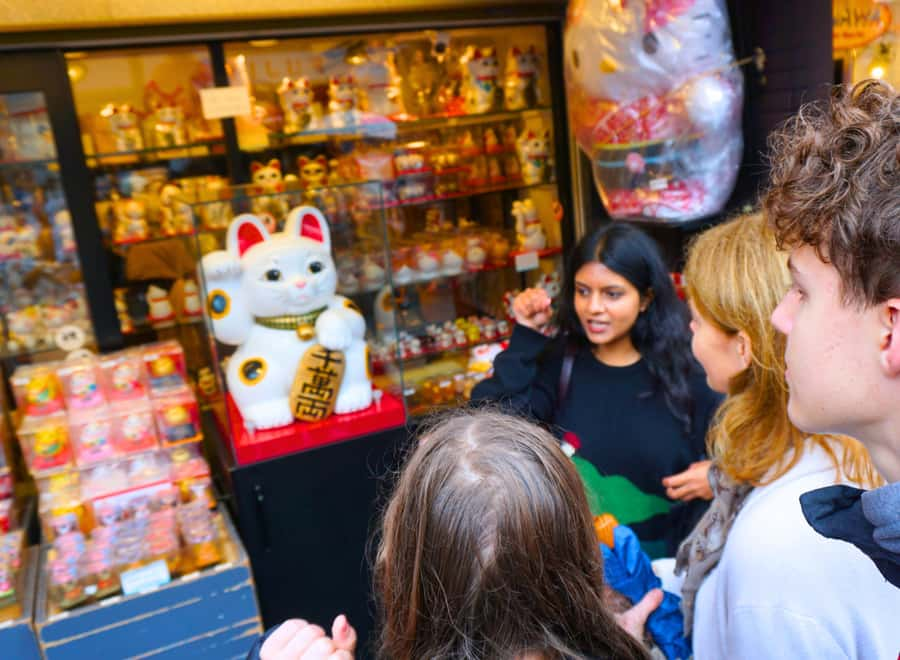
From the gate, the route continues along Nakamise, the shopping street leading toward Sensoji. This is not simply a corridor of souvenir stalls. Your guide explains the cultural meaning of sweets, small gifts, and other items sold along the way.
That context is useful because Nakamise can otherwise feel like a shopping interruption between the gate and the temple. With the guide’s help, you can decide what interests you and understand why food and souvenirs are part of the experience. You may also get suggestions for good places to look, though personal purchases are not included in the tour price.
Nakamise sweets and the art of looking carefully
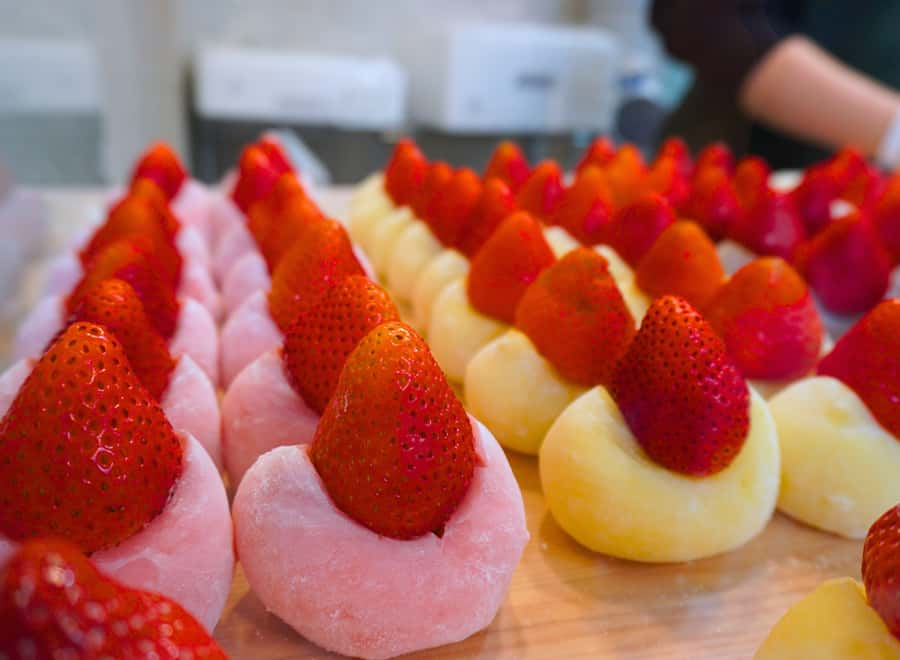
Nakamise is a lively part of the route, but the tour does not ask you to rush through it. The guide points out traditional sweets and explains their place in the local culture. This gives the shopping street a purpose beyond buying something edible for later.
You may want to keep some cash with you. The tour includes no extra costs, but snacks and souvenirs are personal purchases. The supplied information does not specify which stalls you will visit or how long you can shop, so think of Nakamise as a guided introduction rather than a dedicated shopping session.
I appreciate this balance. A temple visit that ignores the surrounding commercial life would give you only part of Asakusa. A tour focused only on shops would miss the spiritual heart of the district. Here, the guide connects both sides.
The street can also be one of the more demanding parts for anyone who dislikes crowds. You are walking, stopping, listening, and making room for other people at the same time. Comfortable shoes and patience will help.
More guided tours in Tokyo:
- Tokyo 6hr Private Tour with Government-Licensed Guide
★ 5.0 · 3,902 reviews - Tokyo: Shinjuku Local Bar and Izakaya Guided Walking Tour
★ 4.9 · 1,794 reviews - Tokyo: Private City Highlights Tour with Local Guide
★ 4.8 · 1,433 reviews - Tokyo: Tsukiji Fish Market Guided Walking Tour
★ 4.9 · 1,397 reviews
Shinto shrines beside a Buddhist temple
The most valuable part of the walk is the attention given to smaller religious sites around Sensoji. The route includes Shinto shrines that many people pass without understanding. This is where the tour moves beyond a standard temple visit.
Japan’s religious customs do not always fit into neat boxes. Buddhism and Shinto have influenced each other for centuries, and modern Japanese life often includes practices from both. The guide explains how they coexist instead of presenting them as totally separate worlds.
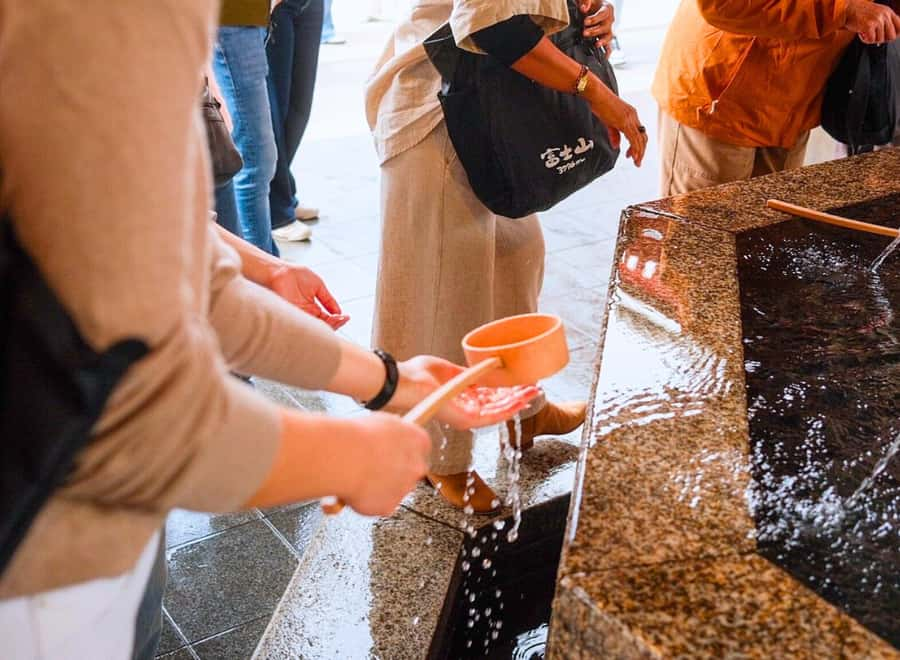
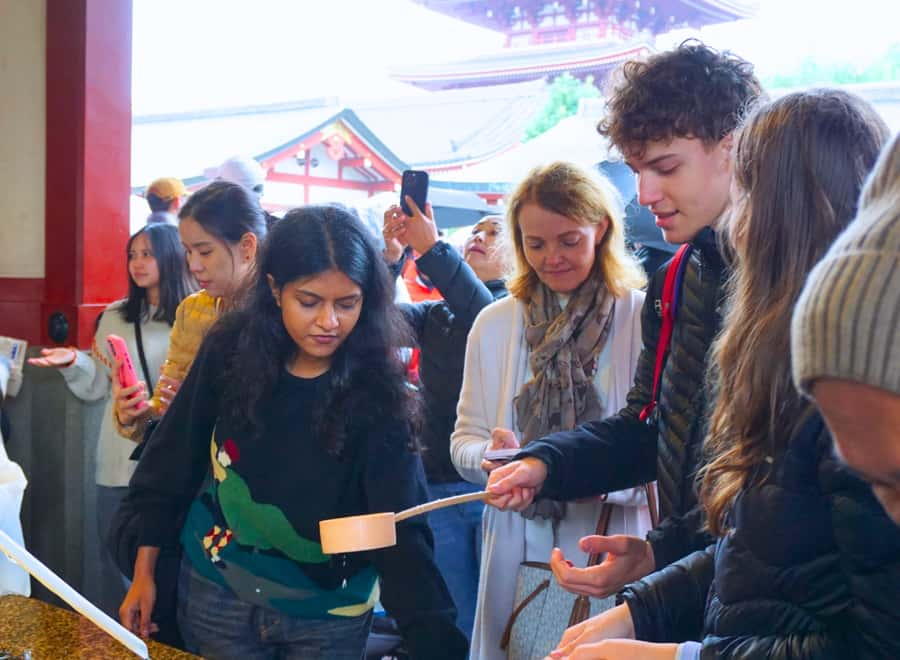
You’ll learn how to recognize a torii gate and how to pass through it respectfully. You’ll also learn about temizu, the ritual washing of hands before approaching a sacred place. These instructions are practical, not decorative. Once you understand what to do, you can visit other shrines during your Japan trip with more confidence.
The tour also explains the difference between Buddhist and Shinto prayer. At Sensoji, the guide shows you how to pray in the Buddhist manner, then compares it with the practice at the nearby Shinto shrine. The difference gives the visit a clear lesson: location and tradition matter.
This is not a theology lecture. It is a hands-on introduction to customs you can see and, when appropriate, follow. You’ll bow, notice the gates, wash your hands, and understand why people pause in particular places.
Incense and omikuji at Sensoji
Near Sensoji, the jokoro incense burner offers another ritual that is easy to watch but harder to interpret. People burn incense and direct the smoke toward themselves, a practice associated with healing. The guide explains what this means and how to take part respectfully.
You may want to try it, but remember that this is a religious custom, not a theatrical attraction. Follow the guide’s instructions, watch how local worshippers behave, and avoid treating the ritual as a prop for photographs.
The tour also gives you the chance to try omikuji, the Japanese fortune slips. You draw a paper fortune and learn how the custom works. If the result is unfavorable, the usual response is to tie it up at the temple rather than carry it away. The supplied information confirms the opportunity to try omikuji, but not the cost of each slip, so bring a little cash if you want to participate.
Omikuji adds a playful moment to a serious place. It also shows how religious practice can be part of ordinary life, not something reserved for specialists. You can approach it with curiosity without needing to take every prediction literally.
The guide’s role matters here. A patient explanation helps you take part without turning the experience into a guessing game. Nicolas is one of the guides associated with the French-language experience, and the feedback provided describes him as kind, attentive, and generous with useful information.
Sensoji’s 1,400 years in one visit
Sensoji is described as the oldest temple in Japan, with 1,400 years of history behind it. That long timeline is difficult to grasp from the courtyard alone. A good guide breaks it into understandable pieces, using the gate, the approach, the rituals, and the main temple area as reference points.
You’ll hear how to behave inside the Buddhist temple and how that differs from the Shinto shrine nearby. The guide also helps you see the site as more than a famous landmark. It remains a place of worship, and visitors need to share the space respectfully with people who have come to pray.
The temple is likely to be the busiest part of the walk. You should expect activity, photography, and plenty of movement around the approach. A small group helps, but it cannot make Sensoji private or quiet.
This is also why the tour’s focus on less obvious sites is important. If you only want a photograph of the main gate and hall, you can do that on your own. The $40 price makes more sense if you want the stories, etiquette, and comparison between faiths that turn the visit into a fuller experience.
What the $40 price includes
At $40 per person, the tour sits in the affordable range for a guided cultural walk in central Tokyo. You receive a French-speaking guide, the Sensoji visit, religious and historical explanations, access to the Asakusa viewpoint, and a maximum group size of eight.
There is no included transport, food, or personal shopping. That keeps the price clear, but you should budget for getting to Asakusa and for any sweets, souvenirs, or omikuji you choose to buy.
The strongest value is the guide’s interpretation. You can walk through Sensoji for free, but it is much harder to understand why the incense matters, how Buddhist and Shinto prayer differ, or what you should do at a torii gate without help. If those questions interest you, the cost is reasonable.
You can reserve now and pay later, which is useful if your Tokyo plans are still moving around. Cancellation is allowed up to 24 hours before the tour for a full refund. Those terms reduce the risk of booking early.
Who will enjoy this Asakusa experience
I would choose this tour if you are visiting Tokyo for the first time and want a clear introduction to Japanese religious customs. It also suits French-speaking visitors who want to ask questions in French rather than rely on translated signs or a general English explanation.
The tour should appeal to people who enjoy history, architecture, ritual, and local food culture. Families with older children may also find the omikuji and incense demonstrations more engaging than a standard historical talk, though the listing does not give a specific minimum age.
You should think twice if you want a private tour, a quiet temple visit, or very little walking. The group can include up to eight people, the route runs in good or bad weather, and wheelchair users cannot take part.
Wear comfortable shoes and dress for the forecast. Arrive at the Burger King Asakusa meeting point 10 minutes early, look for the Sunrise Adventure sign, and carry a little cash for optional purchases.
Should you book the French-language Sensoji tour?
Book it if you want more than the usual Kaminarimon photograph. The strongest reasons are the small group, the French-speaking guide, the comparison between Buddhist and Shinto practice, and the attention to rituals such as temizu, omikuji, and healing incense.
I would especially recommend it for someone who feels unsure about shrine etiquette. You’ll leave with practical habits you can use elsewhere in Japan, not just a collection of facts about one temple.
Skip it if you prefer exploring at your own pace or plan to spend most of your time shopping in Nakamise. But if you want Asakusa to make cultural sense, $40 is a fair price for a focused walking tour with a personal guide.
FAQ
Where does the tour begin?
The tour begins at Burger King Asakusa, near the busy streets of Asakusa. The guide waits at the entrance with a Sunrise Adventure sign.
Where does the tour end?
The activity ends back at the original meeting point.
Is the tour available in French?
Yes. The experience is offered in French and English.
How large is the group?
The group is limited to a maximum of eight people.
Is transport included?
No. Transport to and from the meeting point is not included.
Can I cancel for a full refund?
Yes. You can cancel up to 24 hours in advance for a full refund.
Is the tour suitable for wheelchair users?
No. The activity is not suitable for wheelchair users. It is a walking tour, so comfortable shoes are recommended, and you should dress for the weather.
Newly reviewed around Tokyo
- Tokyo Asakusa:Calligraphy & Make T-shirt Activity★ 5.0 · 62 reviews
- Intercity Shuttle, Tokyo to Haneda /Narita /Yokohama /Makuhari★ 5.0 · 5 reviews
- 1 Hour Travel around Tokyo with a Professional Photographer★ 5.0 · 3 reviews
- Travel Tokyo with Your Own Personal Photographer★ 5.0 · 43 reviews
- Kickboxing & Body Training with EX-Pro Fighter★ 5.0 · 4 reviews
- Train in Samurai Swordsmanship and Defeat the Demon in Tokyo★ 5.0 · 5 reviews
- Shuttle Van 6hr Tokyo Tour to-and-from Tokyo, Yokohama and Narita★ 5.0 · 9 reviews
- Traditional Japanese Knife Sharpening Class★ 5.0 · 18 reviews
Asakusa and Sensoji Tours, compared.
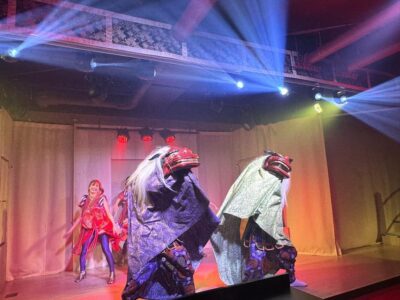
Japanese Dance Cabaret Theater Asakusa-Kaguwa Ticket
Read our review →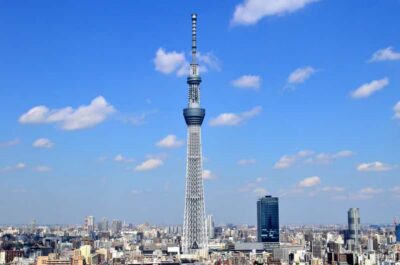
Meiji Shrine, Asakusa, Skytree Bus Tour and Cruise
Read our review →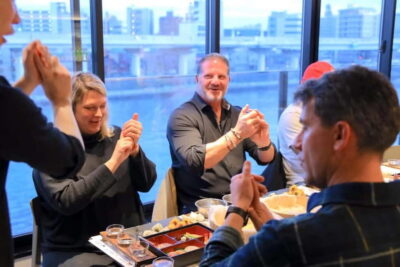
Roll and Authentic Sushi Making Class in Asakusa
Read our review →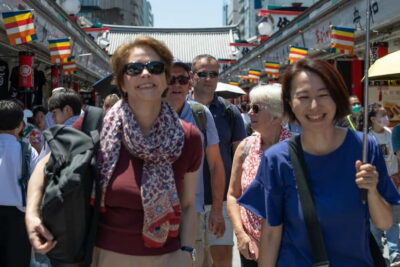
Asakusa Walking Tour with Sensoji Temple Visit
Read our review →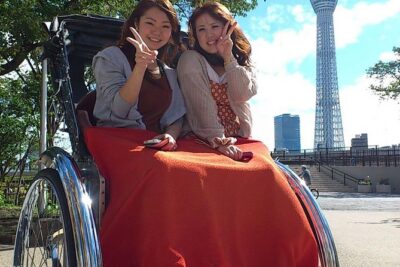
Tokyo Panoramic 1 Day: Meiji Shrine, Asakusa, Odaiba and SKYTREE®
Read our review →
Tokyo Go Kart: Asakusa, Skytree, and Akihabara **IDP MUST**
Read our review →
Asakusa, Skytree & Akhihabara Go-Kart City Experience
Read our review →Browse the lists this tour appears in