

Reviewed · CITY TOURS
Tokyo: Private City Highlights Tour with Local Guide
Tokyo is easiest to understand when someone helps you connect the dots. This private tour lets you choose the sights, then pairs you with a nationally licensed guide who can explain why Senso-ji, Meiji Jingu, the Imperial Palace, and a place like Shinjuku Golden Gai matter. I like the freedom to build the day around your interests, rather than follow a fixed route.
I also like that the guide teaches you how to use Tokyo’s trains, not just escorts you from one photo stop to the next. Guides such as Atsushi, Kenji, Fumiko, and Yumi have helped visitors learn the subway, find suitable food, and adjust plans for children, heat, crowds, or special events. The main drawback is simple: this is a walking tour using public transportation, not a private-car sightseeing day.
Key Points
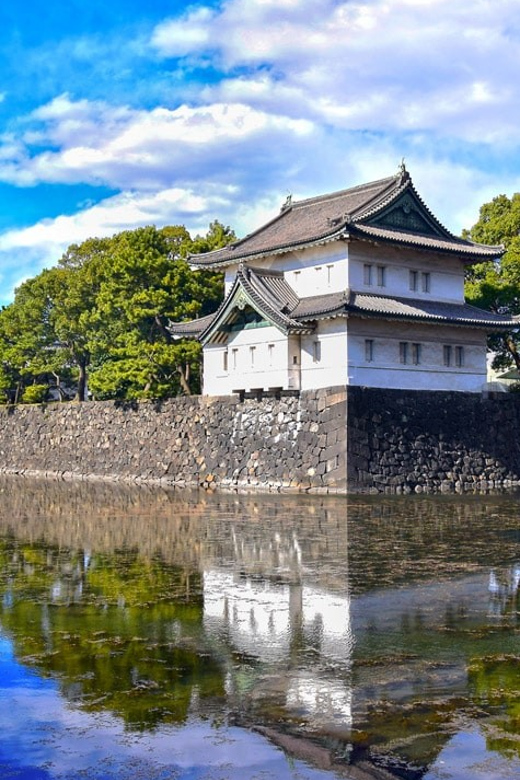
- Choose your own Tokyo mix: Combine old Asakusa, the Imperial Palace, Tsukiji, Meiji Jingu, Harajuku, Akihabara, gardens, or local neighborhoods.
- Meet at your hotel: Pickup and drop-off are included, but transfers between sights use trains, walking, or local taxis.
- Learn the transit system: Your guide can help you make sense of Tokyo’s famously busy stations and routes.
- Expect a lot of walking: Four hours can work well for a first orientation, while six to eight hours allows more districts and slower stops.
- Get cultural context: Licensed guides explain religious customs, Japanese history, daily life, food, and local etiquette.
- Pay attention to extras: Your transport, meals, and attraction entrance fees are not included in the $106 price.
A Flexible First Day in Tokyo
At $106 per person, this tour makes the most sense when you want orientation, not simply transportation. You are paying for a private guide who plans around your group, explains what you are seeing, and helps you move through a difficult-to-read city.
That value improves if you are visiting Tokyo for the first time, traveling with children, or hoping to see several districts in one day. It is less compelling if you already know the train system and prefer to linger for hours at one museum, garden, or market.
The route can last from four to eight hours. A four-hour outing is best treated as a focused introduction, perhaps Asakusa plus the Imperial Palace or Meiji Jingu and Harajuku. Six hours gives you room to connect several major sights. Eight hours can cover a broad sample of Tokyo, but the day may feel demanding, especially in summer.
The exact route is discussed with your guide. This matters. Several guides, including Steve, Kazuo, Isao, and Noripy, have contacted people before the tour to shape the day around specific wishes. That early conversation is where you should say if you want food, gardens, temples, shopping, anime, architecture, local neighborhoods, or a slower pace.
More private tours in Tokyo:
- Tokyo 6hr Private Tour with Government-Licensed Guide
★ 5.0 · 3,902 reviews - Private Tour to Mt. Fuji and Hakone (Fully Licenced Operator)
★ 5.0 · 1,910 reviews - Tokyo Customized Private Tour (Must See Places in 1 Day)
★ 5.0 · 1,499 reviews
Asakusa and Senso-ji: Tokyo’s Traditional Opening
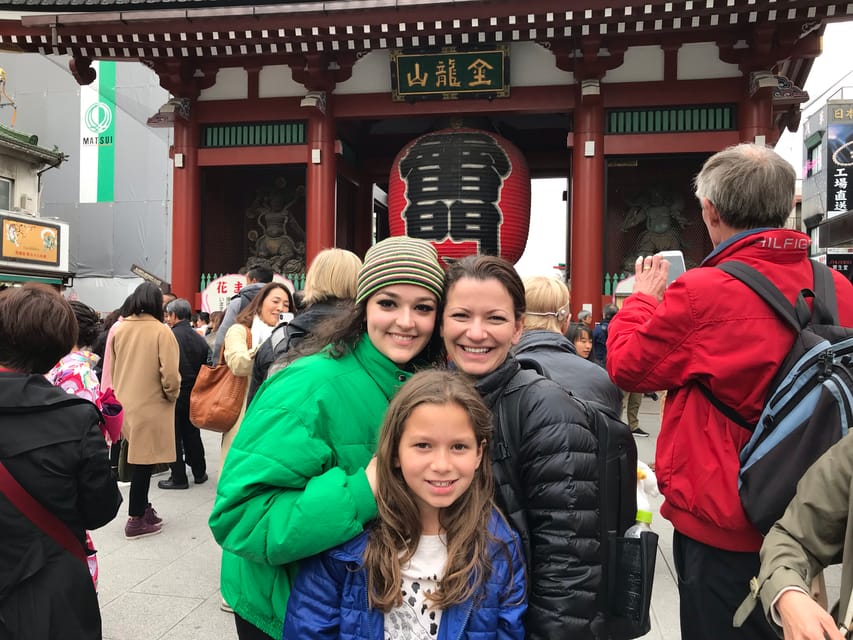
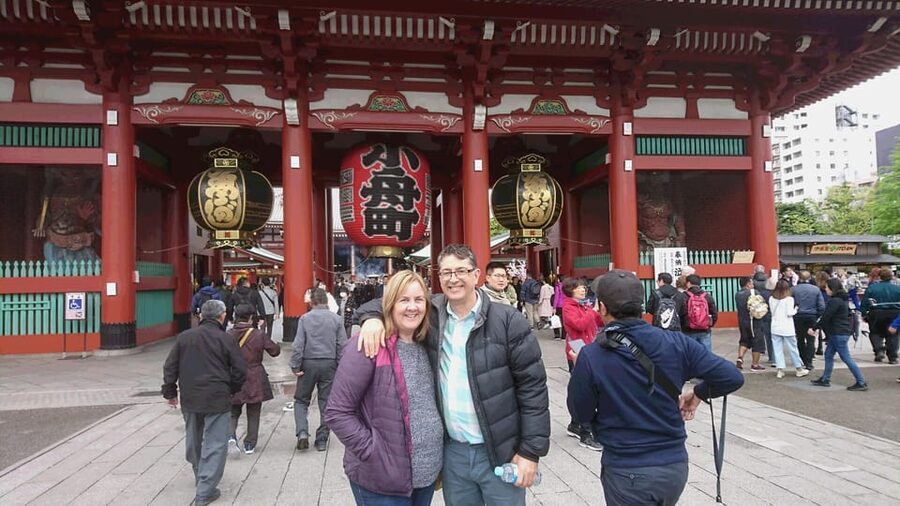
Asakusa is a strong place to begin because it gives you an immediate sense of old Tokyo. Senso-ji Temple is the major draw, and the approach along Nakamise-dori adds shops, snacks, and the visual drama of a famous temple entrance.
A guide can explain the difference between sightseeing and religious practice here. That context helps you understand the gestures at a shrine or temple instead of treating them as a stage set. Kenji, for example, has introduced people to goshuin books and stamps, a practical souvenir tied to visits at religious sites.
Asakusa is also a useful first lesson in navigating crowds and pedestrian streets. You can ask your guide about customs, food, nearby neighborhoods, and how the area fits into Tokyo’s past. If you want a calm, lengthy temple visit, tell the guide in advance. If you want to move quickly and reach more districts, say so.
The Imperial Palace and Tokyo’s Green Breathing Space
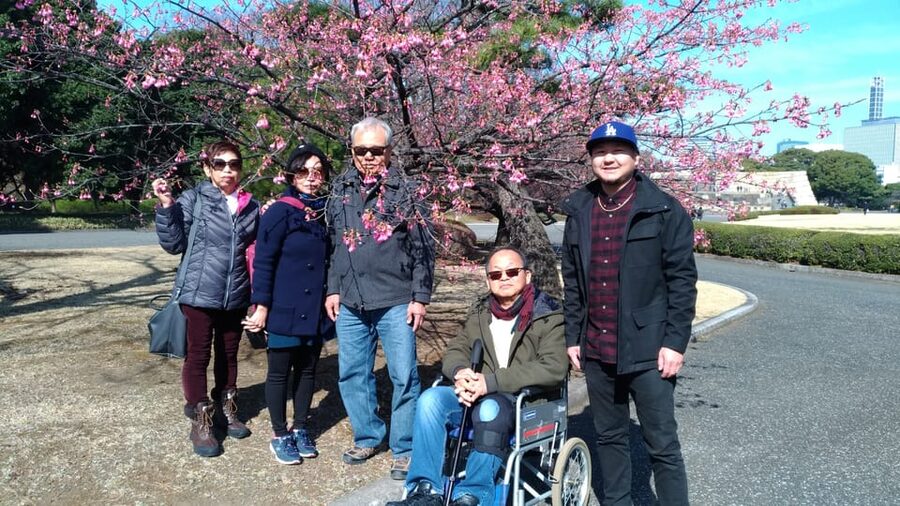
The Imperial Palace area offers a change of pace from Tokyo’s packed streets. The route may include the Outer Garden, Gaien, or the East Gardens, depending on access and your agreed plan.
This stop works especially well for people interested in Japan’s political and imperial history, but the gardens are also valuable simply because they provide open space in central Tokyo. One guide helped time a visit to palace grounds during a period when access was possible, while also explaining the Japanese custom of foliage viewing. Access can depend on timing, so do not assume every part of the palace grounds will be open.
The gardens are not a quick photo stop if you want to take them in properly. Add time for walking, seasonal scenery, and pauses. In autumn, the trees can be a major highlight. In hot weather, the open areas may feel tiring, so ask for shaded breaks and a realistic route.
Tsukiji Market and a Practical Tokyo Lunch
Tsukiji is a natural choice if food is central to your day. The market area gives you a chance to browse stalls and consider Japanese ingredients, seafood, snacks, and prepared food. Your lunch is not included, but a private guide can help you make sense of the choices.
This is where a private tour has a useful advantage over a fixed group schedule. Different people can want different things at lunch. One guide recommended a food-stall setting that worked for a group with varied tastes, while another helped arrange a ramen experience that suited a teenager interested in anime-style dining.
Do not expect the guide to pay for food, and keep Japanese yen available for small expenses. Market areas can be crowded, and you may prefer a quick tasting stop rather than a full sit-down meal. Tell your guide how much time you want to spend eating, since a long lunch will reduce the number of districts you can see.
More guided tours in Tokyo:
- Tokyo: Shinjuku Local Bar and Izakaya Guided Walking Tour
★ 4.9 · 1,794 reviews - Tokyo: Tsukiji Fish Market Guided Walking Tour
★ 4.9 · 1,397 reviews - Tokyo 4hr Private Tour with Government-Licensed Guide
★ 5.0 · 1,394 reviews - Tokyo Guided Small-Group Biking Tour
★ 5.0 · 1,250 reviews
Meiji Jingu and the Forest Near Harajuku
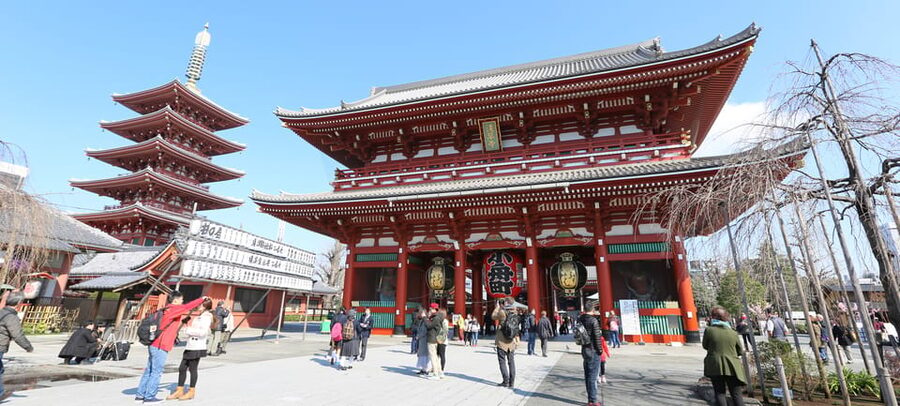
Meiji Jingu gives the day a quiet, wooded counterpoint to Harajuku’s youthful streets. The shrine sits in a forested setting between Harajuku, Shibuya, and Shinjuku, making it a practical stop when you want both tradition and modern Tokyo in the same part of the day.
The value here is not only the shrine itself. Your guide can explain religious traditions, the behavior expected at the entrance, and the meaning behind ceremonies or offerings. Atsushi, among other guides, has used Meiji Jingu as a calmer alternative when another area became too noisy or crowded.
Allow time for the walk through the grounds. The route may be manageable for families, but it still adds steps to the day. Families traveling with young children have adjusted the pace with shade and regular stops, so be direct about tired legs before the group reaches its limit.
Harajuku and Takeshita Street: Tokyo’s Youthful Side
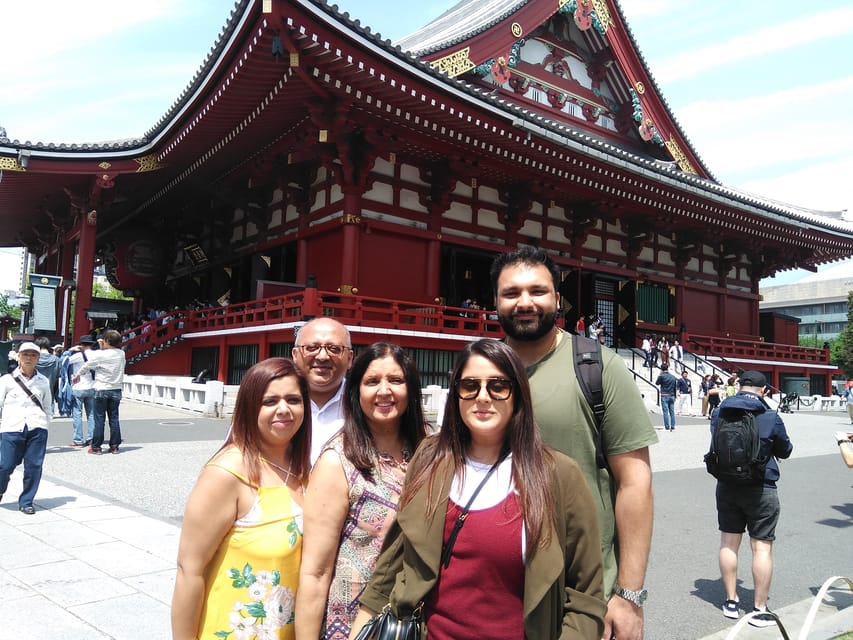
Harajuku works well after Meiji Jingu because the contrast is immediate. From the shrine’s quiet approach, you can move toward Takeshita Street and the colorful, fashion-focused side of the district.
The tour can include browsing rather than a long historical stop. If you want time for shops, sweets, or youth culture, build that into the plan. Your guide may also suggest nearby alternatives if Takeshita Street feels too crowded or commercial for your taste.
The important point is to avoid trying to do every district at full length. Harajuku, Meiji Jingu, the Imperial Palace, Asakusa, and Tsukiji can fit into a long day, but you will spend part of that day transferring between places. A good guide keeps the route moving while still allowing you to pause when something catches your interest.
Shibuya and Shinjuku: Modern Tokyo After Dark
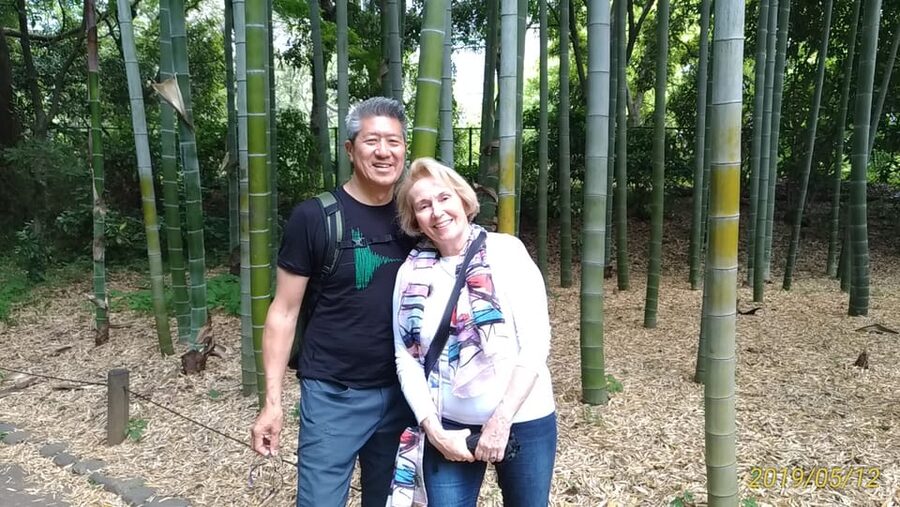
Shibuya Crossing is one of Tokyo’s most familiar sights, yet it can still be useful when approached with local help. A guide can point out how to reach the crossing, explain the surrounding district, and direct you toward food or shopping afterward.
Shinjuku offers several different experiences. Shinjuku Gyoen National Garden is a good choice for gardens and quiet paths, while Shinjuku Golden Gai is known for its tiny bars and narrow lanes. These are not interchangeable stops. Tell your guide if you want daytime greenery, evening atmosphere, nightlife, or simply a look at the district’s scale.
One practical strength of the tour is the ability to change course. A guide may steer you away from an unexpectedly noisy protest, a heat-heavy route, or a crowded area and substitute a more comfortable stop. That flexibility helped one family keep the day enjoyable while still seeing the major sights.
Akihabara, Nezu, and Hama Rikyu Gardens
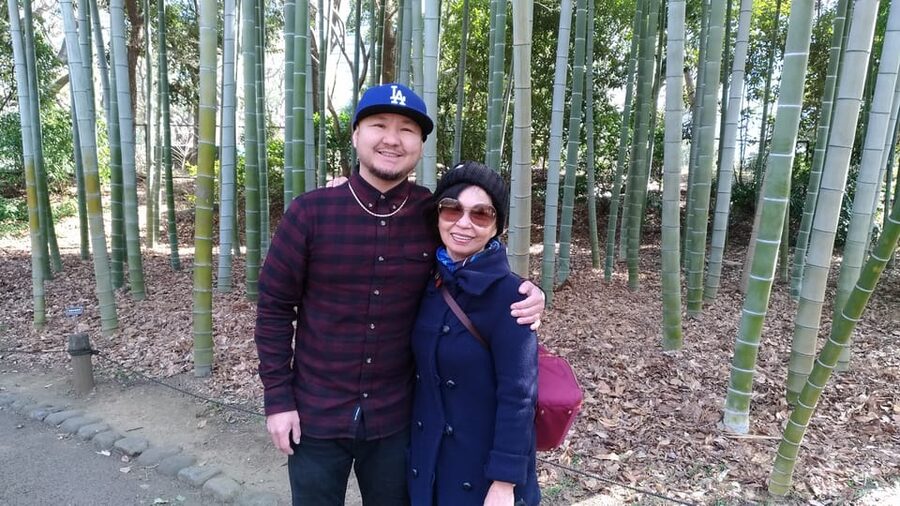
The tour is not limited to the headline sights. Akihabara suits people interested in electronics, anime, games, and Japan’s pop culture. Nezu offers a different feel, with shrine visits and a quieter neighborhood setting. Hama Rikyu Gardens provide another chance to slow down among formal gardens in the middle of the city.
These choices are especially useful if you have already seen one or two famous districts or if your interests do not fit the standard temple-market-shrine route. Nezu was paired with food and drink stops for one group, while other outings included lesser-known places chosen to match personal interests.
You should name your priorities before the day begins. A guide cannot give every district equal time in four to eight hours. If Akihabara is essential, it may make sense to reduce time at Harajuku. If gardens matter most, combine Hama Rikyu with the Imperial Palace or Shinjuku Gyoen rather than adding every shopping district.
What the Private Format Really Adds
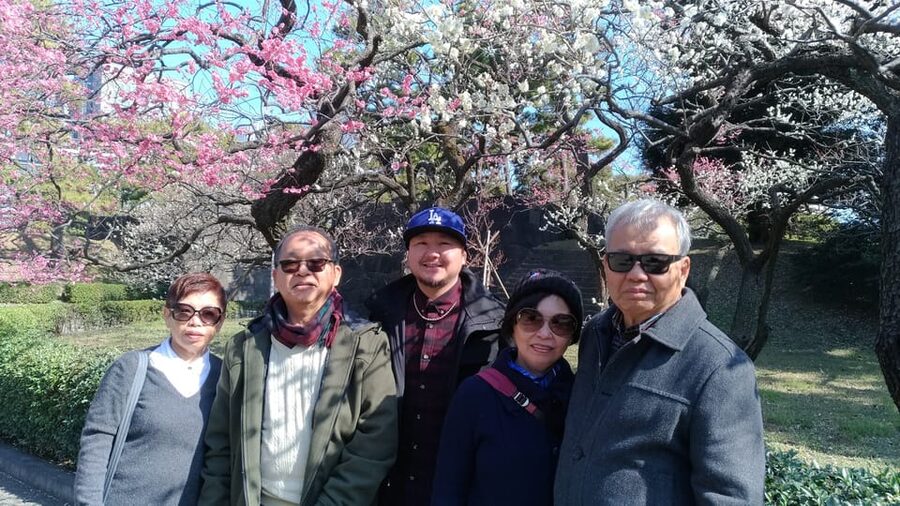
The strongest part of this experience is the ability to adjust the day without negotiating with a large group. A family can stop for shade. A food-focused pair can spend longer at markets. A first-time visitor can ask the same train question three times without holding up strangers.
The guides also bring different strengths. Fumiko has been praised for careful planning and clear presentation. Kenji is especially suited to people interested in religious customs, gardens, seasonal traditions, and small cultural details. Atsushi has helped explain the subway and connect history with major sights. Yumi has made the day comfortable for families while also explaining daily Japanese life.
Those examples do not guarantee which guide you will receive. They do show why the pre-tour conversation matters. Explain your ages, walking ability, interests, preferred food, and must-see locations. Ask for a route that matches your energy rather than a heroic list of every famous address.
The nationally licensed Tour Guide-Interpreter certification is issued by the Japanese government and requires a strong grasp of Japanese culture and history. The guide’s role is not limited to translation. You can ask about shrine behavior, local customs, transportation, food, and the background of each place.
Walking, Trains, and the Real Cost of the Day
This is called a walking tour for good reason. You will walk between stations, through temple and shrine grounds, across market streets, and between sightseeing stops. Even a six-hour plan can become tiring in Tokyo’s summer heat.
Private transportation is not included. The guide may travel with you by train, on foot, or in a local taxi. Your own transportation fees are extra, and the exact amount depends on the route. Keep Japanese yen available, as requested, and ask the guide to explain the expected transfers when you settle the itinerary.
The upside is that you learn the city’s system as you go. Several people have used the tour to become comfortable enough with Tokyo’s trains for the rest of their trip. That skill can be worth more than a private vehicle because it lets you continue exploring independently.
Hotel pickup and drop-off are included, but this does not mean a car waits outside. The guide meets you and begins the route on foot or through public transport. The experience is listed as wheelchair accessible, yet the route includes walking and train transfers, so discuss your exact needs with the guide before finalizing the itinerary.
Who Should Book This Tokyo Tour?
I would recommend it most strongly for a first or second day in Tokyo. You get a city lesson, a history lesson, and a transit lesson at the same time. It is also a good fit for families, older relatives who need a flexible pace, and people who want a private guide rather than a large group.
It suits curious food lovers, photographers, history fans, and visitors who want to mix famous sights with places such as Nezu or Kappabashi. One cooking enthusiast specifically asked to include Kappabashi, showing how the route can move beyond the standard list when your interests are clear.
I would think twice if you dislike walking, want a private car, or prefer to spend an entire day in one museum or attraction. You should also compare the final cost carefully. The $106 covers the guide and the private format, but you still pay for trains or taxis, lunch, and entrance fees.
Cancellation is free up to 24 hours before the start time, and you can reserve now and pay later. The booking is not confirmed until the guide contacts you, usually within seven days. If no guide is available, the provider contacts you.
Should You Book It?
Book this tour if Tokyo feels too large to tackle alone, especially at the start of your stay. Ask for a route that combines two or three major sights with one personal interest, and reserve enough time for meals and breaks.
Skip it if you already navigate Tokyo confidently and would rather set your own slow pace. For most first-time visitors, though, the combination of a private route, practical train help, and cultural explanation makes this a useful way to get oriented without being pushed through a rigid schedule.
FAQ
How long does the Tokyo private tour last?
The tour lasts between four and eight hours. You choose the available starting time when booking, and the length should match how many districts you want to visit and how much time you need for meals and breaks.
Which Tokyo sights can I request?
Possible stops include Asakusa, the Imperial Palace, Shinjuku Gyoen National Garden, Tsukiji Fish Market, Meiji Jingu Shrine, Akihabara, Hama Rikyu Gardens, Harajuku, Takeshita Street, Nezu, and Shinjuku Golden Gai.
Is hotel pickup included?
Yes. Hotel pickup and drop-off are included. The tour itself is conducted on foot and by public transportation or local taxi, not by a private vehicle.
Are transportation costs included in the price?
No. Your train, taxi, or other transportation costs are extra. The exact amount depends on the route, and you should have Japanese yen available.
Is lunch included?
No. Lunch is not included. You pay for your own meal and personal expenses during the tour.
Is the tour private and wheelchair accessible?
Yes. It is a private group experience and is listed as wheelchair accessible. Since the route involves walking and public transportation, discuss your specific access needs with the guide before the tour.
Can I cancel for a full refund?
Yes. You can cancel up to 24 hours before the tour starts for a full refund. You can also reserve now and pay later.
Newly reviewed around Tokyo
- Tokyo Asakusa:Calligraphy & Make T-shirt Activity★ 5.0 · 62 reviews
- Intercity Shuttle, Tokyo to Haneda /Narita /Yokohama /Makuhari★ 5.0 · 5 reviews
- 1 Hour Travel around Tokyo with a Professional Photographer★ 5.0 · 3 reviews
- Travel Tokyo with Your Own Personal Photographer★ 5.0 · 43 reviews
- Train in Samurai Swordsmanship and Defeat the Demon in Tokyo★ 5.0 · 5 reviews
- Shuttle Van 6hr Tokyo Tour to-and-from Tokyo, Yokohama and Narita★ 5.0 · 9 reviews
- Kickboxing & Body Training with EX-Pro Fighter★ 5.0 · 4 reviews
- Traditional Japanese Knife Sharpening Class★ 5.0 · 18 reviews
City Tours, compared.

Asakusa, Skytree & Akhihabara Go-Kart City Experience
Read our review →

Private Haneda Airport (HND) to Central Tokyo City Transfer
Read our review →
3-hour Guided E-Bike Tour of the City’s Hidden Gems
Read our review →
3-Hour Bike/E-Bike Tour of the City’s Highlights
Read our review →
Private departure transfer from Tokyo city to Tokyo Haneda Airport(HND)
Read our review →
Private Arrival Transfer : Haneda Airport to Central Tokyo City
Read our review →Browse the lists this tour appears in