
Reviewed · TOKYO TEA CEREMONY EXPERIENCES
Tokyo: Tea Ceremony Experience in Asakusa
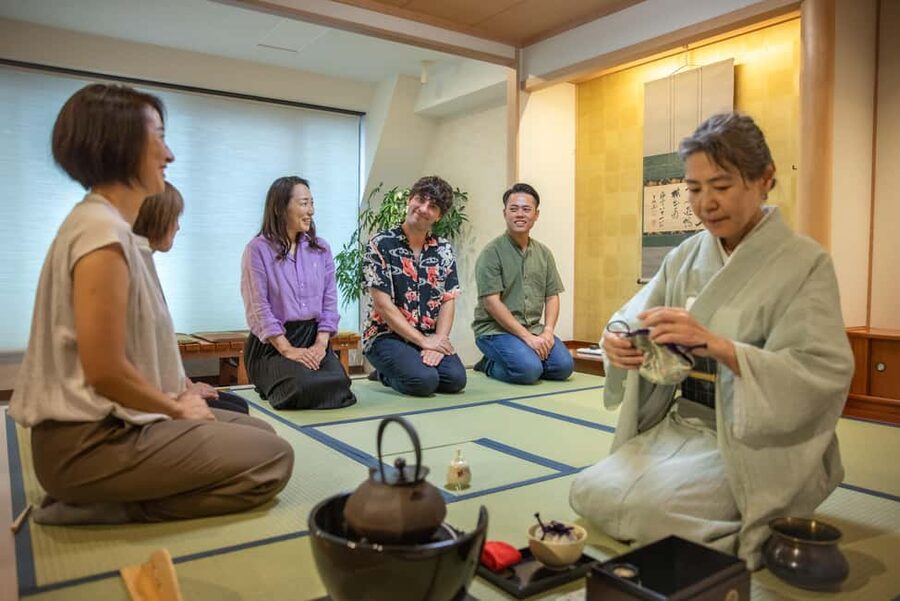
The best part of this Asakusa experience is that you do not simply watch a tea ceremony from the sidelines. You learn the gestures, prepare your own matcha, and taste it with a traditional Japanese sweet. The host explains why each movement matters, so the hour feels like a cultural lesson rather than a quick cup of green tea.
I like the small group of up to eight people, which gives you room to ask questions and follow the demonstration without feeling lost. I also like the friendly approach from hosts such as Midori and Kaz, who explain the history and meaning of matcha in clear English. The main consideration is that this is a relaxed introduction, not a highly formal ceremony in a historic tea house, and kimono rental is not included.
Key points to know
- You make your own matcha: Learn to whisk powdered green tea and drink the bowl at your own pace.
- The ceremony is explained step by step: Your host covers the meaning behind pouring, whisking, serving, and receiving the tea.
- Traditional sweets are included: The sweet helps balance matcha’s earthy, slightly bitter taste.
- The setting is beginner-friendly: You can ask questions and take photos during the session.
- Groups stay small: A maximum of eight people makes this more personal than a large cultural demonstration.
- The location is easy to find in Asakusa: Meet at Tokyo Tourist Lounge Asakusa on the fifth floor.
A quiet hour with matcha in Asakusa
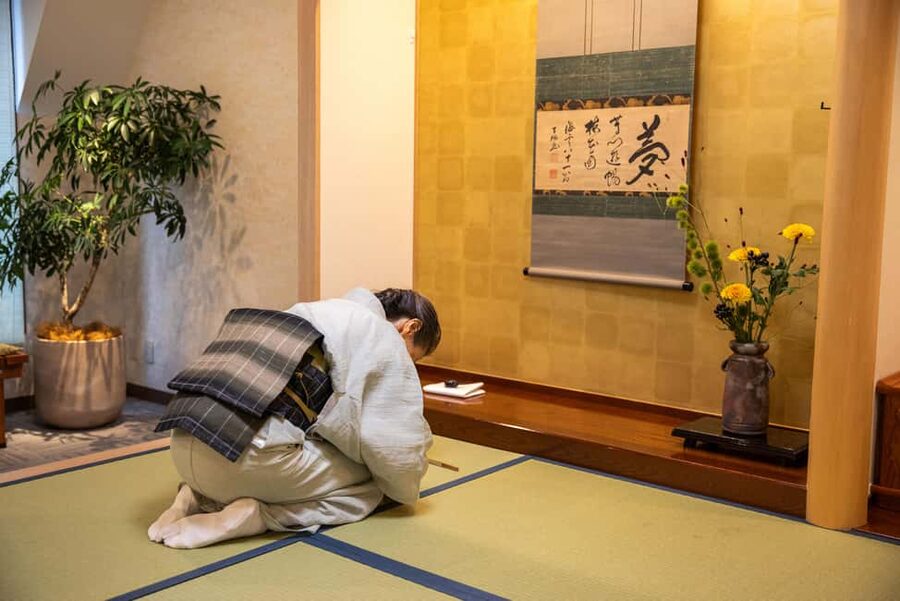
Asakusa is one of Tokyo’s best areas for first-time cultural experiences. The neighborhood is known for its old temple district, traditional shops, and many quick sightseeing stops, but it can also feel busy and noisy. This tea ceremony gives you a calm pause in the middle of that energy.
The activity lasts one hour. That is long enough to learn the basic customs and prepare a bowl of matcha, but short enough to fit into a morning or afternoon of sightseeing. You do not need prior knowledge of tea ceremony etiquette. The host guides you through each stage and explains what you are doing as you go.
The tone is intentionally relaxed. You are welcome to ask questions, take photos, and enjoy the process without worrying about making a mistake. That matters because formal Japanese tea ceremony can seem difficult to approach if you do not know the rules. Here, the goal is understanding and participation.
You will sit comfortably while the host introduces the role of matcha in Japanese culture. One recent session included an explanation of where matcha comes from, why it matters in Japanese society, and how the ceremony connects with ideas of harmony and hospitality. Those details give the activity more substance than a simple demonstration.
More Asakusa and Sensoji tours:
- Tokyo: Japanese Dance Cabaret Theater Asakusa-Kaguwa Ticket
★ 4.8 · 2,270 reviews - Tokyo: Meiji Shrine, Asakusa, Skytree Bus Tour and Cruise
★ 4.7 · 1,986 reviews - Tokyo: Roll and Authentic Sushi Making Class in Asakusa
★ 4.9 · 1,957 reviews
Meeting at Tokyo Tourist Lounge Asakusa
The meeting point is Tokyo Tourist Lounge Asakusa, located on the fifth floor of its building. Search for the full name in Google Maps rather than relying only on the general word Asakusa, since the neighborhood has many attractions and crowded streets.
The listed coordinates are 35.7103757, 139.796744. I recommend saving the location before you set out, especially if you are arriving during a busy sightseeing period. The activity itself is indoors, which makes it a useful choice on a hot, rainy, or cold day.
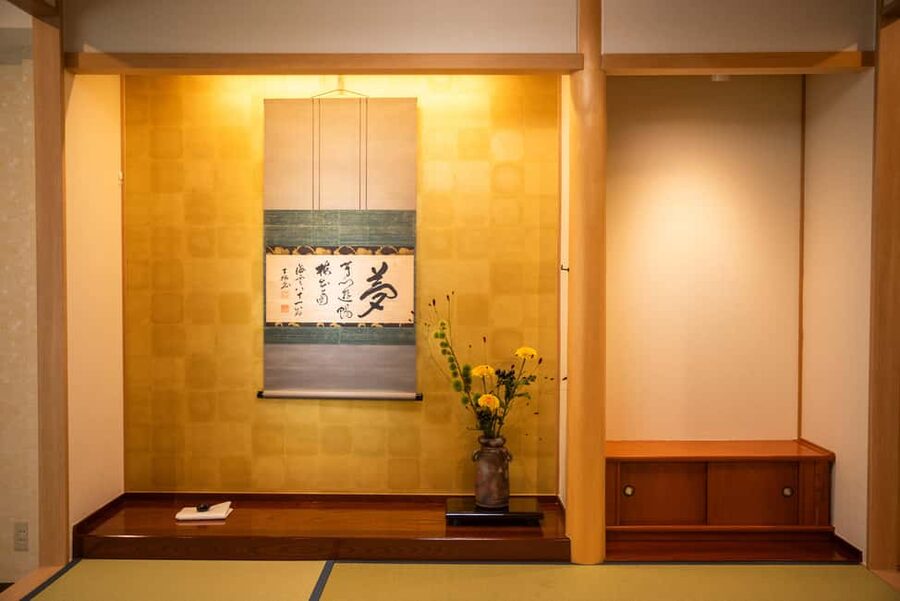
The meeting point is not described as a traditional tea house or private home. That is worth knowing if the room and architecture are important to you. The appeal here is the clear instruction, accessible location, and chance to participate, rather than an elaborate setting.
The venue is wheelchair accessible. If you need specific details about the route from street level to the fifth floor, confirm them when booking, since the supplied information does not describe the building’s lift or entrance layout.
What happens during the tea ceremony
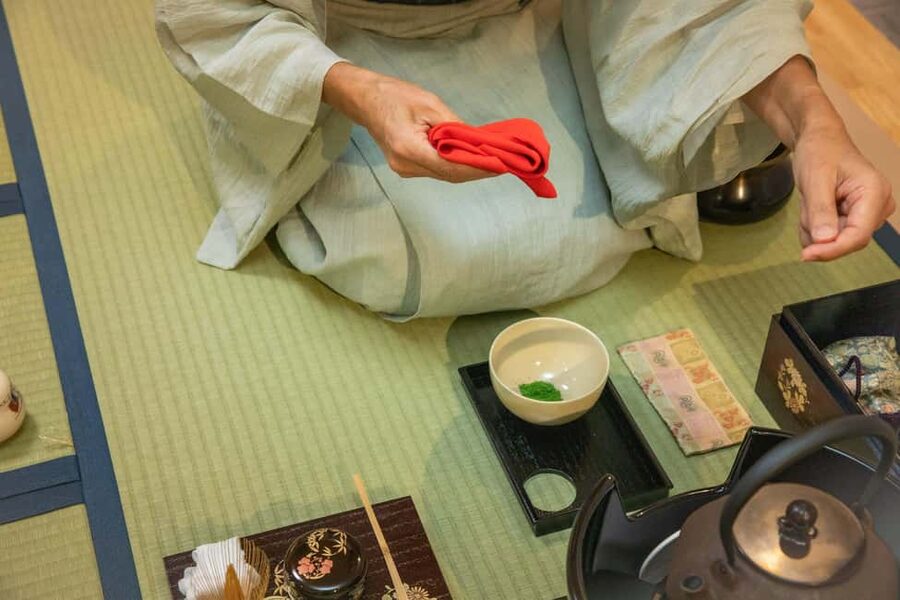
The session begins with an introduction to Japanese tea ceremony and matcha. Your host sets out the basic tools and explains the purpose of the main gestures. You will hear why the tea is prepared in a particular order and how the ceremony expresses care between the person making the tea and the person receiving it.
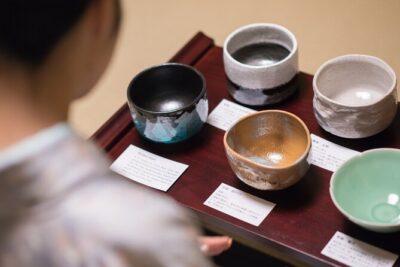
The host then demonstrates the preparation. Water is poured into the bowl, powdered matcha is added, and a bamboo whisk is used to mix it into a smooth drink. The whisking is not just a cooking step. It is part of the ceremony’s rhythm, and you will learn how to handle the whisk as you prepare your own serving.
You should expect the host to explain the actions as they happen. That approach is helpful for beginners because you do not have to memorize a long list of rules before participating. You can watch first, then copy the movements with guidance.
Traditional Japanese sweets are served with the tea. Their sweetness provides a useful contrast to matcha’s grassy and bitter notes. If you normally order sweetened tea drinks, the flavor may surprise you. The point is not to disguise the matcha, but to notice how the sweet changes the experience.
After the demonstration, you prepare your own bowl. This is the part that makes the class feel personal. You are not only hearing about the ceremony or taking photos of someone else’s technique. You hold the tools, whisk the tea, and taste the result yourself.
The host encourages you to enjoy your bowl at your own pace. You can ask questions while you work, which makes the activity less tense than a silent formal ritual. The hosts also explain the meaning behind the movements, so you leave with a better sense of why the ceremony is structured as it is.
The hosts make the difference
The English-language instruction is one of the most useful features of this experience. A tea ceremony involves small actions that can be hard to understand from watching alone. Clear explanations help you connect the movement with its cultural purpose.
Midori has been praised for being kind, calm, and thorough in her explanations. One session included a short history of matcha, its importance in Japanese culture, and a detailed explanation of each action. Kaz has also led sessions and is described as a strong instructor who gives participants a chance to prepare matcha themselves.
Because hosts can vary, your session may not be led by the same person. Still, the format is designed around direct teaching rather than a scripted performance. The best way to enjoy it is to ask questions. You might ask about the tea, the equipment, the order of the ceremony, or the customs involved in receiving the drink.
This is especially useful if you have visited Japan before and want more context for things you have seen elsewhere. You may notice matcha in cafés, sweets shops, and souvenir stores across Tokyo. This class gives you a better idea of how the drink fits into Japanese culture beyond its modern popularity.
More Tokyo tea ceremonies:
- Matcha Making Class in Tokyo with Authentic Japanese Sweets Set
★ 5.0 · 744 reviews - Tokyo: Traditional Tea Ceremony with a Tea Master
★ 5.0 · 528 reviews - Dynamic Tokyo: Tokyo Tower, Tea Experience, Bay Cruise Day Tour
★ 4.5 · 521 reviews - Tokyo: Matcha Making Experience with Mochi Sweets in Asakusa
★ 4.9 · 388 reviews
Why the small group matters
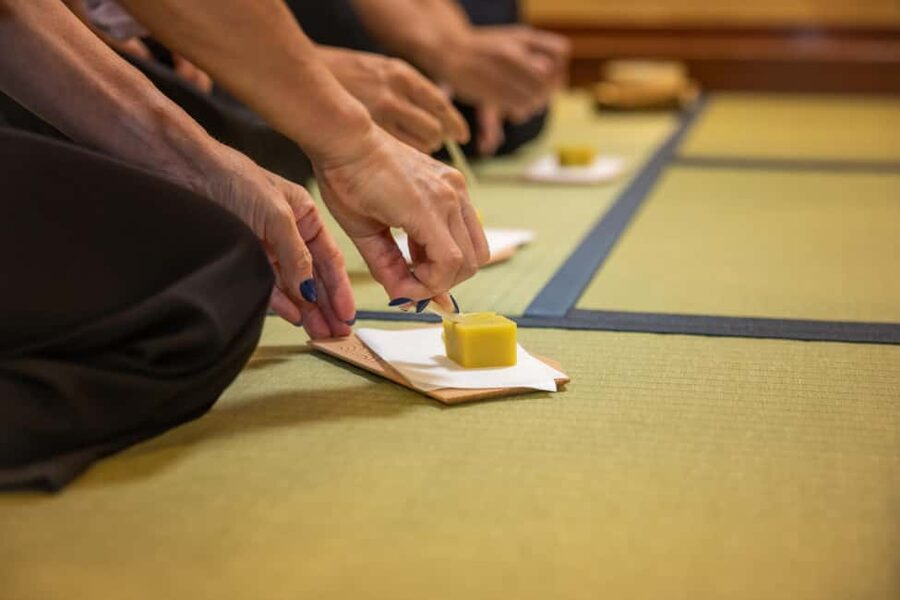
The maximum group size is eight participants. That is not a private lesson, but it is small enough for the host to demonstrate clearly and watch as you prepare your own tea.
A small group also gives you more freedom to ask questions. In a large cultural show, you might see the ceremony but have little chance to understand each gesture. Here, the setting is intended to be friendly and approachable, so the host can respond to the interests of the people in the room.
The group format can also make the activity more enjoyable if you are traveling with family or friends. Everyone gets a turn to make matcha, and you can compare the process without the pressure of a strict performance.
There is one tradeoff. A small group is still a shared experience, not a completely private ceremony. If you want silence, formal etiquette, or a highly traditional presentation, this may feel too casual. If you want to learn the basics and participate, the relaxed style is a benefit.
What the $25 price includes
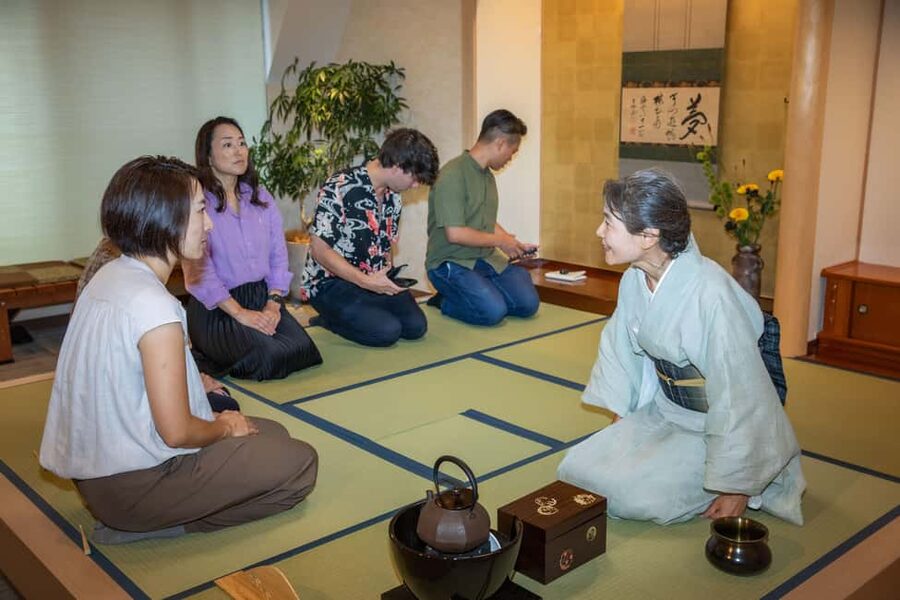
At $25 per person, the experience is priced as a short cultural class rather than a major half-day tour. The cost includes the Japanese tea ceremony, matcha preparation lesson, traditional sweets, and English-speaking guidance.
The value comes from participation. You are paying for instruction as well as tea, and you get to prepare your own bowl. That makes the price reasonable for visitors who want more than a quick matcha tasting but do not want to commit to a longer formal ceremony.
The one-hour length also helps with planning. You could schedule it between visits to nearby sights, use it as a break after walking through Asakusa, or place it near the beginning of your day to give later sightseeing more cultural context.
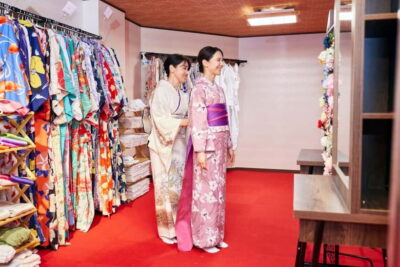
Kimono rental is not included. That keeps the cost down, but you should not book this expecting a full dress-up package. The activity is about matcha preparation, ceremony customs, and explanation. If wearing a kimono is important to you, you will need to arrange that separately.
Who will enjoy this activity most
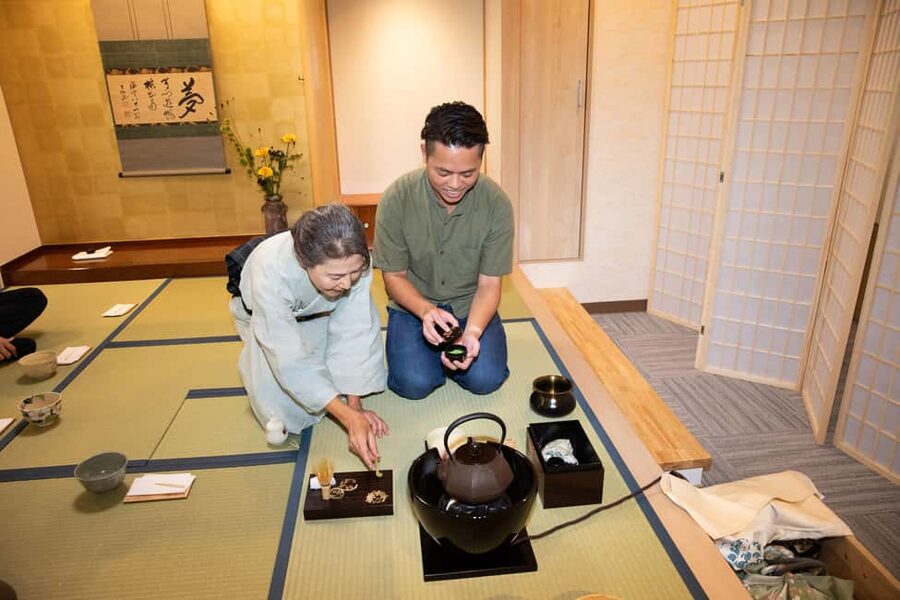
This class suits first-time visitors who want an easy introduction to Japanese customs. You do not need to know how to handle tea ceremony tools, and you do not need to understand Japanese etiquette before arriving.
It is also a good fit for repeat visitors. You may have seen matcha prepared in cafés or sampled Japanese sweets, but the explanation of harmony, hospitality, and ceremonial gestures adds a different layer to familiar parts of Japanese life.
Families and mixed-age groups may appreciate the hands-on format. The activity is short, guided, and practical. People who enjoy learning by doing will get more from it than those who prefer to sit quietly and watch.
Photography is allowed, and questions are welcome. That makes the class more flexible than a strict ceremony where you might feel unsure about using your phone or speaking during the presentation.
You may want to choose another experience if your priority is a full formal tea ceremony, kimono rental, an old tea-house setting, or a longer lesson focused on advanced etiquette. None of those are promised here.
Practical booking advice for Asakusa
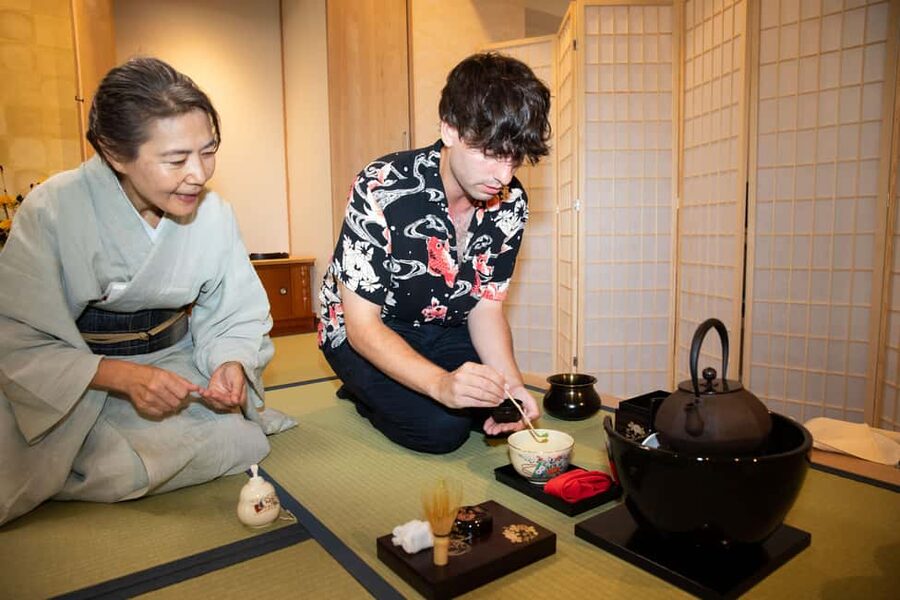
The activity is offered in English, and starting times vary, so check availability for your chosen date. The session is one hour, but allow extra time to find the fifth-floor meeting point.
You can cancel up to 24 hours before the start time for a full refund. The reserve-now and pay-later option lets you hold a place without paying immediately, which is useful if your Tokyo schedule is still changing.
The activity is listed as wheelchair accessible. If you are booking for someone with mobility needs, contact the provider if you require building-specific information that is not included in the activity details.
I would also avoid scheduling this so tightly against another booking that a small navigation delay could cause a problem. Asakusa is easy to explore, but the streets around major sights can be crowded, and the meeting point is inside a building rather than at a large outdoor landmark.
How it fits into an Asakusa day
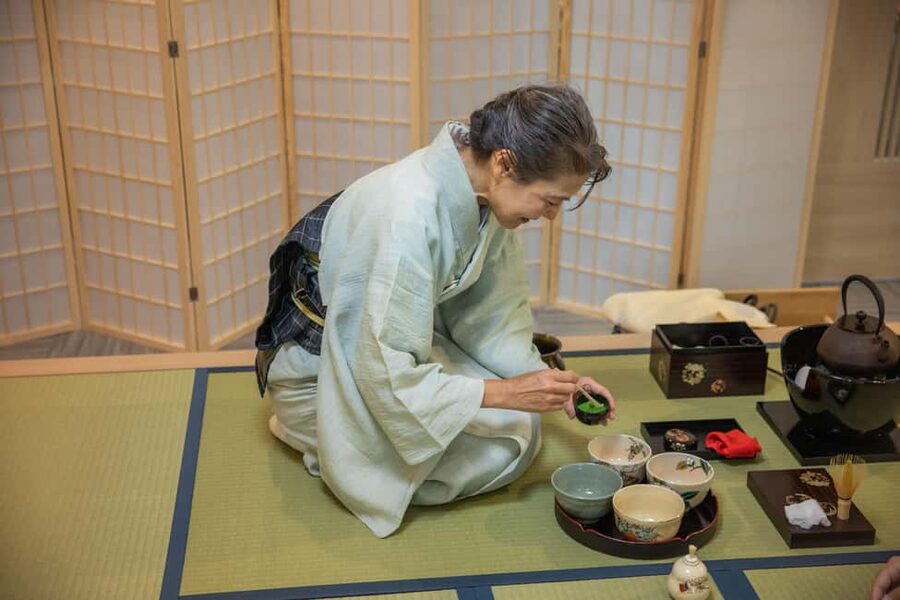
This is a natural match for a day spent in Asakusa. You can pair the tea ceremony with the area’s temple district, traditional shopping streets, and riverside sights, then use the one-hour class as a slower counterpoint to walking.
The experience does not include transportation or a wider neighborhood tour. You arrange your own way to the meeting point, and the cultural focus remains inside the tea ceremony setting. That narrow focus is useful if you already have a full sightseeing plan.
I would place it after an early visit to nearby sights or before an evening meal. Matcha and a traditional sweet provide a light pause rather than a full meal, so plan separate food if you are hungry.
The class can also work on a rainy day. Since the activity takes place indoors and lasts only an hour, it gives you a planned cultural stop without asking you to spend the entire day inside.
The main strengths and limitations
The strongest feature is the chance to make your own bowl of matcha. You learn the process with guidance, then drink what you prepared. That simple act helps the ceremony make sense in a way that watching alone cannot.
The explanations are another major strength. Hosts such as Midori and Kaz have been especially appreciated for clear, friendly instruction, and the session covers both practical technique and cultural meaning.
The main limitation is its informal nature. This is designed for curious beginners, so the ceremony is approachable rather than highly strict. The room, clothing, and format may not provide the sense of occasion some people expect from a formal tea-house visit.
At $25, that balance is fair. You get a compact lesson, tea, sweets, and hands-on practice at a modest price. You are not paying for a luxury setting or a complete kimono experience.
Should you book this Asakusa tea ceremony?
Book it if you want a short, friendly introduction to matcha and Japanese tea customs, especially if you like practical activities. The small group, English instruction, traditional sweet, and chance to prepare your own bowl give the hour real value.
Skip it if you want a formal, silent ceremony in a historic setting or a package that includes kimono rental. For most first-time visitors, though, this is a sensible way to slow down in Asakusa and learn something you can remember long after the tea is gone.
FAQ
How long does the tea ceremony last?
The activity lasts one hour.
How much does the experience cost?
The price is $25 per person.
Is the activity conducted in English?
Yes. The instructor language is English.
How many people can join the group?
The group is limited to eight participants.
Do I prepare my own matcha?
Yes. You learn how to whisk matcha and prepare your own bowl during the session.
Are traditional Japanese sweets included?
Yes. Traditional Japanese sweets are included.
Can I take photos during the ceremony?
Yes. The activity allows you to take photos during the relaxed session.
Is kimono rental included?
No. Kimono rental is not included.
Where is the meeting point?
Meet at Tokyo Tourist Lounge Asakusa, on the fifth floor of the building. The coordinates are 35.7103757, 139.796744.
Can I cancel for a refund?
Yes. You can cancel up to 24 hours in advance for a full refund.
Newly reviewed around Tokyo
- Tokyo Asakusa:Calligraphy & Make T-shirt Activity★ 5.0 · 62 reviews
- Travel Tokyo with Your Own Personal Photographer★ 5.0 · 43 reviews
- Intercity Shuttle, Tokyo to Haneda /Narita /Yokohama /Makuhari★ 5.0 · 5 reviews
- 1 Hour Travel around Tokyo with a Professional Photographer★ 5.0 · 3 reviews
- Train in Samurai Swordsmanship and Defeat the Demon in Tokyo★ 5.0 · 5 reviews
- Shuttle Van 6hr Tokyo Tour to-and-from Tokyo, Yokohama and Narita★ 5.0 · 9 reviews
- Kickboxing & Body Training with EX-Pro Fighter★ 5.0 · 4 reviews
- Traditional Japanese Knife Sharpening Class★ 5.0 · 18 reviews
Tokyo Tea Ceremony Experiences, compared.
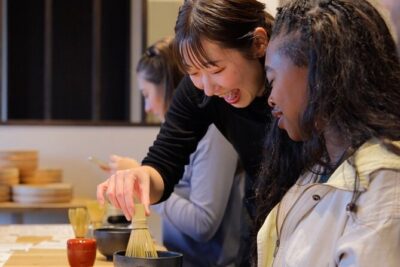
Matcha Making Class in Tokyo with Authentic Japanese Sweets Set
Read our review →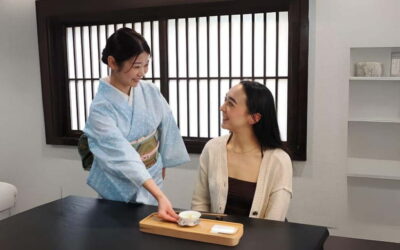
Dynamic Tokyo: Tokyo Tower, Tea Experience, Bay Cruise Day Tour
Read our review →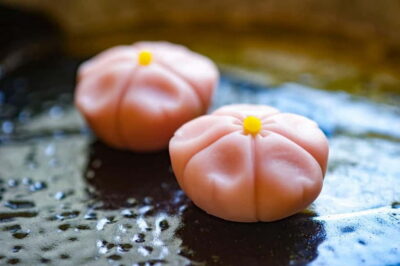
Matcha Making Experience with Mochi Sweets in Asakusa
Read our review →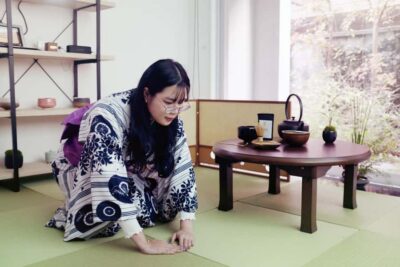
Tea Ceremony Workshop in Tokyo by the Experienced Instrucor
Read our review →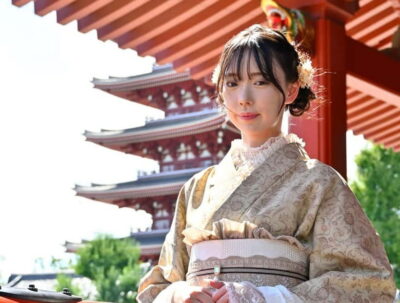
Browse the lists this tour appears in