
Reviewed · TOKYO IMPERIAL PALACE TOURS
Tokyo Imperial Palace:Guided Walking Tour of East Gardens
Tokyo’s Imperial Palace East Gardens give you a rare look at the old power center of Japan without leaving central Tokyo. On this two-hour walk, you follow traces of Edo Castle, see the Tatsumi Yagura watchtower, and hear how emperors, samurai, and political leaders shaped the city.
I like the small group of eight or fewer, which should make it easier to ask questions and keep close to the guide. I also like the low price of $0.39 per person, though that figure is unusually small for a guided city tour and may reflect this being a test experience.
The main point to check before booking is access on your chosen date. The Imperial Palace area can close, and one outing had to use other pleasant spots when the palace itself was unavailable. The guide still made that visit worthwhile, but you should keep your expectations flexible.
Key points to know before you go
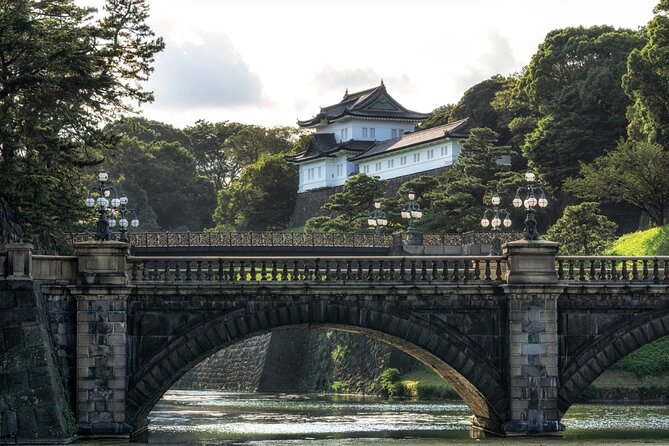
- Edo Castle remains: Walk among old stone walls, gates, and ruins from the former castle complex.
- Tatsumi Yagura watchtower: Spend about 30 minutes learning about one of the few surviving Edo-period structures.
- English-speaking guide: Taro has led the walk in demanding summer heat while keeping the history clear and engaging.
- Small group size: The tour is limited to a maximum of eight people, a useful advantage for questions and conversation.
- Central meeting point: Begin at Starbucks Coffee near the Wadakura Fountain Park in Tokyo’s Kōkyogaien.
- Flexible palace access: If the palace area is closed, the guide can still show you nearby places and explain the setting.
Why the East Gardens are worth your time
Tokyo can feel like a city built for speed: trains arrive on time, office towers fill the skyline, and major streets stay busy from morning to night. The Imperial Palace grounds offer a sharp change of pace. Behind moats and old stone defenses, you find broad paths, gardens, ruins, and reminders of Edo Castle.
The East Gardens are especially useful for first-time visitors who want history without giving up half a day. You do not need to travel far from central Tokyo, and the route brings together several parts of the city’s story in one compact walk.
I like the way this tour links the physical remains to the people who used them. A stone wall is more than a photogenic backdrop when you understand its role in protecting the castle. A watchtower becomes more interesting when your guide explains how it fit into the wider castle grounds.
The setting also helps you understand the scale of old Edo. The palace is not simply a single building to photograph. It is a large area of gardens, defensive features, gates, and former castle grounds. The walk gives you a better sense of how power was organized in Japan before modern Tokyo took shape.
More Imperial Palace tours in Tokyo:
- Tokyo: Imperial Palace and Shogun Historical Walking Tour
★ 5.0 · 2,251 reviews - Tokyo: Imperial Palace Japanese History Walking Tour
★ 4.9 · 987 reviews - Tokyo: Imperial Palace and Shogun Walking Tour
★ 4.9 · 935 reviews
Meeting at Wadakura Fountain Park
The tour begins at Starbucks Coffee, 3-1 Kōkyogaien, Chiyoda City, Tokyo 100-0002. The meeting point is near Wadakura Fountain Park, which gives you a clear place to wait before the walk begins.
You should allow enough time to find the café and check your mobile ticket before the scheduled start. The tour information does not specify a particular train exit or detailed walking directions, so do not assume you can arrive at the last second and spot the group immediately.
The location is near public transportation, an important benefit in central Tokyo. Once you meet the guide, the outing returns to the same meeting point at the end. That makes it easier to plan lunch, another sightseeing stop, or a train connection afterward.
The starting point also helps set the mood. You begin near the open grounds around the Imperial Palace rather than inside a museum or hotel lobby. From there, the walk moves toward the historic sites and gardens.
Stop 1: The Tatsumi Yagura watchtower
The first major stop is Sakurada Tatsumi Yagura, also called Sakurada Nijū Yagura. This Edo-period watchtower is one of the few remaining structures from the old castle setting, so it gives you a direct link to the era that shaped Tokyo.
You can expect roughly 30 minutes here. That is enough time for the guide to explain the tower, its purpose, and the setting around it without turning the visit into a rushed photograph stop.
The word yagura refers to a tower used as part of a castle’s defenses. You may notice how the structure relates to the surrounding walls and open spaces. Those details matter because castle design was about more than grand buildings. It was also about control, observation, and movement.
This is likely the most distinctive stop for anyone interested in military history or Japanese architecture. The tower is not presented as a modern attraction with elaborate displays. Its appeal comes from the structure itself and from the guide’s explanation of what has survived.
The drawback is simple: this is an outdoor viewing stop. On a hot day, you may find the walk tiring, especially if you are not used to Tokyo’s summer weather. Taro led one particularly hot outing and kept the conversation interesting, but you should still bring water and dress for the conditions.
The tour details do not state whether seating, shade, or refreshments are available along the route. Plan as you would for any outdoor city walk, with comfortable shoes and weather-appropriate clothing.
Stop 2: Understanding the Imperial Palace
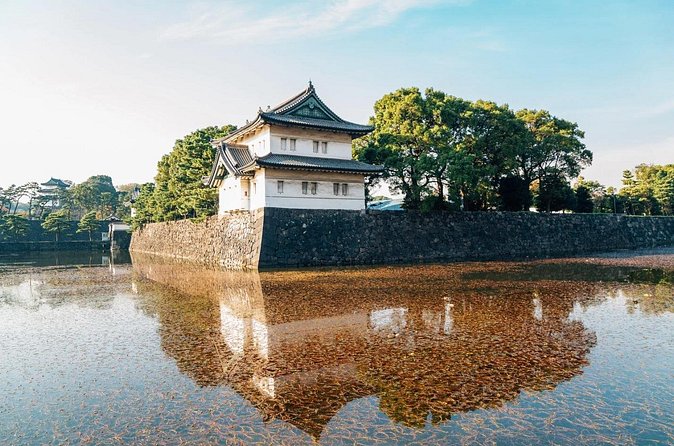
The second stop gives you time to consider the Imperial Palace itself. The palace is the primary residence of the Emperor of Japan and one of Tokyo’s most recognizable places. It sits in the center of the city, surrounded by moats, gardens, old walls, and historic gates.
The planned time here is about 30 minutes. A guide adds value at this point because the palace grounds can seem quiet and spacious without context. You can learn why this place matters to the modern Japanese state and how it connects to the earlier castle complex.
The palace is also a useful reminder that Tokyo’s political center has changed but not disappeared. The old castle site became part of the imperial setting, and the grounds continue to carry both historical and present-day importance.
You should know that access can vary. One reported visit took place when the palace was closed, but the guide still brought the group to appealing nearby places and continued with historical explanations. That makes this experience more dependable as a guided history walk than as a guaranteed palace interior visit.
Do not book expecting a tour of private imperial rooms. The supplied details describe an outdoor walking tour of the East Gardens and surrounding imperial area. The value is in the grounds, ruins, views, and explanations rather than access to every palace building.
More Tokyo walking tours:
- Tokyo Tsukiji Fish Market Food and Culture Walking Tour
★ 5.0 · 3,184 reviews - Tokyo: Shinjuku Local Bar and Izakaya Guided Walking Tour
★ 4.9 · 1,794 reviews - Tokyo: Tsukiji Fish Market Food and Walking tour
★ 5.0 · 1,724 reviews - Tokyo: Asakusa Walking Tour with Sensoji Temple Visit
★ 4.8 · 1,583 reviews
Stop 3: Edo Castle ruins in the East Gardens
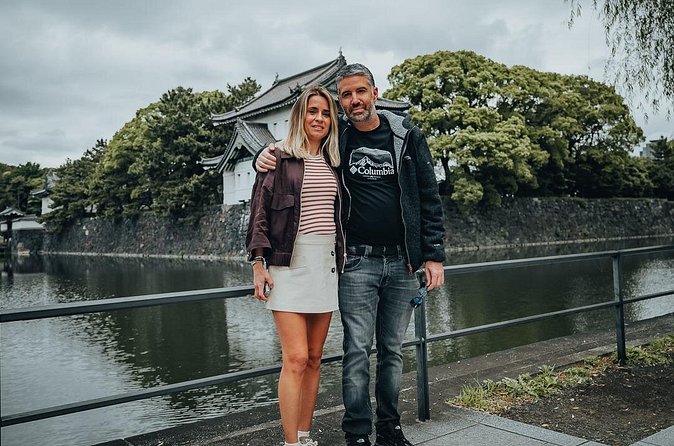
The East Gardens form the historical center of the experience. They occupy part of the former Edo Castle site and are open to the public. Here, you can see stone walls, gates, old castle remains, and carefully tended gardens within a peaceful part of central Tokyo.
The planned stop lasts about 30 minutes, though the full tour takes around two hours. The gardens give the guide space to connect separate pieces of the story: the castle’s defensive design, the power of the shogunate, the role of samurai, and the later importance of the imperial grounds.
I like this part of the route because it brings history down to a human scale. You can look at a stone base or ruined section and ask what once stood there. Even when only fragments remain, the site helps you picture the size and importance of Edo Castle.
The gardens also provide a welcome change from Tokyo’s commercial districts. You still remain in the heart of the city, but the paths and plantings create a quieter setting. This is not a wilderness walk, and you should not expect a long escape into nature. It is a historic garden within a major capital, with the city never far away.
The tradeoff is that the ruins may be less immediately dramatic than a complete castle or palace interior. If you prefer restored buildings with lavish rooms, this tour may feel understated. If you enjoy reading a place through walls, gates, and surviving foundations, the East Gardens offer more to think about.
A guide-led history walk, not a simple photo tour
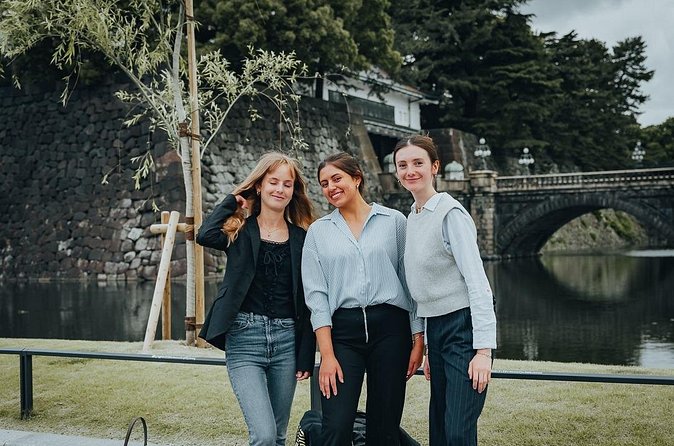
The guide is central to the experience. Without explanations, you could walk past the watchtower or stonework, take a few photographs, and miss why the site matters. The tour is designed to give you the political and military background behind what you see.
Taro is the guide specifically named in the available feedback. He led a group through very hot weather and kept the discussion educational and interesting. That is useful information if you are choosing between a self-guided visit and a small guided walk.
The tour is conducted in English. The group is capped at eight people, so you are more likely to hear the guide clearly and ask a question than you would in a large bus group.
The description does not promise a particular guide for every date. Taro may not lead your outing, so treat his name as a helpful example rather than a guarantee. The experience provider is YURAGI.
One advantage of a guide is flexibility. If access changes, the guide can adjust the route and still explain the area. That happened when the palace was closed, and the outing continued with other worthwhile locations and background.
How good is the $0.39 price?
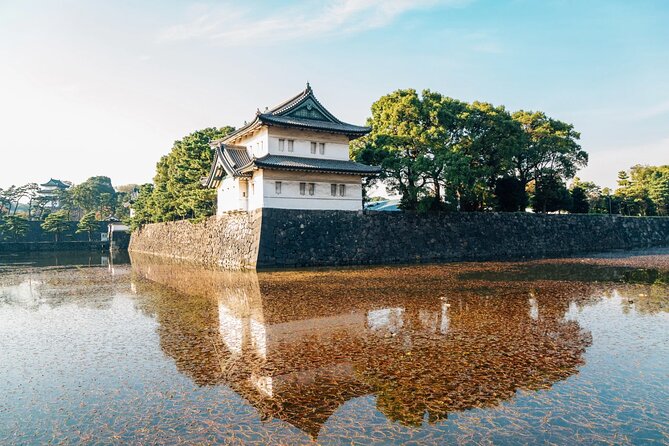
At $0.39 per person, this tour is priced far below what most guided Tokyo walks cost. If that rate is available for your date, the value is hard to dispute. You receive about two hours with an English-speaking guide, a small group, and access to historic public grounds.
Still, the price deserves a careful look. The experience is described as a test tour operated by the company, and the unusually low cost may be tied to that test status. Confirm the final price and booking availability before you rely on it as the centerpiece of your plans.
The tour does not require a separate admission charge for the listed stops. The Sakurada Tatsumi Yagura, Imperial Palace area, and East Gardens are shown with free admission in the tour details.
Even at a higher price, a guided explanation could be worthwhile for visitors who want context. At the stated price, the main risk is not poor value. It is the possibility that availability, access, or operating details may change because the experience is still being tested.
Who will enjoy this two-hour walk?
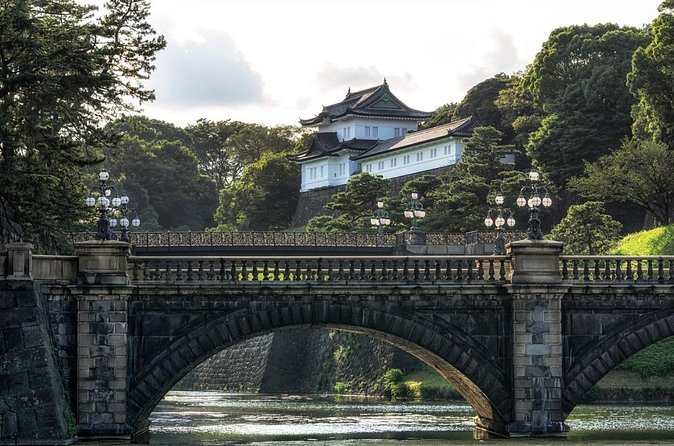
I would recommend this tour to you if you want a compact introduction to Tokyo’s political and historical center. It suits first-time visitors, people interested in samurai-era Japan, and anyone who prefers old walls and public gardens to a long indoor museum visit.
It also works well for a short Tokyo schedule. Two hours is enough to add before lunch or in the afternoon without giving up an entire day. Since the walk ends where it starts, you can plan your next stop from the same central area.
The small group should appeal to you if you like asking questions or prefer a quieter tour. It may be less suitable if you want to explore at your own pace, linger over photographs, or read every sign without keeping to a group.
You should also consider the weather. The route is outdoors, and one outing took place in intense heat. Tokyo’s hot days can make a two-hour walk feel much longer, so choose your timing carefully when possible and bring water.
If your main goal is guaranteed access to the palace interior, this is not the right booking. The tour focuses on the East Gardens, castle remains, watchtower, walls, and outdoor imperial setting, and closures can change the route.
Booking, cancellation, and practical details
You receive a mobile ticket, which is convenient for a city day when you may not want to carry printed paperwork. Confirmation is expected within 48 hours of booking, subject to availability. That timing matters, so do not assume the reservation is final immediately after payment.
Most people can take part, according to the supplied participation information. No special fitness requirement is stated, but this is a walking tour through outdoor grounds, so comfortable footwear is sensible.
Free cancellation is available if you cancel at least 24 hours before the experience begins. Cancellations made less than 24 hours before the start time are not refunded, and changes within that period are not accepted. The cut-off follows local Tokyo time.
The tour ends back at Starbucks Coffee near Wadakura Fountain Park. It has a maximum of eight people, runs for approximately two hours, and is led in English.
Should you book the Imperial Palace East Gardens walk?
Book it if you want a short, low-cost way to understand the old Edo Castle site, especially with a guide who can explain the Tatsumi Yagura, palace grounds, and surviving stonework. The small group and central meeting point make it practical, while the low price gives you little financial risk if the rate is available.
Skip it if you want guaranteed palace access, a long garden visit, or a fully self-guided outing. You should also check the weather and allow for possible route changes if the palace area closes.
For most visitors interested in Tokyo’s past, this is a sensible two-hour introduction. The strongest reason to go is not a single spectacular building. It is the chance to understand how a watchtower, moat, garden, and ruined castle wall fit into the story of modern Tokyo.
FAQ
How long does the Tokyo Imperial Palace East Gardens tour last?
The tour lasts approximately two hours.
Where does the tour begin?
It begins at Starbucks Coffee near Kokyo Gaien Wadakura Fountain Park, at 3-1 Kōkyogaien, Chiyoda City, Tokyo 100-0002, Japan.
Where does the tour end?
The experience ends back at the meeting point near Wadakura Fountain Park.
Is the tour conducted in English?
Yes. The tour is led by a professional English-speaking guide.
How many people can join the tour?
The group has a maximum of eight participants.
Is admission included for the listed stops?
The listed stops have free admission, including Sakurada Tatsumi Yagura, the Imperial Palace area, and the East Gardens.
What happens if the Imperial Palace is closed?
The guide can take you to other suitable places and continue explaining the area and its history. The route may change when the palace is unavailable.
Can I cancel for a full refund?
Yes, if you cancel at least 24 hours before the experience start time. Cancellations made less than 24 hours in advance are not refunded.
Newly reviewed around Tokyo
- Tokyo Asakusa:Calligraphy & Make T-shirt Activity★ 5.0 · 62 reviews
- Intercity Shuttle, Tokyo to Haneda /Narita /Yokohama /Makuhari★ 5.0 · 5 reviews
- 1 Hour Travel around Tokyo with a Professional Photographer★ 5.0 · 3 reviews
- Travel Tokyo with Your Own Personal Photographer★ 5.0 · 43 reviews
- Train in Samurai Swordsmanship and Defeat the Demon in Tokyo★ 5.0 · 5 reviews
- Shuttle Van 6hr Tokyo Tour to-and-from Tokyo, Yokohama and Narita★ 5.0 · 9 reviews
- Kickboxing & Body Training with EX-Pro Fighter★ 5.0 · 4 reviews
- Traditional Japanese Knife Sharpening Class★ 5.0 · 18 reviews
Tokyo Imperial Palace Tours, compared.

Imperial Palace and Shogun Historical Walking Tour
Read our review →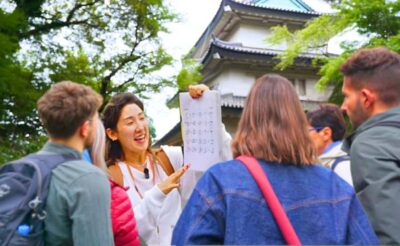

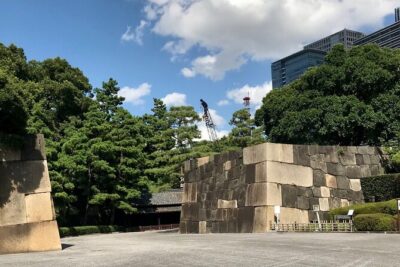
Imperial Palace East Garden and Edo Castle Walking Tour in Tokyo
Read our review →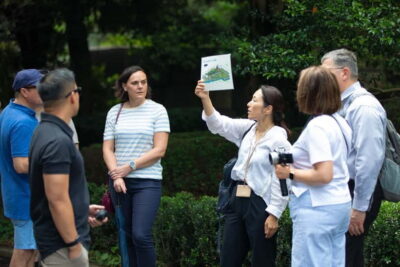
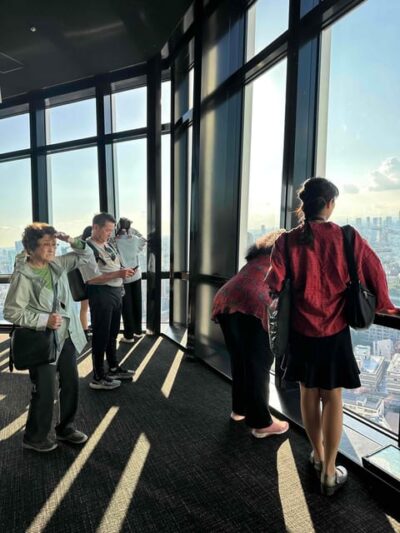
Imperial Palace, Sensō-ji Temple, & Tokyo Tower Tour
Read our review →
Tokyo Castle, Imperial Palace, Shogun & Garden Walking Tour
Read our review →
Edo Castle & East Garden of the Imperial Palace Tour
Read our review →Browse the lists this tour appears in