
Reviewed · TOKYO IMPERIAL PALACE TOURS
Private Tour – History, Art and Nature at the Imperial Palace
Tokyo’s Imperial Palace is usually seen in fragments. This private tour ties the pieces together, from the grand red-brick face of Tokyo Station to palace gardens, Edo Castle ruins, modern Japanese art, and the tree-lined moat at Chidorigafuchi. It is a useful way to see central Tokyo without spending half a day sorting out the route yourself.
I like the one-to-one guide attention, which lets you ask about imperial life, Japanese gardens, or Tokyo’s past as you go. I also like the mix of quiet lawns, historic stones, an art museum, and a cafe stop. The main catch is that the tour involves plenty of walking, and the museum admission and food are extra.
Key points
- A private four-and-a-half-hour route: Your group has the guide to itself, with time to ask questions and adjust the pace.
- Imperial Palace history and gardens: See the East Gardens, Edo Castle remains, Wadakura Fountain Park, and seasonal plantings.
- A serious art stop: The National Museum of Modern Art displays Japanese and overseas art from around the 20th century.
- A pleasant nature finish: Walk through Kitanomaru Park and along Chidorigafuchi, one of central Tokyo’s best scenic stretches.
- A practical Tokyo starting point: Meet at Tokyo Station’s Marunouchi Station Square and finish near Hanzomon Station.
- Budget for about 1,500 yen extra: This estimate covers museum admission and a meal, though your actual costs may vary.
Why this private palace walk works so well
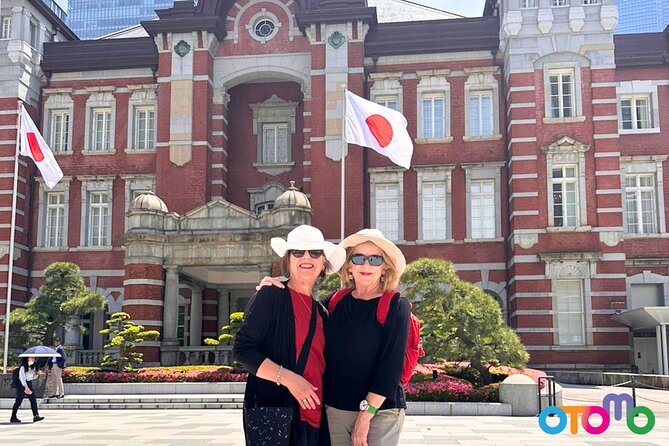
The appeal here is not one blockbuster sight. It is the way several sides of Tokyo appear in a single outing. You begin with the city’s grand railway gateway, move into the grounds around the Imperial Palace, pause for art, and finish among trees and water.
That range gives you a better sense of central Tokyo than a palace visit alone. You see how the city grew around the old castle, how imperial spaces are used today, and how carefully preserved gardens provide breathing room among busy streets.
Because this is a private tour, you are not tied to the interests of a large group. If you want more background on Edo Castle, your guide can spend extra time there. If art is your priority, you can use the museum visit as a chance to ask about Japanese artists and modern cultural life.
The guide quality matters a lot on a route like this. Guides named Keiko, Yumi, Fumi, Sonoko, and Jinnosan have been praised for clear explanations, patience, flexibility, and help with onward directions. Sonoko was even able to arrange access to a palace garden that a participant especially wanted to see. That kind of personal attention is the main reason to choose this private format.
More Imperial Palace tours in Tokyo:
- Tokyo: Imperial Palace and Shogun Historical Walking Tour
★ 5.0 · 2,251 reviews - Tokyo: Imperial Palace Japanese History Walking Tour
★ 4.9 · 987 reviews - Tokyo: Imperial Palace and Shogun Walking Tour
★ 4.9 · 935 reviews
Tokyo Station sets the historical stage
The meeting point is Tokyo Station Marunouchi Station Square, by the station’s central exit. Allow a little time to orient yourself in the station, since Tokyo Station is large and has several exits.
Your first 15 minutes are spent looking at the station’s Marunouchi facade from the square. The building gives you an immediate contrast: a formal Western-style railway terminal on one side, and the former imperial grounds only a short walk away.
This is a good opening because your guide can connect Tokyo’s modern transport network with the older political center of the city. You are not simply taking a photo of a handsome building, then moving on. You are beginning to see how old and new Tokyo sit side by side.
Wadakura Fountain Park and the imperial grounds
Wadakura Fountain Park takes about 10 minutes. It lies within the Imperial Palace area and was created to mark the marriage of the Emperor Emeritus and Empress Emerita.
The park is a short, calm pause before the more substantial garden visit. Its fountains and open space offer a chance to slow down, and the setting gives your guide room to explain the modern imperial family and the meaning behind the park.
The palace grounds can have closures or route changes around holidays and poor weather. Check the conditions before setting out, and keep some flexibility in mind. One participant arrived to find a palace garden closed for a holiday, so this is not a detail to ignore.
East Gardens and the remains of Edo Castle
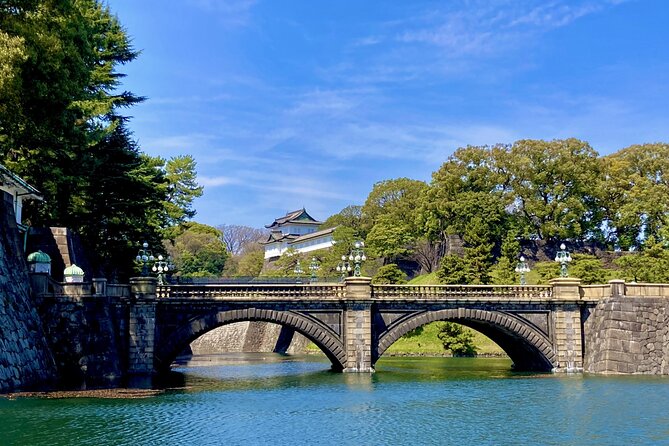
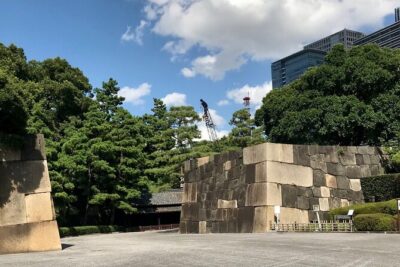
The East Gardens are the historical heart of the walk. You spend about 30 minutes among Japanese garden plantings, seasonal flowers, and remains connected to the old Edo Castle.
The gardens are especially rewarding if you enjoy seeing history in physical traces rather than only hearing dates. Stonework, open spaces, and castle remnants help you picture the scale and importance of the site before Tokyo became the modern capital you see today.
Your guide’s explanation adds real value here. Without context, a foundation or old wall can look like another piece of stonework. With an explanation of the castle site and imperial grounds, the setting becomes easier to read.
Season matters. The gardens change through the year, and a guide may know where to look for particularly attractive seasonal views. During cherry blossom season, one guide took a participant to special spots for better views. Do not expect a fixed flower display, but do expect the scenery to shift with the calendar.
More history and heritage tours in Tokyo:
- Tokyo: Shinjuku Historical Walking Tour & Secret Backstreets
★ 5.0 · 530 reviews - Yanaka Walking Tour: Historic and Traditional District of Tokyo
★ 5.0 · 530 reviews - Mt. Fuji Heritage Tour: Traditional Villages, Lakes & Shrine
★ 4.5 · 509 reviews - From Tokyo: Nikko World Heritage Site Private Full-Day Trip
★ 4.9 · 243 reviews
National Museum of Modern Art, Tokyo
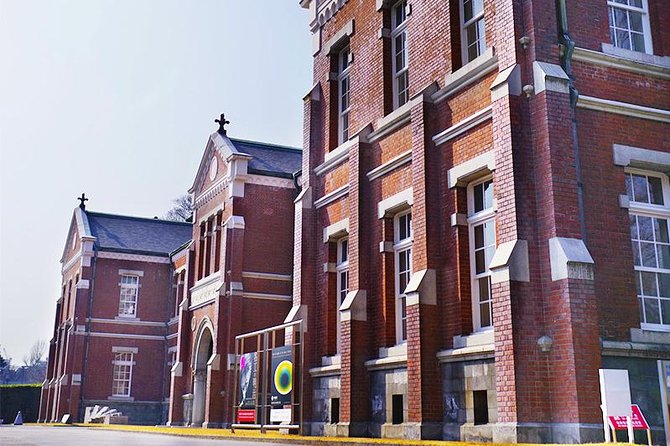
The National Museum of Modern Art occupies about 40 minutes of the tour. It was Japan’s first national art museum, and its collection includes works from around the 20th century in Japan and overseas.
This stop gives the outing a useful change of pace. The palace grounds focus on older power, gardens, and castle remains. The museum asks you to consider how Japanese artists responded to modern life and international art.
The museum is not included in the tour price. The listed estimate allows 500 yen per person for admission, but you should treat that as an estimate rather than a guaranteed final charge.
Forty minutes is enough for a focused visit, not a full museum study. If you are an art specialist, you may wish for more time. If you mainly want a taste of Japanese modern art, the stop is well judged.
One practical point: not everyone will value this section equally. Some people prefer the gardens and history and may find the museum less essential. Others will see it as the part that gives the day more depth. Tell your guide what interests you, since the private format makes that conversation possible.
Lunch at CAFÉ 33 in Kitanomaru Park
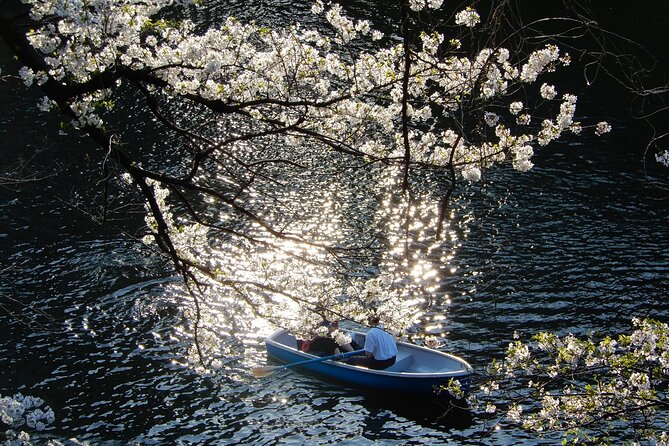
The scheduled cafe stop lasts about 40 minutes at CAFÉ 33 in Kitanomaru Park. It is a chance to eat while staying close to the park’s trees and open space.
Food and drink are not included. The stated estimate sets aside about 1,000 yen per person for the meal, though your order may cost more or less.
This is not a long restaurant experience, and it should not be treated as a major food tour. Its value is practical: after walking through the palace area and museum, you get a proper pause before the final outdoor sections.
The cafe uses fresh ingredients from the Tohoku region and Tokyo. That gives your meal a small connection to the wider country rather than making it just a convenient snack near a sightseeing stop.
Kitanomaru Park’s open lawns
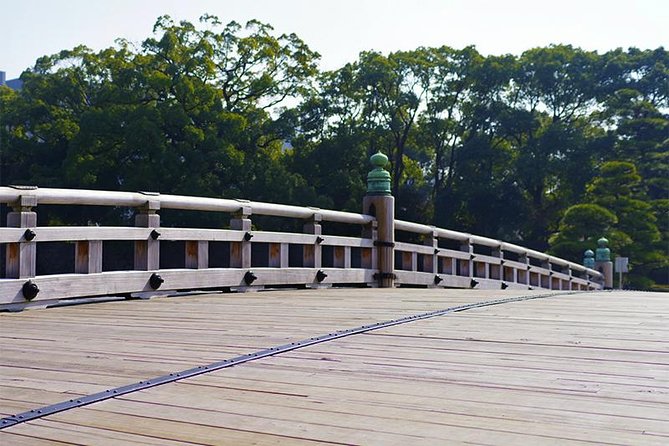
Kitanomaru Park receives about 20 minutes. Its broad lawn and varied trees create a noticeably quieter setting within central Tokyo.
I like this part because it shows how much open space surrounds the palace area. The park feels less formal than the East Gardens. Instead of castle remains or carefully framed garden views, you get room to walk, sit, and look at the plant life.
The park also helps break up the tour. Four and a half hours can feel long if every stop requires close attention, but the lawn and trees give you a more relaxed stretch.
Do not expect a major attraction at every turn. This is a gentle nature stop, best appreciated as part of the larger route rather than as a destination requiring a separate visit.
Chidorigafuchi offers a scenic finish
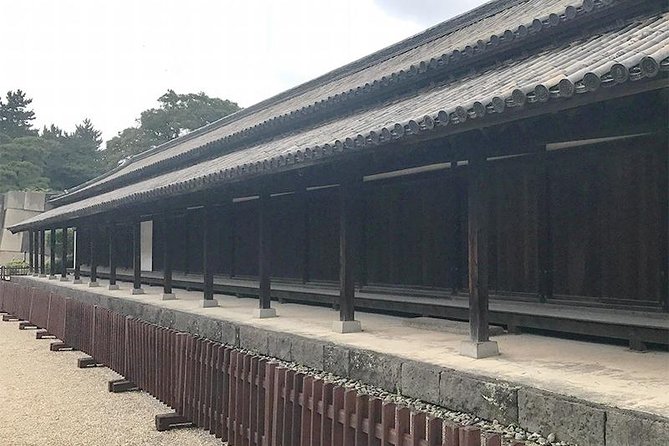
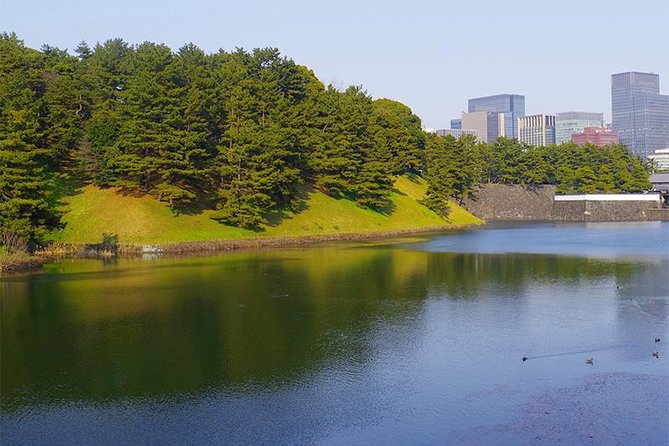
The final stop is Chidorigafuchi, where you spend about 20 minutes along a road with views of one of the palace area’s remaining natural spaces.
This is one of the tour’s best photo opportunities. The water, trees, and old moat setting give you a different view of the Imperial Palace area from the gardens and castle remains earlier in the day.
The finish near Hanzomon Station is also practical. You are not returned to Tokyo Station, but you end close to Tokyo Metro Hanzomon Station, which lets you continue to another part of the city.
The exact route can change if the weather is bad. That flexibility is sensible, especially for a walking tour, but it means you should see the listed stops as the planned shape of the outing rather than an absolute promise for every day.
What the private format is worth at $90.60
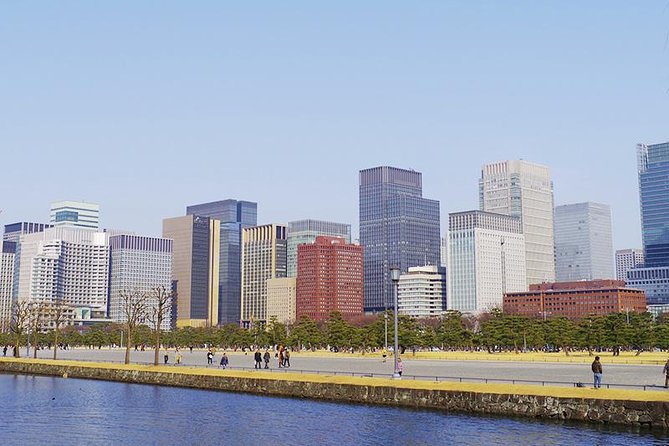
At $90.60 per person, this tour is not the cheapest way to stroll around the palace grounds. The price makes more sense if you value a guide’s time, historical explanation, and route planning.
You are paying for a private guide rather than joining a large group. That matters in Tokyo, where the palace grounds, station exits, museum route, and final train connection can take effort to coordinate. A private guide can also answer questions that a recorded audio guide cannot.
The estimated extra cost is 1,500 yen per person. About 500 yen is set aside for admission, and about 1,000 yen for food. Transportation during the tour is listed at zero yen, but any costs you incur at the stops are your responsibility.
For a couple or small family, the value improves if a group discount applies. The tour lists group discounts, but the exact saving is not provided, so check the final price for your party before booking.
I would choose this experience over a self-guided visit if you want context and company. I would skip it if you prefer to move quickly, spend several hours in the museum, or explore the palace area at your own pace.
Walking, timing, and what to wear
The outing lasts about four hours and 30 minutes. That includes the station introduction, palace grounds, museum, cafe meal, parks, and final walk to Hanzomon.
There is a lot of walking, so comfortable shoes are essential. The route combines station pavements, garden paths, park areas, and outdoor roads. A small bottle of water and weather-appropriate clothing are sensible, though the tour information specifically stresses footwear rather than listing equipment.
The guide covers their own necessary tour expenses. You pay for admission, meals, and other food or drink costs yourself.
Most people can take part, and the meeting point is near public transportation. Still, the route is not designed as a short, seated sightseeing trip. If your group has limited walking ability, ask the operator about the day’s route before booking.
Who will enjoy this tour most
This outing suits a first visit to Tokyo, especially if you want a calm introduction before tackling busier districts. It brings together architecture, Japanese gardens, imperial history, modern art, and city nature without asking you to plan several separate stops.
It is also a good choice for couples, families, and small groups who want to ask plenty of questions. The private setup lets you tell the guide if you want more palace history, better seasonal views, or help finding your next destination after the tour.
Art lovers should note the museum timing. Forty minutes offers a useful look, but it will not satisfy someone hoping to inspect every gallery. Garden lovers may find the East Gardens, Kitanomaru Park, and Chidorigafuchi more rewarding than the museum.
The tour is less suitable for anyone wanting a pure Imperial Palace visit. The route includes the museum and cafe, and the exact palace access can depend on holiday or weather conditions.
Should you book it?
Book this tour if you want a well-shaped introduction to central Tokyo and value a guide who can explain what you are seeing. The strongest reasons are the private attention, the range of stops, and the chance to connect Edo Castle remains with modern Tokyo and Japanese art.
Before booking, be ready for a long walk, extra costs for the museum and meal, and possible route changes. If those points suit your plans, the tour offers a thoughtful half-day rather than a rushed checklist. If you want only palace gardens, a self-guided visit may give you more freedom for less money.
FAQ
How long does the tour last?
The tour lasts approximately four hours and 30 minutes.
Where does the tour begin?
It begins at Tokyo Station Marunouchi Station Square, at 1 Chome-9 Marunouchi, Chiyoda City.
Where does the tour finish?
The tour ends near Tokyo Metro Hanzomon Station at 1-chōme-6 Kōjimachi, Chiyoda City.
Is this a private tour?
Yes. Only your group participates, and the guide’s attention is reserved for your party.
What is included in the tour price?
A tour guide, the private tour, and the guide’s necessary expenses during the tour are included.
Are admission fees and meals included?
No. Admission fees, food, drinks, and other costs at the visited places are paid by you. The estimated additional cost is 1,500 yen per person, including about 500 yen for admission and 1,000 yen for a meal.
Does the tour include transportation?
The tour lists transportation costs at zero yen. You are still responsible for any transportation costs you incur at the visited places.
What should I wear?
Wear comfortable shoes because the tour involves a lot of walking.
Can the route change because of weather or closures?
Yes. Poor weather may lead to changes in destinations and routes. Palace garden access can also be affected by holidays or other closures.
Can I cancel for a full refund?
Yes, if you cancel at least 24 hours before the local start time. Cancellations or changes made less than 24 hours before the start are not accepted for a refund.
Newly reviewed around Tokyo
- Tokyo Asakusa:Calligraphy & Make T-shirt Activity★ 5.0 · 62 reviews
- Travel Tokyo with Your Own Personal Photographer★ 5.0 · 43 reviews
- Intercity Shuttle, Tokyo to Haneda /Narita /Yokohama /Makuhari★ 5.0 · 5 reviews
- 1 Hour Travel around Tokyo with a Professional Photographer★ 5.0 · 3 reviews
- Train in Samurai Swordsmanship and Defeat the Demon in Tokyo★ 5.0 · 5 reviews
- Shuttle Van 6hr Tokyo Tour to-and-from Tokyo, Yokohama and Narita★ 5.0 · 9 reviews
- Kickboxing & Body Training with EX-Pro Fighter★ 5.0 · 4 reviews
- Traditional Japanese Knife Sharpening Class★ 5.0 · 18 reviews
Tokyo Imperial Palace Tours, compared.
Imperial Palace and Shogun Historical Walking Tour
Read our review →
Imperial Palace East Garden and Edo Castle Walking Tour in Tokyo
Read our review →
Imperial Palace, Sensō-ji Temple, & Tokyo Tower Tour
Read our review →
Tokyo Castle, Imperial Palace, Shogun & Garden Walking Tour
Read our review →
Edo Castle & East Garden of the Imperial Palace Tour
Read our review →Browse the lists this tour appears in