
Reviewed · TSUKIJI AND TOYOSU FISH MARKET TOURS
Morning Market Adventure: Toyosu & Tsukiji with Tuna Auction
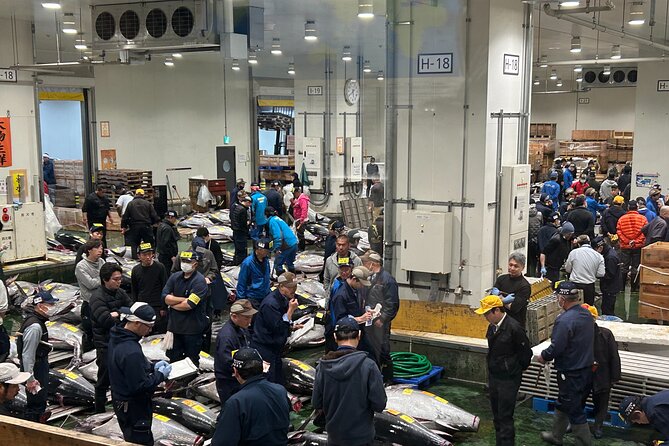
The real prize here is seeing Tokyo’s early-morning tuna auction before most of the city is awake. I like that you visit both Toyosu, the modern wholesale market, and Tsukiji, the older food quarter, in one carefully timed morning. I also like the private format: guides such as Mayumi, Sachiyo, Nobby, and Yumi can adjust the pace and explain what you are seeing instead of sending you through the market alone.
The catch is the 5 a.m. start and the extra transport and food costs. The auction itself is free, so the $154.60 price pays mainly for the guide, local insight, and help with a complicated morning. If you want a relaxed late breakfast, this is not your tour.
Key points to know before booking
- See Toyosu and Tsukiji in one morning: You visit Tokyo’s new wholesale market and its older outer-market district.
- Watch the tuna trade from a useful viewpoint: The auction may be seen from the upstairs glass viewing area; the auction floor requires a separate lottery.
- Private guiding makes a real difference: Your guide can answer questions, change the pace, and suggest food stops for your group.
- Expect expert local help: Guides named in the experience include Mayumi, Sachiyo, Nobby, Yumi, Tomoko, Yuki, Emi, Hiroshi, and Naomi.
- Bring room for breakfast: Sushi and other market food are not included, but stopping to eat is one of the best parts of the morning.
- Plan the transport carefully: Hotel-to-market taxi fare and the bus from Toyosu to Tsukiji are extra.
Why the tuna auction is worth the early alarm
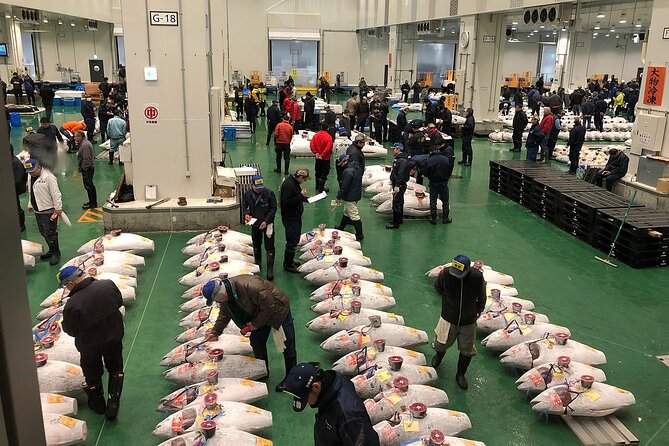
Toyosu is not a staged food show. It is a working wholesale market, and the tuna auction is part of a serious trade that supplies sushi counters, restaurants, and seafood shops. That matters because your guide can explain what the auction means, not just point at rows of frozen fish.
The auction is the main reason to accept the ungentle hour. The tour begins at 5 a.m. at Shijō-mae Station, beside Toyosu Market. You will need to be ready for a market already in motion. The early start can also help if you have just arrived in Japan and are awake with jet lag.
The public viewing area is behind glass and gives you a broad look at the action. That viewpoint can be more useful than it sounds. You see the scale of the operation without standing in the way of workers, and your guide can explain the hand signals, inspection process, buyers, and movement of the tuna.
If standing on the auction floor is essential to you, plan ahead. Only 50 people a day are selected through a lottery, and the application must be made months in advance. This tour does not turn that lottery into a guaranteed floor visit. It does, however, give you a guide who can explain what is happening from the public viewing area.
More Tsukiji and Toyosu fish market tours:
- Tokyo Tsukiji Fish Market Food and Culture Walking Tour
★ 5.0 · 3,184 reviews - Tokyo: Tsukiji Fish Market Food and Walking tour
★ 5.0 · 1,724 reviews - Tokyo: Tsukiji Fish Market Guided Walking Tour
★ 4.9 · 1,397 reviews
Toyosu Market from 5 to 6:30 a.m.
The first scheduled stop lasts about 90 minutes. Toyosu is Tokyo’s newest and largest wholesale market, built as the successor to the former Tsukiji wholesale market. Its architecture is modern, orderly, and enclosed, which makes it feel very different from the older market district later in the morning.
You can expect the guide to help you get your bearings in a large complex. This is one of the strongest reasons to pay for a private tour. A guide such as Nobby or Sachiyo can lead you to useful viewing spots, explain the auction system, and keep the morning moving when the schedule is tight.
The glass-walled viewing deck lets you watch the auction activity from above. You might see the scale of the tuna trade more clearly from here than you would from the floor, where workers are focused on business. The market also handles fruit, vegetables, and other fresh food, so the visit is not limited to tuna.
Your guide may use notes, pictures, or simple explanations to show how tuna moves from fishing grounds to auction buyers and then to restaurants. Tomoko, for example, is described as explaining fishing styles, fishing locations, auctioneers, and the wider trade. Mayumi has also helped explain tuna seasons, knife making, seafood sourcing, and Japan’s concerns about overfishing bluefin tuna.
That wider context is valuable. Without it, you may see a row of large fish and a group of men making bids. With it, you begin to understand why the fish are inspected, how quality affects price, and why the auction matters to the sushi you eat later.
Toyosu is also a place where you should respect the working environment. This is not a theme park. Staff are moving goods, equipment, and vehicles, and the market’s main purpose is commerce. Follow your guide, stay out of work paths, and keep your camera use sensible.
A seafood breakfast after Toyosu
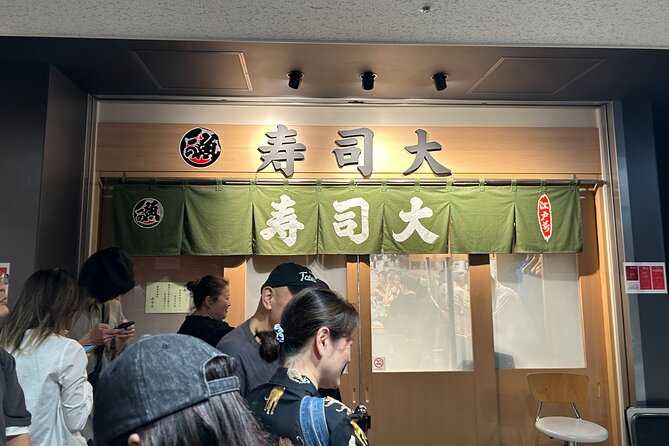
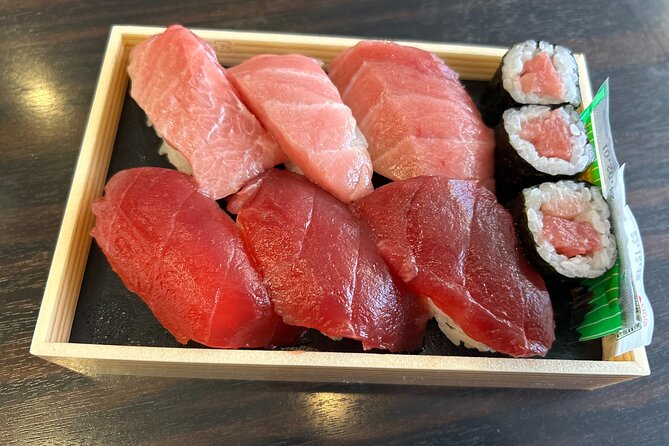
Breakfast is not included, but the private format makes it easy to stop for food if your group wants to. That flexibility is one of the tour’s best practical features. You can ask for sushi, sashimi, or another seafood option, then continue when you are ready.
Several guides have taken groups to small places near the market, including a sushi breakfast that one group considered among the best meals of its Tokyo trip. Another guide helped a group find a restaurant used by people connected with the auction. These details point to the value of having a local guide, but you should still treat food as an extra purchase, not part of the $154.60 fee.
A private tour also helps if your group has different appetites. One person may want a full sushi breakfast, while another may prefer to browse first. You are not locked into a large group’s fixed meal stop. Your guide can suggest places and help you make sense of what is available, but you choose what to buy.
Tsukiji is also a good place to sample something small rather than commit to a full meal. The supplied details specifically describe opportunities for seafood, street food, sushi, and sashimi. Prices and availability can vary, so bring a payment method suitable for market purchases and allow room in your budget.
Taking the bus from Toyosu to Tsukiji
The move between markets is part of the morning, but it is not included in the tour price. The bus fare from Toyosu to Tsukiji is extra. A taxi from your hotel to the starting point is also extra, so do not confuse pickup offered with free door-to-door transportation.
The listed meeting point is Shijō-mae Station at Toyosu. Some guides have met groups at their hotels and traveled with them to the market, but the transport arrangements should be confirmed before you go. If the guide meets you at the hotel, taxi costs still belong to you unless your booking terms say otherwise.
This transfer gives the experience a useful shape. You first see the modern wholesale operation, then move to the older retail market where food, tools, and conversation take over. The contrast is part of the point. Toyosu is controlled and work-focused. Tsukiji is closer to the public food culture most people picture when they hear Tokyo fish market.
More Tokyo markets and shopping streets:
- Tsukiji Fish Market Guided Tour and Sushi Making with Pro Chef
★ 5.0 · 775 reviews - Tokyo: Tsukiji Fish Market Food and Culture Walking Tour
★ 4.7 · 757 reviews - Tsukiji Fish Market: Street Food & Culture Walking Tour
★ 5.0 · 669 reviews - Tsukiji Fish Market Small-Group Food Walking Tour
★ 5.0 · 621 reviews
Tsukiji Outer Market from 6:30 to 8 a.m.
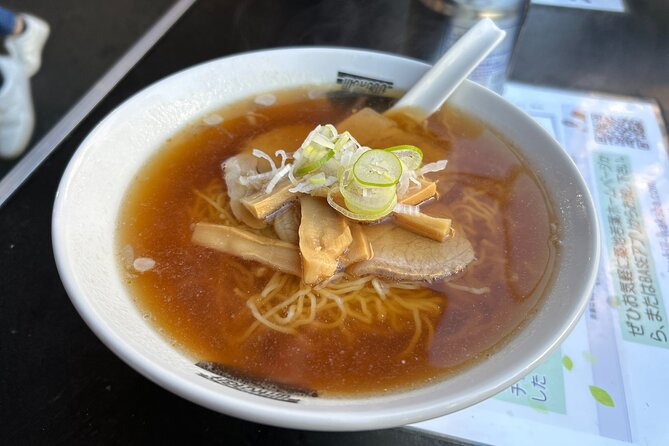
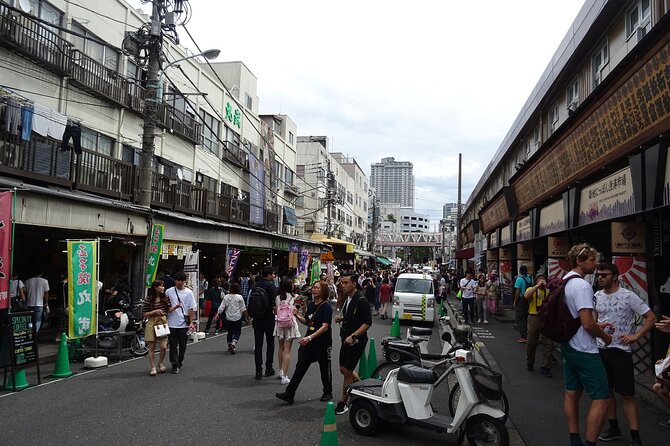
The second stop lasts about 90 minutes at Tsukiji Outer Market. The wholesale market moved to Toyosu, but Tsukiji’s outer market remained a destination for food shops, small restaurants, seafood stalls, kitchenware sellers, and souvenir shopping.
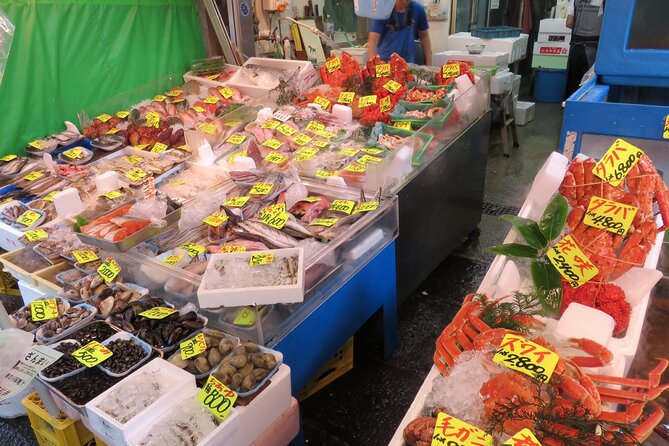
Here you can expect a more hands-on morning. You may find fresh seafood, sushi, sashimi, other Japanese dishes, cooking ingredients, tea, and kitchen tools. A guide can point out stalls that fit your interests rather than leaving you to wander through every lane.
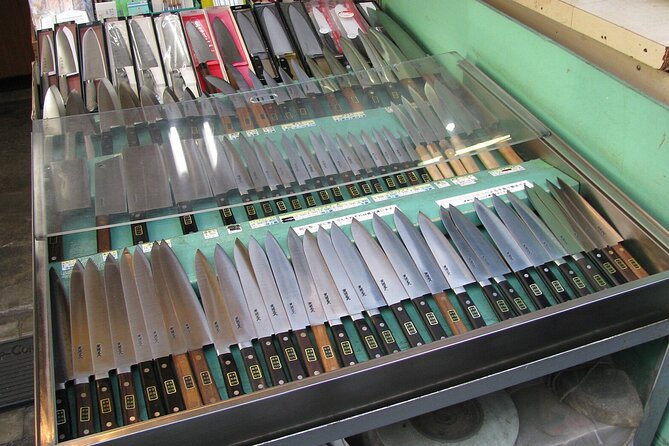
This is where the private format feels most useful. You can ask your guide to focus on food, Japanese cooking, knives, market history, or practical eating suggestions. One guide helped arrange a custom chef’s knife purchase and shipment to the United States. That is not a guaranteed part of every tour, but it shows the sort of personal help the format can allow.
You may also hear about Tsukiji’s earlier role in Tokyo. One guide explained how canals once helped carry fresh fish toward Edo Castle and later the Imperial family. The market’s story is tied to the city’s growth, food supply, and changing relationship with the waterfront.
Do not expect Tsukiji to feel like Toyosu. The two markets serve different purposes, and that contrast is a major strength of the tour. Toyosu helps you understand wholesale trade. Tsukiji lets you see how food reaches cooks and diners in a more public setting.
The guides are the main value
The tour lists an English-speaking guide, but the guide’s personality and skill will shape your morning. Names connected with this experience include Mayumi, Sachiyo, Nobby, Yumi, Tomoko, Yuki, Emi, Hiroshi, and Naomi.
The strongest pattern is preparation and flexibility. Sachiyo has contacted groups through WhatsApp before the tour, explained how to prepare for the auction, and helped with last-minute needs. Yumi has offered choices at the start, including arriving early for a better viewing position. Nobby is described as punctual and helpful with both markets and food suggestions.
Mayumi’s guiding style appears especially broad. She has explained the auction, fishing areas, seasons, knives, Shinto and Buddhist traditions, and the history of the market. She has also helped groups find the subway and understand how to buy tickets after the tour.
You should not book this expecting a scripted lecture that is identical every day. The guide can answer questions and adapt the route to your group. That is ideal if you want to know why something works the way it does, rather than simply take photographs and leave.
English ability is important for this tour because the auction moves quickly and the market has many unfamiliar details. The experience specifically includes an English-speaking guide, and the named guides are repeatedly described as clear and easy to understand.
Is $154.60 a fair price?
At $154.60 per person, this is not a cheap market walk. Toyosu and Tsukiji do not charge admission for the scheduled visits, and you still pay separately for transport, breakfast, and anything you buy.
The value comes from the private service. You are paying for someone to meet you at an unpleasant hour, guide you through a large market, explain the auction, help with the Toyosu-to-Tsukiji transfer, and tailor food stops or shopping advice to your group. For first-time visitors, that can save time and prevent a confusing morning from becoming a missed auction.
The price makes more sense for a couple or small group that values personal attention. A private tour means only your group participates, so you can ask questions without holding up strangers. It also lets you pause for food, move on when you are full, or spend extra time on a subject that interests you.
The price is harder to justify if you mainly want to see the auction from the public viewing area and are comfortable finding both markets alone. The auction is free, and independent visitors can explore Tsukiji without a guide. You are paying for explanation, timing, and access to local know-how rather than an admission ticket.
Who should book this morning?
I would choose this tour if you love seafood, want to understand the tuna trade, or prefer a guide when navigating unfamiliar parts of Tokyo. It is also a smart first-morning activity for someone adjusting to the time difference.
Families and mixed-interest groups can benefit from the private setup. One person can ask about sushi, another about knives, and another about Japanese traditions without forcing the whole group into a fixed lecture. Most people can participate, and service animals are allowed.
I would think twice if you dislike early starts, have mobility or scheduling needs that make a three-hour walking and transit morning difficult, or want a guaranteed place on the auction floor. The tour offers a chance to see the auction, but the floor itself is controlled by a separate lottery.
You should also allow extra time after the official three hours if you plan to eat or shop at Tsukiji. The scheduled experience ends at the Tsukiji Outer Market, where you can continue on your own.
Should you book the Toyosu and Tsukiji tour?
Book it if the tuna auction is high on your Tokyo list and you want the market explained by a private English-speaking guide. The combination of Toyosu’s working wholesale operation and Tsukiji’s food stalls gives you two different views of Japanese seafood culture in one morning.
The strongest reason to book is not the free market entry. It is the help with timing, viewing spots, local food, auction customs, and the maze of both markets. Just budget for the hotel taxi, bus fare, breakfast, and purchases, and accept that the 5 a.m. alarm is part of the deal.
FAQ
How long does the tour last?
The tour lasts approximately three hours. The listed schedule allows about 90 minutes at Toyosu Market and 90 minutes at Tsukiji Outer Market.
What time does the tour start?
The start time is 5 a.m. local time.
Where does the tour begin?
The listed meeting point is Shijō-mae Station near Toyosu Market, at 6 Chome-3 Toyosu, Koto City, Tokyo.
Where does the tour end?
The tour ends at Tsukiji Outer Market in Tokyo.
Is the tuna auction included?
The tour is designed to let you watch the early-morning tuna auction, usually from a public viewing area. Entry to the auction floor requires a separate lottery, with only 50 people selected each day according to the provided tour information.
Is breakfast included?
No. Breakfast is not included. You can stop for sushi, sashimi, seafood, or other market food, but you pay for anything you eat.
Are transportation costs included?
No. A taxi from your hotel to the market and the bus from Toyosu to Tsukiji are not included.
Is this a private tour?
Yes. Only your group participates, and an English-speaking guide leads the experience.
Can I cancel for a full refund?
Yes, if you cancel at least 24 hours before the experience start time. Cancellations or changes made less than 24 hours in advance are not accepted for a refund.
More early morning tours in Tokyo
- Tokyo: Sumo Morning Practice Viewing Tour
★ 4.8 · 570 reviews - Tokyo: Sumo Morning Training Visit
★ 4.4 · 370 reviews - Tokyo: Sumo Morning Practice Tour at Sumida City
★ 4.8 · 308 reviews - Tokyo Sumo Morning Practice Tour at Stable
★ 5.0 · 298 reviews
Newly reviewed around Tokyo
- Tokyo Asakusa:Calligraphy & Make T-shirt Activity★ 5.0 · 62 reviews
- Intercity Shuttle, Tokyo to Haneda /Narita /Yokohama /Makuhari★ 5.0 · 5 reviews
- 1 Hour Travel around Tokyo with a Professional Photographer★ 5.0 · 3 reviews
- Travel Tokyo with Your Own Personal Photographer★ 5.0 · 43 reviews
- Train in Samurai Swordsmanship and Defeat the Demon in Tokyo★ 5.0 · 5 reviews
- Shuttle Van 6hr Tokyo Tour to-and-from Tokyo, Yokohama and Narita★ 5.0 · 9 reviews
- Kickboxing & Body Training with EX-Pro Fighter★ 5.0 · 4 reviews
- Traditional Japanese Knife Sharpening Class★ 5.0 · 18 reviews
Tsukiji and Toyosu Fish Market Tours, compared.
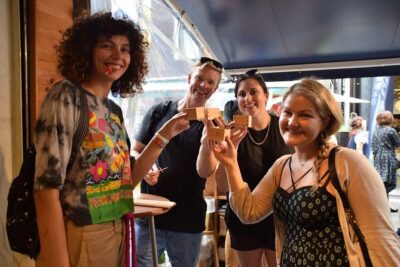
Tokyo Tsukiji Fish Market Food and Culture Walking Tour
Read our review →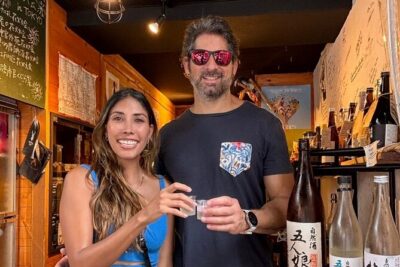
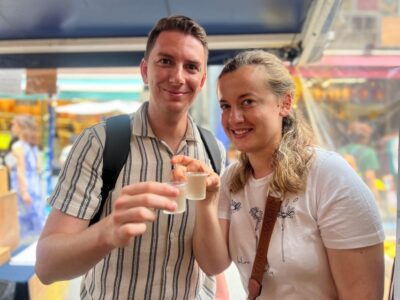
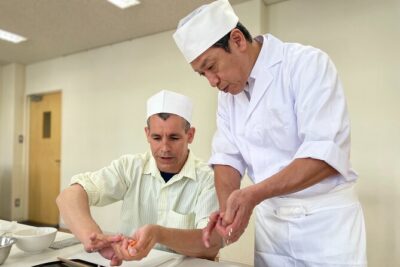
Tokyo Sushi Making Class in Tsukiji with Professional Chef
Read our review →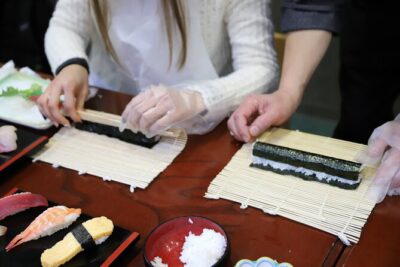
Tsukiji Fish Market Guided Tour and Sushi Making with Pro Chef
Read our review →Tsukiji Fish Market Food and Culture Walking Tour
Read our review →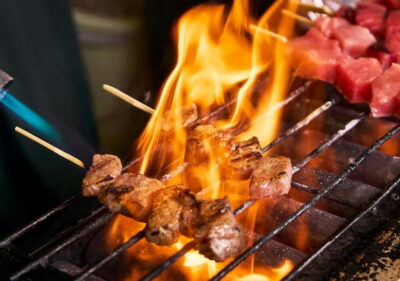
Tsukiji Fish Market: Street Food & Culture Walking Tour
Read our review →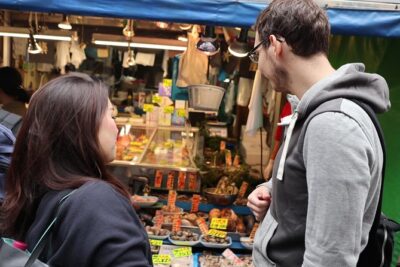
Tsukiji Fish Market Small-Group Food Walking Tour
Read our review →Browse the lists this tour appears in