
Reviewed · TOKYO TRADITIONAL MUSIC AND DANCE SHOWS
Japanaese tradtional Tsugaru Shamisen music lesson in Tokyo
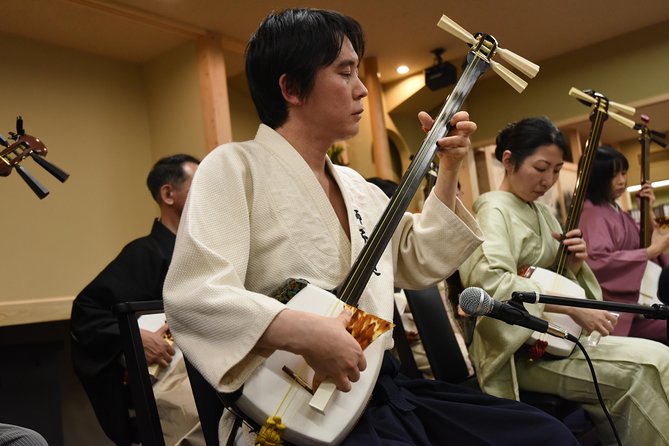
The best part of this Tokyo workshop is the quick change from audience member to musician. You first hear a Tsugaru Shamisen World Tournament group champion play, then pick up the same three-stringed instrument and learn a song yourself. That gives the lesson a strong balance of Japanese music and hands-on practice.
I like the patient instruction, especially for families and complete beginners. I also like the chance to learn from the same musician who performs the opening pieces, rather than simply watching a demonstration. The main drawback is the short one-hour format: you will get a satisfying introduction, but not enough time to master advanced playing.
Key points to know before booking
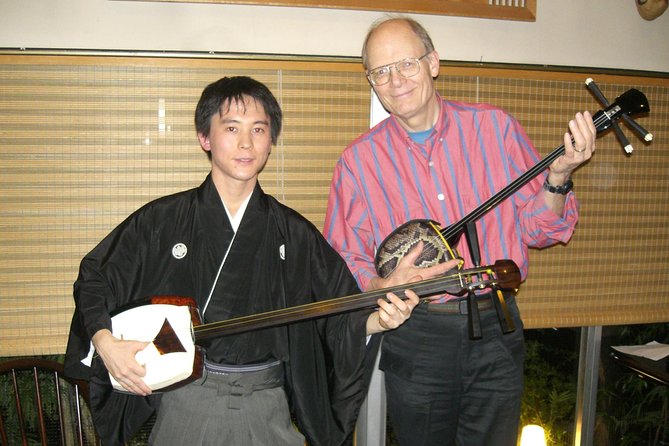
- Hear a tournament-winning musician: The lesson begins with a professional performance before you try the instrument.
- Learn the bachi pick: You practice the distinctive pick used to produce the shamisen’s forceful sound.
- Play a simple song: The session builds toward playing one piece with your instructor.
- Private group setting: Only your own group takes part, which allows for personal attention.
- Good for families and beginners: No previous musical skill is required, and children are welcome.
- Convenient Shinjuku location: The meeting point is at 14-28 Yochōmachi, near Shinjuku and public transportation.
Why Tsugaru shamisen makes a good Tokyo activity
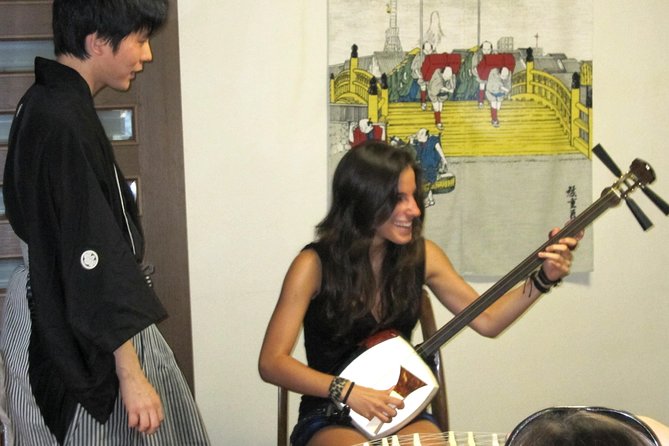
Many Tokyo cultural activities ask you to watch, taste, or photograph something. This one asks you to make a sound. That small difference matters. Even in a one-hour session, you get a clearer feel for Japanese music because you hold the instrument, use the pick, and hear how technique changes the tone.
The shamisen is a traditional Japanese string instrument with three strings. The Tsugaru style is known for its strong, powerful sound, and it is often described as the most forceful-sounding type of shamisen. You should not expect a quiet museum lesson. The instrument has a bold voice, and the bachi pick gives the playing a firm physical quality.
I like the way the workshop places a professional performance at the start. You hear what the instrument can do before being asked to make your own first notes. That makes the lesson easier to understand, since you can connect the instructor’s hand movements with the sound you just heard.
You will also get a short explanation of the shamisen’s structure. This is useful because the instrument may look simple at first glance, with its long neck and three strings, but its sound depends on the body, strings, pick, and player’s control. The explanation gives your practice a little context without turning the hour into a lecture.
More Tokyo traditional music and dance shows:
- Tokyo: Japanese Dance Cabaret Theater Asakusa-Kaguwa Ticket
★ 4.8 · 2,270 reviews - Tokyo: KABUKI Show at Kabukiza Theatre Admission Ticket
★ 4.8 · 152 reviews - Tokyo: KABUKI, BUNRAKU, etc. presented by National Theatre
★ 4.6 · 135 reviews
From professional performance to your first notes
The program begins with music by a performer who has won the Tsugaru Shamisen World Tournament group championship. That is a strong opening for a short cultural activity. Instead of spending the first part on general background, you hear a high-level example right away.
The performance also sets a realistic expectation. You will not sound like the instructor after one session, and you are not expected to. The point is to notice the sound, understand the basic mechanics, and experience the satisfaction of producing a recognizable piece yourself.
Next comes the practical part: how to hold the shamisen. This is more important than it may sound. A good grip affects your comfort and your ability to use the bachi, so the instructor starts with position before moving to the strings.
You then learn how to use the bachi pick. The pick is a defining part of the experience, and handling it can feel unfamiliar if you have only played Western string instruments or no instrument at all. Gentle instruction is provided, so you can expect corrections and guidance rather than being left to guess.
The lesson is designed for beginners. That makes it suitable if you have no musical background, but it also means experienced players should not book it expecting a technical master class. The value is in the first contact with the instrument and in the instructor’s ability to make the process understandable.
Learning a song in a one-hour session
The workshop works toward an easy song. You practice the basic action first, then use it in a piece that you can play by yourself. Later, you play one song together with the instructor.
That sequence gives the hour a clear purpose. You are not simply trying random notes while the clock runs down. You start with posture, add the pick, learn basic playing, and then use those pieces in music.
The group format is also worth noting. This is described as a private activity, so only your own group participates. It is not a large public class where you must wait for several strangers to finish. The instructor can focus on your group, which is particularly helpful when children or first-time players need different amounts of guidance.
At the same time, private does not necessarily mean a fully individual lesson for one person. If you book as a family or group, the attention is shared among your party. Group discounts are available, which can improve the value when several people want to take part.
The one-hour length works well as a compact addition to a Tokyo day. You can fit it between sightseeing plans without giving up half a day. The tradeoff is simple: you will learn the basics and a song, but the session does not leave much room for extended practice or a long discussion of advanced playing.
The advanced techniques and music explanation
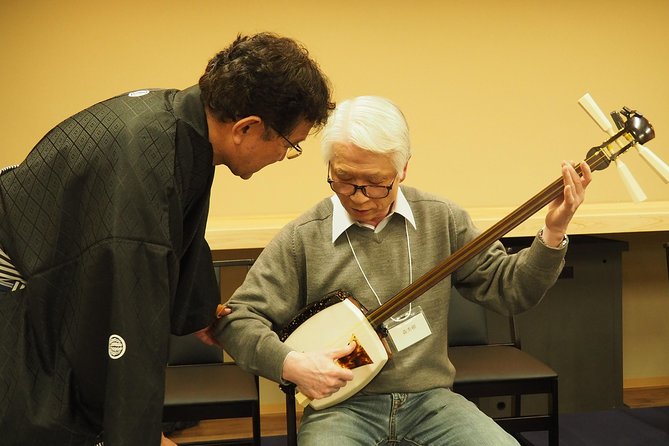
After the basic song, the instructor introduces advanced techniques. Treat this as a glimpse into the instrument’s wider range, not as a promise that you will master them during the visit.
This part is valuable because it shows how much more there is to learn. The simple song gives you an achievable goal, while the advanced techniques show why the Tsugaru style can produce such a powerful and varied sound. You come away with both a small success and a sense of the instrument’s depth.
The lesson also includes further shamisen music. I would pay attention to this section even if your main goal is to play. Listening after your own practice helps you hear the difference between basic beginner playing and polished performance.
The instructor explains the structure of the shamisen as part of the program. Since the instrument rental is included, you do not need to arrange anything before arriving. You can focus on learning rather than worrying about bringing or hiring equipment.
Photos and videos are allowed during your performance. That is a nice touch for families and students, since you can record the moment you play with the instructor and share it later. Be ready to follow the teacher’s directions about when to take pictures so the lesson itself does not become distracted.
More hands-on classes and workshops in Tokyo:
- Sushi Making Tokyo Roll and Authentic Japanese Sushi Class
★ 5.0 · 3,971 reviews - Tokyo: Roll and Authentic Sushi Making Class in Asakusa
★ 4.9 · 1,957 reviews - Tokyo Shinjuku Chopsticks Making Class
★ 5.0 · 1,763 reviews - Tokyo: Sushi Making Class in a Happi Coat near a Famous Spot
★ 4.9 · 1,377 reviews
What the $77.26 price buys you
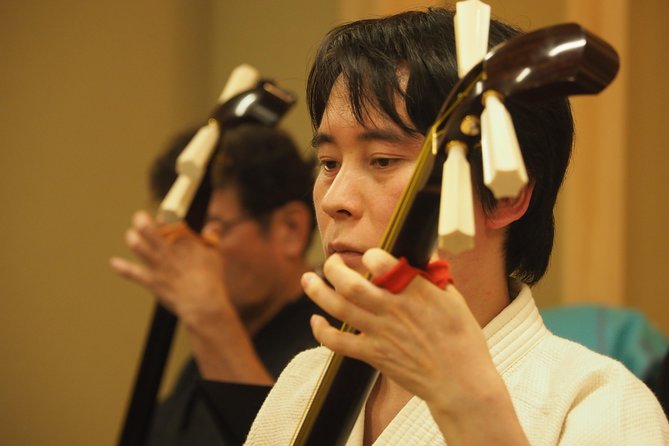
At $77.26 per person, this is not the cheapest one-hour activity in Tokyo. Its value depends on what you want from a cultural experience.
If you only want to hear shamisen music, a performance may offer more music for your money. If you want to try the instrument, receive instruction, and leave having played a simple song, this workshop offers more personal involvement than a standard show.
The price includes a nationally accredited tour guide-interpreter, shamisen rental, and the playing lesson. You do not pay extra for the instrument itself, and there is no need to bring food or drinks because neither is part of the program.
I see the strongest value for a small group. A family can share the same private session, receive direct help, and use group discounts if available. A solo participant may appreciate the personal attention, but should compare the per-person price with private lesson options before booking.
The instructor’s professional performance also adds value. You are not simply handed an instrument and shown a few notes. You hear a high-level musician, receive an explanation of the instrument, learn the basics, and see advanced techniques within the same hour.
Location, timing, and practical planning
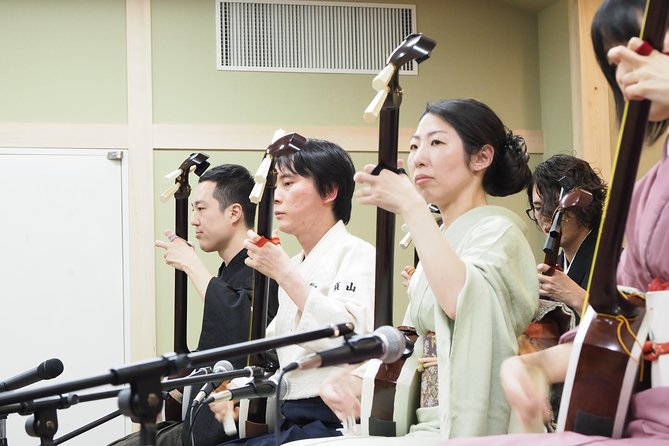
The meeting point is 14-28 Yochōmachi in Shinjuku City, near Shinjuku and public transportation. Transportation to and from the venue is not included, so you need to plan your own route and arrive at the stated meeting point.
The activity ends where it begins. That makes it easy to continue with your Tokyo plans, provided you leave enough time to travel to your next stop.
The stated operating period runs from January 5, 2026, through January 19, 2027, with Monday hours listed from 9:00 a.m. to 6:00 p.m. Confirm the specific start time when you book, since the booking is subject to availability and confirmation is sent within 48 hours.
The program is often booked about 42 days in advance. That is useful planning information, especially if your Tokyo dates are fixed. I would not wait until the last day if this is one of the cultural activities you most want to do.
English instruction is available. French and Spanish can be requested, which may help families, school groups, or language programs. The program is also offered for educational uses, including students, schools, corporate training, language programs, and academic institutions.
Service animals are allowed, and most people can participate. The activity is near public transportation, but the provided information does not specify the exact venue layout or seating arrangements, so contact the provider if your group has special mobility needs.
Who will enjoy this workshop most
This is a good choice for families who want a shared activity rather than another sightseeing stop. Children are welcome, and the simple song gives them a clear target. The instructor’s patient approach is especially important for younger participants who may need extra time with the pick.
It also suits adults who want a direct introduction to Japanese music. You do not need to read music or own an instrument. The lesson starts with the very basics and moves at a beginner level.
Students and school groups can use the class as a practical cultural lesson. The structure is easy to follow: performance, instrument handling, pick technique, song practice, advanced examples, and group playing. That gives an instructor or organizer a ready-made learning sequence.
I would also recommend it for a small group of friends who want something more unusual than a food tour or photo stop. The private format keeps the activity focused on your group and makes it easier to record photos and videos.
It is less suitable if you want a long concert, a full technical course, or a free-form jam session. The program has a set flow, and the short duration means the teacher must keep things moving.
The strongest parts of the experience
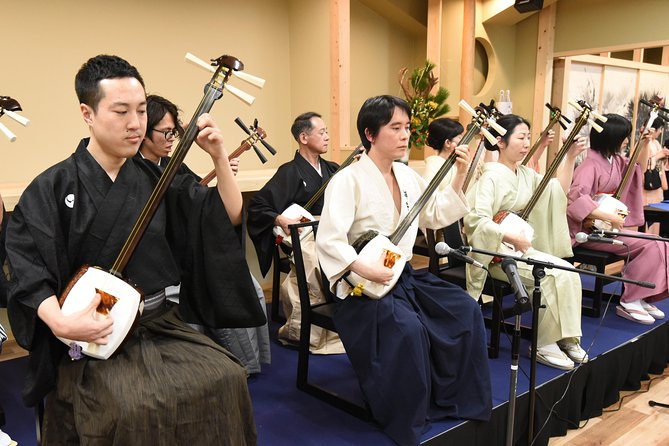
The professional performance is one of the clearest strengths. Hearing a champion-level musician before you practice gives the instrument a sense of scale. You learn that the few notes you manage are only the beginning, not the full range of Tsugaru playing.
The instructor’s patience is another major benefit. Beginner activities can become frustrating when the teacher moves too quickly. Here, the program is built around gentle instruction, and the available feedback suggests that participants value the close teaching style and the chance to hear several impressive pieces.
The family appeal is practical, not just promotional. Everyone can try the shamisen, and the private group format means your children are not placed in a large class with strangers. You can also take photos or video during the performance portion involving your group.
The lesson’s structure is efficient. In one hour, you receive music, background, technique, practice, and a final song. It does not attempt to cover everything about the shamisen, but it gives you a clear beginning and a memorable result.
Booking and cancellation details
You receive confirmation within 48 hours of booking, subject to availability. Since the activity is often reserved well ahead of time, I would book early and check that your requested date and start time are confirmed.
Free cancellation is available if you cancel at least 24 hours before the local start time. Cancellations made less than 24 hours before the experience are not refunded, and changes inside that window are not accepted.
That policy is fairly manageable for a planned Tokyo visit, but keep the local cut-off time in mind. If your train, flight, or other reservation could change your schedule, avoid booking the workshop too close to those plans.
Should you book the Tsugaru shamisen lesson?
Book it if you want to do more than look at Japanese culture from the outside. For $77.26, you hear a high-level performance, handle a genuine shamisen, learn the bachi, and work toward a song with an instructor. That is a fair price for a private small-group introduction, especially when several people share the experience.
The best match is a family, couple, student group, or small party that enjoys trying something new and does not expect instant mastery. If you prefer a full concert or a longer music course, choose another format. For a compact, personal activity near Shinjuku, this lesson gives you a memorable sound, a practical skill, and a story you can take home.
FAQ
How long does the Tsugaru shamisen lesson last?
The activity lasts approximately one hour.
Where does the lesson take place?
It starts and ends at 14-28 Yochōmachi, Shinjuku City, Tokyo 162-0055, near Shinjuku.
Is the shamisen rental included?
Yes. Shamisen rental and the playing lesson are included in the price.
Is the lesson suitable for complete beginners?
Yes. Gentle instruction is provided, and no previous shamisen experience is required.
Can children and families participate?
Yes. Children and families are welcome to join the program.
Is the activity private?
Yes. Only your group participates in this private activity.
What language is the lesson offered in?
Licensed instructors are available in English. French and Spanish are available upon request.
Can I cancel for a full refund?
Yes, if you cancel at least 24 hours before the experience start time. Cancellations made less than 24 hours in advance are not refunded.
Newly reviewed around Tokyo
- Tokyo Asakusa:Calligraphy & Make T-shirt Activity★ 5.0 · 62 reviews
- Intercity Shuttle, Tokyo to Haneda /Narita /Yokohama /Makuhari★ 5.0 · 5 reviews
- 1 Hour Travel around Tokyo with a Professional Photographer★ 5.0 · 3 reviews
- Travel Tokyo with Your Own Personal Photographer★ 5.0 · 43 reviews
- Train in Samurai Swordsmanship and Defeat the Demon in Tokyo★ 5.0 · 5 reviews
- Shuttle Van 6hr Tokyo Tour to-and-from Tokyo, Yokohama and Narita★ 5.0 · 9 reviews
- Kickboxing & Body Training with EX-Pro Fighter★ 5.0 · 4 reviews
- Traditional Japanese Knife Sharpening Class★ 5.0 · 18 reviews
Tokyo Traditional Music and Dance Shows, compared.

Japanese Dance Cabaret Theater Asakusa-Kaguwa Ticket
Read our review →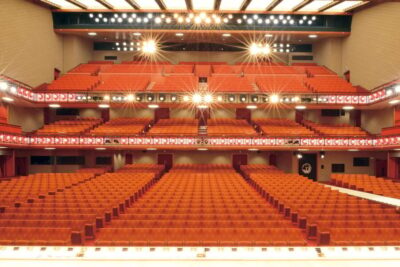
KABUKI Show at Kabukiza Theatre Admission Ticket
Read our review →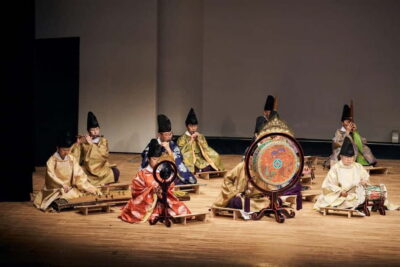
KABUKI, BUNRAKU, etc. presented by National Theatre
Read our review →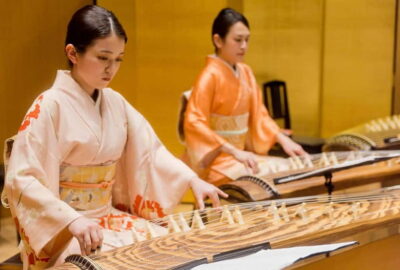
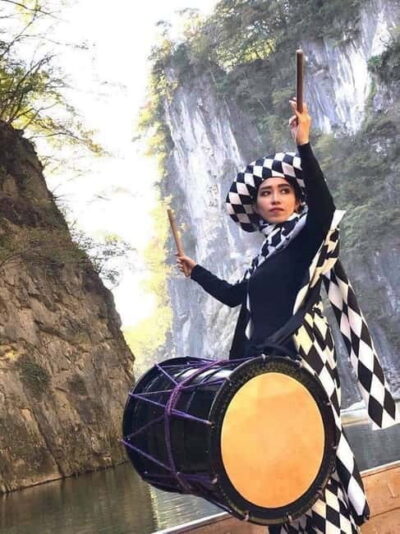
Tokyo’s Authentic and Finest Taiko Drumming Experience
Read our review →
Tokyo’s Authentic and Finest Taiko Drumming Workshop
Read our review →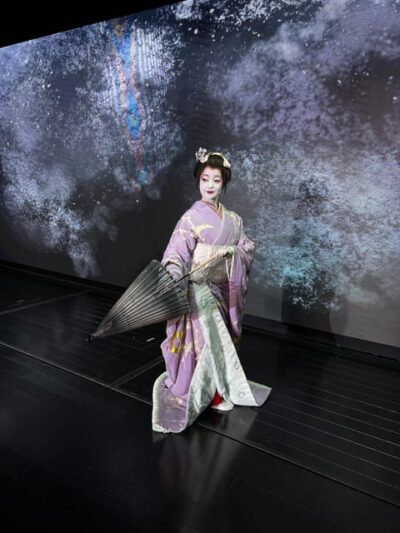
Authentic Japanese Dance Show ticket by professionals
Read our review →
Browse the lists this tour appears in