
Reviewed · TOKYO TRADITIONAL MUSIC AND DANCE SHOWS
Tokyo: Authentic Japanese Dance Show ticket by professionals
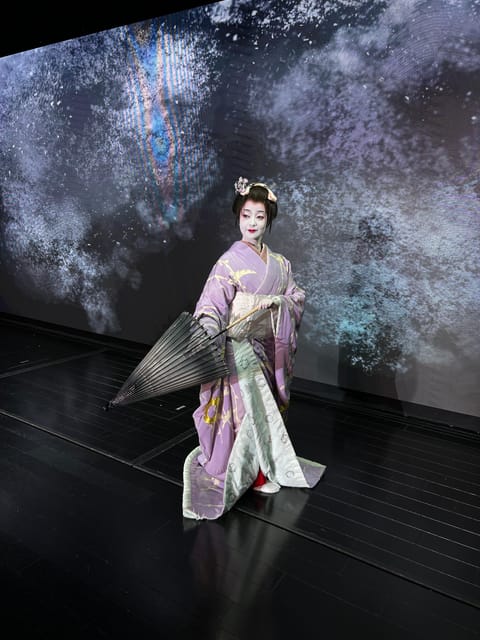
Japanese dance is best seen close enough to catch a performer’s expression, the turn of a sleeve, and the careful movement of a decorated kimono. This Shinjuku show brings award-winning Japanese dancers within easy viewing distance and explains the art’s 400-year tradition as you watch it unfold.
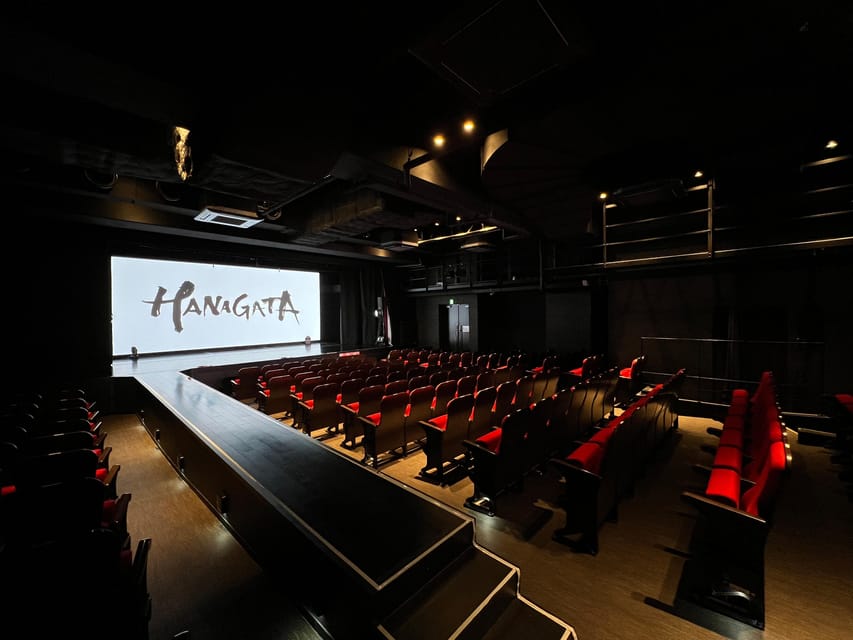
I like the intimate seating, where there is no bad seat, and the chance to speak with staff and performers before or after the show. I also like the welcome gifts and the English information between performances. The main drawback is that the $54 ticket covers admission only, so food, drinks, and transportation are extra, and photography is forbidden during the performance.
Key points to know before you book
- Close-up Japanese dance: You can see facial expressions, hand movements, kimono details, and the effort behind each gesture.
- Award-winning performers: The dancers have received awards at Japanese dance competitions.
- Cultural context in English: Information is provided between performances, helping you follow an art form that may be unfamiliar.
- Shinjuku location: The central setting makes this a practical evening or daytime culture stop in Tokyo.
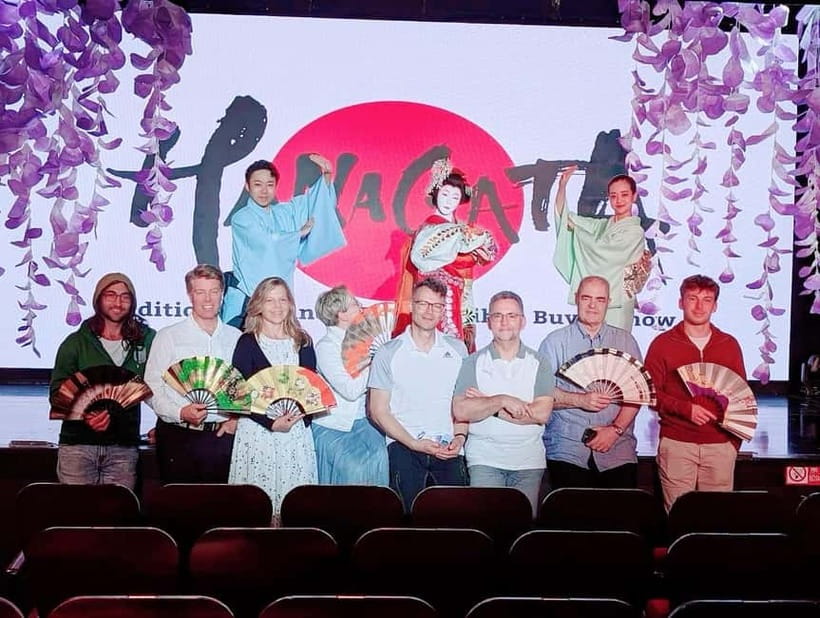
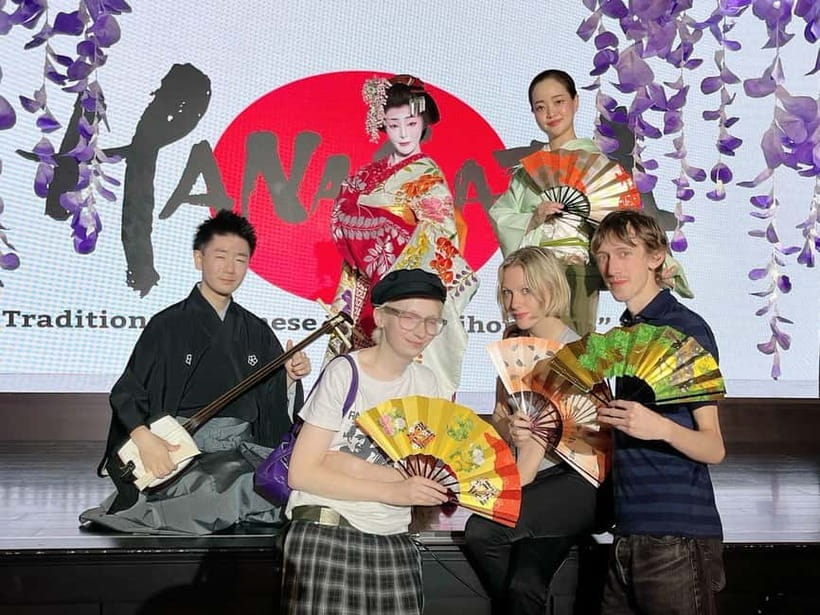
- Photos come after the show: Cameras and phones are not allowed during the performance, but there is time for pictures at the end.
- Admission only: The $54 price does not include food, drinks, hotel pickup, or other activities.
Why Japanese dance works best up close
Japanese dance is not built around large gestures or constant motion. Much of its effect comes from control: a pause, a lowered gaze, a slow turn, or the exact way a sleeve moves through the air.
From a distant seat, those details can disappear. Here, the format puts you close to the performers, so you can watch their expressions and the fine work of their hands. You are not simply watching colorful costumes cross a stage. You are seeing how posture, music, clothing, and small movements carry meaning together.
The art has been passed down for more than 400 years. That long tradition gives the performance a sense of connection with Japan’s past, including the Edo period associations that can make the show feel far removed from modern Tokyo outside the venue.
I appreciate that the presentation does not expect you to arrive with background knowledge. The English explanations between performances help you understand what you are seeing without turning the event into a dry lecture. You get the movement first, then enough context to look at it with sharper eyes.
More Tokyo traditional music and dance shows:
- Tokyo: Japanese Dance Cabaret Theater Asakusa-Kaguwa Ticket
★ 4.8 · 2,270 reviews - Tokyo: KABUKI Show at Kabukiza Theatre Admission Ticket
★ 4.8 · 152 reviews - Tokyo: KABUKI, BUNRAKU, etc. presented by National Theatre
★ 4.6 · 135 reviews
Entering the Shinjuku performance
Shinjuku is one of Tokyo’s busiest districts, so this show is easy to pair with other plans in the area. Its central location is useful if you want a cultural activity without spending a long time crossing the city.
The event is focused on the stage rather than a large sightseeing circuit. There is no hotel pickup, and the ticket does not include a meal. Plan your route and any dinner separately. That may sound obvious, but it matters in Shinjuku, where it is easy to assume an evening activity includes more than it does.
The setting also gives you a useful contrast. Outside, you have modern Tokyo, bright signs, packed streets, and fast trains. Inside, the pace changes. The show asks you to pay attention to measured movement and quiet detail.
The exact duration and running order are not specified, so you should not build a tightly timed connection around the performance. Leave room before and after it, especially if you want to speak with the performers or take photographs at the end.
Meeting professional dancers in kimono
The performers are Japanese dancers who have won awards at competitions. That does not mean you need to understand technical dance terms to enjoy the show. It does mean you are seeing trained artists rather than a casual demonstration prepared only for sightseeing.
The clothing is an important part of the experience. Kimono are not just costumes here. The cut, color, decoration, and movement of the fabric affect how each gesture looks. A turn can make a sleeve ripple, while a still pose lets you notice the decoration and the way the garment frames the body.
Several details make the close seating especially worthwhile:
- You can follow the dancers’ facial expressions.
- You can see the precision of their hands and posture.
- You can notice how the kimono responds to movement.
- You can watch the effort required to make slow gestures look natural.
- You can hear explanations that connect the performance to Japanese culture.
You may find the style unfamiliar at first. Do not worry about identifying every technique. Start by watching rhythm, expression, and changes in pace. The show becomes easier to follow when you stop expecting Western theatrical movement and allow the pauses to matter.
Understanding the show without speaking Japanese
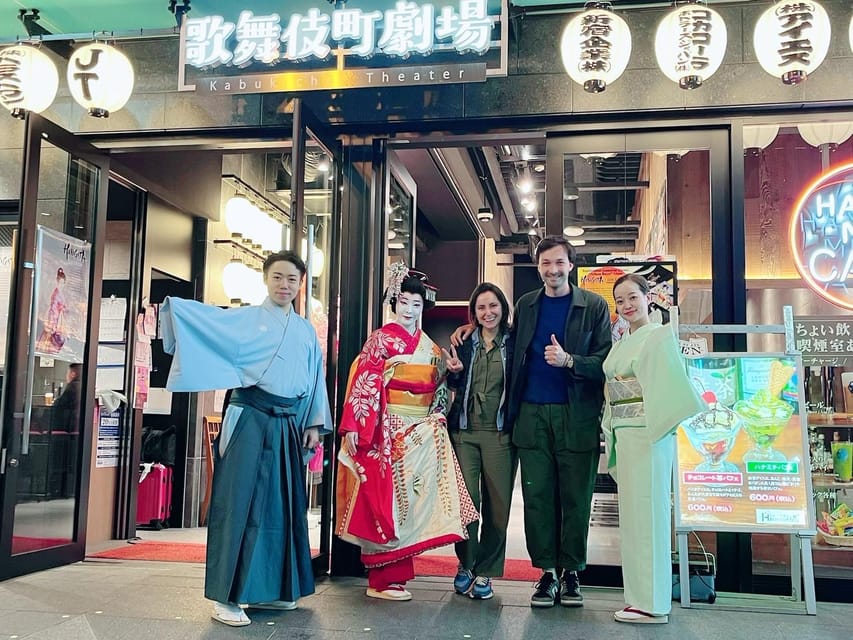
The listed performance language is Japanese, but English information is provided between performances. This is a key point for anyone who wants more than a visual costume display.
Japanese dance has its own vocabulary, customs, and ways of expressing emotion. Without some explanation, you might admire the clothing and graceful movements while missing why certain gestures or scenes matter. The added information gives you a basic frame for what you are seeing.
You should still expect some cultural distance. The show does not turn a 400-year-old art into a fully translated modern drama. Some meaning will remain visual, musical, and symbolic. That is part of the experience, but it also means this is better suited to curious visitors than to anyone seeking a simple English-language stage story.
The educational side is handled between performances rather than replacing them. You get time to watch, then time to learn. That rhythm helps keep the event enjoyable for people who may not normally attend traditional Japanese dance.
More Tokyo shows and performances:
- Mt Fuji & Hakone Cruise, Drum Show Bullet Train 1 Day from Tokyo
★ 4.0 · 7,413 reviews - Tokyo: Sumo Show and Dining Experience
★ 4.8 · 2,742 reviews - the SUMO show
★ 5.0 · 1,960 reviews - Tokyo Shinjuku Sumo Show & Experience with Photo
★ 5.0 · 1,750 reviews
The welcome and the time after the performance
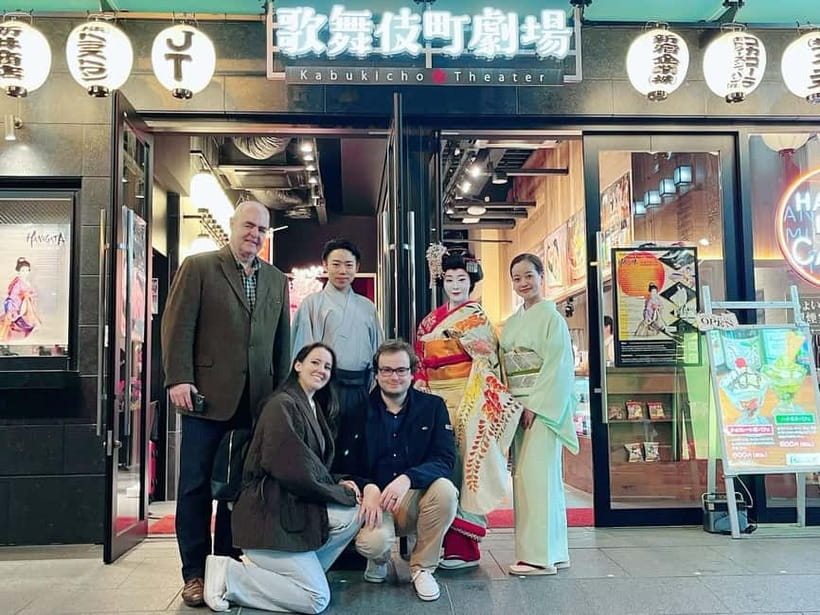
The atmosphere begins before the main dance. Staff are described as friendly and welcoming, and welcome gifts are provided. Those small touches help the event feel personal rather than purely transactional.
The after-show time is one of the most useful parts for visitors from abroad. Staff and performers may be available to talk, and English communication is supported. That gives you a chance to ask about the dance, the costumes, or what you have just seen.
You can also take pictures at the end. This is important because photography is strictly prohibited during the performance. The rule protects the concentration of the dancers and the audience, but it means you need to keep your phone away while the show is in progress.
If photography matters to you, plan to enjoy the performance first and save your camera for the designated time. You should not expect to collect candid stage images throughout the event.
What the $54 price really buys you
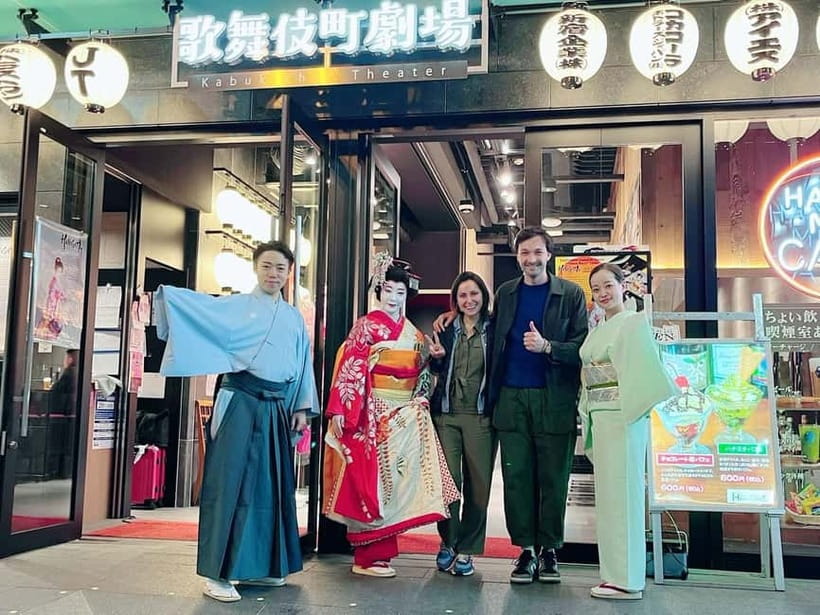
At $54 per person, this is not the cheapest cultural activity in Tokyo. The value depends on what you want from the evening.
You are paying for direct access to a traditional art performed by award-winning dancers, not for a meal, a city tour, or a long list of attractions. The close viewing distance is important. A larger, cheaper show might give you more spectacle, but it may not let you see expressions, hand positions, or kimono details as clearly.
The price makes more sense if you value:
- A focused introduction to a traditional Japanese art.
- Professional performers with competition awards.
- English cultural explanations.
- A compact activity in central Shinjuku.
- A chance to speak with artists and staff afterward.
- A final photo opportunity.
The value is weaker if you want a full evening package with dinner and transportation included. Food and beverages cost extra, and there is no hotel pickup. You will need to arrange those parts yourself.
I would compare this ticket with other cultural shows by asking one question: do you want a broad, flashy production, or do you want to sit close and study a traditional form? For the second choice, the price is easier to justify.
Who should consider this experience
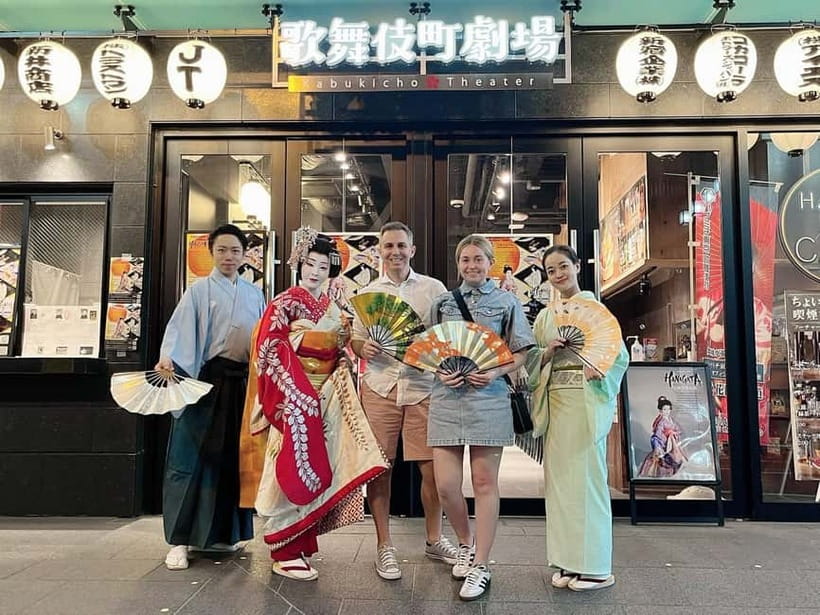
I would recommend the show to anyone with an interest in Japanese history, costume, music, or traditional performance. It is also a good pick if you want something more focused than a general sightseeing tour.
It suits first-time visitors because the English explanations give you a way into an unfamiliar art. You do not need previous knowledge of Japanese dance. You only need enough patience to watch carefully and accept that the performance may communicate through mood and gesture rather than direct spoken storytelling.
It can also work well for repeat visitors to Tokyo. After you have seen the major temples, observation decks, and shopping districts, a small performance offers a different view of Japan. Shinjuku makes it easy to fit into a day that already includes the district.
Families should note that childcare can be arranged separately, and activities can also be organized for children through the supplied kids program. The ticket itself does not include childcare, so make that arrangement in advance if you need it.
Who may want a different Tokyo show
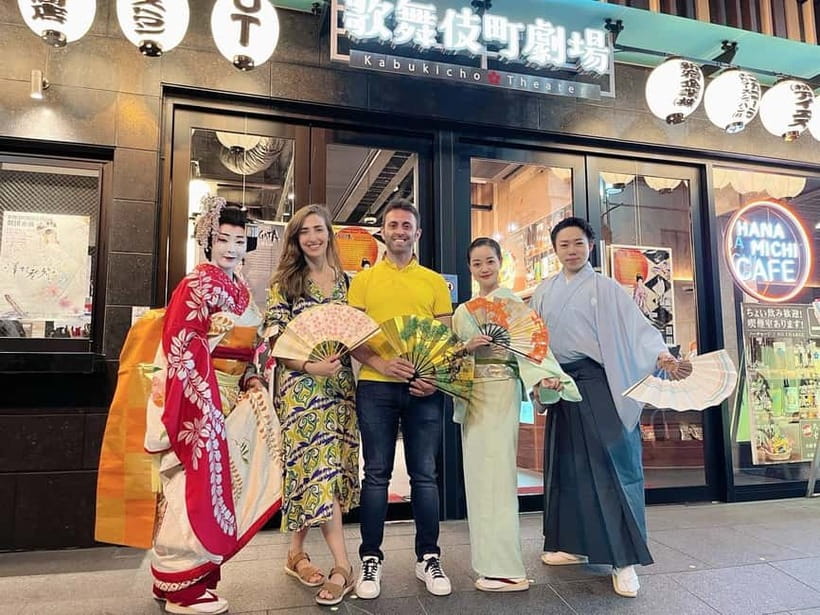
This is not the right choice if you need constant photography. Cameras are prohibited during the performance, with pictures allowed only after it ends.
It may also disappoint anyone expecting a large production with a full meal, hotel transfer, or a long itinerary. The ticket is for the performance. You should treat it as a concentrated cultural experience rather than a complete night out.
If you strongly prefer performances explained entirely in English, keep in mind that the listed language is Japanese. English information is given between performances, but the dance itself remains a traditional Japanese art form rather than an English-language show.
The slow pace may also require a little adjustment. Japanese dance often rewards close attention to detail more than quick action. Give it time. If you rush your judgment during the first few minutes, you may miss what makes the form special.
Practical planning for your visit
Wear whatever you find comfortable for a seated performance. No dress requirement is provided, so you do not need to plan a formal outfit.
Arrive with your phone ready to stay in your pocket or bag during the performance. You can photograph the performers later, but you should respect the no-photography rule while the dance is underway.
Because food and drinks are not included, eat beforehand or plan a meal in Shinjuku afterward. The central location gives you plenty of options in the surrounding district, but those plans are separate from the ticket.
The experience offers reserve-now, pay-later booking, which can help if your Tokyo schedule is still changing. You can also cancel up to 24 hours in advance for a full refund. Check the booking terms when you reserve, since the practical value of that flexibility depends on your final plans.
My recommendation for the $54 Shinjuku show
I would book this experience if you want close access to Japanese dance, professional performers, and enough English explanation to understand the basics. The strongest features are the near-stage view, the beautiful kimono, the dancers’ skill, and the chance to meet staff or performers afterward.
I would skip it if your priority is photography, included dining, or a large theatrical spectacle. This is a focused art experience, not an all-purpose Tokyo entertainment package.
For the right audience, the $54 cost buys something difficult to find in ordinary sightseeing: a quiet look at a traditional art, presented by skilled Japanese dancers in the middle of modern Shinjuku. Plan a separate meal, put your camera away during the dance, and give the performers your full attention. That is where the ticket earns its value.
FAQ
Where does the Japanese dance show take place?
The show takes place in Shinjuku, in Tokyo on Honshu. Its central location makes it convenient to combine with other plans in the area.
Who performs in the show?
The performance is presented by Japanese dancers who have received awards at Japanese dance competitions. Yuki Yoshida is the experience provider.
Is the show available in English?
The listed performance language is Japanese. English information is provided between performances, and staff and performers may be able to speak with you in English afterward.
Can I take photographs during the performance?
No. Photography is prohibited during the performance so the audience and dancers can remain focused. A photography period is provided at the end of the show.
What does the $54 ticket include?
The price includes the entrance ticket. Food, drinks, and hotel pickup are not included.
Can I cancel or pay later?
You can reserve and pay later, keeping your plans flexible. Cancellation is available up to 24 hours in advance for a full refund.
Newly reviewed around Tokyo
- Tokyo Asakusa:Calligraphy & Make T-shirt Activity★ 5.0 · 62 reviews
- Intercity Shuttle, Tokyo to Haneda /Narita /Yokohama /Makuhari★ 5.0 · 5 reviews
- 1 Hour Travel around Tokyo with a Professional Photographer★ 5.0 · 3 reviews
- Travel Tokyo with Your Own Personal Photographer★ 5.0 · 43 reviews
- Train in Samurai Swordsmanship and Defeat the Demon in Tokyo★ 5.0 · 5 reviews
- Shuttle Van 6hr Tokyo Tour to-and-from Tokyo, Yokohama and Narita★ 5.0 · 9 reviews
- Kickboxing & Body Training with EX-Pro Fighter★ 5.0 · 4 reviews
- Traditional Japanese Knife Sharpening Class★ 5.0 · 18 reviews
Tokyo Traditional Music and Dance Shows, compared.
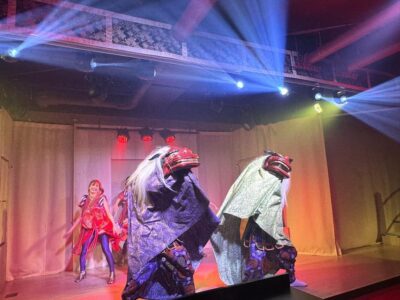
Japanese Dance Cabaret Theater Asakusa-Kaguwa Ticket
Read our review →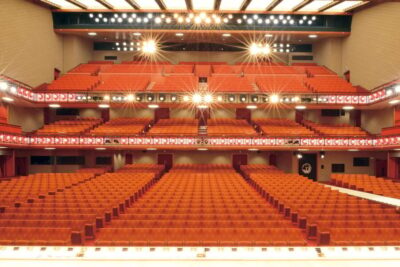
KABUKI Show at Kabukiza Theatre Admission Ticket
Read our review →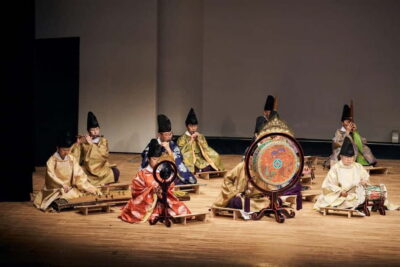
KABUKI, BUNRAKU, etc. presented by National Theatre
Read our review →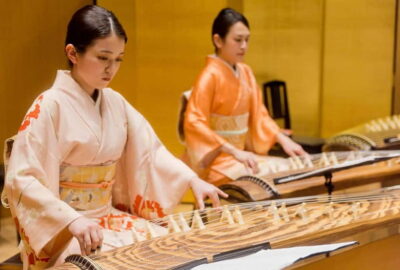
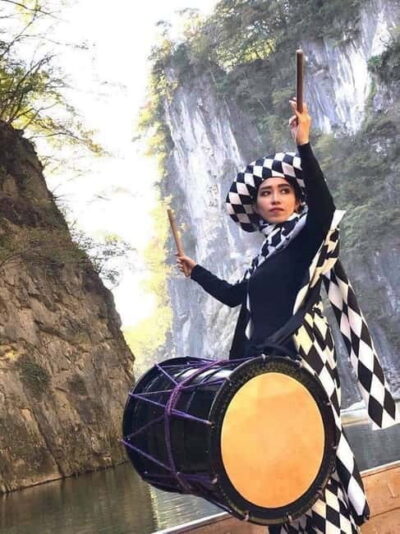
Tokyo’s Authentic and Finest Taiko Drumming Experience
Read our review →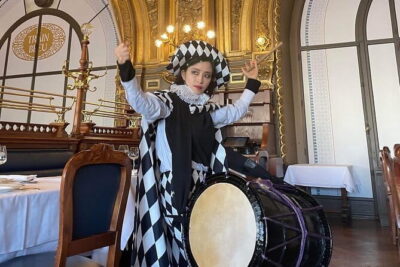
Tokyo’s Authentic and Finest Taiko Drumming Workshop
Read our review →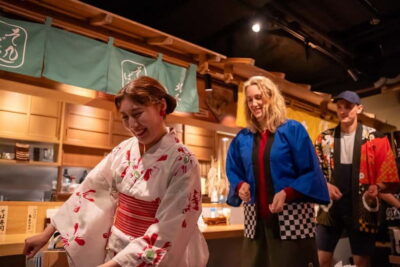
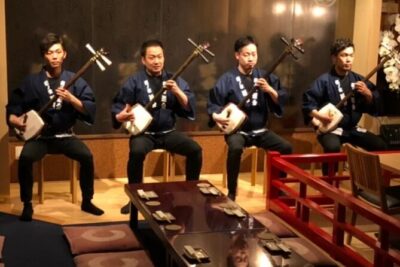
Tsugaru shamisen performance over traditional dinner
Read our review →Browse the lists this tour appears in